Why Ohio Burning Bush Keeps Coming Back And How To Finally Stop It
You cut it down last fall. You were thorough about it. And yet here it is again.
Burning bush is one of those plants that makes Ohio gardeners feel like they are losing an argument with their own yard, and the frustration is completely justified.
Euonymus alatus is classified as invasive in Ohio and many other states because it spreads aggressively and resists easy removal in ways that catch most homeowners off guard.
The Ohio Invasive Plants Council and Ohio Department of Natural Resources both flag it as a problem plant that crowds out native species in woodlands, meadows, and roadsides across the state.
The reason it keeps coming back is not bad luck. It is biology, and once you understand exactly how this shrub operates underground, through birds, and in the root crown, the whole picture becomes a lot clearer.
Getting rid of burning bush for good is absolutely possible.
It just requires knowing what you are actually dealing with before you reach for the shovel.
1. Hidden Roots Push Fresh Shoots
One of the sneakiest things about burning bush is what happens underground.
Long after you remove the branches and stems you can see, the root system stays very much alive. These roots spread outward in a wide network, sometimes reaching several feet beyond the base of the shrub.
Root suckering is a major reason why new growth keeps appearing after you think the plant is gone.
Suckers are shoots that sprout directly from the root system rather than from a cut stem. Because they start below the soil surface, they have access to stored energy that helps them grow back fast.
In Ohio, the combination of clay-heavy soils and seasonal freeze-thaw cycles can actually make root suckering worse.
Soil movement from frost can expose or stimulate root segments, encouraging new sprouts in unexpected spots. You might remove the main shrub and then see fresh shoots pop up two feet away the following spring, which is exactly as frustrating as it sounds.
Digging is the most reliable way to address root suckering.
Use a sharp spade to trace roots outward and remove as much of the root system as possible. Every root piece left in the ground has the potential to send up a new shoot.
Work slowly and methodically, and check the area again after a few weeks for any new growth you may have missed during the first removal session.
2. Cut Stems Respond With Resprouts
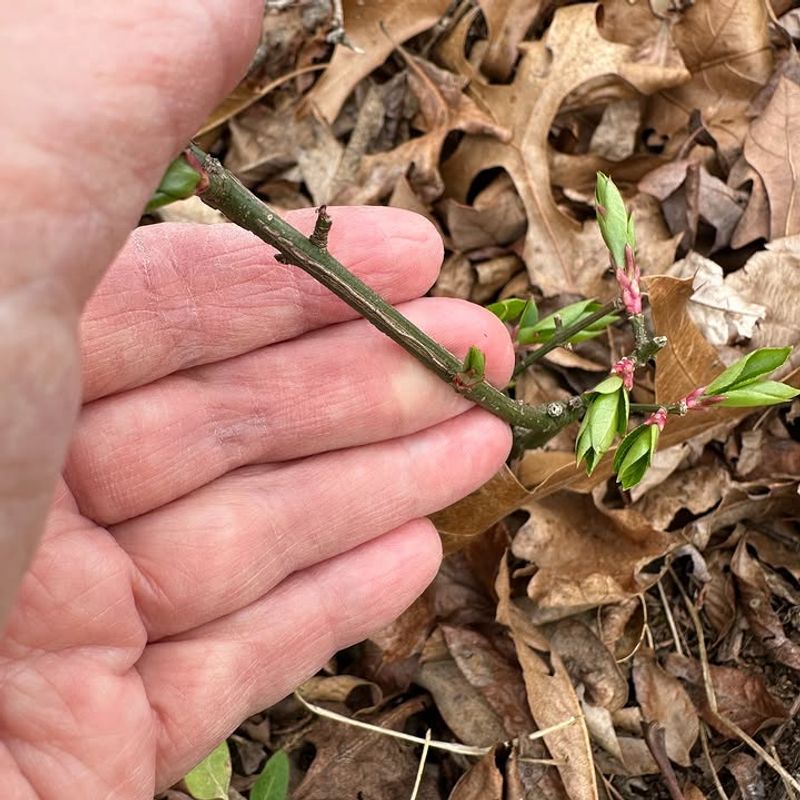
Grab a saw, cut burning bush to the ground, and you might feel like the job is done. It is not.
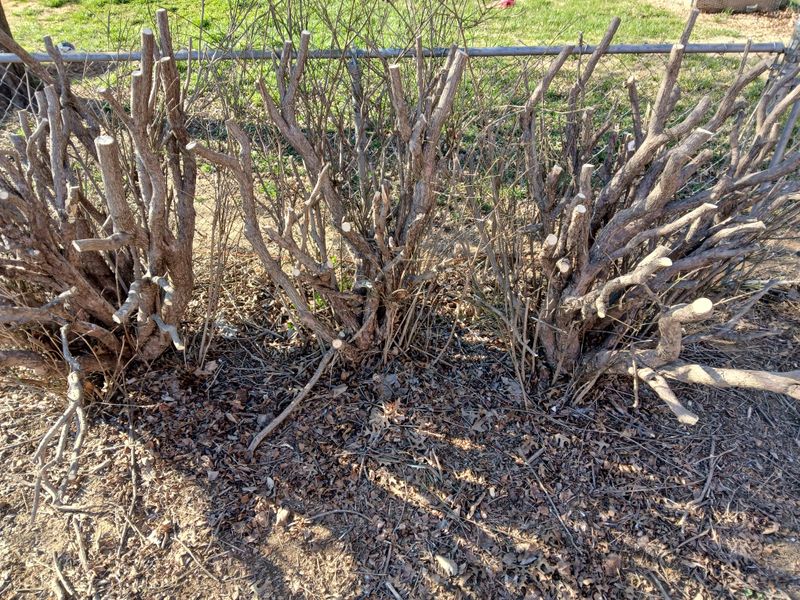
Cutting the stems without treating the stump almost always triggers a burst of vigorous regrowth from the base. The plant responds to being cut by sending up multiple new stems, sometimes more than were there before.
This happens because burning bush stores significant energy in its root crown, which is the thick woody tissue at the base of the plant just below the soil line.
When you remove the top growth, the root crown uses that stored energy to push out new shoots quickly. Within a single growing season, a cut shrub can return to a sizable plant.
Your Ohio Garden Changes Every Week. Your Plan Should Too.
Gardening in Ohio changes quickly throughout the season. Every Friday you’ll receive a simple weekly plan showing exactly what to plant, prune, fertilize, harvest, and protect so you never miss the right timing.
Repeated cutting without follow-up treatment rarely eliminates established shrubs.
You can exhaust the plant over time through repeated cutting across multiple seasons, but this takes years and consistent effort. Most homeowners find that cutting alone simply prolongs the battle.
For better results, plan to treat the stump immediately after cutting.
Timing matters a great deal here. The longer you wait after cutting, the less effective any follow-up treatment becomes because the cut surface begins to seal over within hours.
Having your treatment method ready before you make the first cut puts you in a much stronger position to prevent resprouts from getting established.
3. Birds Spread Seeds Beyond Beds
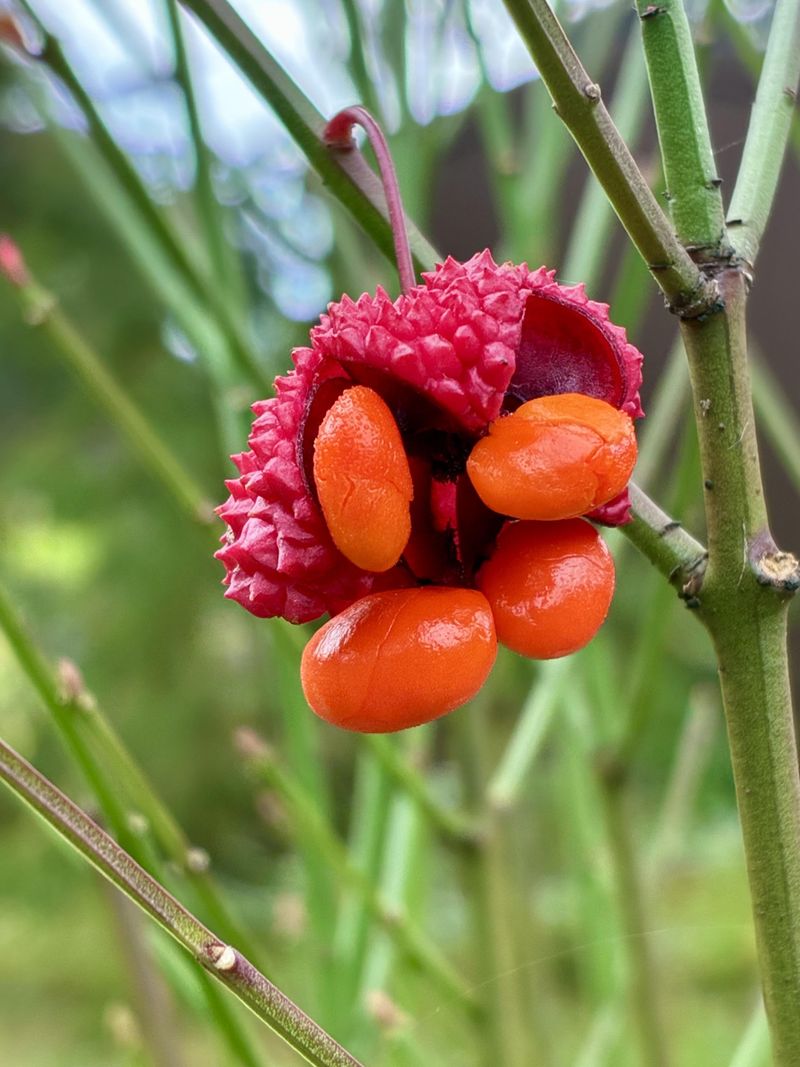
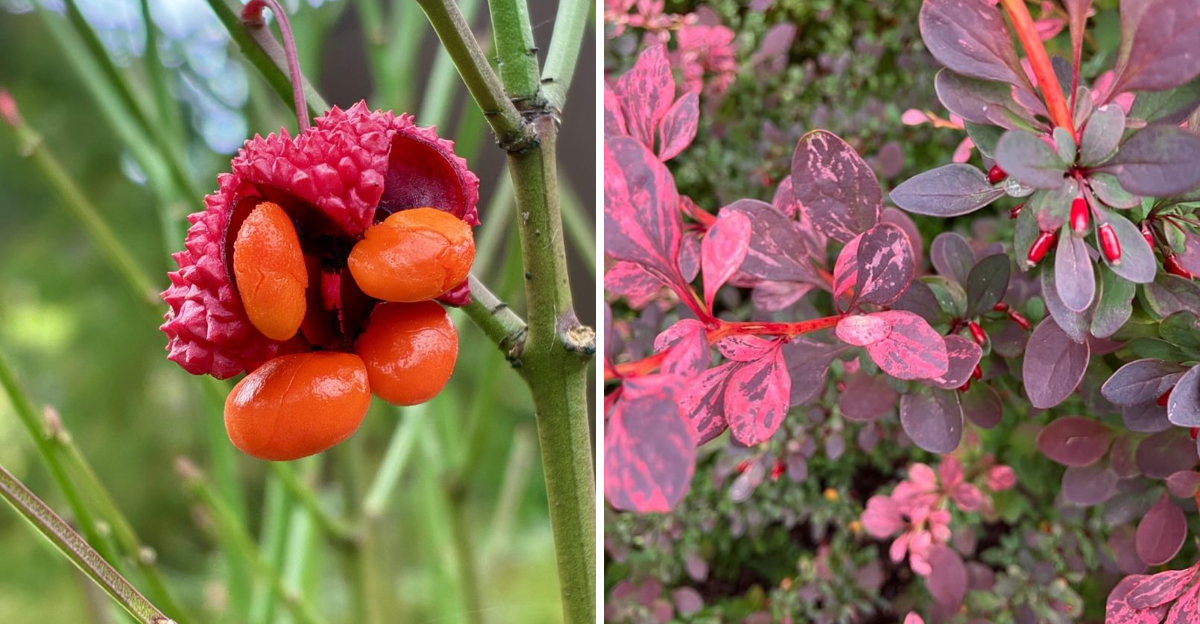
Burning bush produces small red berries that birds absolutely love.
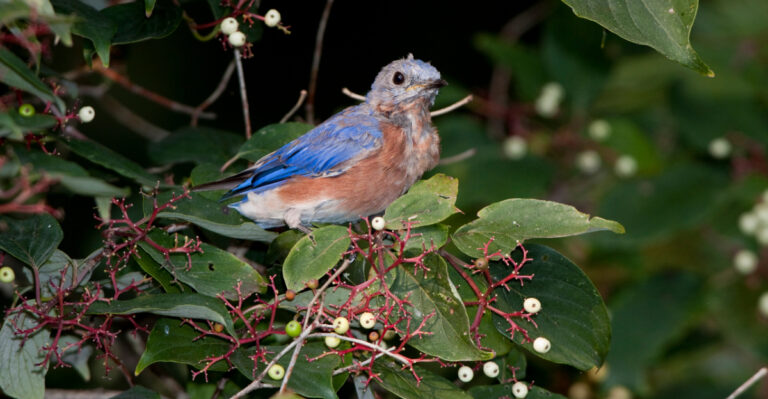
Cedar waxwings, robins, and other common Ohio birds eat these berries and then fly off to woodlands, stream banks, and natural areas nearby. Seeds pass through the birds and land in new spots, sometimes far from any cultivated garden.
This seed dispersal is one of the main reasons burning bush spreads so widely across Ohio natural areas.
The Ohio Department of Natural Resources has documented burning bush escaping into forests and natural corridors throughout the state.
Once seedlings establish in wild areas, they compete with native plants for light, water, and nutrients in ways that can reshape entire woodland understories.
A single mature burning bush can produce hundreds of berries in a good year.
Multiplied across many yards in a neighborhood, the seed load that birds carry into natural areas becomes substantial.
This is why the Ohio Invasive Plants Council recommends removing burning bush even when it seems to be behaving itself in a contained garden bed.
Removing berries before they ripen can reduce seed spread in the short term.
Bag and dispose of any berry clusters in the trash rather than composting them, since compost piles may not get hot enough to prevent germination.
Paying attention to berry production each fall gives you a window to reduce the number of seeds that leave your property.
4. Seedlings Hide Under Nearby Shrubs
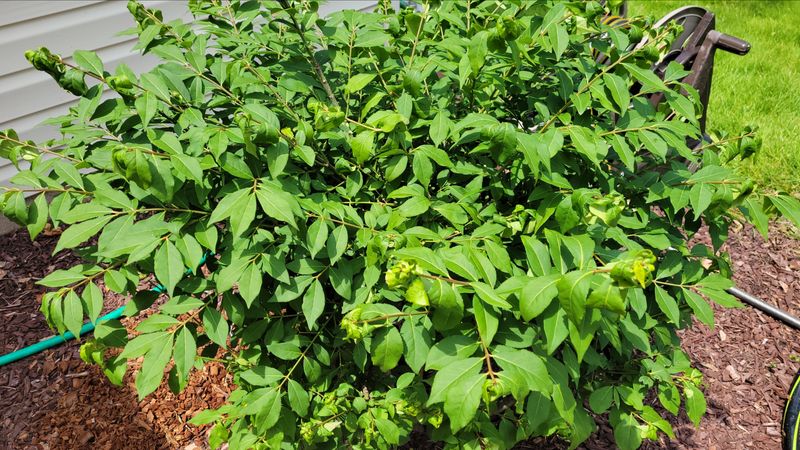
Young burning bush seedlings are easy to overlook.
They start small, often with just a pair of smooth, oval leaves on a thin reddish stem. Because they tend to sprout in shady spots under larger shrubs or along fence lines, they can grow for a full season before anyone notices them.
Check carefully beneath any existing shrubs, especially those near a burning bush you have already removed or one that produces berries regularly.
Seedlings often establish in these sheltered spots because the shade reduces competition from grass while the organic matter from leaf litter provides good germination conditions.
They can also show up along the edges of mulched beds, in hedgerows, and at the base of fences.
Early detection makes a real difference. A seedling pulled in its first year takes seconds to remove and leaves almost no root behind.
That same plant left alone for two or three years develops a woody crown and a spreading root system that takes much more effort to address.
Getting into the habit of scanning garden beds each spring and fall catches seedlings before they become a bigger problem.
Learn to identify burning bush leaves so you can spot seedlings confidently.
The leaves are opposite each other on the stem, finely toothed along the edges, and turn bright red in autumn.
Even small seedlings show this leaf pattern, which makes identification manageable once you know what to look for.
5. Pull Small Plants After Rain
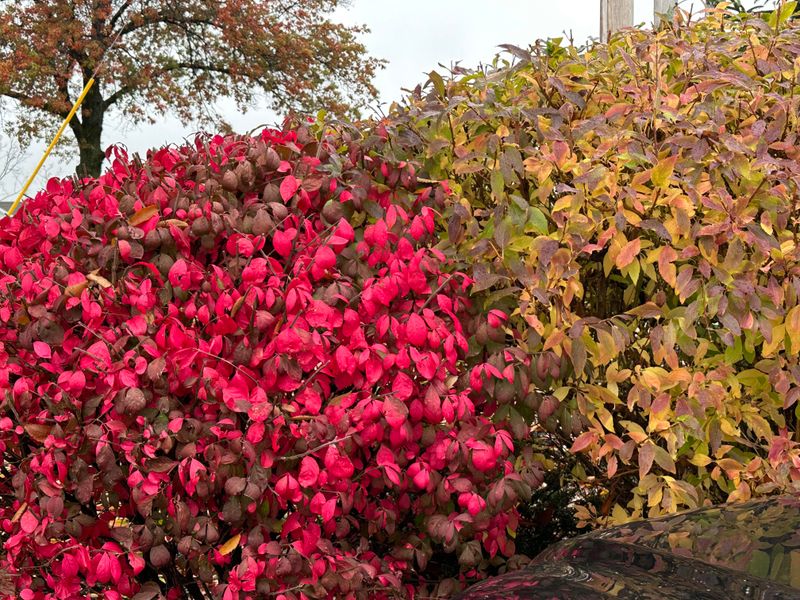
Rainy weather is actually your best ally when it comes to hand-pulling young burning bush plants.
Moist soil loosens around roots, making it far easier to extract the entire plant rather than snapping the stem and leaving the root behind. A root left in the ground is a plant waiting to return.
Wait until the day after a good rain when the soil is damp but not waterlogged.
Grip the seedling or small plant as low on the stem as possible, near the soil surface. Pull slowly and steadily with a slight rocking motion to ease the roots free without breaking them.
For slightly larger plants, use a hand trowel or weeding fork to loosen the soil around the root before pulling.
Place all removed plants, roots included, into a bag for trash disposal.
Do not leave pulled plants lying on the soil because some can re-root if they stay in contact with moist ground.
Composting is also not recommended since home compost piles may not reach temperatures high enough to prevent seeds or root fragments from surviving.
Wear gloves during this work since burning bush sap can cause mild skin irritation in some people.
Keep a bucket or bag close so you can drop plants directly into it as you work.
Pulling after rain is most effective for plants under two years old, and older more established plants will need additional methods beyond hand-pulling to address the root system fully.
6. Treat Fresh Stumps Right Away
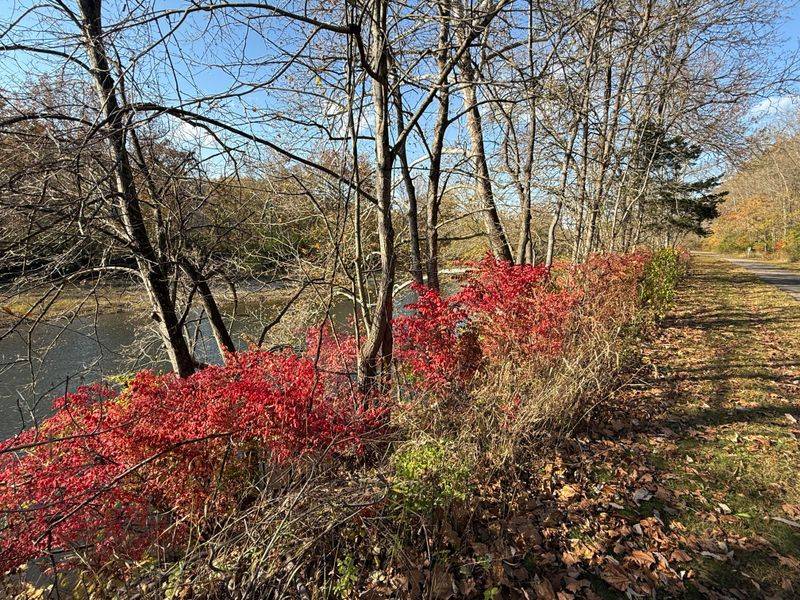
Speed is everything when treating a freshly cut burning bush stump.
The window for effective cut-stump treatment is narrow. Research from invasive plant management programs shows that treating the cut surface within minutes to a couple of hours of cutting gives the best results.
Waiting even a few hours allows the outer tissue to begin sealing, which reduces how well any treatment is absorbed into the root system.
Cut-stump treatment involves applying an appropriate herbicide directly to the cut surface of the stump immediately after cutting.
A small paintbrush or foam applicator works well for this, allowing precise application without spreading the product to nearby soil or plants.
Always read and follow the product label completely before use. Labels are legal documents, and following them is both a legal requirement and a safety measure.
Check local rules before using any herbicide.
Some Ohio municipalities and homeowner associations have specific guidelines about what products can be used and where.
If you are working near a stream, wetland, or other water body, there may be additional restrictions. Products approved for use near water are different from standard formulations.
Cut-stump treatment is considered a targeted, low-impact approach compared to broadcast spraying because it concentrates the product on the specific plant you want to address.
Follow up by monitoring the stump for any new growth over the coming weeks and retreat promptly if resprouts appear.
7. Watch The Site For New Growth
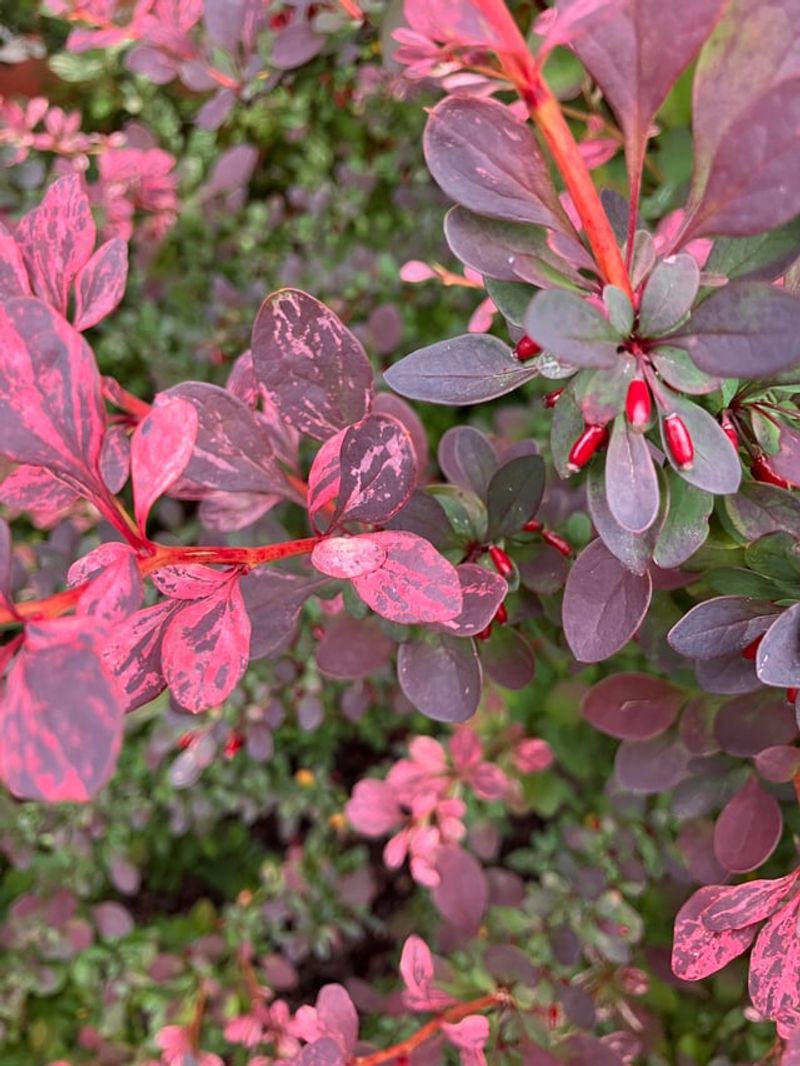
Removing burning bush once is rarely enough.
Most experienced land managers and invasive plant specialists will tell you that successful removal is a multi-year process that depends heavily on consistent follow-up monitoring.
Checking the removal site regularly is not optional if you want lasting results.
Set a schedule for monitoring.
Early spring is a great time to look because new shoots are easier to spot before surrounding plants leaf out.
Late summer is another good check-in point, especially for seedlings that germinated in early summer and have had a few months to grow.
A quick walk through the area takes only a few minutes and can catch regrowth before it gets out of hand.
Keep a simple log of what you find each season.
Note where new shoots appear and how large they are. This helps you track whether the root system is weakening over time or whether new seedlings from bird-dispersed seeds are the main challenge.
Understanding the pattern helps you respond more efficiently with each visit.
Persistence pays off. Sites monitored and treated across three to five years have much better long-term outcomes than sites where removal happened only once.
Each time you remove a new shoot before it matures, you reduce the root energy available for future regrowth.
Over time, the intervals between new sprouts get longer, and eventually the site stabilizes.
8. Replace It With Native Shrubs
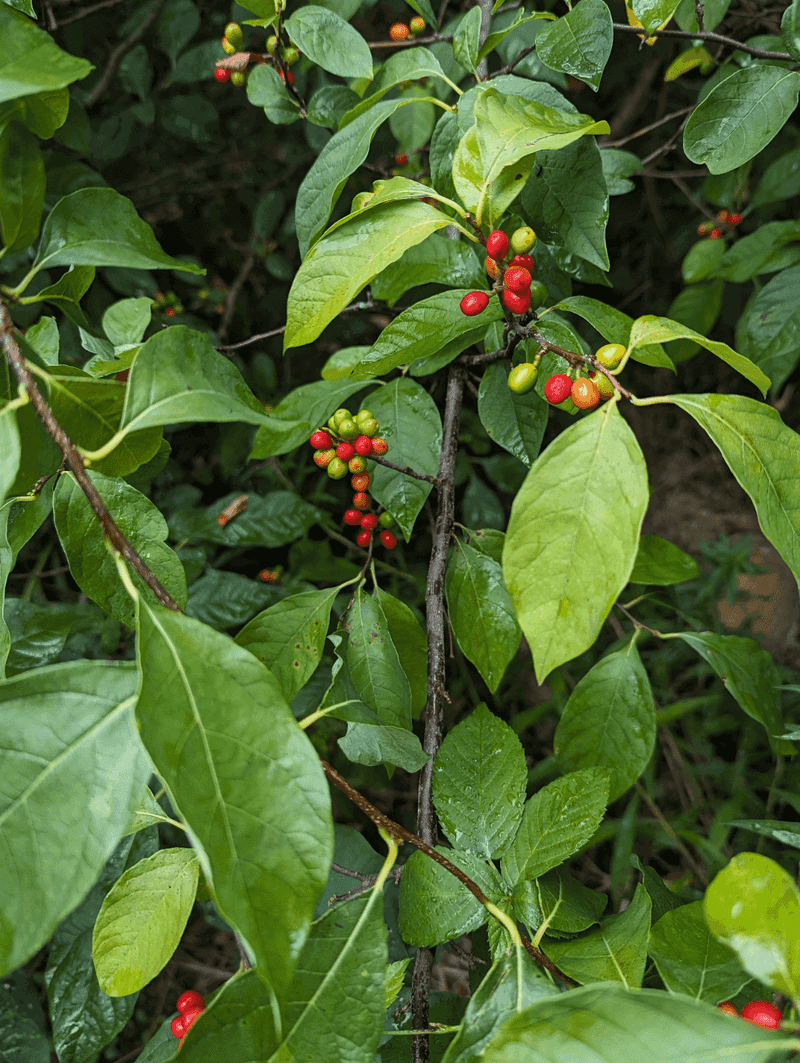
Pulling out burning bush leaves a gap in the landscape, and filling that gap with a native Ohio shrub is one of the smartest moves you can make.
Native plants are adapted to Ohio soils and climate, support local wildlife, and do not carry the invasive risk that burning bush does.
Many of them offer stunning fall color that rivals or surpasses the red display burning bush is known for.
Red chokeberry, known botanically as Aronia arbutifolia, is a strong choice. It offers white spring flowers, glossy red berries that birds love, and brilliant red fall foliage.
Spicebush, or Lindera benzoin, is a woodland-edge native with fragrant leaves, yellow spring flowers, and red fall berries that are especially valuable to migrating birds.
Viburnum species native to Ohio, such as arrowwood viburnum and blackhaw, provide multi-season interest with flower clusters, berries, and fall color.
Serviceberry, or Amelanchier, is another excellent option that offers early spring blooms and edible berries that attract birds and pollinators. All of these plants are available at many Ohio native plant nurseries.
Replacing burning bush with natives does more than fill space.
It actively supports the local ecosystem by providing food and habitat for native insects, birds, and other wildlife.
Getting the right plant in the right place makes all the difference for long-term success, and your yard will look better for it by next fall.