The Fire-Ready California Patio Plants That Won’t Feed A Wildfire
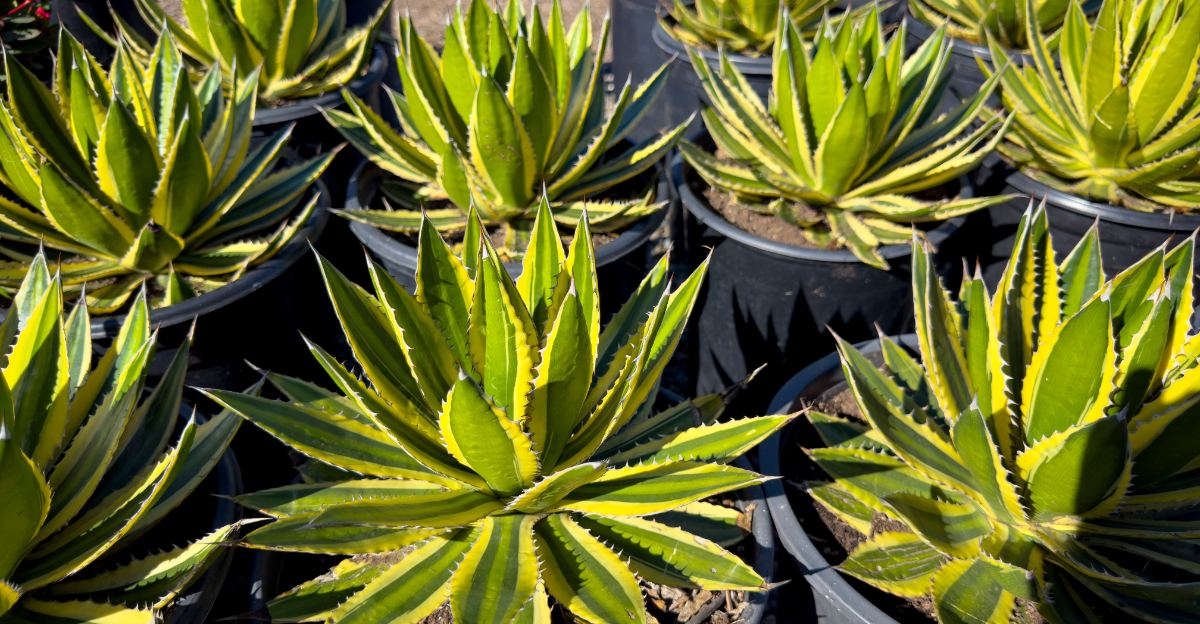
A patio can feel like the safest part of the yard, but plant choices still matter when fire weather turns serious.
California homeowners often fill containers near doors, decks, and walls without thinking about how those plants behave when they dry out.
Some hold old leaves or woody stems that can become risky if ignored. Better choices stay cleaner, greener, and easier to maintain with the right care.
Fire-ready patio planting is not about finding plants that cannot burn. It is about choosing ones that fit defensible space goals and keeping them healthy.
The best options can still look colorful and welcoming without adding extra worry beside the house.
Before you refresh your pots, it helps to know which plants are safer picks for a patio that needs to look good and stay smart.
1. Dudleya Gives Containers A Native Succulent Look
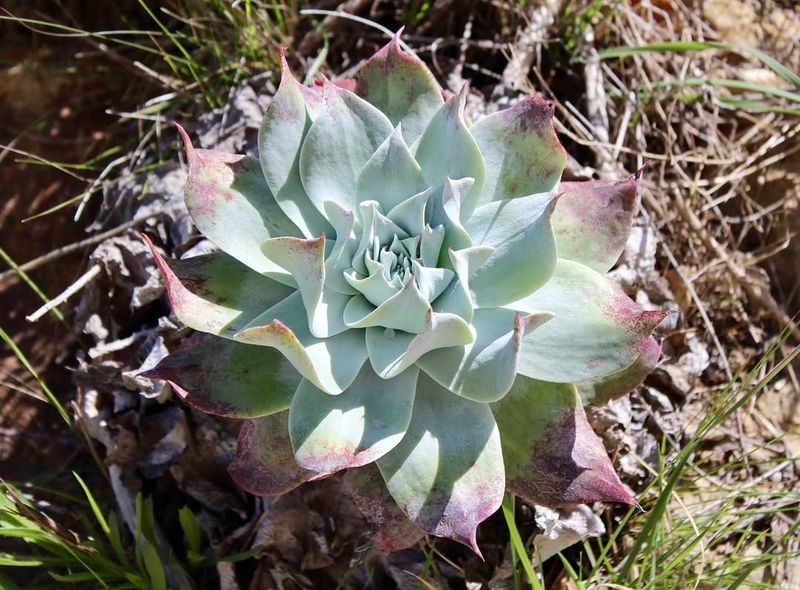
Native to rocky coastal cliffs and dry hillsides across California, Dudleya is one of those plants that looks like it belongs on a patio and on a nature trail at the same time.
It grows in tight, elegant rosettes with thick, chalky leaves that store water for months. That water content is exactly what makes it so fire-resistant.
Dudleya drops very little litter. The leaves stay attached and fleshy rather than drying out and falling off in piles.
That means less fuel sitting on your patio floor. It also means less cleanup for you, which is always a bonus.
Growing Dudleya in containers is easy. Use a well-draining cactus mix and a pot with good drainage holes.
Place it somewhere it gets bright morning sun but some afternoon shade, especially in hot inland areas. It does not need much water once it is settled in.
One thing to know is that Dudleya is a protected native plant in the wild. Always buy from a reputable nursery that grows it legally.
Supporting responsible growers also helps protect wild populations from poaching.
The silvery coating on the leaves, called farina, gives it an almost ghostly beauty that stands out in container arrangements. Pair it with dark gravel or a simple clay pot and it looks stunning.
It is a plant that earns its place on any fire-aware patio.
2. Sedum Creates Low, Fleshy Growth With Little Litter
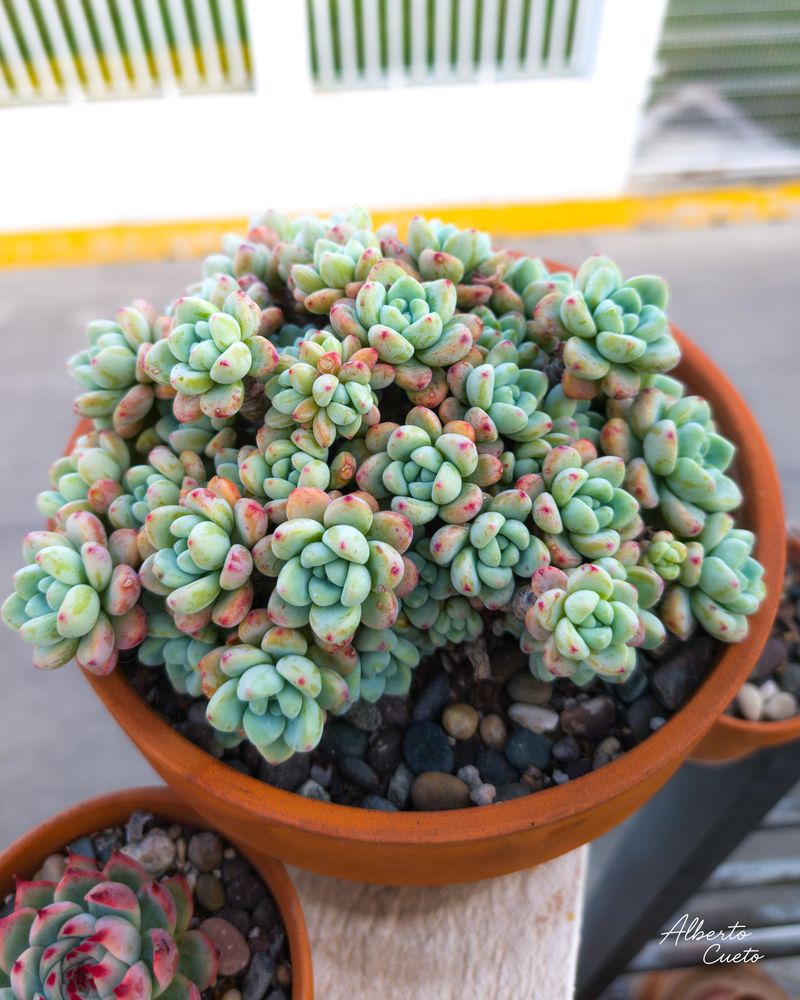
Sedum is the kind of plant that quietly does everything right. It stays low, spreads slowly, and keeps its fleshy leaves intact rather than dropping them into dry piles.
That combination makes it one of the most practical choices for a fire-conscious patio setup.
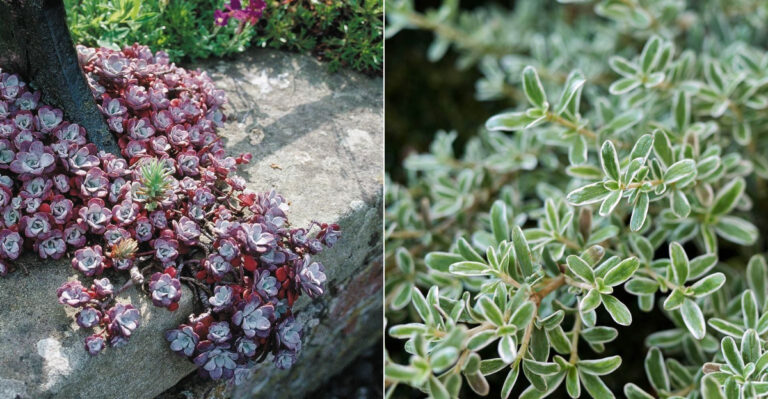
There are dozens of Sedum varieties, and most of them do well in containers. Some stay as tight mounds while others creep gently over the edges of pots.
The leaf colors range from bright green to deep burgundy, so you have plenty of options depending on the look you want.
Because the leaves are thick and water-filled, they resist ignition much better than thin, papery foliage.
Even in late summer when everything around them looks crispy, most Sedum varieties stay plump and green.
Your California Garden Changes Every Week. Your Plan Should Too.
Gardening in California changes quickly throughout the season. Every Friday you’ll receive a simple weekly plan showing exactly what to plant, prune, fertilize, harvest, and protect so you never miss the right timing.
That moisture content is your best defense on a patio near your home. Care is simple. Give it well-drained soil, some direct sun, and very little water.
Overwatering is the main thing that causes problems with Sedum. Let the soil dry out between waterings and it will reward you with healthy, tidy growth all year.
Sedum also handles neglect well, which makes it great for busy homeowners. You do not need to prune it often, and it rarely gets messy.
It just sits there, looking good and staying moist, which is exactly what you want in a fire-safe planting.
3. Sempervivum Works In Small Noncombustible Pots
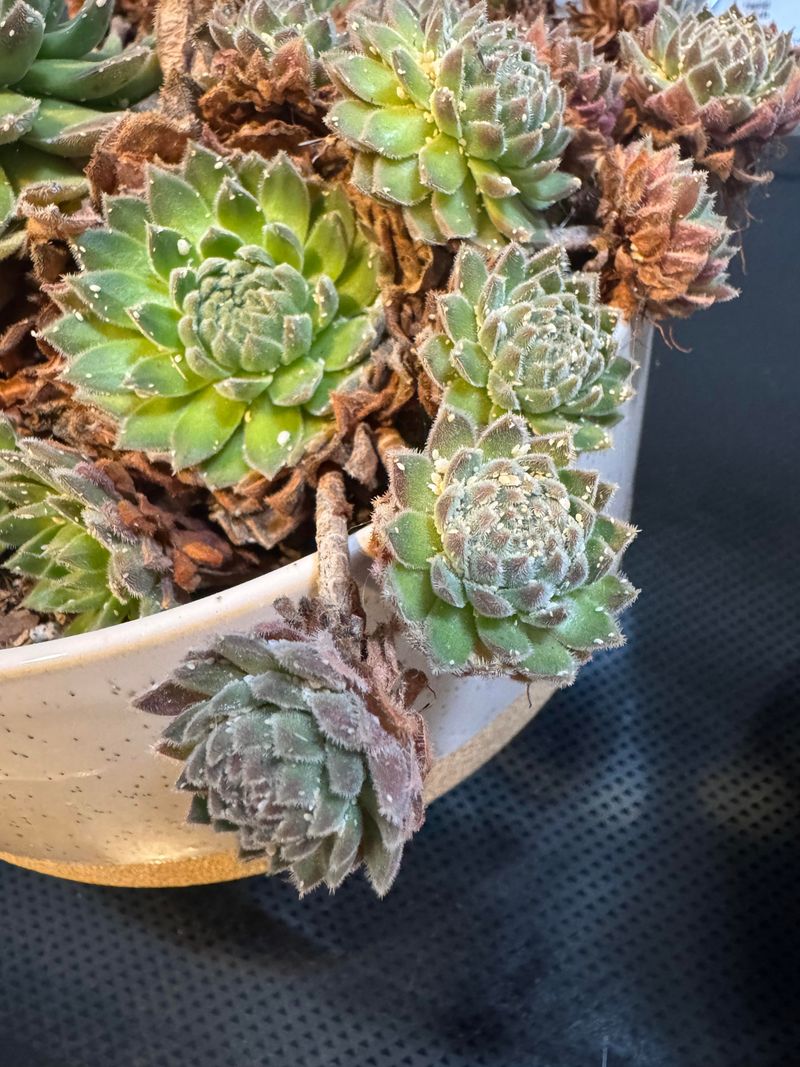
Few plants pack as much personality into such a small package as Sempervivum, also called hens and chicks.
The main rosette slowly produces little offsets all around it, creating a tight cluster that looks almost architectural.
It is the kind of plant that makes people stop and ask what it is.
For fire safety, the key advantage of Sempervivum is its compact, fleshy form. There are no long dry stems, no loose leaves piling up, and no woody base that could catch a spark.
It stays close to the soil and holds its shape cleanly through the seasons.
Planting it in small concrete, ceramic, or terracotta pots adds another layer of fire resistance. Noncombustible containers are always the better choice for patios near the house.
Avoid plastic pots if fire safety is a priority, since plastic can melt and burn.
Sempervivum handles cold weather better than most succulents, which makes it a good choice for northern regions and higher elevation homes where frost is possible.
It is tough, adaptable, and almost impossible to overwork once it is established in the right spot.
California sun and sharp drainage are the two things it needs most. A gritty cactus mix in a small pot with a drainage hole is all you need to get started.
It multiplies on its own over time, giving you more plants to spread around the patio without spending more money.
4. Aloe Adds Structure Without Dry Twiggy Growth
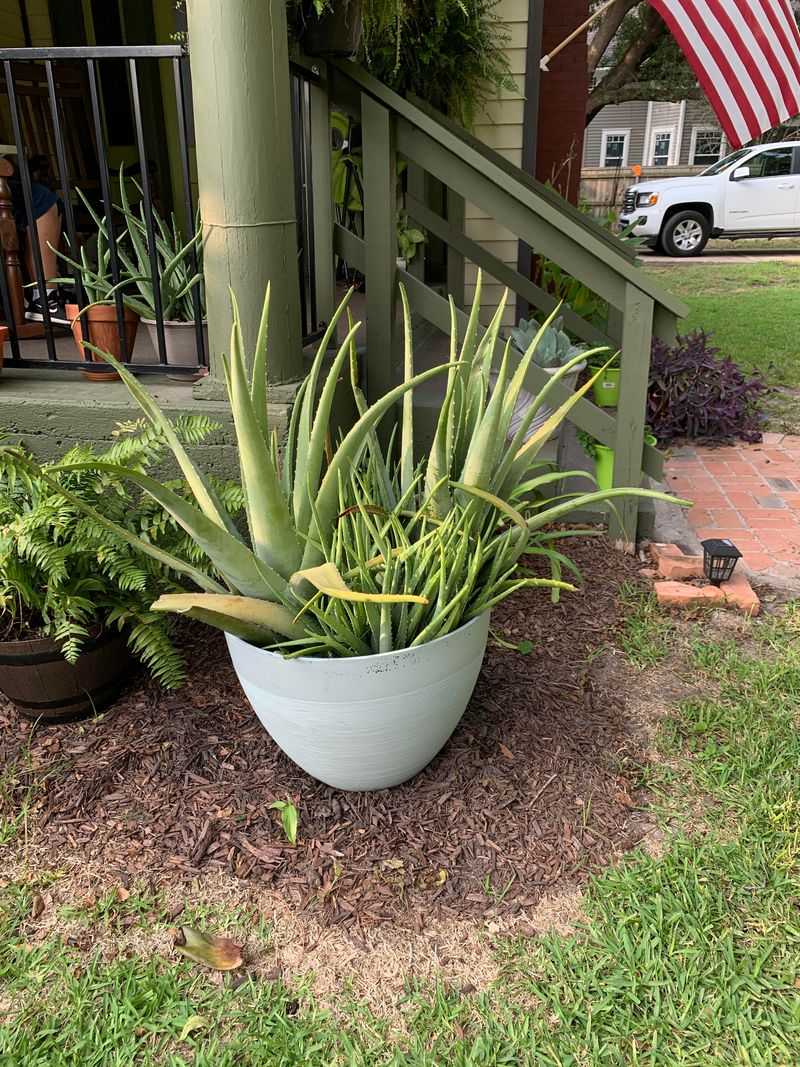
Aloe has a reputation for being a first-aid plant, but its value in a fire-safe garden goes well beyond treating sunburns.
The thick, gel-filled leaves contain so much water that they are genuinely difficult to ignite. That is not a small thing when you are thinking about what grows closest to your home.
Unlike many ornamental plants, Aloe does not produce a tangle of dry twigs or a pile of shed leaves at its base.
The leaves stay attached and upright, and when older leaves eventually loosen, they are still fleshy rather than papery. That means very little combustible debris on your patio.
Structurally, Aloe brings a bold, upright silhouette that works well in large containers. A single mature plant in a wide terracotta pot can become a real focal point on a patio.
Some varieties also produce tall orange or yellow flower spikes in winter, which adds color during the quieter months.
It grows well in full sun and handles heat with ease. Watering once every two to three weeks in summer is usually enough.
In winter, you can cut back to once a month or even less. Aloe is very forgiving of dry spells, which suits our warm, dry summers perfectly.
Choosing a large-leaf variety like Aloe vera or Aloe arborescens gives you the most fire-resistant benefit. Bigger, thicker leaves mean more stored water and more resistance to ignition.
It is a practical and striking patio plant that earns its spot in any fire-aware yard.
5. Agave Gives Patios Bold Shape With Less Leaf Litter
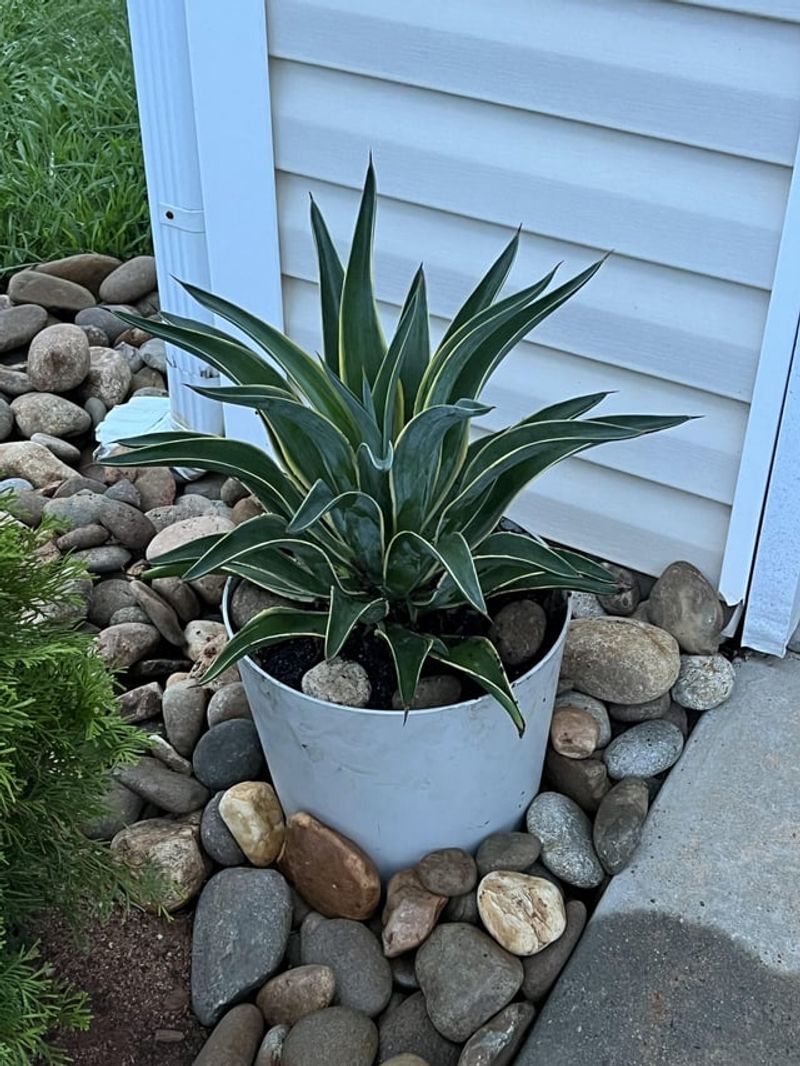
Bold, sculptural, and surprisingly low-maintenance, Agave is the kind of plant that changes the whole personality of a patio.
The rosette shape is striking, and the thick leaves feel almost architectural. It is a plant that looks intentional and confident without needing any fuss from you.
From a fire safety standpoint, Agave checks most of the right boxes. The leaves are thick and full of moisture, not thin and papery.
It does not shed leaves constantly, so there is very little dry debris building up around the base. That matters a lot when you are thinking about fuel load on your patio.
One thing to be aware of is the sharp terminal spine at the tip of each leaf. On a family patio, placement matters.
Keep it away from high-traffic areas and anywhere children play. A corner spot or a raised planter works well and keeps the sharp tips out of reach.
Agave thrives in full sun and very well-drained soil. In containers, use a cactus mix and make sure the pot has drainage holes.
Water it deeply but infrequently, letting the soil dry out completely between waterings. Overwatering is far more damaging to Agave than drought.
Smaller varieties like Agave parryi or Agave victoriae-reginae work beautifully in containers and stay a manageable size. They offer the same bold look without taking over the whole patio.
Either way, Agave brings serious visual impact with very little fire risk attached.
6. Bulbine Brings Flowers Without A Messy Woody Base
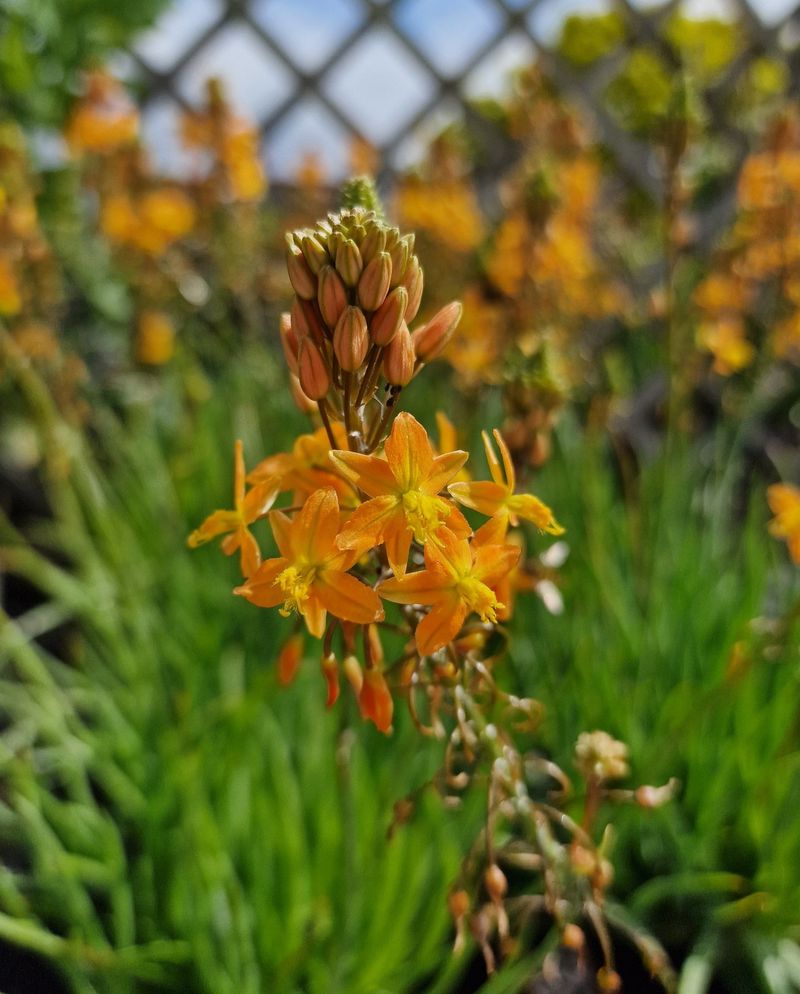
Not every fire-safe plant has to be a spiky succulent. Bulbine proves that you can have soft, cheerful flowers on your patio without creating a tangle of dry, woody growth underneath.
It blooms for months, producing slender stalks topped with small star-shaped flowers in shades of orange and yellow.
What makes Bulbine stand out from a fire perspective is its base. Unlike many flowering perennials that build up a thick, dry woody crown over time, Bulbine stays relatively clean and fleshy at the base.
There is less withered material accumulating, which means less fuel sitting around your patio.
The leaves are narrow, succulent-like, and soft. They hold moisture well and do not dry into the kind of crispy, papery debris that catches fire easily.
When the plant finishes a bloom cycle, the spent stalks are easy to snap off cleanly without leaving a mess behind.
It grows well in containers with full to partial sun and handles heat and drought once established. Water it regularly when young, then ease off as it settles in.
In very hot inland areas, a bit of afternoon shade helps keep it blooming longer through summer.
Pair it with low-growing succulents in a mixed container and the contrast between the soft flower stalks and the chunky rosettes looks really nice. It brings movement and color to a patio that might otherwise feel too static.
It is a cheerful, practical, and fire-smart choice for any outdoor space.
7. California Fuchsia Works Best Away From The House
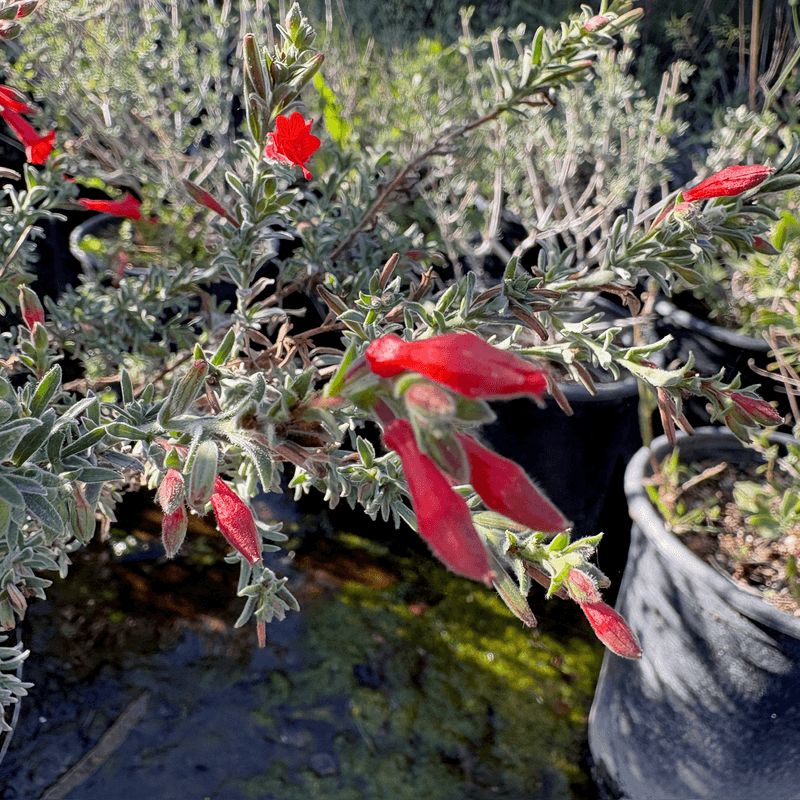
Hummingbirds absolutely love California Fuchsia, and honestly, that alone makes it worth growing.
The bright red tubular flowers are like little beacons for pollinators, and watching hummingbirds hover around them is one of those simple patio pleasures that never gets old.
That said, this native plant does come with a fire caveat. It produces more dry, woody stems than the succulents on this list, especially after it finishes blooming.
That is why placement matters. Keep it at the outer edge of your patio or in a container a few feet away from the house rather than right next to the wall.
When grown in a container and kept pruned, it stays manageable. Cut it back hard after the blooming season ends, usually in late fall.
That removes the dry growth before it has a chance to build up into a fire hazard. New green growth comes back quickly in spring.
It is native to California, which means it is well-adapted to the dry summers and mild winters of many regions here. Once established, it needs very little supplemental water.
That drought tolerance is a practical plus during the long dry season when fire risk is highest.
Growing it in a noncombustible pot and placing it thoughtfully on the patio lets you enjoy the beauty and the hummingbirds without putting your home at unnecessary risk. It is a plant that rewards smart placement with stunning seasonal color.
8. Coral Bells Add Soft Color In Part-Shade Patios
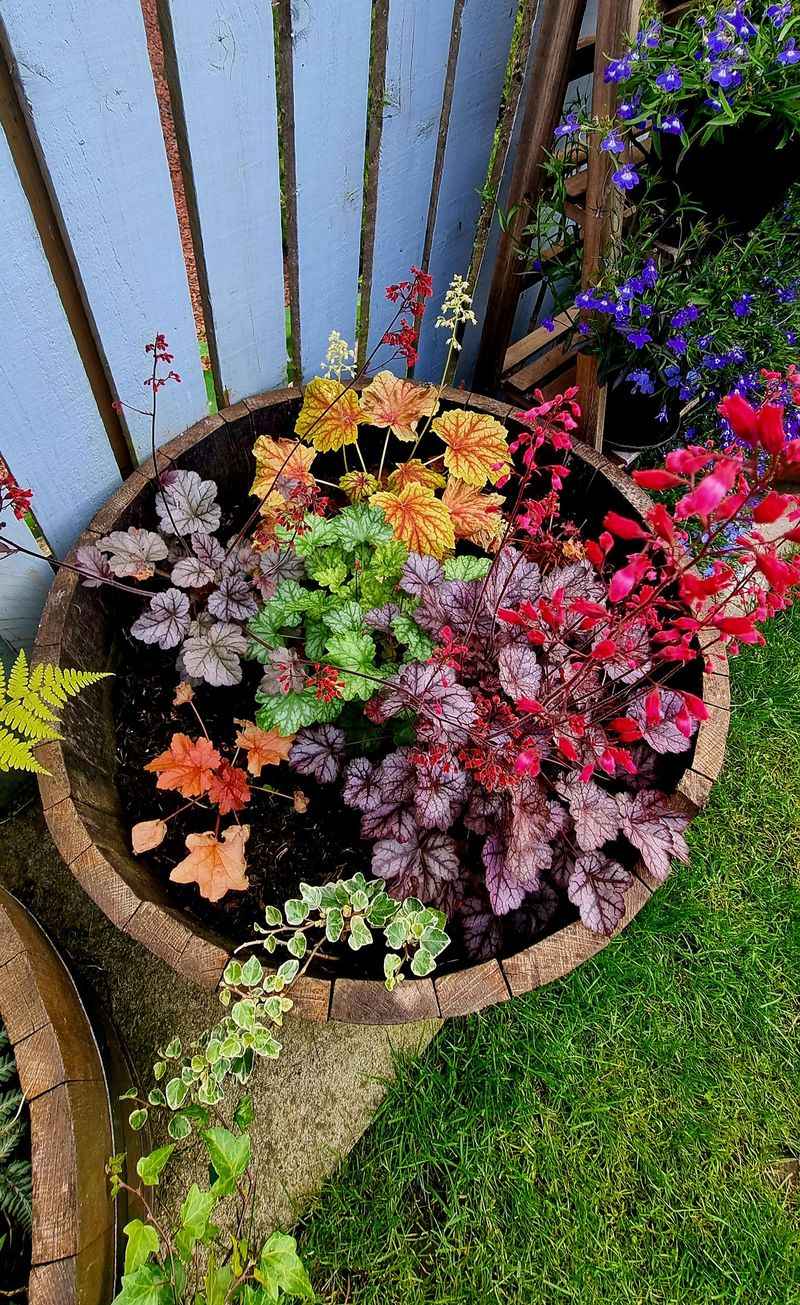
Part-shade California patios can be tricky to plant. Many fire-resistant succulents want full sun, which leaves shadier spots looking empty.
Coral Bells, known botanically as Heuchera, fills that gap beautifully with large, ruffled leaves in colors ranging from lime green to deep burgundy and almost black.
From a fire-safety standpoint, Coral Bells is a reasonable choice for patio containers. The leaves are broad, relatively moist, and do not accumulate into thick piles of dry debris the way grasses or woody shrubs do.
It is not as moisture-packed as a true succulent, but it is far less combustible than many common patio plants.
It grows best in part shade to full shade, making it ideal for covered patios, north-facing walls, or spots under a patio umbrella.
Too much direct afternoon sun can scorch the leaves, especially in hot inland regions during summer.
Morning sun with afternoon shade is the sweet spot for most varieties.
Keep the soil consistently moist but not waterlogged. Coral Bells does not handle drought as well as succulents, so regular watering is part of the routine.
A layer of fine gravel mulch on top of the container soil helps retain moisture between waterings without creating a fire-friendly debris layer.
The flower stalks are tall, slender, and airy, adding a delicate vertical element to the patio. They attract pollinators and look lovely swaying in a light breeze.
It brings softness, color, and life to shaded corners that other fire-safe plants simply cannot reach.