These 8 California Container Herbs Are Worth A Spot On Every Patio
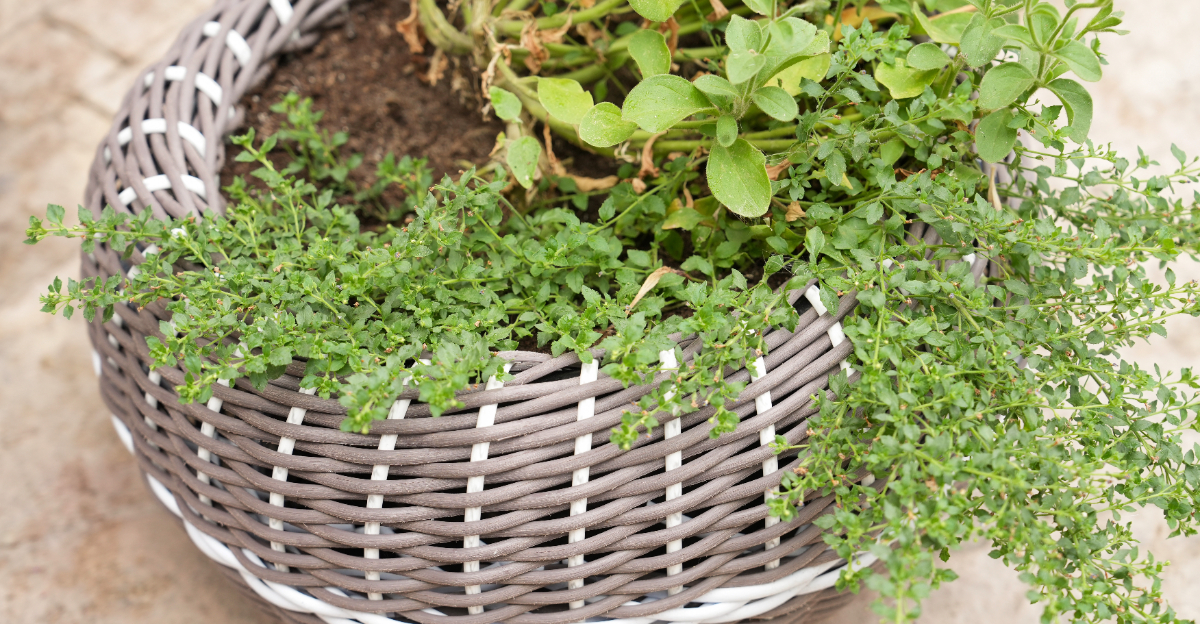
There is something very satisfying about stepping onto your patio, snipping a few fresh leaves, and tossing them straight into tonight’s dinner without ever opening the refrigerator. Right?
California patios are practically made for container herb gardening, with long sunny seasons, mild winters in many regions, and just enough coastal breeze to keep things interesting throughout the year.
The right herbs in the right pots can change the way you cook, the way your outdoor space smells, and honestly, the way you feel about being outside on an ordinary Tuesday evening.
Some herbs want to bake in full sun and barely get watered. Others want consistent moisture and a little afternoon shade. Getting that match right is the entire secret to a thriving patio herb garden.
Whether you have a sprawling backyard deck or a tiny apartment balcony, eight specific herbs will earn their place in containers all year long, rewarding even minimal effort with a steady supply of fresh flavor.
Ready to find out which ones actually deserve the space?
1. Rosemary
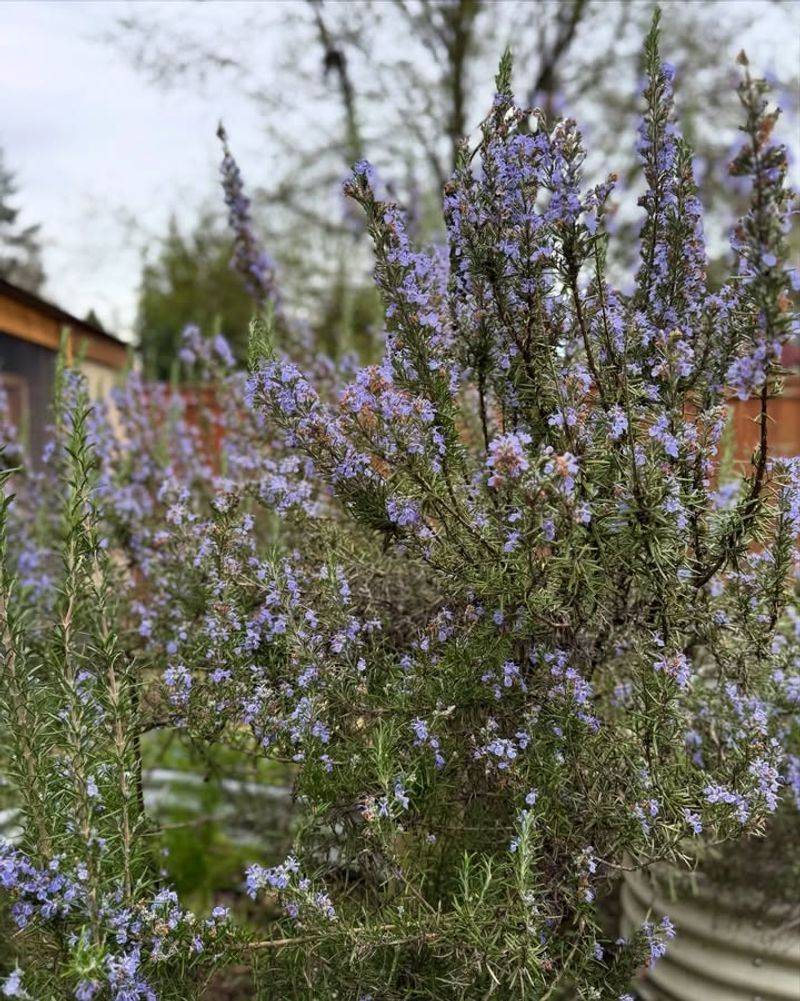
Few herbs are as well-matched to California’s sunny, dry conditions as rosemary.
Native to the Mediterranean, this woody shrub actually prefers neglect over pampering. Give it too much water and it struggles. Give it full sun and fast-draining soil and it practically grows itself without asking for anything else.
For containers, choose a pot that is at least 12 inches wide and has drainage holes at the bottom.
Terracotta works especially well because it pulls excess moisture away from the roots. Fill it with a sandy or gritty potting mix rather than standard garden soil, which tends to hold too much water for rosemary’s taste.
In coastal California, rosemary handles the fog and cooler summers without complaint.
Inland and Southern California gardeners will find it absolutely thrives in heat. Water deeply but infrequently, letting the top inch or two of soil dry out completely between waterings.
Overwatering is the most common mistake people make with this herb, and it is an easy one to avoid once you know to expect it.
Harvest by snipping the soft, newer growth at the tips. Never cut back more than one-third of the plant at one time. Regular light harvests actually encourage bushier, fuller growth over the season.
Rosemary also works double duty on a patio.
Its upright form looks structured and intentional, and it blooms in small blue or purple flowers that attract pollinators.
It is a working herb that also earns its keep as a low-maintenance ornamental shrub, which is more than most plants can claim at once.
2. Thyme
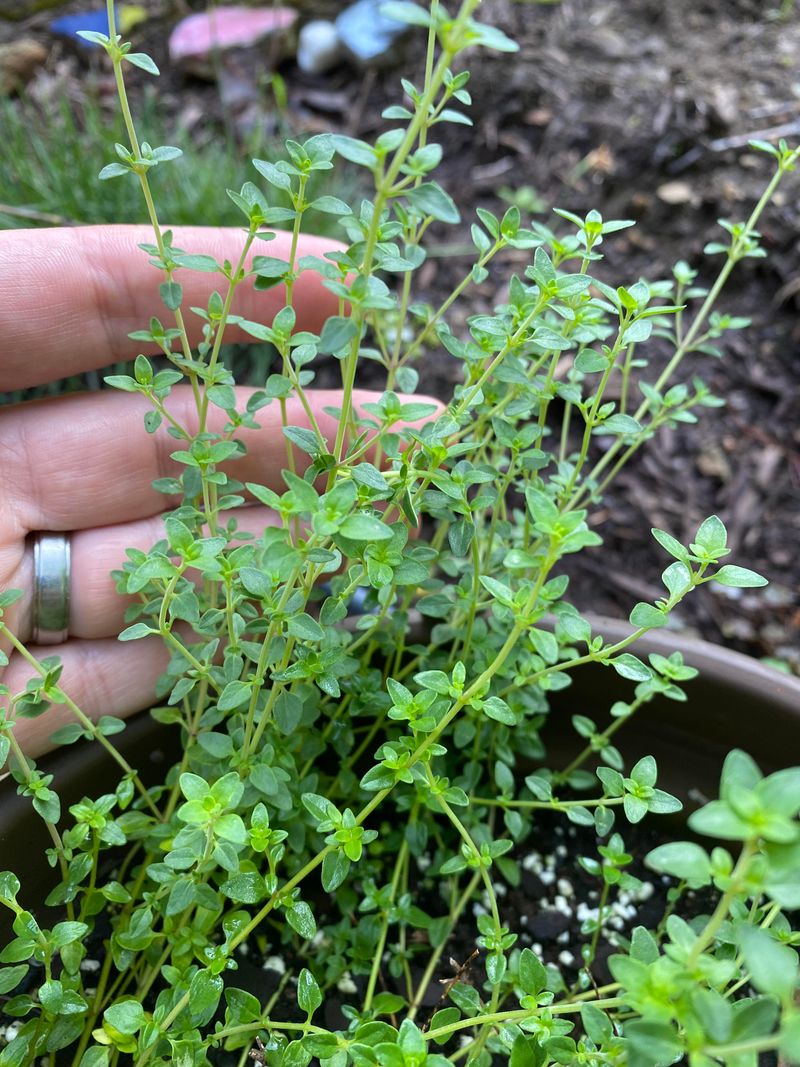
Thyme is the herb that asks for almost nothing and gives back constantly.
It is compact, aromatic, and perfectly content in a small container as long as drainage is excellent. A six to eight inch pot is often all it needs to thrive through an entire California growing season without complaint.
The key to happy thyme is the soil mix.
Standard potting soil holds moisture too long and can cause root problems. Mix in perlite or coarse sand at a ratio of roughly one part grit to two parts potting mix.
Your California Garden Changes Every Week. Your Plan Should Too.
Gardening in California changes quickly throughout the season. Every Friday you’ll receive a simple weekly plan showing exactly what to plant, prune, fertilize, harvest, and protect so you never miss the right timing.
That extra drainage keeps the roots healthy and the plant productive, and a layer of small gravel on top of the soil also helps regulate surface moisture.
Thyme loves full sun, ideally six or more hours of direct light per day.
Southern California gardeners can grow it nearly year-round. In the Central Valley, it handles summer heat well as long as the pot does not sit in standing water after irrigation.
Water only when the top of the soil feels dry to the touch, which usually does not take long to learn by feel.
Harvesting is simple and almost foolproof. Snip stem tips regularly to encourage branching and prevent the plant from going woody too quickly.
Fresh thyme works beautifully with roasted vegetables, grilled chicken, and homemade bread.
Growing several varieties side by side in small individual pots makes a charming and practical herb display for any patio table or railing shelf, and it costs surprisingly little to set up.
3. Oregano
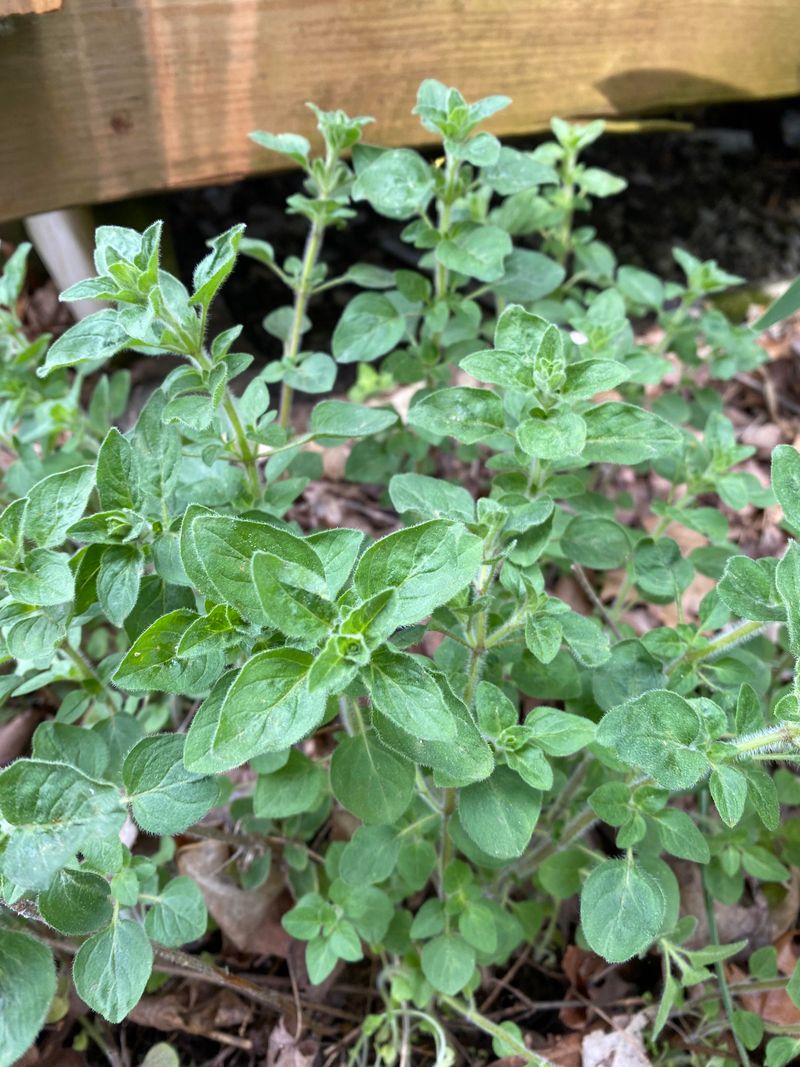
Oregano has a personality all its own.
It grows with enthusiasm, spreads without hesitation, and spills over the edges of containers in a way that looks intentional and beautiful.
On a patio, a pot of oregano can double as both a working herb and a trailing accent plant that earns compliments from neighbors.
Heat brings out the best flavor in oregano. The hotter and sunnier the location, the more aromatic the leaves become.
This makes it an ideal match for California’s warm inland valleys and Southern California backyards. Place the pot in a spot that receives at least six hours of direct sunlight daily for the strongest flavor payoff.
Use a container that is at least ten inches wide with good drainage.
Oregano does not like wet feet, so a well-draining potting mix is essential. Water moderately, letting the soil dry out slightly between sessions.
In the height of summer, you may need to water every two to three days depending on your climate zone and pot size.
The most important care habit with oregano is regular snipping. Left alone, it will bolt and produce flowers quickly, which reduces leaf flavor.
Pinch back the growing tips frequently to keep the plant bushy and productive, and once it flowers, snip those stems off to redirect energy back into leaf production.
Harvest generously before cooking, since the flavor only gets better the more you use it fresh.
4. Sage
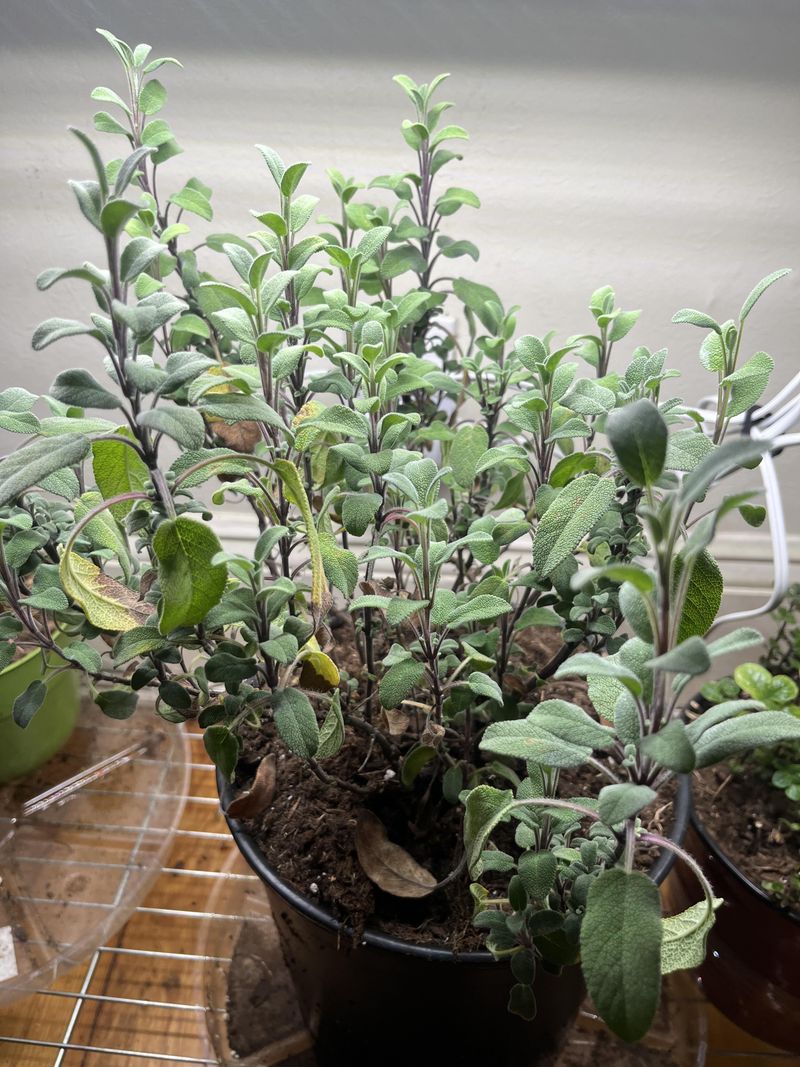
Sage looks like it belongs in a sculpture garden.
The silvery, textured leaves have a soft, almost velvety appearance that makes it one of the most visually striking herbs you can grow in a container.
On a patio, it pulls double duty as both an ornamental plant and a seriously useful cooking herb.
Originally from the Mediterranean region, sage is built for dry, sunny conditions.
It thrives in California’s warm summers and handles drought stress far better than most other herbs. Plant it in a container with excellent drainage, at least 12 inches wide, and fill it with a sandy potting mix. Avoid any mix that retains too much moisture.
Full sun is non-negotiable for sage.
It needs at least six hours of direct sunlight to develop its full flavor and maintain that signature silver color. In shadier spots, the leaves tend to turn greener and lose some of their aromatic intensity, so a south or west-facing patio is the ideal spot.
Water sparingly. Allow the top inch or two of soil to dry between waterings.
Sage planted in containers dries out faster than in-ground plants, so check the soil every couple of days during summer.
Overwatering is far more damaging than underwatering for this herb, and once you accept that, the plant practically takes care of itself.
Harvest by cutting stems just above a leaf node, and the plant rewards you with a fragrance that fills the whole patio.
5. Basil
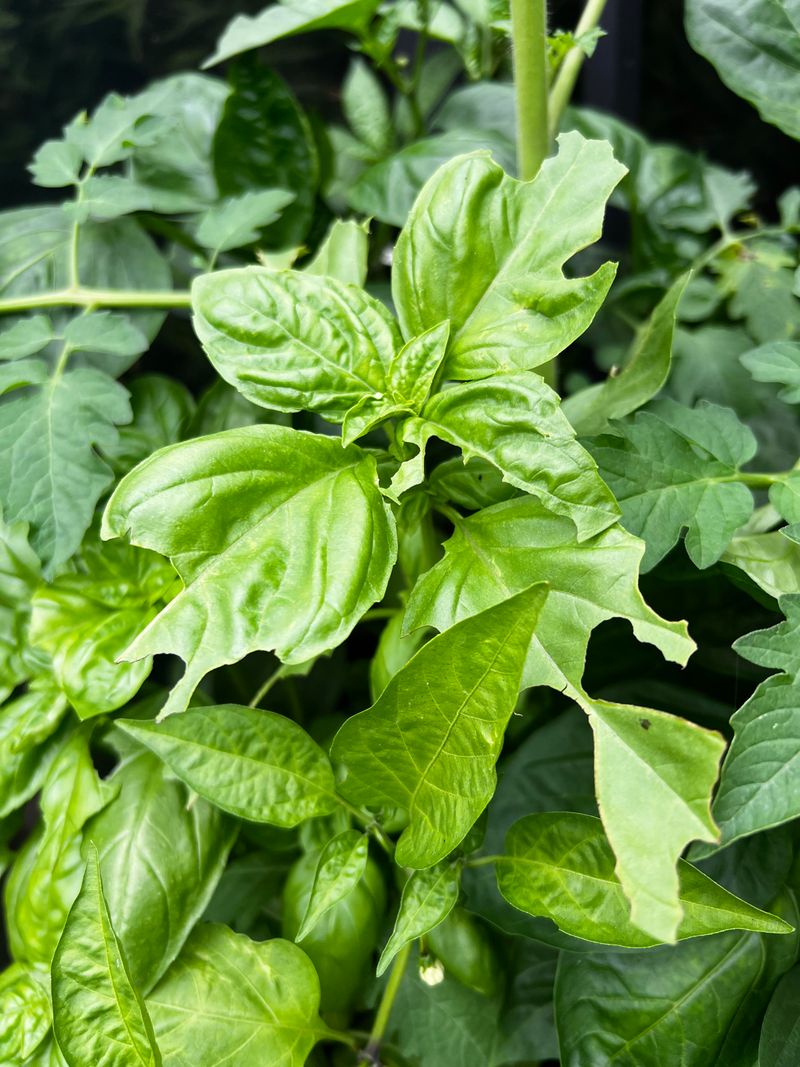
Nothing smells like summer quite the way basil does.
That warm, sweet, slightly peppery scent hits you the moment you brush against the leaves, and it is one of the most rewarding experiences a home herb gardener can have.
Basil thrives in California’s long warm season, making it one of the best performers in a container garden.
Warmth is everything for basil. It wants full sun, ideally eight or more hours per day, and it absolutely does not tolerate cold temperatures.
Wait until nighttime temps stay consistently above 50 degrees Fahrenheit before planting outside. In most California climates, that means late spring through early fall is prime basil time.
Choose a pot at least 12 inches wide and deep. Basil has a moderate root system and needs room to grow.
Use a rich, well-draining potting mix and keep the soil evenly moist but never waterlogged. During peak summer heat, you may need to water daily, and mulching the top of the soil helps retain moisture between waterings.
The most important care step is pinching off flower buds the moment they appear.
Once basil bolts and flowers, the leaves shrink and turn bitter. Pinch early, pinch often. Harvest from the top down, cutting stems just above a leaf pair to encourage branching.
Genovese basil is the classic choice for pesto, but Thai basil, lemon basil, and purple basil all bring exciting new flavors to the table once you start experimenting.
6. Chives
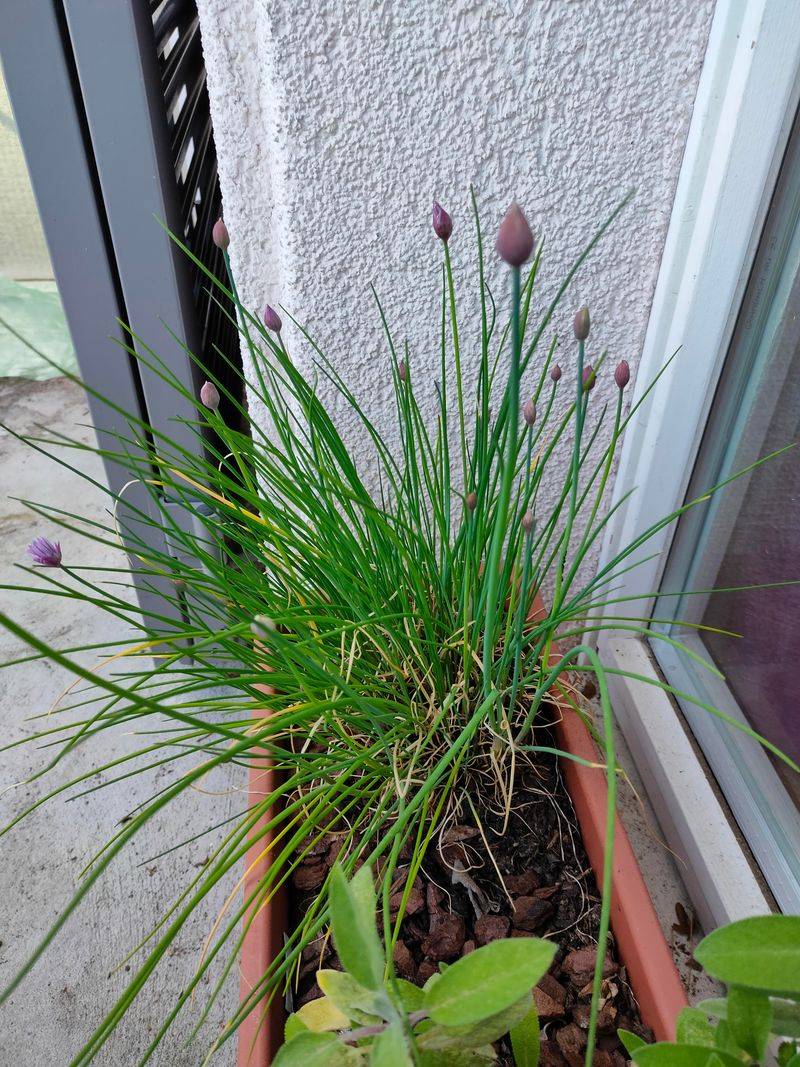
Chives are the quiet overachievers of the patio herb world.
They take up almost no space, ask for very little maintenance, and deliver a mild onion flavor that works in dozens of recipes. If you have room for one six-inch pot, you have room for chives, full stop.
A container six to eight inches wide is plenty for a healthy clump of chives.
They grow in a neat, upright bunch and do not spread aggressively like some other herbs. This makes them ideal for small balconies, narrow railings, or crowded tabletop herb arrangements where space is at a genuine premium.
Chives prefer full sun but tolerate partial shade better than most Mediterranean herbs.
In California’s hot inland valleys, a spot with afternoon shade can actually help them stay lush and green through the hottest weeks of summer.
Water consistently, keeping the soil moist but not soggy, since chives prefer evenly moist conditions unlike rosemary or thyme.
Harvest by snipping the green stems down to about an inch above the soil line. The plant will regrow quickly and reliably.
Do not be shy about cutting them back, since regular harvesting keeps the clumps productive and prevents them from flopping over awkwardly.
The purple globe flowers that appear in spring are edible and beautiful, and tossing them into salads adds a mild onion flavor along with a genuine pop of color.
7. Mint
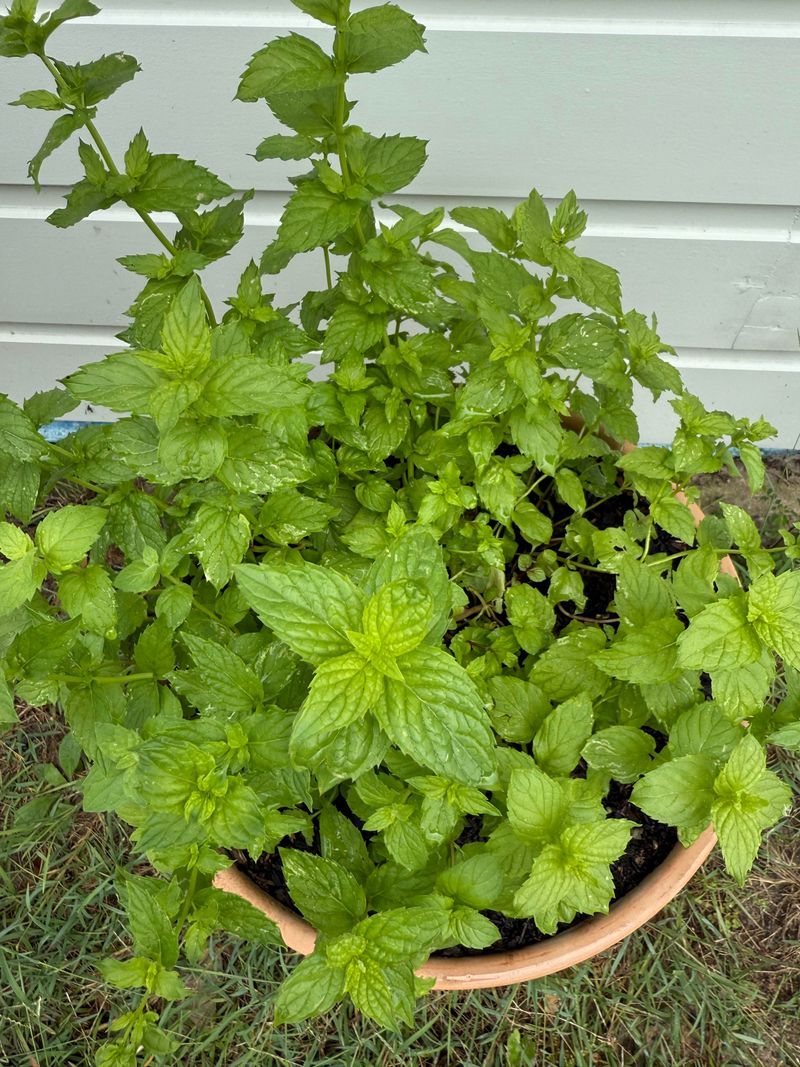
Mint is the herb that earned a reputation for being pushy, and honestly, that reputation is well-deserved.
Plant it in a shared container with other herbs and it will crowd them out within a single season. But give mint its own dedicated pot and it becomes one of the most rewarding and low-maintenance herbs you can grow on a patio.
Containment is the entire strategy with mint.
A pot that is at least 12 inches wide and deep gives the roots room to spread without taking over anything else.
Some gardeners even sink the pot partway into a raised bed or larger planter to keep it visually integrated while still preventing escape. Whatever you do, keep it separate from everything else.
Unlike most Mediterranean herbs, mint actually likes consistent moisture. It does not want to dry out between waterings.
Keep the soil evenly moist, especially during California’s hot summer months. In extreme heat, mint may need water every day, and a layer of mulch on top of the soil helps slow moisture loss significantly.
Mint tolerates partial shade, which makes it useful for patios that do not get full sun all day.
Spearmint, peppermint, and chocolate mint all grow well in California containers. Fresh mint in iced tea, lemonade, and fruit salads is one of summer’s simplest pleasures, and you will never run short with a healthy container nearby.
8. Parsley
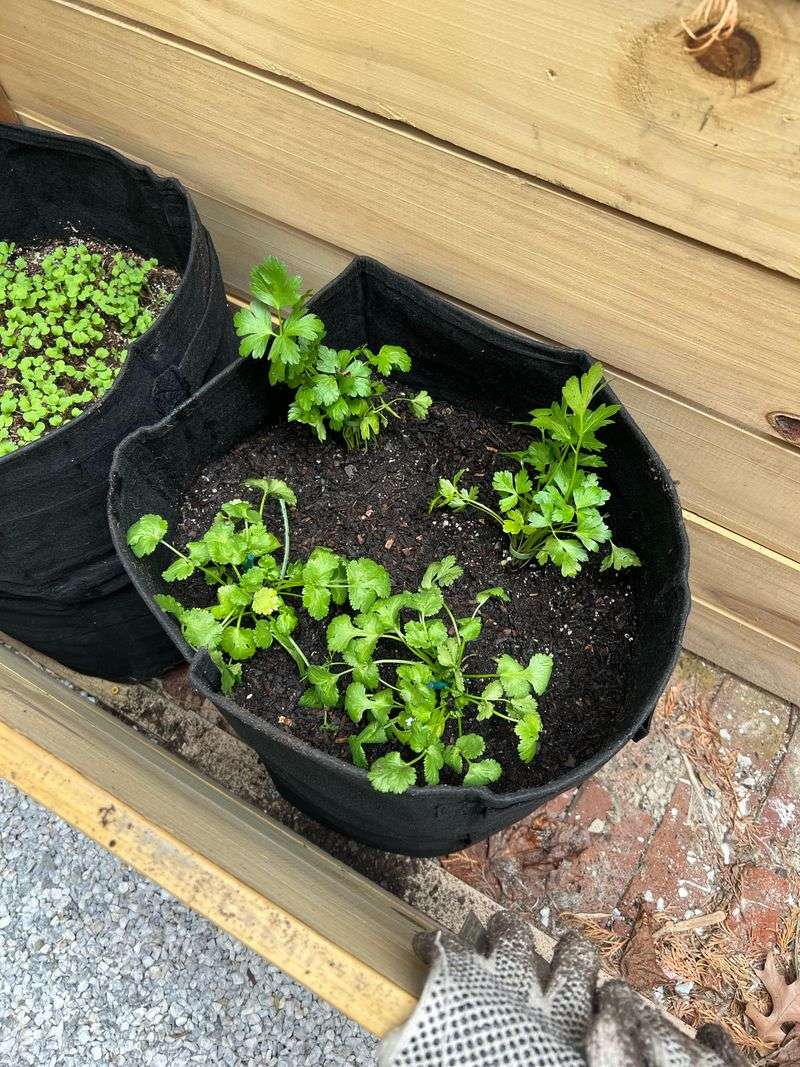
Parsley rarely gets the spotlight, but professional cooks know the truth: it is one of the most versatile and frequently used herbs in the kitchen.
Having a pot of it just outside the back door makes a real difference in how often you actually use fresh herbs in everyday cooking instead of reaching for the dried version out of habit.
Unlike rosemary or thyme, parsley does not demand full sun. It grows well in partial shade, making it a great choice for patios that only get four to six hours of direct light daily.
This flexibility opens up container spots that other sun-loving herbs cannot fill. North-facing patios and shaded balconies work well for parsley specifically.
Choose a container at least ten inches wide and equally deep. Parsley has a long taproot and needs room to develop properly.
Use a rich, moisture-retaining potting mix and water consistently. Parsley prefers evenly moist soil and will wilt quickly if it dries out too much in summer heat, so checking it daily during warm spells is worth the small effort.
There are two main types worth growing: flat-leaf Italian parsley, which has stronger flavor and is preferred for cooking, and curly parsley, which holds up better as a garnish.
Both grow reliably in California containers from spring through fall, and in mild coastal areas, they can produce nearly year-round without much fuss at all.
Harvest outer stems first, cutting them at the base of the plant, and the center keeps producing fresh new growth for months.