The Yard Mistakes Making Tick Problems Worse In California This Season

Ticks can turn a nice California yard into a place nobody wants to relax for long. The tricky part is that many tick problems get worse because of small yard habits people barely notice.
Tall grass near fences can give ticks a place to wait. Leaf piles can hold moisture and shelter the small animals that carry them around.
Overgrown edges can create shady spots where pests feel right at home. California’s warm season can keep outdoor activity high, so those hidden trouble zones matter even more.
A yard does not need to look wild to have tick friendly areas either. Sometimes one messy corner is enough to cause trouble.
The good news is that simple changes can make the space less inviting to ticks. A cleaner, brighter yard gives them fewer places to hide and helps everyone enjoy summer with less worry.
1. Tall Grass Along The Edges

Grass that grows too tall is one of the biggest tick traps you can have right in your own backyard. Ticks love moisture and shade, and tall grass provides both in perfect amounts.
They climb up grass blades and wait for a host to brush past, which is a behavior called questing.
Most homeowners forget about the edges, the strips of grass along fences, sidewalks, and garden borders. These spots get missed during regular mowing and turn into cozy tick hangouts fast.
Even a few inches of extra growth can make a big difference in how many ticks take up residence near your home.
Keeping grass trimmed to three inches or shorter along all edges is a simple but powerful step. Focus especially on the transition zones where your lawn meets wooded areas, mulch beds, or overgrown neighbors.
Mow every week during peak season to stay ahead of the problem. Short grass dries out quickly in the sun, which makes it far less appealing to ticks looking for a humid hiding spot.
A consistent mowing routine along every edge of your property can seriously cut down on tick activity without any sprays or special tools needed.
2. Leaf Litter Under Shrubs
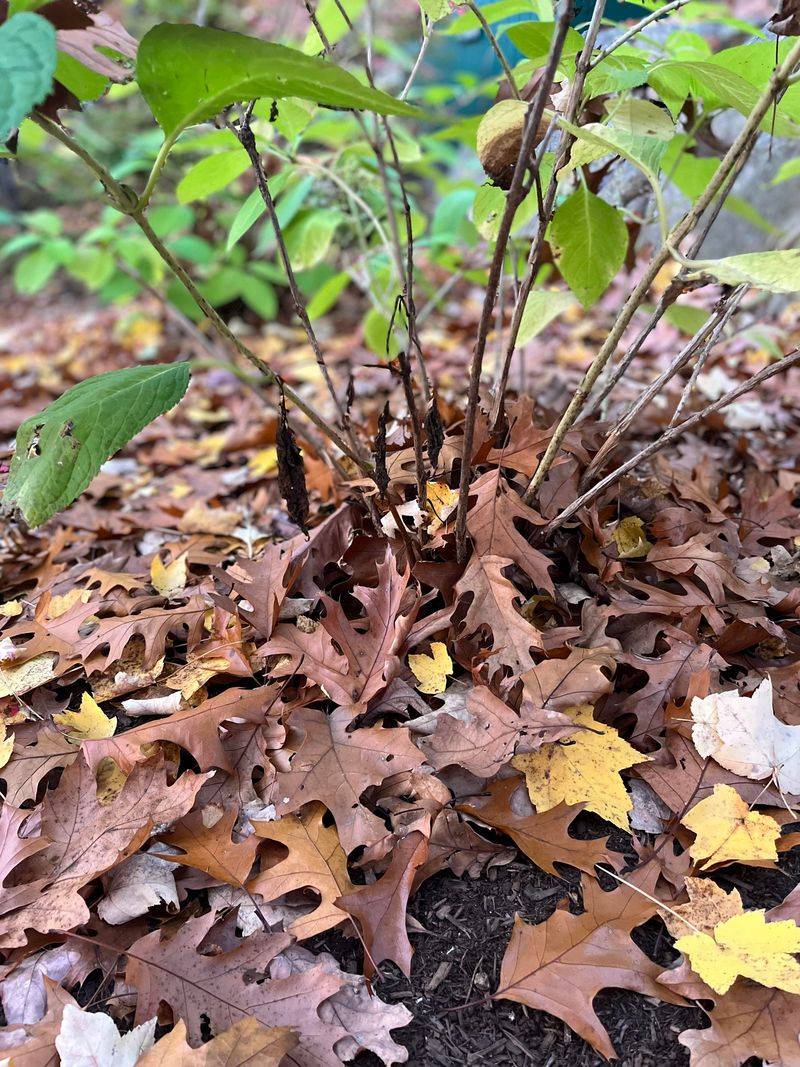
Few things in a yard create better tick habitat than a thick pile of wet, decomposing leaves sitting under shrubs. Leaf litter holds moisture like a sponge and stays cool even on hot days.
Ticks absolutely love those conditions and will nest and breed in leaf piles without much trouble.
Many homeowners rake their lawns but completely skip under bushes and shrubs. That forgotten debris builds up over months, especially under dense plants where sunlight never reaches.
By the time spring and summer roll around, those shaded piles have become prime tick territory sitting just inches from where your family walks and plays.
Clearing leaf litter regularly from under all shrubs and garden plants is a must during tick season.
Bag the debris and remove it from the property rather than composting it nearby, since ticks can survive in compost piles too.
After clearing, consider adding a thin layer of cedar mulch, which has natural tick-repelling properties. Keep mulch pulled back a few inches from the base of plants so moisture does not build up.
Your California Garden Changes Every Week. Your Plan Should Too.
Gardening in California changes quickly throughout the season. Every Friday you’ll receive a simple weekly plan showing exactly what to plant, prune, fertilize, harvest, and protect so you never miss the right timing.
Checking under shrubs every few weeks during warmer months takes only minutes but makes a real difference in keeping tick numbers low around the places your family spends the most time outdoors.
3. Brushy Fence Lines
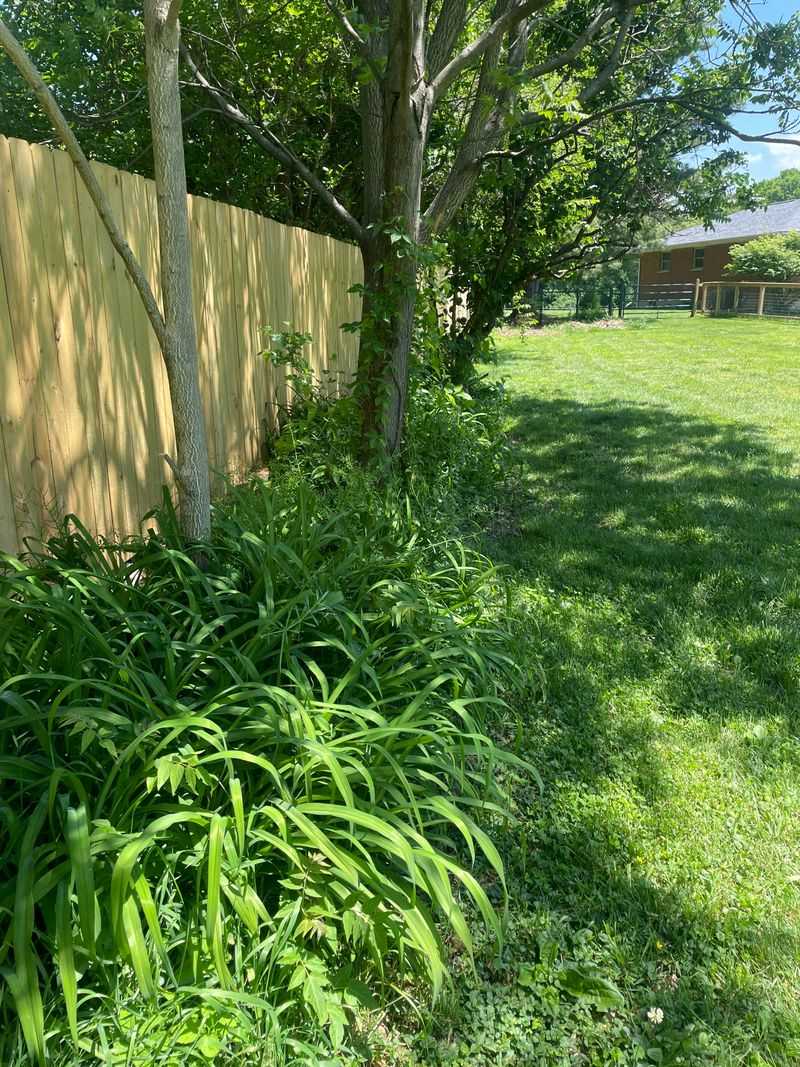
Fence lines are some of the most neglected spots in any yard, and that neglect pays off big for ticks. Vines, weeds, and wild plants tend to grow thick along fences because they rarely get trimmed or treated.
That dense, tangled growth creates exactly the kind of dark, moist corridor ticks use to travel and hide.
Ticks do not jump or fly. They move by crawling through connected vegetation, using brushy paths to spread from one area to another.
A weedy fence line acts like a highway that connects your neighbor’s overgrown lot to your patio, garden, or front door.
Many people never think about their fence line as a source of pest pressure, but it is one of the most common entry points for ticks.
Trimming all vegetation along your fence line down to the soil level is the most effective fix. Pull out any weeds, vines, or volunteer plants that have taken hold along the base of the fence.
Create a clear, open strip that gets full sun so the ground dries out between rainfalls. You can also lay down a strip of gravel or wood chips along the fence to discourage regrowth.
Checking this area once a month and keeping it clear through the season will significantly reduce the number of ticks making their way into your yard from outside your property.
4. Dense Plants Near Patios
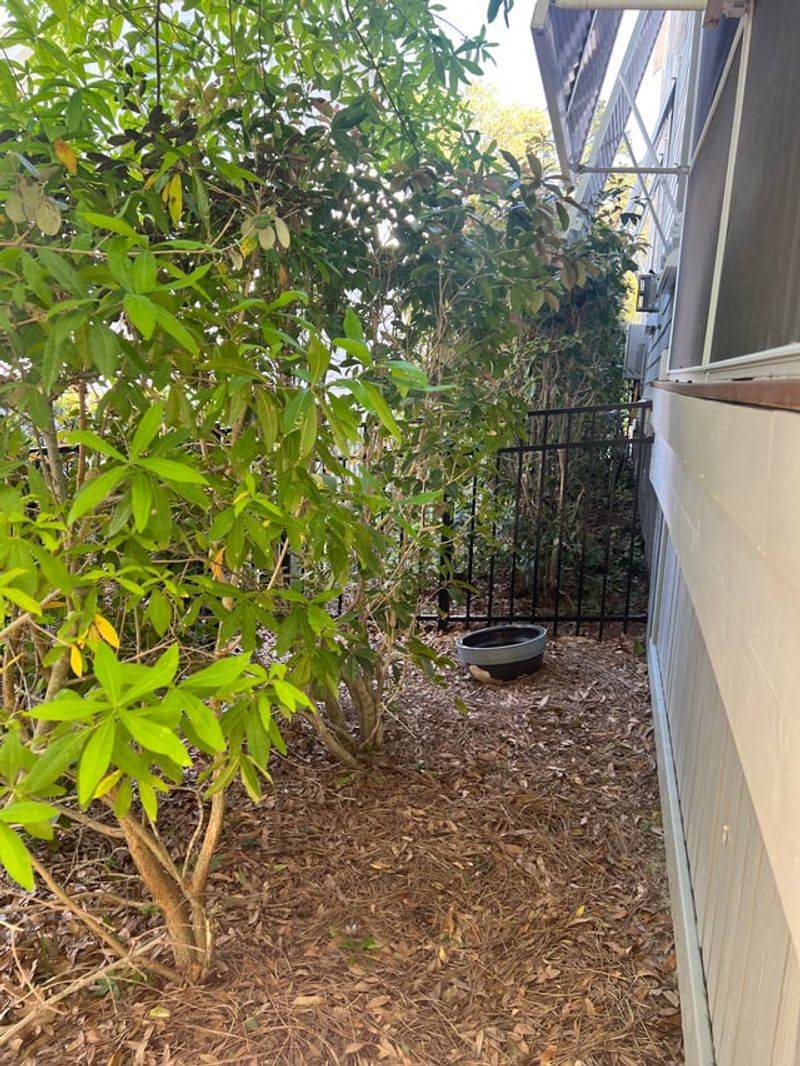
Planting lush, dense greenery close to a patio looks beautiful, but it can quietly create a tick problem right where your family relaxes most.
Thick plants hold humidity and block airflow, keeping the ground beneath them cool and damp for long periods.
Ticks thrive in those conditions and will settle in close to foot traffic areas. The real issue is proximity.
When dense plants grow within a foot or two of seating areas, fire pits, or play spaces, ticks can easily transfer from the foliage onto clothing, pets, or skin without anyone noticing.
Kids running past a bushy border or pets sniffing around the garden edge are especially easy targets for questing ticks waiting on low branches and leaves.
Trimming plants back so there is at least a three-foot gap between dense foliage and any patio or seating area makes a big difference.
Thin out the interior of dense shrubs so air can circulate and the ground beneath them dries out faster.
Avoid planting ground covers or spreading plants directly against the patio edge. Instead, use gravel or stone borders as a buffer zone.
Keeping plants well-shaped and open rather than letting them grow thick and wild reduces the amount of humid, sheltered space ticks can use.
A little pruning goes a long way toward making your outdoor living area genuinely safer this season.
5. Wildlife Visiting The Yard

Deer, raccoons, opossums, and squirrels are some of the most common wildlife visitors to residential yards in our state, and they all carry ticks.
Every time a deer walks through your lawn or a raccoon digs through your garden, it can drop hundreds of ticks along the way.
Those ticks then set up shop in your yard and wait for the next warm-blooded host to pass by.
Most people enjoy seeing wildlife in their yard and do not think much about the pest risk that comes along with it. But even one deer walking through a property can introduce a significant number of ticks in a single visit.
This is especially true in neighborhoods near open space, hills, or wooded areas where wildlife movement is frequent.
Reducing what attracts wildlife to your yard is the most practical approach. Remove bird feeders during peak tick season since fallen seeds draw squirrels and rodents.
Secure trash cans tightly and do not leave pet food outside overnight. Use motion-activated sprinklers or lights near garden edges to discourage deer and larger animals from entering.
Fencing off vegetable gardens and flower beds also helps limit wildlife access to the parts of your yard where your family spends time.
You cannot control every animal that passes nearby, but reducing their access to your yard lowers the number of ticks being deposited on your property each week.
6. Messy Firewood Stacks
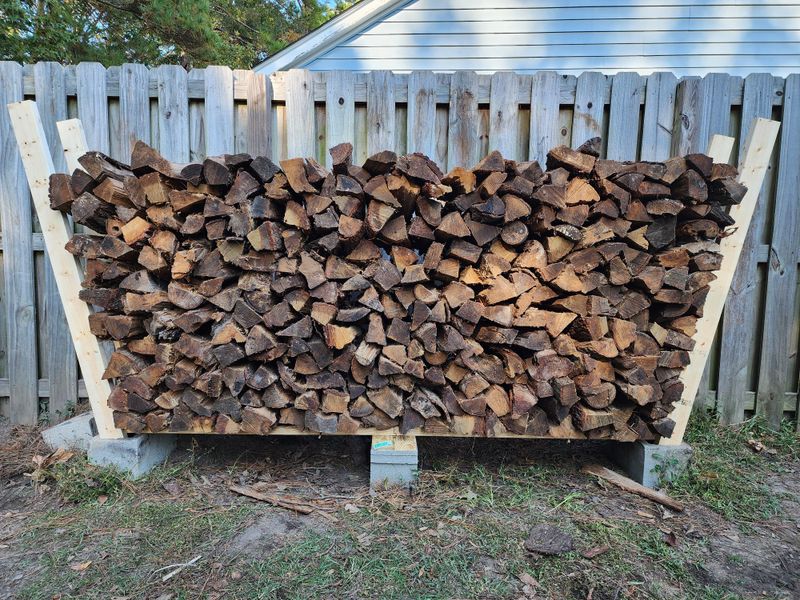
A messy firewood pile sitting directly on the ground is a surprisingly common tick hotspot that most homeowners completely overlook.
The dark, damp gaps between logs create perfect hiding places for ticks and the small rodents that carry them.
Mice and rats love nesting in woodpiles, and where rodents go, ticks follow closely behind. Stacking firewood flat on the ground makes the problem even worse.
Ground contact allows moisture to seep in from below, keeping the wood and the surrounding soil damp and cool.
Add in the leaf debris that naturally collects around a woodpile, and you have created a small but very productive tick nursery right in your own yard.
Moving your firewood stack away from the house is the first fix. Experts recommend keeping woodpiles at least twenty feet from any structure.
Storing wood on a raised rack keeps it off the ground and allows airflow underneath, which dries out the stack and makes it less appealing to both ticks and the rodents that carry them.
Keep the area around the woodpile clear of leaves, grass clippings, and debris. Only bring in as much firewood as you plan to use right away rather than keeping large reserves near the house.
A tidy, elevated wood stack may seem like a small detail, but it removes one more comfortable shelter option from ticks looking to settle into your yard.
7. No Dry Barrier Zone
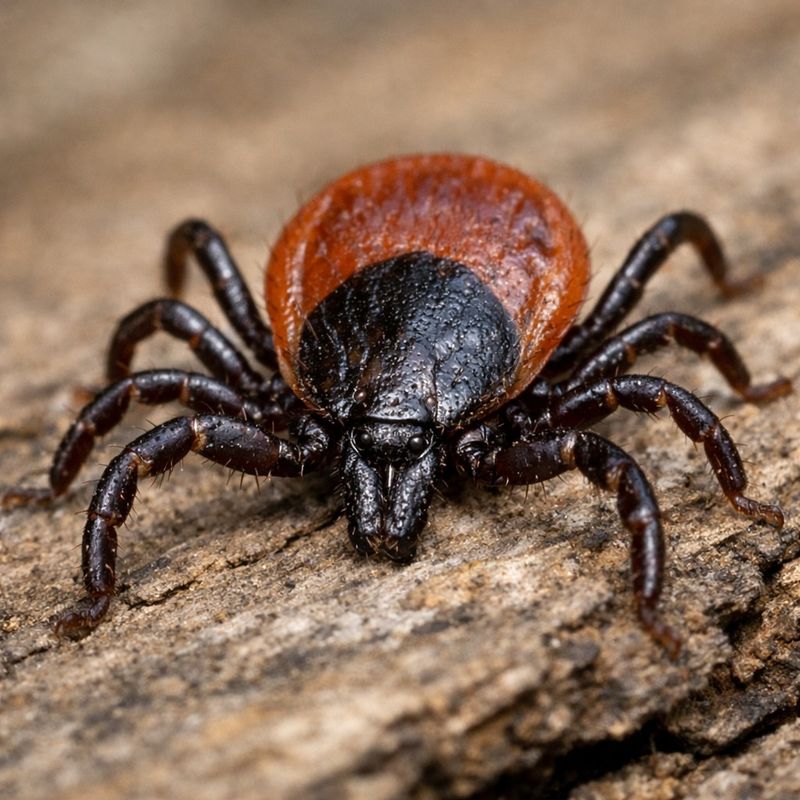
One of the most effective tools against ticks is also one of the least used: a dry barrier zone between your lawn and any wild or wooded area.
Without this buffer, ticks can crawl directly from tall grass or brush into your mowed lawn with nothing to stop them.
Most yards in our state have no barrier at all, which makes tick migration into living spaces very easy.
A dry barrier is typically a strip of wood chips, gravel, or coarse mulch that is about three feet wide.
Ticks avoid crossing dry, sun-exposed surfaces because they quickly lose moisture and cannot survive without humidity.
A well-placed barrier along the edge of your lawn essentially creates a no-go zone that ticks are reluctant to cross.
Installing a barrier does not take a lot of time or money, but the results can be very noticeable.
Use light-colored gravel or cedar wood chips for the best effect, since both dry out quickly and cedar has natural pest-repelling properties.
Place the barrier along any edge where your lawn meets a wooded area, slope, or brushy section. Keep the barrier clear of leaves and plant debris so it stays dry and open.
Refreshing it once a season keeps it effective. Combining a dry barrier with regular mowing and brush clearing creates a layered defense that makes your yard significantly less welcoming to ticks throughout the season.
8. Pets Roaming Through Brush
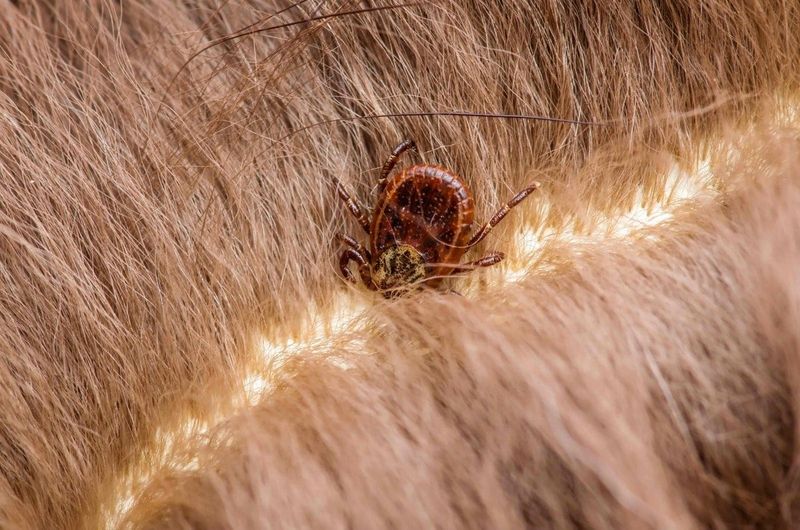
Pets are one of the most common ways ticks get from the yard into your home, and it happens faster than most owners realize.
Dogs especially love to explore along fence lines, under shrubs, and through brushy patches where ticks are most concentrated.
Every romp through dense vegetation is an opportunity for ticks to latch on and hitch a ride indoors.
Cats that go outside face the same risk, though they tend to hide symptoms of tick bites more effectively than dogs. Even a short trip through a weedy corner of the yard can result in multiple ticks on your pet’s fur.
Since pets often sleep on furniture, beds, or rugs, ticks that ride in on them can end up anywhere in your home.
Checking your pets thoroughly after every outdoor session is one of the most important habits you can build this season.
Run your fingers slowly through their fur, paying close attention to the ears, neck, between the toes, and around the tail.
Talk to your vet about the best tick prevention products for your specific pet and situation. Keeping pets on tick prevention year-round is smart, especially in our state’s mild climate.
Trimming brush and keeping the areas where your pets play as clear and dry as possible also helps reduce their exposure.
Your pet cannot protect itself, so building these habits for them makes a real difference in keeping everyone in your household safer.