The Oregon Lawn Mistakes That Make Your Yard A Hotspot For Ticks
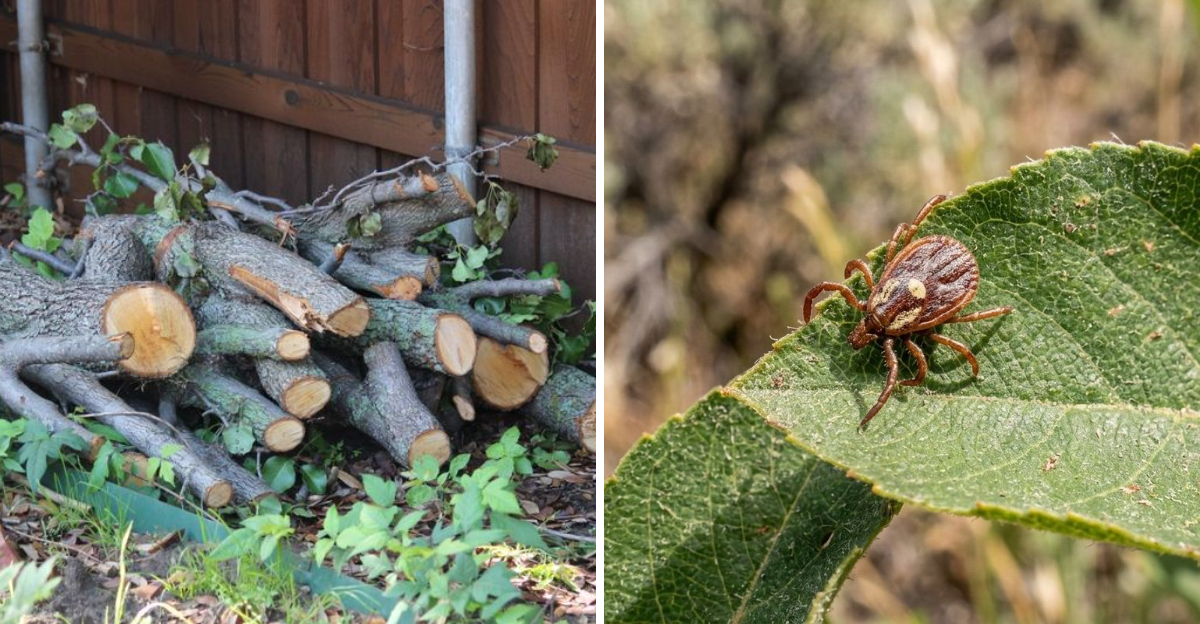
Nobody wants to come inside after an afternoon in the garden and find a tick. It is one of those discoveries that immediately ruins the mood and sends everyone straight to the mirror for a full inspection.
The frustrating part is that most Oregon yards are set up in ways that quietly make tick encounters more likely without anyone realizing it.
Tall grass along the back fence, leaf litter piling up near the tree line, shaded beds that stay damp well into summer.
Ticks are not randomly distributed across your property. They congregate in specific conditions, and a lot of those conditions are surprisingly easy to change.
Oregon’s mild wet climate and wooded suburban lots create a genuinely tick-friendly environment, but a few practical adjustments to regular yard habits can make a real difference throughout the season.
1. Letting Grass Grow Too Tall
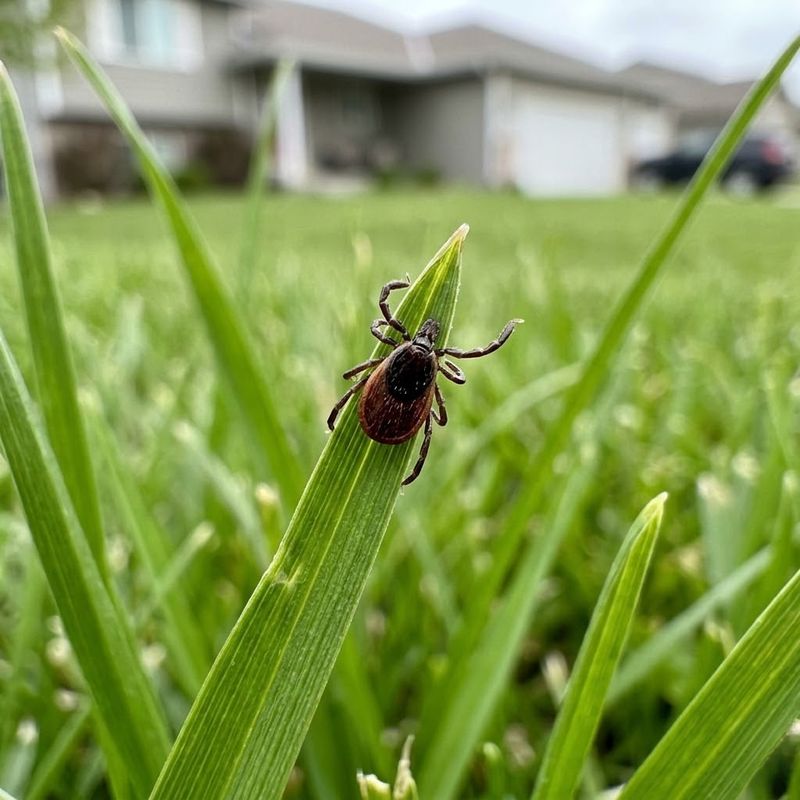
Tall grass along the back fence or beside the garden beds is one of the most common conditions linked to tick encounters in Oregon yards. Ticks are not typically active out in the open, sun-baked center of a well-mowed lawn.
Instead, they tend to wait in shaded, moist spots like tall grass, brush edges, and unmaintained borders where humidity stays higher and temperatures stay cooler.
When grass gets long, it creates exactly the kind of sheltered environment where ticks can rest and wait for a passing host. That host might be a deer, a raccoon, a neighborhood cat, or a person walking through on the way to the garden shed.
Oregon summers can be dry, but shaded grass holds moisture longer, which ticks seem to prefer.
Keeping your lawn mowed regularly, especially along edges and fence lines, is one of the most straightforward ways to reduce tick-friendly conditions. Aim to cut grass before it gets too long rather than waiting until it becomes a project.
Side yards, slopes, and corners near structures are easy to forget but worth including in your regular mowing routine. Shorter, open grass gives ticks fewer places to shelter and wait.
2. Leaving Leaf Litter Along Lawn Edges
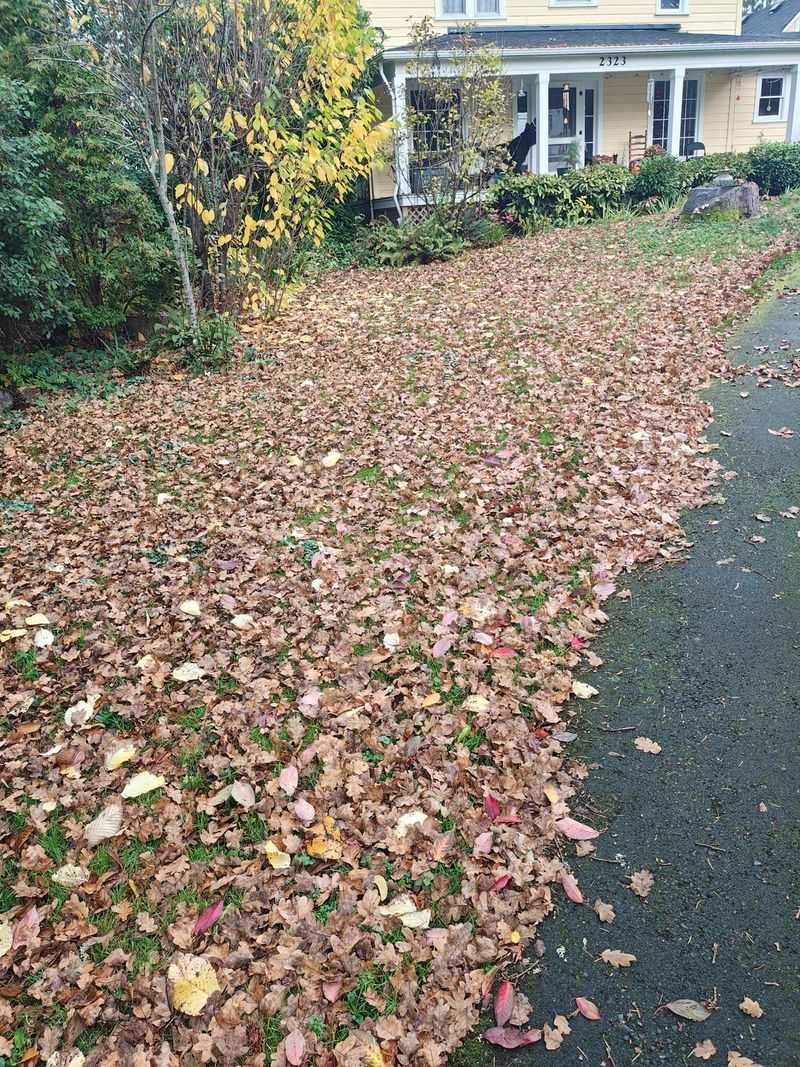
Raking leaves might feel like a chore that can wait until the weekend, but leaf piles that sit along lawn edges for weeks can quietly become a sheltered spot for ticks and the small animals that carry them.
Damp, layered leaf litter holds moisture well, stays shaded, and provides cover for mice, voles, and other small rodents that are common tick hosts in Oregon.
Along the edges where your lawn meets a wooded border, shrub bed, or fence line, leaf buildup tends to be thickest. Those are also the spots where ticks are most likely to be waiting.
When small animals move through that leaf litter regularly, they can bring ticks with them, and those ticks may eventually end up in your lawn.
Clearing leaf litter from lawn edges, especially in fall and early spring, can help reduce the protected, moist conditions that make those areas more tick-friendly.
You do not need to remove every fallen leaf from your entire yard, but keeping the edges clean and the borders tidy makes a real difference.
Your Oregon Garden Changes Every Week. Your Plan Should Too.
Gardening in Oregon changes quickly throughout the season. Every Friday you’ll receive a simple weekly plan showing exactly what to plant, prune, fertilize, harvest, and protect so you never miss the right timing.
Bagging or composting the debris promptly rather than letting it sit in loose piles is a practical habit for Oregon homeowners who use their yards regularly.
3. Allowing Brush To Crowd The Lawn
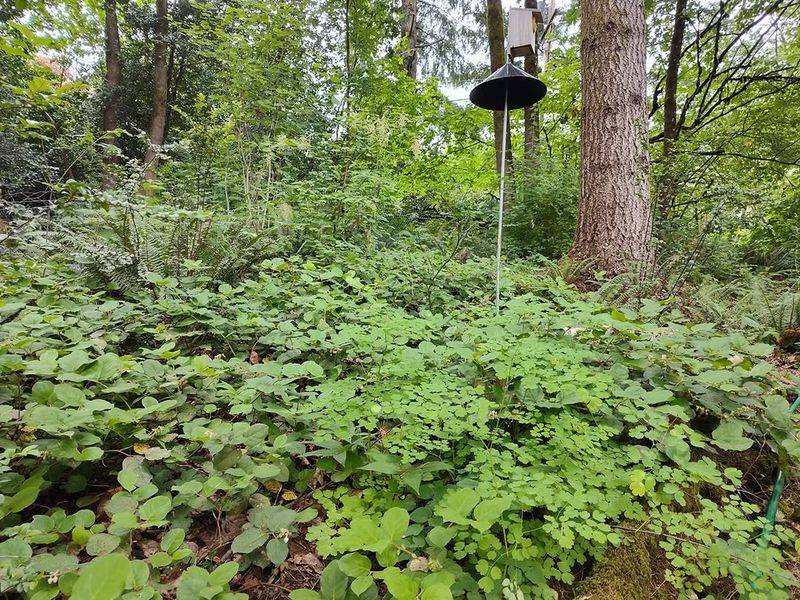
Brushy shrubs and wild vegetation creeping toward the lawn edge are easy to let go, especially during a busy Oregon summer. But when brush crowds the lawn, it can create a seamless connection between your maintained yard and rougher tick habitat.
Ticks do not need a wide path to move from brushy edges into lawn areas, and dense shrubs give them plenty of shaded, moist cover to wait in.
In many Oregon yards, especially those near wooded lots or with naturalized planting areas, brush can grow quickly and start to blur the line between the tidy lawn and the wilder edges.
That blurred line is where tick encounters tend to happen most often.
A person brushing through overgrown shrubs on the way to a garden bed or side gate is moving through the kind of vegetation ticks favor.
Trimming shrubs and brushy plants back from the lawn edge on a regular schedule helps maintain a clearer separation between used lawn space and wilder areas.
You do not need to remove all shrubs or natural plantings, but keeping them pruned and pulled back from the lawn creates a less connected path from rough habitat to your yard.
Even a foot or two of cleared space along the border can make conditions less favorable for ticks.
4. Skipping A Dry Border Near Woods
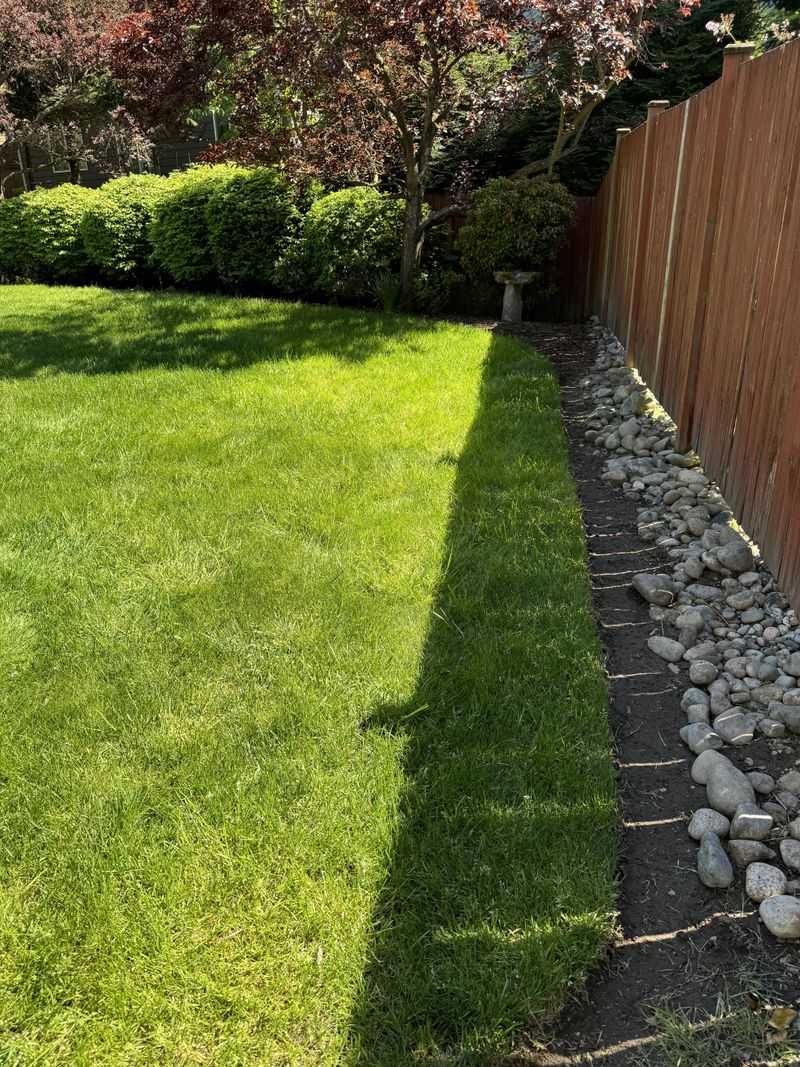
Yards in Oregon that back up to woods, overgrown fields, or dense shrub borders have a natural tick-risk zone right at that edge.
One practical way to create a little separation between your lawn and that rougher habitat is to install a dry buffer strip, such as a band of gravel, wood chips, or bark mulch along the boundary.
This kind of border is not a guarantee, but it can help reduce the ease with which ticks and their small host animals move from wooded areas directly into your lawn.
Ticks tend to prefer moist, shaded, vegetated areas. A dry, open strip of gravel or mulch is not the kind of environment they seek out.
Small rodents, which are common tick hosts, also tend to avoid crossing open, exposed areas when they can. A dry border may discourage both from making the trip into your maintained yard as easily.
The border does not need to be wide to be useful. A strip of about three feet is a reasonable starting point for many Oregon properties.
Keeping that strip free of leaf buildup and weeds helps it stay dry and open. For rural properties or suburban lots with dense wooded borders, this simple landscaping step is one of the more practical tick-reduction habits you can build into your yard plan.
5. Keeping Play Areas Near Yard Edges
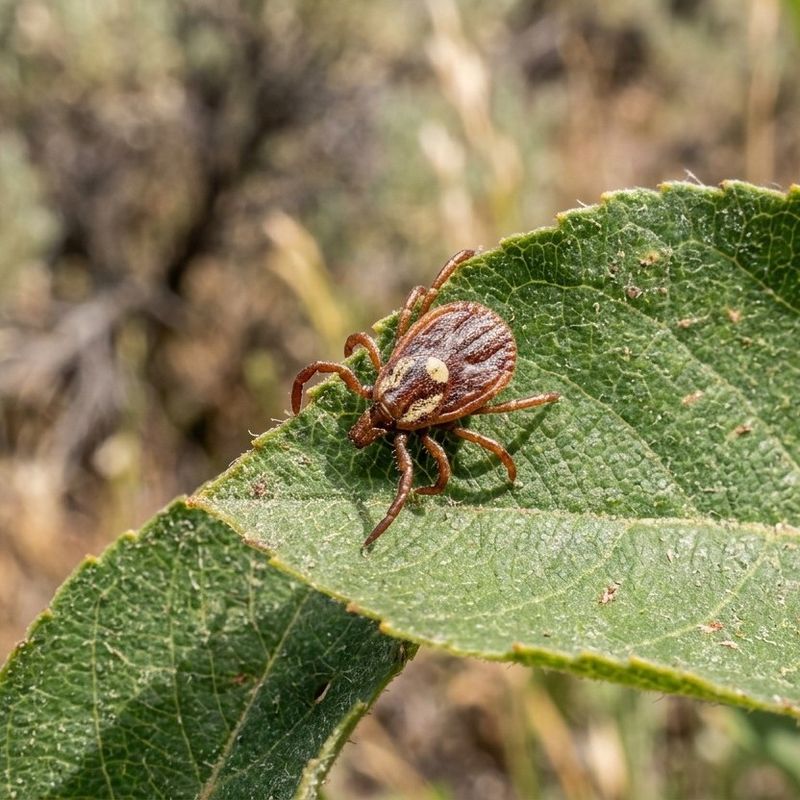
Swing sets, sandboxes, lawn chairs, and outdoor seating areas are most enjoyable when the whole family can relax without worrying about what is lurking in the nearby brush.
Placing play equipment or gathering spaces close to wooded edges, tall grass, or dense shrubs puts those areas right next to the spots where ticks are most likely to be found.
In Oregon backyards where the yard meets a tree line or overgrown border, that distance really matters.
Children playing near a wooded edge or brushy fence line are more likely to brush against vegetation or wander into longer grass than adults who are more aware of the boundary.
Keeping play structures positioned toward the center of the lawn or in open, sunny spots away from rough edges creates a little more distance between kids and tick habitat.
Sunny, open areas also tend to be drier, which makes them less appealing to ticks.
Checking children for ticks after outdoor play is always a smart habit, but starting with a better-placed play area reduces how often those checks turn up anything.
When you set up seating or lawn furniture for summer gatherings, try to position it away from the shadiest, brushiest corners of the yard.
Small shifts in placement can quietly lower the chance of a tick encounter without requiring any major yard changes.
6. Letting Wildlife Move Through The Yard

Deer, raccoons, opossums, and other wildlife are a familiar part of life in many Oregon neighborhoods, especially where suburbs meet wooded areas.
These animals are also common tick hosts, meaning they can carry ticks through your yard and drop them off along the routes they travel.
A yard that sees regular wildlife traffic may also see more tick activity along those same paths, particularly near wooded edges, garden beds, and shaded corners.
Reducing wildlife access to your yard does not mean eliminating every wild creature from the neighborhood. But some practical steps can discourage animals from treating your yard as a regular route or resting spot.
Removing bird feeders that attract deer and rodents, securing compost bins, and clearing low brush that provides shelter near the house can all make your yard a less appealing stop for wildlife.
Fencing can help in some situations, though it is not always practical or affordable for every Oregon property. Even partial barriers or changes to yard conditions can reduce how often large animals like deer move through.
The connection between wildlife activity and tick presence is worth keeping in mind when you notice worn paths, droppings, or signs of regular animal traffic near the edges of your lawn.
Fewer animal hosts moving through means fewer chances for ticks to reach your yard.
7. Storing Wood In Damp Messy Piles
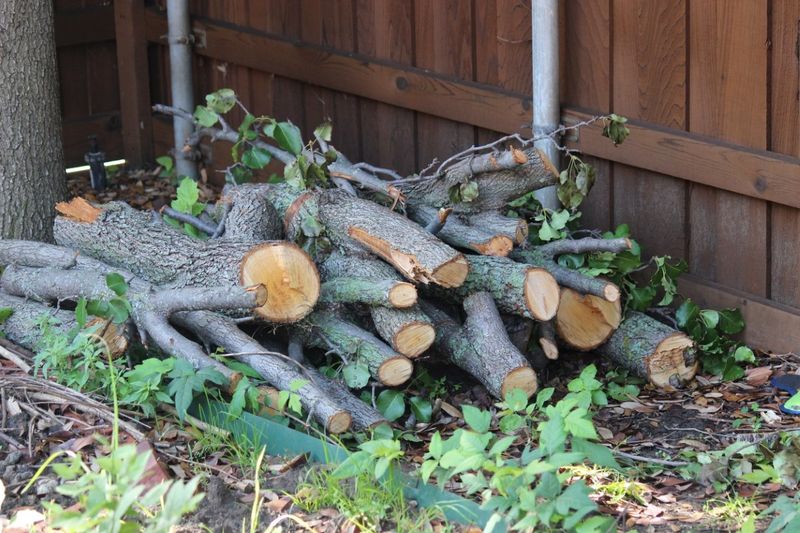
Firewood storage might not be the first thing that comes to mind when thinking about ticks, but a poorly managed wood pile can quietly become a problem area in an Oregon yard.
Loose, damp stacks of firewood with gaps and debris around the base create exactly the kind of sheltered, moist environment that small rodents seek out.
Mice and voles are common tick hosts, and when they nest near firewood, ticks can build up in that area over time.
Wood piles stored directly on the ground in shaded, damp spots are especially likely to attract rodents. If the pile is also close to a high-use area of the lawn, a patio, or a door, that puts tick-carrying animals near spaces where people and pets spend time.
Oregon’s wet winters and cool, shaded corners make damp wood storage a pretty common situation on many properties.
Keeping firewood stacked neatly, elevated off the ground, and stored in a drier, sunnier spot away from the house and main lawn areas can help reduce the appeal to rodents. A covered wood rack keeps stacks tighter and drier.
Moving the wood pile away from patios, play areas, and entry points is a practical step that reduces the chance of rodents and ticks settling in close to where your family spends time outdoors.
8. Ignoring Dense Groundcover Near The Lawn
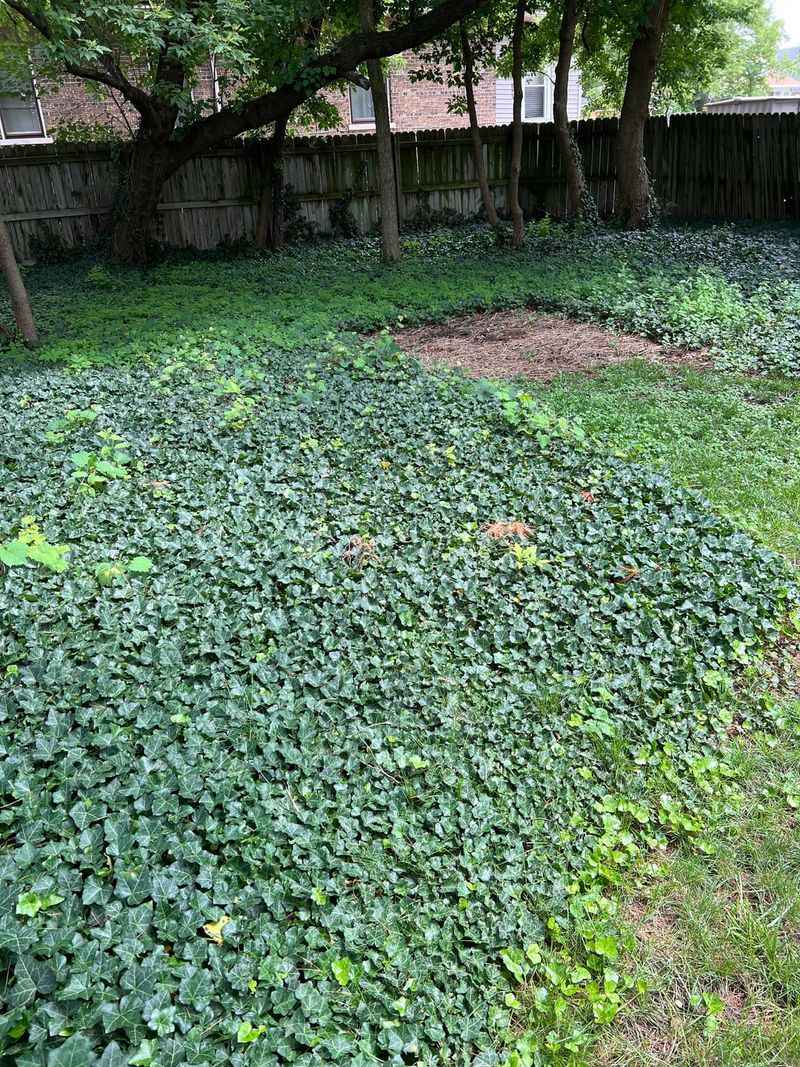
Groundcovers like ivy, pachysandra, and similar low-growing plants are popular in Oregon yards for filling in shaded areas where grass struggles to grow.
Not every groundcover creates a tick problem, but dense, unmanaged, tangled patches growing right along the lawn edge can make tick habitat harder to reduce.
Thick groundcover holds moisture, stays shaded, and gives small animals cover to move through without being exposed.
When groundcover grows unchecked and starts to spill into the lawn or fill in large sections of a shaded border, it can blur the line between maintained yard and rough habitat.
Ticks do not need much to find a comfortable waiting spot, and dense groundcover near a lawn edge provides shade, moisture, and a steady supply of small host animals moving through the vegetation.
Managing groundcover does not mean ripping it all out. Keeping it trimmed back from the lawn edge, thinning out sections that have become too dense, and clearing out any leaf buildup that collects in the groundcover can all help reduce tick-friendly conditions.
Shaded corners of Oregon yards where groundcover grows thickest are worth paying attention to, especially in spring and summer when tick activity tends to pick up.
A little maintenance in those spots goes a long way toward keeping the lawn border less hospitable to ticks.
9. Forgetting To Check Pets After Lawn Time

Dogs and cats love Oregon yards, and they tend to explore every corner of them, including the tall grass along the fence, the brushy edges near the shed, and the shaded spots under shrubs where people rarely walk.
Pets can pick up ticks in those areas and carry them back into the house or onto furniture without anyone noticing until a tick has already attached.
Making pet checks a regular habit after outdoor time is one of the more practical steps Oregon pet owners can take.
Ticks on pets are not always easy to spot, especially on dogs with thick or dark coats.
Running your fingers through the fur, paying attention to areas around the ears, neck, between the toes, and under the collar, can help you find ticks before they become a bigger concern.
Cats that go outdoors are also worth checking, though they tend to groom themselves and may remove some ticks on their own.
Talking with your veterinarian about tick prevention products designed for pets is a reasonable step for Oregon households where pets spend regular time in yards with wooded edges, tall grass, or brushy borders.
Checking pets at the door after each outdoor session builds a simple routine that can catch ticks early and reduce the chance of them making it further into your home.
10. Assuming Mowing Alone Solves The Problem

A freshly mowed lawn looks tidy and feels like a job well done, and regular mowing genuinely does help reduce tick-friendly conditions in the main lawn area. But mowing alone covers only part of the picture.
The habits that make Oregon yards more comfortable for ticks often involve the edges, corners, and borders that a mower does not reach, such as leaf litter along the fence, brush crowding the side yard, or a damp wood pile beside the garage.
Tick-risk reduction in a yard is more of a combination approach than a single fix.
Keeping grass short helps, but pairing that with leaf litter cleanup, brush trimming, a dry border near wooded edges, smart placement of play areas, and regular pet and personal tick checks builds a more complete picture.
No single step removes all risk, but several steps together can meaningfully reduce tick-friendly conditions throughout the yard.
Personal tick checks after spending time outdoors remain one of the most consistently recommended habits, regardless of how well-maintained the yard is.
Oregon’s varied landscapes mean that tick exposure can happen in many settings, from rural properties to suburban lots with wooded borders.
Treating yard maintenance as an ongoing, multi-part routine rather than a single task gives you a better chance of keeping tick encounters to a minimum across the whole season.