What’s Really Drawing Ticks Into New Jersey Backyards This Summer
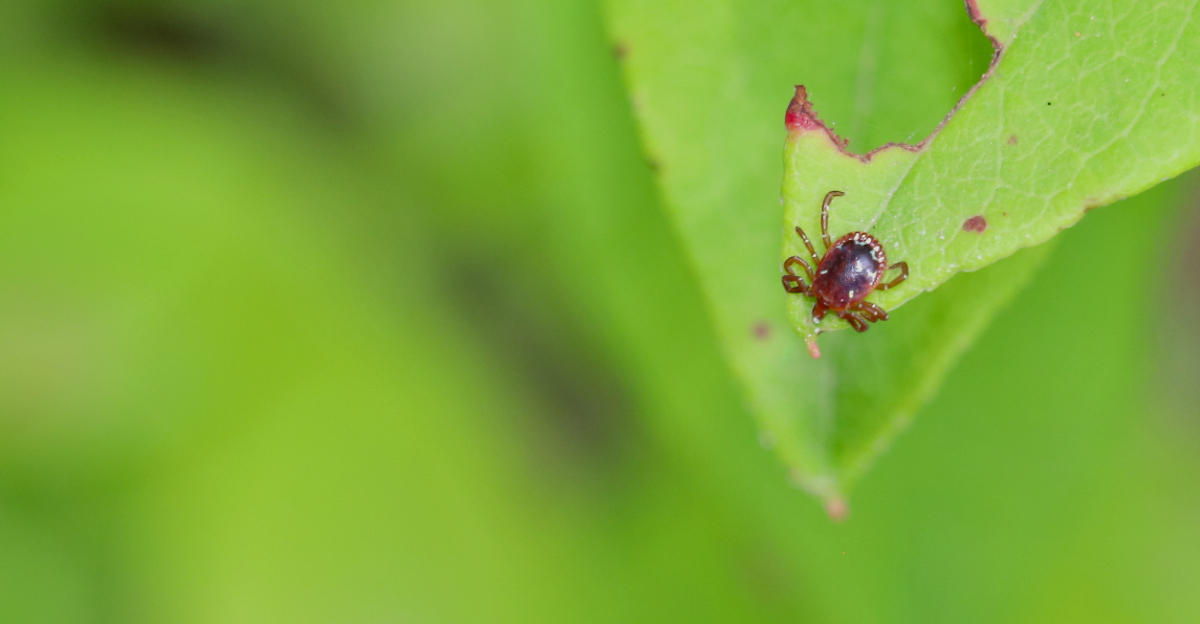
Your backyard looks peaceful. It is not. Somewhere between the fence line and the flower bed, ticks are waiting for their next ride, and New Jersey lawns are giving them plenty of chances this summer.
This is not random misfortune. It is the direct result of choices most homeowners never think twice about, like how often the grass gets cut or where the leaf piles sit untouched.
Ticks do not wander far. They perch on blades of grass and shrub edges, front legs outstretched, waiting for warmth or movement to brush past. Certain yard conditions practically hand them a front-row seat to your ankles.
Turns out the difference between a tick magnet and a tick-free yard often comes down to a few small details, not a complete redesign. Let’s get into what those details actually are.
1. Overgrown Grass And Unmowed Lawns
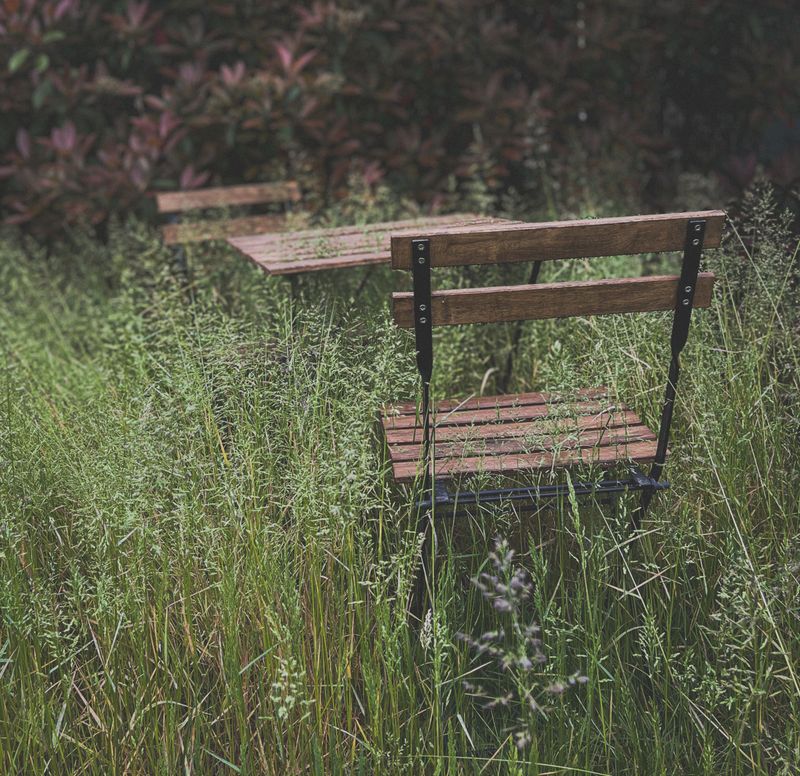
Your lawn is basically a five-star hotel for ticks when the grass gets tall. Ticks cannot regulate their own body heat, so they depend on humid, shaded environments to survive.
Tall grass traps moisture close to the ground and keeps temperatures cool even on hot days. That combination is exactly what ticks are searching for during a brutal New Jersey summer.
When you skip mowing for a couple of weeks, the grass height can double fast. A lawn that sits above three inches quickly becomes prime tick territory.
Ticks do not jump or fly to find a host. They climb to the tips of grass blades and wait in a behavior called questing, stretching their legs out to grab onto anything passing by.
Keeping your lawn mowed to under three inches is one of the simplest and most effective steps you can take. Short grass dries out faster, which makes the environment far less hospitable for ticks looking for a place to hang out.
A regular mowing schedule does more than make your yard look tidy. It actively disrupts the humid microclimate that ticks need to stay alive between feedings.
Consider setting a weekly mowing reminder on your phone during peak summer months. Consistency is the key, because even one missed week can give a tick population the foothold it needs to get comfortable in your yard.
2. Piles Of Leaves Left To Sit
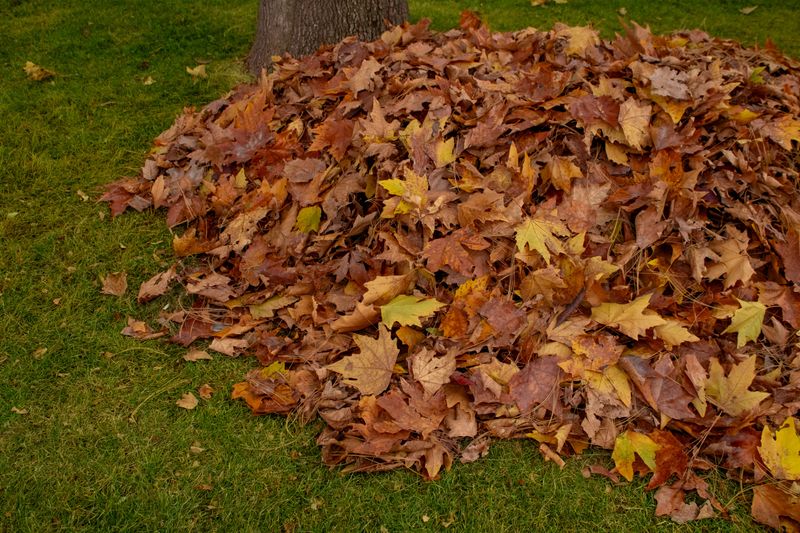
That leaf pile you meant to rake up last fall is still sitting there, and ticks absolutely love it. Decomposing leaves hold moisture like a sponge and create a dark, cool layer just above the soil.
Ticks spend a significant portion of their lives off a host, hiding in exactly this kind of ground-level debris. A thick mat of old leaves is basically a tick apartment complex.
The problem gets worse when the leaves are wet from summer rain. Moisture activates tick activity and encourages them to move toward the edges of the pile, where they can access passing animals or people.
Leaf piles also attract mice and chipmunks, which are primary hosts for tick larvae. More small mammals nearby means more ticks completing their life cycle right in your yard.
Your New Jersey Garden Changes Every Week. Your Plan Should Too.
Gardening in New Jersey changes quickly throughout the season. Every Friday you’ll receive a simple weekly plan showing exactly what to plant, prune, fertilize, harvest, and protect so you never miss the right timing.
Bagging and removing leaf debris is a straightforward fix that makes a noticeable difference. You do not need chemicals or professional help to eliminate this particular tick magnet.
If you compost leaves, keep the compost bin as far from the house as possible. The farther the debris sits from your main outdoor living area, the less likely ticks are to wander into spaces where your family spends time.
Clearing out leaf litter twice a year, once in spring and once in fall, keeps your yard cleaner and less appealing to pests. Ticks in New Jersey backyards this summer are counting on your procrastination, so do not give them the chance.
3. Stacked Firewood Near The House
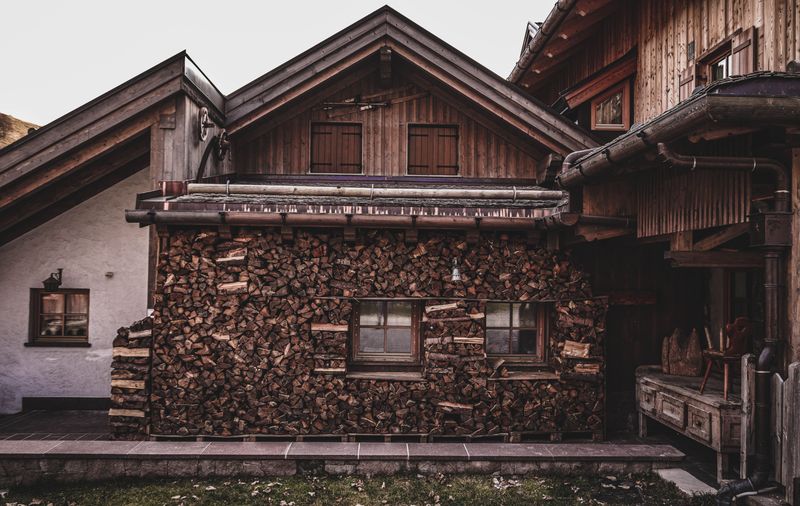
A tidy woodpile looks harmless, but placement matters more than most people realize. Firewood stacked against the house creates a layered, sheltered environment that ticks and their hosts find irresistible.
Mice are often the main culprit here. They burrow into wood stacks for shelter, and ticks frequently travel along with them.
Ticks feed on mice during their larval and nymph stages, which are the two phases when they are hardest to spot. A woodpile near your back door essentially creates a tick nursery just steps from your home.
The logs themselves hold moisture and stay cooler than the surrounding air on hot days. That shaded, damp space between the wood is a tick hideout that most homeowners never think to check.
Moving your woodpile at least twenty feet from the house is a simple fix with a real impact. The greater the distance from your home and yard edges, the less likely ticks are to migrate into your main outdoor space.
Stack wood on a raised platform or pallets to improve airflow and reduce ground moisture. Drier wood means fewer mice, and fewer mice means fewer ticks cycling through your property.
Cover the top of the stack with a tarp to keep rain off, but leave the sides open for ventilation. Small adjustments to how and where you store firewood can dramatically reduce tick pressure around the foundation of your home this summer.
4. Stone Walls Bordering The Yard
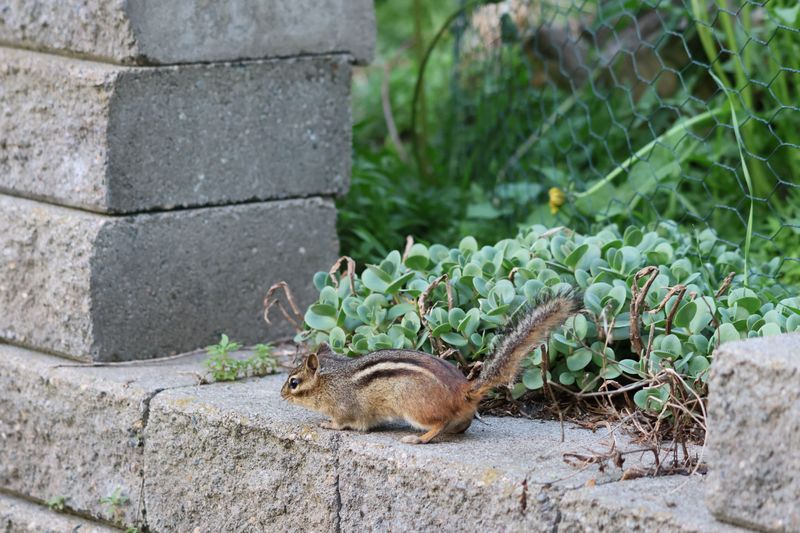
Stone walls have a timeless charm, but they are also one of the most tick-friendly structures you can have in your yard. The gaps between rocks create a network of small, dark tunnels that are perfect for sheltering wildlife and pests.
Chipmunks, mice, and shrews all love to nest inside stone walls. These small animals are the primary hosts that ticks rely on during the early stages of their life cycle.
A stone wall can shelter a surprising number of rodents, and each one can carry ticks at various life stages. That combination can quickly raise tick numbers right along your property line.
The stones themselves stay cool and moist on the shaded side, creating a microclimate that ticks can survive in even during the hottest parts of summer. It is essentially a built-in tick habitat that most homeowners never suspect.
You do not have to tear down a beautiful old wall to manage the problem. Keeping grass trimmed short on both sides reduces the transition zone where ticks move from the wall into your yard.
Applying a tick-targeted perimeter spray along the base of the wall once a month can also help. Focus on the edges where grass meets stone, since that is the primary travel corridor for ticks leaving the wall.
Awareness is half the battle with stone walls. Knowing this feature is a hot spot helps you prioritize it during your regular yard maintenance routine this season.
5. Bird Feeders That Draw Small Wildlife
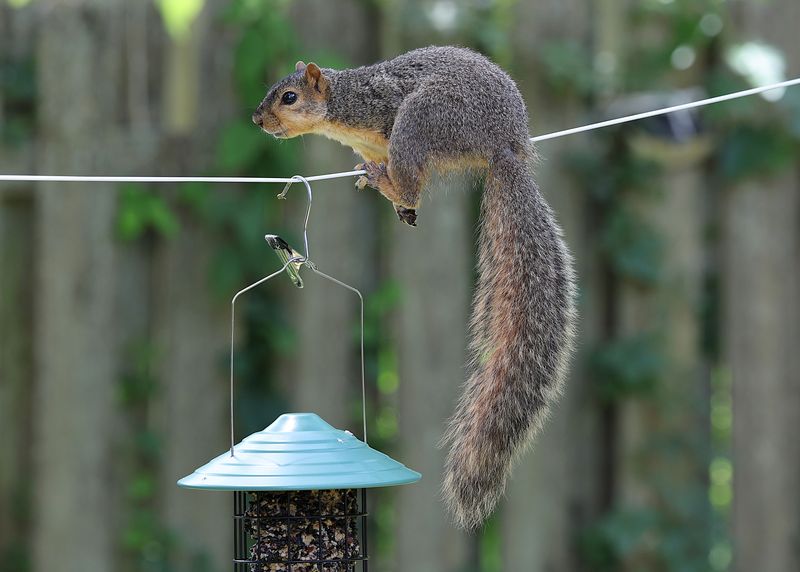
Bird feeders bring joy to any backyard, but the seeds that fall to the ground tell a different story. Scattered seed attracts mice, squirrels, chipmunks, and deer, all of which are excellent tick hosts.
Once these animals start visiting regularly, ticks hitch rides into your yard on their fur. The feeder becomes an indirect tick delivery system without you ever realizing it.
Ground-feeding birds like sparrows and doves scratch through fallen seed, which also stirs up leaf litter and soil. That activity can disturb resting ticks and push them toward the edges of paths or lawn areas where people walk.
The problem compounds quickly during summer when tick populations are at their peak. More wildlife traffic means more tick drop-off points scattered across your outdoor space.
Switching to a tube feeder with a seed catcher tray underneath reduces spillage significantly. Less seed on the ground means fewer small mammals visiting, which breaks the chain between your feeder and tick activity.
Place feeders at least ten feet away from seating areas, play sets, and garden beds. Distance creates a buffer that limits how far ticks can travel from the feeder zone into the areas your family actually uses.
Clean up fallen seed every few days and store birdseed in a sealed metal container. Ticks in New Jersey backyards this summer are opportunists, and eliminating food sources for their hosts is one of the smartest moves you can make.
6. Shady Spots Beneath Trees

Ticks hate direct sunlight. UV rays dry them out fast and can be lethal with enough exposure.
Shaded spots beneath trees offer protection from that drying effect, making them prime real estate for ticks waiting to find a host. The bigger and denser your tree canopy, the more tick-friendly your yard becomes.
Leaf litter accumulates naturally under trees, adding another layer of moisture retention to an already humid spot. Ticks can survive for weeks in these cool, dark pockets even during a hot and dry summer.
Deer and other wildlife often rest in shaded yard areas during the afternoon heat. Their presence deposits ticks directly into the spaces where you might relax or your kids might play.
Raking out leaf debris from under trees regularly is one of the most effective steps you can take. Removing that organic layer eliminates the moisture buffer ticks depend on to stay hydrated between hosts.
Trimming lower tree branches to allow more sunlight to reach the ground also helps. Even a small increase in sun exposure can make a shaded area significantly less hospitable for tick survival.
Creating a wood chip or gravel border between the shaded tree zone and your lawn adds a physical barrier. Ticks are reluctant to cross dry, open surfaces, so that simple border can dramatically reduce their movement into your main yard space this summer.
7. Dense Ground Cover Plantings

Pachysandra, English ivy, and vinca are beautiful ground covers that solve erosion problems and fill shady gaps in the garden. But their thick, mat-like growth is one of the sneakiest tick attractors in the yard.
Dense ground cover holds humidity close to the soil surface and blocks sunlight from reaching the ground. Those two conditions create a microhabitat that ticks absolutely thrive in during summer months.
Small mammals tunnel through ground cover for shelter and food, leaving behind ticks at every stop along their route. Your garden bed becomes a hidden highway for both rodents and the ticks riding on them.
Ground cover near patios, walkways, or play areas is especially concerning. Ticks can quest from the edge of a planting bed onto a child running past in a matter of seconds.
Trimming ground cover back from walkways and seating areas creates a clear separation between the tick zone and your living space. Even a six-inch gap between plantings and a path can reduce tick encounters.
Consider replacing dense ground covers in high-traffic areas with gravel, mulch, or open lawn. These alternatives are far less hospitable to ticks and still look polished in a well-maintained yard.
If you keep your ground cover plantings, treat the borders with a tick-repellent spray at the start of the season. Staying proactive about these hidden hot spots is the best way to enjoy your garden without bringing unwanted passengers home on your ankles.
8. Yards That Border Wooded Areas

Living next to woods is a dream for nature lovers, but that forest edge is one of the biggest tick risk factors for New Jersey homeowners. The boundary between your lawn and the tree line is where tick activity is most concentrated.
Wildlife like deer, foxes, and raccoons travel along forest edges daily, dropping ticks as they move. Your backyard is essentially a rest stop on their regular route.
Ticks do not wander far from where they drop off a host. Most ticks found in residential yards tend to come from within a few feet of the lawn-to-woods transition zone.
Creating a three-foot-wide barrier of wood chips or gravel between your lawn and the woods is one of the most recommended strategies. Ticks avoid crossing dry, sun-exposed surfaces, so this simple border acts as a natural checkpoint.
Keeping the lawn mowed short all the way to the tree line removes the tall grass corridor ticks use to migrate inward. Do not leave an unmowed strip along the fence or property edge thinking it looks natural.
Deer fencing along the back of the property can reduce wildlife traffic significantly. Fewer deer crossing the yard means fewer ticks deposited in the spaces where your family spends warm summer evenings.
Ticks in New Jersey backyards this summer are most active within that first twenty feet of the woods edge. Focusing your prevention efforts on that zone gives you the highest return on your time and effort.