July Is The Best Month To Plant These Hudson Valley Natives
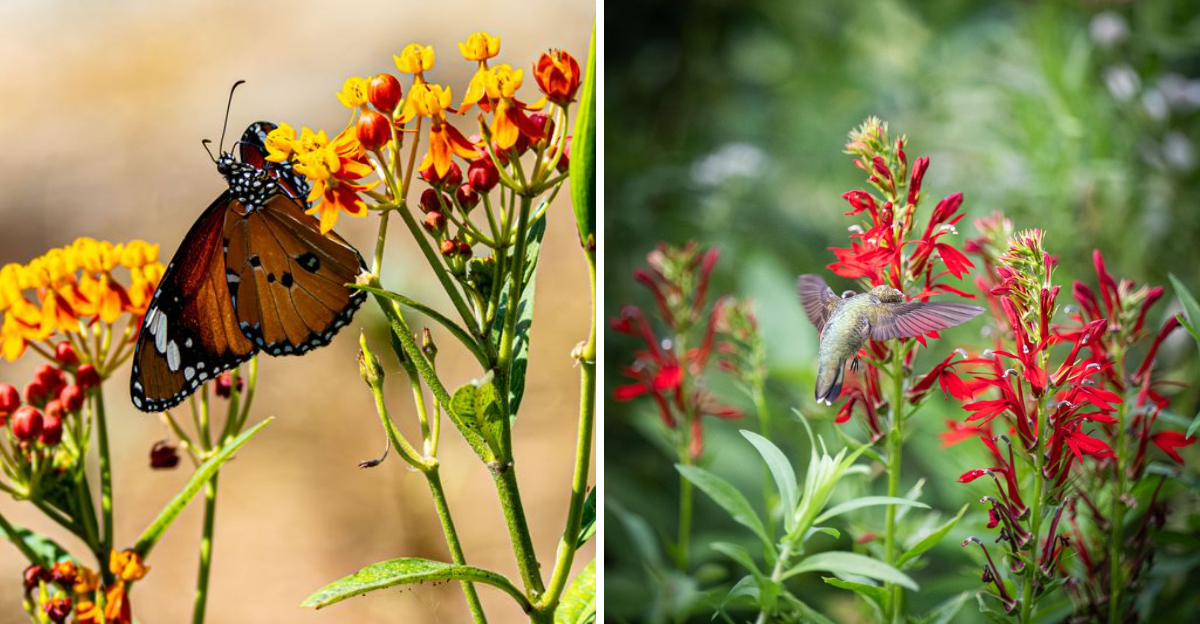
Something shifts in the Hudson Valley by July. The humidity settles into the hills, cicadas take over the evening air, and every yard on the block seems to be competing for the wildest bloom.
This is the month your garden either finds its rhythm or falls behind. Native flowers planted now still have weeks of warm soil to dig in before autumn slows everything down, and that head start makes all the difference come next spring.
Forget the fussy imports that sulk in our clay soil and humid summers. The plants built for this valley do not just survive here, they thrive, pulling in bees, monarchs, and hummingbirds like they were invited.
-Pick the right eight, and you get a yard that hums with life from July through frost, with almost none of the coddling most gardens demand.
1. Bee Balm
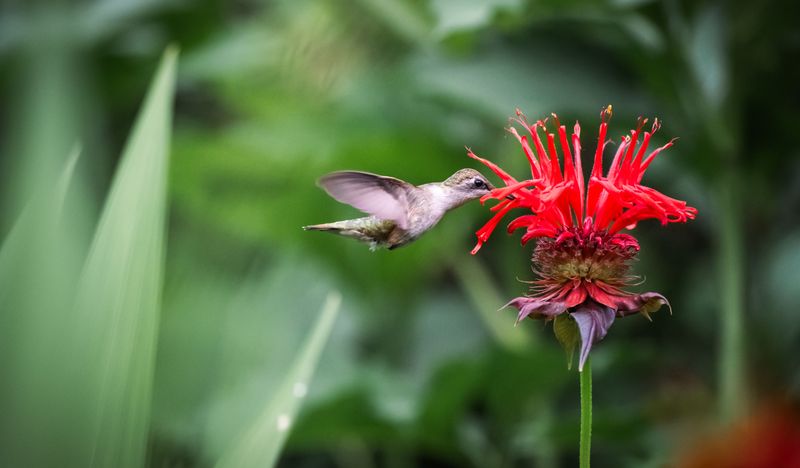
Picture a firework frozen mid-burst, blazing red against a summer sky. That is Bee Balm in full bloom, and it stops people in their tracks more often than not.
This native perennial thrives in the Hudson Valley’s warm, humid summers. July planting gives it just enough time to anchor its roots before cooler weather arrives.
Bee Balm belongs to the mint family, and its leaves carry a sharp, spicy scent that deer tend to avoid. Crushing a leaf releases a smell similar to oregano mixed with citrus.
Hummingbirds, bees, and butterflies absolutely flock to its tubular blooms. A single mature clump can attract dozens of pollinators on a sunny afternoon.
Plant it in full sun to partial shade, and keep the soil consistently moist. Good air circulation around the stems helps prevent powdery mildew, which can sneak in during humid stretches.
Space plants about 18 to 24 inches apart so they have room to spread. Bee Balm naturalizes quickly and forms dense, lush colonies over a few seasons.
Remove spent flowers regularly to encourage fresh blooms through August. Cutting stems back by one-third after the first flush triggers a second wave of color.
Give it one summer to settle in, and it will keep coming back stronger, with barely any effort on your part.
2. Wild Bergamot
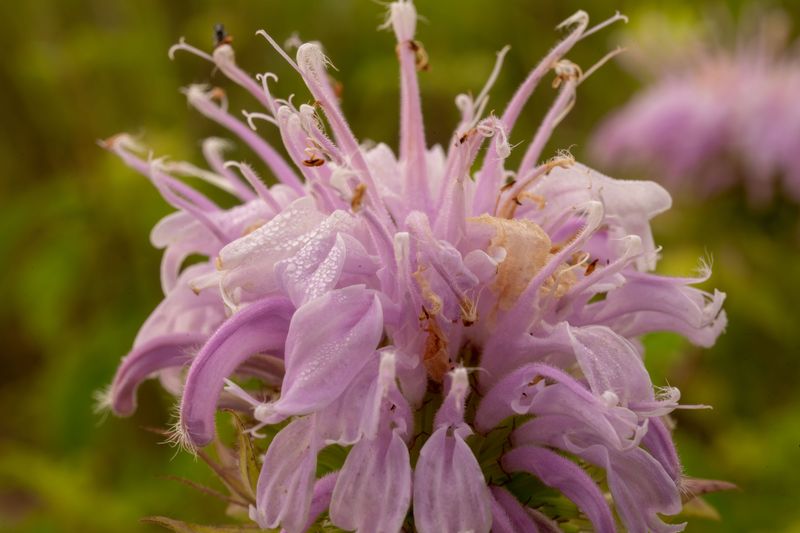
There is something almost dreamy about Wild Bergamot swaying in a warm July breeze. Its soft lavender-purple clusters look like something painted into a meadow scene.
Unlike its showier cousin Bee Balm, Wild Bergamot has a quieter, more understated charm. It blends beautifully with grasses and other native perennials without overpowering them.
This plant is incredibly drought-tolerant once established, making it a smart choice for dry or sandy spots. July planting lets roots dig deep before the dry heat of late summer peaks.
Native bees absolutely adore Wild Bergamot, drawing in everything from specialist bees to common bumblebees. Few plants punch above their weight quite like this one when it comes to pollinator value.
Grow it in full sun for the best bloom production, though it tolerates light shade without complaint. Well-drained soil keeps it happy, and it handles poor, lean conditions better than most garden plants.
Your New York Garden Changes Every Week. Your Plan Should Too.
Gardening in New York changes quickly throughout the season. Every Friday you’ll receive a simple weekly plan showing exactly what to plant, prune, fertilize, harvest, and protect so you never miss the right timing.
Plants typically reach two to four feet tall, creating a soft, airy texture in mixed borders. Pair it with Black-Eyed Susan or Coneflower for a classic Hudson Valley native combo.
Trim plants back hard in early spring to promote fresh, bushy growth. Dividing clumps every three years keeps them vigorous and prevents overcrowding at the base.
Plant it in July, and by August your garden will feel less like a yard and more like a piece of the wild meadow next door.
3. Anise Hyssop
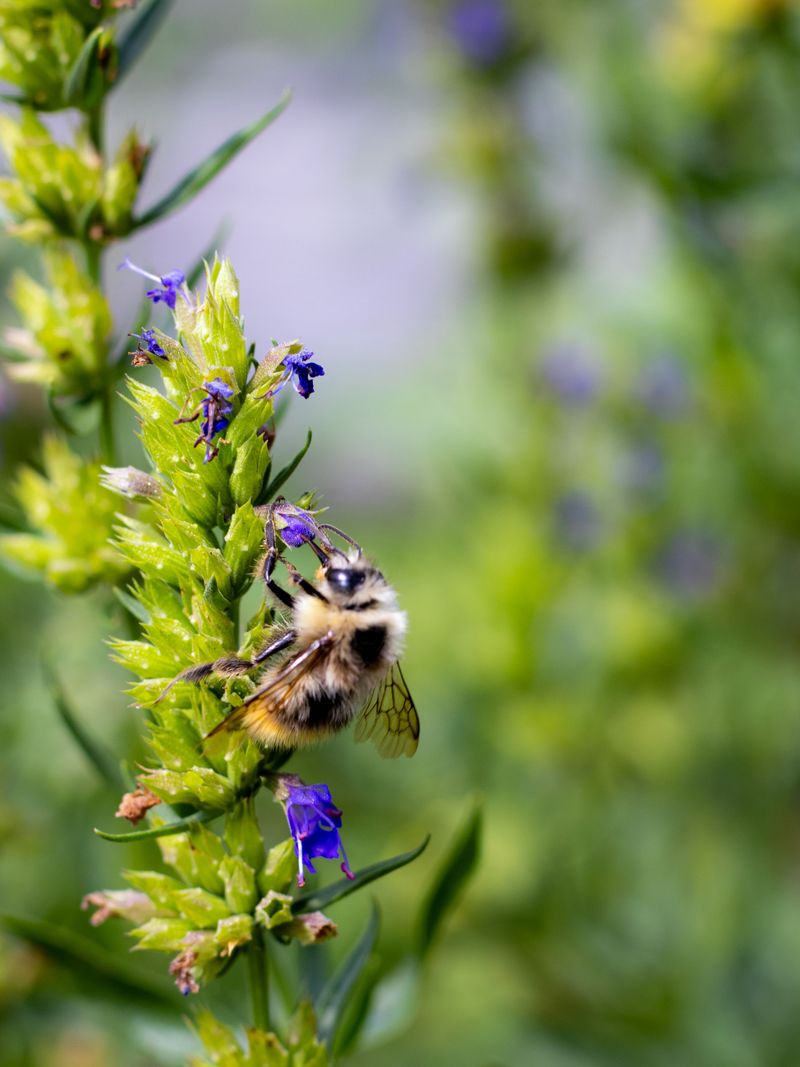
Anise Hyssop smells like a licorice candy shop decided to become a garden plant. One brush against its leaves fills the air with a sweet, anise-like fragrance that lingers for minutes.
This tall, elegant native produces long purple flower spikes that shoot up like soft violet candles. Planted in July, it can still push out blooms before the first frost arrives.
Bumblebees treat Anise Hyssop like a buffet that never closes. The nectar-rich flowers keep pollinators busy from mid-summer well into September.
It grows best in full sun with average, well-drained soil. Unlike many garden plants, it actually thrives when you do not fuss over it too much.
Anise Hyssop self-seeds generously, which means you may find cheerful volunteers popping up around your garden next spring. Thinning seedlings early prevents overcrowding while still giving you free new plants.
Heights typically range from two to four feet, making it a strong mid-border plant. It pairs brilliantly with ornamental grasses and late-summer natives for a layered, textured look.
Fresh leaves can be used in teas, salads, and even desserts, adding a gentle sweetness. Growing it near a kitchen door makes it incredibly convenient to harvest on a whim.
Beauty, fragrance, and usefulness rarely come in one compact plant, which is exactly why Anise Hyssop keeps its spot in the garden year after year.
4. Butterfly Milkweed
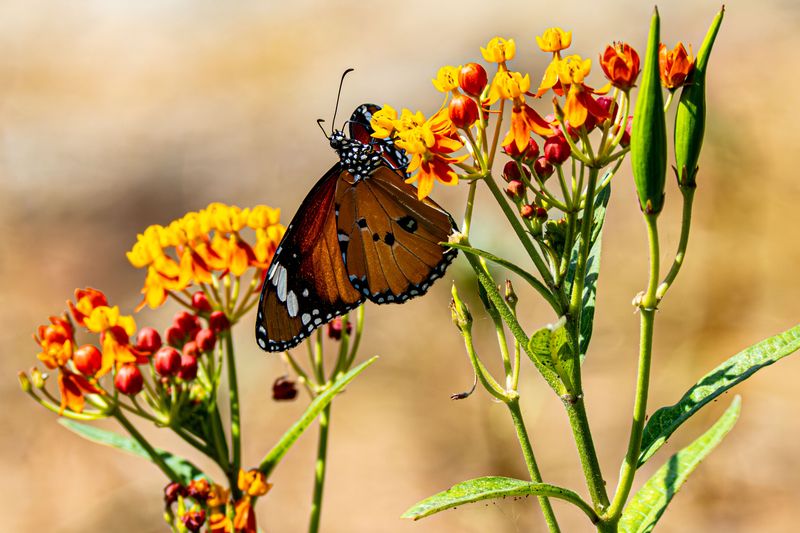
Butterfly Milkweed is basically a monarch butterfly’s favorite restaurant, gas station, and nursery all rolled into one. Without it, monarch populations across the Northeast would look very different.
Its blazing orange clusters are among the most vivid colors you can grow in a native garden. July is actually a prime planting window because the soil is warm and roots establish fast.
Unlike common milkweed, this species stays compact and tidy, topping out around two feet tall. It fits neatly into borders, rock gardens, and even large containers with ease.
Butterfly Milkweed is famously drought-tolerant once settled in, thanks to its deep taproot system. Water it consistently for the first few weeks, then step back and let it do its thing.
Plant it in full sun and well-drained soil, avoiding spots where water tends to pool. Wet roots in winter are the one thing this plant cannot tolerate, so drainage matters a lot.
Monarchs lay eggs exclusively on milkweed leaves, making this plant a critical habitat plant. Watching a caterpillar munch its way across your garden is one of summer’s most satisfying sights.
Avoid cutting back stems in fall because the seed pods are visually stunning and wildlife-friendly. Let them split open naturally and scatter seeds across your garden bed for free new plants.
Planting Butterfly Milkweed is one small act that connects your Hudson Valley yard to a continent-wide monarch migration. That kind of impact is pretty remarkable for one little orange flower.
5. Coneflower
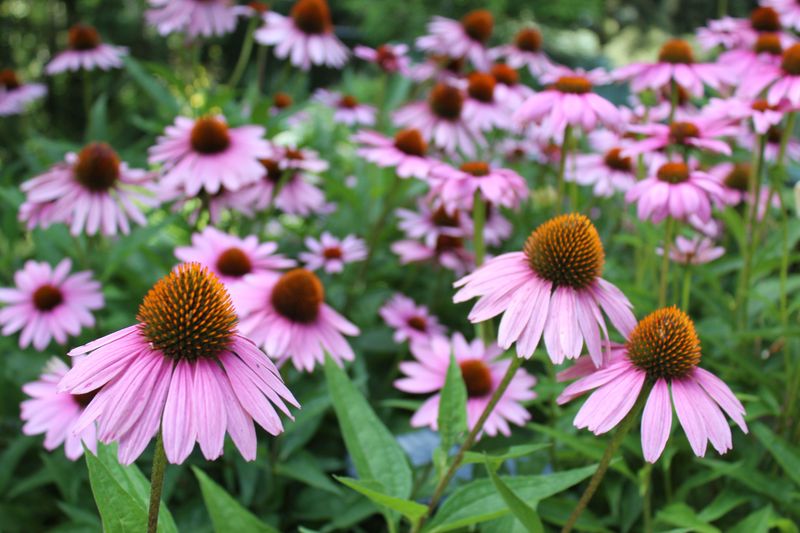
Ask any Hudson Valley gardener to name their most reliable native perennial, and Coneflower will almost always top the list. It blooms hard, handles neglect gracefully, and feeds wildlife from summer straight through winter.
Those cheerful purple petals surrounding a spiky copper center are practically synonymous with American native gardens. July planting gives young plants time to root and even push out a few late blooms.
Coneflower tolerates heat, drought, poor soil, and partial shade better than most plants in this category. It is genuinely one of the most forgiving natives you can put in the ground.
Goldfinches can’t get enough of the seed heads in fall and winter. Leaving stems standing after bloom is one of the best low-effort things you can do for local birds.
Full sun produces the strongest, most upright plants with the most abundant flowers. In shadier spots, stems may lean a bit, but blooms will still appear reliably each season.
Space Coneflowers about 18 inches apart to allow good air flow and prevent fungal issues. Clumps expand slowly over years and can be divided in spring to create new plants for free.
Removing spent blooms encourages more flowers through late summer, but leaving a few heads intact feeds birds. Finding that balance makes the garden look great while supporting local wildlife at the same time.
Few perennials pay back so little maintenance with so many years of color and birdlife. Plant it in July, and it will be earning its keep for decades.
6. Black-Eyed Susan
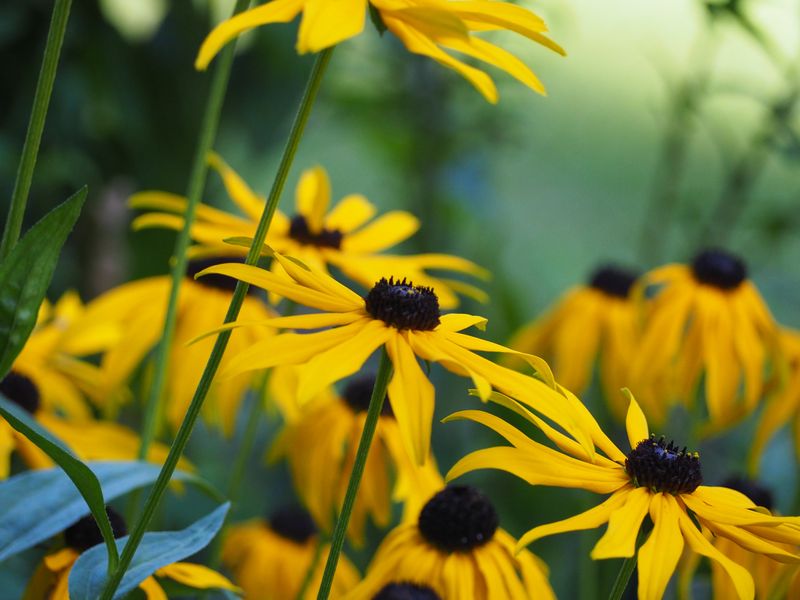
Black-Eyed Susan is summer in flower form. Those golden yellow petals wrapped around a dark chocolate center look like tiny suns scattered across your garden beds.
Few plants feel as naturally at home in the Hudson Valley as this one does. It grows along roadsides, meadows, and woodland edges throughout the region with little to no human help.
Planting in July works especially well because Black-Eyed Susan is a fast establisher in warm soil. You may even catch a few blooms before September rolls around if conditions are favorable.
This plant is a champion for native bees, beetles, and butterflies during the mid-summer nectar gap. When other flowers slow down, Black-Eyed Susan keeps the buffet open for hungry pollinators.
Grow it in full sun for the most vigorous growth and the most abundant blooms. It tolerates dry, rocky, or clay-heavy soil without complaint, making it adaptable to almost any yard.
Black-Eyed Susan spreads by both rhizomes and self-seeding, so expect a colony to form over time. Pulling unwanted seedlings in spring keeps it contained without much effort.
The seed heads are architectural and beautiful through fall and winter. Birds like chickadees and sparrows pick them clean, making a strong case for leaving stems standing after the season ends.
It bridges the gap between wild and cultivated better than almost anything else you can plant, making the whole garden feel a little less curated and a little more alive.
7. Joe Pye Weed
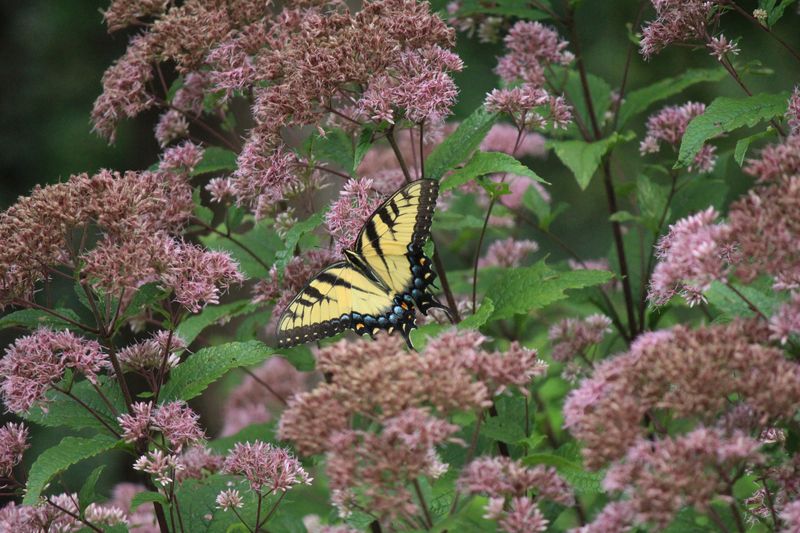
Joe Pye Weed is the gentle giant of the native garden world. It towers over most other perennials, sometimes reaching six to eight feet, and commands attention without being the least bit fussy.
Its dusty mauve-pink flower clusters bloom in late summer, perfectly timed to bridge the gap between mid-season and fall. July planting gives roots a solid six weeks to establish before those blooms arrive.
The name comes, according to legend, from Joseph Shauquethqueat, an 18th-century Mohican sachem some accounts link to herbal medicine. That kind of history adds an extra layer of meaning when you grow it in your yard.
Swallowtail butterflies are obsessed with Joe Pye Weed in a way that feels almost theatrical. On a warm August afternoon, a mature clump can host dozens of butterflies feeding at once.
Plant it in full sun to partial shade, and keep the soil consistently moist for best results. It naturally grows along stream banks and wet meadows, so it appreciates a bit of extra water.
Joe Pye Weed works beautifully as a back-of-border plant or naturalistic screen. Its height creates drama and provides shelter for birds moving through the garden in fall.
Cut stems back to about 12 inches in spring to encourage bushy, compact growth. Taller, unpruned plants may flop in wind, so some support or strategic pruning keeps them looking sharp.
Nothing else on this list makes quite as bold a statement. Give it a few months, and it will be the plant every visitor asks about.
8. Cardinal Flower
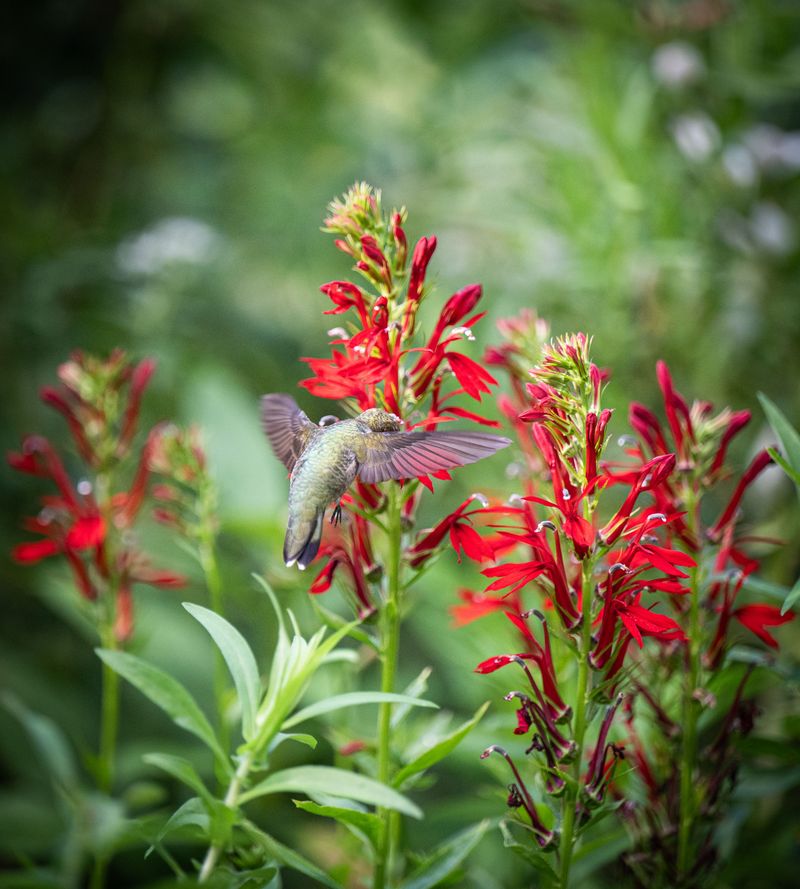
Cardinal Flower is the plant that makes hummingbirds lose their minds. That electric, fire-engine red is almost aggressively beautiful, and it is perfectly engineered for long hummingbird beaks.
Native to stream banks and moist woodland edges across the Northeast, Cardinal Flower is a true Hudson Valley original. Planting it in July aligns perfectly with its natural growth cycle in the wild.
The tubular scarlet blooms spike upward on tall stems, sometimes reaching four feet in height. Each flower opens sequentially from the bottom up, extending the bloom period across several weeks.
Ruby-throated hummingbirds are the primary pollinators of Cardinal Flower, and the relationship is remarkably specialized. The flower shape essentially excludes most insects and reserves nectar almost exclusively for hummingbirds.
Moisture is this plant’s main requirement, so choose a spot near a rain garden, pond edge, or consistently damp border. It does not handle prolonged drought well, especially in its first season.
Cardinal Flower is a short-lived perennial, typically lasting two to three years before fading. However, it self-seeds freely and produces offsets, so the colony renews itself naturally without any intervention.
Full sun to partial shade both work well, though afternoon shade helps in particularly hot, exposed spots. Mulching around the base retains moisture and keeps roots cool through the intense heat of August.
Cardinal Flower is one of the most visually stunning natives on this list, and hummingbirds will treat your garden like their personal dining room within weeks of it settling in.