Early Summer Signs Your Illinois Lawn Is Struggling With Drought
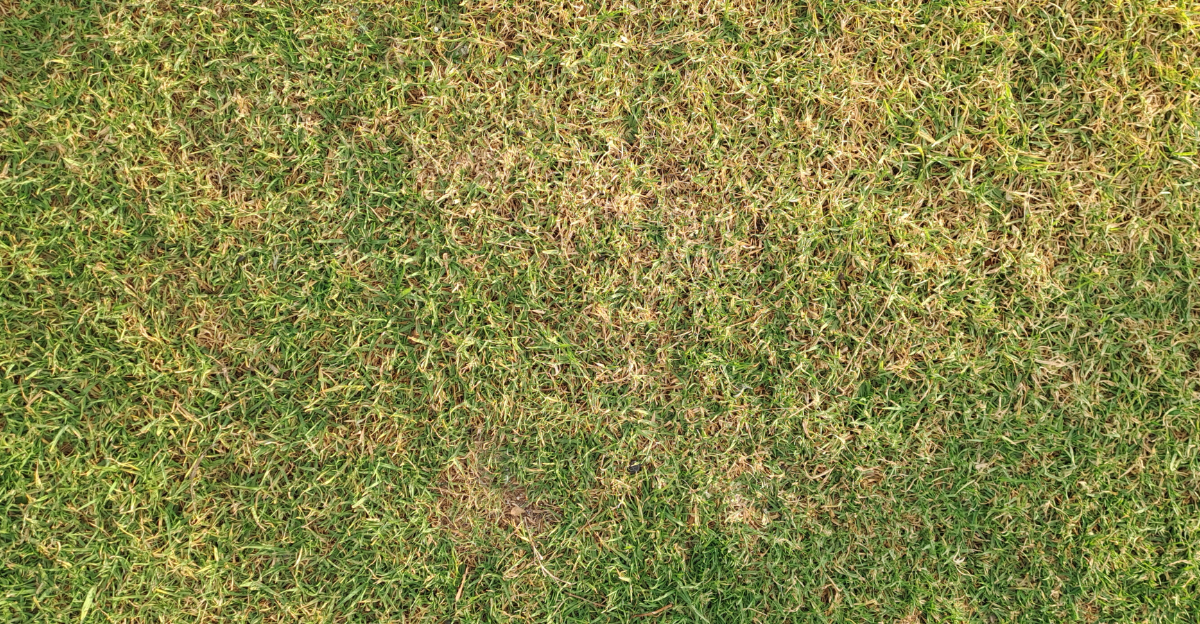
Illinois summers have a way of flipping fast. One week your lawn looks like something out of a neighborhood magazine, and the next you are staring at dull, tired grass that no amount of wishful thinking will fix.
Drought stress is not dramatic at first, it is quiet, gradual, and easy to brush off as just a hot spell. But your lawn is not staying quiet. It is changing color, stiffening up, and leaving footprints where it used to spring back.
Every one of those things is a signal, and every signal has a window attached to it. Miss the window and you are playing catch-up through the hottest months of the year.
Spot it early and you still have time to turn things around before your grass checks out for the season.
1. Your Lawn’s Color Is Trying To Tell You Something
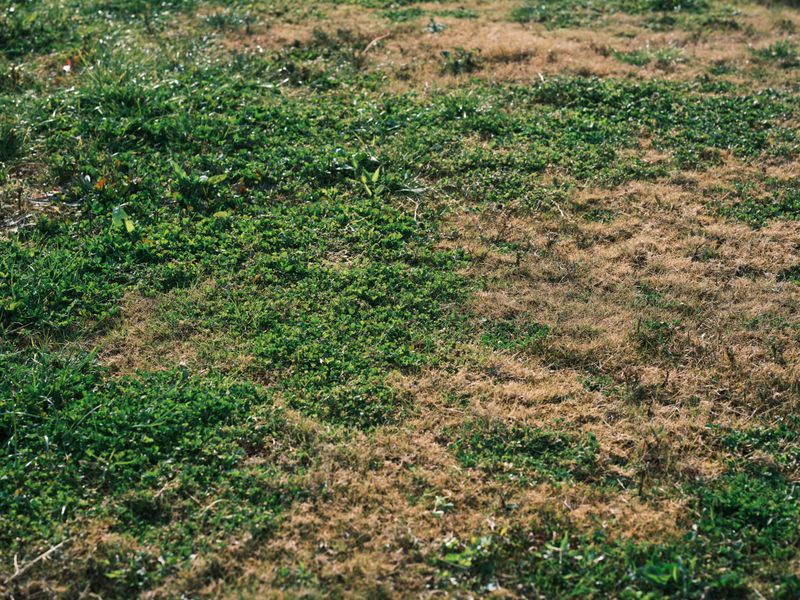
Color is the first language your lawn speaks when it is thirsty. Most Illinois lawns hold a deep, rich green through June, so any noticeable shift in shade is worth paying attention to right away.
Drought stress often starts as a dull, blue-green tint before the grass turns yellow or tan. That grayish hue means grass blades are losing moisture faster than the roots can pull it up.
Some homeowners mistake early drought color change for a nutrient problem. Fertilizing a drought-stressed lawn can actually backfire and make the damage worse.
Look for uneven color patches first, especially near sidewalks or driveways where heat reflects hard. Those areas dry out faster because concrete holds and radiates heat throughout the day.
A lawn struggling with drought will not have one single color but a patchwork of shades. You might see green near a downspout and straw-colored grass just ten feet away.
Paying attention to these color patterns gives you a head start. Catching drought stress early means you can water strategically before the grass shifts into full survival mode.
Your lawn’s color is its first distress signal, and it pays to listen. Early summer drought in Illinois can turn a green yard brown faster than most people expect.
2. Footprints That Linger Are A Classic Drought Warning

Walk across your lawn and look back at your footprints. If the grass springs back up quickly, your lawn is doing just fine for now.
But if those footprints stay visible for more than a few seconds, that is a classic sign of drought stress. Grass blades lose their ability to bounce back when they are short on water.
This happens because turgid grass cells filled with moisture push blades upright naturally. When moisture drops, those cells deflate and the grass stays flat where you stepped.
The footprint test is one of the easiest and fastest ways to check lawn health. You do not need any tools or special knowledge, just a short walk across the yard.
Lawn care professionals in Illinois often use this trick as a quick field diagnosis. It works on cool-season grasses like Kentucky bluegrass and tall fescue, which are common across the state.
Your Illinois Garden Changes Every Week. Your Plan Should Too.
Gardening in Illinois changes quickly throughout the season. Every Friday you’ll receive a simple weekly plan showing exactly what to plant, prune, fertilize, harvest, and protect so you never miss the right timing.
Try the test in different areas of your yard, not just one spot. A shaded corner might pass while the sunny front yard fails the test completely.
Drought stress is rarely uniform, so checking multiple zones gives you a clearer picture. If footprints are lingering across most of your lawn, it is time to take action before the damage deepens.
Try it in different parts of the yard before the heat of summer fully sets in. Linger on that thought next time you take a stroll across the yard.
3. Curling Blades Are A Subtle Sign Worth Noticing
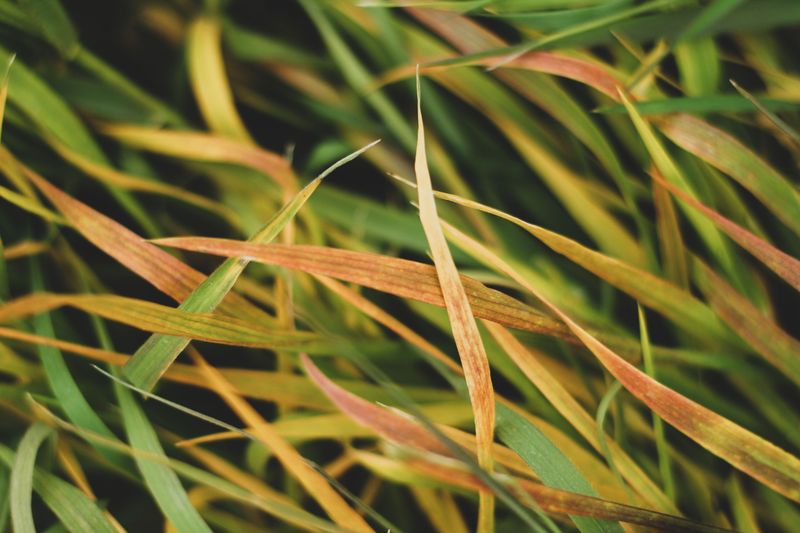
Grass blades that curl along their edges are quietly screaming for water. This curling is a survival response, a way the plant reduces the surface area exposed to hot, dry air.
Cool-season grasses common in Illinois, like tall fescue and bluegrass, will roll their blades inward when moisture levels drop. It is a natural defense, but it is also a clear warning sign.
You might need to crouch down and look closely, because curling can be subtle at first. Early-stage curling looks almost like the blades are just slightly narrower than usual.
As drought stress continues, the curling becomes more dramatic and easier to spot from a standing position. By that point, the lawn has already been struggling for a while without relief.
Curling blades are often paired with a dull color change, so the two signs tend to appear together. Seeing both at once means the lawn is moving past mild stress into a more serious phase.
Check your grass in the afternoon when temperatures peak, because that is when curling is most visible. Morning observations can be misleading since cooler temperatures temporarily ease the stress response.
Curling blades do not mean permanent harm has been done yet. Catching this sign early and watering deeply can help blades recover within a day or two.
Curling blades are your lawn’s way of waving a white flag. Answer that call before the situation gets harder to reverse.
4. Hard And Cracked Soil Points To A Bigger Problem Below
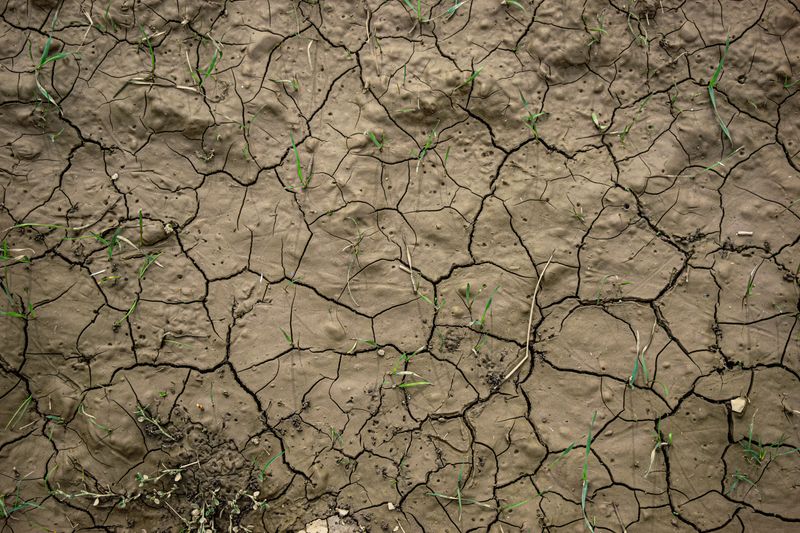
Illinois soil has a lot of clay in it, and clay behaves in a very specific way when it dries out. It shrinks, hardens, and eventually cracks, creating visible gaps you can see from across the yard.
Those cracks are not just a surface issue. They signal that moisture has left not just the top inch but several inches deep into the root zone.
Healthy roots need loose, moist soil to absorb water and nutrients efficiently. When the ground turns rock-hard, roots struggle to expand and the grass above begins to suffer quickly.
Poke a screwdriver into your lawn to test soil hardness. If it takes real effort to push the blade two inches deep, your soil is too dry for healthy grass growth.
Clay-heavy Illinois soil also repels water when it gets extremely dry, a condition called hydrophobic soil. Water will run off the surface instead of soaking in, making irrigation less effective.
Breaking up this cycle requires slow, deep watering sessions rather than frequent shallow ones. Letting water soak in gradually gives it time to penetrate past the hardened surface layer.
Cracked soil is also an open invitation for weed seeds to take hold. Weeds like crabgrass love the gaps and can establish quickly while your grass is already worn down.
Hard ground is a sign the drought has gone deeper than you might think. Fix the soil, and the grass above it has a real chance to recover.
5. Your Lawn Is Growing Slower For A Reason
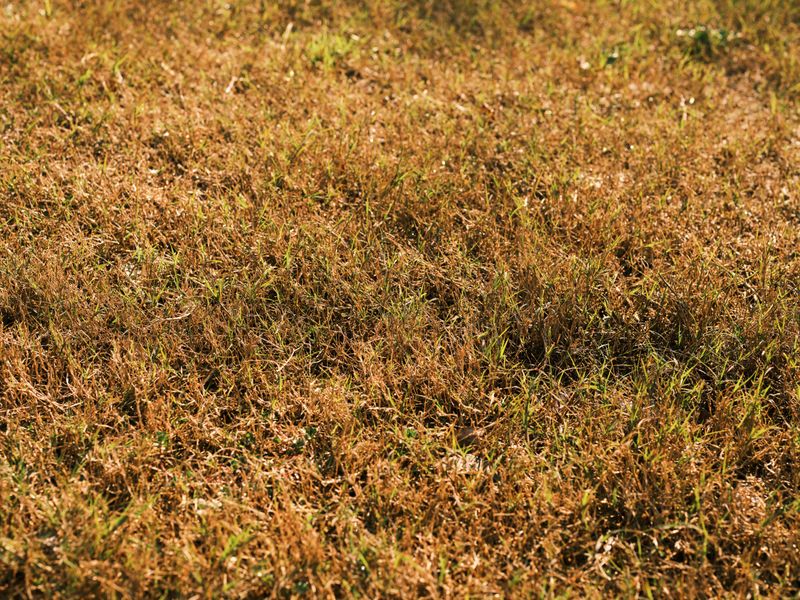
Mowing less often might feel like a lucky break in summer, but it is actually a warning sign. When grass stops growing at its normal pace, drought stress is usually the reason.
Grass slows its growth rate as a conservation strategy when water becomes scarce. The plant is essentially putting energy into survival rather than producing new blade growth.
In a normal Illinois spring and early June, cool-season grasses grow fast enough to need mowing every seven to ten days. If two weeks pass and the lawn barely looks touched, something is off.
Slow growth also means the lawn is thinning out gradually. Fewer new blades means less coverage, and bare spots can start to appear if the stress continues unchecked.
This thinning creates a cycle that makes recovery harder over time. Bare soil heats up faster, dries out more quickly, and puts even more pressure on the remaining grass.
Checking your mowing frequency against what is normal for your yard is an easy way to monitor lawn health. Keep a simple log or just pay attention to how often you pull out the mower.
Reduced growth paired with other signs like color change or curling blades means drought stress is already affecting the whole plant. Acting at this stage is still early enough to prevent major setbacks.
A slow-growing lawn is not taking a summer vacation. It is sending a message that it needs your help now, not later.
6. Weeds Are Moving In While Your Grass Is Worn Down
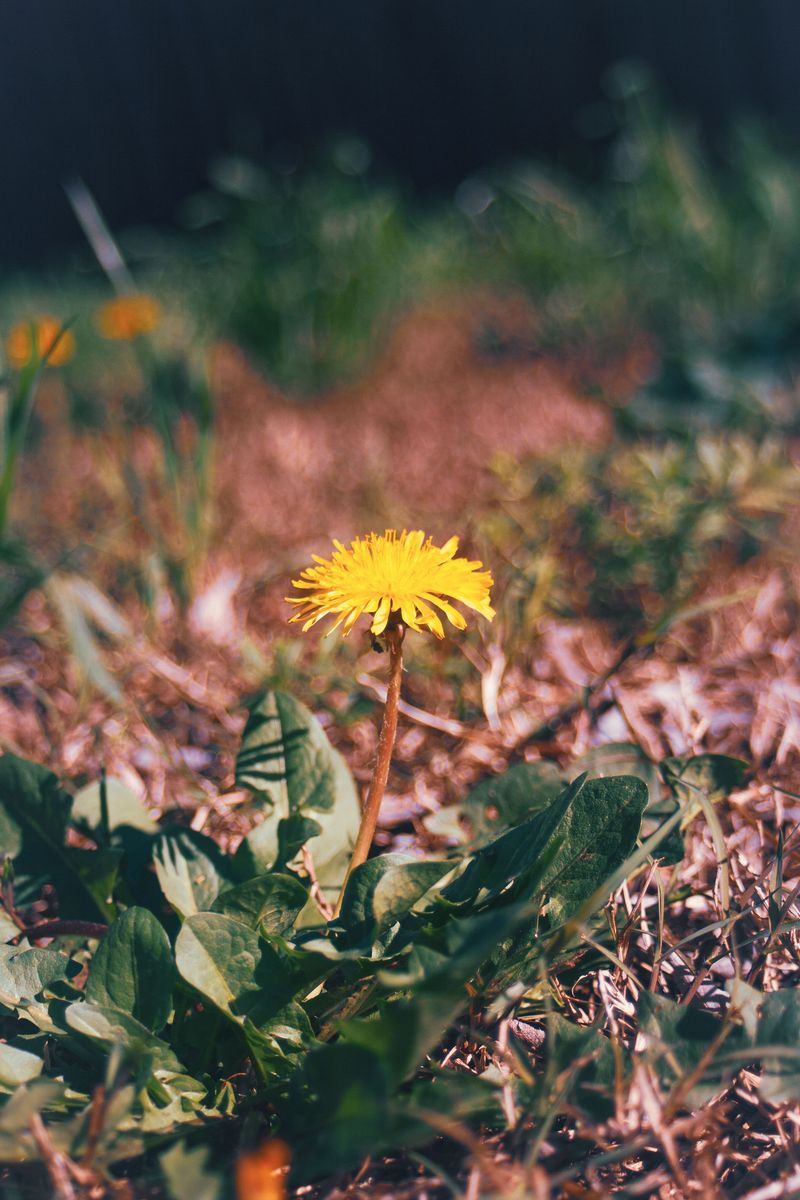
Weeds are opportunists, and they thrive when your grass is too stressed to compete. Early summer drought creates exactly the kind of weak, open conditions that weeds love most.
Crabgrass is especially aggressive in Illinois during dry spells. It germinates quickly in warm, dry soil and thrives in the kind of thin, stressed turf that drought leaves behind.
Dandelions, spurge, and nutsedge also take advantage of drought-thinned turf. These plants can access moisture from deeper soil layers that shallow grass roots simply cannot reach.
A sudden surge in weed growth is often a sign your lawn has been quietly struggling for a while. Weeds do not move in overnight, they fill gaps that have been forming gradually.
Pulling weeds by hand during a drought is helpful but limited. If you do not address the root cause, which is the lack of moisture, weeds will keep returning to fill the gaps.
Improving your watering schedule is the most effective way to give your grass a competitive edge. Thick, well-watered grass naturally crowds out weeds by shading the soil below.
Avoid applying weed treatments to a drought-stressed lawn without a plan to rehydrate first. Stressed grass is more sensitive to chemicals and can suffer additional harm from herbicide applications.
Weeds spreading through your yard are not just a cosmetic problem. They are a sign your lawn’s defenses are down and drought is winning the battle right now.
7. Early Dormancy Looks Alarming But It Is Not The End
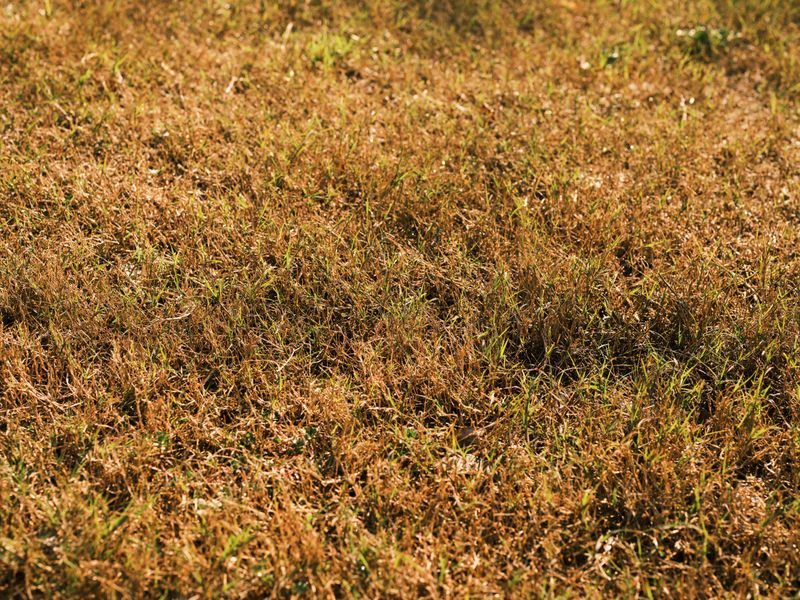
Finding your lawn turned completely tan in June can feel like a disaster. Take a breath, because dormancy is not the same as permanent damage, and there is an important difference.
Cool-season grasses in Illinois go dormant as a survival mechanism when drought stress becomes severe. The blades turn brown, but the roots and crown of the plant often stay alive underground.
Dormancy usually kicks in after two to three weeks without significant rainfall or irrigation. The grass is essentially hitting pause, waiting for conditions to improve before resuming growth.
You can test whether dormant grass is still alive with a simple tug test. Grab a small clump and pull gently. If it resists, the roots are still anchored and the plant is likely alive.
Applying a quarter to half an inch of water every two to four weeks can help keep the root system alive without pushing the grass out of dormancy. Full recovery watering is not necessary, just enough moisture to prevent the roots from completely drying out.
Avoid heavy foot traffic on a dormant lawn since the weakened plants are much more vulnerable to physical damage. Tire tracks and pet paths can cause lasting harm to already fragile grass.
Once rainfall returns or consistent deep watering begins, dormant grass can start greening up within one to two weeks, depending on how long the drought lasted.
Early dormancy is your lawn hitting the pause button, not the stop button. With the right care, a comeback is absolutely possible.
8. Morning Dew Is Not Enough To Save A Thirsty Lawn
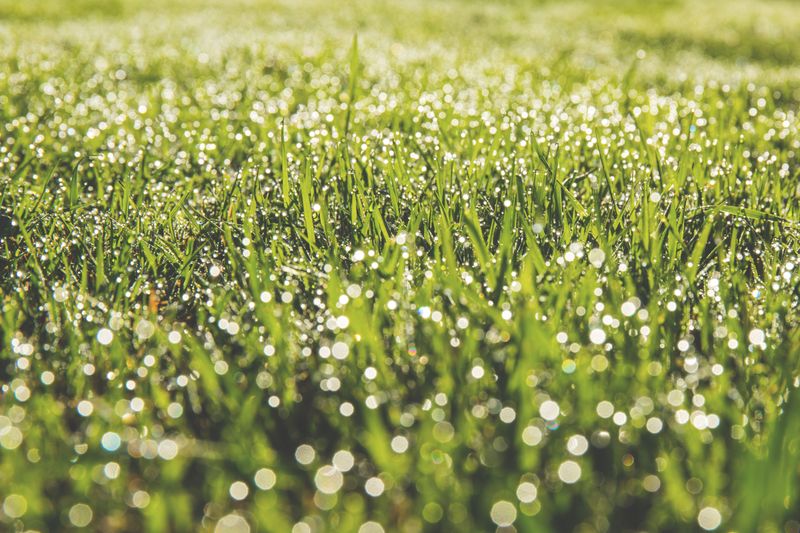
Morning dew looks refreshing, and it feels like nature is doing its part to help. The truth is that dew evaporates within hours and barely penetrates the soil surface at all.
A drought-struggling lawn in Illinois needs one to one and a half inches of water per week to stay healthy. Morning dew contributes a fraction of a millimeter, which is nowhere near enough.
Many homeowners see dew in the morning and assume their lawn got a drink overnight. That assumption can lead to underwatering and escalating drought stress without anyone realizing it.
The most effective way to water a stressed lawn is deep and infrequent. Watering deeply two to three times a week encourages roots to grow down toward moisture rather than staying shallow.
Shallow roots are far more vulnerable to drought because they dry out first when the surface soil loses moisture. Deep roots can access water from lower soil layers that stay moist longer.
Watering in the early morning is the smartest timing choice for Illinois homeowners. Water soaks into the soil before the afternoon heat can evaporate it off the surface.
Avoid evening watering since wet grass overnight can promote fungal growth, which is a separate problem you do not want to layer on top of drought stress.
Dew is a beautiful morning detail, but it cannot substitute for a real watering plan. Your lawn struggling with early summer drought in Illinois needs more than nature’s morning mist to survive.