The Right Lawn Mowing Height For Minnesota Drought Seasons
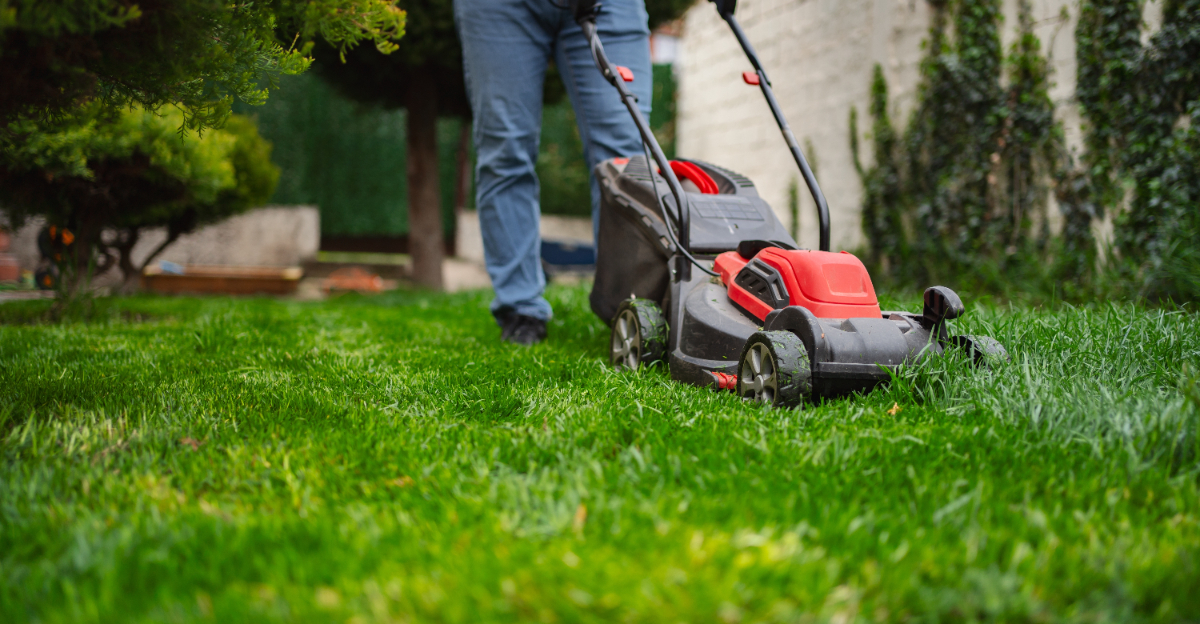
Your Minnesota lawn does not care about your watering schedule. During a drought, it cares about shade. Most homeowners drag hoses around all summer and never touch their mower settings.
Cut your grass too short and you have handed the heat a free win. The soil bakes, roots pull back, and recovery gets harder with every dry week that passes.
Taller grass blades do something no sprinkler can. They block direct sun from hitting the soil, slow evaporation, and give roots a reason to grow deeper. That depth is exactly what keeps a lawn functional when rain disappears for weeks.
Minnesota summers turn punishing fast, and cool-season grasses feel every degree of it. The right mowing height costs you nothing to adjust. Skipping it costs your lawn the whole season.
How High To Mow Minnesota Grass When Drought Hits
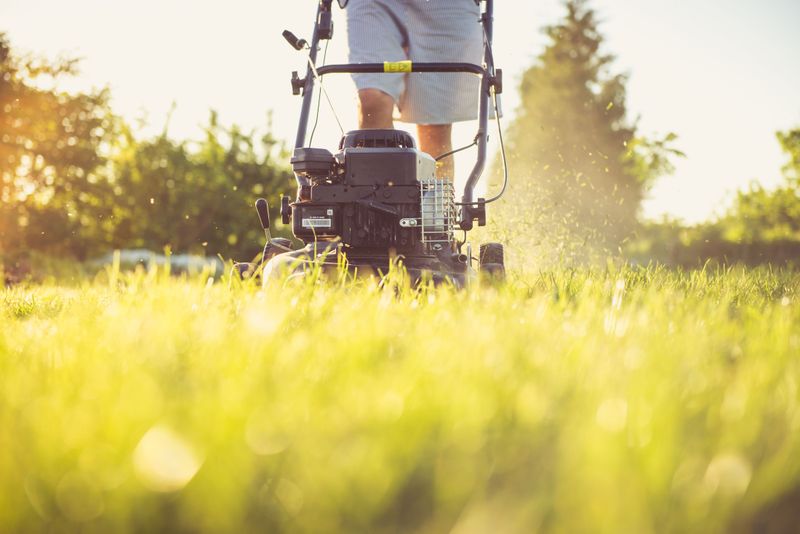
Your mower deck setting is the first line of defense against drought damage. Most lawn experts agree that raising your cut height is the smartest move when rain disappears.
During dry spells, aim to keep your grass between 3.5 and 4 inches tall. That extra height shades the soil and keeps moisture locked in longer.
The right lawn mowing height for Minnesota drought seasons is not a one-size-fits-all answer. Cool-season grasses like Kentucky bluegrass and tall fescue thrive at taller heights when stressed.
Cutting at 4 inches may feel unusual if you are used to a tidy, short lawn. But a slightly shaggy lawn during drought is a healthy lawn.
Shorter cuts expose the crown of the grass plant, which is the growing point closest to the soil. Once that crown dries out, recovery becomes much harder.
Think of taller grass as built-in insulation for your yard. It keeps the ground cooler and reduces water loss through evaporation significantly.
A good rule is to never cut more than one-third of the blade at once. Sticking to that rule during drought prevents shock and keeps roots anchored deep.
Even small adjustments to your mower deck make a big difference over a dry season. Raise it one notch and watch your lawn respond with noticeably better color and resilience.
Why Mowing Height Matters More Than Watering
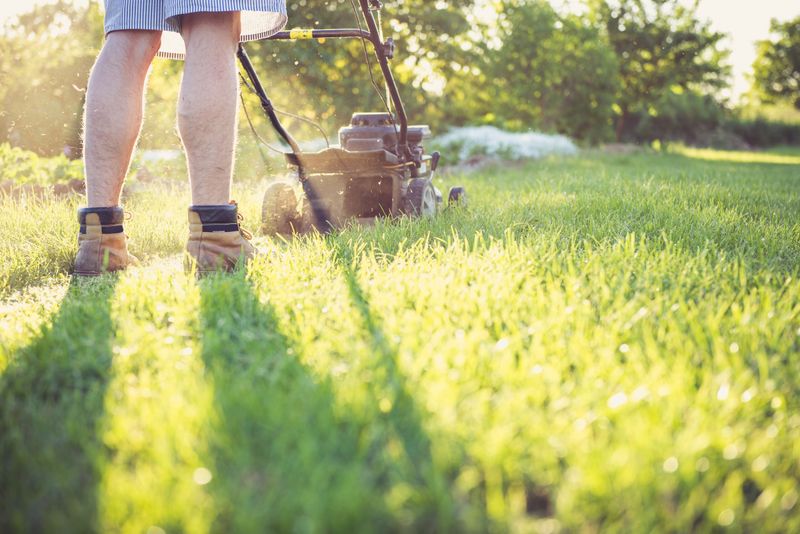
Watering gets all the attention, but mowing height quietly does more work. The length of your grass blade directly controls how fast your lawn loses moisture.
Taller blades create a canopy effect over the soil surface. That canopy blocks sunlight and slows the rate at which ground moisture evaporates on hot days.
Short grass has no canopy, leaving bare soil exposed to full sun all day. Bare soil in summer heat loses moisture significantly faster than shaded soil, often within just a few hours on a hot day.
Even with regular watering, a lawn cut too short will struggle to retain what you give it. Height and hydration work as a team, not separately.
Root depth is also tied directly to blade length. Grass plants with longer blades tend to push roots deeper, reaching moisture stored further underground.
Your Minnesota Garden Changes Every Week. Your Plan Should Too.
Gardening in Minnesota changes quickly throughout the season. Every Friday you’ll receive a simple weekly plan showing exactly what to plant, prune, fertilize, harvest, and protect so you never miss the right timing.
Deep roots are your lawn’s secret weapon during a prolonged dry stretch. They access water that shallow-rooted, short-cut grass simply cannot reach.
Adjusting your mower height costs nothing and takes about ten seconds. Meanwhile, watering restrictions in many areas limit how often you can run a sprinkler.
Focusing on mowing height gives you drought protection that does not depend on a hose or a water bill. It is a free upgrade that most homeowners skip entirely, and that gap is where lawns suffer most.
Best Mowing Height For Minnesota Cool-Season Grasses
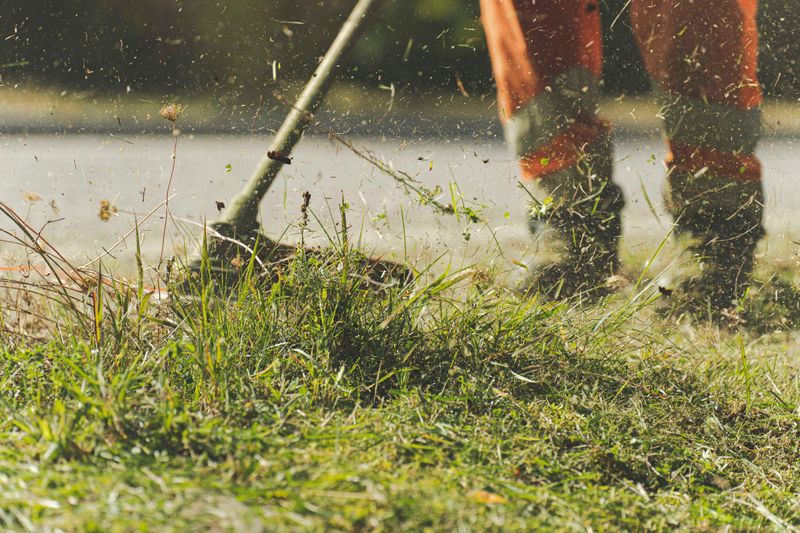
Cool-season grasses dominate most Minnesota lawns, and each type has a sweet spot for drought survival. Knowing your grass type helps you set your mower with real confidence.
Kentucky bluegrass, the most common lawn grass in the region, performs best at 3.5 to 4 inches during dry conditions. Cutting it shorter weakens its natural drought tolerance fast.
Tall fescue is a tougher option with deeper roots and handles drought better than bluegrass. Keep tall fescue at 3.5 to 4 inches when rainfall drops below normal.
Fine fescue varieties like creeping red and hard fescue are naturally low-maintenance grasses. These do well at 3 to 3.5 inches, though mowing should be avoided altogether when fine fescue is under active drought stress.
Perennial ryegrass is sometimes mixed into Minnesota lawns for quick germination. It handles drought poorly, so keeping it at 3.5 inches or taller helps it survive dry stretches.
Mixed-seed lawns are common in residential neighborhoods, and a general height of 3.5 to 4 inches covers most blends well. When in doubt, go taller rather than shorter during summer stress.
Checking a seed bag or asking a local garden center about your specific grass type takes just a few minutes. That small effort pays off with a lawn that looks far better by late summer when neighbors are fighting bare patches.
What Happens When You Cut Too Short In Dry Weather
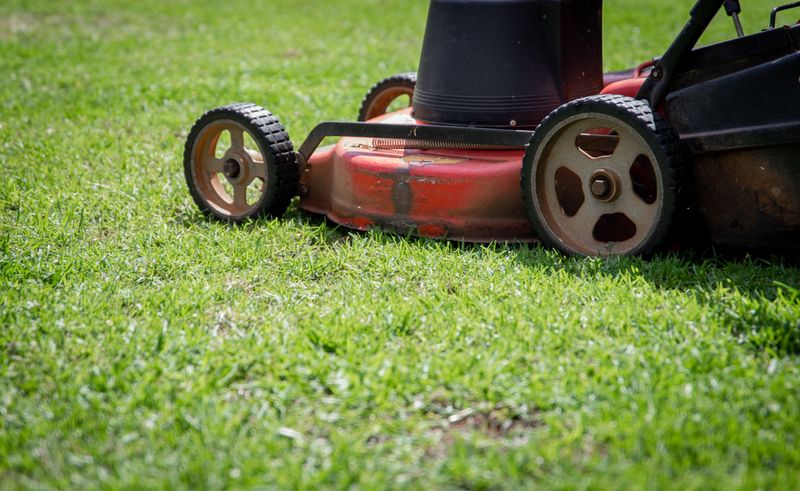
Scalping your lawn in a dry summer is like sunburning it on purpose. The damage shows up fast and takes weeks or even months to reverse.
When grass is cut too short, the crown of each plant sits exposed to direct heat. That growing point is fragile, and heat stress on the crown can stop growth entirely.
Short grass also loses its ability to photosynthesize efficiently. Without enough leaf surface area, the plant cannot produce the energy it needs to stay green and healthy.
Root systems begin to shrink when blades are kept too low. Grass plants respond to short cuts by pulling energy away from roots and redirecting it to blade regrowth instead.
Shallow roots mean the lawn depends entirely on surface moisture. When that surface dries out quickly, the grass has nowhere else to draw water from.
Weeds love the gaps that stressed, short-cut grass creates. Crabgrass and other opportunistic plants move in fast once the turf thins out from drought and low mowing combined.
The lawn mowing height for Minnesota drought seasons matters most in July and August when heat peaks. Cutting too low during those months can push a lawn past the point of easy recovery.
Raising your deck height is the fastest correction you can make. One mowing at the right height begins to shift the momentum back in your lawn’s favor almost immediately.
Mowing Habits That Help Minnesota Lawns Handle Drought
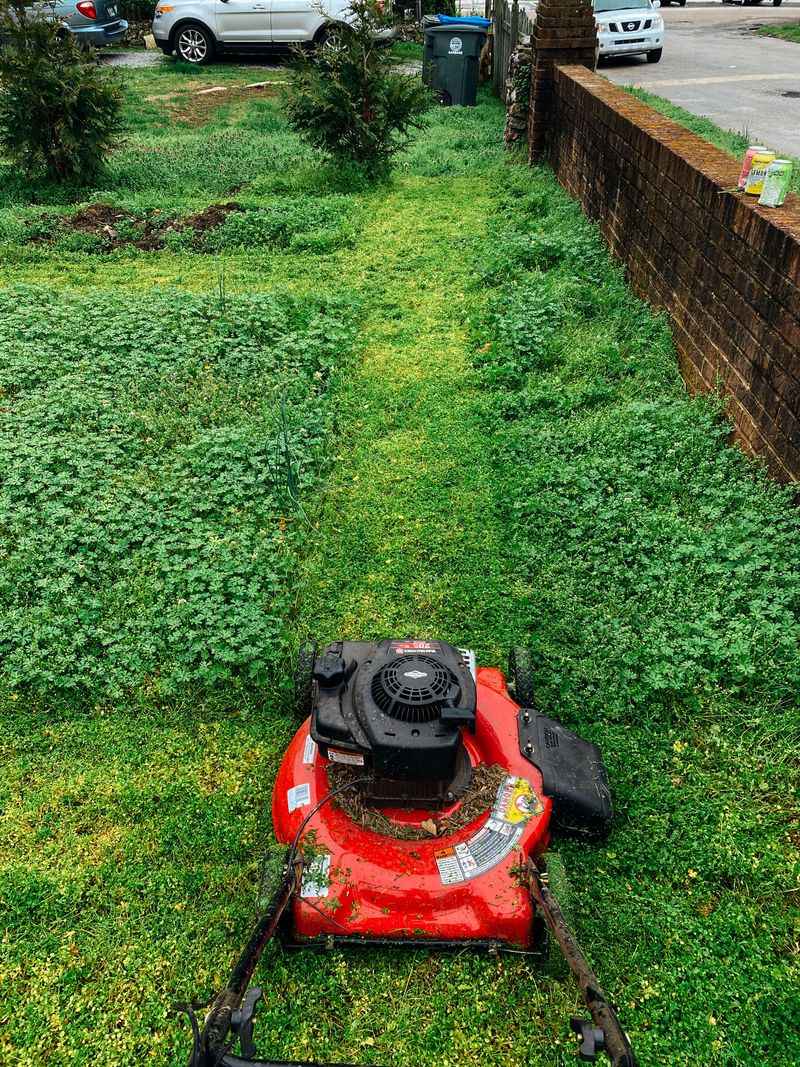
Height is only part of the equation when it comes to drought-smart lawn care. The habits you build around mowing make a huge difference in how your lawn survives a dry stretch.
Mow in the early morning or late evening to reduce stress on the grass. Cutting during peak afternoon heat causes additional moisture loss right when the plant is most vulnerable.
Sharp mower blades matter more than most homeowners realize. Dull blades tear grass instead of cutting it cleanly, leaving ragged edges that dry out and turn brown faster.
Leave your grass clippings on the lawn after each mow instead of bagging them. Clippings break down quickly and return nutrients and organic matter directly back to the soil surface.
Mowing frequency should drop during drought, not stay the same. Grass grows slower without rain, so you may only need to mow every 10 to 14 days instead of weekly.
Skipping a mow when grass growth has stalled is actually the right call. Cutting grass that is not actively growing adds unnecessary stress to an already struggling plant.
Never mow wet grass, even during drought when rain finally arrives. Wet blades clump together, cut unevenly, and can spread fungal issues that compound drought damage.
These habits stack together over a season to create a lawn that genuinely holds up better. Small consistent choices protect your turf far more than any single dramatic intervention ever could.
When To Adjust Your Mowing Routine For Drought
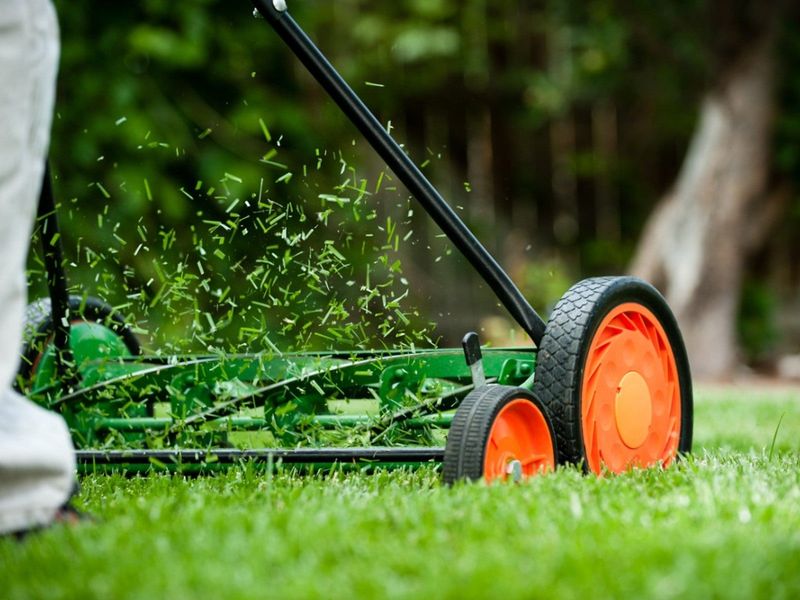
Timing your mowing adjustments correctly is just as important as the height itself. Waiting too long to raise your mower deck means your lawn has already taken unnecessary damage.
Start raising your cut height as soon as you see a dry forecast stretch of seven or more days. Getting ahead of drought stress is far easier than recovering from it later.
Watch your grass color as a signal too. When blades start showing a blue-gray tint instead of bright green, the plant is telling you it needs less stress, not more cutting.
Footprint tests are a simple and surprisingly accurate drought indicator. Press your foot into the lawn and step away; if the grass springs back slowly, drought stress has already begun.
Once you raise your mowing height, keep it there until consistent rain returns and temperatures cool. Dropping back to a lower cut too soon undoes the protection you built up.
Fall is the time to gradually lower your mowing height back toward normal. Cooler temperatures and regular rainfall allow the grass to handle shorter cuts without the same level of stress.
Keeping a loose mowing journal or using a weather app reminder helps you stay consistent. The right lawn mowing height for Minnesota drought seasons works best when applied before the grass is already struggling.
Adjust early, stay consistent, and your lawn will reward you with green color and strong regrowth when the rains return. That payoff is worth every small adjustment you make.