Why Some Pennsylvania Yards Have Ten Times More Ticks Than The Yard Next Door
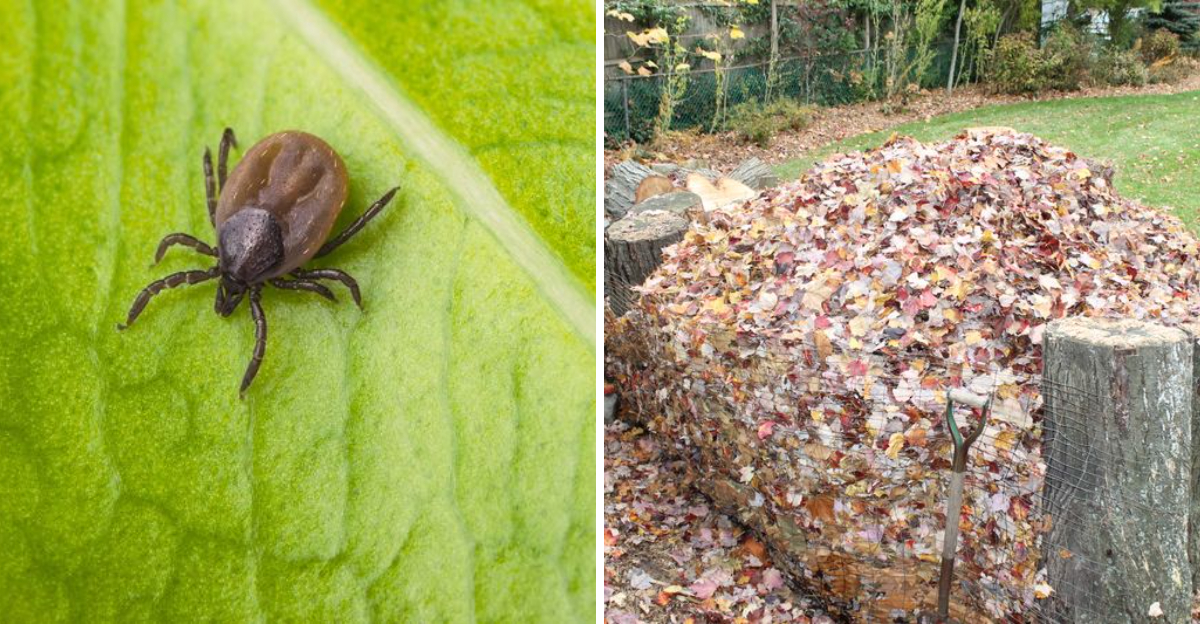
Two yards sitting side by side in Pennsylvania can have dramatically different tick populations, and the difference rarely comes down to luck or location. Ticks do not distribute themselves evenly across a neighborhood.
They concentrate in the spaces that give them what they need to survive, find hosts, and reproduce, and those conditions are created almost entirely by how a yard is designed and maintained.
A property that unknowingly checks the right boxes for tick habitat can harbor significantly more of them than a neighboring yard that happens to have fewer of those features, even when both yards look equally well-kept from the street.
The factors that drive that gap are specific and largely within a homeowner’s control, from the plants growing along the edges to the way leaf litter is managed, the presence of certain wildlife, and the structure of the ground-level environment in low-traffic corners of the property.
Understanding what your yard is doing differently from the tick-light yard next door is the most practical place to start.
1. Overgrown Grass And Weeds
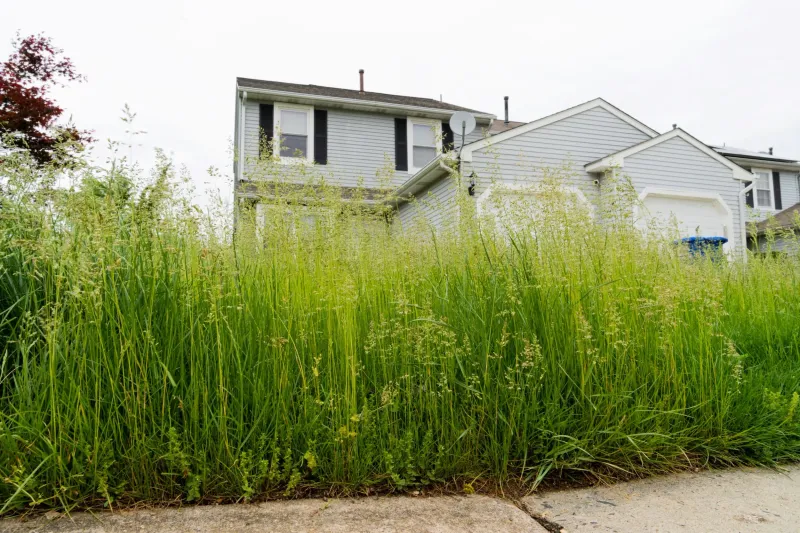
Walk through a yard with knee-high grass and you will feel it immediately. The air is cooler, the ground feels damp, and everything feels a little wild. That is exactly the kind of place ticks love most.
Long grass and thick weeds trap moisture close to the ground. Ticks cannot survive in dry, sunny conditions for very long.
They need shade and humidity to stay active, and overgrown vegetation gives them both in abundance. A yard that goes uncut for even a few weeks can become a very welcoming home for these tiny pests.
Ticks do not jump or fly. They practice a behavior called questing, where they climb to the tips of grass blades or weed stems and wait for a passing host.
Tall grass gives them more surface area to do this from. More questing spots means more chances to latch onto a person, a dog, or a passing deer.
Dense weeds also provide cover for the small animals that ticks feed on, like mice and voles. When rodents move through thick vegetation regularly, they drop ticks along the way. Those ticks then wait in the grass for their next meal.
Keeping your lawn mowed short, ideally below four inches, is one of the most effective things you can do to reduce tick populations. Trimming weeds along fences, garden edges, and property lines also removes prime tick habitat.
It does not take a full yard makeover. Even regular mowing and basic weed control can make a noticeable difference in how many ticks you find on yourself or your pets after spending time outside.
2. Leaf Litter And Mulch Piles
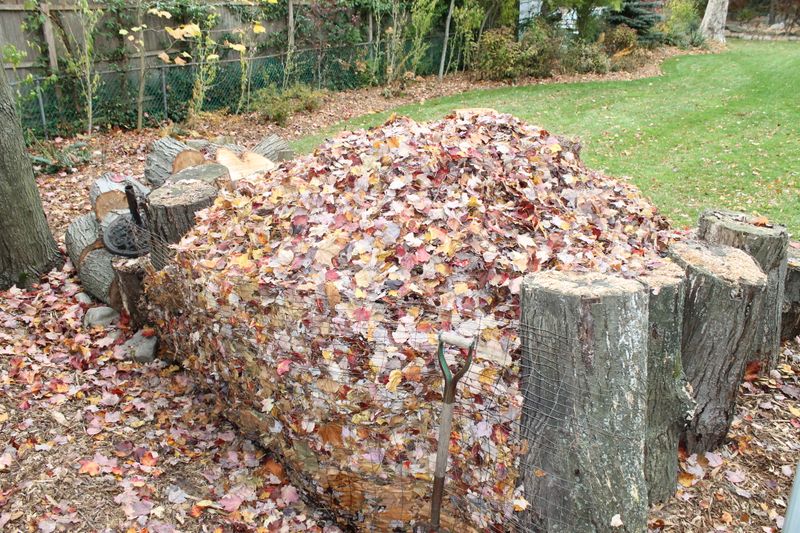
Autumn in Pennsylvania is beautiful, but those piles of fallen leaves sitting in your yard are basically a five-star hotel for ticks. Most people do not realize how much of a tick problem starts right there in the corner of the yard.
Leaf litter, pine needles, and thick mulch piles hold moisture really well. They stay damp long after rain stops and stay cool even on warm days.
Your Pennsylvania Garden Changes Every Week. Your Plan Should Too.
Gardening in Pennsylvania changes quickly throughout the season. Every Friday you’ll receive a simple weekly plan showing exactly what to plant, prune, fertilize, harvest, and protect so you never miss the right timing.
Ticks are extremely sensitive to drying out, so these moist, shaded pockets are exactly what they need to survive through different seasons, including winter. Ticks tuck themselves into these layers and wait. They are incredibly patient hunters.
A tick can wait weeks or even months for a suitable host to wander close enough. Leaf piles near walkways, garden beds, or play areas are especially risky because people and pets pass through those spots regularly.
Mulch is a common landscaping choice that many homeowners use without thinking twice. But thick layers of wood chip mulch placed directly against the house or near play areas can harbor surprisingly high tick numbers.
A simple fix is to use a three-foot wide barrier of wood chips or gravel between your lawn and wooded edges, rather than spreading mulch throughout the yard freely.
Raking up leaves promptly each fall and disposing of them properly is a big step in the right direction. Avoid letting piles sit for long periods.
If you use mulch, keep it to a thin layer and avoid placing it in shaded, damp spots. These small habits can seriously reduce tick hiding spots and lower the overall tick population in your yard over time.
3. Proximity To Woodlands Or Brush

Living near the woods in Pennsylvania feels peaceful and private, but that tree line at the back of your yard is more than just scenery. It is a direct pipeline for ticks moving from wild natural areas straight into your outdoor living space.
Forests and brushy edges are the natural habitat of ticks. White-tailed deer, wild turkeys, mice, and other wildlife travel along these wooded corridors every single day.
As they move, ticks riding on their fur or feathers drop off at various points, including right into your backyard.
The area where your lawn meets the woods is called the transition zone or ecotone. Research has consistently shown that tick numbers are dramatically higher in this narrow strip than anywhere else in the yard.
Just a few feet into the woods can have tick concentrations many times greater than an open sunny lawn.
Yards that back directly onto forests or overgrown lots face a constant reintroduction of ticks from wildlife movement. Even if you treat your yard, new ticks keep arriving from the wooded edge.
This is one of the hardest tick risk factors to fully control because you cannot move your house away from the woods.
What you can do is create a barrier. A three-foot wide strip of wood chips, gravel, or stone between your lawn and the wooded edge makes it harder for ticks to migrate inward.
Ticks avoid crossing dry, sunny barriers when possible. Keeping low-hanging branches trimmed back and removing brushy shrubs along the property edge also reduces the shaded pathways that ticks and wildlife use to move into your yard throughout the year.
4. Wildlife Attractants In The Yard
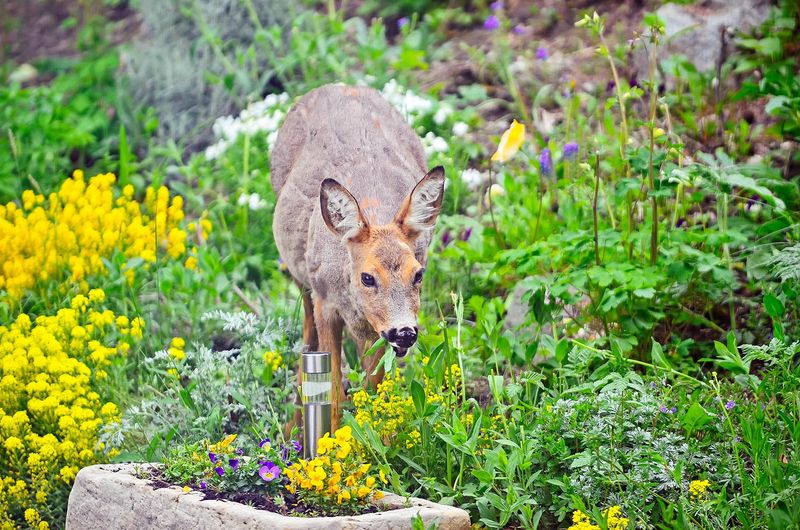
Picture this: a beautiful bird feeder hanging near the patio, a crabapple tree dropping fruit in the corner, and a dog bowl left outside overnight. Sounds like a welcoming yard, right? For ticks, it sounds like the perfect hunting ground.
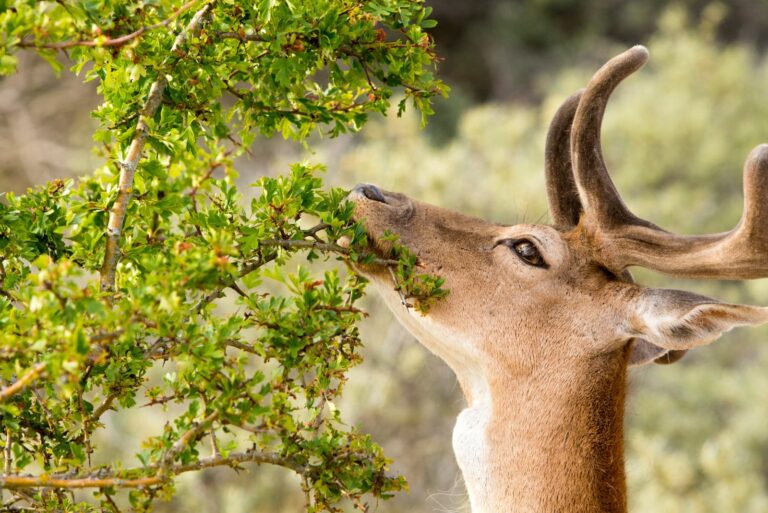
Anything that brings deer, raccoons, opossums, or rodents into your yard also brings ticks. These animals are what scientists call tick hosts, meaning ticks feed on them and ride them from place to place.
Every time a deer walks through your yard to snack under a fruit tree, it may be dropping dozens of ticks along the way.
Bird feeders are a sneaky culprit. Spilled seed attracts mice and squirrels, which are among the most efficient tick hosts around.
Mice in particular are very good at passing tick-borne pathogens along to the ticks that feed on them. A yard full of mice is a yard full of infected ticks waiting for their next host.
Outdoor pet food left overnight is another big draw for wildlife. Raccoons and opossums are common nighttime visitors, and both can carry ticks.
Even well-groomed pets that spend time outside can pick up ticks and bring them indoors without anyone noticing right away.
Reducing wildlife attractants does not mean giving up your garden or your bird watching hobby. Move bird feeders away from the house and clean up fallen seed regularly. Harvest or remove fruit from trees before it drops. Bring pet food inside at night.
Use motion-activated lighting or fencing to discourage deer from entering. Each small change reduces the number of tick-carrying animals visiting your yard on a regular basis.
5. Poor Drainage Or Moist Microclimates

Not all parts of a yard are created equal. Some spots stay soggy for days after rain. Others sit in deep shade all afternoon. These damp, cool pockets are known as microclimates, and ticks absolutely love them.
Ticks are highly vulnerable to dehydration. When the air around them gets too dry or too hot, they retreat into moist soil, leaf litter, or low vegetation to rehydrate.
Yards with poor drainage create the perfect conditions for ticks to stay active longer and survive in greater numbers than they would in a well-drained, sunny yard.
Low spots where water collects after rain, areas under large shade trees, and spots where downspouts dump water near the foundation are all common tick-friendly microclimates.
Even a consistently damp patch of lawn near a leaky hose connection can become a local tick hotspot that most homeowners would never think to check.
Shaded areas under decks and porches are also worth mentioning. These spots rarely dry out fully, stay cool in summer, and often collect leaf debris.
Ticks can survive under a deck for a surprisingly long time, especially if small animals like chipmunks or rabbits are nesting nearby.
Improving yard drainage is one of the most effective long-term strategies for tick reduction. Regrading low spots, extending downspouts away from the house, and trimming trees to let more sunlight reach the ground all help reduce moisture.
Installing French drains in persistently wet areas is another option. Even simple steps like removing objects that trap moisture, old pots, lumber piles, or tarps, can eliminate several hidden tick habitats scattered around a typical Pennsylvania yard.
6. Lack Of Tick-Resistant Landscaping
Most people plant flowers and shrubs because they look nice. But the plants you choose and where you put them can actually make a real difference in how many ticks end up in your yard. Landscaping choices matter more than most homeowners realize.
Yards with bare soil, sparse plantings, and no thoughtful layout give ticks easy access to move around freely. There are no barriers, no dry sunny zones, and no natural deterrents.
Ticks can spread from one end of the yard to the other without encountering any obstacles at all.
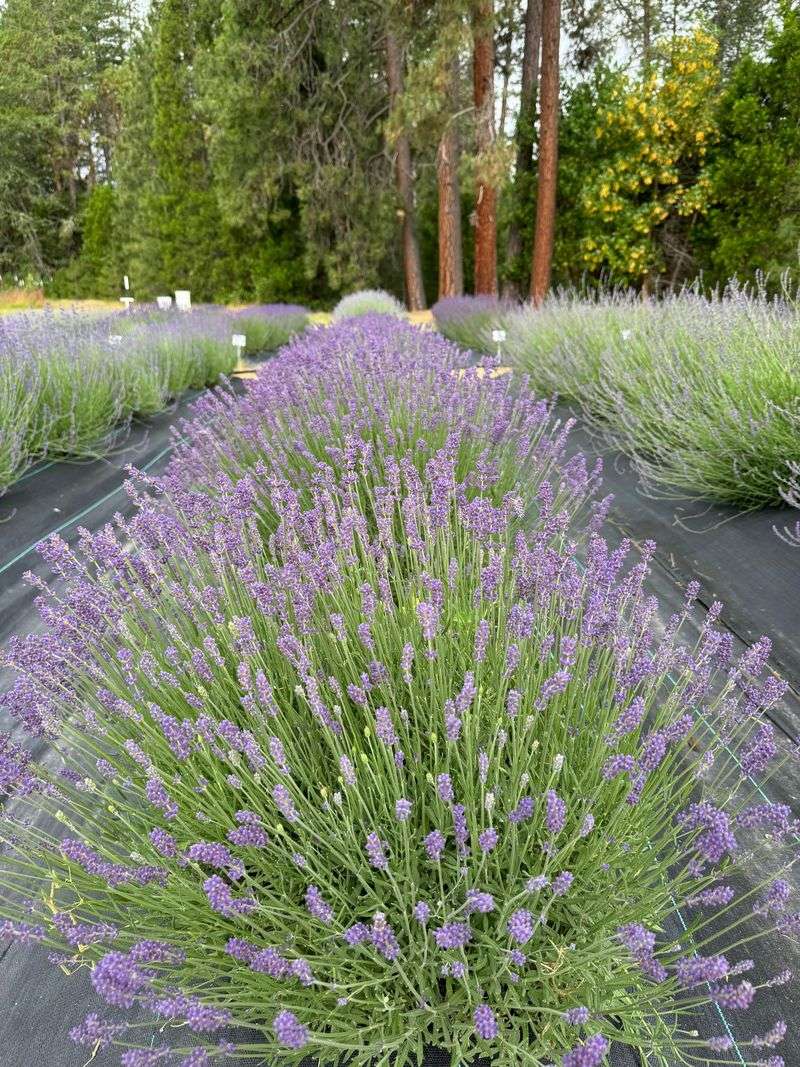
Certain plants are known to have natural tick-repelling properties. Lavender, rosemary, marigolds, and chrysanthemums contain compounds that ticks tend to avoid.
Planting these along walkways, play areas, and patio edges creates low-level natural deterrents. They will not eliminate ticks entirely, but they can reduce activity in specific zones around the yard.
Native groundcovers also play a role. Dense, low-growing plants that cover soil and create a dry surface layer are less hospitable to ticks than bare dirt or thin grass.
Creeping thyme, for example, is both drought-tolerant and naturally aromatic, making it a smart choice for sunny spots where you want ground coverage without creating tick-friendly moisture traps.
Strategic landscaping also means thinking about layout. Keep play areas, seating zones, and high-traffic paths in sunny, open parts of the yard.
Place decorative plantings and garden beds toward the yard edges rather than near the house. Use gravel or stone pathways instead of mulch near entryways.
A little planning goes a long way. Yards designed with tick awareness in mind consistently show fewer tick encounters than yards planted without any thought to pest management at all.