The Best Ways South Dakota Gardeners Protect Vegetable Beds During The Driest Start To Summer In Years
The ground is cracking. The sky has been cloudless for weeks. And if you have a vegetable bed in South Dakota right now, you already know what that combination feels like.
This summer is shaping up to be one of the driest in recent memory, and gardens across the state are showing it. Tomato leaves curl in the afternoon heat. Soil that used to hold moisture after a good watering now dries out within a day.
South Dakota gardeners have been adapting to tough summers for generations, and the strategies that actually work are more accessible than you might think.
Waiting for rain is not a strategy. These eight ways to protect your vegetable beds are.
1. Mulch Heavily To Lock In Whatever Moisture You Have
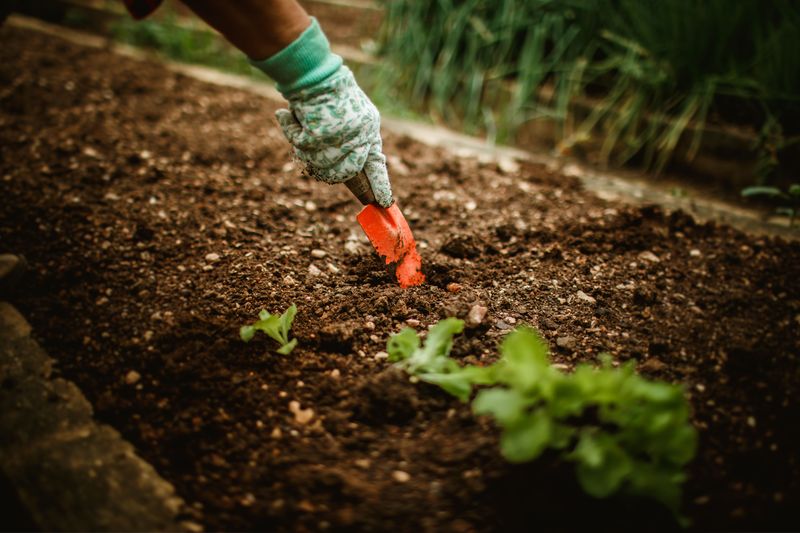
Few drought strategies deliver results as consistently as a thick layer of mulch. When the sun beats down on bare soil, moisture evaporates fast, sometimes within hours of watering.
Laying down three to four inches of straw, wood chips, or shredded leaves creates a barrier that slows that loss dramatically. Mulch acts as a barrier between moist soil and the heat above it.
Experienced gardeners in dry climates consistently rank mulching among their most reliable warm-season habits. It keeps roots cool and moist even on scorching afternoons.
Straw is the most popular choice because it is lightweight and easy to spread. Wood chips work beautifully around larger plants like squash or peppers.
Shredded newspaper can also work in a pinch, though it tends to blow around in prairie winds. Layering it under straw helps anchor it in place.
One important note: keep mulch a few inches away from plant stems. Pressing it directly against stems can trap moisture and invite rot or pest problems.
Refresh your mulch layer every two to three weeks as it breaks down and compacts. A fresh top layer restores its moisture-locking power almost immediately.
Mulching also suppresses weeds, which means less competition for the water you do have. That double benefit makes it one of the smartest moves any dry-summer gardener can make.
2. Switch To Deep Watering On A Consistent Schedule
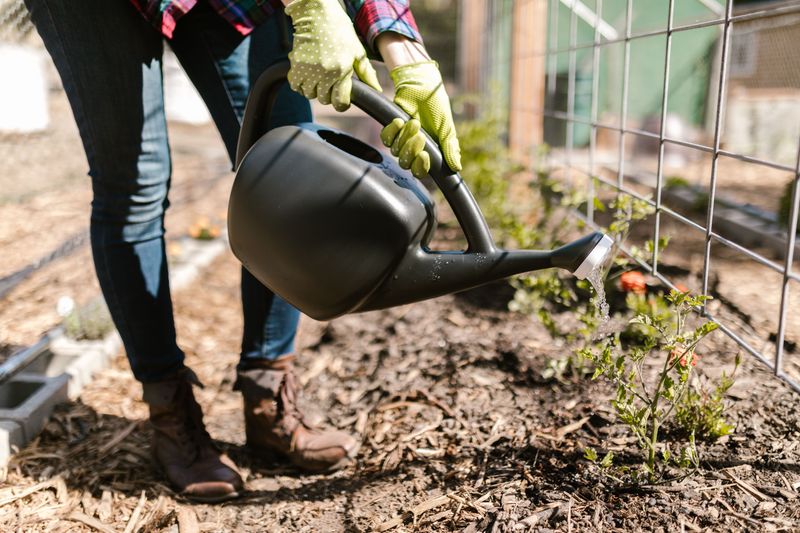
Shallow watering keeps roots near the surface, where soil dries out fastest.
Deep watering means soaking the soil six to eight inches down so roots chase moisture into cooler ground. That one change can transform how your plants handle heat.
Gardeners protecting vegetable beds in dry conditions should water less often but far more thoroughly. Three deep sessions per week tend to serve plants better than daily light watering.
Drip irrigation is the gold standard for delivering water exactly where it is needed. It deposits moisture directly at the root zone without wasting a drop on leaves or pathways.
If drip systems are out of budget, a simple soaker hose costs very little and works surprisingly well. Just snake it along your plant rows and let it run slowly for an hour.
Early morning is the best time to water because temperatures are low and wind is usually calm. Evening watering can leave foliage damp overnight, which sometimes encourages disease.
Your South Dakota Garden Changes Every Week. Your Plan Should Too.
Gardening in South Dakota changes quickly throughout the season. Every Friday you’ll receive a simple weekly plan showing exactly what to plant, prune, fertilize, harvest, and protect so you never miss the right timing.
Set a consistent schedule and stick to it even when the weather looks cloudy. Inconsistent watering stresses plants and causes problems like blossom end rot in tomatoes.
A rain gauge near your garden helps track natural rainfall so you never over or under-water. Knowing exactly what the soil receives makes your whole system smarter and more efficient.
3. Add Shade Cloth Before The Heat Peaks
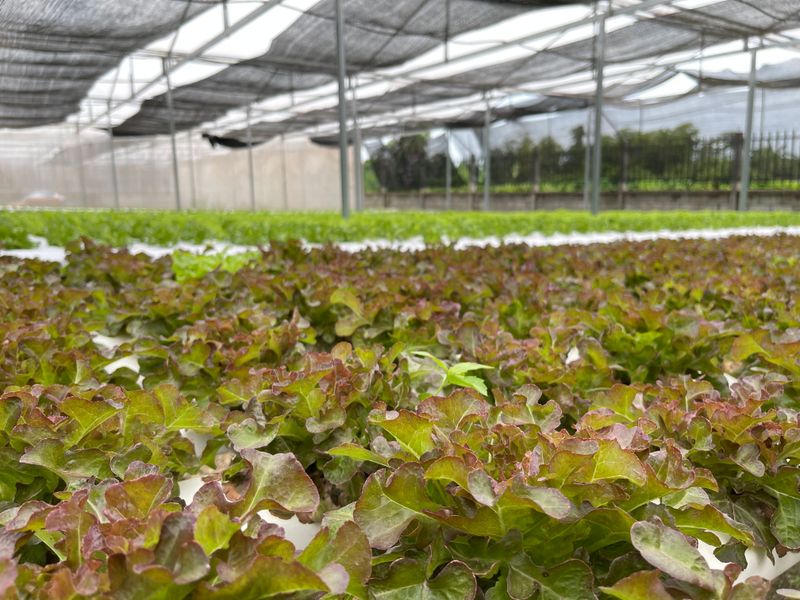
Scorching afternoon sun does not just dry out soil, it burns leaves and shuts down plant growth entirely. Shade cloth is something many home gardeners overlook until heat damage has already set in.
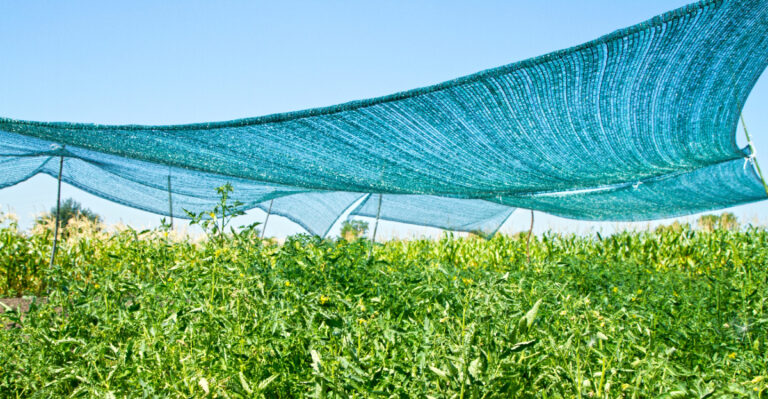
A 30 to 40 percent shade cloth filters intense sunlight while still letting enough light through for healthy photosynthesis. Crops like lettuce, spinach, and kale especially love the relief it provides.
Even heat-loving plants like tomatoes and peppers can struggle when temperatures push past 95 degrees Fahrenheit. Afternoon shade helps blossoms set fruit instead of dropping off in the heat.
Installing shade cloth is easier than most people expect. A few PVC pipes or wooden stakes and some zip ties are usually all you need to create a simple canopy frame.
Position the cloth so it blocks sun from roughly noon through late afternoon. Morning sun is gentler and helps plants photosynthesize without the punishing heat that follows.
Shade cloth also reduces soil temperature by several degrees, which slows moisture evaporation significantly. Pair it with mulch and you have two layers working together against heat and moisture loss.
Look for UV-stabilized cloth rated for outdoor use because cheap alternatives break down quickly under intense prairie sun. Investing a little more upfront means years of reusable protection.
Once temperatures cool in late summer, simply remove the cloth and store it away. Your plants will reward that small effort with stronger yields all the way through harvest season.
4. Improve Your Soil Before The Next Dry Stretch Hits
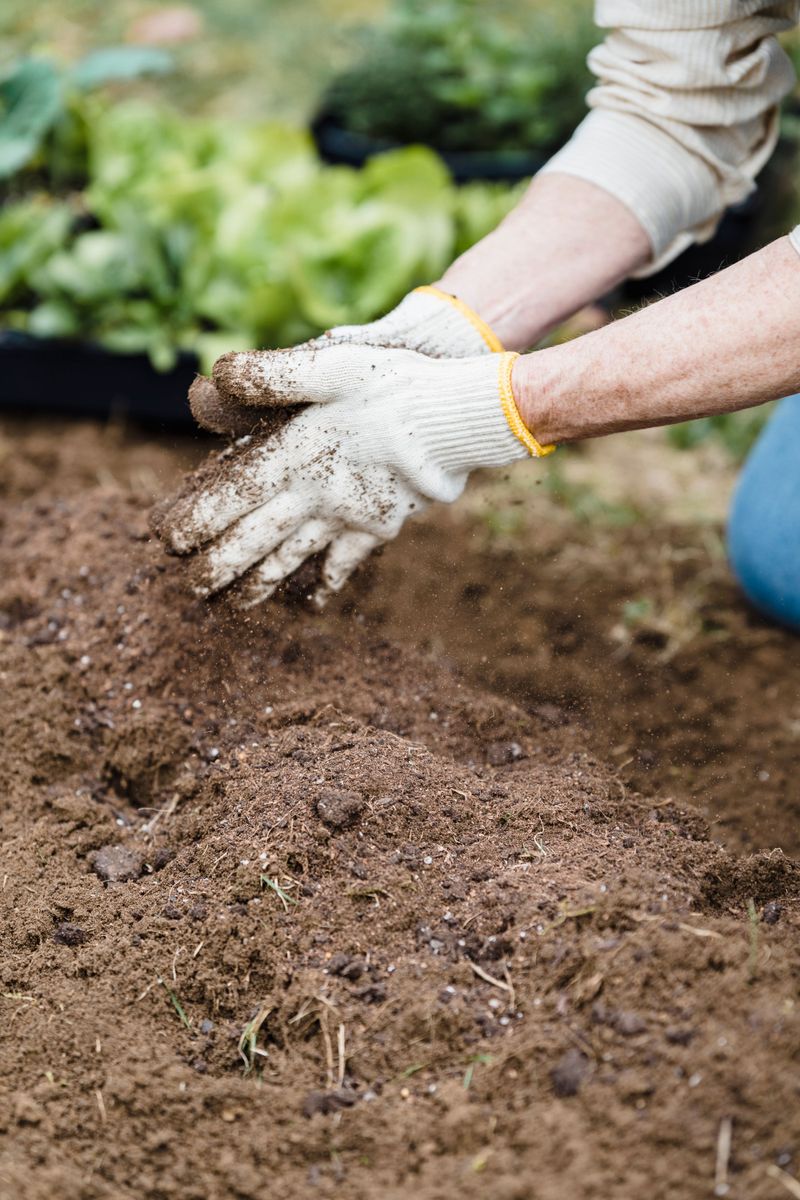
Healthy soil holds moisture the way a sponge holds water. Sandy or compacted soil, common across much of the Great Plains, drains too fast and leaves roots gasping.
Adding organic matter is one of the most reliable fixes for poor moisture retention. Compost, aged manure, and peat moss all improve the soil structure in ways that benefit plants immediately.
Work several inches of compost into your beds before planting or between growing seasons. Even one good amendment session can start shifting how well your soil holds moisture.
Biochar is another option gaining popularity among drought-conscious gardeners. This charcoal-like material holds water in tiny pores and releases it slowly to plant roots over time.
Worm castings are a premium amendment that improves both moisture retention and nutrient availability. A little goes a long way, and plants respond with noticeably lusher growth.
Avoid tilling too aggressively because it breaks up the natural channels that water follows through the soil. Gentle incorporation of amendments preserves those pathways and keeps moisture moving efficiently.
Cover crops like clover or buckwheat planted in fall add organic matter as they break down over winter. That natural process builds better soil without any extra cost or effort in spring.
Protecting vegetable beds long-term always starts below the surface. Build great soil now and the next dry stretch will feel far less threatening to your entire garden.
5. Choose Drought-Tolerant Varieties For Mid-Season Replanting
Not all vegetables are created equal when rain stops showing up. Some varieties have been bred specifically to tough out heat and low moisture with minimal fuss.
Mid-season is actually a great time to replant empty spots with crops that laugh at dry weather. Black-eyed peas, amaranth, and Armenian cucumbers are excellent choices for late summer gaps.
Among tomatoes, Heatmaster and Solar Fire were developed for hot, demanding summers and perform well in dry Great Plains conditions. They are more likely to hold blossoms and set fruit when temperatures climb past 95 degrees.
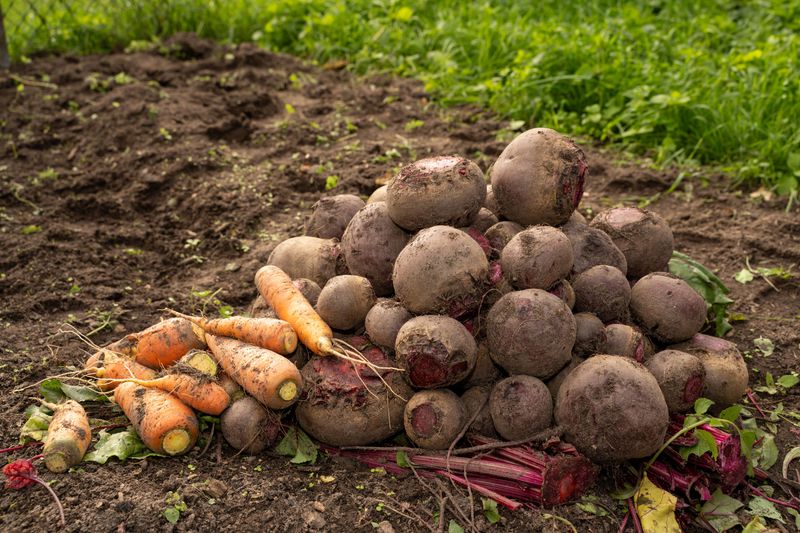
For root vegetables, Danvers carrots and Detroit Red beets handle dryness better than most. Their deeper root systems reach moisture that shallow crops simply cannot access.
Herbs like basil, thyme, and oregano are naturally drought-adapted and fill in gaps beautifully. They also attract pollinators, which benefits everything else growing nearby.
Check seed packets for phrases like heat-tolerant, drought-resistant, or adapted to arid conditions. Those labels reflect real breeding differences that show up under pressure.
Local seed swaps and extension office resources are great places to find regionally adapted varieties. Plants that have been selected for Great Plains conditions often outperform nationally marketed seeds.
Replanting mid-season keeps your beds productive instead of sitting empty through the hottest weeks. A smart variety choice now means fresh vegetables on the table well into fall.
6. Pull Weeds Early So They Stop Competing For Water
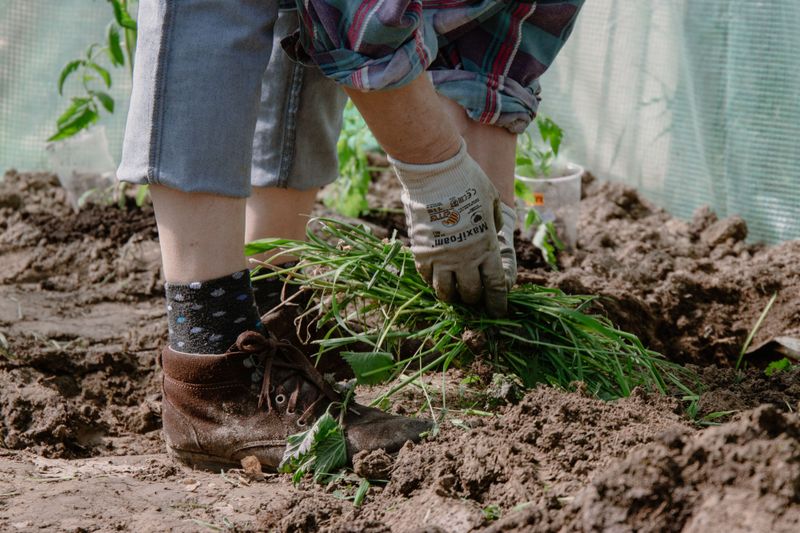
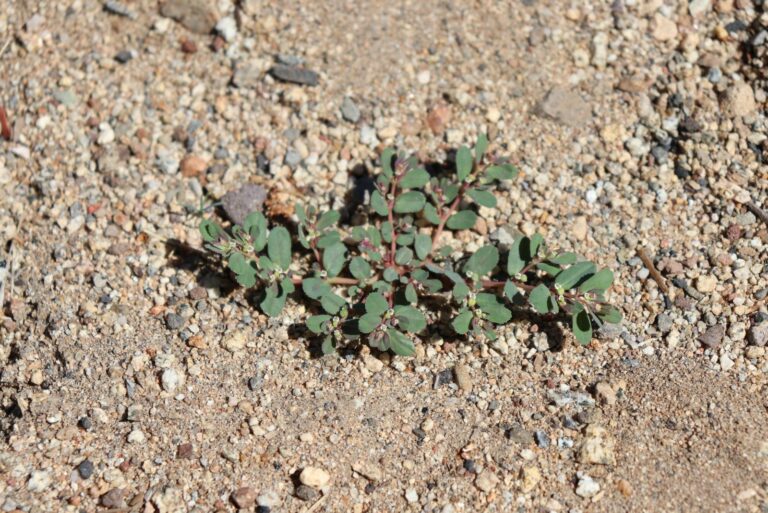
Weeds pull moisture from the soil continuously, competing directly with your vegetable roots. Every dandelion or pigweed growing near your tomatoes is pulling moisture away from the roots that actually matter.
During a drought, competition for water becomes fierce below the surface where you cannot see it. Removing weeds early stops that competition before it costs your vegetables anything meaningful.
Pull weeds when they are young and the soil is still slightly moist after watering. Small weeds come out easily with roots intact, while large ones break off and regrow quickly.
A stirrup hoe is one of the most efficient tools for clearing weeds between rows. It cuts just below the soil surface and severs roots without disturbing nearby vegetable plants.
Aim to weed at least once a week during peak growing season. Staying ahead of the problem takes far less time than trying to reclaim a bed that has been taken over.
Weeding also loosens the top layer of soil slightly, which helps water penetrate deeper on your next irrigation day. That small bonus adds up over a whole season of consistent effort.
After weeding, lay down fresh mulch immediately to prevent new seeds from germinating. Bare soil is an open invitation for weed seeds waiting just below the surface.
Think of weeding as protecting every drop of water you put into your garden. In a dry South Dakota summer, every bit of soil moisture counts, and weeds offer nothing in return.
7. Use Row Covers To Reduce Moisture Loss Overnight
Nighttime is when your garden quietly loses more moisture than most people realize. Dry prairie winds pull humidity away from leaves and soil even after the sun has gone down.
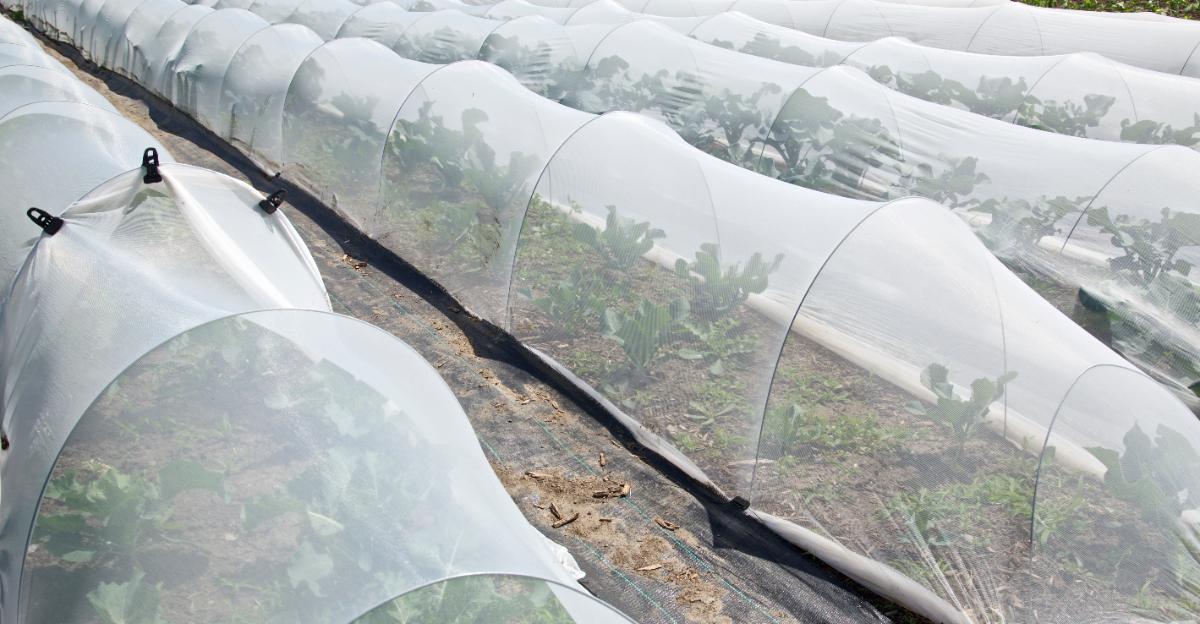
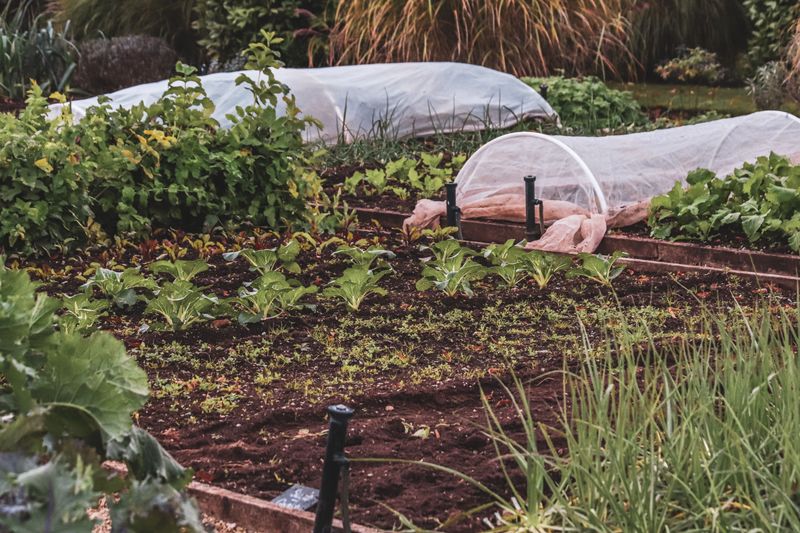
Floating row covers act like a gentle blanket that traps warmth and humidity close to your plants overnight. That barrier slows transpiration and shields plants from dry overnight winds that pull humidity away from leaves and soil.
Lightweight spunbond fabric is the best type for summer use because it breathes well and does not overheat plants. Look for covers rated at 0.5 to 0.9 ounces per square yard for warm months.
Drape covers loosely over your rows and secure the edges with rocks, pins, or soil. Keeping them loose gives plants room to grow and allows air to circulate underneath.
Remove covers each morning once temperatures start to rise. Leaving them on during peak afternoon heat can trap too much warmth and stress your plants instead of helping them.
Row covers also act as a physical barrier against insects like flea beetles and aphids. Fewer pest problems mean less plant stress, which matters even more when water is already scarce.
Some gardeners layer row covers over shade cloth frames for a combined moisture and heat protection system. That combination handles even the harshest dry spells with impressive effectiveness.
Protecting vegetable beds overnight is a step many gardeners skip, but it fills a real gap in drought management.
8. Group Plants Strategically To Create Natural Shade
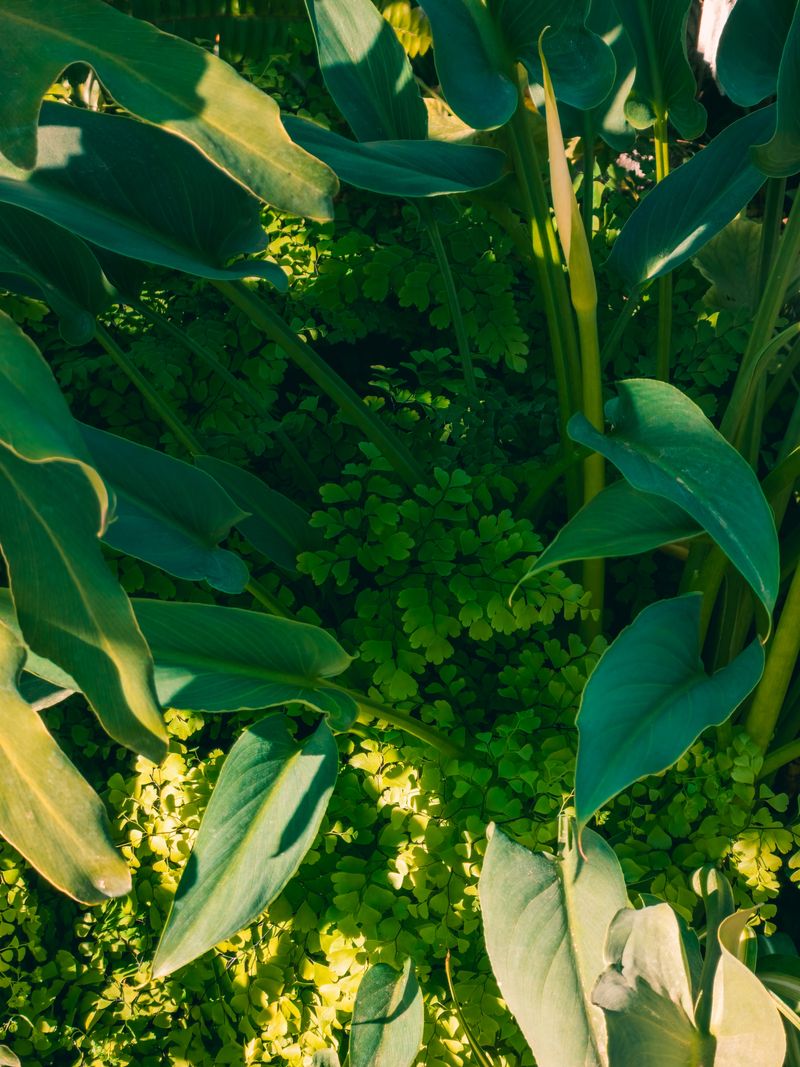
Your garden can shade itself if you plan it right. Tall crops like corn, sunflowers, and pole beans cast afternoon shadows that protect shorter neighbors from the worst heat of the day.
Place tall plants on the west or southwest side of your beds so their shadows fall over heat-sensitive crops during peak afternoon hours. That simple positioning costs nothing and works all season.
Lettuce, spinach, and cilantro bolt quickly in full summer sun. Tucking them beneath taller plants extends their productive season by several weeks even during a dry stretch.
Companion planting also plays a role in moisture management. Dense plantings of compatible crops reduce the amount of bare soil exposed to direct sun, which slows evaporation between plants.
The three sisters method, pairing corn, beans, and squash, is a classic example of strategic grouping. Squash leaves spread wide across the ground and act almost like a living mulch layer.
Avoid spacing plants so far apart that large patches of soil sit exposed all day. Closer spacing creates a canopy effect that keeps ground temperatures noticeably cooler throughout the season.
Raised beds actually make strategic grouping easier because you control the layout completely. Sketch a rough plan before planting so tall crops end up in the right position from day one.
Smart plant placement is a tool that works quietly in the background all summer long. When protecting vegetable beds through a long, dry season, every degree of shade you create truly counts.