Wyoming Homeowners Are Switching To These Drought-Tolerant Native Plants This Summer
Wyoming summers do not ease in gradually. They arrive fast, park themselves over the landscape, and dare everything in the ground to keep up.
For homeowners across the state, that means watching once-green lawns fade to straw while water bills quietly climb. Something had to give.
That is why drought-tolerant native plants are showing up in more Wyoming yards this summer than ever before. These plants did not need to adapt to Wyoming, they already belong here.
They evolved in the same thin soils, the same relentless sun, and the same bone-dry summers you are dealing with right now.
If you have been eyeing your sprinkler system with growing regret, this list is your starting point.
1. Big Sagebrush (Artemisia Tridentata)
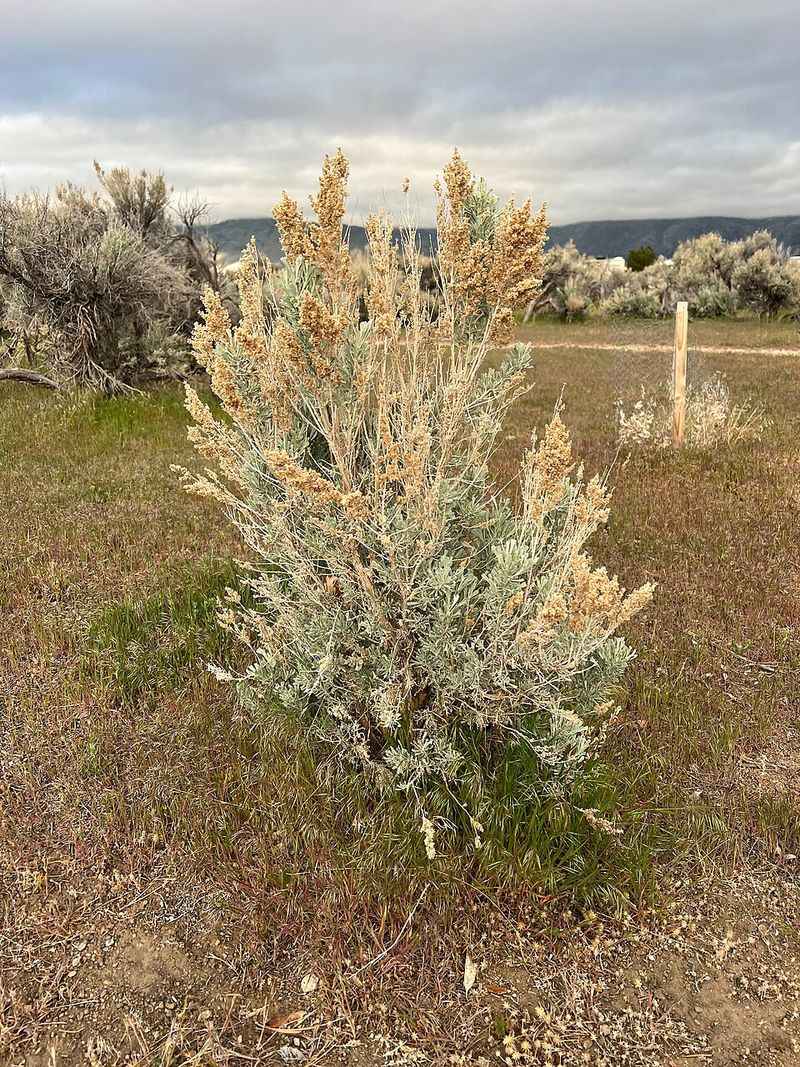
The smell alone is worth it. Big Sagebrush carries that iconic, earthy scent that defines the American West, and planting it in your yard brings that wild magic home.
This shrub is one of the most recognizable drought-tolerant native plants across Wyoming and the broader Great Basin. It grows from two to ten feet tall and spreads wide, creating natural structure in any landscape.
Big Sagebrush thrives in poor, rocky, or sandy soils where most ornamental shrubs would struggle badly. It asks for almost no irrigation once established, making it a dream plant for water-conscious homeowners.
Wildlife absolutely loves it. Mule deer, pronghorn, and dozens of bird species rely on sagebrush for food and shelter throughout the year.
Planting it near a fence line or as a backdrop to shorter wildflowers creates a layered, natural look. The silver-green foliage catches morning light in a way that feels almost cinematic.
One practical tip: give it plenty of space when planting. Crowding sagebrush leads to poor airflow and can invite fungal issues in wetter years.
Some homeowners worry it looks too wild for a residential yard, but paired with ornamental grasses and native perennials, it looks intentional and polished. Big Sagebrush is not just a plant. It is a statement about belonging to this landscape.
2. Buffalo Grass (Bouteloua Dactyloides)
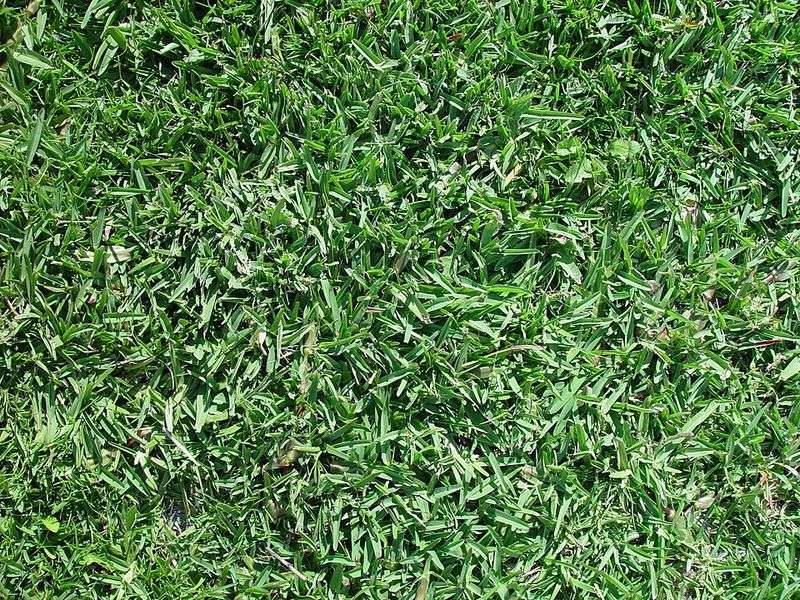
Forget everything you thought you knew about lawn care. Buffalo Grass is rewriting the rules for homeowners who want a green yard without the guilt of wasting water.
This warm-season native grass is built for the Great Plains and high desert regions, including much of Wyoming. It grows low, usually under six inches, so mowing becomes an occasional chore rather than a weekly obligation.
The root system runs incredibly deep, sometimes reaching six feet into the soil. Those deep roots let Buffalo Grass pull moisture from places shallow-rooted turf grasses simply cannot reach.
During dry spells, it goes dormant and turns a golden tan color. Once rain returns, it greens back up fast, showing impressive resilience that non-native grasses cannot match.
Homeowners who have replaced traditional Kentucky bluegrass with Buffalo Grass report cutting their outdoor water use significantly once the grass is fully established. That kind of savings adds up fast over a hot Wyoming summer.
It handles foot traffic reasonably well, making it suitable for yards where kids and pets play regularly. Just avoid heavy shade areas, since this grass craves full sun to perform its best.
Establishing Buffalo Grass from seed or plugs takes one full growing season, so patience is part of the process. Once it settles in, though, it basically takes care of itself.
Drought-tolerant native plants do not get more low-maintenance than this tough little grass.
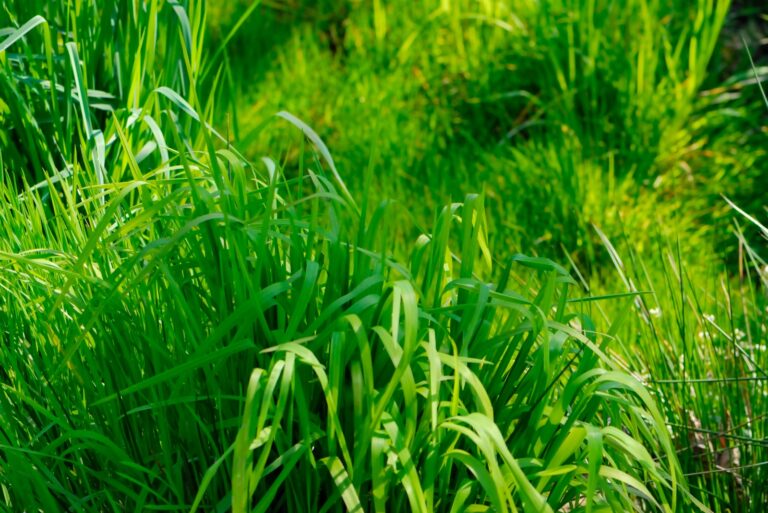
3. Blue Grama Grass (Bouteloua Gracilis)
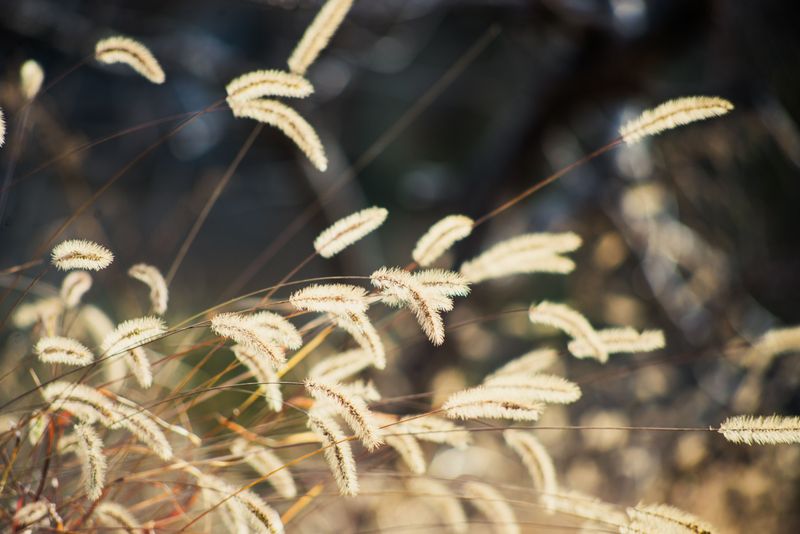
Blue Grama Grass has one of the most charming seed heads in the plant world. Those curved, eyelash-like seedheads sway in the breeze and catch golden light in a way that stops people mid-walk to take a closer look.
Native to the short-grass prairies of the West, Blue Grama is a top pick for Wyoming yards and gardens. It stays short, topping out around eighteen inches.
That compact size makes it versatile for borders, meadow patches, or container gardens. Few native grasses pull double duty this well without asking for much in return.
This grass is extremely cold-hardy, surviving brutal Wyoming winters without breaking a sweat. It also handles heat and dry conditions with ease, since it evolved in environments where rainfall is never guaranteed.
Pollinators visit it regularly during summer, and small birds feast on its seeds well into autumn. Adding Blue Grama creates a living food source right outside your window.
One underrated quality is how well it blends with wildflowers. Plant it alongside Blanket Flower or Indian Paintbrush for a prairie-inspired garden that looks like it belongs in a nature magazine.
Maintenance is minimal. A light trim in early spring removes old growth and encourages fresh green shoots to emerge quickly. Fertilizing is rarely necessary and can actually reduce its natural toughness.
Homeowners who want that wild prairie aesthetic without a high-maintenance commitment keep coming back to this grass. Blue Grama proves that simple and native often beats fancy and fragile every single time.
4. Rubber Rabbitbrush (Ericameria Nauseosa)
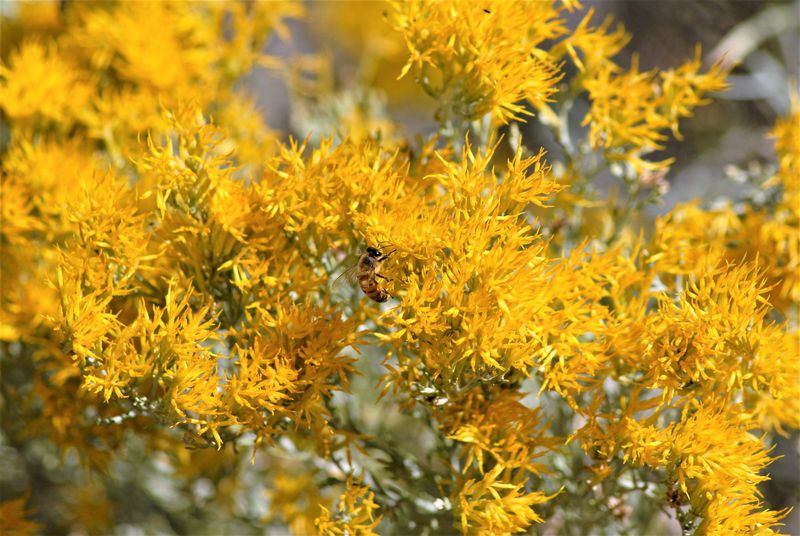
When everything else in the garden starts fading in late summer, Rubber Rabbitbrush explodes into a cloud of bright yellow. It is the plant that saves your yard from looking tired when the season winds down.
This native shrub blooms from August through October, filling the gap when most other plants have already finished for the year. Butterflies, bees, and other pollinators swarm its cheerful yellow clusters, turning any yard into a wildlife hotspot.
Rubber Rabbitbrush earns its place among drought-tolerant native plants thanks to its extraordinary ability to survive on almost no water. It thrives in alkaline, sandy, and gravelly soils that would defeat most ornamental shrubs without hesitation.
The silvery-green foliage looks attractive even before the blooms appear. Its fine-textured leaves catch light differently throughout the day, giving the plant a soft, almost glowing quality in morning sun.
Mature plants reach four to six feet tall and wide, making them excellent for screening, hedging, or filling large empty spaces in a yard. They grow quickly once established, which is a major bonus for homeowners who want results fast.
Despite its somewhat off-putting species name, this plant smells pleasantly resinous on warm afternoons. Native peoples historically used it for medicinal and practical purposes, and researchers have long studied it as a potential rubber source.
Planting Rubber Rabbitbrush near a patio or seating area means you will have color and pollinators right where you can enjoy them most. Late summer never looked this good.
5. Indian Paintbrush (Castilleja Spp.)
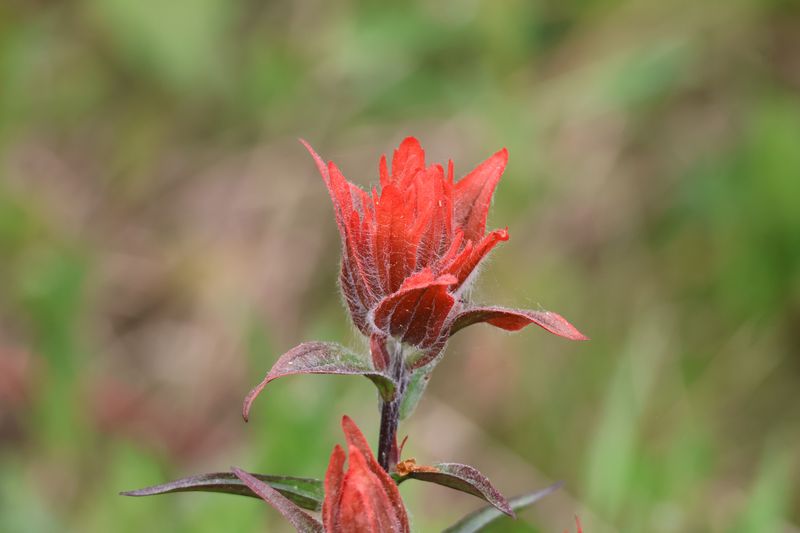
Image Credit: © Liz D / Pexels
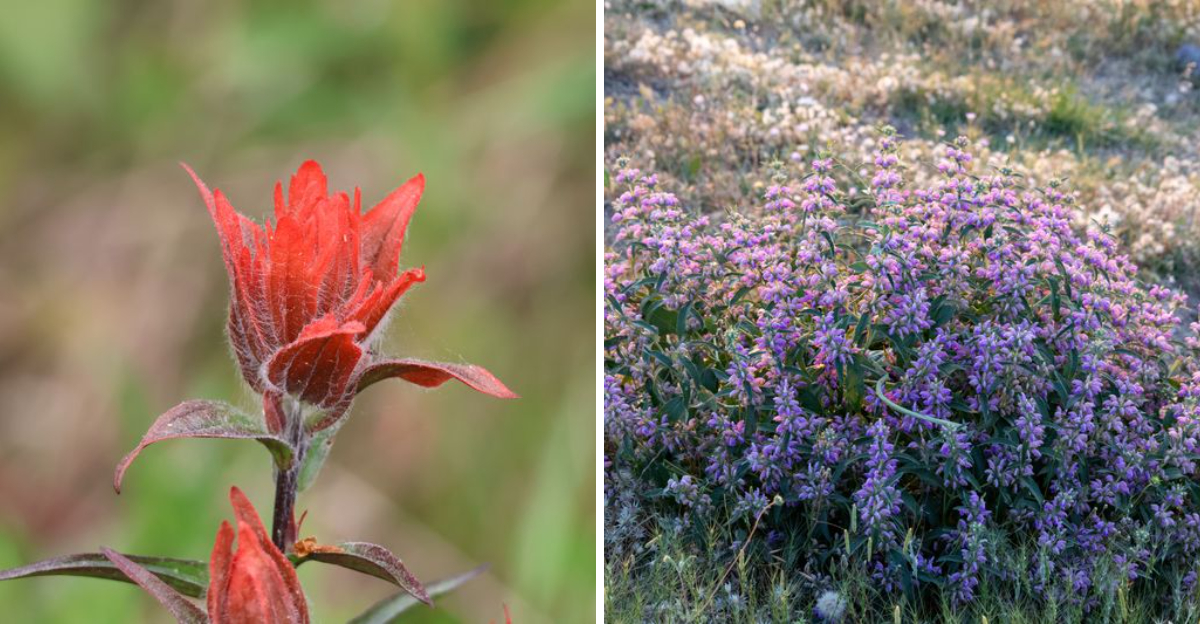
Few plants are as jaw-dropping as Indian Paintbrush in full bloom. Those fiery red, orange, and pink bracts look like someone dipped the tips of each stem into paint straight from the tube.
Indian Paintbrush is Wyoming’s state flower, and for good reason. It grows wild across meadows, hillsides, and open ranges, bringing color to landscapes that most plants would find inhospitable and bleak.
Growing it at home takes a bit of know-how. Indian Paintbrush is a hemiparasite, meaning it taps into the roots of neighboring grasses and plants to supplement its own nutrient intake.
The trick to success is planting it alongside compatible host grasses like Blue Grama or Buffalo Grass. When paired correctly, it establishes well and returns year after year with minimal intervention from the gardener.
Hummingbirds are obsessed with Indian Paintbrush. The tubular bracts are perfectly shaped for a hummingbird’s long bill, making this plant a reliable magnet for those fast-moving, jewel-toned visitors.
Among drought-tolerant native plants, this one carries the most cultural and ecological significance in the region. Native communities across the West have long recognized its beauty and its role in healthy prairie ecosystems.
Starting from seed is the most reliable method, and seeds need cold stratification before spring planting. It takes patience, but watching the first bloom emerge from your own garden soil feels genuinely rewarding.
Indian Paintbrush is not just a plant. It is a piece of living Wyoming heritage.
6. Blanket Flower (Gaillardia Aristata)
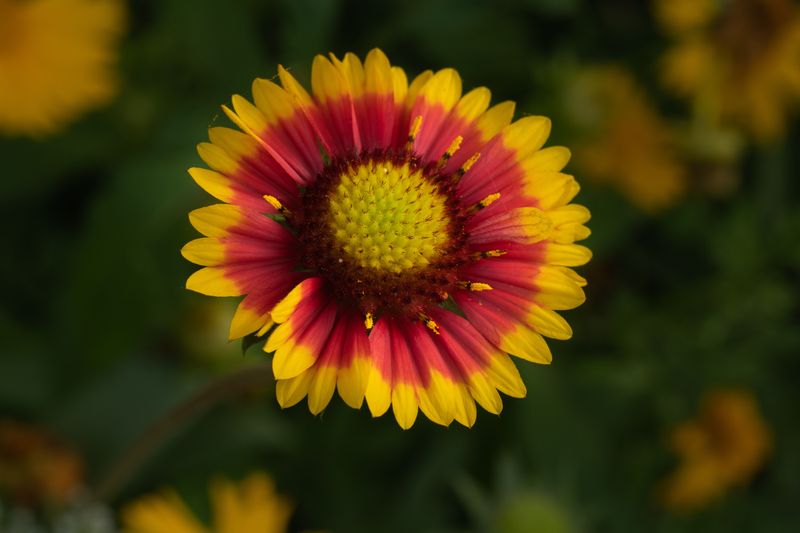
Blanket Flower looks like summer decided to paint itself on a canvas and hang it in your garden. The bold red and yellow petals radiate outward like a sunburst, and the color holds strong even in peak July heat.
Native to the Great Plains and Rocky Mountain foothills, Blanket Flower is one of the most reliable choices for Wyoming homeowners. It blooms from early summer all the way through the first frost.
That means months of nonstop color without much effort on your part. Few native perennials put in that kind of work across an entire season.
This perennial grows about two feet tall and spreads into a cheerful clump over time. It self-seeds freely, meaning you often get bonus plants in new spots around the garden without doing anything extra.
Pollinators adore it. Bees, butterflies, and even beetles visit the open, accessible flower centers throughout the day, making every plant a tiny ecosystem of its own.
Sandy, well-drained soil suits Blanket Flower perfectly. It actually performs better in lean, dry conditions than in rich, amended garden beds, which makes it ideal for yards with challenging soil.
Removing spent blooms encourages more flowers to form. A light trim in midsummer can refresh the plant and extend the blooming season even further into fall.
Blanket Flower pairs beautifully with Blue Grama Grass and Penstemon for a garden that feels both wild and intentional. Once you see it thriving in your yard without extra water or fuss, you will wonder why you ever planted anything else.
7. Penstemon (Penstemon Strictus)
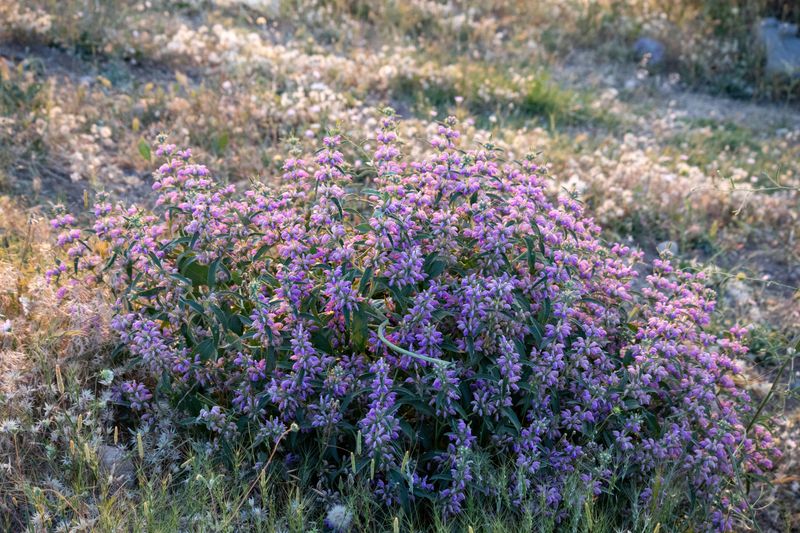
Image Credit: © Zülfü Demir📸 / Pexels
There is something almost architectural about Penstemon. Those tall, upright spikes of tubular purple-blue flowers rise like natural columns above the surrounding foliage, adding vertical drama that most low-growing plants simply cannot provide.
Rocky Mountain Penstemon is a standout for high-altitude and semi-arid landscapes. It thrives in the exact conditions that define much of Wyoming’s terrain, rocky slopes, alkaline soils, and intense summer sun.
Blooming from late spring into early summer, it bridges the gap between the early-season wildflowers and the mid-summer bloomers. That timing makes it a strategic addition to any garden designed for continuous color.
Hummingbirds are particularly drawn to Penstemon’s long, narrow flower tubes. Watching a hummingbird hover and feed at eye level from a nearby window is one of those simple pleasures that makes gardening feel worth every effort.
This plant grows about two feet tall and forms tidy clumps that spread slowly over time. It plays well with neighbors, never aggressively crowding out other plants the way some vigorous perennials tend to do.
Established plants need almost no supplemental watering during dry summers. Overwatering is actually the most common mistake gardeners make with Penstemon, so the less you fuss with it, the better it performs.
Penstemon brings a refined, almost elegant quality to native plant gardens. It proves that tough and beautiful are not opposites. Sometimes the most resilient plants are also the most stunning ones in the yard.
8. Rocky Mountain Juniper (Juniperus Scopulorum)
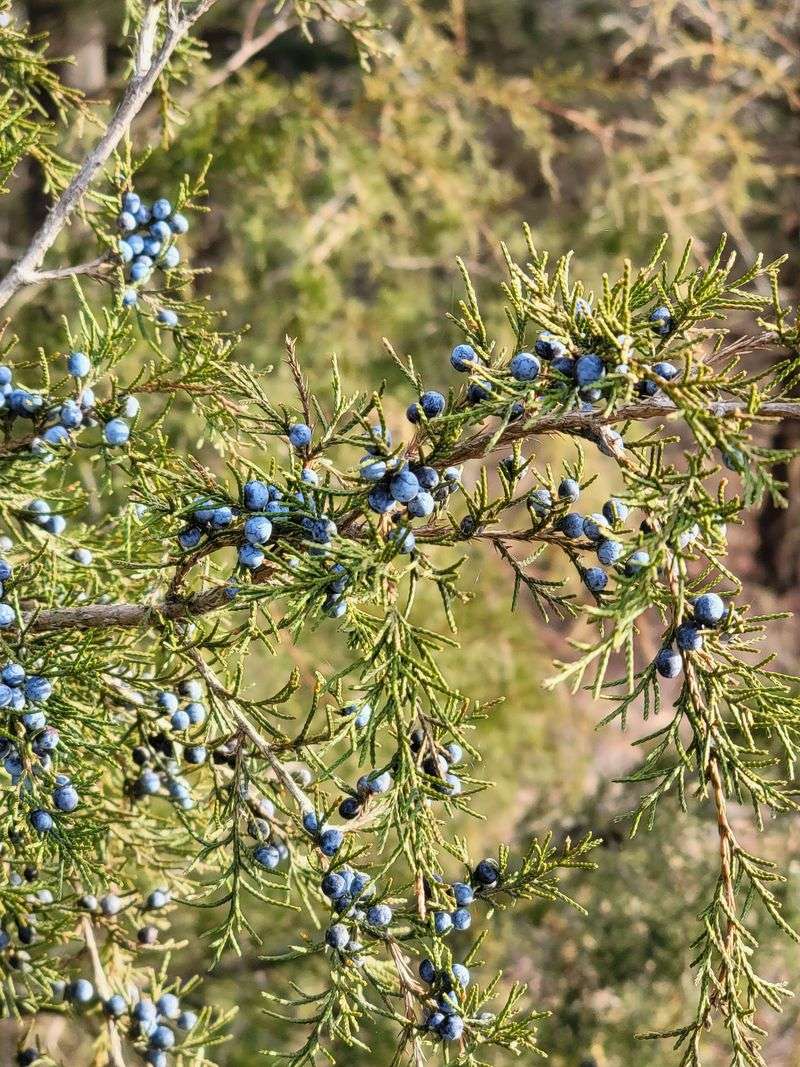
Some plants anchor a landscape. Rocky Mountain Juniper is exactly that kind of plant, a steady, sculptural presence that makes everything around it look more intentional and grounded.
This native evergreen tree grows naturally across Wyoming’s foothills, canyon edges, and high plains. It tolerates cold, wind, poor soil, and extended drought with the kind of stoic reliability that every homeowner dreams about in a landscape plant.
Rocky Mountain Juniper earns its spot among drought-tolerant native plants because once established, it rarely needs any supplemental irrigation. Its deep root system taps into subsurface moisture that shallow-rooted ornamentals cannot access.
The blue-green foliage holds its color through every season, providing year-round interest in yards that tend to look bare and dull during winter months. Blue berry-like cones appear on female trees, adding another layer of visual texture.
Wildlife benefits enormously from this tree. Cedar waxwings, bluebirds, and robins feed on the berries, while the dense branching structure provides nesting habitat and winter shelter for many bird species.
It grows slowly, adding up to twelve inches per year when young and considerably less after that, so placement matters from the start.
For homeowners wanting a low-maintenance, four-season anchor plant, Rocky Mountain Juniper delivers without complaint. Rarely does one native plant offer this much personality, permanence, and ecological value all at once.