The Mowing Mistake That Pushes Virginia Lawns Over The Edge During Drought
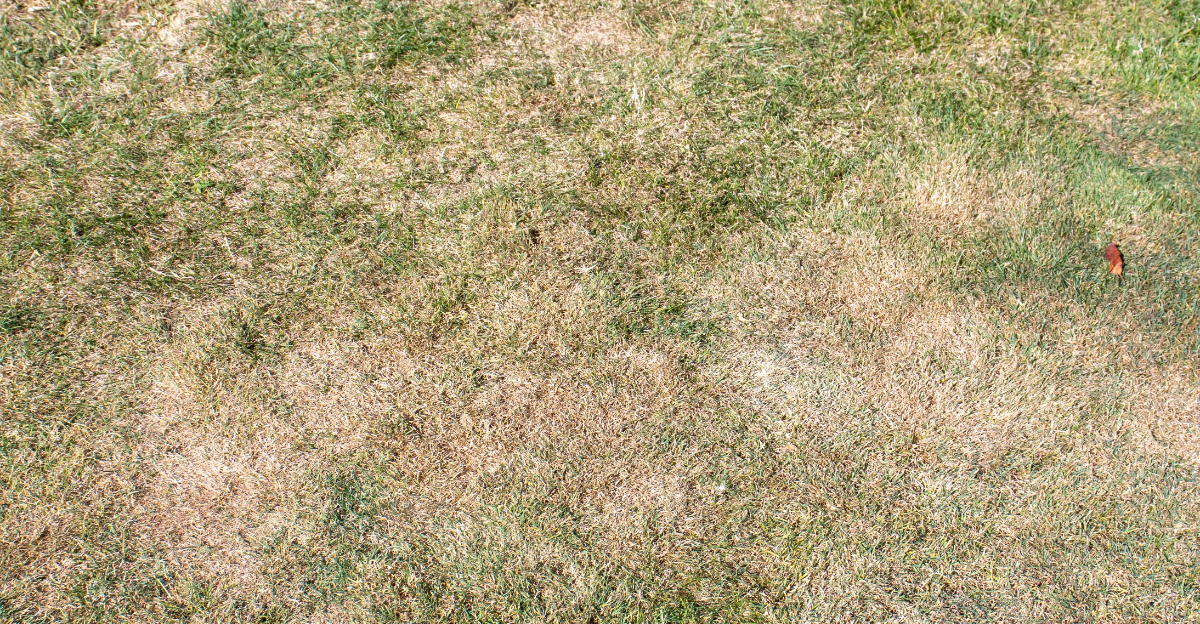
Virginia summers don’t forgive bad timing. One week your lawn looks decent, the next it’s the color of straw and crunching under your feet. If you’ve been mowing on autopilot, drought season is about to show you exactly what that costs.
The biggest mistake Virginia homeowners make during dry stretches isn’t skipping watering or ignoring fertilizer. It’s cutting their grass too short, and it happens every single mowing session without a second thought.
Grass under drought stress is already fighting to survive. Drop the blade too low and you strip away the very thing protecting it from the heat. What follows isn’t a slow decline. It’s a fast one.
Drought doesn’t just change how your lawn looks. It changes every rule you thought you knew about mowing it.
Cutting Your Grass Too Short During Drought Is Stressing It Out
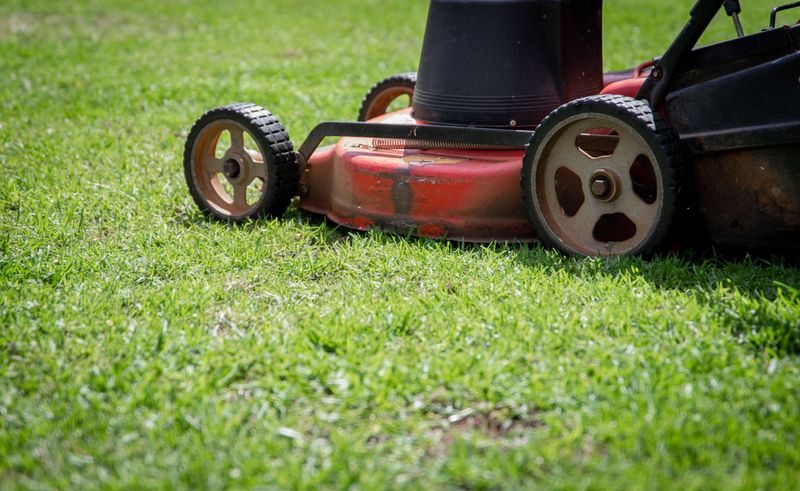
Scalped grass in summer is a slow-motion disaster. When you cut too low during a drought, you strip away the very blades that shade the soil and hold moisture in.
Grass blades are not just decoration. They act like tiny umbrellas, blocking harsh sun from baking the ground beneath your feet.
Short grass loses water faster because the soil is fully exposed to heat. That exposed dirt dries out in hours, not days, leaving roots with nothing to drink.
Roots follow the blades. Taller grass grows deeper roots, and deeper roots reach moisture that surface soil has already lost.
When you scalp your lawn during a dry spell, you are removing its only defense. The grass struggles to photosynthesize properly, feed itself, or recover without some intervention.
Most Virginia homeowners do not realize this mowing mistake is happening in real time. The lawn looks a little ragged, so they drop the blade lower, making everything worse.
The stress compounds quickly. A lawn already fighting drought does not have extra energy to grow back what the mower took away.
Cutting too short also invites weeds. Bare, dry soil is an open invitation for crabgrass and other opportunists to move in fast.
The fix sounds almost too simple. Raise your mower deck and stop thinking short grass looks better, because a stressed lawn needs every inch it can get.
How Drought Changes The Way Virginia Lawns Respond To Mowing
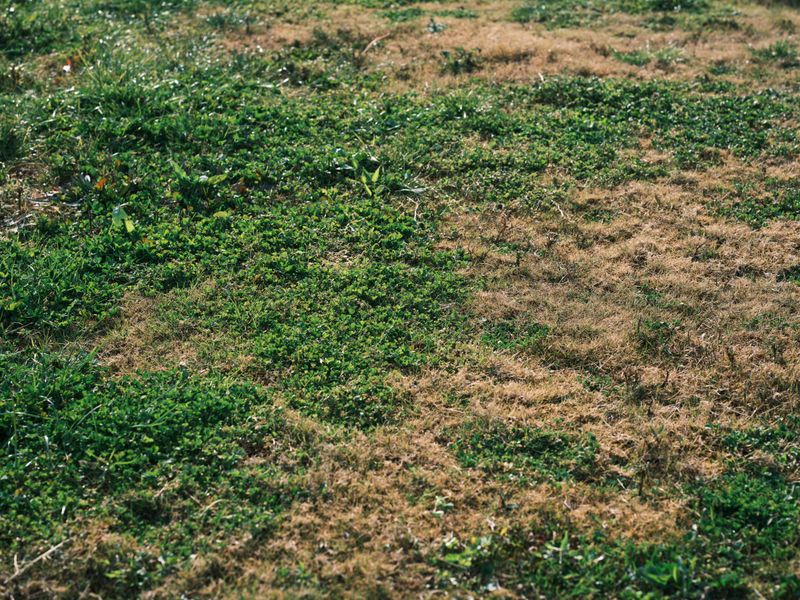
A healthy lawn bounces back fast after mowing. A drought-stressed lawn is playing an entirely different game.
Under normal conditions, grass typically shows signs of recovery within a few days of mowing. Cells divide, new blades push up, and the yard looks fresh by Thursday.
Drought shuts that process down. Without adequate water, grass enters a kind of survival mode where growth slows to almost nothing.
When you mow a lawn that is already in survival mode, you are removing tissue the plant cannot replace quickly. That is a serious problem for cool-season grasses like tall fescue, which are common across much of Virginia.
Warm-season grasses like Bermuda and zoysia handle heat better, but they are not immune. Even these tougher varieties struggle when mowing removes too much blade during a long dry stretch.
Your Virginia Garden Changes Every Week. Your Plan Should Too.
Gardening in Virginia changes quickly throughout the season. Every Friday you’ll receive a simple weekly plan showing exactly what to plant, prune, fertilize, harvest, and protect so you never miss the right timing.
The lawn also loses moisture through cut ends. Fresh mowing cuts are like open wounds, and water escapes through them until the tips seal over.
During a drought, that moisture loss matters enormously. Every drop of water counts when rain has not come in weeks.
Mowing also compacts soil slightly when the ground is hard and dry. Compacted soil blocks the little water that does fall from soaking in properly.
Recognizing that drought changes your lawn’s response is the first step toward smarter care. Treat your yard differently when the weather turns dry, and it will reward you later.
The Right Mowing Height For Virginia Grass During A Dry Spell
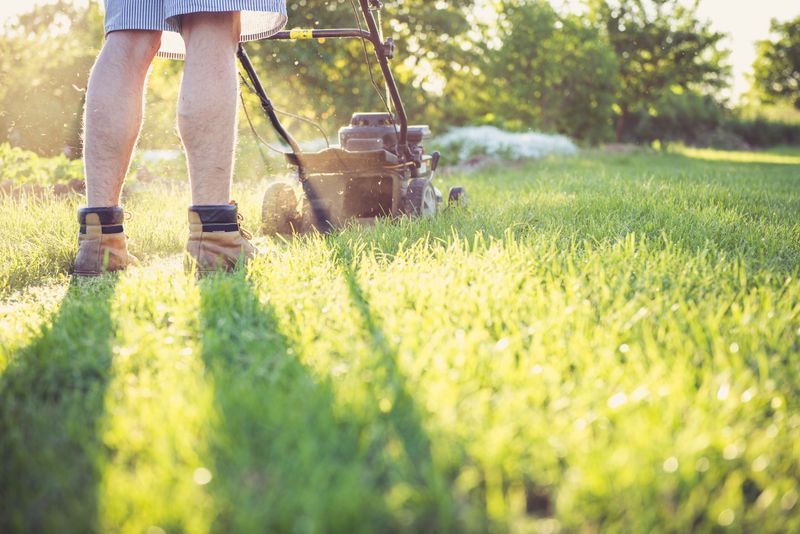
Forget the neighbor who keeps his lawn looking like a golf course all summer. During a dry spell, that look comes at a serious cost.
For tall fescue lawns in Virginia, the recommended mowing height during drought is between 3.5 and 4 inches, with some experts suggesting up to 4.5 inches during extreme heat.
Bermuda grass can stay a bit shorter, around 1.5 to 2 inches, but even Bermuda benefits from going slightly higher when rain disappears. Zoysia does well at 2 to 2.5 inches during dry periods.
Raising your deck by even half an inch can drop soil temperature by several degrees. Cooler soil holds moisture longer, giving roots a better chance to survive.
A simple rule of thumb works well here. Never remove more than one-third of the blade in a single mowing session, no matter the grass type or season.
During drought, some lawn experts suggest stretching that to a one-quarter rule. Removing less means less stress, less moisture loss, and faster recovery after each cut.
Check your mower deck height before every summer mow. Many homeowners set it low in spring and forget to adjust it when July arrives with no rain in the forecast.
Taller grass also shades out weed seeds trying to germinate in bare patches. Proper height is your cheapest and most effective lawn protection tool during a Virginia drought.
How Often You Should Mow When Rain Is Scarce
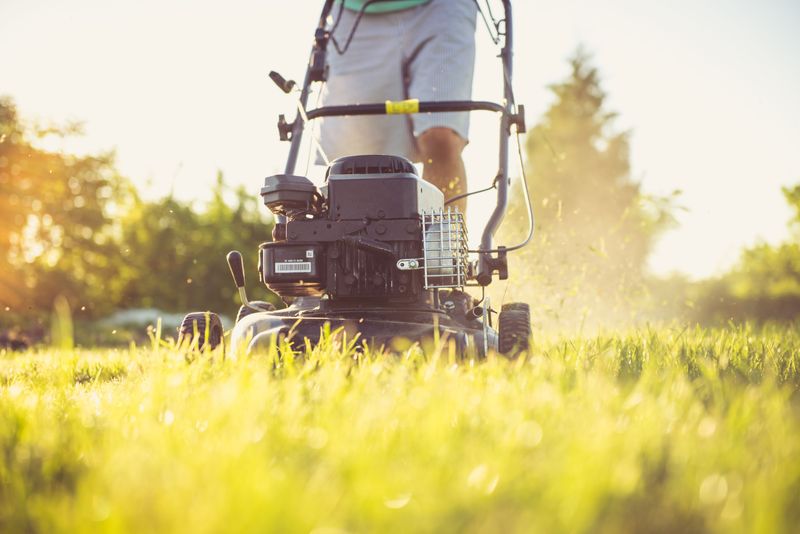
Less rain means less growth, and less growth means less mowing. That logic is simple, but plenty of homeowners ignore it and stick to their weekly schedule anyway.
When grass is not actively growing, mowing it is purely destructive. You are cutting tissue the plant has not replaced yet, creating unnecessary stress on an already struggling lawn.
A good rule during drought is to mow only when the grass actually needs it. If the tips have grown less than an inch since the last cut, skip the session entirely.
For most Virginia lawns during a prolonged dry stretch, that might mean mowing every 10 to 14 days instead of every 7. Some lawns may go three weeks without needing a trim.
Watch the grass, not the calendar. Your lawn will tell you when it is ready for a cut far more accurately than any schedule will.
Mowing too frequently during drought also means running heavy equipment over dry, compacted soil repeatedly. That repeated pressure damages root systems that are already under strain.
Morning mowing is best during hot, dry periods. Cutting in the afternoon heat adds temperature stress on top of the physical stress of being trimmed.
Sharp mower blades matter more during drought than any other time of year. Dull blades tear grass rather than cut it cleanly, leaving ragged edges that lose moisture rapidly.
Mowing smarter, not harder, is the mindset that saves lawns when the sky refuses to cooperate with your yard plans.
Other Mowing Habits That Make Drought Damage Worse
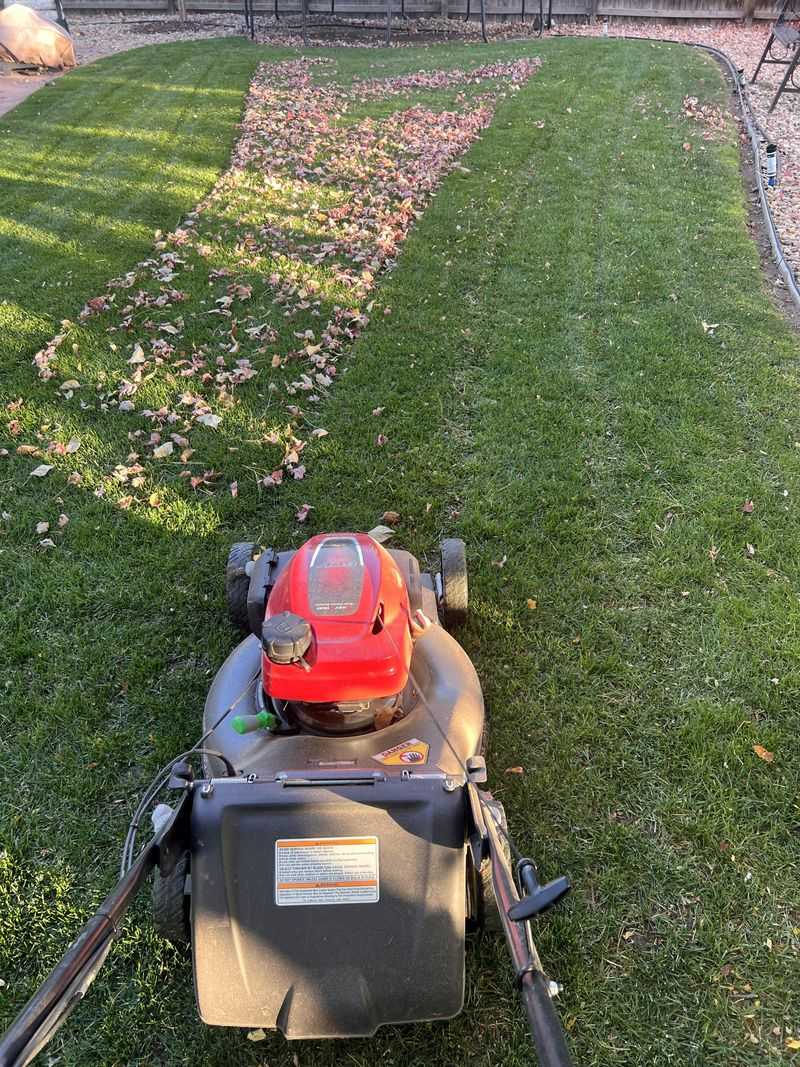
Blade height and mowing frequency get most of the attention, but other habits quietly pile on the damage during dry weather. Small mistakes add up fast when a lawn is already fighting to survive.
Leaving clippings on the lawn sounds counterproductive, but during drought it is actually helpful. Short clippings act as a light mulch, slowing moisture evaporation from the soil surface.
However, if you mowed too late and the clippings are thick, rake them up. Heavy clumps block sunlight and airflow, which can trigger fungal issues even in dry conditions.
Mowing in the same direction every single time compacts soil along the same tracks. Alternating your mowing pattern each session reduces that compaction and helps water penetrate more evenly.
Heavy mower wheels on dry, hard soil add compaction pressure regardless of conditions, which is another reason to use the lightest equipment available.
Watering right before mowing is another habit that backfires. Wet grass clumps around the blade and cuts unevenly, leaving some sections too short and others untouched.
Fertilizing right after mowing during drought is a serious error. Fresh fertilizer on stressed, cut grass can burn the blades and push growth the plant cannot sustain without water.
Every one of these habits might seem minor on its own. Stacked together during a Virginia drought, they can turn a recoverable situation into a full lawn replacement project.
How To Help Your Virginia Lawn Bounce Back After Drought Stress
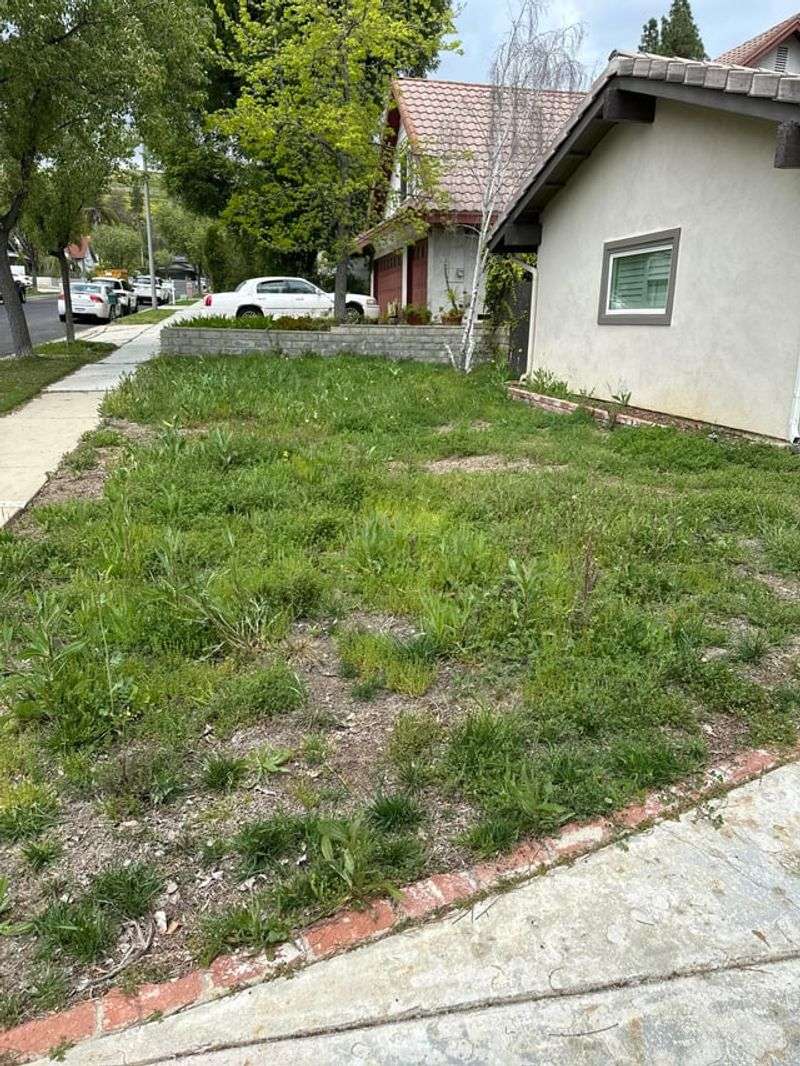
Once the rain returns and temperatures drop, your lawn will want to recover. Your job is to help it along without rushing the process or making new mistakes.
Start by raising the mower deck even higher for the first few cuts after drought ends. The grass needs time to rebuild root depth before it handles aggressive trimming again.
Aeration is one of the best things you can do for a post-drought Virginia lawn. Core aeration breaks up compacted soil and lets water and nutrients reach the root zone effectively.
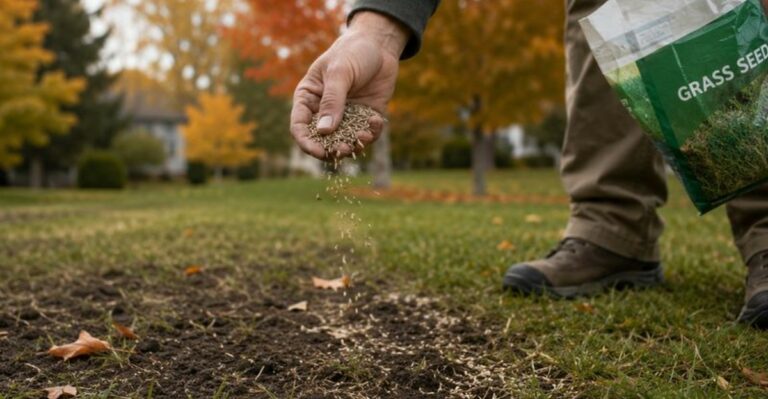
Fall is prime time for overseeding fescue lawns in Virginia. After a tough summer, thin or bare patches need fresh seed to fill in before winter arrives.
Water deeply but infrequently as the lawn recovers. Deep watering encourages roots to chase moisture downward, building the kind of drought resilience that protects your yard next summer.
Avoid heavy foot traffic on recovering grass for at least two to three weeks. Fragile new growth is easily crushed before it establishes a firm root system.
A light application of slow-release fertilizer in early fall supports recovery without overwhelming stressed turf. Choose a product formulated for your specific grass type for best results.
Patience is genuinely the hardest part of lawn recovery. Bounce-back takes weeks, not days, but a lawn that survived the mowing mistake during drought can absolutely come back strong.