The Most Underrated Ohio Native Tree For Small Front Yards That No One Is Planting
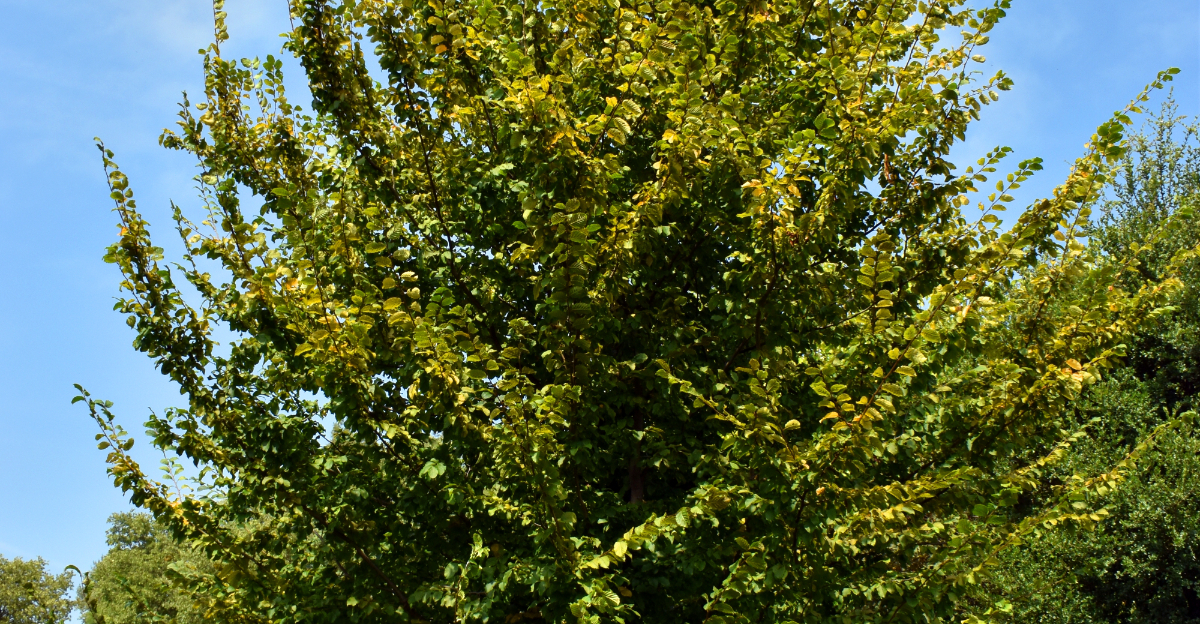
Ohio front yards repeat the same short list of small trees season after season. Redbuds, serviceberries, dogwoods.
All worthy choices. All showing up in the same spots with a frequency that starts to feel less like good taste and more like a lack of options.
There is a native Ohio tree that fits a small front yard better than most of those defaults. It barely shows up in residential landscapes at all.
Not because it underperforms. Because it has never had a marketing moment and the nursery industry has never pushed it hard enough to break through.
It handles shade, compacted soil, and tight spaces with a composure most small trees cannot match. The seasonal interest it offers is genuine and understated in the best possible way.
Ohio front yards are missing this one, and once you see it, that absence is hard to understand.
1. Choose American Hornbeam When Redbud Feels Too Predictable
A small yard does not need another copy of the same tree planted on every third block. Redbud is genuinely lovely, and nobody should feel bad for planting one.
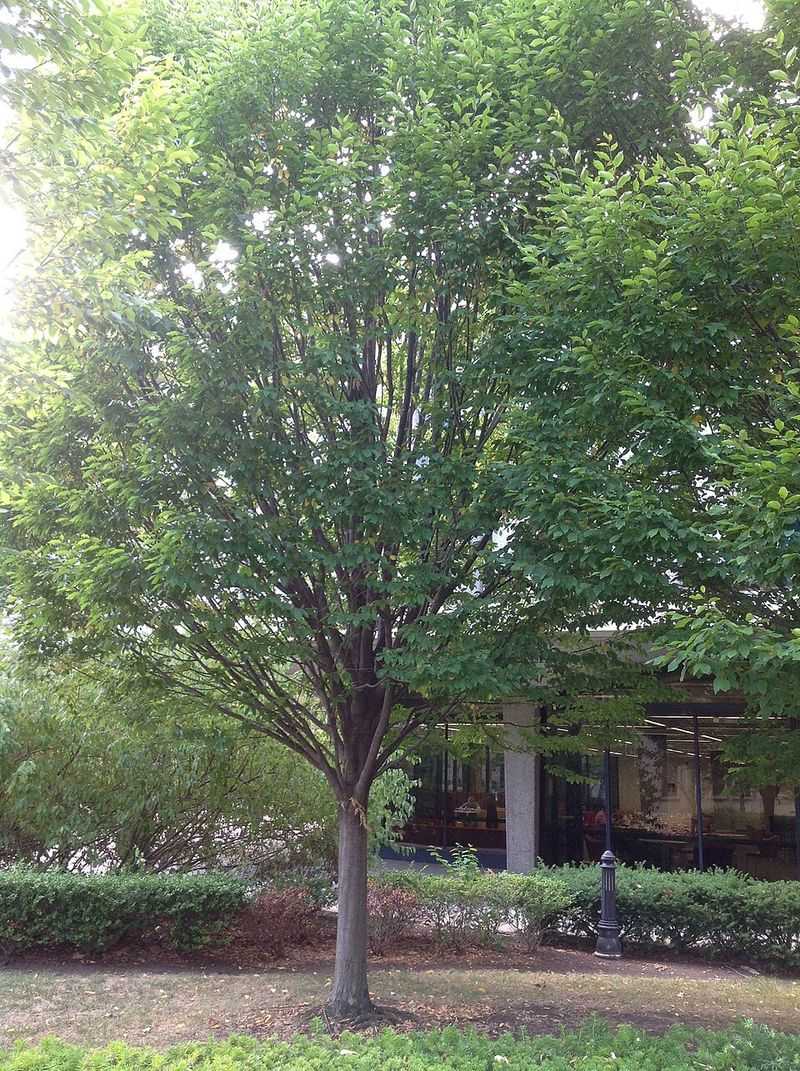
But if you want a native small tree that your neighbors are unlikely to recognize on sight, American hornbeam earns a second look.
Carpinus caroliniana is native to woodland edges and stream corridors across this state. It belongs here in a deep, ecological sense.
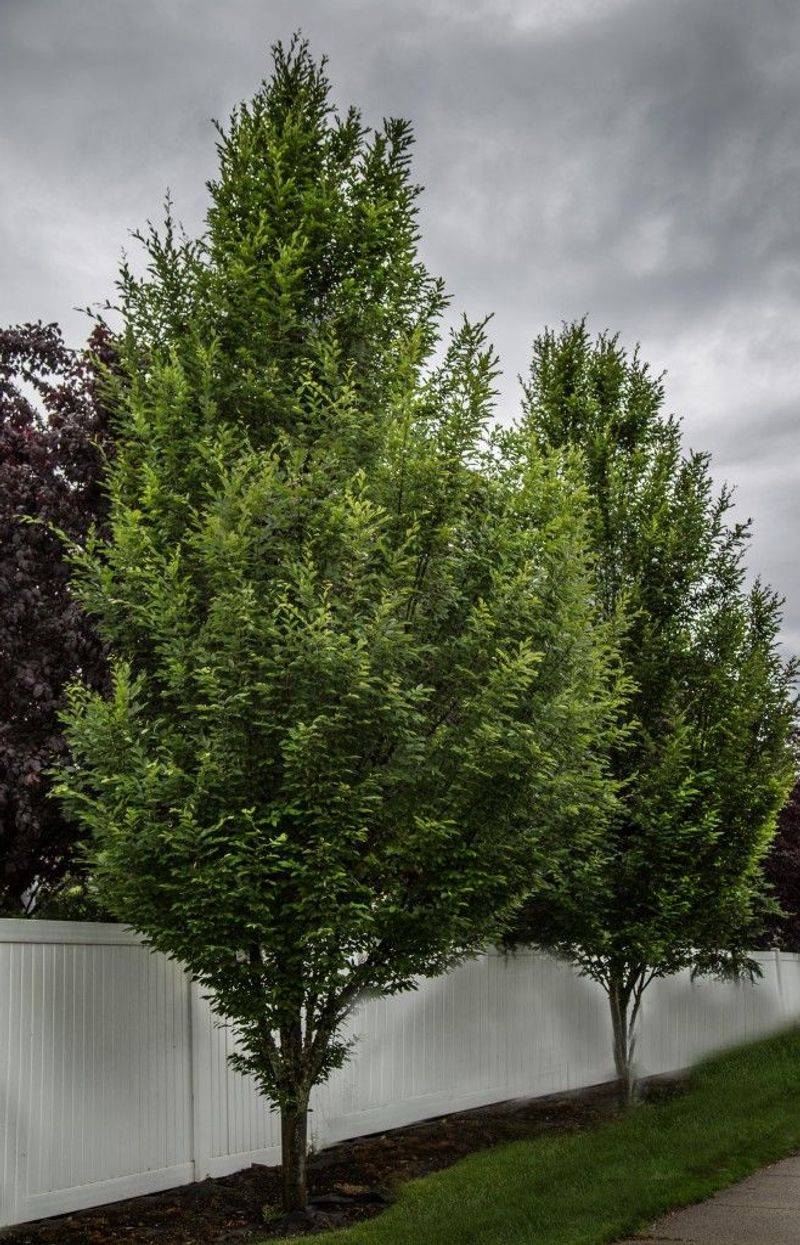
The tree typically matures between 20 and 30 feet tall with a spread that fits a modest front yard without crowding the house or the sidewalk.
Where redbud announces itself with a loud spring show, hornbeam works differently. Its appeal builds quietly through bark texture, layered branching, fall color, and seasonal structure.
It rewards the kind of homeowner who pays attention to a yard across all four seasons rather than just April.
Nurseries in this state carry it less often than redbud or serviceberry, so finding one may take a little effort. Local native plant sales, Ohio native nurseries, and conservation district plant programs are good starting points.
The search is worth it for a tree this distinctive.
2. Let Musclewood Bark Add Interest After Leaves Drop
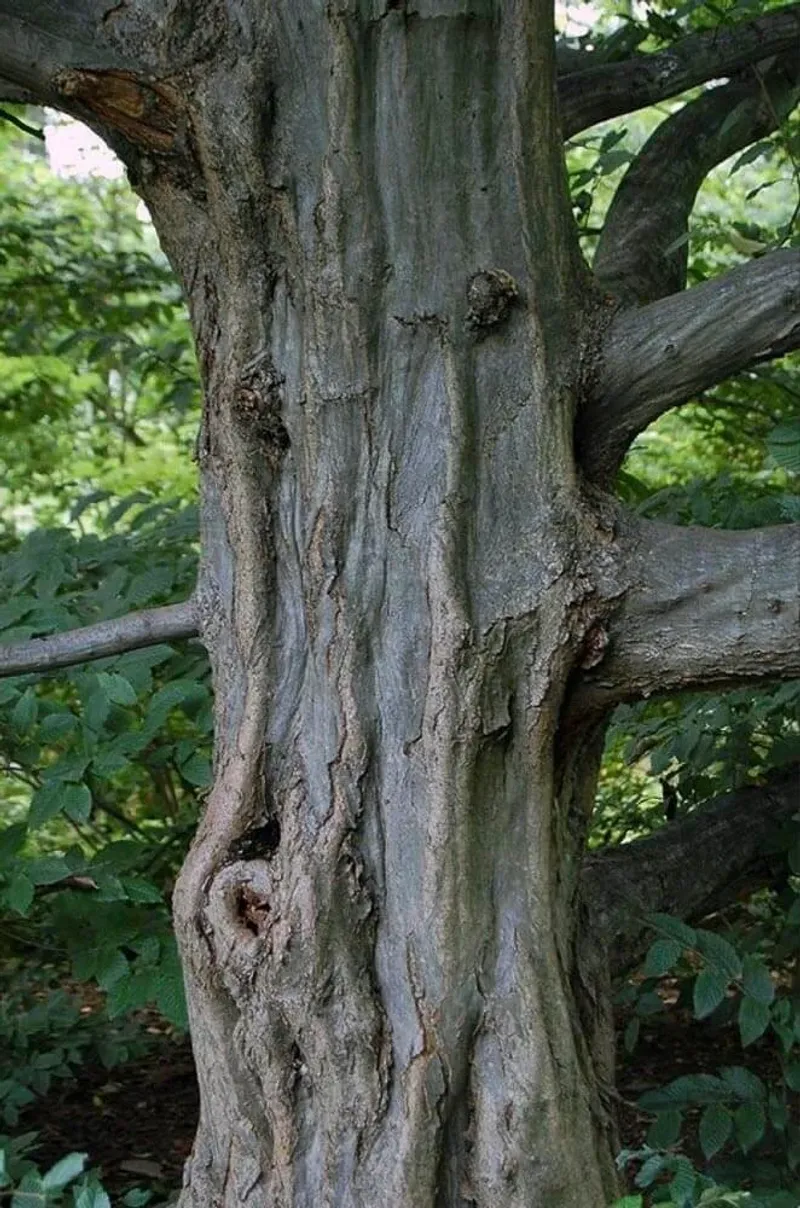
Walk past most small trees in January and there is not much to notice. American hornbeam is an exception.
The bark is smooth and gray with a rippled, sinewy quality that looks almost like a flexed muscle under the skin. This is exactly why one of its most common names is musclewood.
That texture is not subtle once you know what to look for. The trunk and main branches develop long, irregular ridges that catch light differently depending on the angle and the season.
In winter, when leaves are gone and the yard is bare, this bark becomes the main event.
Few small native trees offer this kind of structural interest in the cold months. Most front-yard trees just look like sticks from December through March.
Hornbeam holds its visual presence through that period with a form that landscape designers sometimes describe as quietly sculptural.
Your Ohio Garden Changes Every Week. Your Plan Should Too.
Gardening in Ohio changes quickly throughout the season. Every Friday you’ll receive a simple weekly plan showing exactly what to plant, prune, fertilize, harvest, and protect so you never miss the right timing.
The tree also tends to hold some dried seed clusters through early winter, which adds another layer of texture. Birds occasionally work through those clusters looking for food.
The combination of interesting bark and persistent seeds makes hornbeam a better winter tree than most homeowners expect before they plant one.
3. Use This Small Native Tree Near Walkways And Porches
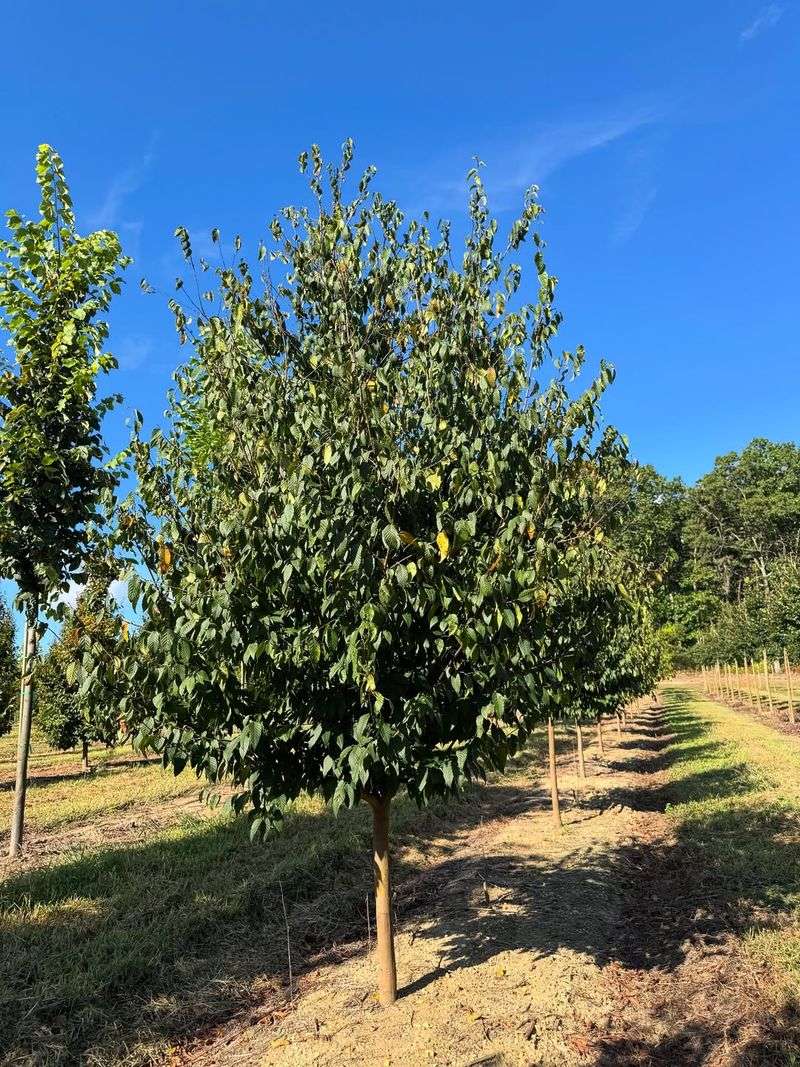
A shaded front walkway feels welcoming in a way that an open, sun-baked path simply does not. American hornbeam can play a useful role near porches, paths, or small lawns when it is given enough space to grow comfortably.
Its mature size of roughly 20 to 30 feet tall makes it more manageable than a large shade tree in a tight front yard.
Placement matters a great deal with any tree near a structure. Keep hornbeam at least 10 to 15 feet from the foundation and away from utility lines.
Avoid planting it directly over buried pipes or too close to concrete steps where root pressure could eventually become a problem.
The branching habit is often low and spreading, which can create a pleasant canopy over a nearby seating area or entry path.
Trained or left to its natural form, the tree tends to develop a graceful shape that suits a residential front yard better than many larger species.
For yards that already feel cramped, check the mature spread before choosing a planting spot. A spread of 20 to 25 feet needs room to develop without conflicting with neighboring plants, fences, or structures.
Give it that room and it will reward the investment over many years.
4. Plant It Where Morning Sun Or Part Shade Fits Best
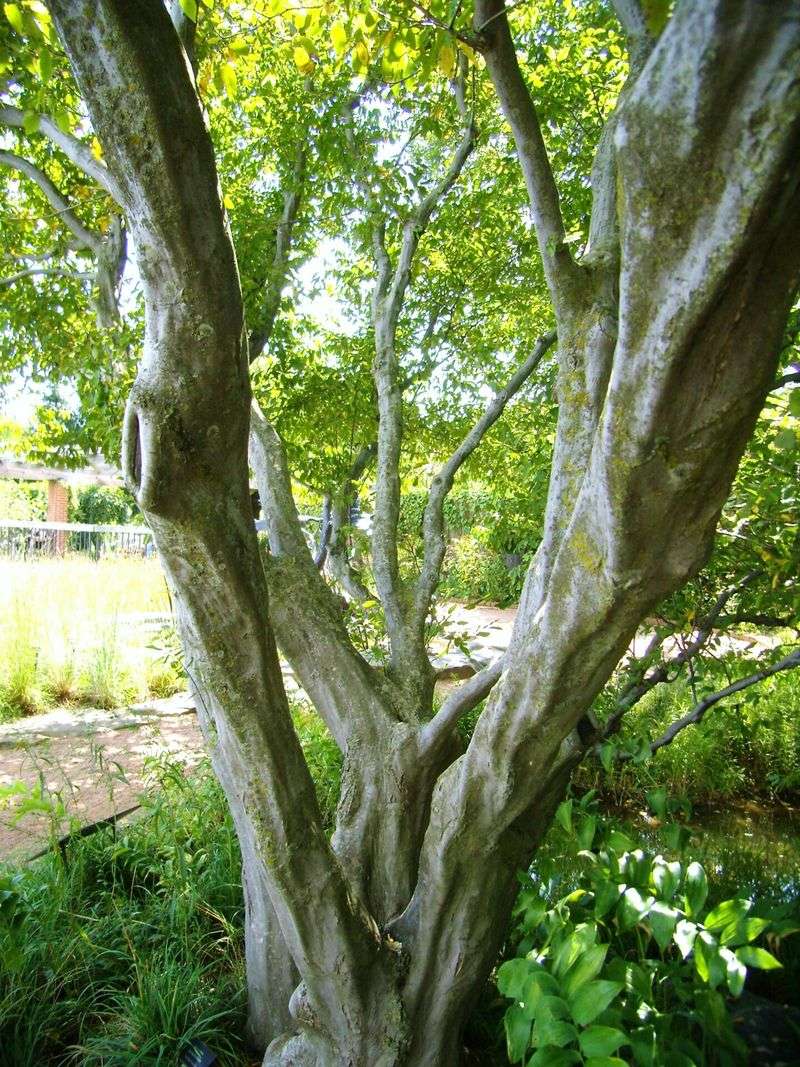
Understory trees developed over thousands of years beneath a taller forest canopy. American hornbeam is exactly that kind of tree.
In natural settings across this state, it grows along shaded stream banks and wooded edges where direct sun is filtered or limited to part of the day.
For front yards, this means hornbeam can work well in spots that other sun-loving trees would find difficult. A north-facing yard, a spot shaded by the house for half the day, or a planting area under an existing canopy tree are all reasonable locations.
Morning sun with afternoon shade is often a good match.
The tree can handle more sun when soil moisture stays consistent. A spot with good soil and reliable moisture allows hornbeam to tolerate a few more hours of direct sun without significant stress.
However, treating it like a full-sun parking-lot tree is a mistake. Heat stress in exposed, dry sites can weaken the tree over time.
Think of it as a tree that appreciates a gentler light environment. Filtered light, dappled shade, or a partly shaded front yard with decent soil will suit it far better than a baking, south-facing strip with reflected heat from pavement.
Match the site to the tree’s natural preferences and establishment goes more smoothly.
5. Count On Fall Color Without A Huge Canopy
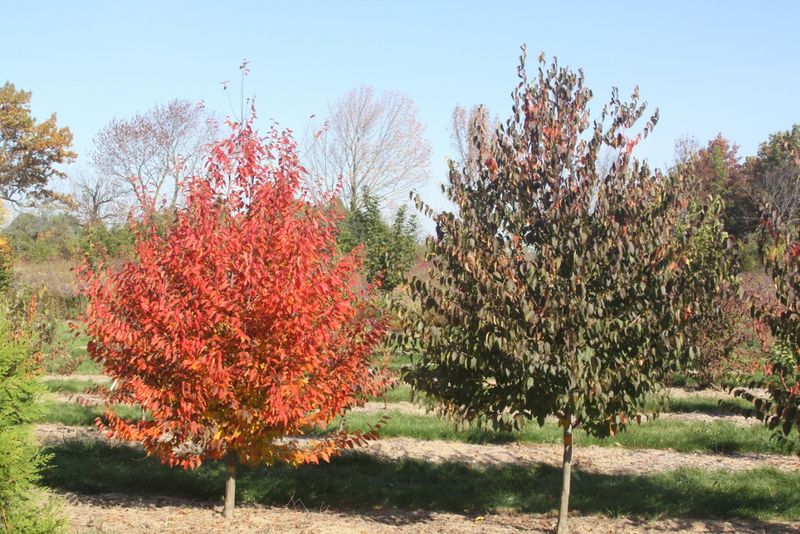
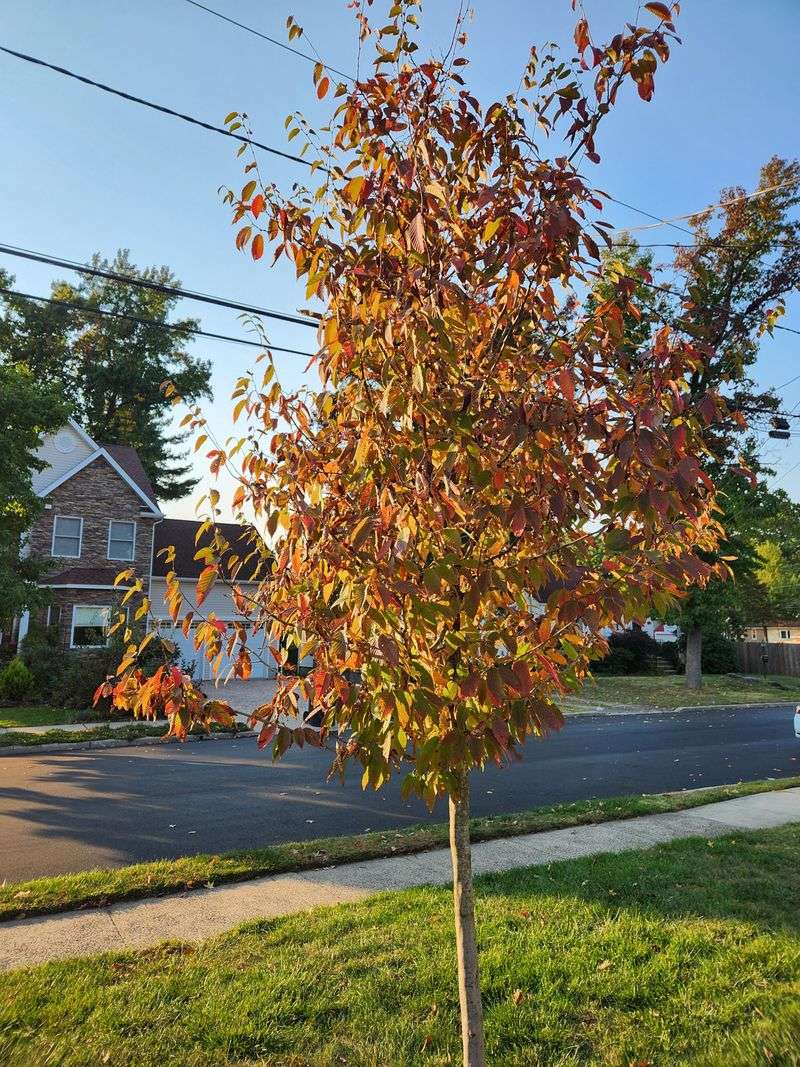
Fall color on a small tree can be just as satisfying as fall color on a large one, especially when the tree fits the scale of the yard. American hornbeam typically produces yellow, orange, or red-orange foliage in autumn.
The exact color depends on site conditions, soil moisture, and the weather leading into fall.
Some years the color is more muted yellow. Other years it leans toward a warmer orange-red.
Either way, the seasonal change is genuine and worth anticipating. The leaves are relatively small, and the canopy stays in proportion to a modest front yard.
That means fall cleanup is also more manageable than it would be under a large maple or oak.
The tree does not put on a dramatic, one-week blaze the way a sugar maple might. The color tends to develop more gradually and hold for a reasonable stretch of autumn.
For a front yard, that steady seasonal presence can feel more integrated than a brief but spectacular show.
Paired with the textured bark and the layered branching structure, fall color completes a picture that makes hornbeam interesting across the year. Spring brings fresh green leaves.
Summer offers filtered shade. Fall adds color.
Winter reveals the bark. That seasonal rhythm is exactly what a well-chosen front-yard tree should provide.
6. Give Roots Moist Well-Drained Soil To Settle In
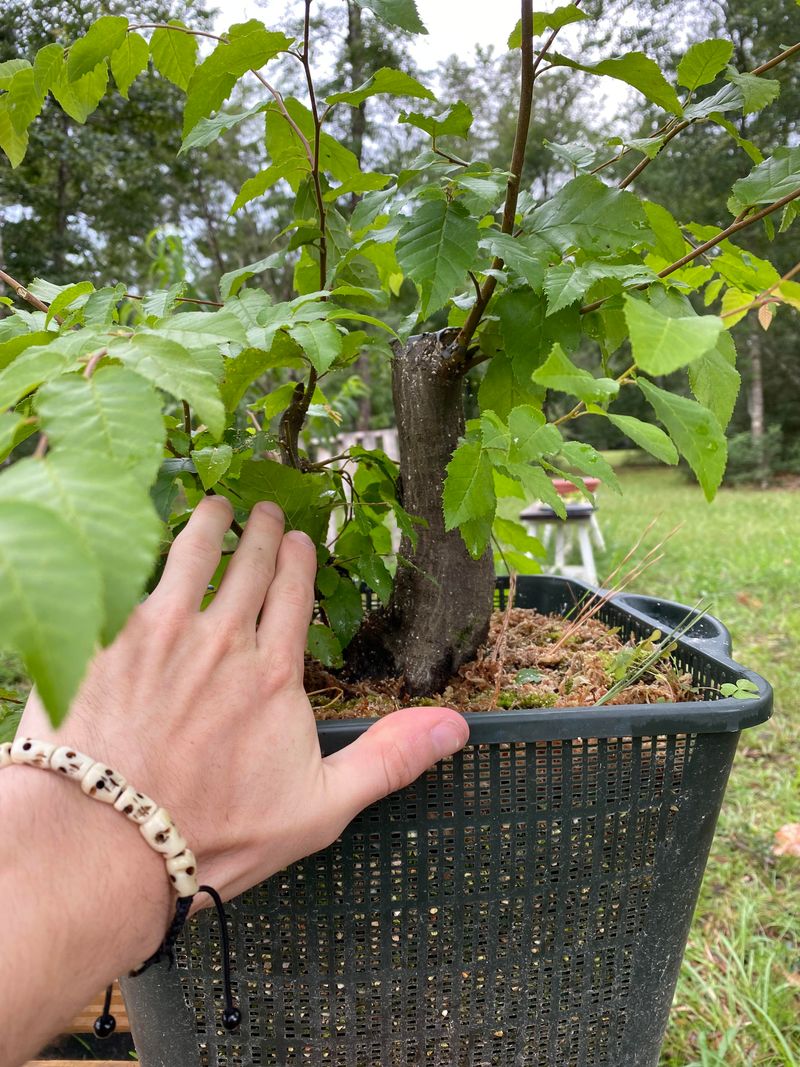
Getting a tree established well is more important than most Ohio homeowners realize. American hornbeam prefers moist, well-drained soil.
In natural settings, it often grows near streams and wooded lowlands where the ground stays consistently moist without being waterlogged. That preference carries over to home landscapes.
During the first two to three years after planting, consistent watering makes a significant difference. Deep watering once or twice per week during dry stretches is more effective than frequent shallow watering.
The goal is to encourage roots to grow deep and wide rather than staying near the surface.
Mulch is one of the most helpful tools during establishment. A 3-inch layer of wood chip mulch spread over the root zone, kept a few inches away from the trunk, helps retain moisture and regulate soil temperature.
It also reduces competition from grass and weeds, which can slow a young tree’s growth noticeably.
Avoid planting hornbeam in soil that stays soggy for long periods after rain. Poorly drained, compacted clay without any amendment can cause problems over time.
If the front yard has heavy clay, loosening the soil at planting and mixing in compost can improve drainage and give roots a better start. Soil preparation at planting is time well spent.
7. Skip Tight Dry Spots That Stress Young Trees
Not every spot in a front yard works for every tree. American hornbeam is a native species with real preferences, and ignoring those preferences during planting leads to a struggling tree rather than a thriving one.
Certain spots are simply not a good match, and recognizing them early saves time and frustration.
Tiny sidewalk strips with compacted, dry soil are a common problem location. The soil volume is too small, the pavement reflects heat, and moisture evaporates quickly.
Hornbeam planted in that kind of spot will struggle to establish and may never develop into the graceful tree it is capable of becoming.
Dry foundation corners with reflected heat from walls or pavement are another poor choice. The combination of heat, low moisture, and compacted soil near a foundation creates conditions that push the tree’s stress tolerance.
Young trees are especially vulnerable in the first few years when root systems are still developing.
Spots with good soil volume, reasonable moisture, and some protection from intense reflected heat are far better choices.
A front yard corner with morning sun, afternoon shade, decent loamy soil, and room to mulch the root zone gives hornbeam strong conditions.
Those conditions help it settle in and grow steadily over time.
8. Grow A Front-Yard Tree Most Neighbors Will Not Have
Planting a tree that almost nobody else on the block has chosen is a quiet kind of confidence. American hornbeam is not the flashiest tree in the nursery catalog.
It does not announce itself with a cloud of pink blossoms or a blazing red canopy in October. What it offers is steadier and more layered than that.
The muscular bark catches attention in winter when most other small trees have nothing to show. The layered branching gives the yard a structured, woodland-edge quality that feels considered rather than generic.
Fall color adds warmth to the yard in autumn without demanding the whole spotlight.
Wildlife value is another genuine benefit. Hornbeam seeds are eaten by birds including ruffed grouse and songbirds.
The dense branching provides nesting and cover opportunities. Planting a native tree with real ecological function connects a front yard to the broader landscape in a way that non-native ornamentals simply cannot match.
For homeowners who want a front yard that reflects a thoughtful relationship with this region’s native plants, hornbeam delivers something meaningful. It grows slowly and quietly, earning its place over years rather than seasons.
It rewards the kind of attention that most passersby will eventually start to notice and ask about.