This Ohio Vegetable Produces Way More With One Simple Companion Plant
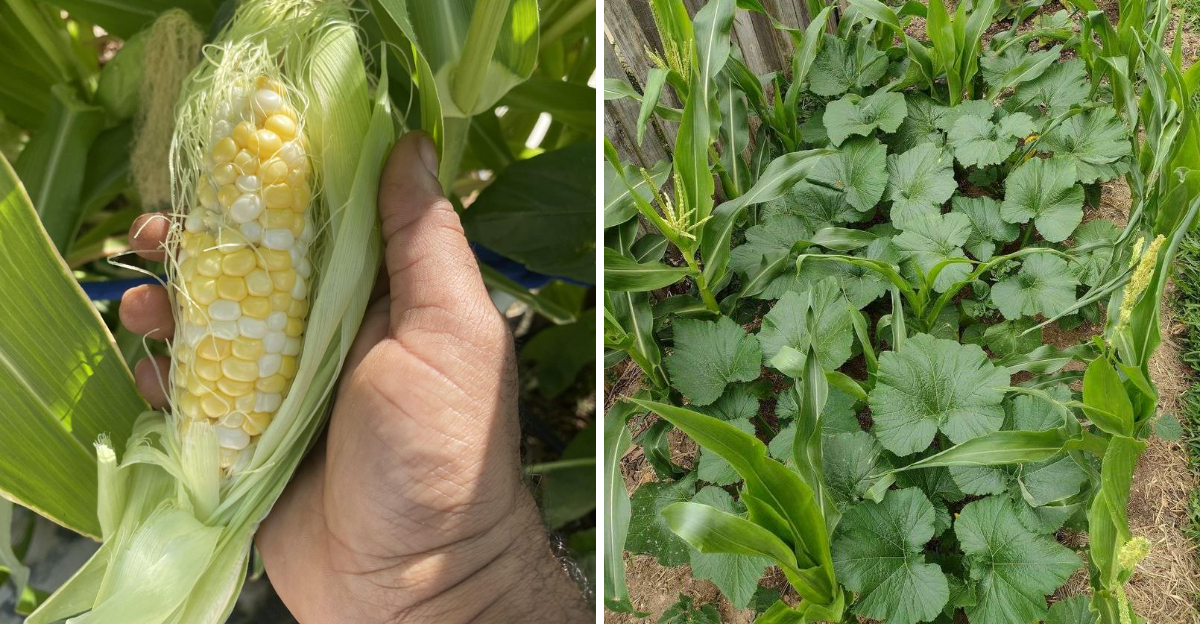
Many Ohio gardeners grow sweet corn the same way every year. Same spacing, same fertilizer routine, same results.
Good enough, but not great.
What very few of them know is that one additional plant, something that costs almost nothing and takes up no extra space, changes the entire dynamic of how corn grows.
It feeds the soil. It uses the corn as a trellis. It produces its own harvest while the corn is doing its thing.
And the combination has been working in garden beds across the eastern United States for centuries before anyone thought to put it in a seed catalog.
Ohio State University research backs the biology behind it, but the practice itself is older than the university by a considerable margin.
If your sweet corn has been leaving you a little underwhelmed at harvest time, there is a good chance this is the missing piece. Ready to find out what it is?
1. Start With Sweet Corn And Pole Beans
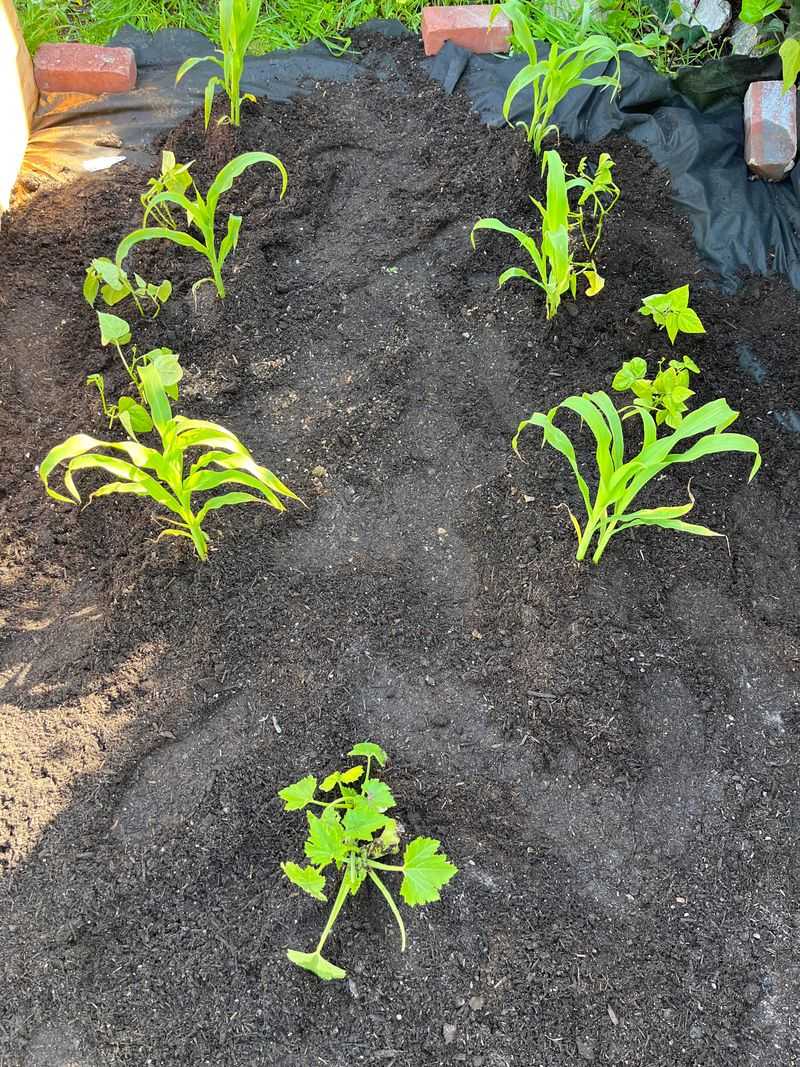
A warm July afternoon in an Ohio backyard. Rows of sweet corn standing tall, leaves catching the breeze, while pole beans wind their way upward along every stalk.
That image is not just visually satisfying. It is one of the most productive plant pairings a home gardener can put in the ground.
Sweet corn is the warm-season crop at the center of this story.
It thrives across Ohio from late spring through late summer, and varieties like Bodacious, Incredible, and Silver Queen are popular choices well-suited to the state’s humid summers and fertile soils.
Many Ohio gardeners already know how to grow it. The question is whether they are growing it as well as they could.
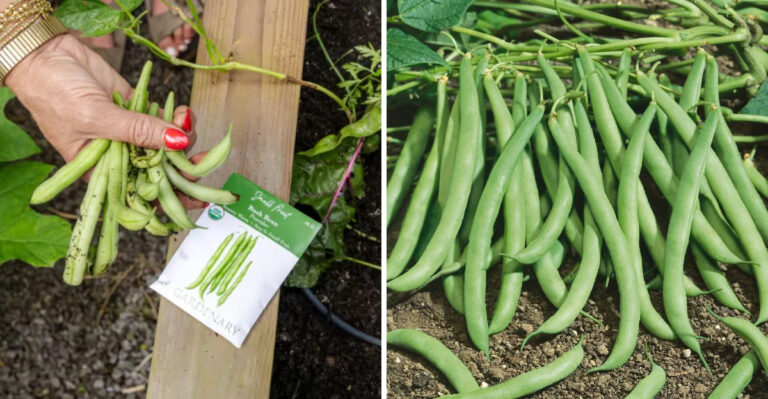
The companion plant is the pole bean. Unlike bush beans, which stay low and compact, pole beans climb. They need vertical support to produce well, and that need turns out to be a perfect match for what sweet corn naturally provides.
The corn offers structure, and the beans offer a soil benefit that keeps the corn fed through the growing season.
Together, these two plants form a working partnership where each contributes something the other genuinely needs.
Starting with the right varieties of each makes the whole system run more smoothly from the very first week of planting, which is the kind of setup that rewards a small amount of planning with a noticeably larger harvest.
Not a bad trade for two packets of seeds.
2. Corn Stalks Support The Beans Naturally
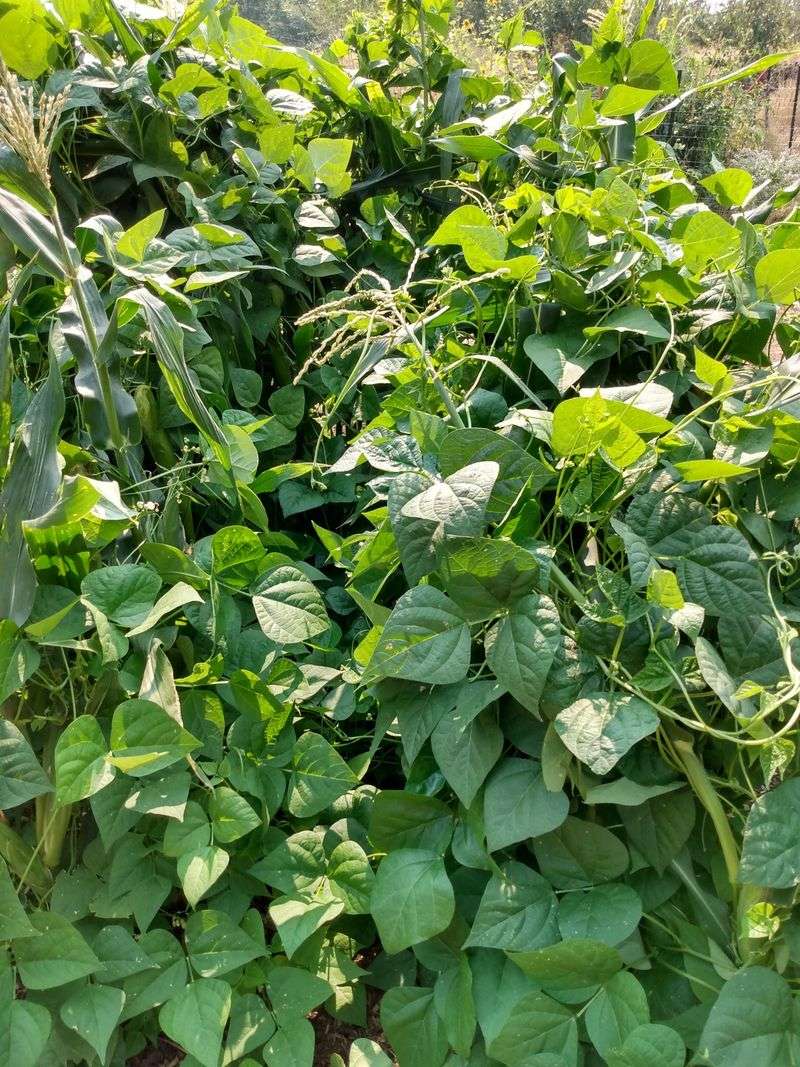
Walk down a row of mature sweet corn and you will notice something genuinely sturdy.
The stalks feel almost woody near the base, firm enough to stand up to summer storms and strong Ohio winds without much trouble.
That strength is exactly what pole beans are looking for in a support structure, and it is already built and waiting.
Pole beans are vigorous climbers. They send out thin, curling tendrils that wrap around whatever is nearby, pulling the vine upward as the plant grows.
In a typical garden, that means building wooden trellises, bamboo teepees, or wire fences to give those vines somewhere to go. With corn already in the ground, that job is handled before the beans even go in.
Your Ohio Garden Changes Every Week. Your Plan Should Too.
Gardening in Ohio changes quickly throughout the season. Every Friday you’ll receive a simple weekly plan showing exactly what to plant, prune, fertilize, harvest, and protect so you never miss the right timing.
The corn stalk acts as a living trellis, holding the bean vine off the ground and keeping leaves in sunlight where they can photosynthesize efficiently.
Beans left on the ground are more likely to rot, attract slugs, and produce fewer pods. Elevated beans stay cleaner, dry faster after rain, and are considerably easier to harvest without crouching down and searching through foliage.
Pole beans can reach six to eight feet tall under good Ohio conditions, and a corn stalk of similar height handles that load without any problem.
The relationship works because the bean vine is lightweight and flexible, so it does not bend or stress the corn stalk the way a heavier plant would.
The support is reliable, natural, and costs nothing extra to set up once the corn is already in the ground and growing strong.
3. Beans Improve The Soil Around Corn
Corn is a hungry crop. It pulls a significant amount of nitrogen out of the soil as it grows, which is why many gardeners need to apply fertilizer mid-season to keep plants producing well.
Pole beans bring a natural solution to that problem, and it all happens underground where many gardeners never think to look.
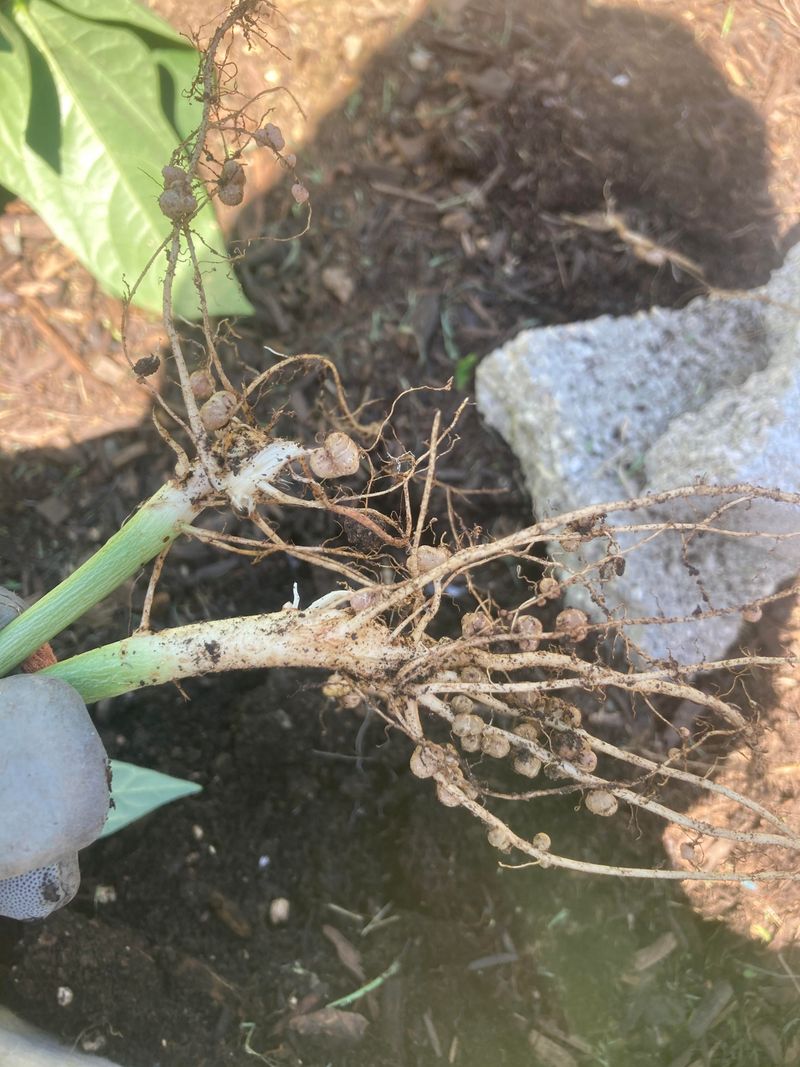
Legumes like pole beans form a partnership with specific soil bacteria called rhizobia.
These bacteria attach to the bean plant roots and form small nodules, tiny round bumps that convert nitrogen from the air into a form plants can actually use.
This process is called nitrogen fixation, and it is one of the most valuable things a companion plant can contribute to a vegetable bed.
As the bean plant grows and eventually breaks down, that stored nitrogen releases slowly into the surrounding soil.
Corn roots nearby can access it, which means the soil stays more fertile through the course of the season without the gardener doing much to make it happen.
The benefit builds more noticeably over multiple growing seasons rather than delivering a dramatic single-season result.
Gardeners should still add compost or balanced fertilizer before planting, especially for the first year of this pairing. The beans are a long-term investment in soil health rather than a quick fix for depleted ground.
Over time, rotating this planting pair around the garden helps spread the improvement and keeps every bed more productive.
It is the kind of system that gets better the longer you use it, which is not something most gardening advice can honestly claim.
4. Block Planting Helps Corn Pollinate Better
One of the most common mistakes new corn growers make is planting a single long row. It looks tidy and organized, but it creates a real problem when pollination time arrives.
Sweet corn relies on wind to carry pollen from the tassels at the top down to the silks on each ear below, and a single row means that pollen mostly blows sideways and away.
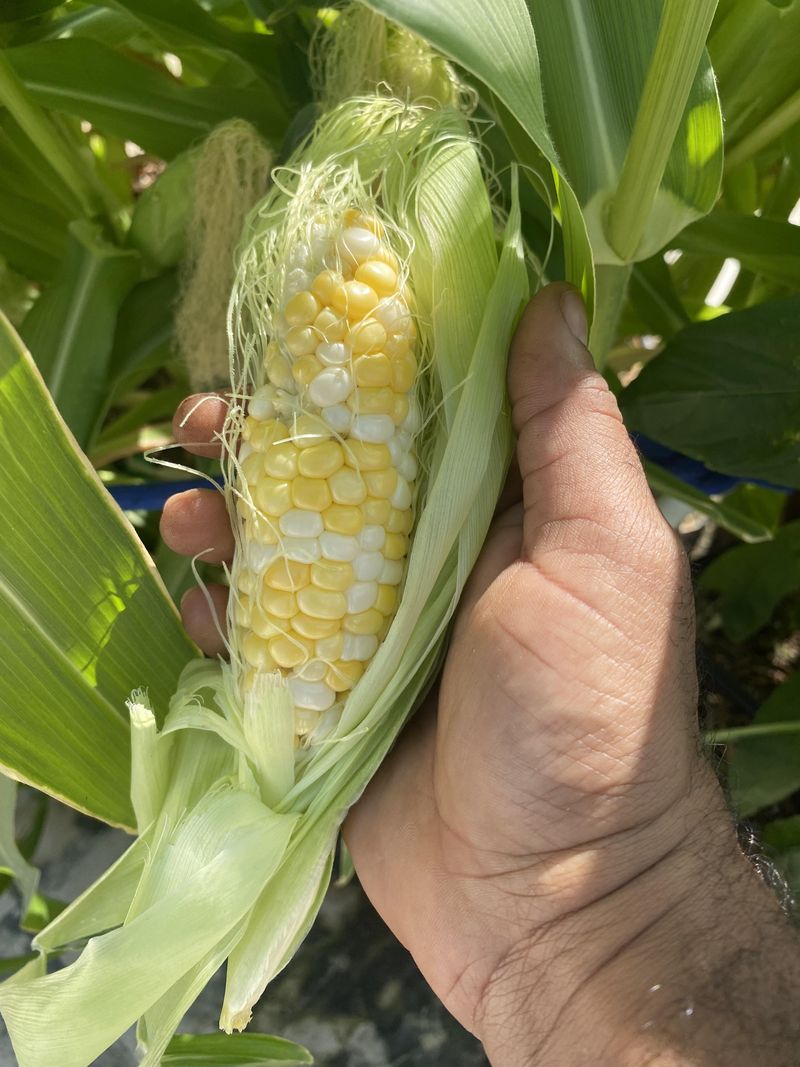
Poorly pollinated ears end up with gaps, missing kernels, and stunted tips. That is a frustrating result after months of watering and waiting, especially when the fix is so straightforward.
Plant corn in a block instead of a line and the pollination problem mostly solves itself.
A block planting arrangement means setting up at least four short rows side by side, creating a square or rectangular cluster.
With corn growing in every direction around each plant, pollen released from any tassel has a much better chance of landing on nearby silks.
Kernel fill improves noticeably, and those disappointing gappy ears become considerably less common.
For the companion planting system to work well, the corn block needs to be established first. Aim for at least four rows wide with plants spaced about twelve inches apart within each row and thirty-six inches between rows.
Once that block is set and growing, pole beans go in around the outer edges and between the stalks, where they have climbing room without crowding the developing ears.
Block planting improves the corn and makes the companion system work better at the same time, which is a two-for-one outcome worth planning for.
5. Beans Go In After Corn Stands Taller
Timing is everything with this pairing, and getting it wrong can hurt both crops. Many first-time companion planters make the mistake of sowing beans and corn at the same time.
On paper it seems efficient, but in practice it creates a race that the beans tend to win early, and that early lead causes real problems for the corn.
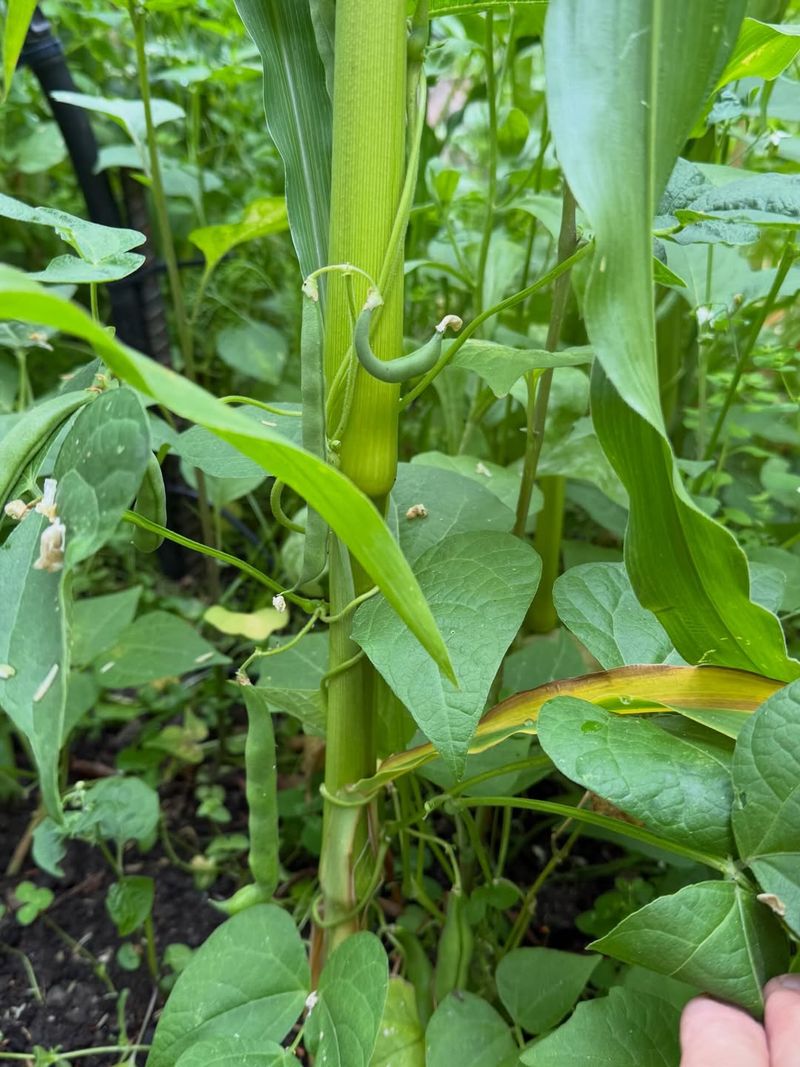
Pole beans germinate and establish quickly. If they go into the ground alongside newly sprouted corn, the bean vines can start climbing before the corn stalks are strong enough to handle the weight.
Worse, bean foliage can shade out young corn seedlings right when they need full sun the most, slowing their growth at a critical stage.
The right approach is to plant the corn first and wait. Most companion planting guidance consistently recommends waiting until the corn is at least six inches tall, and ideally closer to eight to ten inches, before sowing the pole beans.
At that height, the corn has a strong enough root system and stalk base to support a climbing vine without being overwhelmed by it.
In Ohio, sweet corn is typically direct-seeded after the last frost date, which falls between late April and mid-May depending on the region.
That means pole beans usually go in during mid to late May or early June. Staggering the planting by two to three weeks gives the corn the head start it needs to play the support role well through the entire season.
A few weeks of patience at the start is worth considerably more than two months of trying to fix a problem that could have been avoided entirely.
6. Even Water Keeps The Pair Productive
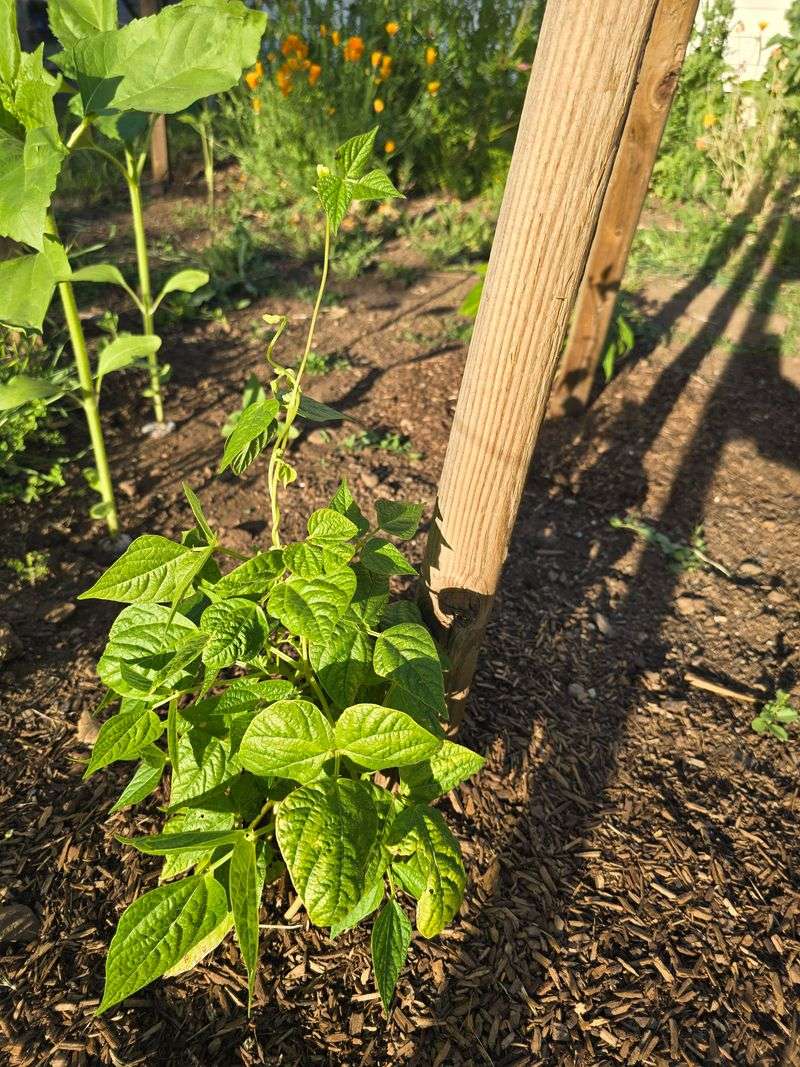
Steady moisture is one of the most overlooked factors in a successful corn and bean garden.
Both crops need consistent water to hit their production potential. But irregular watering, where the soil swings between soaking wet and bone dry, stresses both plants and reduces yields in ways that are hard to recover from mid-season.
Sweet corn is especially sensitive to water gaps during two critical windows. The first is during the rapid growth phase when the stalk is shooting upward and developing its root system.
The second, and more important, is during silking and pollination. Dry soil during silking leads to poor kernel development and short, gappy ears that are disappointing after months of growing.
Pole beans also drop blossoms quickly under drought stress. When beans do not get enough water, they shed flowers before pods can form, which means fewer beans per plant and a shorter overall harvest window.
Ohio summers can bring stretches of hot, dry weather, so a reliable watering routine matters more than many gardeners expect until they miss it one season and see the difference.
Aim for about one inch of water per week through a combination of rainfall and supplemental irrigation.
A soaker hose laid along the base of the corn block delivers water directly to the root zone without wetting the foliage, which matters in Ohio’s humid summer air where wet bean leaves invite fungal problems.
Mulching with straw or shredded leaves around the base locks in soil moisture between watering sessions and keeps the root zone cooler during heat waves.
It is a small setup step that pays dividends through the entire growing season.
7. Squash Only Fits With Enough Room
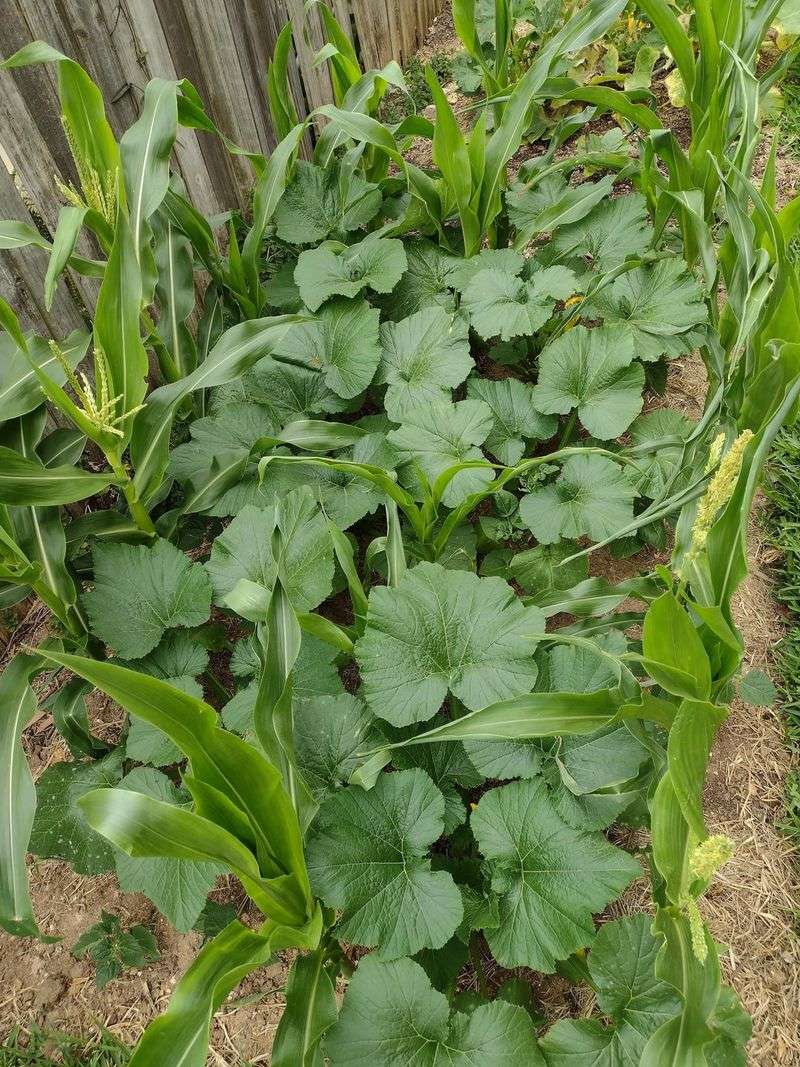
The traditional Three Sisters planting comes from Native American agricultural traditions, particularly from the Haudenosaunee and other nations of the Northeast and Great Lakes regions.
Corn, beans, and squash were grown together for centuries because each plant contributed something the group needed.
Adding squash to the corn and bean pairing is a logical next step, but it comes with a space requirement that stops most Ohio home gardeners quickly.
Squash plants, especially winter varieties like butternut or Hubbard, spread aggressively. A single plant can send vines sprawling six to ten feet in every direction.
In a small backyard garden, that kind of spread quickly crowds out everything nearby and makes it nearly impossible to tend the corn and beans without stepping on something or constantly redirecting vines that have their own plans.
Summer squash varieties are more compact, but they still need more room than most small plots can comfortably provide.
The Three Sisters system works best in larger garden spaces where squash vines have room to move without competing too heavily with the corn and beans for light and soil nutrients.
For gardeners working with a smaller plot, the corn and bean pairing alone delivers strong results without the space challenge.
Adding squash is a rewarding experience when the yard genuinely accommodates it, but skipping it does not reduce the value of what the corn and beans are already doing for each other.
Know your garden’s actual limits before committing to all three crops, and do not let the romance of the traditional three-plant system talk you into a spacing situation your yard cannot support.