This Is The Overlooked Ohio Native Berry That Turns Fall Gardens Into A Bird Magnet
Almost every September, something happens in certain Ohio backyards that stops people mid-step.
Birds arrive. Not one or two. Dozens. Sometimes more. Robins, thrushes, warblers, and catbirds move through the branches of a single shrub with a focus that feels almost theatrical.
The shrub behind that scene is not flashy in the usual garden-center way. Many Ohio gardeners have walked past it along woodland edges, creek banks, or shaded trails without giving it a second look.
That is part of its charm.
It blooms early, before its leaves fully open. It hosts one of Ohio’s most striking native butterflies. Brush the stems or leaves, and the scent lands somewhere between allspice and citrus.
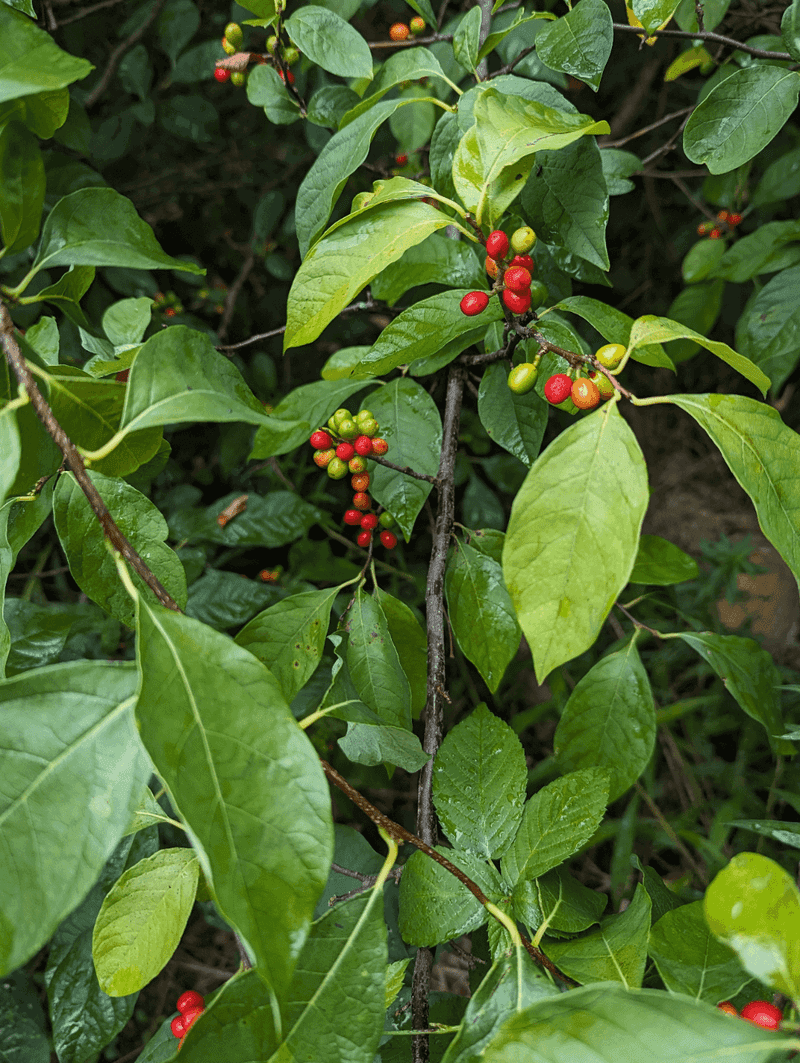
By fall, female plants can carry glossy red berries that migrating birds find fast.
It does not ask for much in return. Give it part shade, reasonable moisture, and enough room to settle in, and it becomes one of the quietest wildlife powerhouses in the yard.
For Ohio gardeners trying to bring more birds into the fall garden, it is the native shrub worth knowing before the berries ripen.
Meet Spicebush Before The Birds Do
Long before any of us started putting in gardens, spicebush was already earning its place in Ohio’s ecosystems.
Early American settlers used the twigs as a substitute for allspice. The berries were used as a spice during the Revolutionary War when imported seasonings were unavailable.
This shrub has a history in this landscape that most ornamentals cannot come close to matching.
Lindera benzoin is a native deciduous shrub that grows six to twelve feet tall and wide, which fits comfortably into most backyard spaces without dominating the surrounding planting.
It belongs to the laurel family, which explains the wonderful spicy-citrus fragrance that rises from crushed leaves, broken stems, and ripe berries. Every part of the plant carries that scent.
Spicebush grows naturally in the moist, shaded areas that characterize much of Ohio’s woodland landscape.
It appears along stream banks, at forest edges, and in the understory beneath oaks and maples. It did not need anyone to plant it in those spots. It simply thrived there because the conditions matched what it evolved for.
What sets it apart from nearly every shrub available at a standard garden center is the ecological value it delivers across every season.
Host plant for the spicebush swallowtail butterfly. Early nectar source for pollinators. Fall food source for over thirty species of migrating birds. Winter structure for songbirds.
Many garden centers barely stock it. Many homeowners have never heard of it.
That is a situation worth correcting before the next fall migration season passes without a single thrush visiting the yard.
Plant Male And Female Shrubs
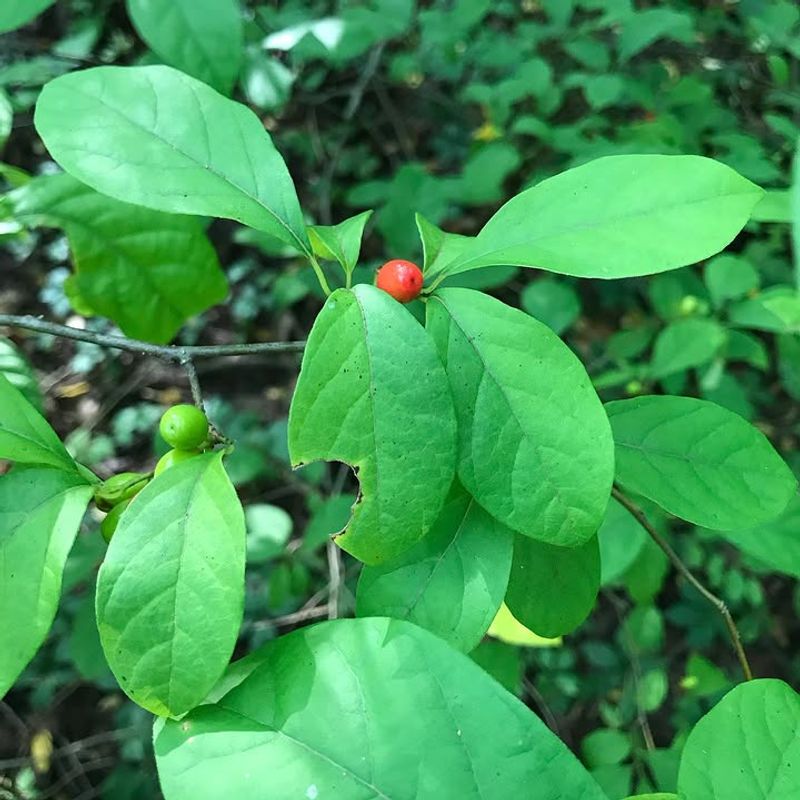
Spicebush keeps a secret that most plant tags forget to mention, and it is the kind of secret that produces real disappointment if it goes unaddressed before planting day.
This shrub is dioecious, meaning male and female flowers grow on entirely separate plants. Plant only one shrub and the result is a healthy, attractive plant that produces absolutely zero berries in fall.
Your Ohio Garden Changes Every Week. Your Plan Should Too.
Gardening in Ohio changes quickly throughout the season. Every Friday you’ll receive a simple weekly plan showing exactly what to plant, prune, fertilize, harvest, and protect so you never miss the right timing.
The birds will appreciate the cover and the foliage. But the entire fruit-filled fall show that makes spicebush worth knowing about requires both genders present and within range of each other.
At least one male plant needs to grow within about one hundred feet of the female plants for successful pollination.
The ratio most native plant specialists recommend is one male for every three to five females. Male plants are not passive participants.
They bloom with equal enthusiasm in early spring and provide excellent garden structure and cover year-round. They are just not producing berries.
When buying spicebush, ask the nursery directly whether the plants are male or female.
Reputable native plant nurseries in Ohio tend to sell clearly labeled plants. Others may sell unnamed seedlings where the plant’s berry potential may not be clear until it matures and flowers.
Planting a cluster of three to five shrubs together, mixing males and females, creates a natural thicket that mirrors wild spicebush colonies and produces far more berries than a single plant ever could.
One spicebush is a nice start. A small colony is what actually changes what happens in the yard each September.
Expect Yellow Flowers Before Leaves
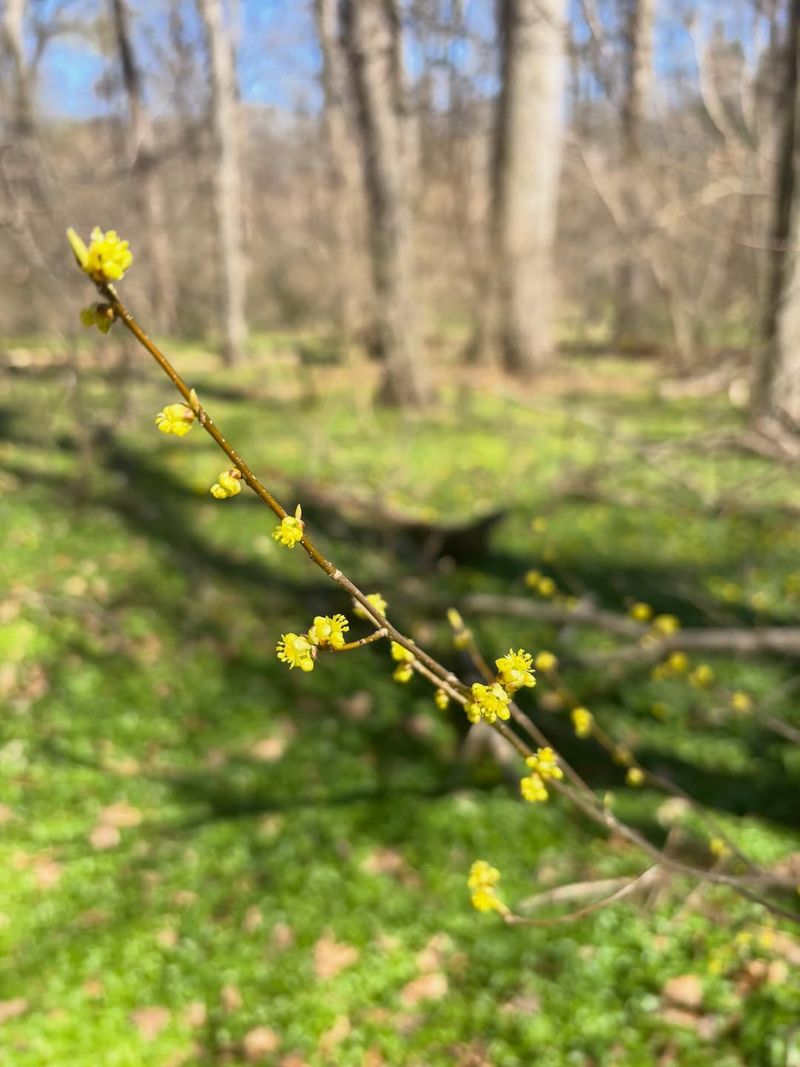
While forsythia is still building up to its moment in the spotlight, spicebush is already done with its first act.
In Ohio, spicebush flowers typically open in March and occasionally in late February, making it one of the earliest native shrubs to signal the shift from winter to something else.
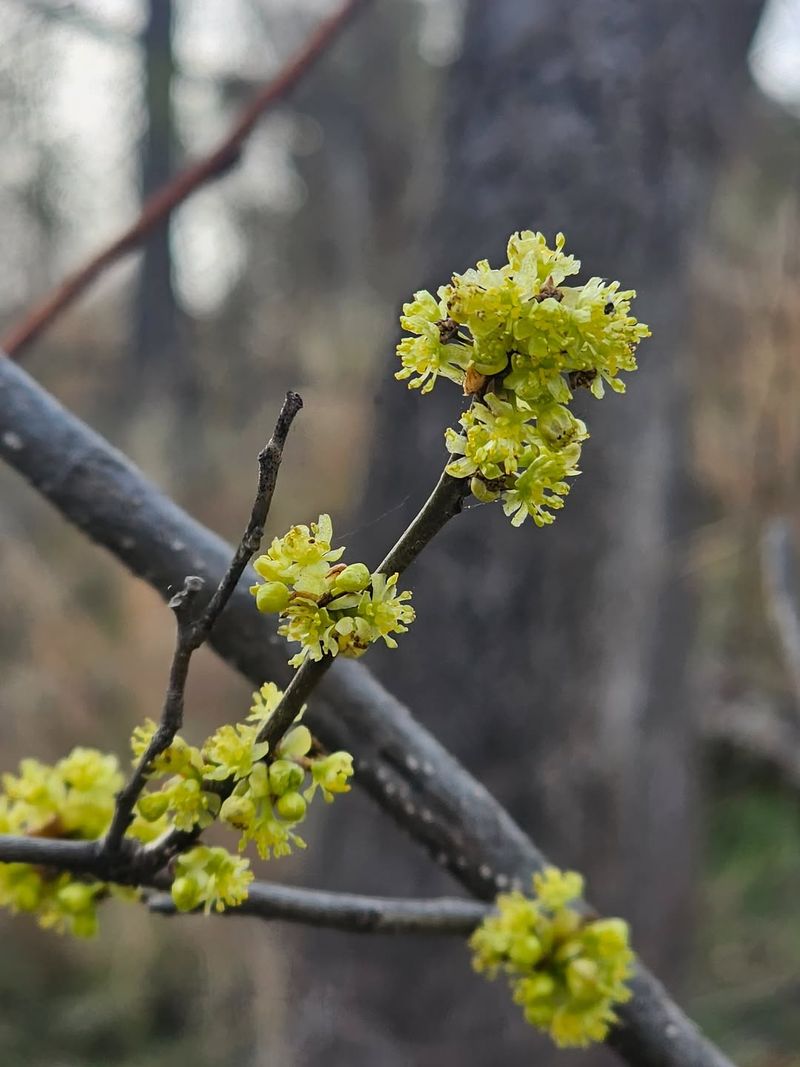
The tiny clustered yellow flowers appear directly on the bare stems before a single leaf has opened. From across the yard, the effect is a soft golden haze across the whole plant.
Up close, the blooms look like small yellow stars scattered along gray winter branches. The fragrance is faint and sweet, something between honey and citrus that rewards leaning in.
That early bloom is not just a visual moment. It is ecologically critical. Native bees, small flies, and other insects emerge from winter dormancy when almost nothing else is flowering.
Spicebush provides a reliable early food source at the exact moment pollinators most need it.
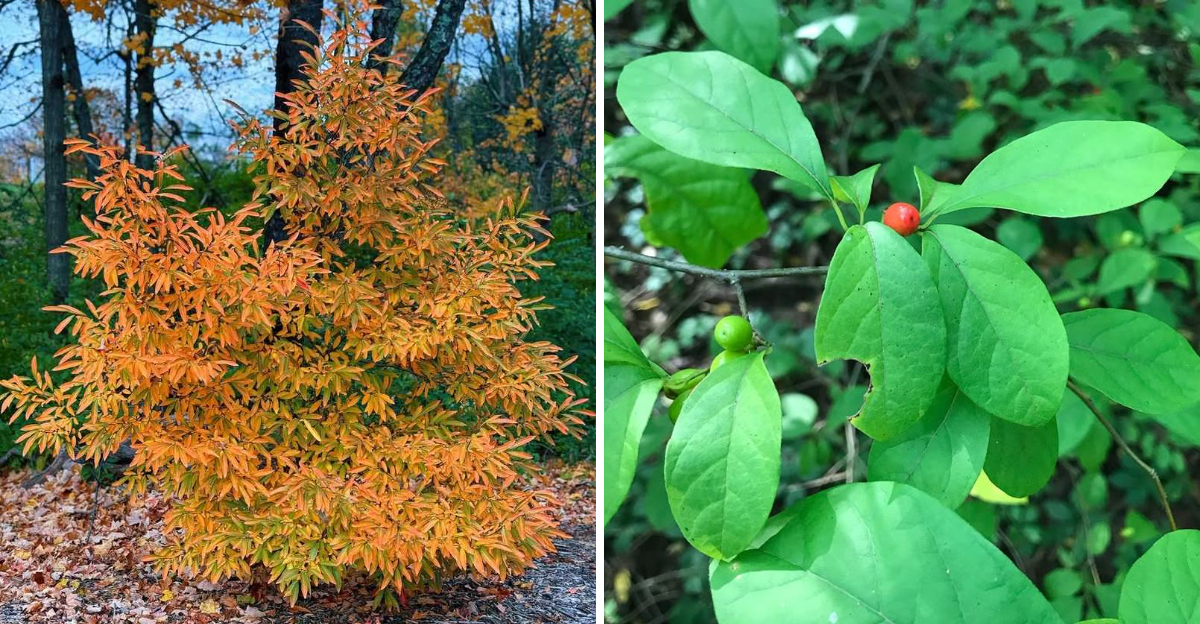
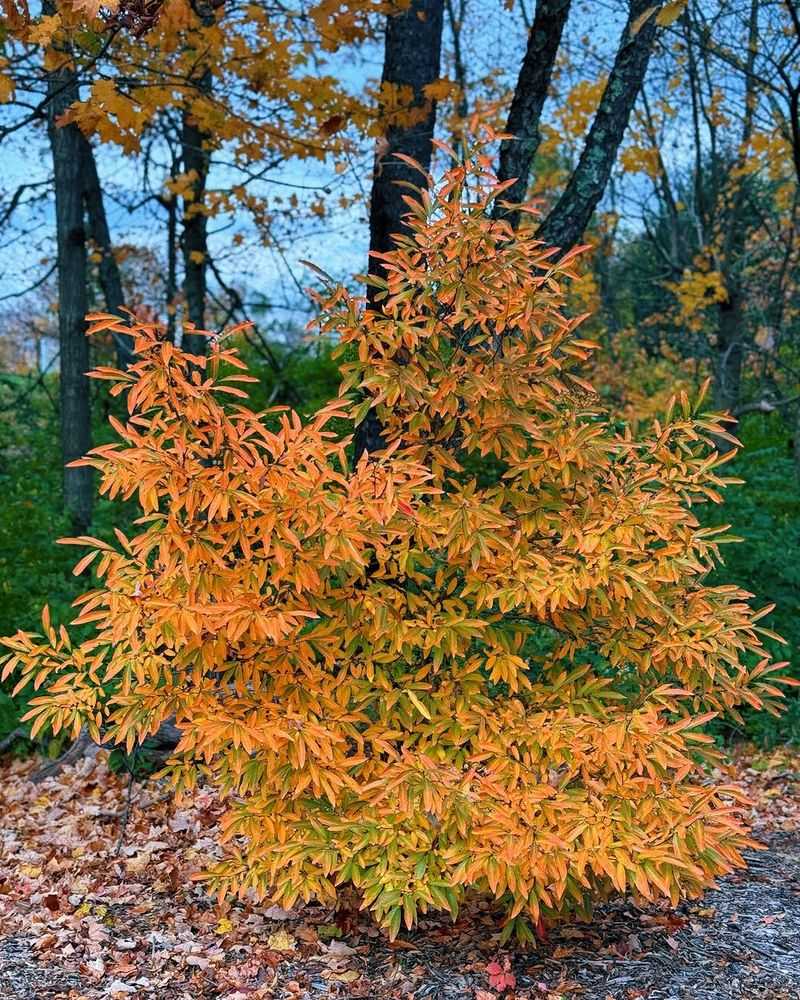
After the flowers fade, bright green leaves emerge and hold through summer before shifting to warm golden-yellow in fall.
That autumn foliage coincides with berry ripening, which layers two forms of seasonal interest simultaneously in a way that most ornamental shrubs never attempt.
Spicebush earns attention in the garden every month of the year. The February bloom on a cold Ohio morning is the opening scene of a performance that runs all the way through the first hard freeze and into winter structure.
Forsythia has two good weeks. Spicebush has twelve good months.
Watch Red Fall Berries Pull In Birds
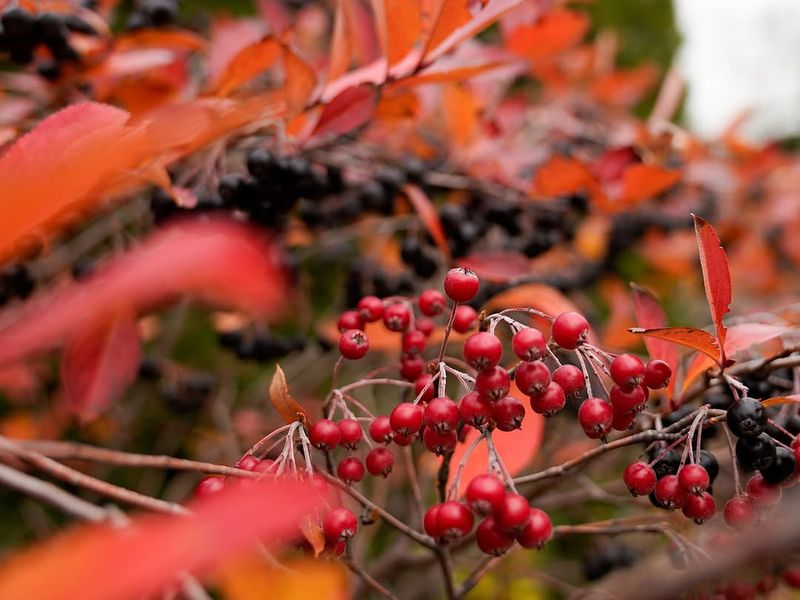
September arrives and spicebush transforms almost overnight.
The small oval fruits, each roughly the size of a large pea, shift from green to a brilliant glossy red that practically glows against the golden fall foliage surrounding them.
A fully fruiting spicebush in late September is one of the more visually striking moments available in an Ohio garden.
Then the birds find it.
Within days of the berries ripening, the activity begins. Robins, thrushes, catbirds, vireos, and warblers arrive with a focus and urgency that feels entirely different from casual garden bird visits.
At least twenty-four species are consuming spicebush berries, placing it among the most bird-productive native shrubs in the eastern United States.
The berries do not stay on the plant for long. A healthy fruiting shrub can be completely stripped within a week or two as migrating flocks move through.
Some years, a single morning brings enough birds to clear half the fruit before noon.
Setting up a garden chair near a mature spicebush in late September is one of the genuinely rewarding birdwatching experiences available in Ohio without traveling anywhere or purchasing anything.
No feeder. No seed. No cleanup. Just a native shrub doing exactly what it evolved to do in this landscape.
The birds know where the spicebush is. The only question is whether the gardener planted any.
Feed Robins During Migration Season
Robins are familiar enough in Ohio that most people stop noticing them after spring. The fall version of robin migration is a different experience entirely, and spicebush is central to making it visible from the backyard.
Migrating robins shift heavily toward fruit in autumn to build the fat reserves they need for long southward flights.
The summer earthworm strategy does not carry them through migration season. They need high-energy fruit, and they need it at the right moment.
Spicebush berries ripen in September and October, which aligns almost precisely with peak robin migration through Ohio.
Large flocks, sometimes numbering in the hundreds, move through the state during this window. A yard with mature fruiting spicebush shrubs can attract remarkable concentrations of birds in a very short period.
Robins swallow the berries whole rather than pecking them apart, which makes them effective seed dispersers.
The seeds pass through the digestive system intact and get deposited in new locations with a ready supply of fertilizer.
Spicebush has been spreading itself across Ohio’s woodland edges through exactly this process for a very long time.
Planting spicebush connects the yard to that natural cycle in a way that feels genuinely different from feeding birds from a purchased bag of seed.
The berries belong in this landscape. The robins know it. The gardener gets to watch the reunion every September.
Support Thrushes With Fat Rich Fruit
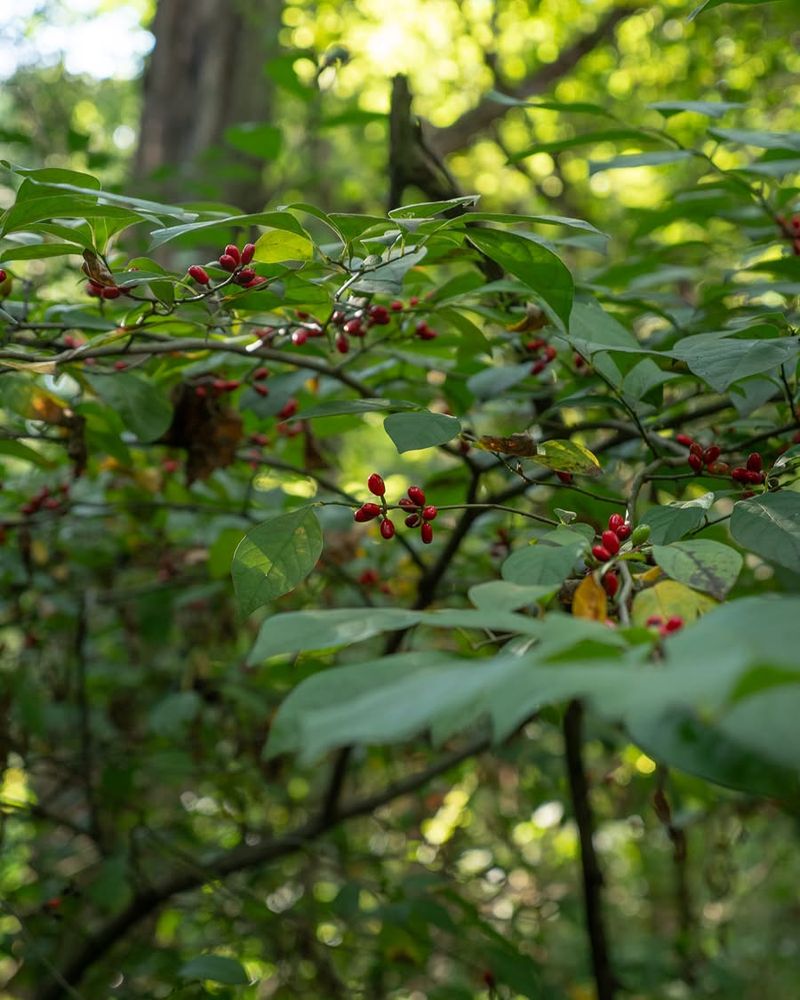
Not every bird that visits spicebush announces its arrival the way a flock of robins does. Thrushes are quieter, shyer, and considerably more dependent on high-energy fruit during fall migration.
They are also among the birds that benefit most specifically from what spicebush berries provide.
Swainson’s thrush, hermit thrush, and veery pass through Ohio each fall on migration routes that cover extraordinary distances.
These birds need to build fat reserves efficiently, and the nutritional profile of spicebush berries matches that need better than most other native fruits available in October.
Spicebush berries contain lipid-rich oils with unusually high energy density compared to carbohydrate-heavy fruits.
Birds fueling on lipid-rich fruits build fat reserves faster and more efficiently. For a thrush crossing Lake Erie on a cold October night, that efficiency is not a minor detail.
Thrushes tend to feed in the interior of shrubs rather than on exposed outer branches, which means the behavior reads as subtle movement inside the plant rather than obvious bird activity.
Planting spicebush in a naturalistic cluster with surrounding shrub cover gives thrushes the sense of security they prefer and keeps them feeding longer per visit.
A hermit thrush working quietly through a spicebush thicket on a gray October morning is one of those garden moments that does not photograph well but stays with the person who witnessed it.
The thrush is not performing for the audience. The gardener just got lucky with the timing.
Give Spicebush Moist Woodland Soil
Figuring out where spicebush wants to grow in the yard is straightforward once the plant’s native habitat gets considered.
Spicebush grows naturally along creek banks, at forest edges, and in the understory beneath tall oaks and maples. That description covers a significant number of difficult spots in Ohio residential landscapes.
Part shade to full shade suits spicebush best, though it tolerates more sun when soil moisture is reliable.
Rich, loamy soil with good organic matter and consistent moisture produces the strongest growth and most abundant berry production. Dry, sandy, compacted, or consistently waterlogged soils present more challenge.
The shaded side yard that nothing seems to fill well. The low spot near a downspout that stays wetter than the rest of the lawn.
The woodland edge at the back of the property where lawn grass gave up and nothing else has been tried. These are the spots spicebush was essentially designed for.
Mulching around newly planted shrubs with shredded leaves or wood chips retains soil moisture and mimics the leaf litter of a forest floor that spicebush naturally grows in.
It does not need fertilizer in reasonable soil and rarely needs pruning beyond removing crossing or damaged branches in late winter.
Ohio gardeners with genuinely difficult shady spots that have defeated every previous planting attempt frequently find that spicebush settles in without complaint and starts producing berries within a few seasons.
A problem corner that becomes one of the most productive wildlife spots in the yard is not a bad outcome for a shrub that asks for very little.