7 Native Ohio Plants That Reduce Muddy Spots After Spring Storms
Every Ohio gardener knows that feeling after a heavy spring storm. You walk outside expecting to check on the garden and instead find yourself tip-toeing around patches of soupy, churned-up mud that seem to appear in the same spots every single time.
The usual suspects, low areas near downspouts, the edge of the lawn where water collects, the base of a slope that funnels runoff straight into your beds. Throwing mulch at the problem buys a little time.
Regrading helps in some situations. But the most effective long-term fix Ohio gardeners have available is also the most overlooked one.
The right native plants do something no landscaping material can replicate. Their root systems go deep, break up compacted soil, absorb excess moisture, and hold everything together from the ground up.
Planted in and around the spots that turn into mud baths every spring, they gradually change how that ground handles water altogether. Ohio has native plants practically built for exactly this job.
These bring both function and genuine beauty to the spots most gardens would rather pretend don’t exist.
1. Plant Swamp Milkweed Where Rainwater Lingers
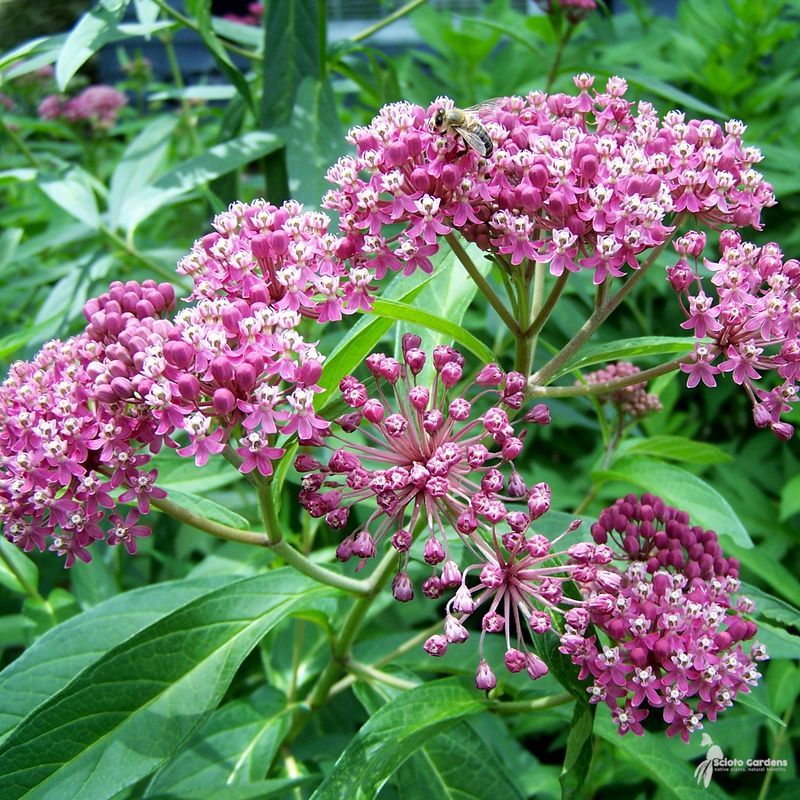
If you have a low spot in your yard where rainwater collects after every spring storm and the ground stays soft for days, swamp milkweed might be exactly what that area needs.
Native to Ohio wetlands and moist meadows, Asclepias incarnata thrives in consistently damp to wet soil, making it a strong candidate for rain gardens, soggy lawn edges, and moist borders where other plants struggle to get established.
Swamp milkweed performs best in full sun to part sun and appreciates having room to mature, so plan for a spacing of about 18 to 24 inches between plants. The fibrous root system helps anchor soil in place, which reduces bare muddy patches over time.
Ohio State University Extension recognizes swamp milkweed as a reliable native for moist sites, and its value goes beyond drainage since monarch butterflies depend on it as a host plant during their migration through Ohio.
One thing to keep in mind: swamp milkweed does best where moisture is dependable but not permanently standing.
If your low spot holds deep water for weeks at a stretch, pairing it with other wet-tolerant species will give better results than relying on a single plant to carry the whole area.
2. Use Blue Flag Iris To Brighten Wet Low Spots
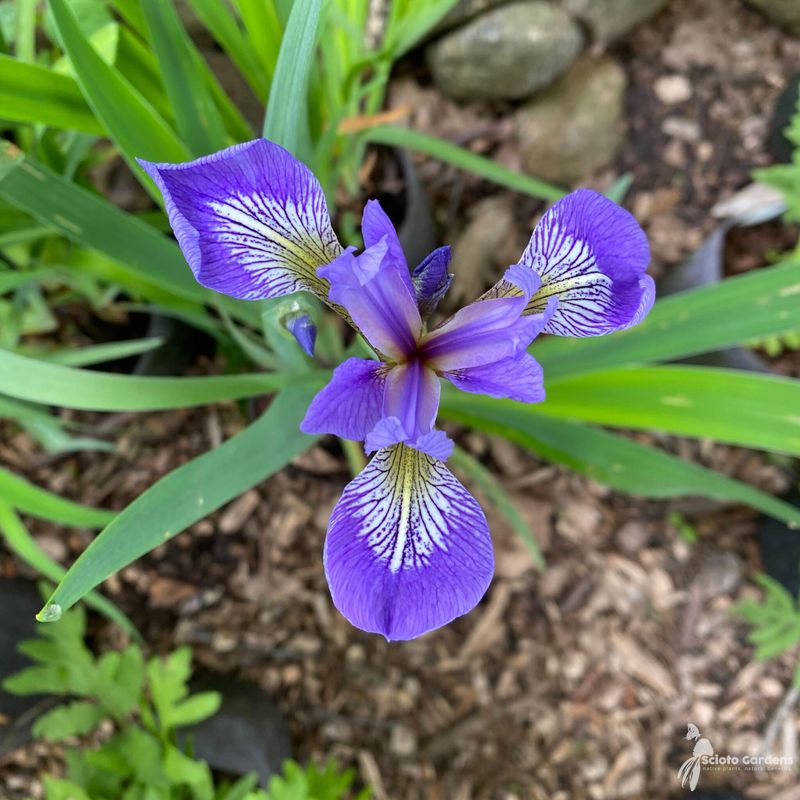
Walk past a rain garden in early May and you might spot the striking blue-violet blooms of blue flag iris rising above the waterlogged soil.
Iris virginica var. shrevei is one of Ohio’s native irises, and it brings real visual structure to soggy low spots that would otherwise just sit bare and muddy after spring storms roll through.
Blue flag iris does well along drainage swales, pond edges, rain garden interiors, and any low area that stays reliably moist from spring through summer. The key word here is reliable.
Planting it in soil that dries out quickly or bakes hard in July will leave you with a stressed plant that never quite performs.
Your Ohio Garden Changes Every Week. Your Plan Should Too.
Gardening in Ohio changes quickly throughout the season. Every Friday you’ll receive a simple weekly plan showing exactly what to plant, prune, fertilize, harvest, and protect so you never miss the right timing.
Where moisture is consistent, though, blue flag iris settles in with confidence and spreads gradually to form a dense clump that covers and protects the soil below.
Grouping several plants together rather than spacing them far apart gives you better soil coverage and a stronger visual impact. Start with clusters of three to five plants in a low spot and let them fill in naturally over a couple of seasons.
The foliage stays upright and attractive even after the blooms fade, which keeps the area looking tidy through the rest of the growing season.
3. Let Soft Sedge Hold Soil In Place
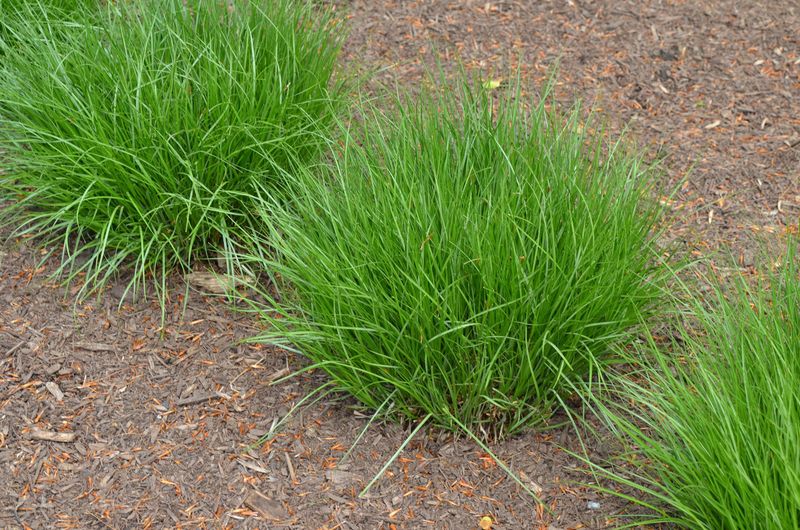
Sedges do not get nearly enough credit in Ohio yards, and that is a shame because soft sedge might be one of the most practical native plants you can put to work in a damp, muddy problem area.
Native soft sedge, Carex molesta, and other Ohio-native sedges form dense, low-growing clumps with fibrous root systems that grip the soil and hold it in place even when spring rain hammers the ground repeatedly.
Soft sedge works well along wet edges, inside rain gardens, and in spots where lawn grass gives up because the ground stays too damp for too long. It handles part shade to full sun and tolerates compacted clay soil better than many showier perennials.
In newer Ohio subdivisions where the topsoil was stripped during construction and the subsoil is heavy and slow to drain, sedges often outperform plants that need looser, more fertile ground.
One smart strategy is to use soft sedge as a matrix or filler plant around taller, showier natives like swamp milkweed or cardinal flower. The sedge knits together the bare soil between the bigger plants, reducing mud and slowing surface runoff.
It may not be the star of the garden, but it quietly does the work that keeps everything else looking better after a storm.
4. Add Cardinal Flower For Soggy Pollinator Patches
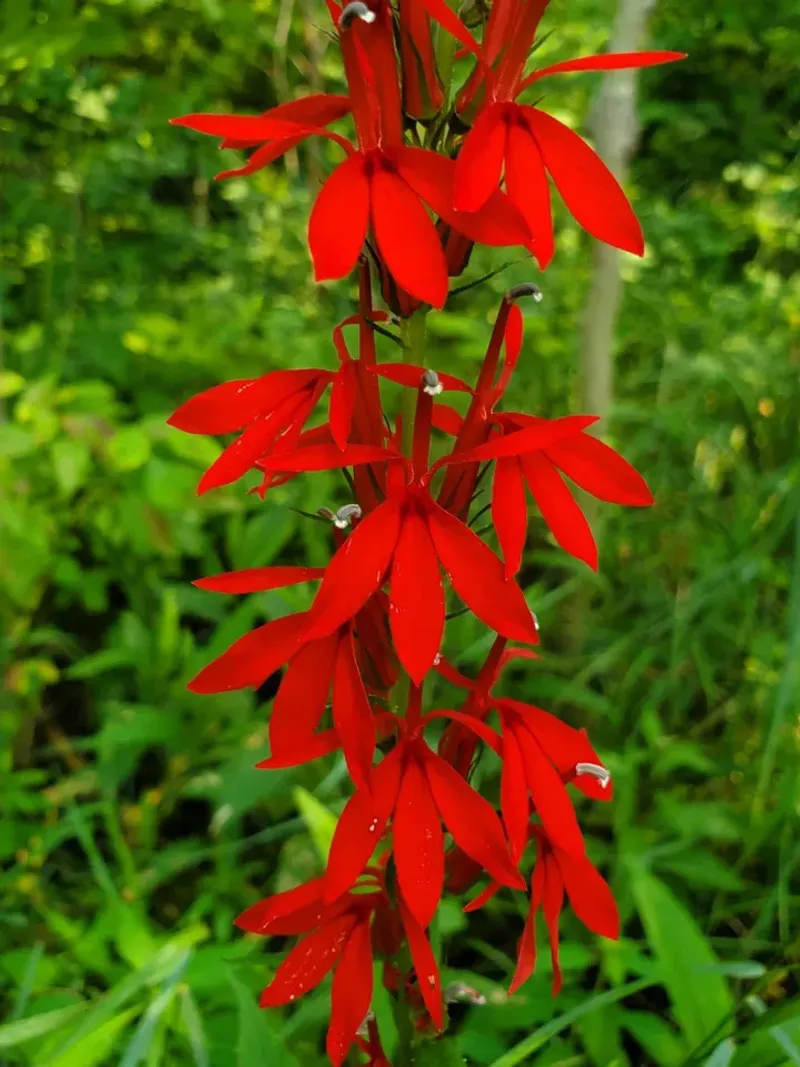
Few native plants stop people in their tracks the way cardinal flower does.
The blazing red flower spikes of Lobelia cardinalis rise up in mid to late summer, and hummingbirds find them almost immediately, often hovering right at eye level if you are standing nearby in the garden.
Beyond the spectacle, cardinal flower is a genuinely useful plant for moist and wet Ohio sites that need both color and soil coverage during the warmer months.
Cardinal flower prefers consistently moist to wet soil and part sun to full sun exposure. It is not a good fit for dry, exposed spots that drain fast after rain.
Rain gardens, low borders along downspout drainage paths, and moist edges near swales are all reasonable placements in an Ohio yard. In northern Ohio where spring moisture tends to linger longer due to lake influence, cardinal flower often settles in especially well.
Because cardinal flower is a short-lived perennial, pairing it with longer-lived wet-site natives like soft sedge or turtlehead ensures the area stays covered even if individual plants need replacing after a few seasons.
Letting some plants go to seed in place encourages natural self-seeding, which helps maintain the patch without much effort on your part.
5. Grow Turtlehead Where Spring Runoff Collects
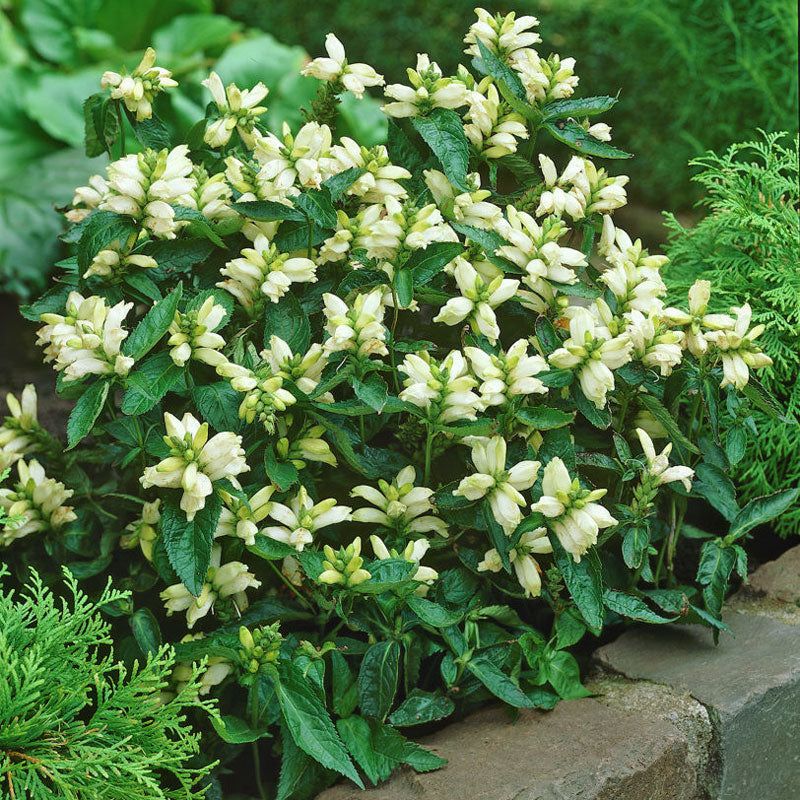
Runoff from a driveway or roof tends to collect in the same spot every single spring, and if that spot stays damp into summer, turtlehead is worth a close look.
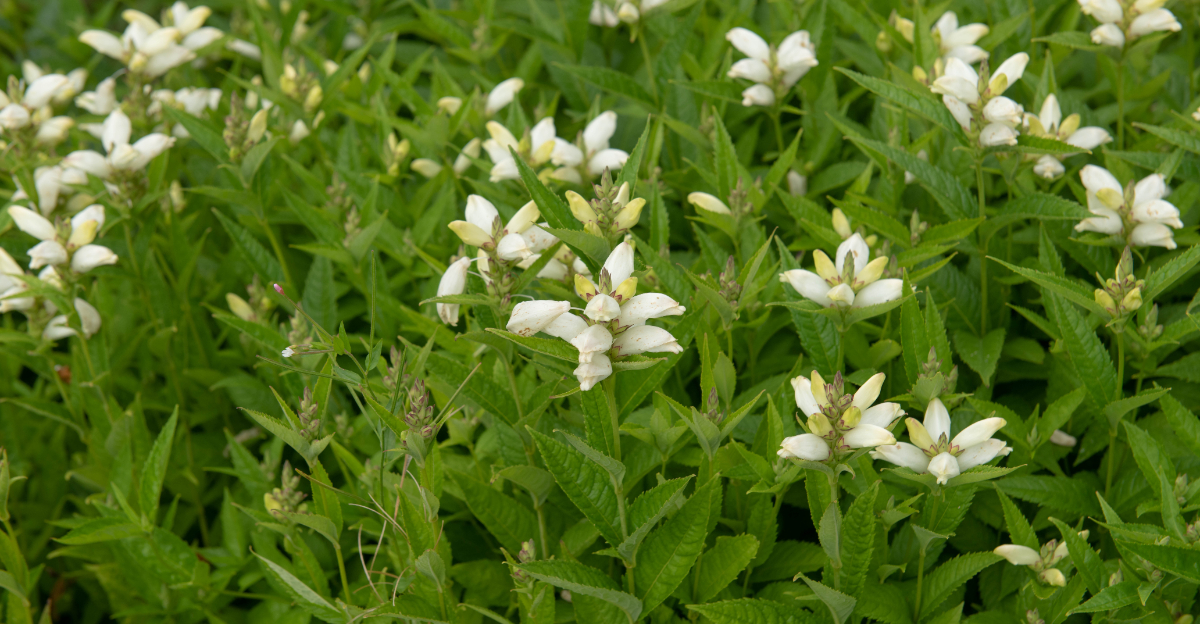
Chelone glabra, the native white turtlehead found throughout Ohio, produces dense upright foliage that covers soil well through the growing season and finishes with interesting tubular flowers in late summer and early fall when most other plants are winding down.
Turtlehead does well in part sun to part shade and genuinely prefers moist to wet soil.
Along rain garden edges, in damp beds that receive runoff from nearby hard surfaces, or in shaded low spots where spring water slows to a crawl before draining, turtlehead fills the space with sturdy, leafy growth that keeps bare soil covered and protected from raindrop impact.
Baltimore checkerspot butterfly caterpillars also use it as a host plant, which adds some unexpected wildlife value to a muddy corner of the yard.
Pairing turtlehead with soft sedge underneath and swamp milkweed nearby creates a layered planting that covers the soil at multiple heights. That kind of coverage does more to reduce muddy bare patches than a single plant ever could on its own.
Space turtlehead plants about 18 inches apart and water them in well during the first season.
6. Try Buttonbush In Bigger Wet Problem Areas
Some wet spots in Ohio yards are just too large and too persistently soggy for perennials alone to manage well.
A low area near a downspout that collects water from a large roof section, a swale that stays saturated for days after spring storms, or a wide low corner of the yard where multiple drainage paths converge might all benefit from a native shrub that can handle serious moisture.
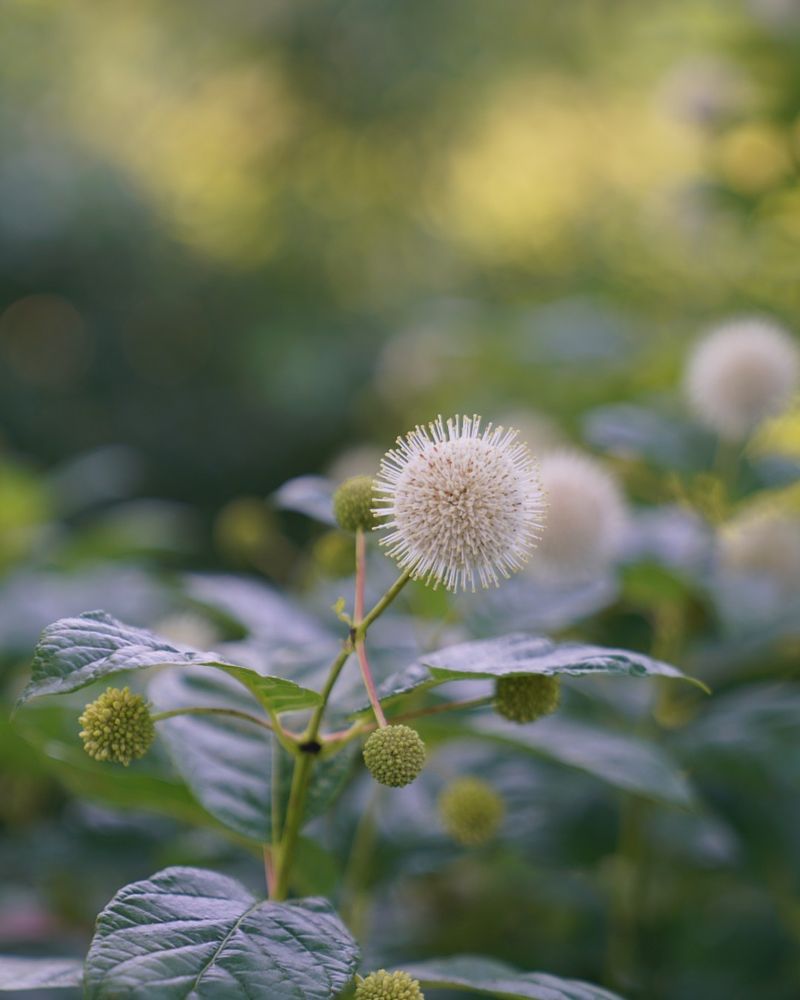
Buttonbush, Cephalanthus occidentalis, was practically built for exactly those conditions.
Native to Ohio stream banks, pond edges, and wetland margins, buttonbush is a deciduous shrub that tolerates extended periods of wet soil and even shallow flooding during spring.
It produces distinctive round white flowers in summer that attract bees, butterflies, and other pollinators.
Birds feed on the seeds in fall, so placing it where it has room to grow means you end up with a functional, wildlife-friendly feature rather than just a muddy eyesore.
Buttonbush is not a small plant. Mature shrubs can reach six to twelve feet tall and wide depending on the site, so placement matters.
Keep it away from narrow walkways, tight foundation beds, or spaces where a large shrub would block sightlines. Give it room, full sun to part sun, and consistently moist soil, and it will establish reliably in most Ohio yards with heavy or poorly drained soil.
7. Plant Wild Strawberry Along Damp Muddy Edges
The edges of rain gardens, lawn borders where mowing is difficult, and the transition zone between a muddy low spot and a drier path are some of the trickiest areas to keep covered and tidy.
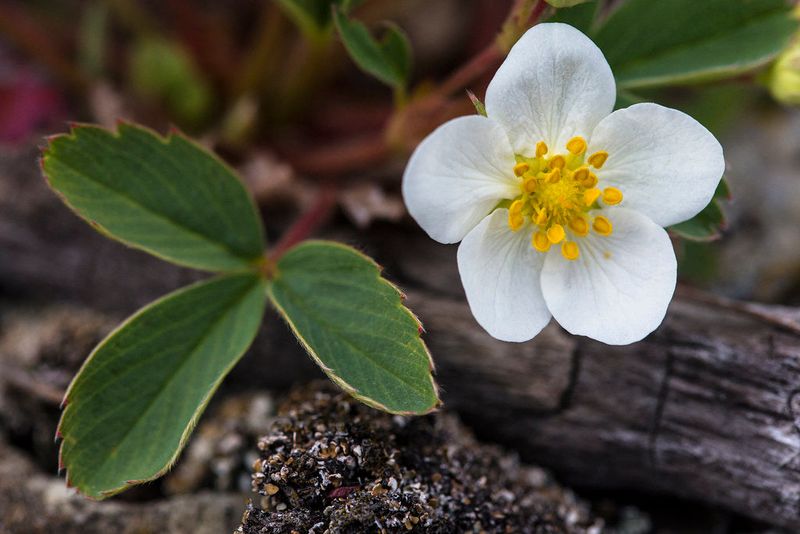
Wild strawberry, Fragaria virginiana, is a native spreading groundcover that handles those in-between zones with quiet efficiency, filling bare soil along damp but not constantly saturated margins without needing much attention once it gets going.
Wild strawberry spreads by runners, similar to the garden strawberry most people are familiar with, and it forms a low mat of attractive trifoliate leaves, small white spring flowers, and tiny red berries that birds appreciate.
It works well along the upper edges of rain gardens, beside damp paths, or along muddy lawn borders where grass has thinned out from repeated wet conditions.
The key is matching it to the right moisture level: damp to moderately moist soil suits it well, but deep standing water or truly soggy ground is not where it performs best.
Where you want coverage to spread, simply let the runners go. Where a tidier edge is needed along a walkway or bed border, trim back the runners a couple of times per season.
Wild strawberry tolerates part shade, which makes it a practical option for damp spots under the light canopy of a tree where other groundcovers struggle to fill in.