Montana Garden Plants That Thrive With Water And The Ones That Simply Don’t Need It
Montana does not reward guesswork. Your yard either thrives or it struggles, and the difference comes down to one thing.
Summers scorch without warning, so preparation matters more than luck. Frost shows up uninvited and shows no mercy to the unprepared.
Can your plants handle what this state throws at them? Some will laugh at drought while others need water before they give you anything worth keeping.
Knowing the difference saves you real money and weeks of wasted effort. Whether food or flowers drive your interest, the answer matters.
Every plant you choose is a bet, and smart gardeners in Montana learn to bet well. Dry spells hit harder here than most people expect. Soil fights back in ways that surprise even experienced growers.
Choosing right from the start separates a yard that disappoints from one that turns heads all season long. Plant smart, and Montana becomes your advantage.
Tomatoes
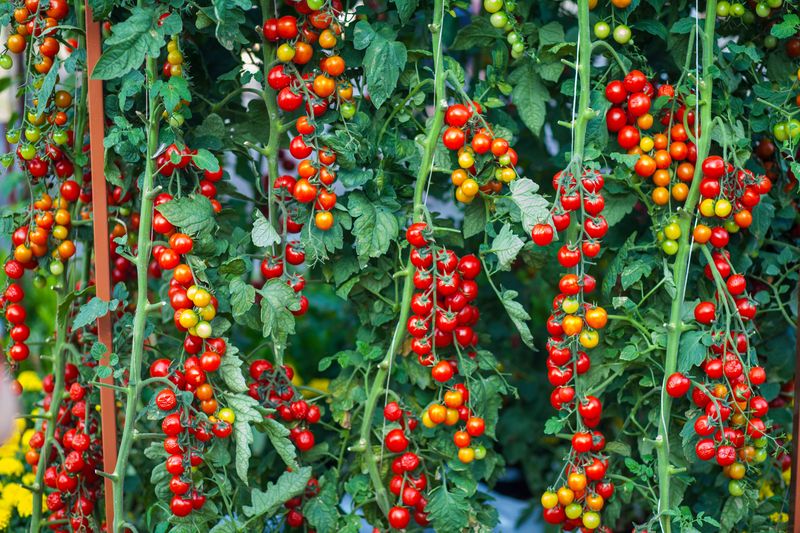
Nothing beats biting into a sun-warmed tomato you grew yourself. Tomatoes are one of the most popular Montana garden plants, but they are also among the thirstiest crops you can grow.
These plants need consistent moisture to produce juicy, full-sized fruit. Without steady watering, the skins crack and the flavor diminishes noticeably.
Aim for about one to two inches of water each week. Deep, slow watering at the base beats a quick daily sprinkle every single time.
Mulching around the base helps lock in soil moisture between watering sessions. A thick layer of straw or wood chips can cut your watering frequency almost in half.
In Montana, the short growing season means you need to start tomatoes indoors six to eight weeks before the last frost. Getting them in the ground early gives them the head start they genuinely need.
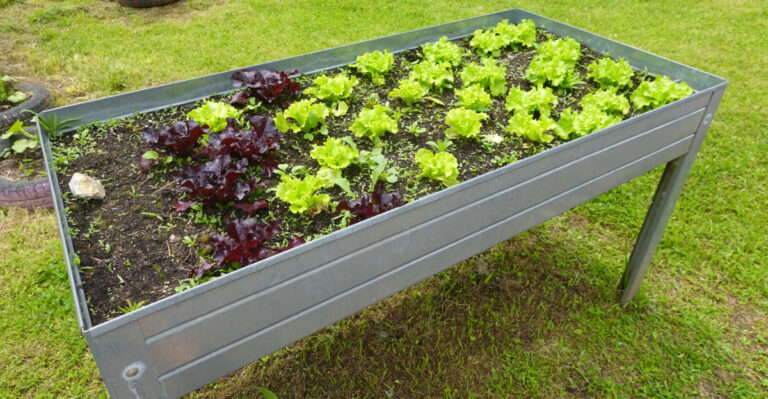
Raised beds warm up faster in spring, which tomatoes absolutely love. Pairing raised beds with drip irrigation is honestly one of the smartest moves a Montana gardener can make.
Watch for signs of under-watering, like wilting leaves in the morning heat. Catching that early keeps your harvest on track and your plants healthy all season long.
Tomatoes reward effort with flavor that store-bought versions simply cannot match. Grow them right and your summer table will be noticeably better for it.
Zucchini
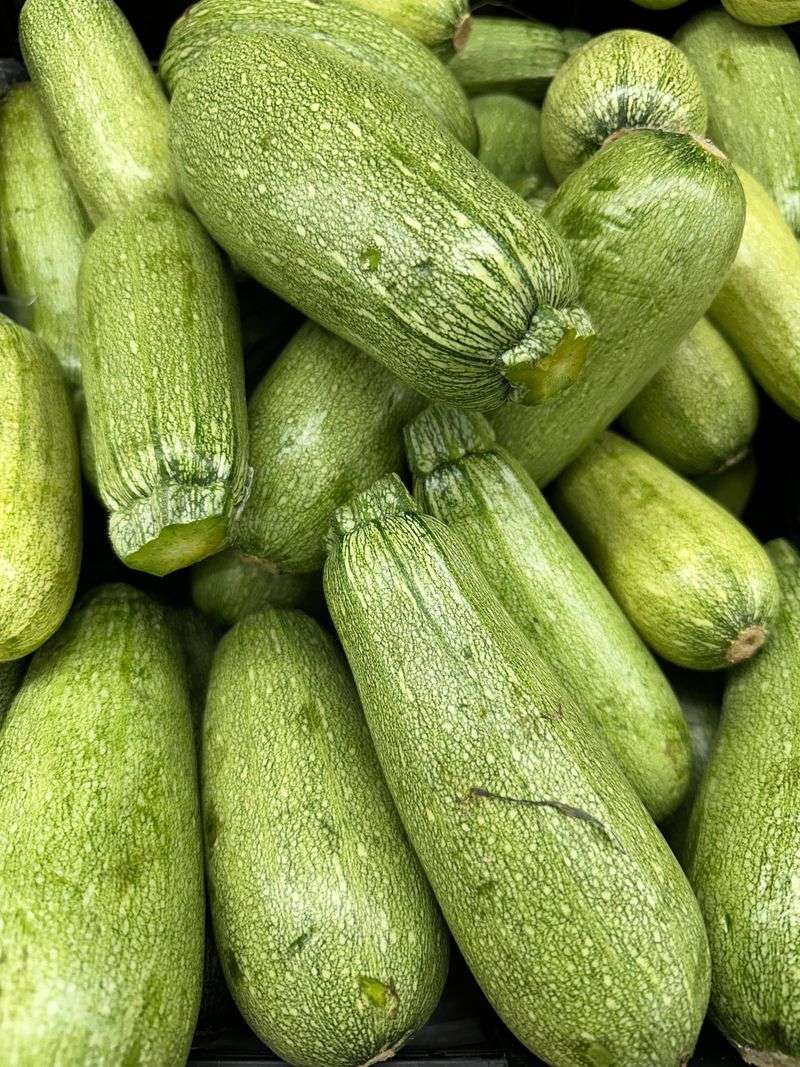
Zucchini has a reputation for being remarkably productive, and honestly, that reputation is well earned. Plant one or two seeds and you will be handing bags of squash to neighbors by mid-July.
Even with all that natural vigor, zucchini still needs regular watering to produce well. The soil should stay consistently moist, especially once the plant starts flowering.
Water deeply two to three times per week during hot stretches. Shallow watering encourages weak roots that struggle when temperatures spike.
One trick seasoned Montana growers swear by is watering at soil level. Wet leaves invite powdery mildew, which spreads fast in humid morning conditions.
Zucchini plants are heavy feeders and drinkers, so pairing good irrigation with compost-rich soil pays off big. Feed them well and they will reward you with more squash than you ever expected.
The fruit grows shockingly fast in warm weather. Check your plants every single day or you will find a zucchini far larger than you would want to eat hiding under a leaf.
Harvest when fruit is six to eight inches long for the best flavor and texture. Letting them go too long makes the seeds tough and the skin chewy.
Among Montana garden plants that love consistent moisture, zucchini stands out as one of the most reliable and generous producers. A little water goes a long, delicious way with this summer staple.
Peonies
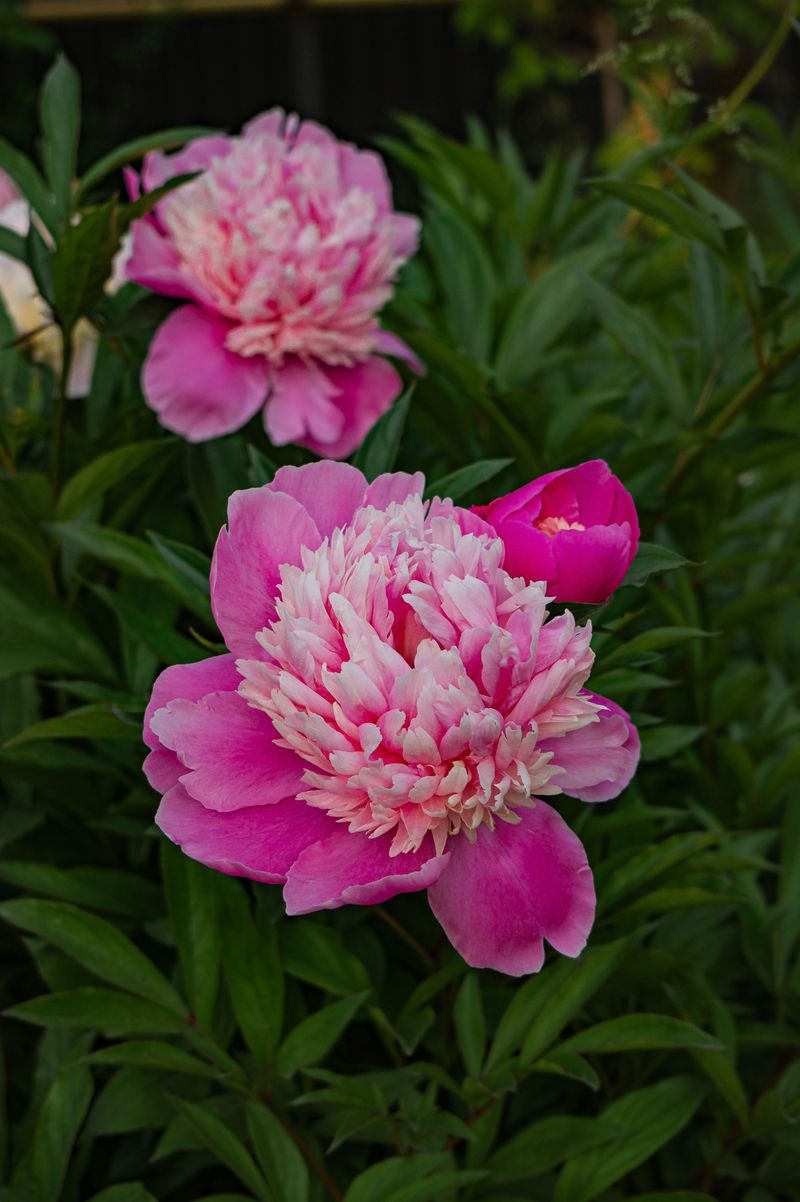
Peonies are the showiest bloomers in the garden, and nobody complains. Their massive, fragrant blooms stop people in their tracks every single spring without fail.
Here is the good news: peonies are surprisingly adaptable once established. They prefer moist, well-drained soil but can handle occasional dry spells better than most flowering perennials.
Water young peony plants regularly during their first two growing seasons. After that, established plants need far less attention and can often get by on natural rainfall alone.
In dry Montana summers, a deep soak once a week keeps blooms full and healthy. Avoid wetting the foliage to prevent fungal issues that spread quickly in cool, damp conditions.
Peonies actually need cold winters to bloom well, which makes them a perfect match for the northern climate. They go dormant, rest hard, and come back stronger every spring.
Plant them in a sunny spot with good air circulation and they will thrive for decades. Some peony plants outlive the gardeners who planted them, blooming faithfully for fifty years or more.
Cut a few stems for a vase and your home will carry a strong, pleasant fragrance for days. Few blooms make a bigger indoor statement for less effort than a fresh peony bouquet.
Among all Montana garden plants, peonies offer one of the best long-term returns on investment. Plant them once, water them smart, and enjoy them for a lifetime.
Zinnias
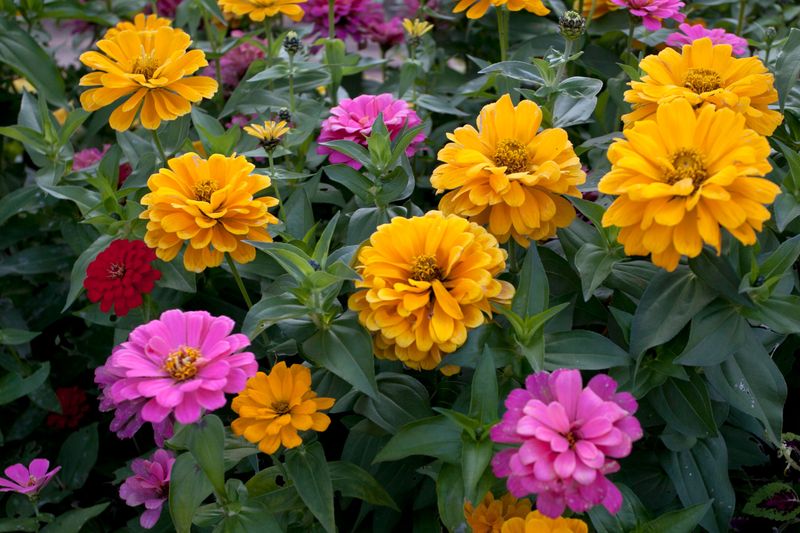
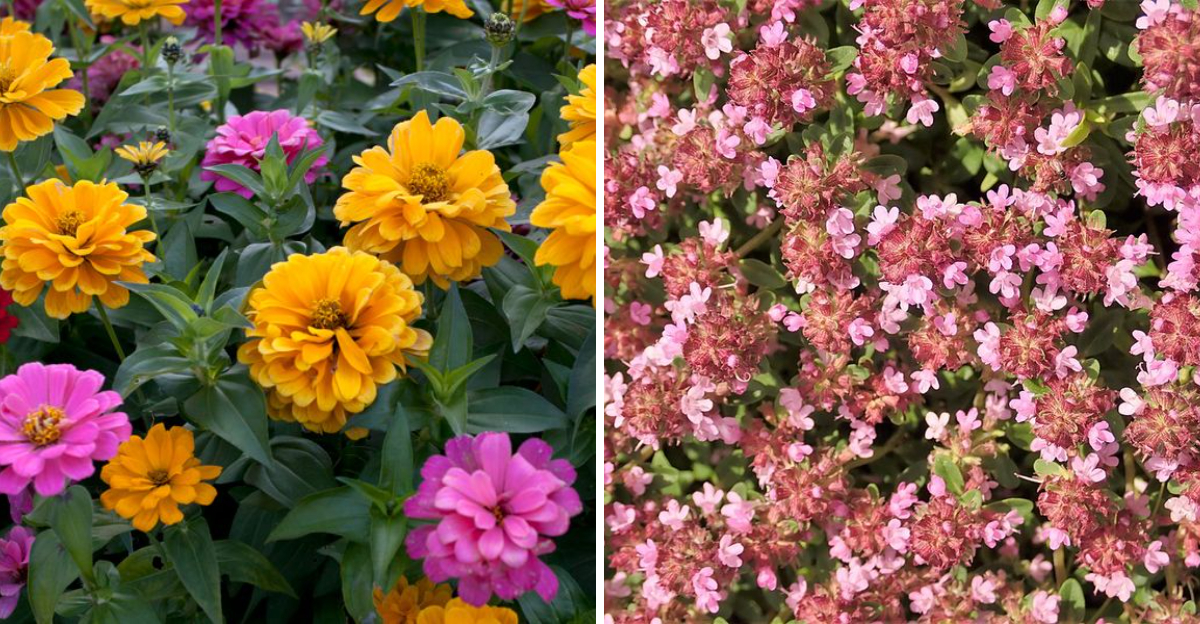
Zinnias are the confetti of the garden world. They bloom in every bold color imaginable and keep producing flowers from midsummer straight through the first frost.
These cheerful annuals do appreciate regular watering, especially when temperatures climb in July and August. Consistent moisture helps them bloom more heavily and stay looking fresh all season.
Water at the base and avoid soaking the leaves whenever possible. Zinnias are prone to powdery mildew, and wet foliage makes that problem significantly worse.
Once established, zinnias show impressive resilience during short dry spells. They slow down a little but bounce back quickly when moisture returns to the soil.
Plant them in full sun for the best results. Zinnias grown in partial shade tend to stretch toward the light and produce fewer blooms overall.
Removing spent flowers encourages the plant to keep producing new buds. Snip off old blooms every few days and the display just keeps getting better and better.
Zinnias also attract butterflies and pollinators, which makes them a double win for any garden.
Watching monarchs and swallowtails visit your blooms is genuinely one of summer’s best simple pleasures.
For gardeners who want bold color without a complicated watering schedule, zinnias are a smart pick.
Among Montana garden plants that balance beauty with practicality, these bright bloomers are hard to beat.
Blanket Flower
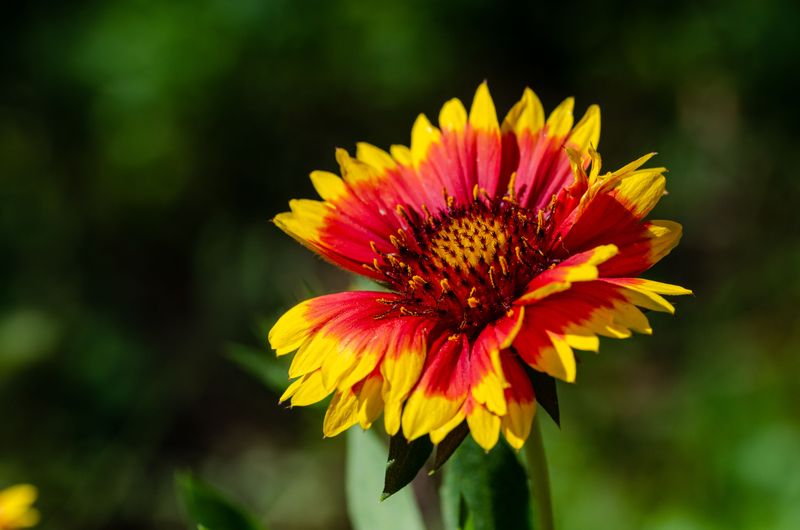
Blanket flower looks like it was painted by someone who loves sunsets. The red and gold petals radiate outward like a tiny, blazing sun sitting right in your garden bed.
What makes blanket flower special is its attitude toward water: it simply does not need much. This plant is native to dry grasslands and has the deep roots to prove it.
Once established, blanket flower thrives on neglect. Overwatering is actually one of the fastest ways to harm it, causing root rot in heavy or clay-based soils.
Plant it in well-drained soil and full sun, then mostly step back. A good soak every week or two during hot stretches is plenty for a healthy, blooming plant.
Blanket flower blooms from early summer all the way into fall, outlasting many showier plants. That long season makes it a reliable backbone for any low-maintenance garden design.
It reseeds itself gently, meaning new plants often pop up nearby each year. You get a spreading, evolving display without spending a single extra dollar.
Pollinators adore blanket flower, especially native bees and butterflies. Planting a patch near a vegetable garden pulls in the beneficial insects that help everything else produce better.
Among drought-tolerant Montana garden plants, blanket flower is one of the most rewarding choices available. Tough, beautiful, and generous with its blooms, it earns its place in any yard.
Purple Coneflower
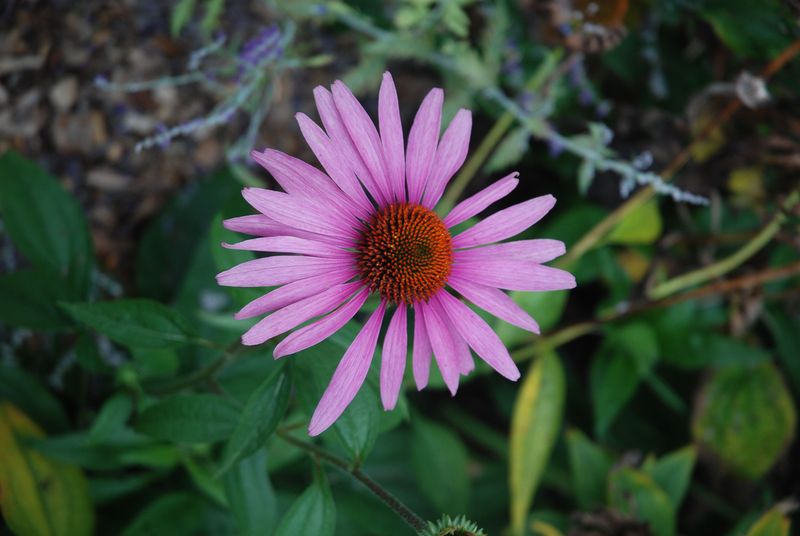
Purple coneflower has been earning fans for centuries, and it is not hard to see why. The spiky orange center and drooping purple petals give it a wild, carefree look that fits naturally into any garden.
This plant is a genuinely resilient one when it comes to dry conditions. Once established, purple coneflower handles drought with ease and rarely needs supplemental watering in most seasons.
During the first growing season, water regularly to help roots settle in deep. After that first year, the plant essentially takes care of itself through normal summer dry spells.
Plant it in full sun and well-drained soil for the strongest growth. It tolerates poor soil better than many flowering perennials, which makes it ideal for challenging spots in the yard.
Purple coneflower is a magnet for pollinators from midsummer through early fall. Goldfinches also love the seed heads, so leaving them standing through winter feeds birds and adds structure to the landscape.
The plant has a long history in herbal medicine, often used to support immune health. Whether you grow it for wellness or beauty, it performs reliably on both fronts.
Clumps spread gradually over the years, filling in bare spots naturally. Dividing established clumps every few years keeps plants vigorous and gives you free starts to share with neighbors.
As one of the most dependable drought-tolerant Montana garden plants, purple coneflower earns a permanent spot in the landscape. Plant it once and enjoy it for years to come.
Bluebunch Wheatgrass
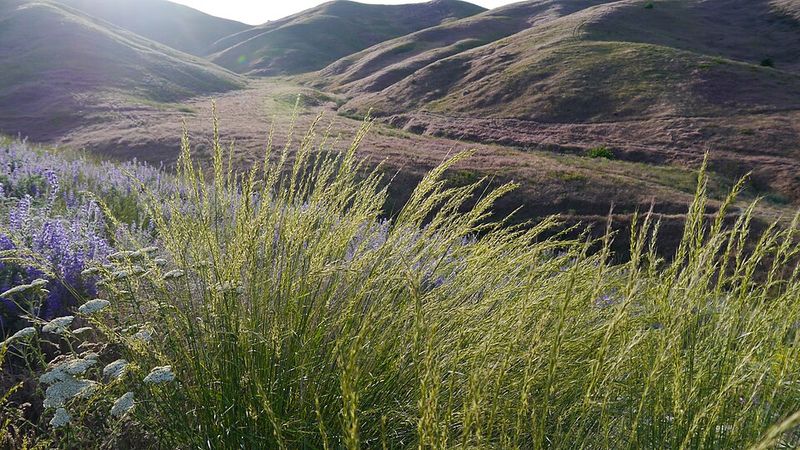
Bluebunch wheatgrass is one of the most iconic grasses of the American West. It carpeted the Great Plains long before anyone thought to put it in a garden bed.
This native grass is built for dry conditions and actually prefers them. Overwatering weakens the plant and invites disease, so watering less produces better results with this plant.
Once established, bluebunch wheatgrass survives almost entirely on natural precipitation. In most parts of the state, you will rarely need to turn on a hose after the first season.
It grows in graceful, arching clumps that move beautifully in the breeze. The soft, wheat-colored seed heads add texture and movement that few ornamental plants can match.
Plant it in sandy or rocky, well-drained soil for the best performance. Heavy clay soils hold too much moisture and can cause the roots to struggle over time.
Bluebunch wheatgrass also provides excellent erosion control on slopes and hillsides. Its deep, fibrous root system holds soil in place even during heavy rain events.
Wildlife benefits enormously from this grass. Birds use the seed heads for food, and deer, elk, and small mammals seek it out as reliable forage throughout the year.
For anyone designing a low-water landscape, bluebunch wheatgrass is a foundational plant. Among all drought-tolerant Montana garden plants, few offer this level of ecological value combined with natural beauty.
Creeping Thyme
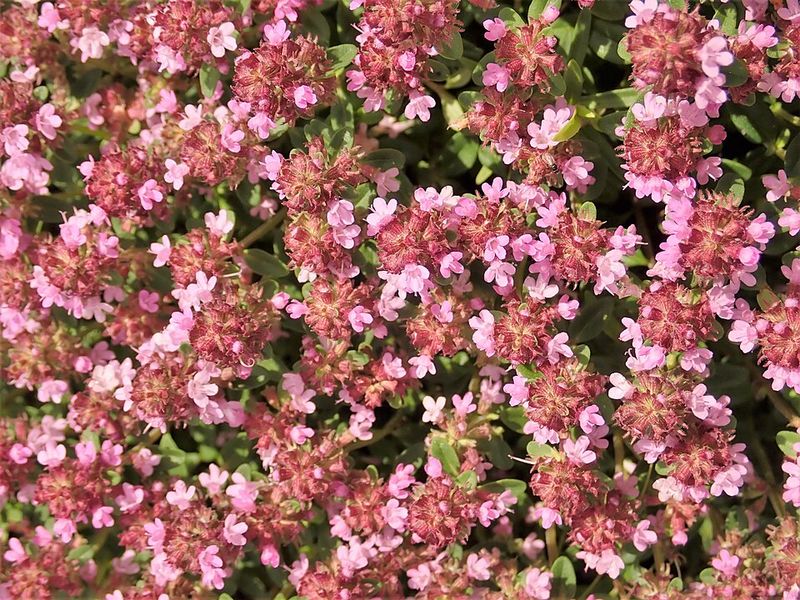
Creeping thyme is the overachiever of ground covers. It stays low, smells incredible when you walk on it, and blooms with tiny purple flowers that bees absolutely cannot resist.
Water needs for creeping thyme are refreshingly minimal. This tough little plant evolved in dry, rocky Mediterranean hillsides and carries that drought tolerance in its DNA.
Once established in well-drained soil, it rarely needs watering beyond what nature provides. During extreme heat waves, a light soak every ten to fourteen days keeps it looking its best.
Plant it between stepping stones, along borders, or on slopes where grass refuses to grow. Creeping thyme fills those awkward gaps with fragrant, colorful coverage that actually improves over time.
It tolerates foot traffic far better than most ground covers. Light stepping actually stimulates the plant to release that warm, herbal scent that makes a garden feel truly alive.
Creeping thyme stays semi-evergreen in moderate winters, though it may die back in harsh Montana cold before returning strong in spring. Its low profile protects it from harsh winds that damage taller, more fragile plants.
You can harvest small amounts for cooking, though the flavor is milder than standard culinary thyme.
Fresh thyme from the garden still elevates roasted vegetables and grilled meats in ways dried herbs simply cannot.
As a finishing touch in any drought-friendly yard, creeping thyme earns its spot among the best low-water Montana garden plants available. Plant it once and watch it spread steadily and improve with each passing season.