This Spreading Wildflower Is The One Montana Lawn Weed Worth Keeping Around
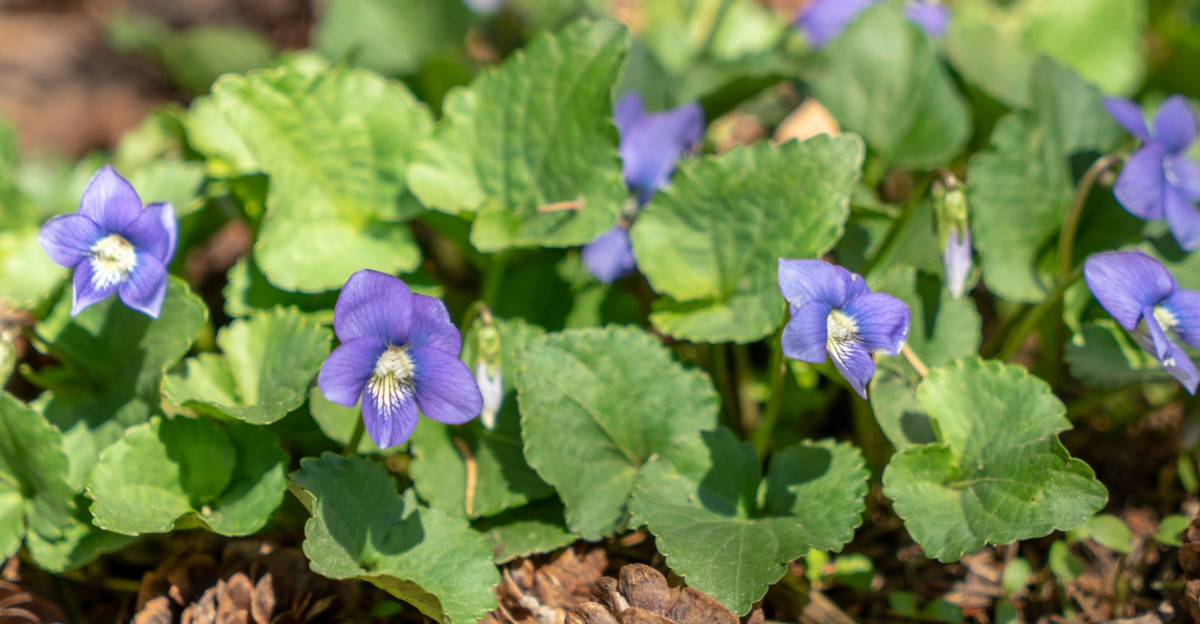
Your yard is hiding something remarkable. That low-growing purple bloom you keep pulling out deserves a second look.
Most Montana homeowners treat it like a problem, shoveling it out season after season, only to watch it return stronger each time. What if that persistence is actually the point?
This wildflower does not wait for permission. Before most plants even stir from winter, those violet blooms are already feeding pollinators across northwestern Montana, in yards where most flowers are still weeks away.
Thin patches that grass cannot cover get filled quietly, without complaint, without a single drop of extra water or fertilizer.
Gardeners across western Montana have watched their lawns transform once this overlooked wildflower got the chance to prove itself.
Learn what it actually does for your yard and you will see your lawn completely differently. Pull up that shovel and put it down for good.
Purple-Blue Blooms Appear Before The Grass Even Greens Up
Spring arrives slowly in Montana. While the lawn still looks like a brown patchwork, something purple is already happening near the soil.
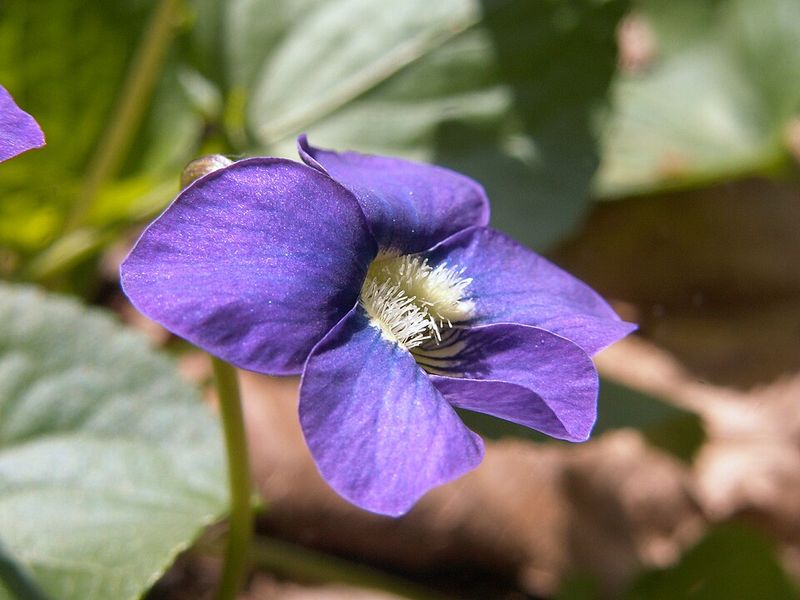
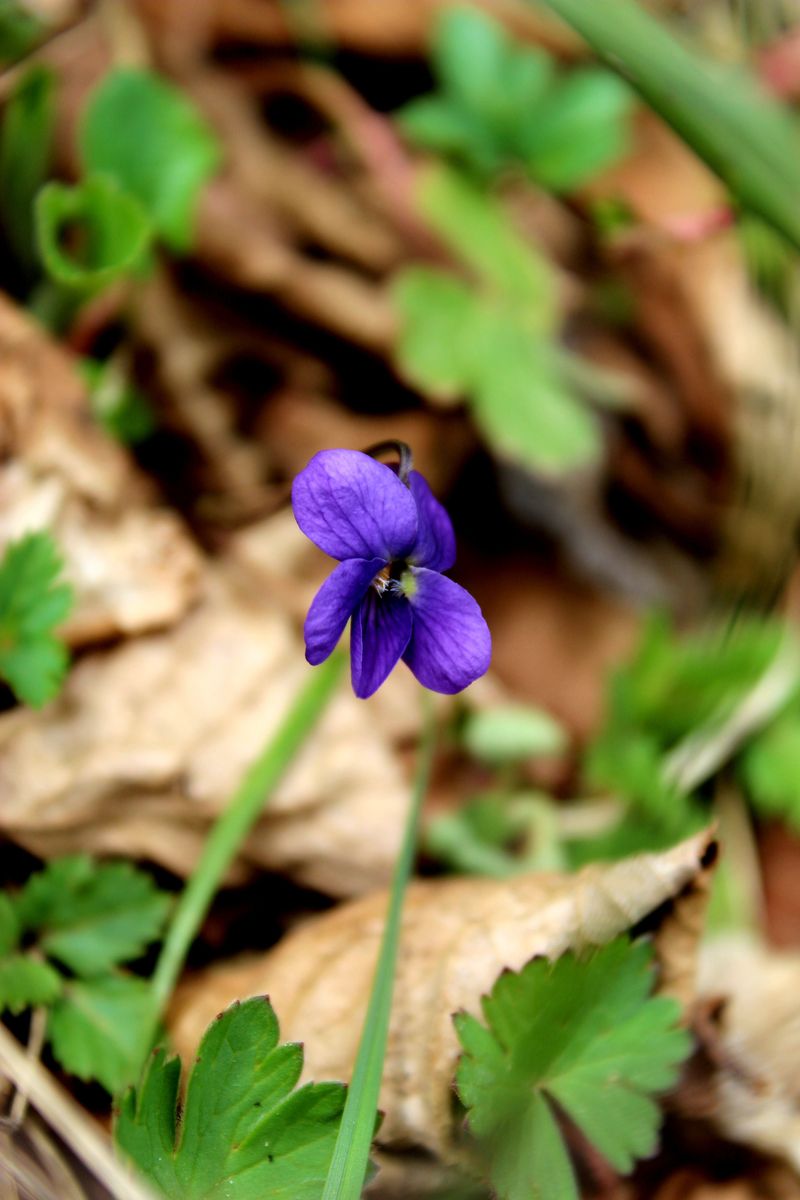
The Common Blue Violet blooms in early spring, often weeks ahead of any other ground-level flower. Those small purple-blue petals open up when temperatures are still cold enough to see your breath.
That early timing is a big deal for local wildlife. For native ground-level pollinators in Montana yards, this wildflower is one of the earliest and most reliable food sources available, showing up exactly when it matters most.
The blooms sit low on short stems, hugging the ground in clusters. They do not tower above your lawn or look out of place.
They look like tiny wildflower arrangements scattered naturally across the yard. Most homeowners notice the color before they notice the plant.
A patch of purple catches the eye on a gray April morning. That moment of surprise is usually what starts the shift from pulling it out to leaving it alone.
The blooms last for several weeks before fading. Once they go, the heart-shaped leaves take over and blend right in with surrounding grass.
You get seasonal color without planting a single bulb or seed. This wildflower handles the whole show itself.
Thin And Patchy Spots Fill In Naturally As It Spreads
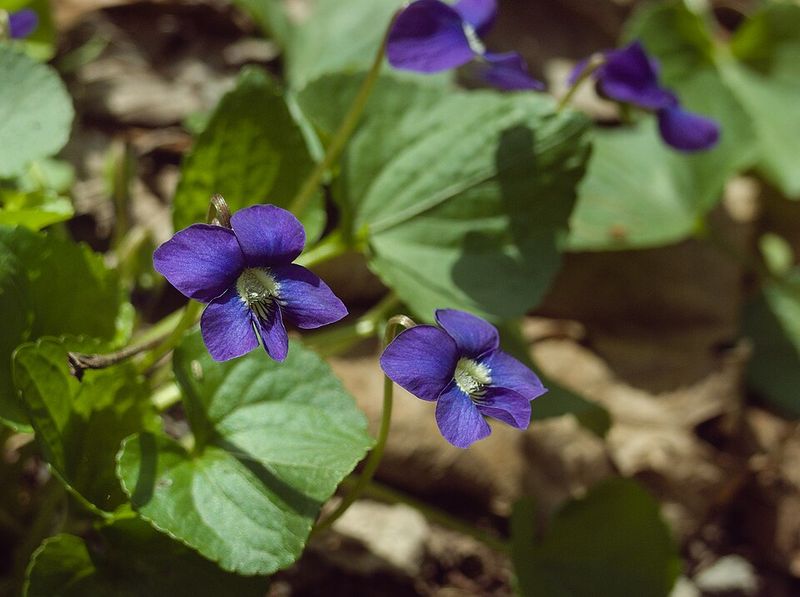
Every lawn has that one stubborn bare spot. Grass seed washes away, sod dries out, and nothing seems to stick until this wildflower shows up uninvited and fixes the problem itself.
It spreads in two clever ways. Above ground, it sends out new growth from established clumps.
It also produces seeds in closed capsules that self-fertilize without opening, eventually bursting to launch seeds up to nine feet away.
Ants carry them even further, depositing them into fresh ground across the yard. Coverage expands steadily season after season, with no broadcasting, no watering in, and no nursery order required.
The result is a gradual, natural fill-in that actually looks good. It does not grow in aggressive clumps or crowd out everything nearby.
It fills gaps gently, weaving between grass blades without taking over completely. Bare patches near tree roots are especially good candidates.
Grass struggles under heavy shade, but this wildflower handles low-light conditions with ease. It thrives where lawn grasses give up.
Gardeners who once worked hard to remove this plant now protect it deliberately, and for very good reason.
What looked like a weed problem was actually a natural solution most homeowners overlook completely. Letting it spread is the easiest landscaping decision you will ever make.
Mowing Does Not Stop It From Growing Back
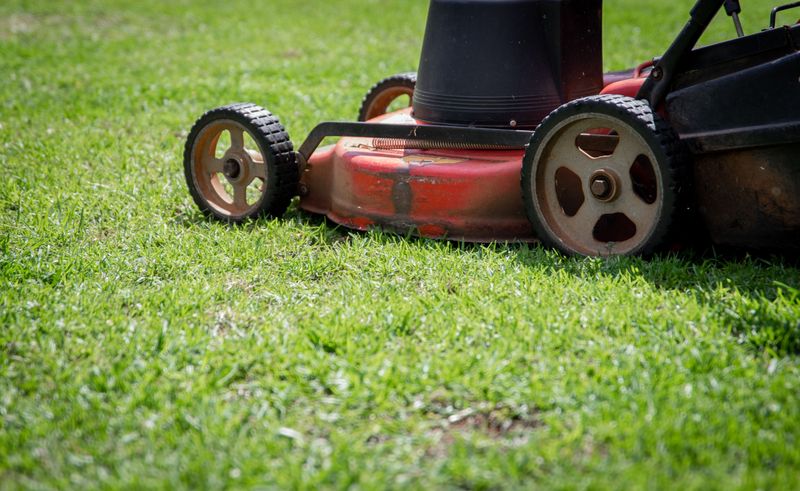
Lawn mowers are supposed to be the great equalizer. Run one over a weed, problem solved. Except that rule does not apply here.
This plant grows so low to the ground that standard mower blades pass right over its crown. The growing point sits close to the soil surface, safely out of reach of most cutting heights.
Mow all you want. It comes right back. That resilience is not stubbornness. It is smart biology.
The plant stores energy in its root system, so even if the blades trim the leaves, the roots push out new growth within days.
For homeowners who mow regularly, this wildflower integrates seamlessly into a maintained lawn. It does not look scraggly or overgrown between cuts.
It just stays low and keeps going. Other ground-cover options require careful mowing adjustments or special equipment. This wildflower needs none of that.
It adapts to your existing lawn routine without asking you to change a single thing. The toughness of this plant is part of what makes it so valuable in a Montana yard.
Harsh winters, dry summers, and weekly mowing sessions do not slow it down. The Common Blue Violet recovers reliably each season, and that kind of persistence genuinely earns its place in any yard.
Heart-Shaped Leaves Blend Right In With Surrounding Grass
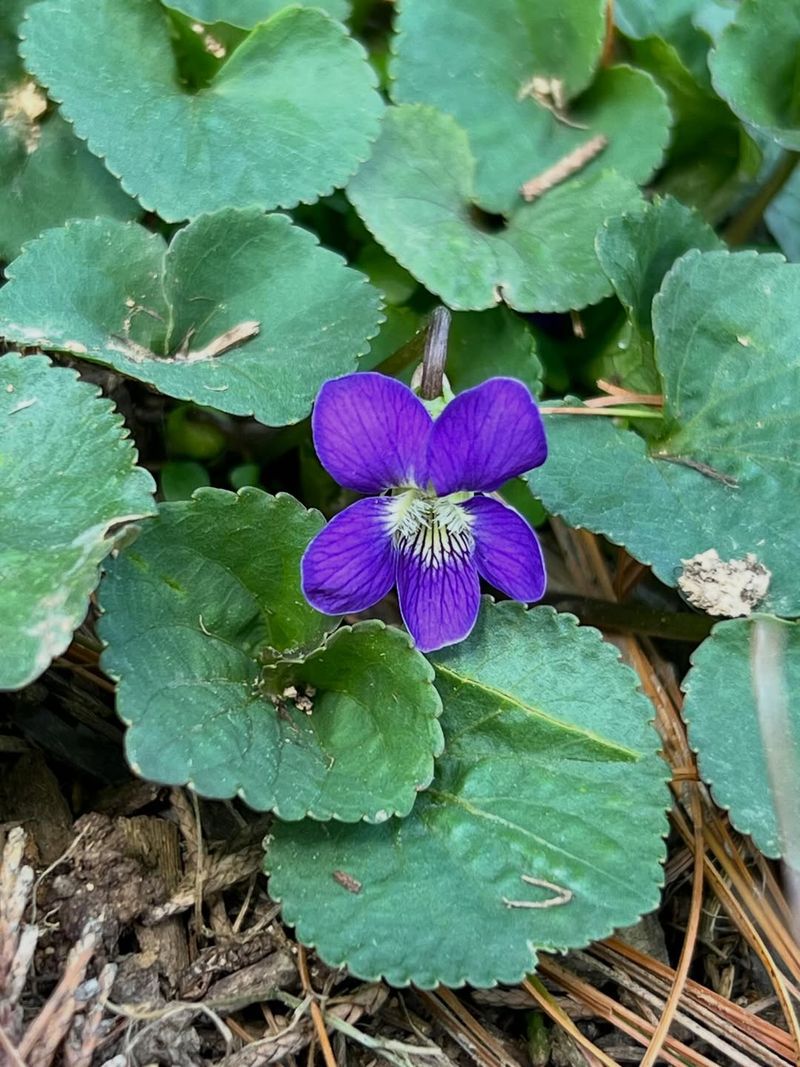
Not every wildflower plays nicely with a tidy lawn. Some look weedy, jagged, or out of place next to trimmed grass. This wildflower is a completely different story.
Its leaves are smooth, rounded, and shaped like small hearts. They grow in low rosettes that sit flat against the soil, mimicking the way grass blades fan out.
From a few feet away, the foliage blends right into the surrounding lawn. The green is a rich, deep shade that actually complements most grass varieties.
It does not clash or stand out in a way that makes the yard look unkempt. Neighbors walking by would not even notice it is there.
That visual harmony is a rare quality in a spreading ground plant. Many low-growing plants that fill in bare spots look noticeably different from the grass around them.
This one disappears into the lawn in the best possible way. During the weeks when blooms are absent, the leaves carry the visual load. They stay green and attractive from late spring through early fall.
During the hottest weeks of summer, the foliage may thin out and look less lush. By early fall it rebounds, staying green and presentable through the end of the season.
Lawn care is partly about aesthetics, and this wildflower respects that. It earns its place not just through function but through good looks.
Keeping it around costs you nothing and gives your yard quiet, understated beauty all season long.
Bees And Butterflies Are Drawn In Wherever It Grows
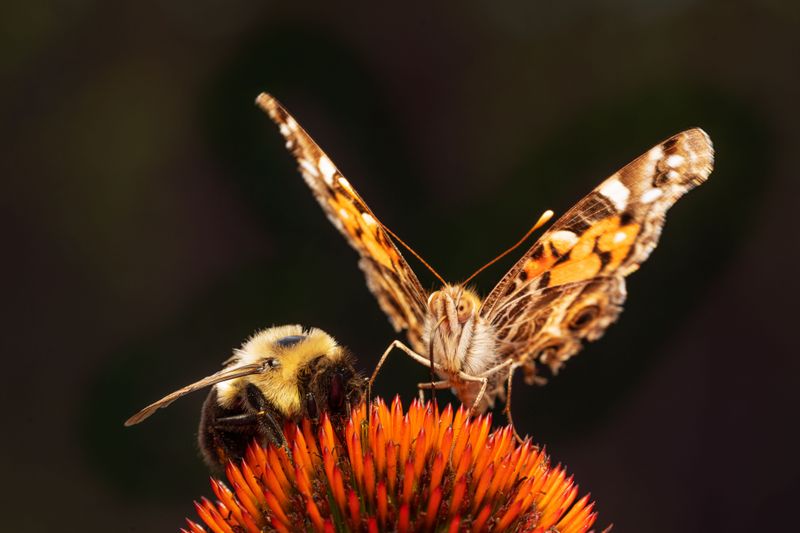
Walk past a patch on a warm spring morning and you will hear it before you see it. The gentle hum of bees working the blooms is one of the most satisfying sounds a yard can produce.
Early-season bumblebees depend on flowers like this one. When most of the landscape is still dormant, this wildflower provides nectar and pollen at exactly the right time.
It is one of the most reliable early food sources for pollinators emerging in spring. Several fritillary species rely on violets as their primary larval host plant, making this wildflower genuinely critical to their local survival.
A dedicated pollinator garden often requires significant investment in plants and soil preparation. Letting this wildflower spread across your lawn costs nothing and delivers similar results.
The pollinators find it on their own. Beyond the ecological benefit, there is something genuinely enjoyable about a yard that attracts butterflies. Kids notice.
Guests notice. Even people who have never thought twice about pollinators stop and watch when a swallowtail lands nearby.
This wildflower turns a plain lawn into a living habitat. That shift happens quietly, without any effort on your part. All you have to do is stop pulling it out.
No Watering, Fertilizing, Or Planting Needed
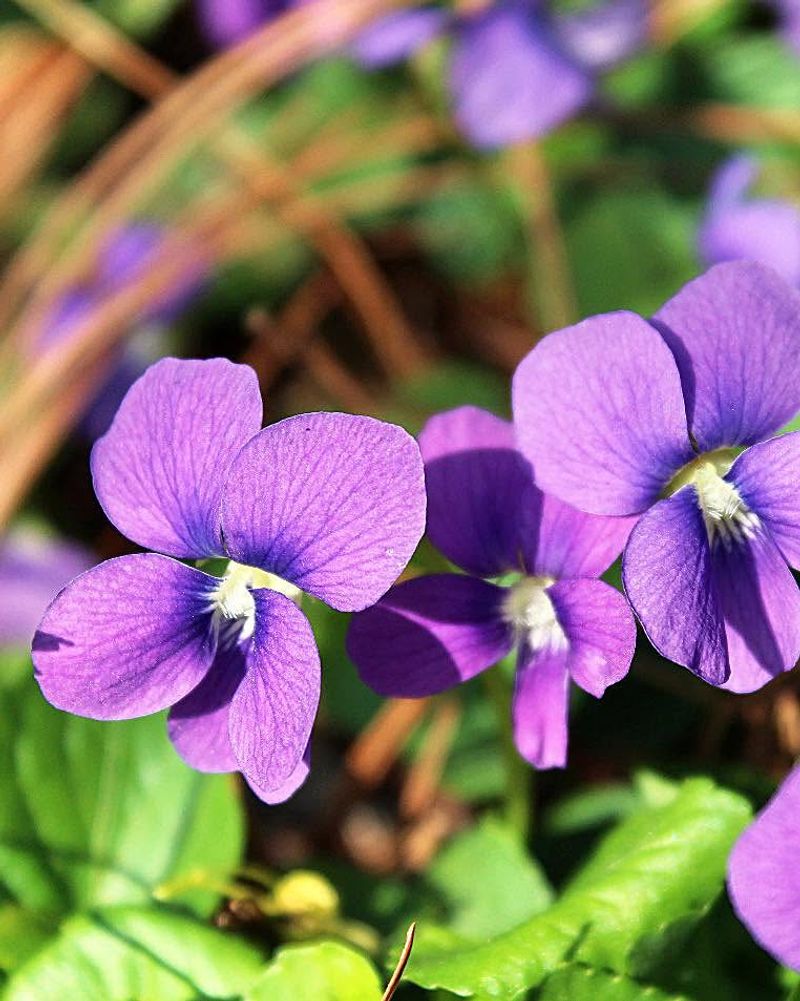
Garden plants can be demanding. They want consistent watering, the right soil pH, a specific fertilizer schedule, and protection from frost.
This wildflower wants absolutely none of that. Once established, it becomes largely self-sustaining.
It tolerates short dry spells, particularly in partial shade, and bounces back after rain without skipping a beat.
In most Montana yards it needs no supplemental watering at all. Fertilizer is equally unnecessary. The plant thrives in average, even poor soil conditions.
Adding nutrients can actually cause problems by encouraging surrounding grass to outcompete it. Leaving it alone, in this case, is the correct strategy.
This wildflower finds its own way into yards through ants, mechanical seed ejection, and birds, often arriving without any help from you.
For busy homeowners or anyone who wants a lower-maintenance lawn, this wildflower is genuinely useful. It reduces the time and money spent trying to cover bare patches or add seasonal color.
The lawn improves without adding a single task to your weekend routine. Few garden plants offer comparable value with so little effort. That is what makes this one worth keeping around.
Stronger And More Widespread Every Year On Its Own
Year one, you notice a few small clusters near the fence. Year two, those clusters have doubled.
By year three, this wildflower has quietly claimed a respectable corner of the lawn, and it is just getting started.
It builds strength over time. Each season, the root system grows deeper and wider, making the plant more resilient to dry spells and more resistant to foot traffic.
It does not plateau. It grows stronger with every passing season. The spreading happens through two mechanisms working together.
Seeds are ejected from bursting capsules and carried further by ants, while underground rhizomes push steadily outward beneath the soil.
Both methods work simultaneously, covering ground steadily without becoming invasive. That distinction matters. This wildflower spreads with intention, not aggression.
It fills available space without choking out neighboring plants or taking over garden beds. Boundaries stay mostly intact.
Long-term, a yard with an established population of this wildflower becomes increasingly resilient. Bare patches stay covered.
Pollinators return reliably each spring. The lawn requires less intervention because the plant handles its own corner of the yard.
Every year you leave it alone, it rewards your patience with more coverage, more blooms, and more wildlife.
That is the kind of spreading wildflower every northwestern Montana lawn deserves to have.