The Pennsylvania Native Perennial To Grow For Purple Flowers That Return Year After Year
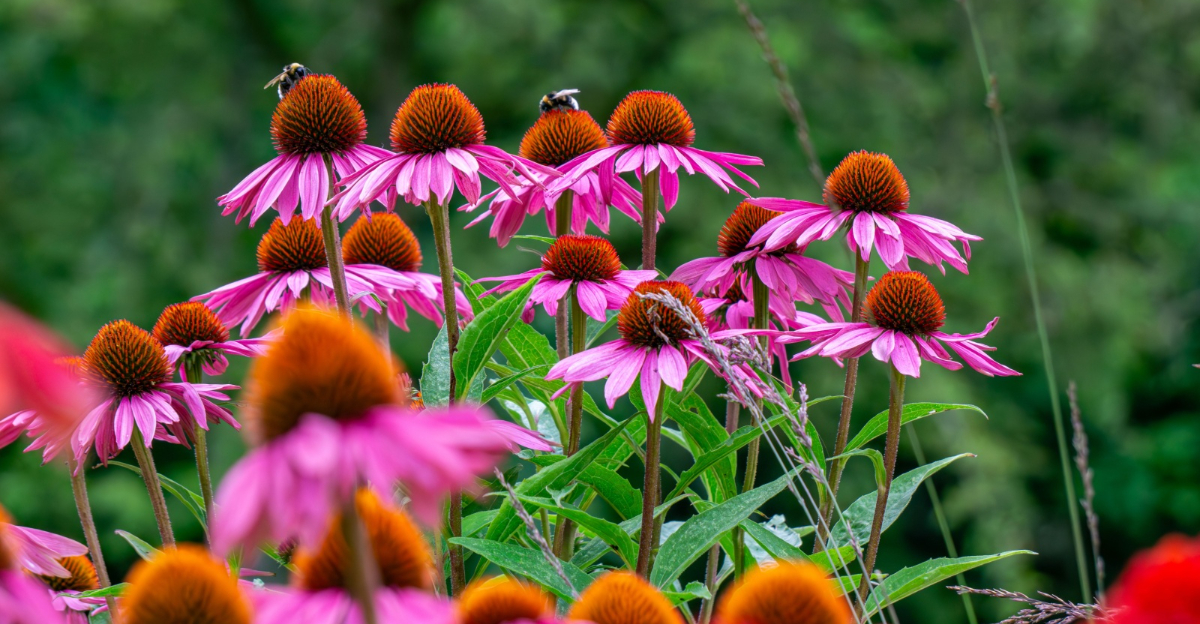
If there is one native perennial that shows up in Pennsylvania gardens and just quietly gets on with the job every single summer, purple coneflower is probably it.
Bold purple blooms, sturdy stems that do not flop over the moment a storm rolls through, and a genuine talent for pulling in butterflies and bees without any extra encouragement.
It starts putting on its show in midsummer and keeps going well into early fall, which in Pennsylvania gardening terms is basically a superpower.
The seed heads that follow the blooms are not bad either, sticking around through winter and giving goldfinches something to work with long after everything else has wrapped up for the season.
For a plant that asks for very little beyond a sunny, well-drained spot, purple coneflower delivers a remarkable amount in return.
1. Purple Coneflower Brings Long Summer Color
Few perennials can match the staying power of purple coneflower when midsummer heat rolls into a Pennsylvania garden. While many early bloomers fade by July, purple coneflower tends to hit its stride right when the season feels at its most intense.
The blooms open gradually along each stem, which helps extend the overall flowering period well into late summer.
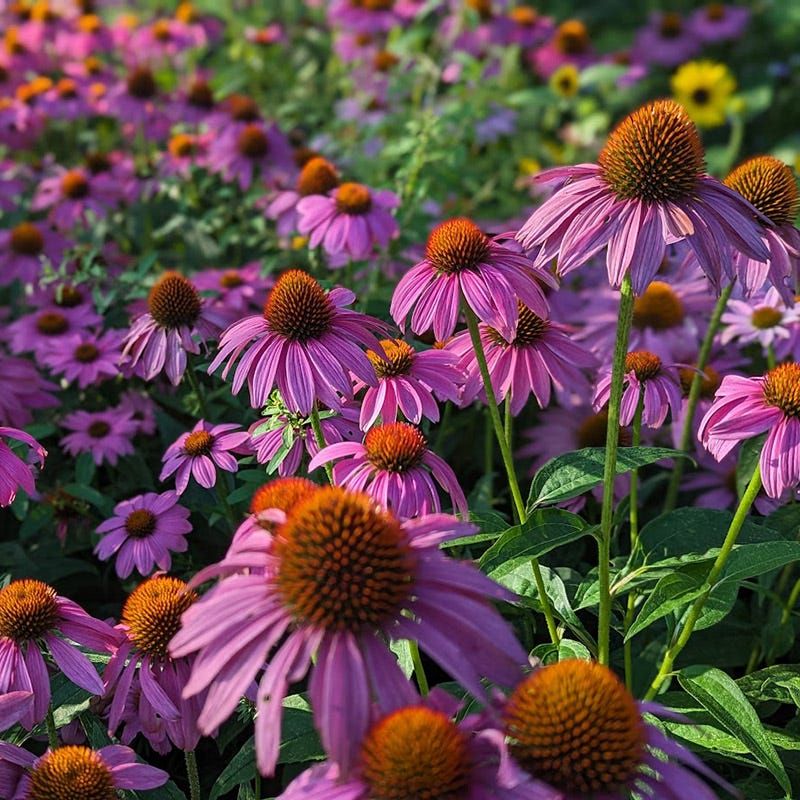
Each flower features swept-back purple petals surrounding a raised, spiky, cone-shaped center that deepens to a warm orange-brown as the season progresses. That center cone is part of what makes this plant so visually interesting even beyond peak bloom.
The color combination catches the eye from a distance and holds attention up close.
In Pennsylvania gardens, the flowering window can stretch from roughly June through September depending on conditions, though timing may vary by location, planting site, and seasonal weather patterns.
Gardeners who plant several clumps in a sunny border often enjoy a longer show as individual plants bloom at slightly different rates.
The blooms also hold up reasonably well during dry spells, making purple coneflower a practical choice for low-maintenance summer color.
For anyone wanting a native perennial that delivers weeks of purple flowers in a sunny Pennsylvania bed, this plant is well worth considering.
2. Sunny Beds Help Coneflowers Shine
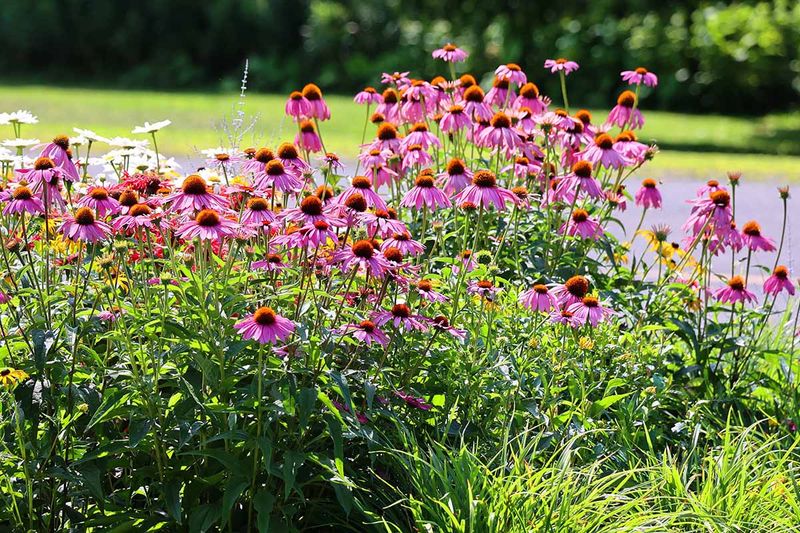
Walk through almost any well-established Pennsylvania perennial bed and you will notice that the healthiest coneflowers tend to grow where sunlight reaches them for most of the day.
Purple coneflower is a sun-loving plant at heart, and giving it a spot with at least six hours of direct light generally encourages stronger stems, better flowering, and more vigorous growth overall.
Shaded conditions are worth avoiding if possible. Plants growing in too much shade may stretch toward the light, produce fewer blooms, and become more prone to flopping.
A sunny border, open meadow-style planting, or south-facing bed tends to suit purple coneflower far better than a spot tucked under a dense tree canopy.
Pennsylvania offers a wide range of garden settings, from open suburban yards to rural property with full sun exposure across wide stretches. In those sunny spaces, purple coneflower can become one of the most dependable summer performers in the border.
Your Pennsylvania Garden Changes Every Week. Your Plan Should Too.
Gardening in Pennsylvania changes quickly throughout the season. Every Friday you’ll receive a simple weekly plan showing exactly what to plant, prune, fertilize, harvest, and protect so you never miss the right timing.
Pairing it with other sun-loving natives like black-eyed Susan or native grasses can create a layered, naturalistic look that suits Pennsylvania landscapes beautifully.
The key is matching the plant to the right light conditions from the start, since moving established clumps later can disrupt their root systems and slow their recovery into the following season.
3. Strong Stems Hold Daisy-Like Blooms
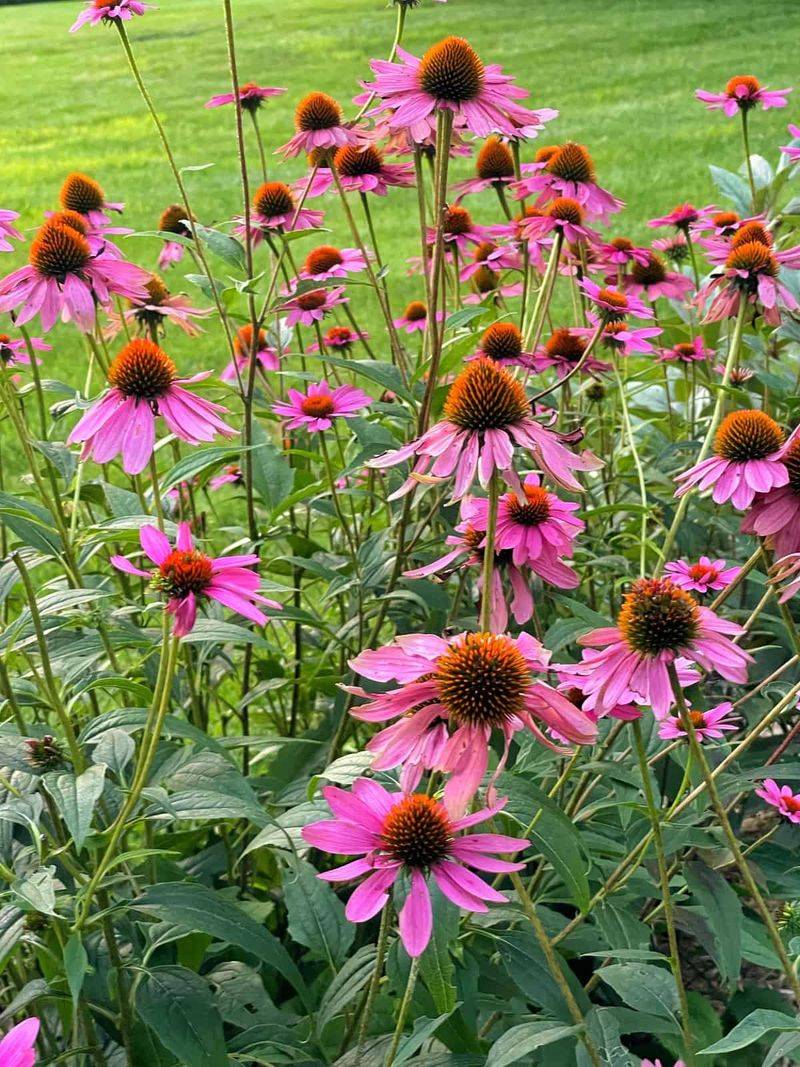
One of the quieter strengths of purple coneflower is the way its stems hold those large, daisy-like blooms upright through weeks of summer weather.
Some perennials need staking after a heavy rain or a stretch of wind, but purple coneflower generally manages to stay reasonably upright on its own when growing in a sunny, well-drained spot.
The stems tend to be tough and somewhat coarse to the touch, which is part of what gives this plant its sturdy, self-reliant character.
Heights can vary depending on cultivar and growing conditions, but plants in sunny Pennsylvania gardens commonly reach somewhere between two and four feet tall.
That range makes them useful as mid-border plants that can anchor a planting without overwhelming shorter neighbors.
Interestingly, plants grown in too much shade or overly rich soil may produce taller, weaker stems that are more likely to lean or flop by late summer. Keeping coneflowers in lean-to-average soil with good sun exposure tends to support that naturally upright habit.
For gardeners who want a native perennial that stands on its own without a lot of intervention, purple coneflower is a refreshingly low-maintenance option.
The combination of sturdy stems and bold blooms gives it a presence in the summer border that feels both reliable and visually satisfying from a distance.
4. Pollinators Visit The Purple Flowers
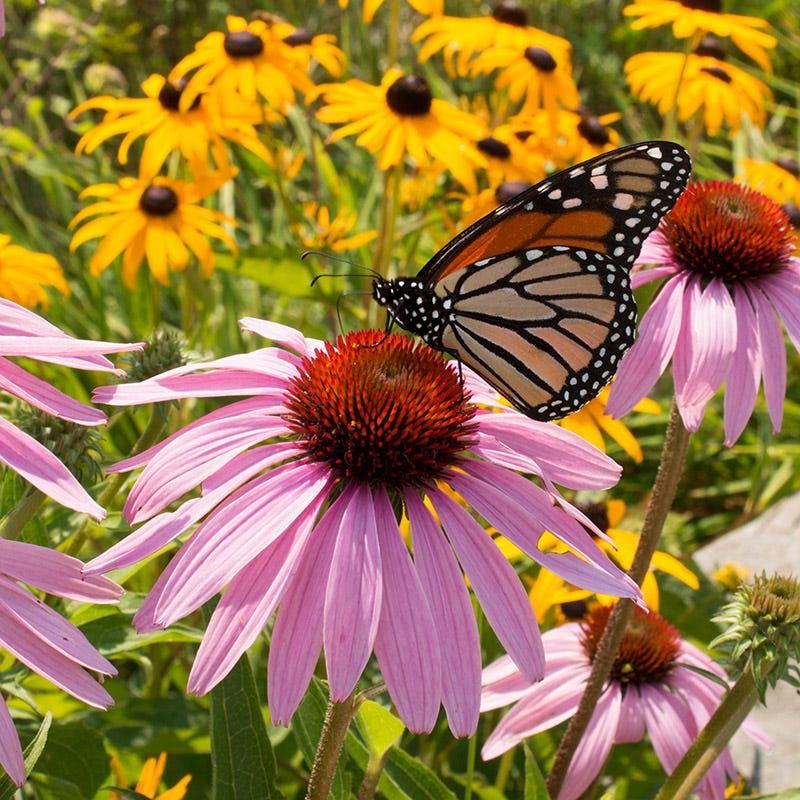
Spend a warm afternoon near a patch of purple coneflower in bloom and the activity around those flowers becomes hard to ignore.
Bees of various kinds, butterflies, and other beneficial insects are commonly drawn to the nectar and pollen that purple coneflower provides during its long summer bloom period.
For Pennsylvania gardeners interested in supporting local pollinator populations, this native perennial is a genuinely practical addition to the landscape.
Bumblebees, native sweat bees, and honeybees may all visit the flowers with some regularity, while butterflies like swallowtails and fritillaries are often spotted moving from bloom to bloom on warm days.
The raised cone center provides a convenient landing platform for insects, which likely contributes to the flower’s appeal among a wide range of visitors.
Planting purple coneflower alongside other native perennials that bloom at different times can help extend the season of pollinator support from late spring through fall.
In Pennsylvania, where pollinator habitat has declined in some areas due to development and land changes, adding native flowering perennials to home gardens and yards can make a meaningful difference at the local level.
Purple coneflower is not a cure-all for pollinator challenges, but it is one of the more accessible and visually rewarding ways that home gardeners can contribute to healthier pollinator habitat in their own neighborhoods.
5. Seed Heads Add Late-Season Interest
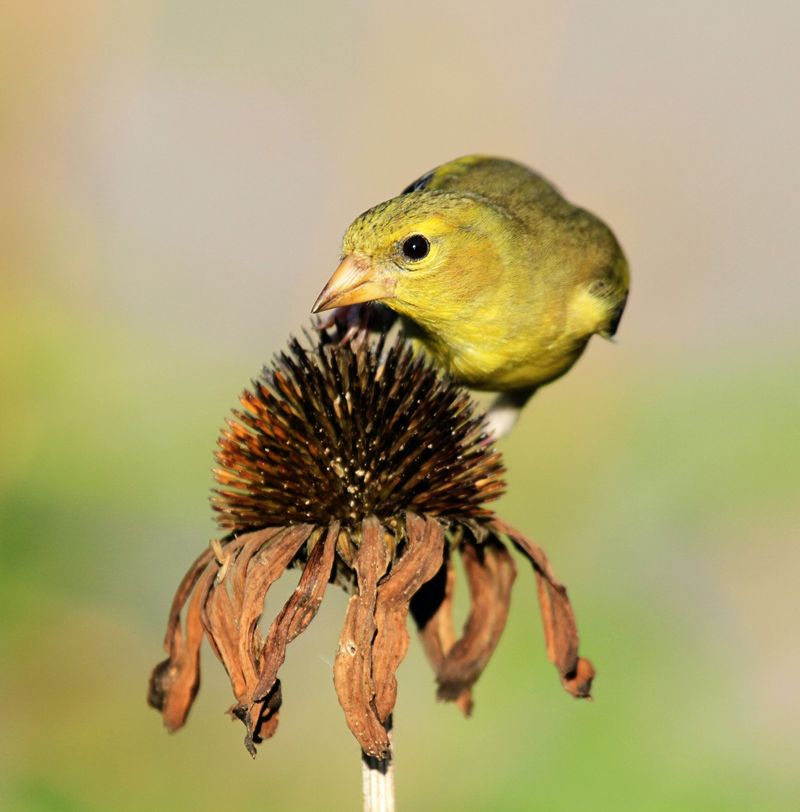
By the time Pennsylvania summers wind down into September and October, the show in the coneflower patch shifts from flower petals to something equally worth watching.
As blooms fade, the spiky cone centers remain standing on the stems, gradually drying into textured, dark brown seed heads that bring a different kind of beauty to the late-season border.
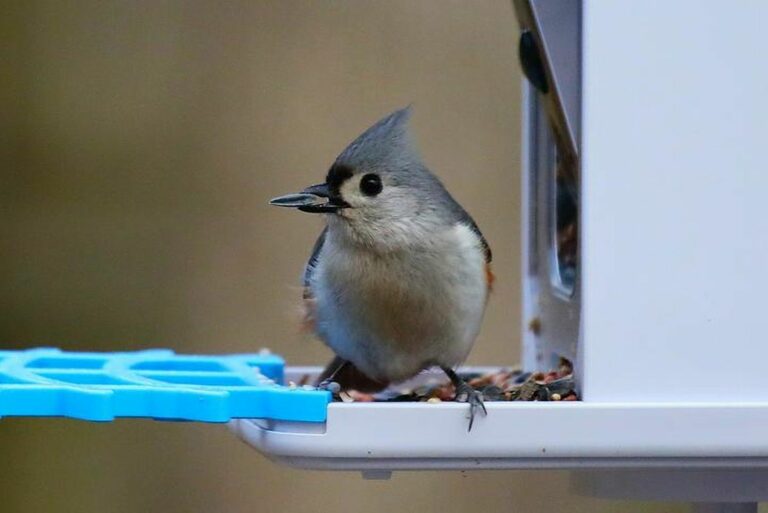
Those seed heads are more than just decorative. Goldfinches and other seed-eating birds may visit the dried cones to feed on the seeds during fall and early winter, which gives gardeners a compelling reason to resist the urge to cut everything back too early.
Leaving the seed heads in place through the colder months can turn a quiet Pennsylvania garden bed into an occasional feeding spot for local birds.
From a purely visual standpoint, the seed heads also add vertical structure and winter interest to a bed that might otherwise look bare after the first frost.
Pairing them with ornamental grasses or other plants that hold their form through winter creates a layered, naturalistic look that many Pennsylvania gardeners find appealing.
Waiting until late winter or early spring to cut back coneflower stems gives both birds and beneficial insects more time to make use of the plant before new growth begins again.
That patient approach tends to reward gardeners with a more dynamic, ecologically connected garden space.
6. Good Drainage Keeps Plants Happier
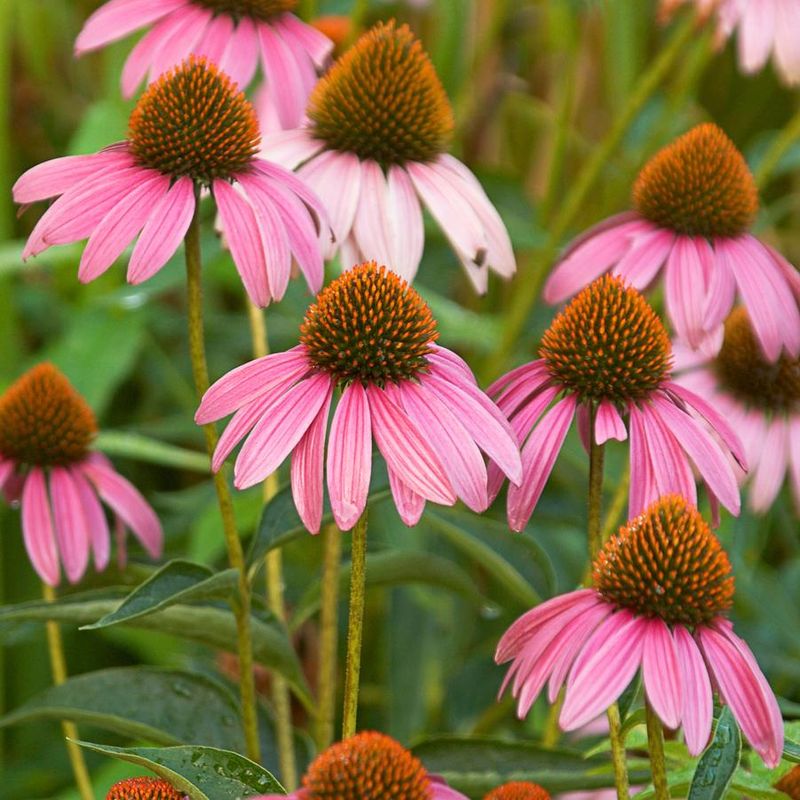
Soil drainage is one of the most important factors to get right when growing purple coneflower in a Pennsylvania garden. This native perennial is reasonably adaptable, but it tends to struggle in spots where water sits for extended periods after heavy rain.
Roots that stay wet for too long can weaken the plant and reduce its chances of returning reliably year after year.
Well-drained, average-to-lean soil suits purple coneflower quite well, and the plant generally does not need a lot of added fertilizer or soil amendments to perform.
Rich, heavily amended soil can actually encourage overly lush, floppy growth that works against the plant’s naturally upright habit.
Starting with decent drainage and leaving the soil relatively lean tends to produce more compact, sturdy plants over time.
Pennsylvania soils vary considerably across the state, from the clay-heavy soils common in some regions to the sandier, more freely draining soils found elsewhere.
Gardeners dealing with heavier clay soils might consider raising the planting bed slightly or incorporating coarse material to improve drainage before planting.
Choosing a naturally well-drained slope or elevated bed can also make a real difference in how well coneflowers establish and return over multiple seasons.
Taking a little time to evaluate drainage before planting is a straightforward step that can improve long-term results without requiring a major garden overhaul.
7. A Native Perennial With Easy Style
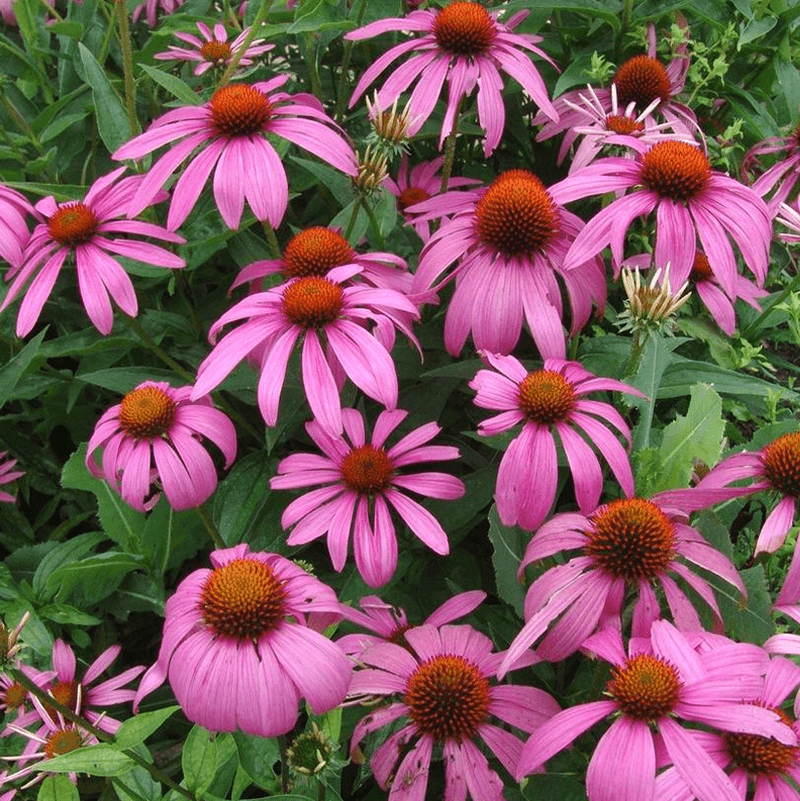
There is something effortlessly appealing about the way purple coneflower fits into a wide range of garden styles without demanding much in return.
Whether planted in a tidy suburban border, a relaxed cottage garden, or a naturalistic meadow-style bed, this native perennial tends to look right at home as long as the light and drainage conditions suit it.
In Pennsylvania, where many gardeners are drawn to both the beauty of native plants and the practicality of low-maintenance perennials, purple coneflower hits a satisfying middle ground.
It brings bold color and structure to a planting without needing constant deadheading, staking, or intensive care.
Removing spent blooms can encourage some additional flowering, but leaving them in place lets the seed heads develop for late-season interest and potential bird activity.
Pairing purple coneflower with companions like black-eyed Susan, native rudbeckias, ornamental grasses, or other sun-loving Pennsylvania natives can create a layered, cohesive planting that looks intentional without feeling overly formal.
The informal, open habit of purple coneflower suits relaxed garden designs particularly well, and its bold purple blooms provide enough visual weight to anchor a border even when surrounded by finer-textured plants.
For gardeners who want a native perennial that looks good, supports wildlife, and fits easily into an existing planting scheme, purple coneflower offers a lot of practical appeal without a steep learning curve.
8. Clumps Can Return Year After Year
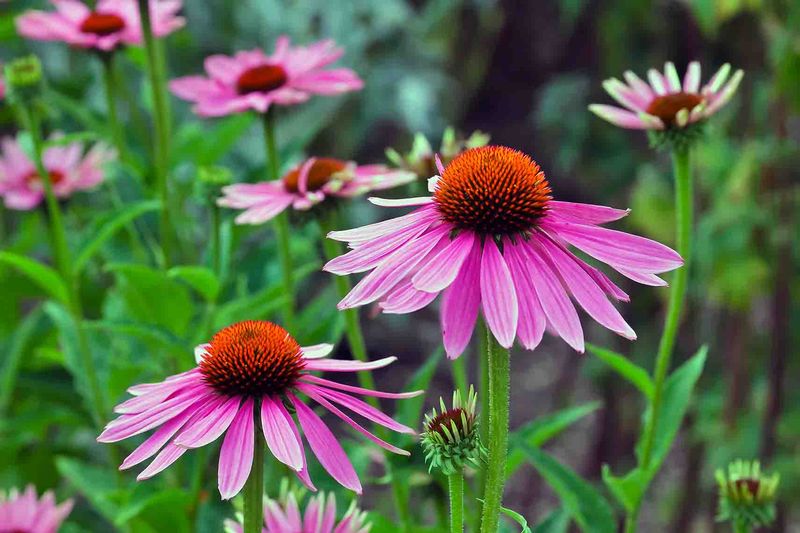
One of the most rewarding qualities of purple coneflower for Pennsylvania gardeners is its potential to return season after season as an established perennial clump.
Once a plant settles into a sunny, well-drained spot and gets through its first growing season, it may begin to expand gradually, sending up more stems and producing more blooms with each passing year.
That said, perennial performance always depends on a combination of factors including light, drainage, soil conditions, seasonal weather, and overall plant health.
Not every clump will return with equal vigor, and some plants in challenging spots may need to be replaced over time.
Giving purple coneflower the right growing conditions from the start improves its chances of returning reliably and expanding into a fuller, more impressive clump over multiple seasons.
Purple coneflower can also self-seed in favorable conditions, meaning new seedlings may appear near the parent plant over time. This natural spreading tendency can gradually fill in a border or meadow-style bed with very little effort from the gardener.
Thinning or transplanting seedlings in spring gives some control over where new plants establish.
For Pennsylvania gardeners looking for a native perennial that earns its place in the garden by coming back with purple flowers year after year, purple coneflower remains one of the most accessible and rewarding options available for sunny beds across the state.