How To Get Louisiana Vegetable Beds Ready Before The Worst Of Storm Season Sets In
Louisiana summers don’t ease you in. One week your tomatoes are climbing, your peppers are setting fruit, and everything looks exactly the way it should. Then a storm rolls in off the Gulf and takes half of it down in an afternoon.
What separates a garden that bounces back from one that doesn’t usually comes down to what you did before the clouds showed up.
Storm season here isn’t a maybe. It peaks, it stalls, and it floods. Your vegetable beds sit right in the middle of all of it. The steps below won’t make your garden untouchable, but they’ll make sure it’s not caught completely off guard.
A little work now means less heartbreak later, and a lot less replanting when the sun finally comes back out.
1. Harvest What You Can Before A Storm Moves In
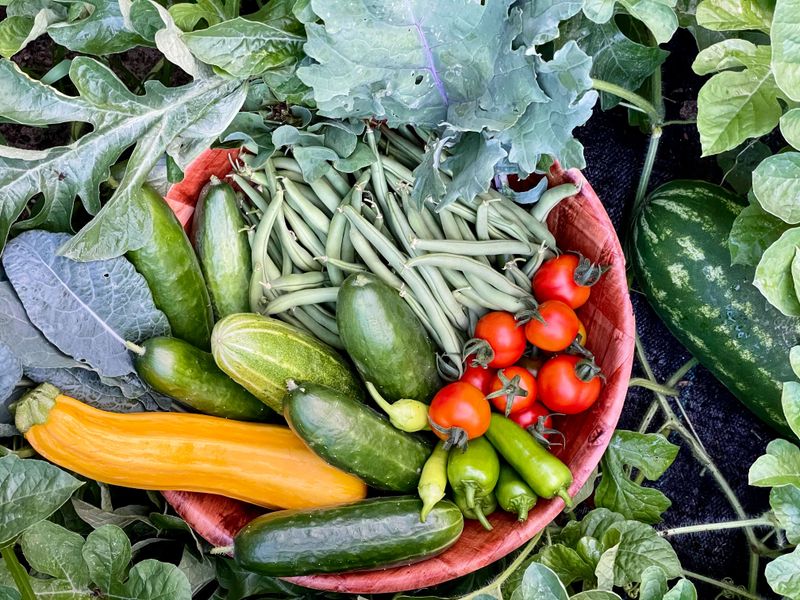
Your ripe vegetables do not care about storm forecasts, but you should. Anything close to harvest-ready is better off in your kitchen than left dangling in the wind.
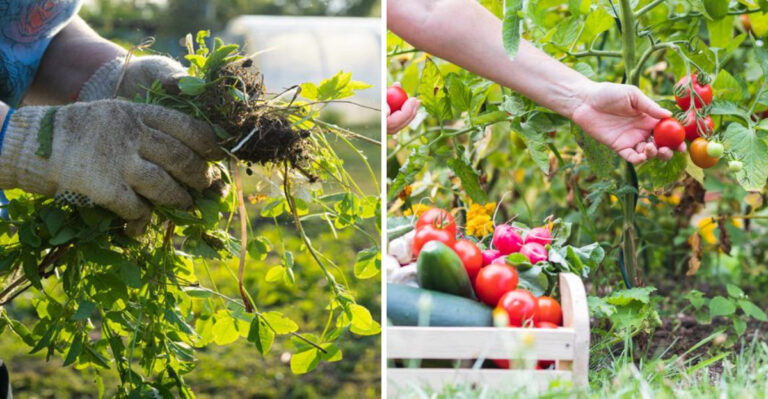
Walk your beds the moment a storm watch appears. Pick tomatoes, peppers, cucumbers, and squash that are even close to done.
Green tomatoes that have started to change color will ripen on a countertop just fine, and half-grown squash tastes great sauteed. You lose nothing by pulling them early.
Leaving ripe produce on the vine during heavy rain invites splitting, rot, and fungal trouble. A bruised tomato on the ground feeds pests, not people.
Storm prep for Louisiana vegetable beds starts with clearing what is already there. An empty vine has nothing to lose when the wind picks up.
Check under broad leaves where cucumbers and zucchini love to hide. Those hidden giants become projectiles in a serious gust.
Gather your harvest into a basket and bring it inside before the first band of rain arrives. Your future self will thank you when the garden is a muddy mess tomorrow.
Think of it as a forced harvest party, one where the weather calls the shots. A cleared bed is also easier to inspect and secure once you move on to the next prep steps.
2. Stake And Secure Plants Before Wind Becomes A Problem
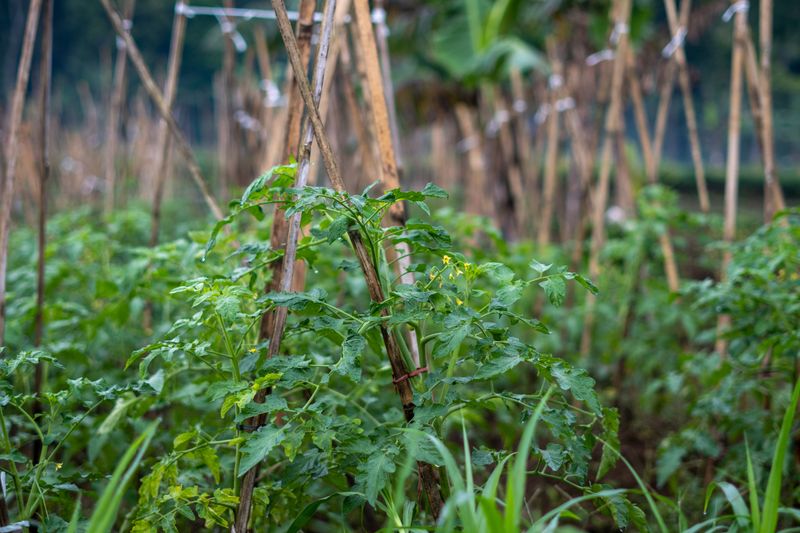
Wind does not announce itself politely before snapping a tomato cage in half. Tall plants need support before the gusts arrive, not after.
Check every stake in your beds and press any loose ones deeper into the soil. A stake that wobbles in calm weather will absolutely fail in a storm.
Tomatoes, peppers, and eggplants are especially vulnerable to wind snap at the main stem. Secure them with soft garden ties or strips of old T-shirt fabric.
Metal tomato cages can tip over when soil gets saturated from heavy rain. Push the legs as deep as possible and consider tying adjacent cages together for stability.
Trellised beans and cucumbers catch wind like a sail. Loosen the netting slightly so air can pass through rather than pushing the whole structure over.
Your Louisiana Garden Changes Every Week. Your Plan Should Too.
Gardening in Louisiana changes quickly throughout the season. Every Friday you’ll receive a simple weekly plan showing exactly what to plant, prune, fertilize, harvest, and protect so you never miss the right timing.
Tall corn is one of the trickiest crops to protect from storm wind. Mound extra soil around the base of each stalk to help anchor the root zone.
Check your work by giving each plant a gentle shake. If it moves more than an inch, it needs more support before the storm hits.
Securing plants now takes maybe thirty minutes, but the payoff is enormous. A well-staked garden bounces back faster, and that momentum keeps your whole season on track.
3. Add Mulch To Protect Soil From Heavy Rain
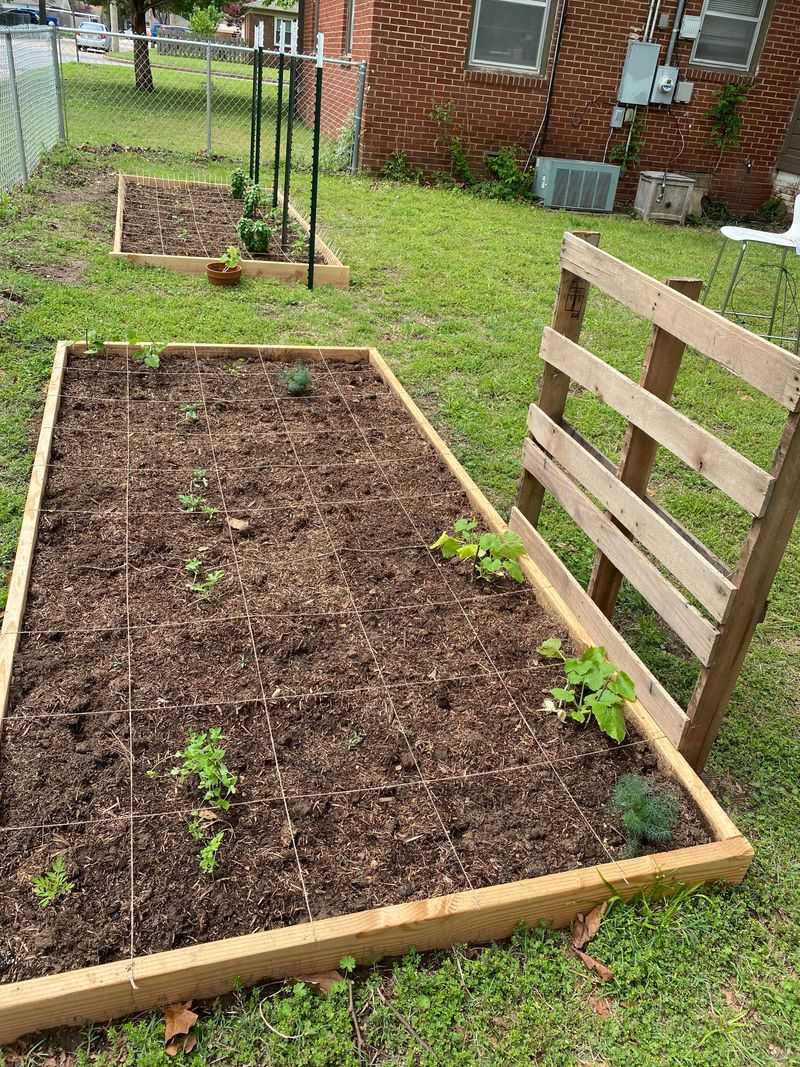
Heavy Gulf rain hits bare soil like a hammer, compacting it and washing away nutrients fast. A good layer of mulch is the simplest armor your beds can have.
Aim for a two-to-three inch layer of straw, wood chips, or shredded leaves over every exposed bed. That cushion absorbs impact and slows runoff dramatically.
Mulch also keeps soil temperatures more stable during the wild swings that follow a major storm. Roots stay calmer when the ground around them is insulated.
Pull mulch slightly away from plant stems to prevent rot during prolonged wet periods. About an inch of clearance around each stem is plenty.
Pine straw is especially popular in the Gulf South because it is cheap, abundant, and breaks down slowly. It also holds up well against rain wash-out, which is the bigger concern in most Louisiana storms.
If you have compost on hand, mix a thin layer into the soil before applying mulch on top. That one-two punch feeds the bed and protects it at the same time.
Fresh wood chips are best avoided around shallow-rooted vegetables. They break down slowly and aren’t the right fit for an edible bed. Straw remains the safer bet for vegetable areas.
A mulched bed after a storm looks dramatically better than a bare one. You will spend far less time repairing soil structure when the sun finally comes back out.
4. Check Your Drainage Before The Rain Arrives
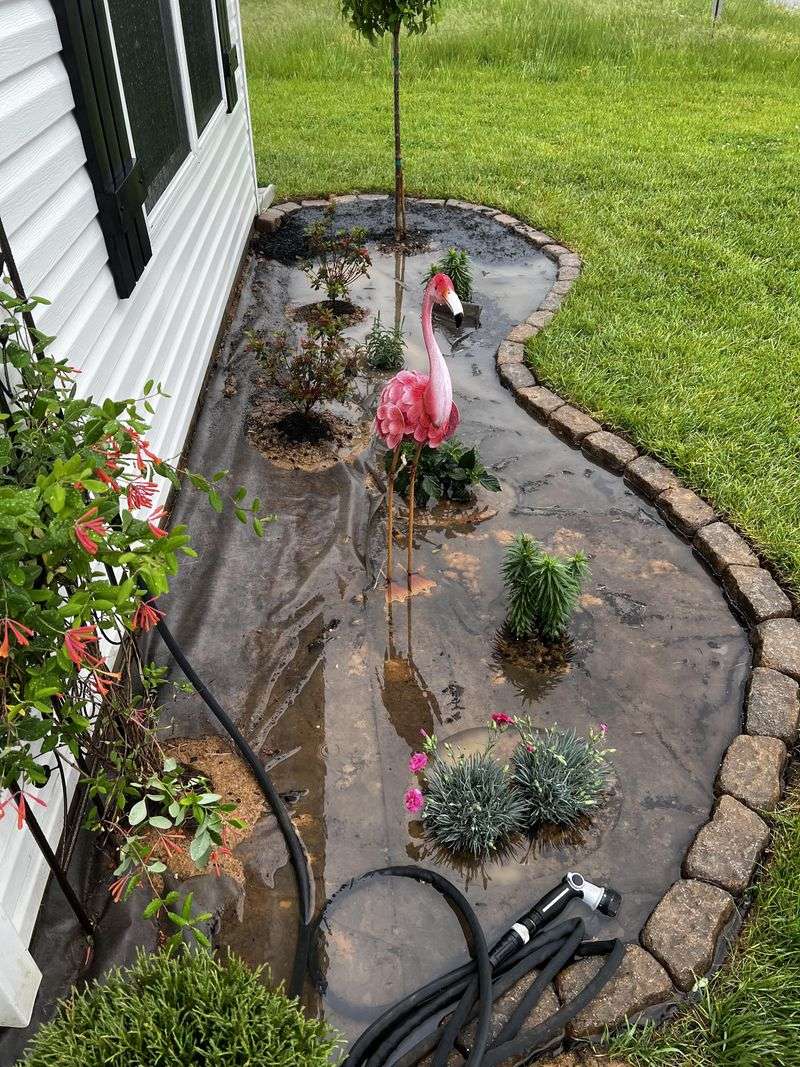
Standing water after a storm is one of the fastest ways to lose an entire vegetable bed. Roots begin losing function in waterlogged soil within 24 hours, and extended saturation can cause serious damage.
Walk your garden area and look for low spots where water tends to pool after even a light rain. Those spots become small ponds during a serious Gulf storm.
Dig a quick drainage test by making a six-inch hole and filling it with water. If it does not drain within an hour, you have a problem worth fixing now.
For raised beds, check that the bottom has not become compacted or blocked over time. A layer of gravel or coarse sand beneath the soil mix helps water move through.
Ground-level beds benefit from shallow trenches dug along their edges to redirect overflow away from plant roots. Even a two-inch trench can make a big difference.
Amending clay-heavy soil with compost before storm season is a longer-term fix, but it works. Better drainage means healthier roots year-round, not just during bad weather.
Make sure any nearby downspouts or gutters are not directing roof runoff straight into your garden. Redirecting that flow to a less vulnerable area takes only a few minutes.
Good drainage is invisible when it works and catastrophic when it does not. Sorting this out now means your vegetable beds stay ready for Louisiana vegetable bed storm prep all season long.
5. Elevate Or Reinforce Your Raised Beds
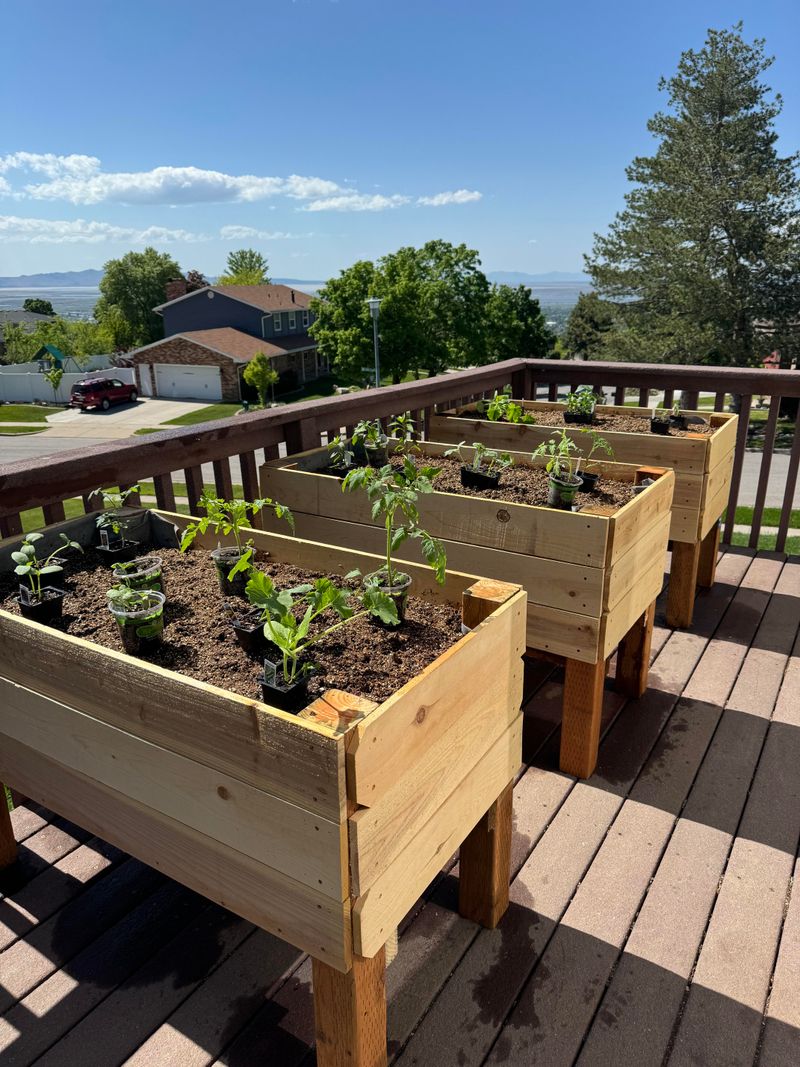
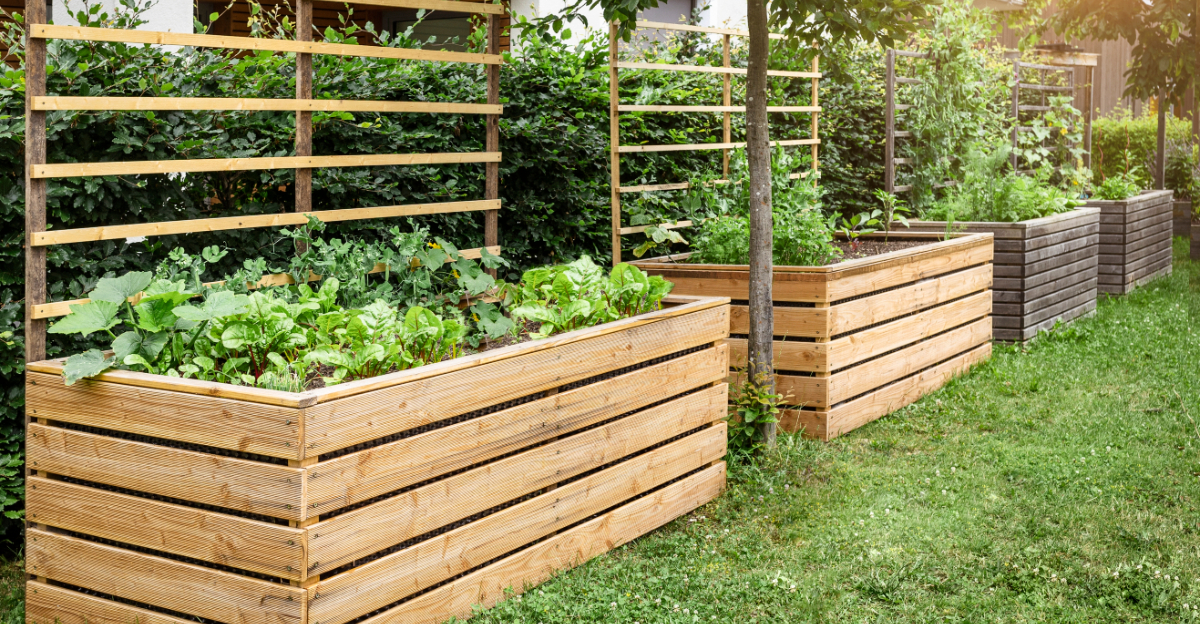
Raised beds look sturdy, but storm season has a way of exposing every weak joint and rotting board. A bed that collapses mid-storm dumps your plants and soil into a muddy heap.
Inspect every corner and side board for signs of rot, warping, or loose fasteners before the first serious storm arrives. Press your thumb firmly into the wood at each corner.
Soft spots mean rot has started, and that board will not survive a saturated soil load during heavy rain. Replace compromised boards now while the weather is still cooperating.
Add metal corner brackets to any raised bed that feels even slightly wobbly. They are inexpensive at any hardware store and take only minutes to install with a basic screwdriver.
If your beds sit directly on the ground, check whether the bottom boards are starting to decompose from soil contact. Treating them with a food-safe wood preservative extends their life significantly.
Taller raised beds over twelve inches high carry more soil weight and need stronger bracing. Cross-support boards along the interior sides prevent bulging during heavy rain saturation.
Consider adding a bead of exterior caulk along any gaps in the side boards. That small step keeps soil from washing out during the kind of sideways rain that Gulf storms bring.
A reinforced raised bed is an investment that pays off every single season. Strong beds mean your Louisiana vegetable garden is ready to weather whatever rolls in from the Gulf.
6. Set Up Temporary Windbreaks Around Vulnerable Plants
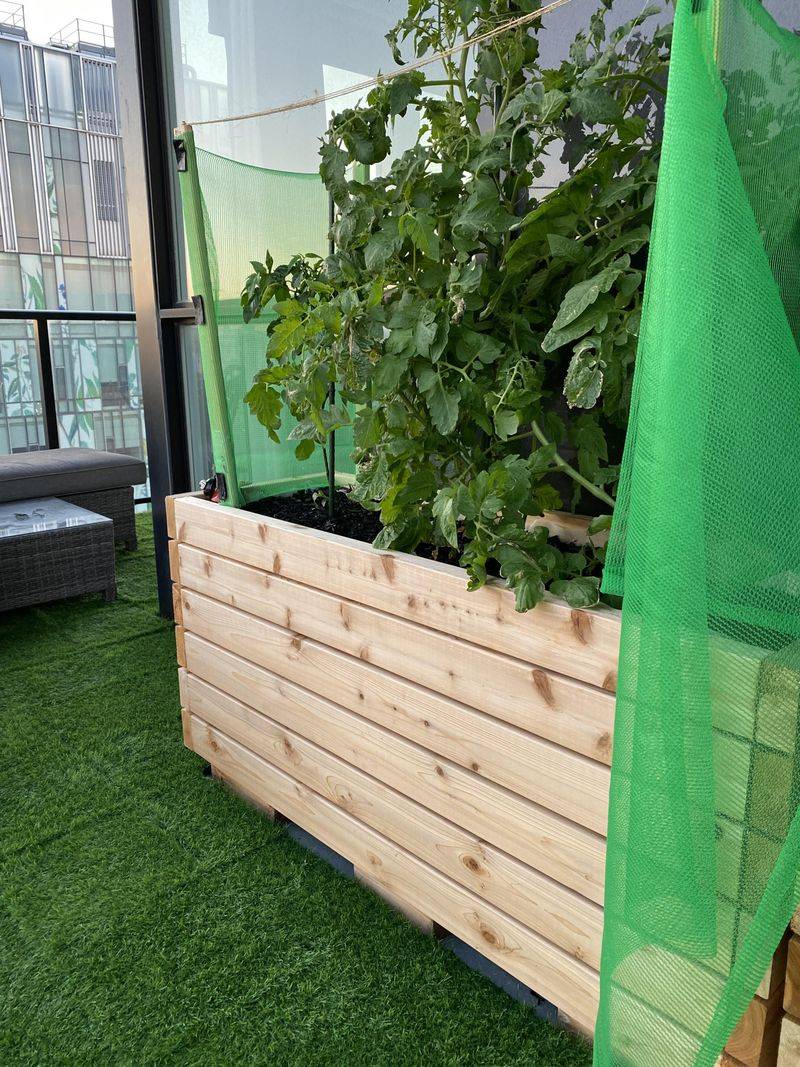
Some plants simply cannot handle strong wind, and no amount of staking will save a delicate seedling from a direct gust. A temporary windbreak buys those plants critical protection.
Burlap fabric stretched between wooden stakes is one of the easiest and most affordable windbreak options available. It slows wind speed without completely blocking airflow, which actually keeps plants healthier.
Position your windbreak on the side of the garden that faces the prevailing storm direction. For storms approaching from the Gulf, the south and southeast sides are often most exposed, though this varies by storm track.
Old window screens, shade cloth, or even wooden pallets can serve as makeshift windbreaks in a pinch. Anything that interrupts the wind flow before it reaches your plants helps.
Taller windbreaks are not always better since too much blockage can create turbulence on the sheltered side. A barrier about two-thirds the height of your tallest plants is a good target.
Secure your windbreak stakes deeply into the ground, at least twelve inches, so they do not become flying hazards during the storm itself. Loose stakes are dangerous.
Remove the windbreak promptly after the storm passes to restore full light and airflow to your plants. Leaving it up too long can create humidity problems in wet Gulf weather.
A well-placed windbreak can mean the difference between a garden that survives and one that needs to be replanted from scratch. That outcome is worth thirty minutes of setup time.
7. Move Containers To A Sheltered Spot
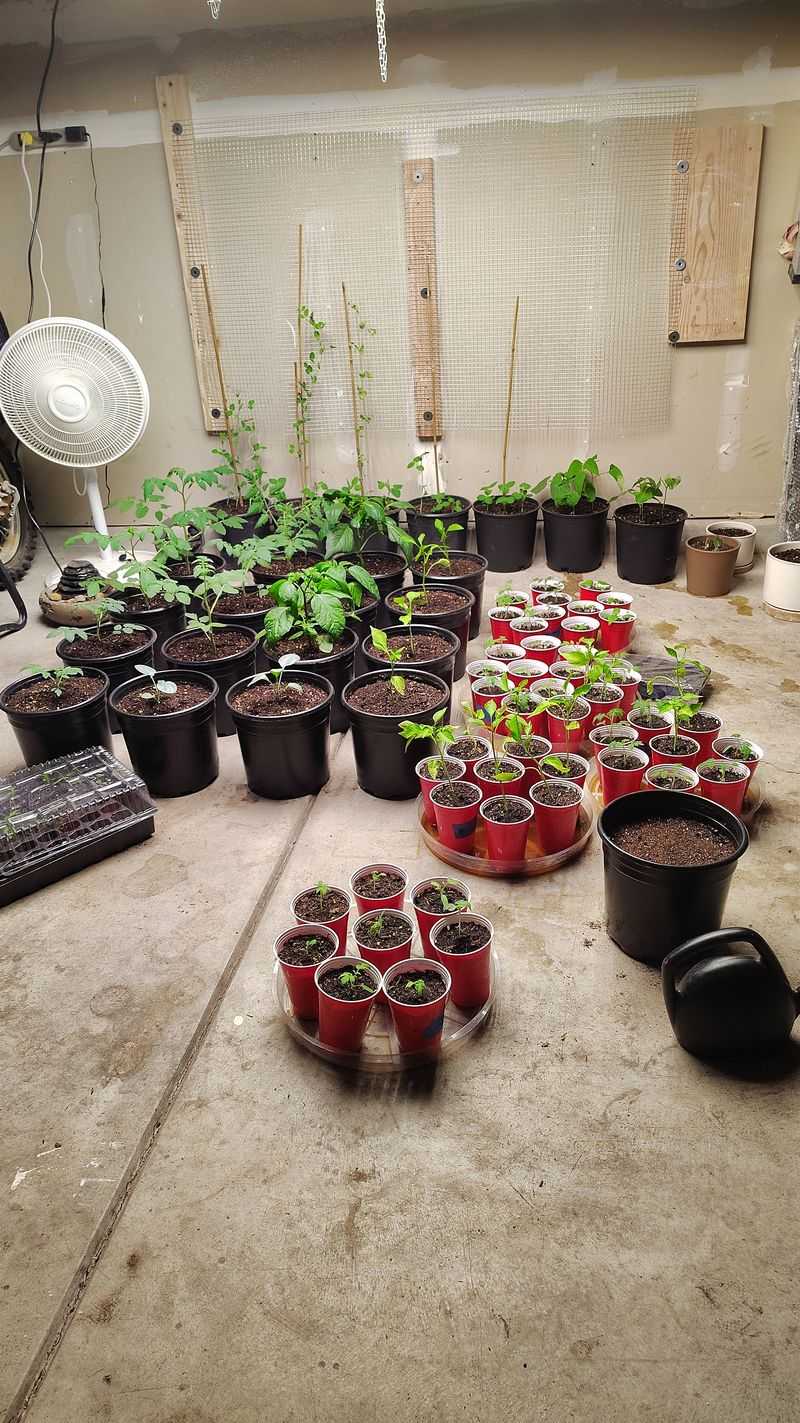
Container gardens are wonderfully flexible right up until a Category 1 gust sends a terracotta pot skidding across your patio. Moving containers before a storm is the easiest win in garden prep.
Start with the largest and heaviest pots first since those take the most effort and cause the most damage if they tip. Wheel them into a garage, shed, or covered porch.
Smaller pots can be grouped together against an interior wall or tucked under a table to reduce their exposure. Clustering them also makes them less likely to tip individually.
Hanging baskets should always come down before a serious storm. They swing wildly in the wind and can pull down hooks, gutters, or even porch railings when they get moving.
If you cannot move a large container, lay it on its side in a protected corner. A horizontal pot loses far less soil and is much harder for wind to grab.
Check that any water trays or saucers under containers are emptied before heavy rain arrives. Overflowing saucers drown roots faster than you might expect during a prolonged downpour.
Herb containers are often overlooked because they seem small and harmless. But a flying clay pot is a real hazard for windows, people, and other plants nearby.
Getting your containers safely sheltered is one of the fastest ways to protect your Louisiana vegetable beds during storm season. It takes less than an hour and saves days of cleanup afterward.
8. Clear Debris From Around Your Beds Before It Becomes A Hazard
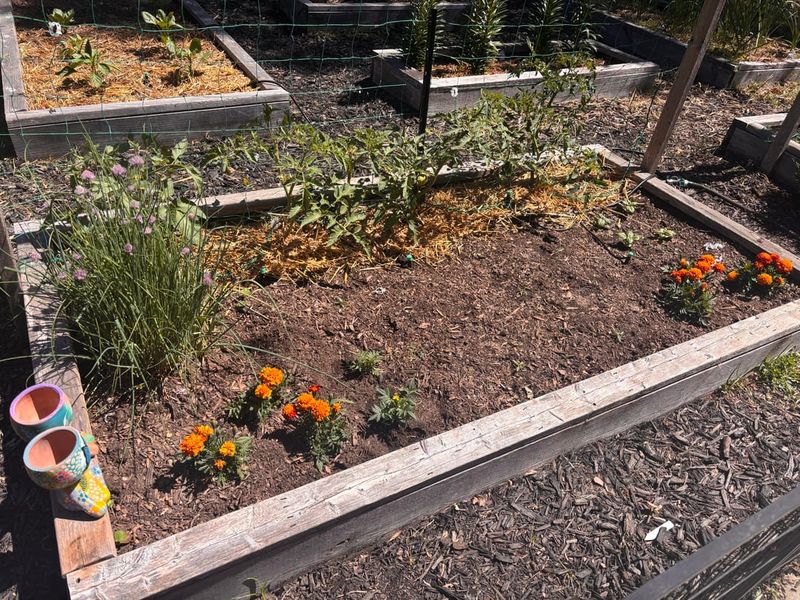
Most gardeners think about protecting what is inside their beds. Fewer think about what is sitting right next to them. Loose objects near vegetable beds become real problems once the wind picks up.
Walk the area around each bed and remove anything that could shift, tip, or fly. Garden tools left leaning against a fence, empty pots, stakes pulled from earlier in the season, wire fencing scraps, all of it needs to go.
Gravel and rock mulch used near bed edges can become small projectiles in serious wind. Move it away from beds or replace it with a lighter organic option before storm season peaks.
Check for bare branches on any trees or shrubs near your vegetable area. A branch that looks stable in calm weather can come down fast under the weight of heavy rain and wind. Remove anything that looks questionable.
Compost bins near the garden should be secured or relocated before a major storm. An open or loosely lidded bin will scatter its contents across your beds and invite contamination.
Clear any fallen leaves or plant debris that has built up around bed edges. Wet debris piled against bed boards holds moisture and speeds up rot in the wood, which you do not want heading into the most intense part of storm season.
A tidy perimeter is not just about appearances. It is one of the simplest ways to make sure your Louisiana vegetable beds are ready for whatever rolls in off the Gulf.