Whiteflies Are Taking Over California Tomatoes And Most People Miss Them Early
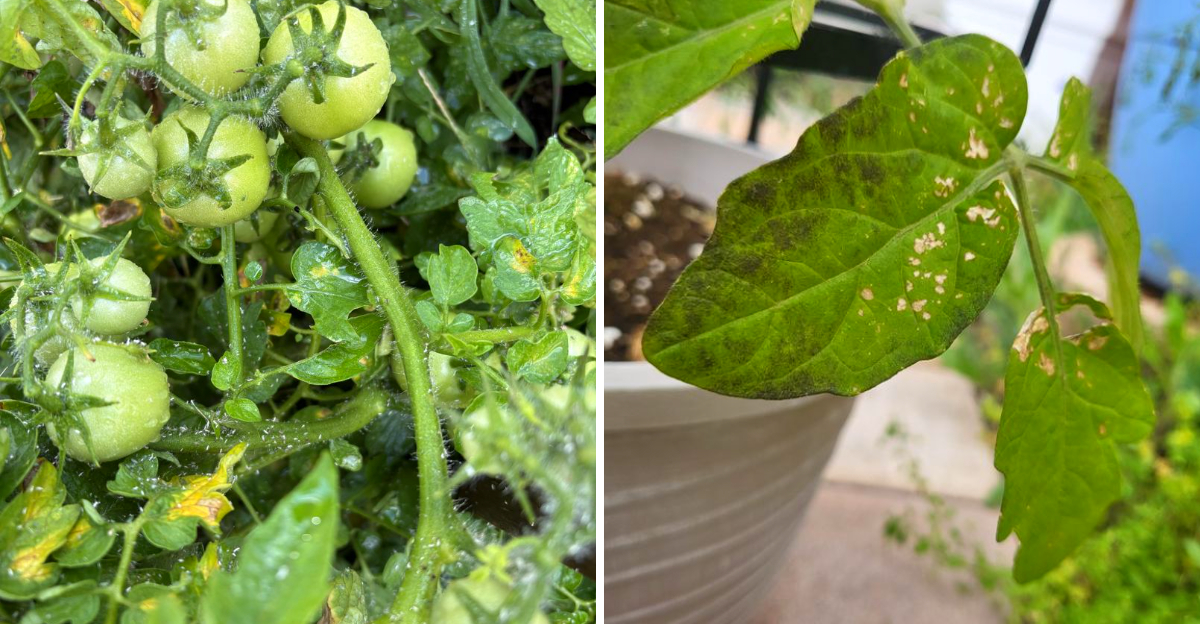
Whiteflies are the garden pests that specialize in being sneaky. They are small, they hide on the undersides of leaves, and by the time most California gardeners realize something is wrong, a pretty significant population has already set up camp on the tomato plants.
Not exactly the most welcome summer surprise. These tiny insects feed on plant sap and leave behind sticky honeydew that can lead to sooty mold, yellowing leaves, and a plant that starts looking worse by the week.
And in a California summer with warm temperatures, dry conditions, and plenty of tender new growth to feed on? Whitefly populations can build up fast.
The good news is that catching them early makes a real difference in how manageable the whole situation stays. So let’s talk about what to look for and what to actually do about it.
1. Whiteflies Hide On Leaf Undersides
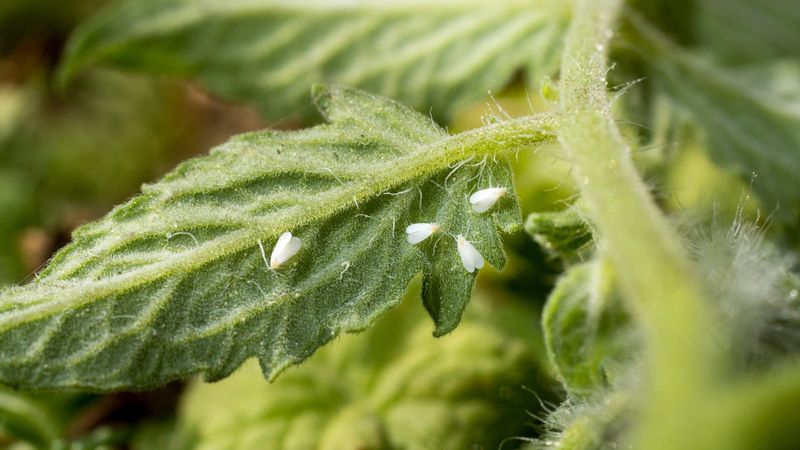
Flipping over a tomato leaf in your California garden can reveal a surprising sight. Clusters of tiny, pale insects cling to the underside of the leaf, barely visible without a close look.
Whiteflies tend to favor the undersides of leaves because that surface offers shelter from direct sun and wind while staying close to the plant’s soft tissue where feeding is easiest.
The eggs and immature nymphs are even harder to spot than the adults. Nymphs are small, flattened, and often nearly translucent, making them blend right into the leaf surface.
Many gardeners walk past infested plants without realizing anything is wrong simply because they never check the undersides of the leaves.
Making a habit of turning over a few leaves every time you water or check your tomatoes can change everything. Look toward the growing tips and younger leaves first, since whiteflies often target new, tender growth.
In California backyard gardens and raised beds, this simple scouting step is one of the most effective ways to catch an infestation before it spreads across your plants.
2. Tiny White Adults Flutter When Leaves Move

One of the most telling signs of a whitefly problem shows up the moment you brush against your tomato plant.
A small cloud of tiny white insects lifts off the foliage and flutters briefly before settling back down.
That fluttery movement is one of the quickest ways to confirm that whiteflies have moved into your California tomato garden.
Adult whiteflies are only about one to two millimeters long, with white waxy wings that make them look almost powdery. They are not strong fliers, so they tend to stay close to the plant they are feeding on.
When disturbed, they scatter momentarily but usually return to the same plant or nearby foliage within seconds.
Catching this behavior early in the season is useful because it tells you exactly where the population is concentrated.
Gently shake a stem or tap a branch while standing near your tomatoes and watch what happens.
In warm California gardens where tomatoes grow through a long season, checking plants this way every week or two during summer gives you a practical early warning before populations grow large enough to cause noticeable leaf damage or stress to the plant.
Your California Garden Changes Every Week. Your Plan Should Too.
Gardening in California changes quickly throughout the season. Every Friday you’ll receive a simple weekly plan showing exactly what to plant, prune, fertilize, harvest, and protect so you never miss the right timing.
3. Sticky Honeydew Shows Up Before Major Damage
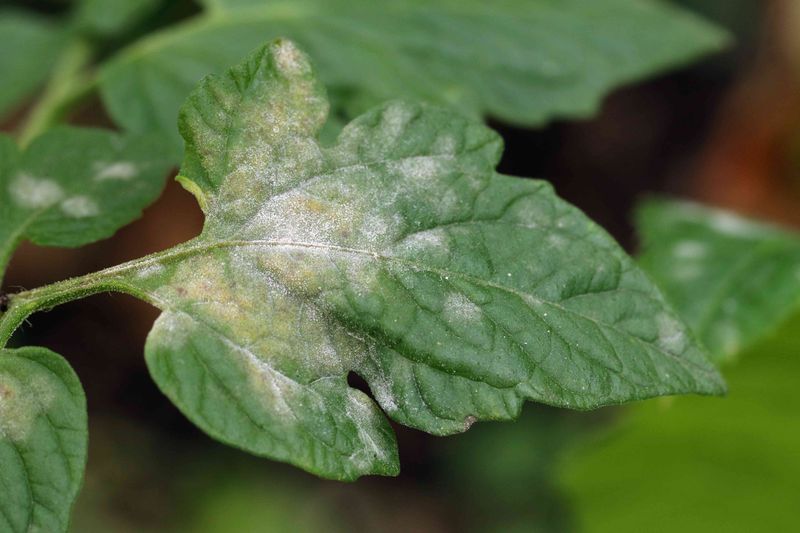
A shiny, sticky film on your tomato leaves or nearby surfaces is often one of the first clues that something is feeding on your plants.
Whiteflies excrete a sugary liquid called honeydew as they feed on plant sap, and this residue coats leaves, stems, and sometimes even the soil or pots below the plant.
Spotting honeydew early can alert you to a problem before the plant shows more serious symptoms.
Honeydew itself does not directly harm the plant the way feeding does, but it creates conditions that can lead to further issues.
Ants are often attracted to honeydew and may actually protect whitefly populations from natural predators in exchange for access to the sweet liquid.
In California’s dry summer months, this sticky residue can build up quickly on outdoor tomato plants, especially in warm inland areas.
If you notice your tomato leaves feel tacky or look unusually shiny, take a closer look at the undersides of those leaves right away.
Catching honeydew buildup early means the infestation is likely still at a manageable level.
Wiping leaves with a damp cloth or spraying them with a steady stream of water can help reduce both the honeydew and some of the insects at the same time.
4. Yellowing Leaves Can Be An Early Warning
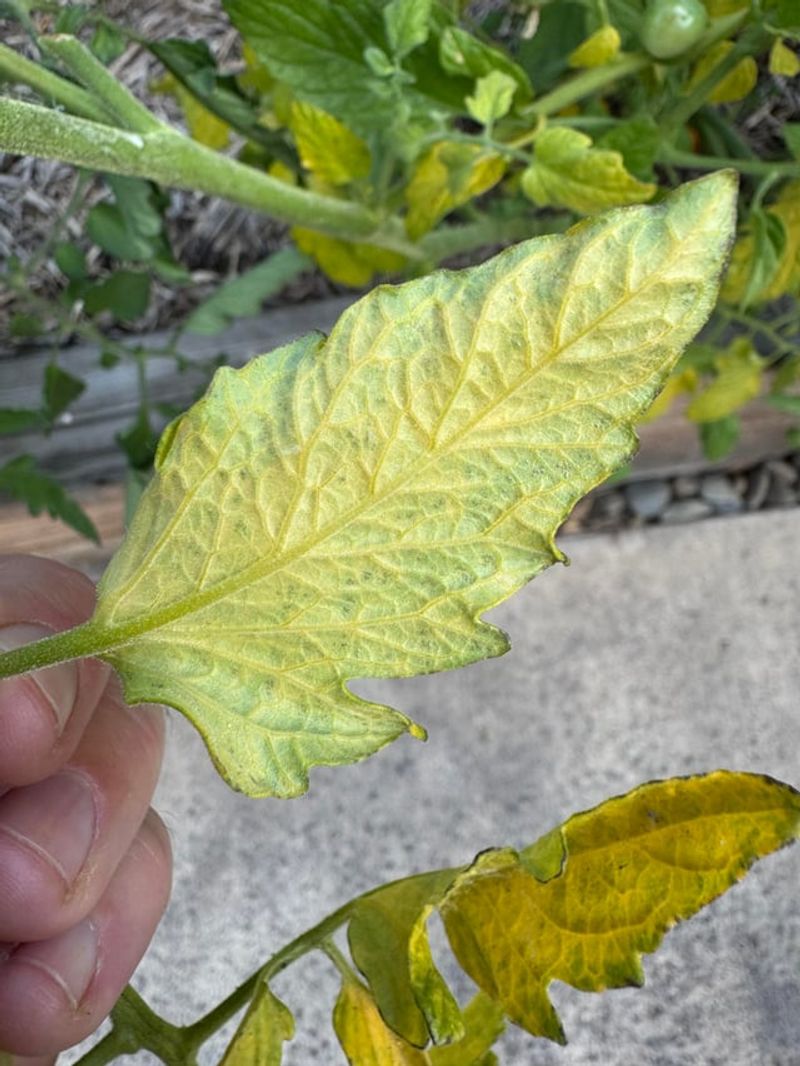
Faint yellowing across tomato leaves is easy to dismiss as a watering issue or a nutrient deficiency, and those causes are certainly possible.
But in California gardens where whiteflies are active, leaf yellowing can also point to pest feeding.
Whiteflies pierce plant tissue and remove sap, which gradually weakens the leaf and can cause it to turn yellow and drop prematurely.
The yellowing often starts on older, lower leaves but can spread upward as populations grow.
It may appear patchy at first, with irregular pale spots or a general faded look rather than a clean, uniform color change.
That uneven pattern is worth paying attention to because it differs from the more predictable yellowing that comes from iron or nitrogen deficiency.
Before adjusting your fertilizer or watering schedule, check the undersides of any yellowing leaves carefully.
If you find small insects, eggs, or cast skins stuck to the leaf surface, whiteflies may be contributing to the problem.
California tomato growers in both inland valleys and coastal areas sometimes overlook this connection because yellowing leaves have so many possible causes.
Pairing your visual inspection with a gentle shake of the plant can help you figure out whether insects are part of the picture.
5. Sooty Mold Follows Sticky Whitefly Feeding
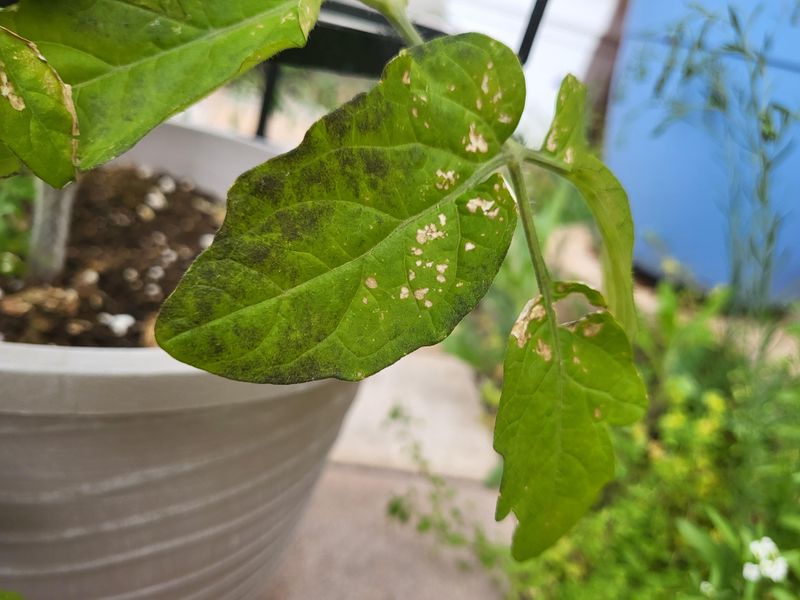
Dark, dusty patches on tomato leaves that almost look like someone sprinkled soot on them are a sign that sooty mold has moved in.
Sooty mold is a fungus that grows on the honeydew left behind by whiteflies and other sap-feeding insects.
It does not directly infect the plant tissue, but the dark coating can block sunlight from reaching the leaf surface and reduce the plant’s ability to photosynthesize efficiently.
In California’s warm, dry summer conditions, honeydew can accumulate quickly on heavily infested plants, and sooty mold often follows within days.
The mold tends to appear on upper leaf surfaces because that is where honeydew drips down from insects feeding above.
Seeing sooty mold on your tomatoes is a strong signal that a feeding insect population has been active for some time.
Washing affected leaves with a gentle spray of water can help remove both the mold and some of the honeydew. However, addressing the underlying whitefly population is the more lasting solution.
Sooty mold on tomatoes in California raised beds or container gardens is sometimes the first obvious clue that brings a gardener’s attention to an infestation that has quietly been building for several weeks without other obvious symptoms appearing.
6. Weak New Growth Needs A Closer Look
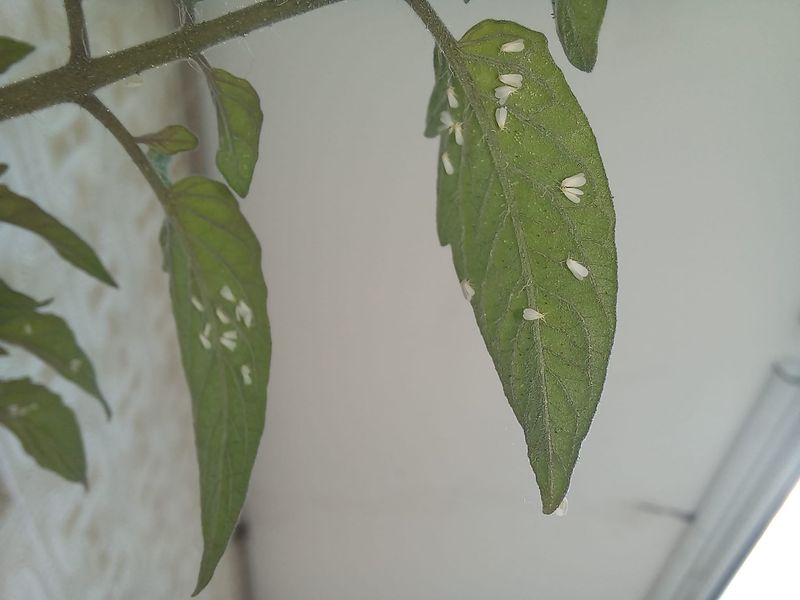
Tender new growth at the tips of tomato plants is some of the most attractive feeding territory for whiteflies.
Young leaves are soft, packed with nutrients, and easier to pierce than tougher, more mature foliage.
When whiteflies concentrate on new growth, the tips of the plant can start to look weak, curled, or stunted compared to the healthy growth you would expect from a well-watered, well-fed tomato plant in a California summer garden.
Curling or puckering of new leaves is a detail that gardeners sometimes attribute to heat stress or inconsistent watering, which are both common in California’s dry season.
Checking the undersides of those curled leaves closely can reveal whether insects are part of the cause.
Finding nymphs or eggs on young growth near the growing tips is a sign that the population is actively reproducing on your plant.
Addressing whiteflies on new growth early can help the plant maintain its vigor through the rest of the season.
Removing a few heavily infested growing tips, if the infestation is concentrated there, can reduce the population before it spreads further.
In California backyard gardens, keeping a close eye on new growth throughout the summer is a straightforward and practical monitoring habit that takes only a few minutes per visit.
7. Whiteflies Can Spread Tomato Viruses
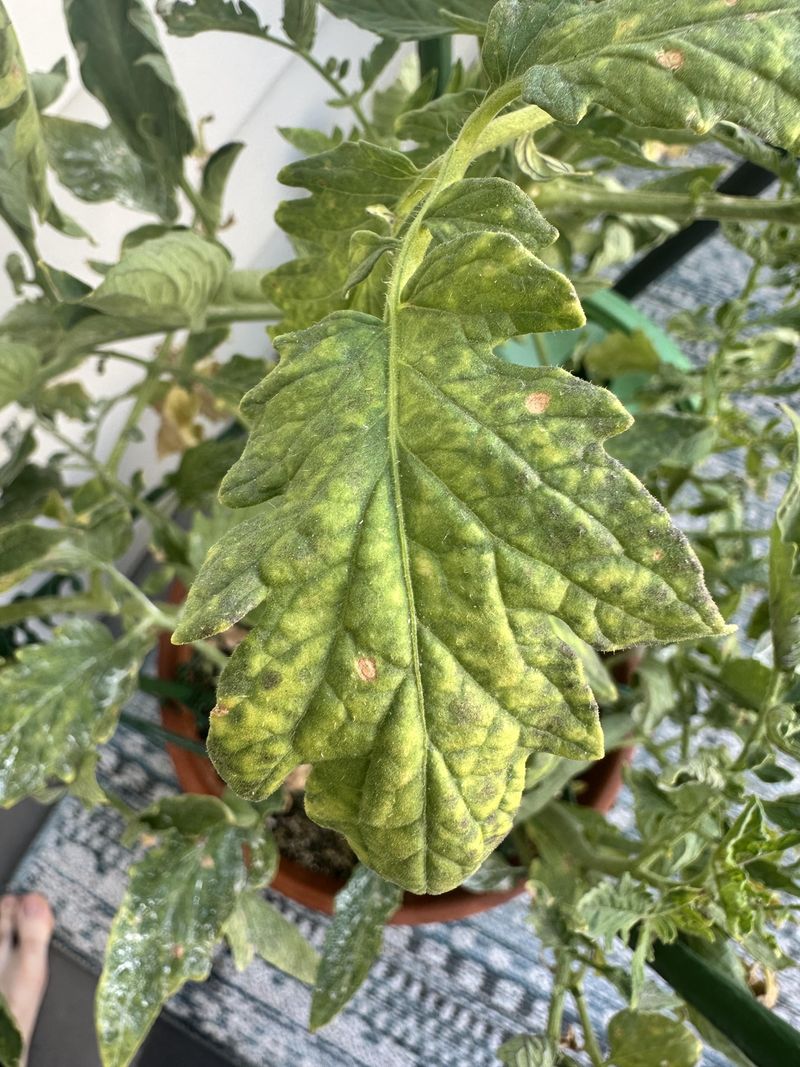
Beyond the feeding damage they cause, certain whitefly species have the ability to transmit plant viruses as they move from one tomato plant to another.
Silverleaf whitefly, which is present in parts of California, is known to be associated with the spread of some tomato-infecting viruses.
This is one reason why whitefly management in California tomato gardens goes beyond cosmetic concerns.
Virus symptoms on tomatoes can include mosaic-patterned leaves, stunted growth, distorted fruit, and unusual leaf curling that does not respond to watering or fertilizing adjustments.
Once a plant is infected with a virus, there is no treatment that reverses the damage.
The most practical approach is to reduce whitefly populations early and consistently to lower the chance of virus spread between plants in your garden.
Gardeners in California growing tomatoes in backyard beds or containers near other vegetable plants should be aware that whiteflies can move between plants readily.
Keeping plants healthy and monitoring regularly gives your tomatoes the best chance of staying productive through the season.
While not every whitefly encounter leads to virus transmission, the risk is real enough that early pest management efforts are worthwhile, particularly in areas of California where whitefly populations tend to be higher during warm months.
8. Hot Weather Can Make Problems Build Faster
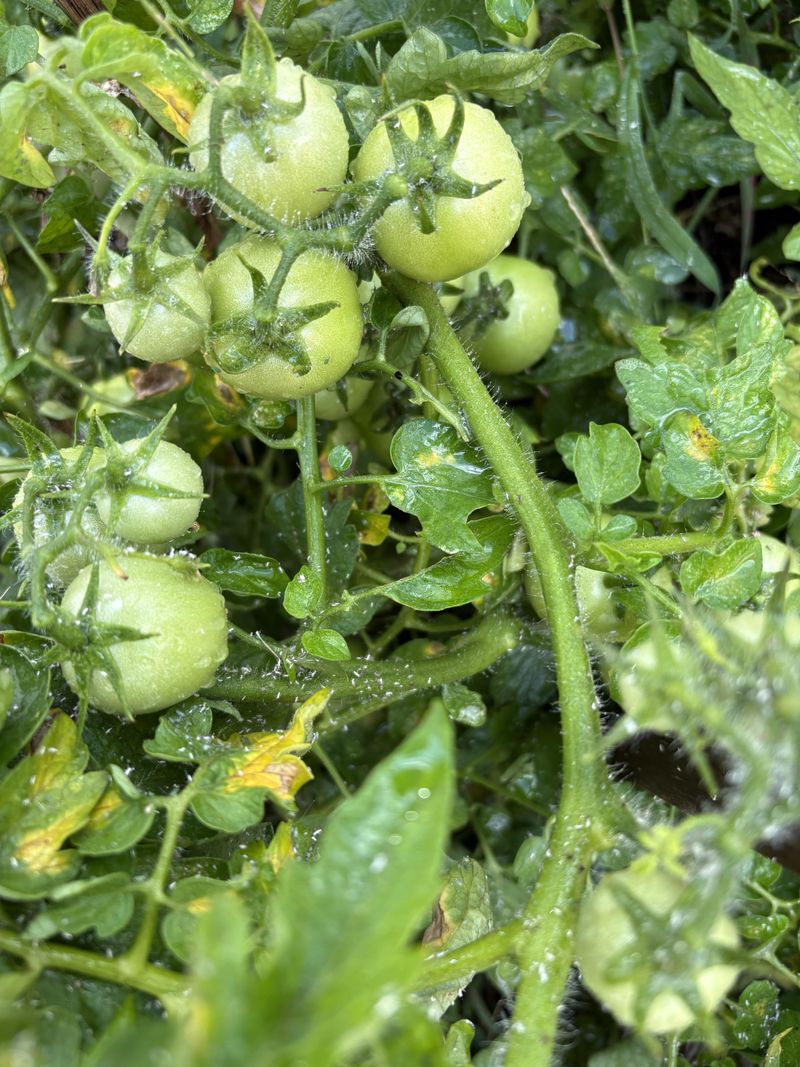
California’s inland valleys can reach intense summer temperatures, and that heat creates ideal conditions for whitefly populations to grow quickly.
Whiteflies reproduce faster in warm weather, and their life cycle from egg to reproducing adult can shorten considerably when temperatures stay high.
What starts as a small population on a few leaves can expand across an entire plant within a few weeks during a hot California summer.
Dry conditions that are common during California’s summer months can also reduce the effectiveness of natural checks on whitefly populations.
Beneficial insects that prey on whiteflies may be less active or present in lower numbers when conditions are very hot and dry.
Plants under heat or drought stress may also be more vulnerable to the effects of whitefly feeding than healthy, well-irrigated plants.
Consistent watering and mulching can help keep California tomato plants healthier during heat waves, which may improve their ability to tolerate some pest pressure.
Monitoring plants more frequently during hot spells, rather than waiting for obvious symptoms, gives you a better chance of catching population increases early.
In areas like the Central Valley or Southern California’s warmer inland zones, summer heat is a reliable cue to step up your whitefly scouting efforts on tomatoes.
9. Overusing Sprays Can Disrupt Beneficial Insects
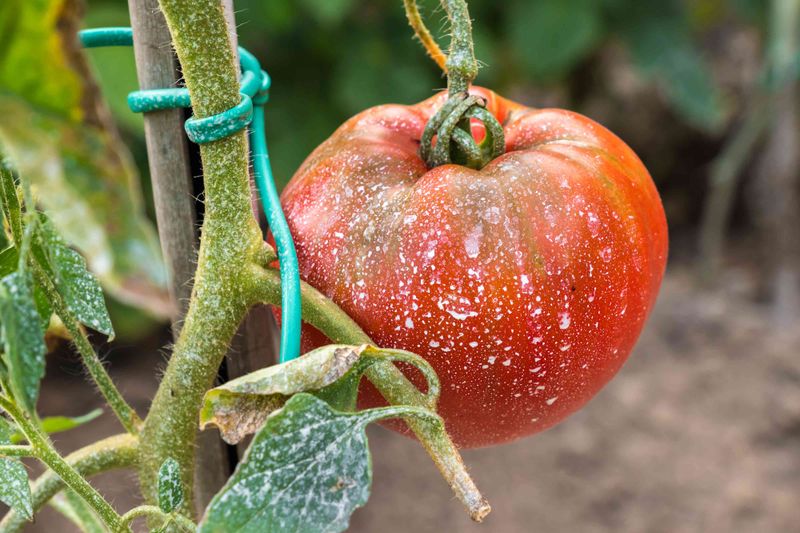
Reaching for a spray bottle the moment you spot a whitefly is a natural reaction, but broad-spectrum insecticides can cause unintended problems in a California tomato garden.
Many sprays do not distinguish between harmful pests and the beneficial insects that naturally help keep whitefly populations in check.
Parasitic wasps, predatory beetles, and lacewing larvae are among the natural enemies that feed on or parasitize whiteflies, and they can be disrupted by repeated or heavy pesticide applications.
When natural enemies are reduced, whitefly populations can sometimes rebound even faster than before because the biological checks on their numbers have been removed.
This pattern, sometimes called a pest resurgence, can leave gardeners feeling like their spray efforts made the problem worse rather than better.
Choosing lower-risk management options, such as insecticidal soap or horticultural oil, tends to have less impact on beneficial insects when applied carefully and at appropriate times.
In California home gardens, integrated pest management encourages gardeners to use the least disruptive approach that still addresses the problem effectively.
Monitoring regularly, removing heavily infested leaves, using reflective mulches, and applying targeted treatments only when populations reach a concerning level are all steps that can reduce whitefly pressure effectively.
Taking a measured approach also helps preserve the beneficial insect community that plays an important role in supporting your garden’s overall health.
10. Early Monitoring Helps Prevent Bigger Outbreaks
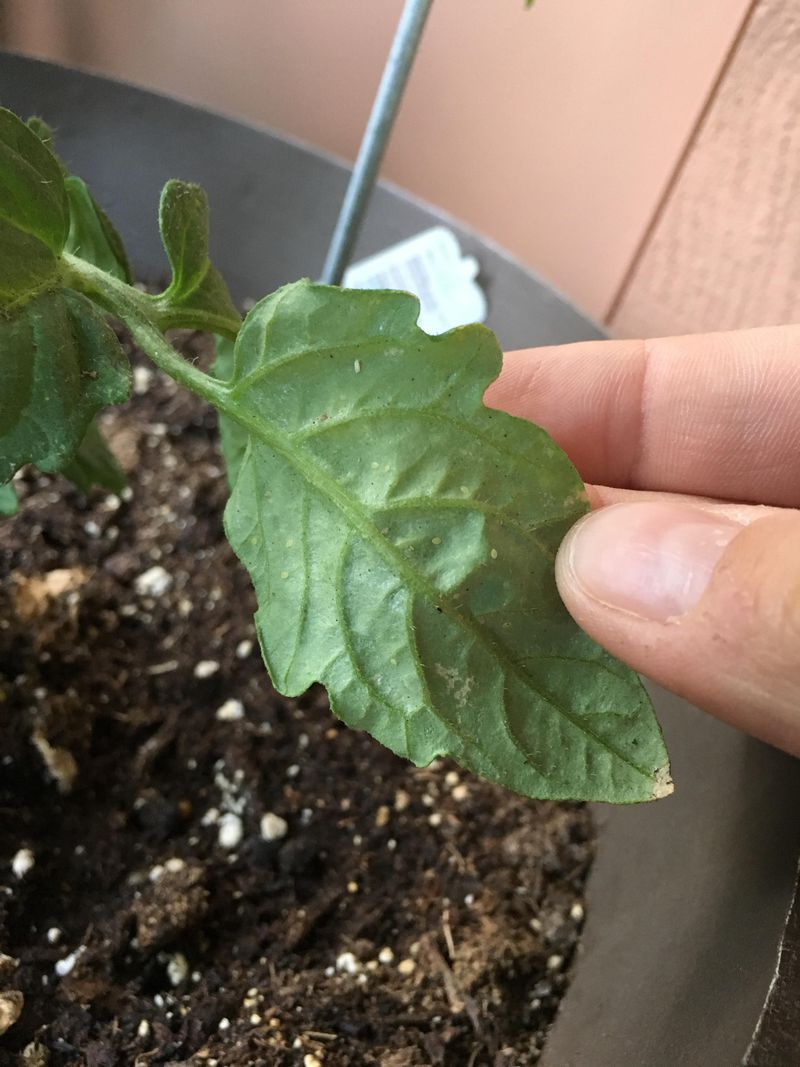
Walking through your California tomato garden with a curious eye rather than just a watering can makes a noticeable difference over the course of a season.
Regular scouting, even just a few minutes a couple of times a week, gives you the chance to spot whiteflies before their numbers grow large enough to cause serious stress to your plants.
Early detection almost always means easier management.
Yellow sticky traps placed near tomato plants can help you track adult whitefly activity over time. A sudden increase in the number of insects caught on the trap is a useful signal that populations are on the rise, even before you see obvious damage on the leaves.
Combining trap monitoring with regular leaf inspections gives you a more complete picture of what is happening in your garden.
In California, the tomato growing season stretches through many warm months, which means there is a long window during which whitefly populations can build up and cause cumulative stress on your plants.
Starting your monitoring habit early in the season, before pest pressure becomes obvious, sets a strong foundation for keeping your tomatoes productive.
Consistent attention throughout the season is more effective than trying to respond after a large infestation has already taken hold across multiple plants.