California Gardens That Look Tired In July Are Not Always A Cause For Concern
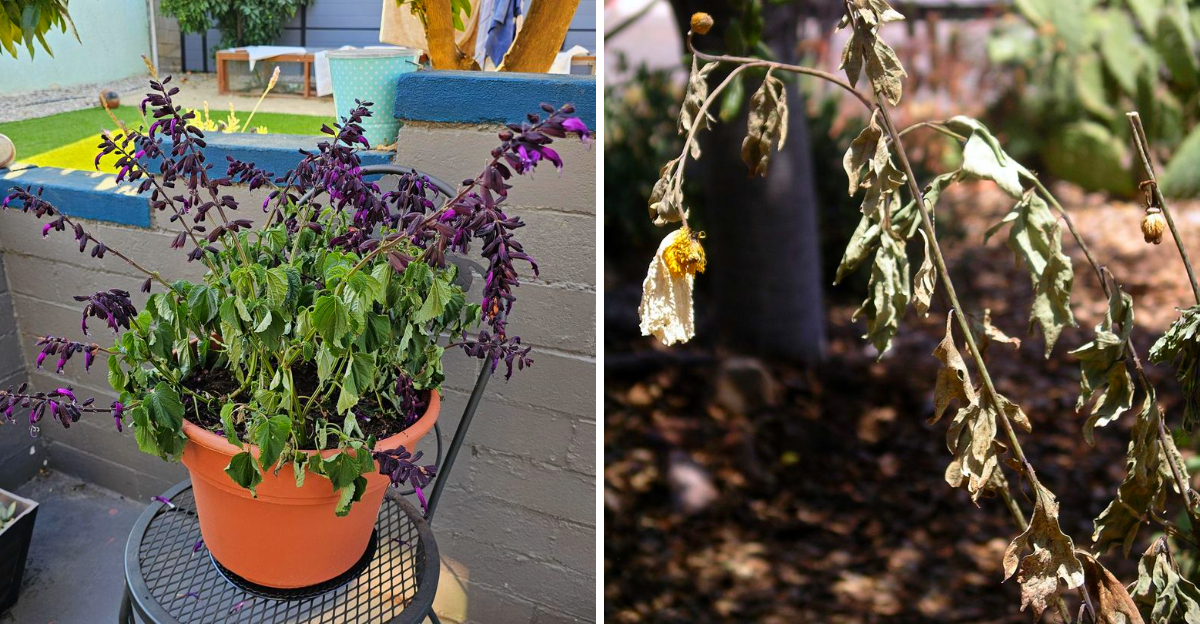
July in California has a way of making even a well-loved garden look a little rough around the edges. Leaves are dry, flowers have packed it in for the season, and a few plants are giving off some serious “I give up” energy.
Before you spiral, though, take a breath. A tired-looking California garden in midsummer is not automatically a sign that something has gone terribly wrong.
Summer dormancy is a real thing. Dry-season behavior is a real thing.
And heat stress, watering habits, and the shock of being newly planted can all look almost identical at first glance, which makes jumping to conclusions a very easy mistake to make.
Your garden in July is actually telling you something specific, and figuring out what that is makes the difference between a smart response and one you might regret later.
1. Summer Dormancy Can Look Rough
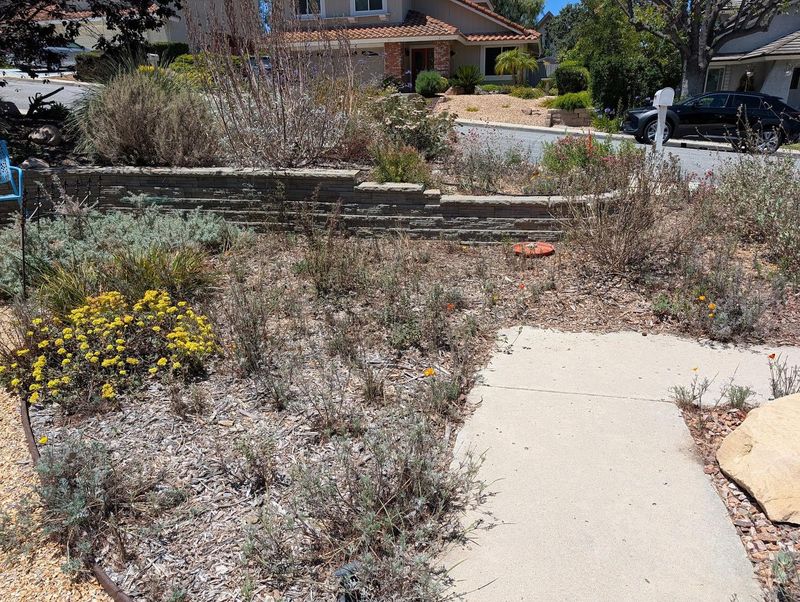
July heat can make a garden look like it has completely given up. Plants that were green and lush in spring may suddenly appear dull, droopy, or stripped of their usual energy.
For many gardeners, this is the moment panic sets in, but what they are often seeing is something much more natural than a crisis.
Summer dormancy is a survival strategy. Certain plants slow their growth, drop some leaves, or pull resources inward during the hottest, driest months of the year.
This is not a sign of failure. It is the plant doing exactly what it was built to do when temperatures climb and water becomes scarce.
In California, this kind of summer slowdown is especially common among plants that evolved in Mediterranean climates. These plants have learned over thousands of years to rest during summer stress and recover when conditions improve.
The garden may look rough on the surface, but underground, roots are often holding steady and waiting for the right moment to push forward again.
Before pulling anything out or flooding the bed with water, give the plant a gentle check. Press the soil, feel the stems, and look for any green growth hiding beneath the dry outer layer.
A plant in dormancy often has more life in it than it lets on during the height of a California summer.
2. Dry Leaves Are Sometimes Seasonal
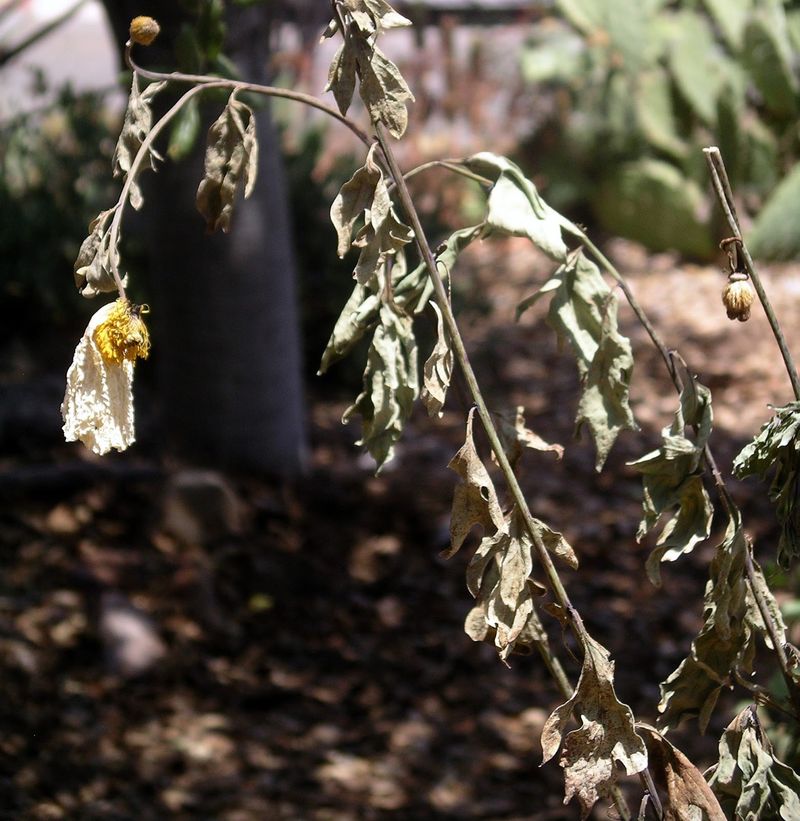
Crunchy, brown leaves scattered across a garden bed are easy to misread as a sign of serious trouble. In California, though, dry leaves in July are sometimes just the garden doing what the season asks of it.
Some plants shed older leaves as a way of conserving moisture when the dry months settle in.
Certain California natives, including sages, buckwheats, and coffeeberries, may drop interior leaves or show dry outer foliage while remaining healthy at their core.
This seasonal leaf drop is a normal response to dry, hot conditions and does not necessarily mean the plant is struggling.
It is a bit like how some trees drop leaves in fall in other parts of the country.
The key is knowing where to look. Fresh green growth at the tips of branches, firm stems, and a root zone that is neither bone dry nor waterlogged are all reassuring signs.
Your California Garden Changes Every Week. Your Plan Should Too.
Gardening in California changes quickly throughout the season. Every Friday you’ll receive a simple weekly plan showing exactly what to plant, prune, fertilize, harvest, and protect so you never miss the right timing.
If the newer growth looks healthy, the dry leaves lower on the plant are likely just seasonal shedding rather than a warning sign.
Raking up fallen leaves and keeping the area tidy can help the garden feel more cared for even when plants are in their dry-season phase. It also reduces the chance of pests or fungal issues settling into the debris.
Dry leaves in July garden are often part of the seasonal rhythm rather than a reason to worry.
3. Faded Blooms May Be Part Of The Cycle
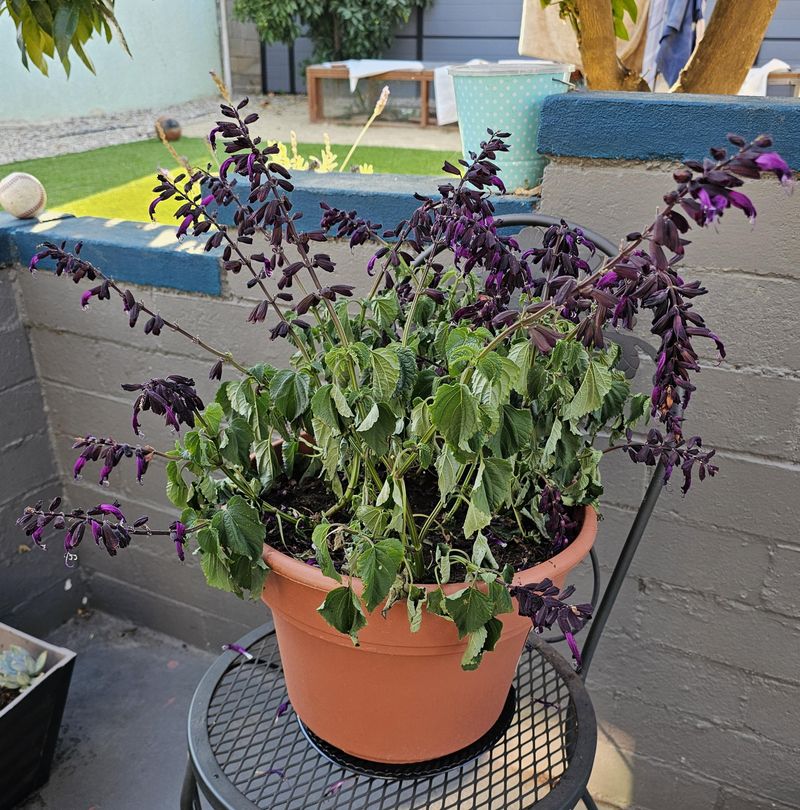
Spent flower stalks and faded petals are one of the most common sights in a California garden by midsummer. After a strong spring bloom season, many plants simply run out of flowering energy as temperatures rise and days grow longer.
What looks like a sad, worn-out bed is often just a garden finishing one chapter before moving into the next.
Many perennials and flowering shrubs bloom heavily in spring, then slow down or stop entirely through the warmest months. Salvias, penstemons, and native buckwheats are good examples.
Their faded blooms are not a sign of poor health. They are a natural pause in the flowering cycle, and many of these plants will produce a second flush of blooms when temperatures drop in early fall.
Deadheading, which means removing spent flowers, can encourage some plants to rebloom sooner. For others, leaving the old seed heads in place provides food for birds and beneficial insects during a time when other food sources are limited.
Deciding which approach to take depends on the plant and what the gardener values most in their space.
A faded California garden in July is not a failed garden. It is a garden that bloomed hard and is now resting.
Checking in on root health, giving appropriate water, and being patient are the most useful things a gardener can do while waiting for the next wave of color to arrive.
4. Slow Growth Is Normal In July Heat
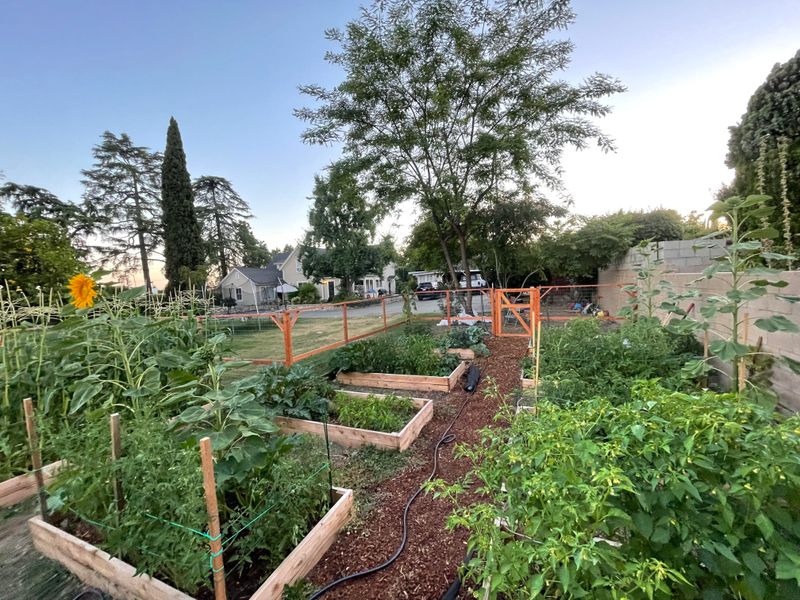
Gardeners who are used to watching plants push out new leaves every week can feel unsettled when July arrives and everything seems to stall. Growth slows, new shoots stop appearing, and the garden takes on a still, almost frozen quality.
In many parts of California, this is completely expected behavior and not a sign that something has gone wrong.
Plants regulate their growth based on temperature, water availability, and day length. When July heat climbs into the 90s or higher across much of inland California, many plants shift their energy away from producing new growth and toward surviving the heat.
Pushing out tender new leaves during extreme heat would actually put the plant at greater risk, so slowing down is a smart biological response.
Coastal gardens may experience a slightly different version of this, where marine layer and cooler temperatures keep things moving a little longer into summer.
But even in milder coastal areas, many plants show noticeably slower growth by mid-July compared to the energetic pace of spring.
Rather than trying to force growth with extra fertilizer or water, it is usually better to let the plant rest through the hottest stretch. Fertilizing during peak heat can actually stress plants further by pushing growth they are not ready to support.
Waiting until late summer or early fall to encourage new growth tends to produce much better results in California gardens.
5. Native Plants Often Rest In Summer
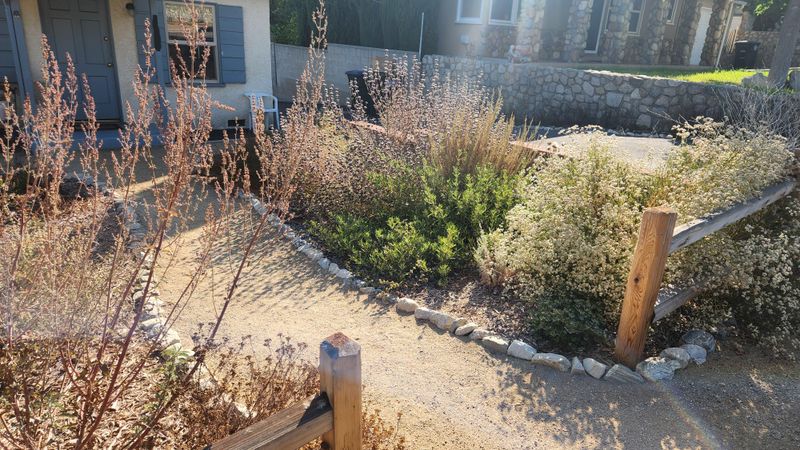
One of the most common surprises for new gardeners is discovering that native plants, which look so vibrant in spring, can appear almost lifeless by July. This is not a gardening failure.
It is actually a sign that the plants are doing exactly what they evolved to do in California’s dry-summer climate.
California native plants developed over thousands of years in a region where summers are hot and dry and most of the rain falls between late fall and early spring.
Many of them go into a state of reduced activity during the dry season, slowing their growth, reducing water uptake, and sometimes dropping leaves to limit water loss.
Manzanitas, toyon, ceanothus, and many native sages follow this pattern to varying degrees.
For gardeners used to plants that need consistent summer watering, this behavior can look alarming. The instinct to water more is understandable, but it can actually backfire with summer-dry natives.
Many California natives are not adapted to wet soil in summer and can develop root problems if watered too frequently during their natural rest period.
Getting to know which plants in the garden are summer-dry natives is one of the most valuable things a gardener can do. Once the seasonal pattern makes sense, a quieter July garden becomes something to appreciate rather than worry about.
These plants are resting, not struggling, and they tend to bounce back beautifully when the rains return.
6. Overwatering Can Cause More Trouble
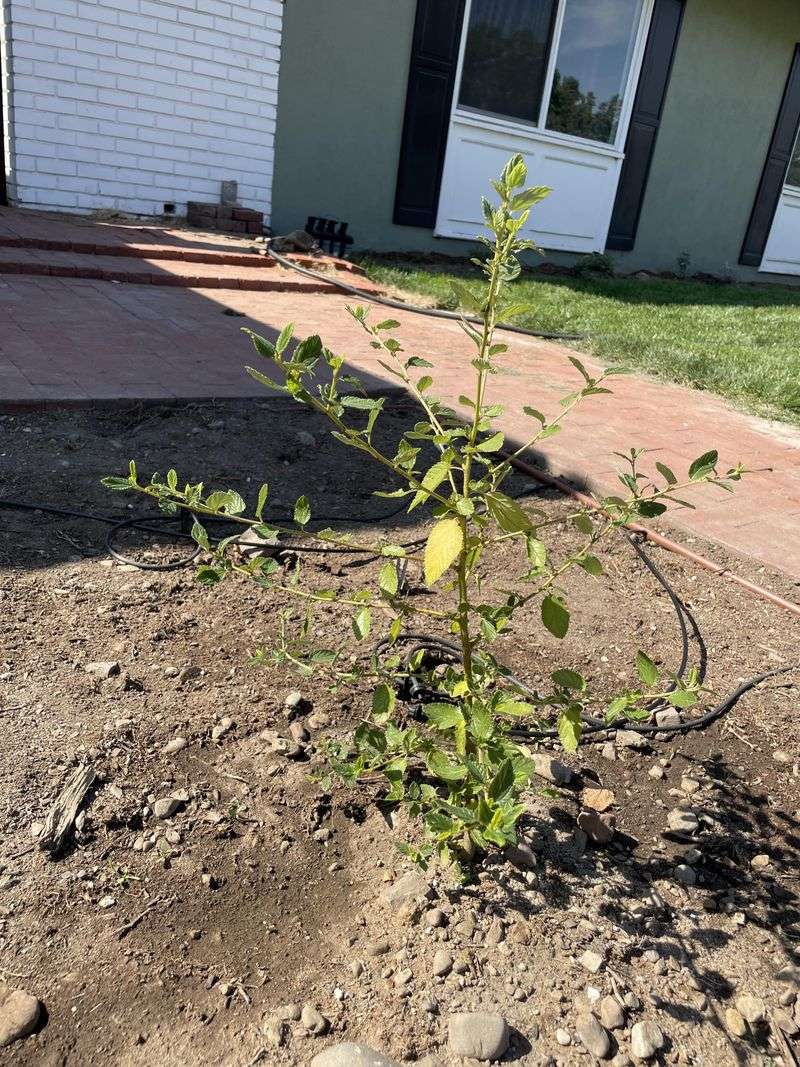
When a garden looks tired in July, the first instinct for many homeowners is to water more. It seems logical – the plants look dry and stressed, so more water should help.
But in California gardens that include drought-adapted or summer-dry plants, adding more water during the hot season can actually make things significantly worse.
Overwatering during summer can lead to root problems that are difficult to reverse. Roots sitting in consistently wet soil during warm months can develop fungal issues that weaken the plant from the ground up.
The signs of overwatering – yellowing leaves, soft stems, wilting despite moist soil – can look almost identical to the signs of underwatering, which makes it easy to misread what is happening.
California native plants and Mediterranean-climate plants are particularly vulnerable to summer overwatering. These plants are built to handle dry summers, and their root systems are not designed to manage excess moisture when temperatures are high.
A plant that looks sad in July may actually be suffering from too much water rather than too little.
Checking the soil before watering is one of the most straightforward habits a gardener can develop.
Pushing a finger or a wooden dowel a few inches into the soil near the root zone gives a much clearer picture of actual moisture levels than simply looking at the surface.
In many California gardens, the best July watering advice is to water less, not more.
7. New Plants Need A Closer Look
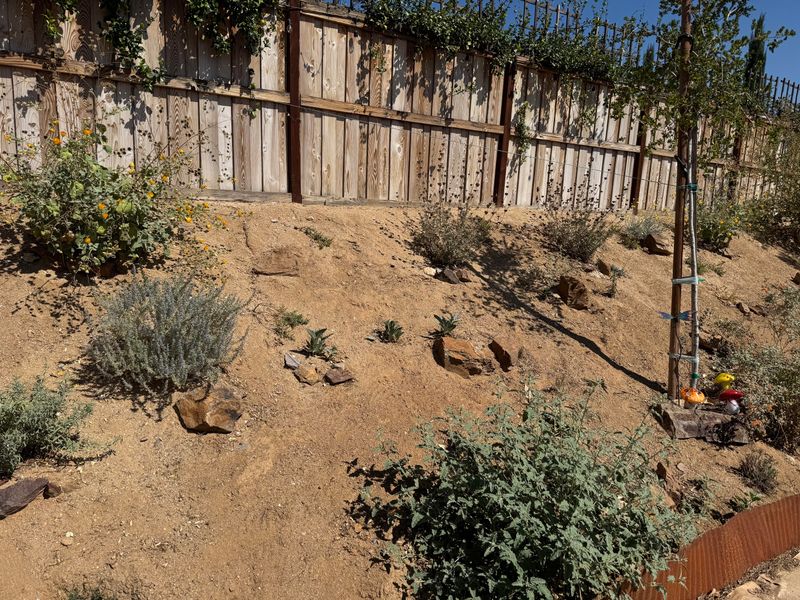
Plants that went into the ground in late spring or early summer are in a different situation than established plants in a July garden.
While older, well-rooted plants can tap into deeper soil moisture and rely on established root systems, new plantings are still working to get their roots anchored in unfamiliar soil during one of the most challenging seasons of the year.
A new plant that looks stressed in July may genuinely need more attention than its established neighbors.
Wilting, leaf curl, and dry edges on a plant that was just installed a few weeks ago are worth investigating rather than writing off as normal summer behavior.
The root ball of a new plant is often still limited to the original container size, which means it cannot reach moisture as far out as a plant that has been growing in the same spot for years.
Watering new plantings during California summers requires a more careful approach than watering established plants. The goal is to keep the root ball consistently moist without soaking the surrounding soil so much that it stays wet for days at a time.
Checking in every few days, rather than following a fixed schedule, gives a more accurate sense of what the plant actually needs.
Shade cloth, a layer of mulch around the base, and planting during cooler parts of the day can all reduce stress on new plants. Getting a new plant through its first California summer is a real accomplishment, and the effort pays off once roots begin to spread.
8. Fall Growth Can Refresh The Garden
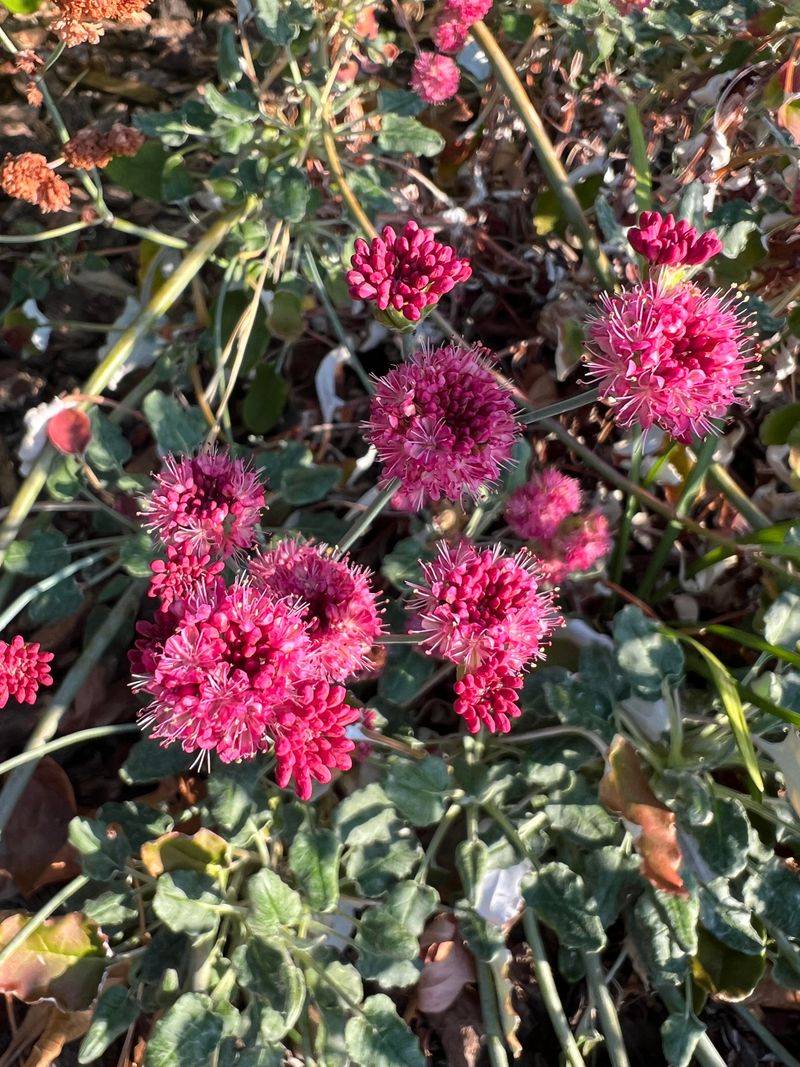
By late September or October, something shifts in a California garden. Temperatures begin to ease, the angle of the sun changes, and plants that looked completely spent through July and August start showing signs of life again.
This fall recovery is one of the most satisfying parts of gardening in California, and it makes the tired July garden much easier to tolerate when you know what is coming.
Many California natives and Mediterranean-climate plants follow a growth pattern that is almost the opposite of what gardeners in colder climates expect. Rather than winding down in fall, these plants often get a second wind.
New leaves push out, some plants rebloom, and the garden takes on a fresher look just as the rest of the country is heading into dormancy for winter.
Salvias, native grasses, and perennials like yarrow and hummingbird sage are among the plants that tend to respond visibly to the cooling temperatures.
A light trim of spent growth and a modest deep watering as the first hints of fall arrive can help encourage this seasonal refresh.
Knowing that fall growth is likely on the way makes it easier to be patient with a quiet July garden.
Rather than pulling out plants that look worn down, giving them time to rest through the dry season and watching for signs of recovery in fall is often the most rewarding approach.
California gardens have their own calendar, and July is simply the quiet middle of it.