7 Invasive Shrubs Oregon Gardeners Should Never Plant And What To Grow Instead
Some shrubs do a great job of pretending they belong in the landscape. They grow fast, fill space, and look harmless enough at the nursery.
Then they start spreading, crowding out better plants, and turning into the garden version of a houseguest who ignores every hint to leave.
That is a big reason more Oregon gardeners are taking a harder look at shrubs that have caused trouble in local landscapes for years.
The shift is not just about avoiding extra maintenance. It is also about protecting nearby natural areas, making smarter plant choices, and picking shrubs that actually suit Oregon gardens without creating a long list of regrets.
Plenty of invasive shrubs still get planted simply because they are familiar, but familiar does not always mean wise. The good news is that gardeners do not have to settle.
There are beautiful alternatives that bring color, structure, and seasonal interest without acting like backyard bullies.
Sometimes the best planting decision starts with knowing which shrubs deserve a polite but very firm no.
1. English Holly
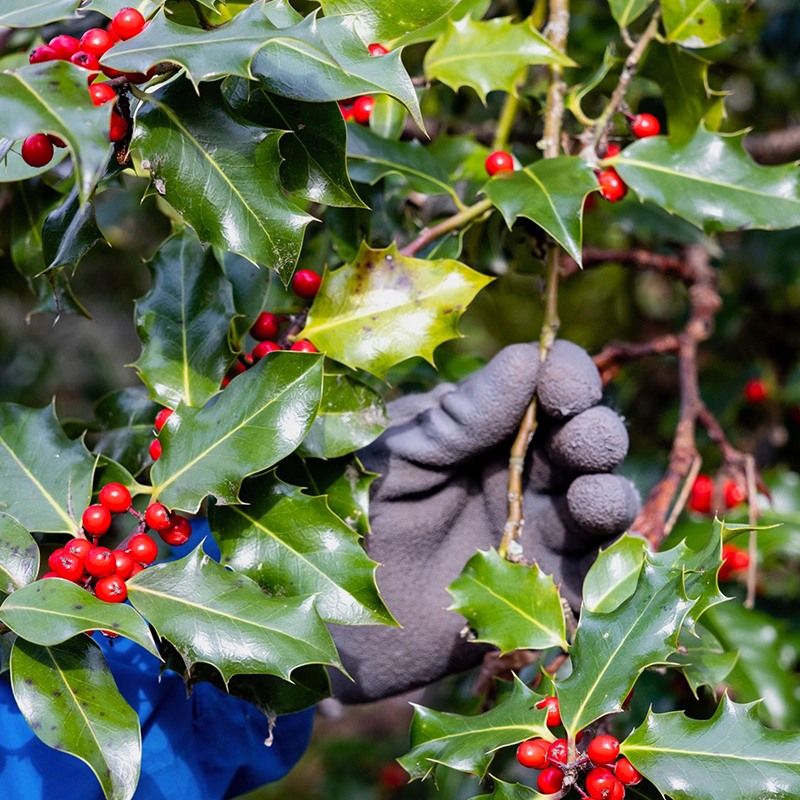
Around the holidays, English Holly feels festive and perfectly at home in an Oregon yard. Those shiny green leaves and bright red berries are a classic winter image.
But beyond December, English Holly is one of the most problematic invasive shrubs spreading through Oregon’s forests and natural areas today.
Just like English Laurel, birds are the main reason English Holly spreads so effectively. They eat the berries and carry the seeds into wild areas, where seedlings sprout in forest understories and gradually crowd out native vegetation.
English Holly tolerates shade very well, which means it can establish itself deep inside forests where native plants like trillium and native ferns once thrived.
Oregon’s natural areas, especially around the Portland metro and Willamette Valley, have seen significant Holly invasions in recent decades. Volunteer groups spend countless hours each year pulling Holly seedlings from parks and natural reserves.
You can get that same festive, winter-friendly look with native alternatives that actually help the ecosystem. Cascara is a beautiful native shrub or small tree with berries that birds love.
Pacific Wax Myrtle offers dense, evergreen foliage perfect for hedges or screens, and it supports native wildlife year-round without posing any threat to Oregon’s irreplaceable natural landscapes.
2. Butterfly Bush
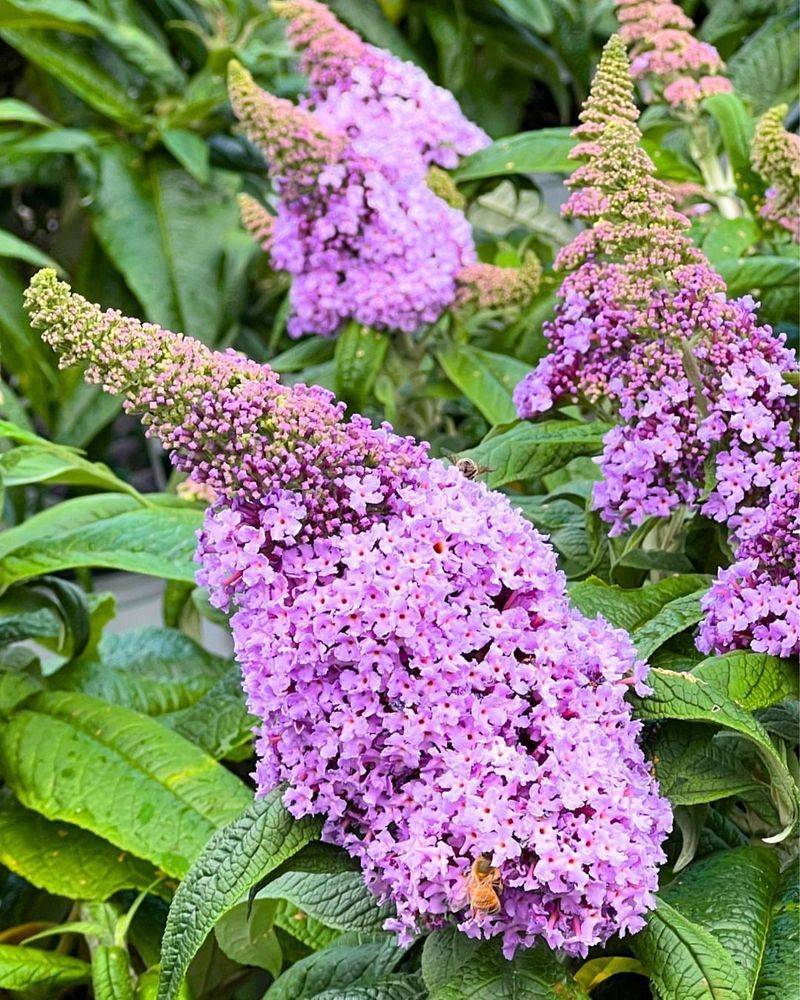
Walk past almost any Oregon garden in summer, and you might spot a Butterfly Bush covered in purple blooms with butterflies fluttering all around it. It looks like a win for wildlife, right?
Not exactly. While Butterfly Bush does attract pollinators, it offers very little nutritional value to them compared to native plants. It is essentially junk food for butterflies.
Butterfly Bush spreads its seeds easily on the wind. One plant can produce hundreds of thousands of seeds each year.
Those seeds travel into wild areas, roadsides, and riverbanks across Oregon, where the plant takes over and pushes out native species that local insects and birds truly need.
Oregon has actually listed Butterfly Bush as a Class B noxious weed in many counties. That means it is already causing measurable harm to the environment.
Your Oregon Garden Changes Every Week. Your Plan Should Too.
Gardening in Oregon changes quickly throughout the season. Every Friday you’ll receive a simple weekly plan showing exactly what to plant, prune, fertilize, harvest, and protect so you never miss the right timing.
Instead of planting it, try Red-Flowering Currant, which is native to Oregon and provides real food sources for hummingbirds and bees.
Pacific Ninebark is another excellent choice, offering beautiful white flower clusters and strong habitat value.
Both plants are tough, low-maintenance, and will keep your garden buzzing with life without the ecological downside.
3. Scotch Broom
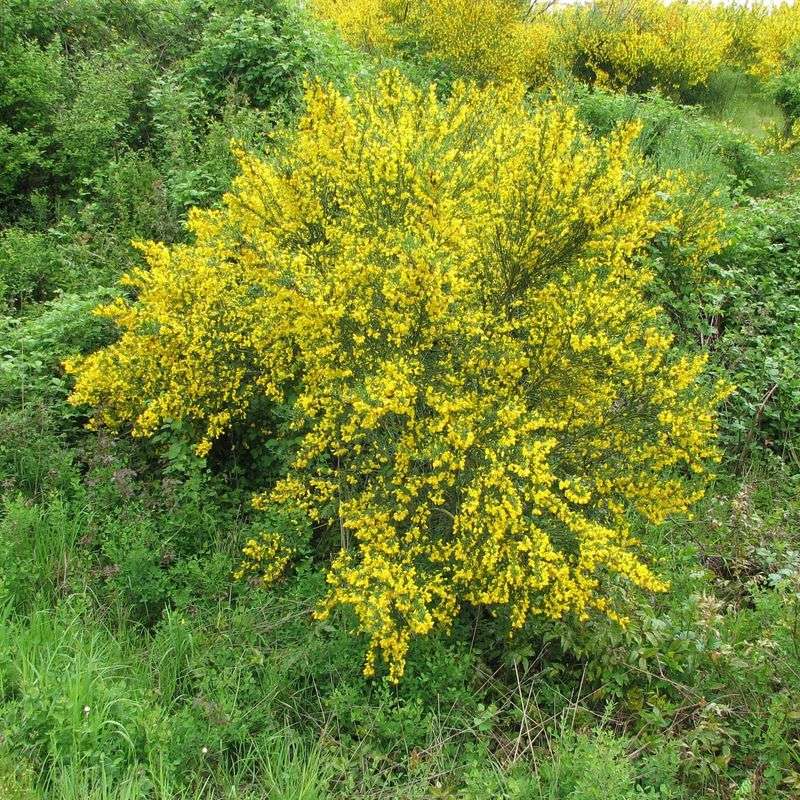
Few plants have caused as much environmental damage across Oregon as Scotch Broom.
Originally brought over from Europe as an ornamental plant and for erosion control, it has since spread aggressively across roadsides, meadows, and open forests throughout the state.
Its bright yellow flowers might look cheerful, but do not let the good looks fool you.
Scotch Broom changes the soil itself. It fixes nitrogen at high levels, which actually makes the ground less suitable for many native Oregon plants that prefer leaner soils.
A single plant can produce up to 12,000 seeds per year, and those seeds stay viable in the soil for decades. That means even after you remove the plant, seeds can keep sprouting for years.
Scotch Broom is also a serious fire hazard. Its woody stems dry out in summer and burn easily, increasing wildfire risk in already vulnerable Oregon landscapes.
A much better choice for your yard is Oregon Grape, the state’s official native plant. It is evergreen, drought-tolerant once established, and produces beautiful yellow flowers in spring followed by edible blue berries.
It supports native bees and birds without any of the ecological baggage that Scotch Broom brings along.
4. Spurge Laurel
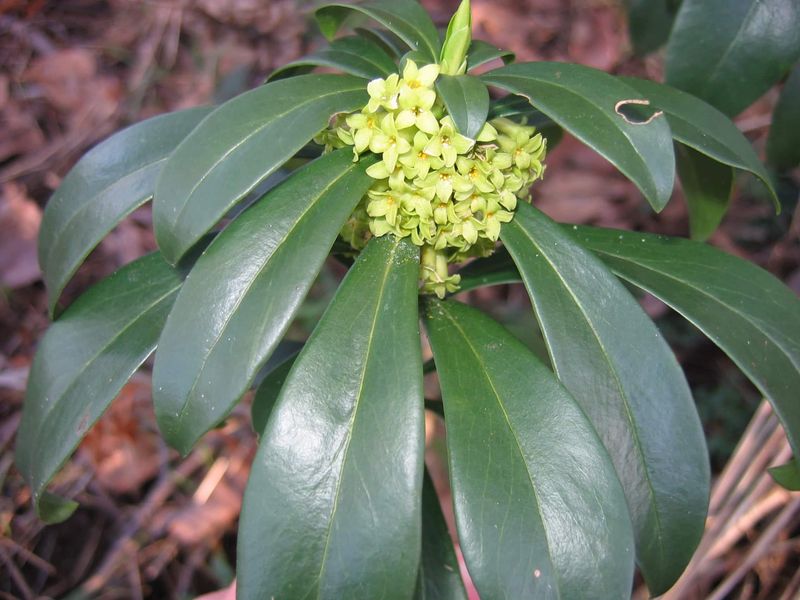
Spurge Laurel is one of those sneaky invasive plants that quietly takes over without making a big show of it. It is a low-growing evergreen shrub with glossy dark leaves and small yellowish-green flowers.
It was commonly used in ornamental gardens across the Pacific Northwest, but it has since escaped into forests and natural areas throughout Oregon, especially in the Willamette Valley.
This shrub thrives in shaded woodland conditions, which makes it especially dangerous to Oregon’s forest understory. It outcompetes native ferns, wildflowers, and shrubs that animals and insects depend on.
Every part of Spurge Laurel is toxic to humans and pets, which adds another layer of concern for families with young children or dogs who spend time in the yard.
Removing Spurge Laurel requires gloves and care, since contact with the sap can irritate skin.
A wonderful native replacement is Western Sword Fern, which is perfectly adapted to shaded Oregon gardens and provides lush, year-round greenery with zero invasive tendencies.
Osoberry, also called Indian Plum, is another great native shrub for shaded spots. It blooms very early in spring, giving pollinators one of their first food sources of the season and producing small fruits that birds love to eat.
5. English Laurel
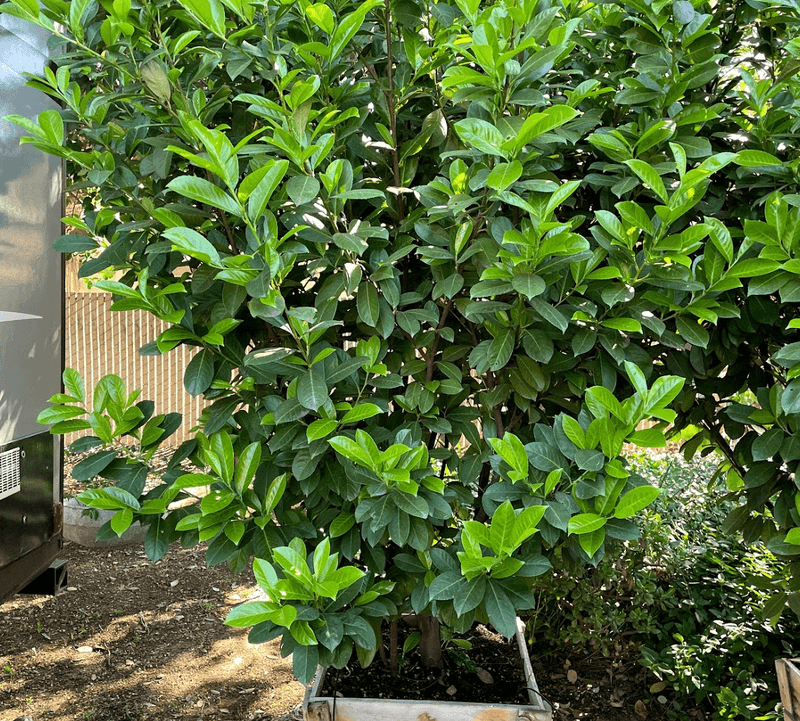
This is one of the most commonly planted hedging shrubs in Oregon neighborhoods, and that widespread use is exactly what makes it such a big problem.
It grows incredibly fast, which is why so many gardeners reach for it when they want a quick privacy screen.
But that same fast growth means it spreads just as aggressively beyond the garden fence.
Birds eat the small black berries that English Laurel produces and then deposit the seeds in forests, parks, and natural areas all over Oregon.
Once established in the wild, it forms dense, dark canopies that block sunlight and prevent native plants from growing beneath them.
The understory of an English Laurel-dominated area is often bare and silent, with very little wildlife activity.
Swapping English Laurel for a native hedge is one of the most impactful choices an Oregon gardener can make. Red Elderberry grows quickly and provides clusters of white flowers in spring and bright red berries in summer that songbirds absolutely love.
For a more compact hedge option, Tall Oregon Grape works beautifully as a dense, evergreen barrier.
It has spiky, holly-like leaves, cheerful yellow spring flowers, and blue berries that support native wildlife through the seasons.
6. French Broom
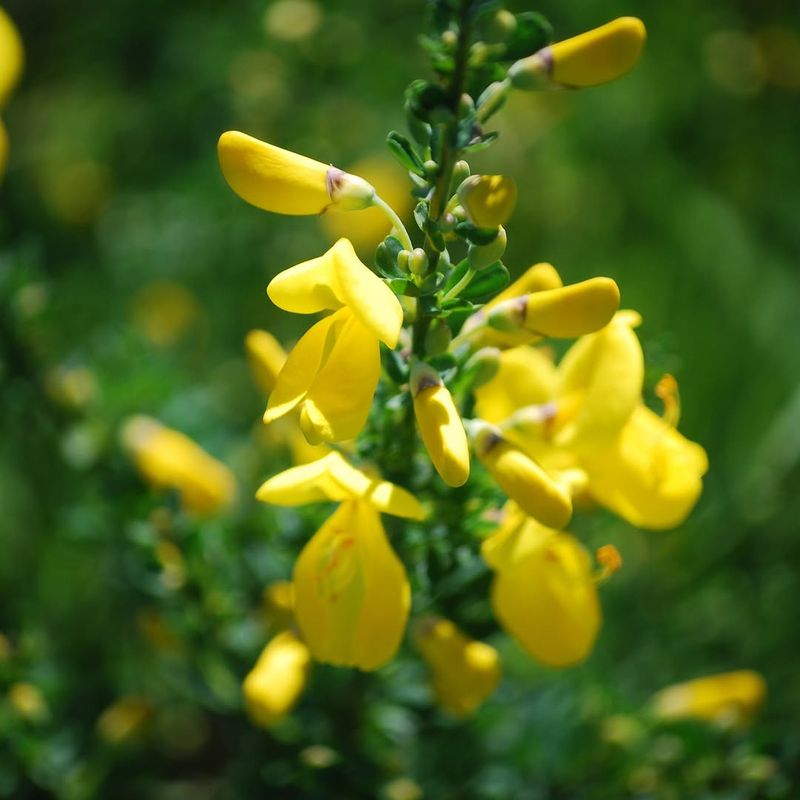
French Broom is Scotch Broom’s close cousin, and it causes many of the same problems across Oregon.
It thrives in disturbed areas like roadsides, clear-cuts, and open fields, forming dense thickets that shade out native plants and make it nearly impossible for other species to grow.
If you have ever driven through parts of southern Oregon and seen hillsides covered in yellow flowers, there is a good chance French Broom was partly responsible.
Like its relative, French Broom produces enormous quantities of seeds that scatter widely and stay dormant in the soil for many years.
Removing it is a long-term commitment because new seedlings keep emerging season after season.
The plant also creates a heavy layer of dry, flammable material that raises wildfire risk significantly.
French Broom has no real place in an Oregon garden when there are so many better options available.
Western Bleeding Heart is a lovely native perennial that thrives in shady spots and produces delicate pink flowers throughout spring.
For sunnier areas, Camas is a stunning native bulb plant with tall blue-purple flower spikes that was historically important to Indigenous communities across the Pacific Northwest. Both choices add beauty to your yard while genuinely supporting the local ecosystem.
7. Portuguese Laurel
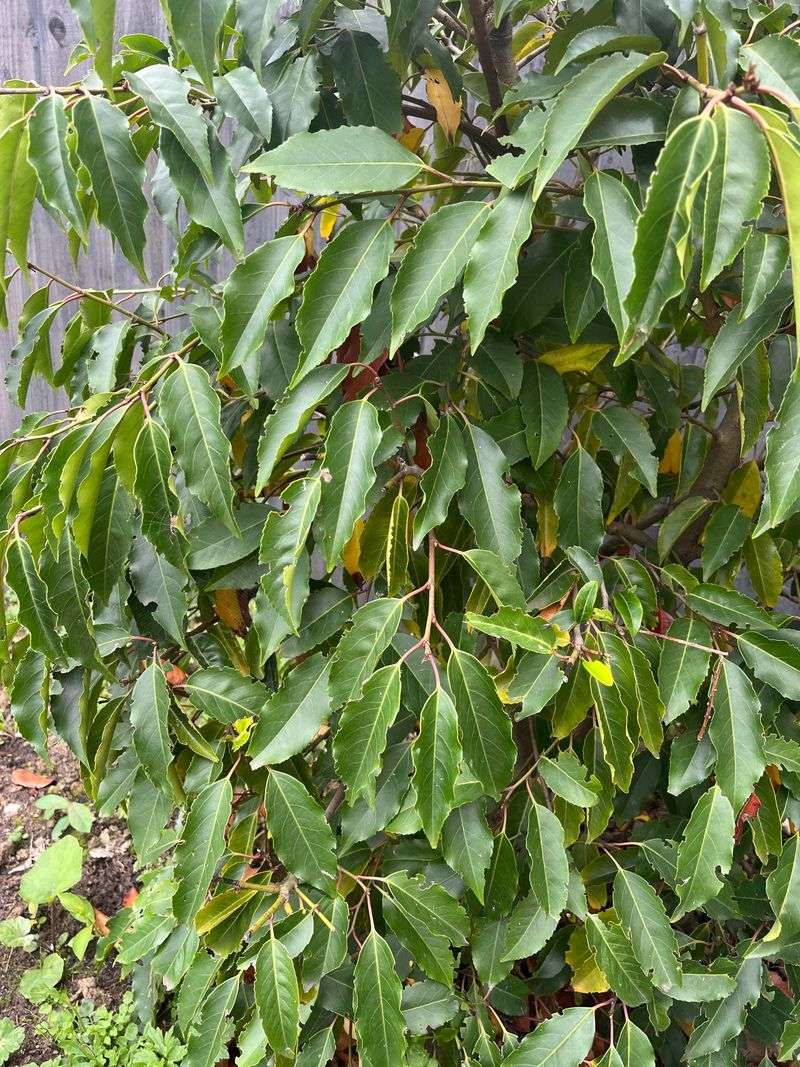
Portuguese Laurel flies under the radar compared to English Laurel, but it presents many of the same concerns for Oregon gardeners.
It is a large, attractive shrub or small tree with glossy dark green leaves and long clusters of creamy white flowers in late spring.
It looks refined and elegant in a garden setting, which has made it a popular choice for landscapes across the Pacific Northwest.
The problem is that birds spread its small red-to-black berries widely, introducing the plant into natural areas where it does not belong.
In Oregon’s mild, wet climate, Portuguese Laurel can establish itself in forest edges and riparian zones, slowly crowding out the native shrubs and trees that wildlife depends on for food and shelter.
It is a slow but steady colonizer. A far better alternative for Oregon gardeners who want a large, attractive shrub is the native Vine Maple.
It offers stunning seasonal color, from delicate spring leaves to brilliant red and orange fall foliage.
It supports a wide range of native insects and provides nesting sites for birds. Hazelnut is another outstanding native choice, offering edible nuts, early spring catkins for pollinators, and beautiful fall color that lights up any Oregon garden with warmth and texture.