What Wisconsin Homeowners Need To Know About Summer Lawn Dormancy
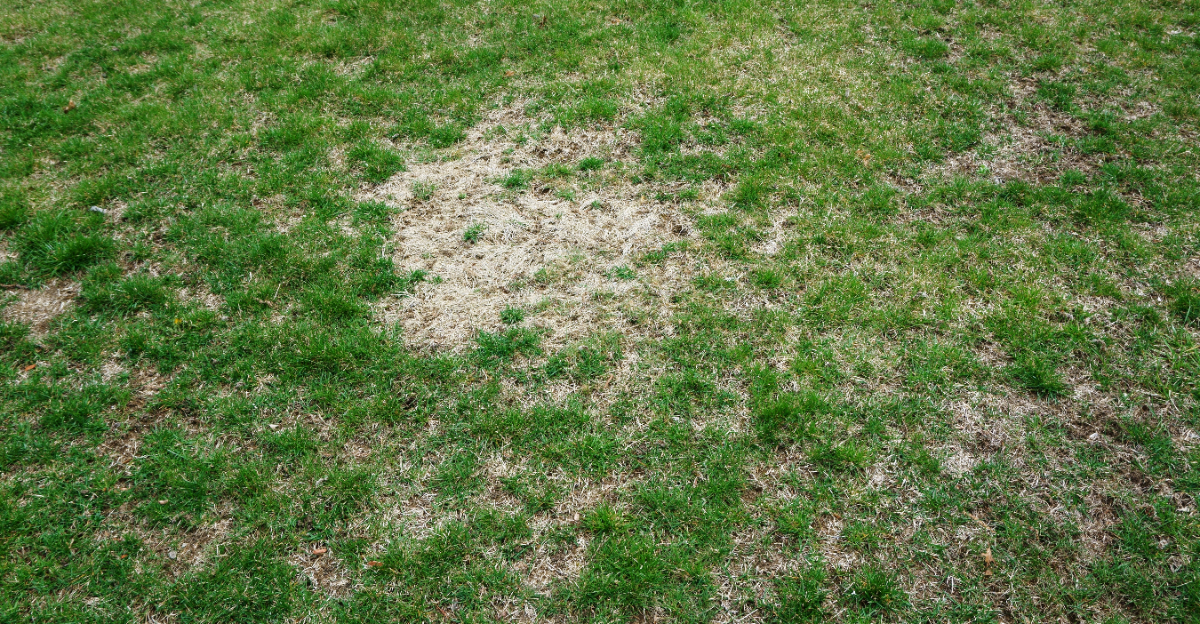
Your lawn has gone the color of old wheat, and your first instinct is to fix it. That instinct might be the very thing that does the damage.
Summer dormancy is one of the most misunderstood moments in lawn care, and Wisconsin homeowners run into it every single year without realizing what they are actually looking at.
Cool-season grasses like Kentucky bluegrass and tall fescue go brown, not gone. They check out. They pull energy down into their roots and wait, which is a smarter move than it looks.
The problem is that a dormant lawn and a lawn in trouble can look almost identical from the curb. Watering the wrong one too much, or skipping water on the right one for too long, tips the balance fast.
Summer Lawn Dormancy Is Your Grass Protecting Itself
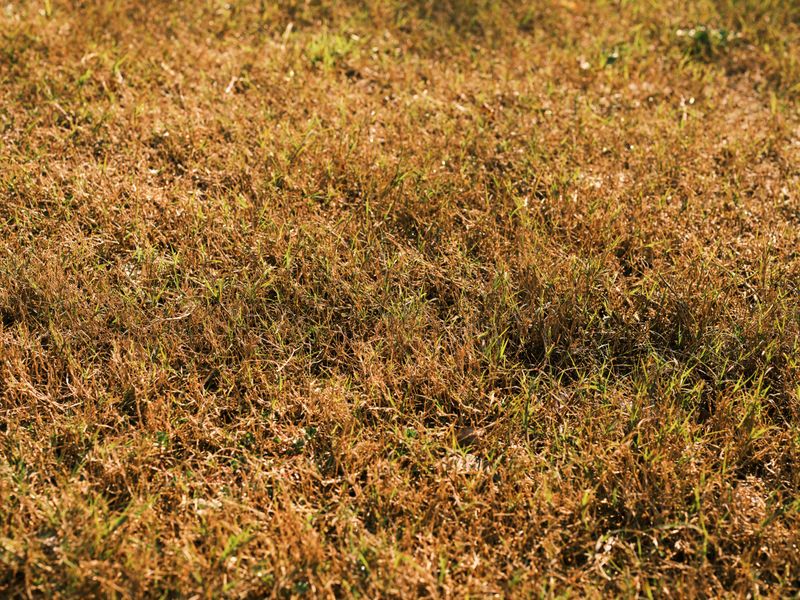
Your grass is not giving up on you. Summer lawn dormancy is actually a built-in survival response that cool-season grasses use when heat and drought hit hard.
Kentucky bluegrass, tall fescue, and ryegrass are the most common types found across Wisconsin lawns. When temperatures stay above 85 degrees for days at a time, these grasses slow down and redirect energy to their roots.
The blades turn tan or straw-colored, which looks alarming from the curb. But underground, the crown and root system stay alive, just waiting for cooler temps and rain to return.
Think of it like a bear going into hibernation. The grass is conserving resources, not wasting away. It is one of nature’s most efficient tricks for getting through a tough season.
Summer lawn dormancy in Wisconsin typically kicks in during July and August. Those are the months when rainfall gets inconsistent and afternoon heat is most intense.
In most cases, dormancy can last anywhere from two to six weeks without causing permanent damage. The key is understanding that the lawn is resting, not failing, and adjusting your care routine to match that reality.
Trying to force green growth during this period by overwatering or fertilizing can actually stress the grass further. Letting nature lead and staying patient is often the smartest move a homeowner can make.
Telling The Difference Between A Dormant And A Struggling Lawn
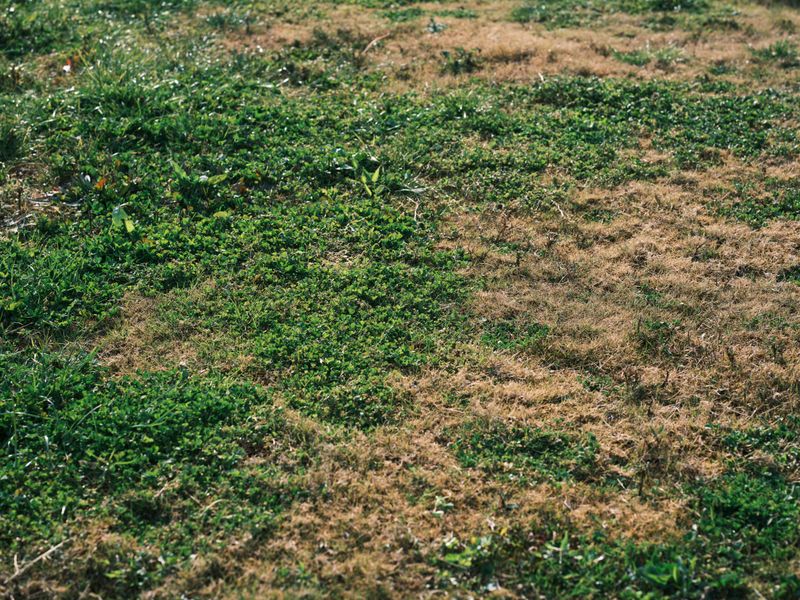
Not all brown lawns are the same, and that difference really matters. A dormant lawn looks uniformly tan across the whole yard, while a struggling lawn shows patchy, irregular discoloration.
Grab a handful of grass and tug gently. Dormant grass holds firm because the roots are still alive and anchored in the soil. Grass that is truly dying pulls out easily with little resistance.
Check for consistency across your yard. If the browning is even and widespread, dormancy is the likely cause. Spotty brown patches surrounded by green grass usually point to disease, pests, or grub damage.
Look at the crowns of the grass plants, which sit right at the soil surface. A dormant lawn will have crowns that appear light green or cream-colored and feel slightly firm. Brown, mushy, or crumbling crowns are a red flag that something else is wrong.
Your Wisconsin Garden Changes Every Week. Your Plan Should Too.
Gardening in Wisconsin changes quickly throughout the season. Every Friday you’ll receive a simple weekly plan showing exactly what to plant, prune, fertilize, harvest, and protect so you never miss the right timing.
Foot traffic patterns also tell a story. Dormant grass may show extra stress in high-traffic areas, but the damage is temporary. Diseased or grub-damaged areas tend to expand over time, even without additional foot pressure.
Grub damage in Wisconsin often peaks in midsummer and can mimic dormancy closely. Peel back a small section of turf and look for white, C-shaped larvae in the top few inches of soil.
When in doubt, contact your local UW-Extension office. They offer free or low-cost lawn diagnostics and can help you figure out exactly what your grass is dealing with.
What You Should And Should Not Do During Dormancy
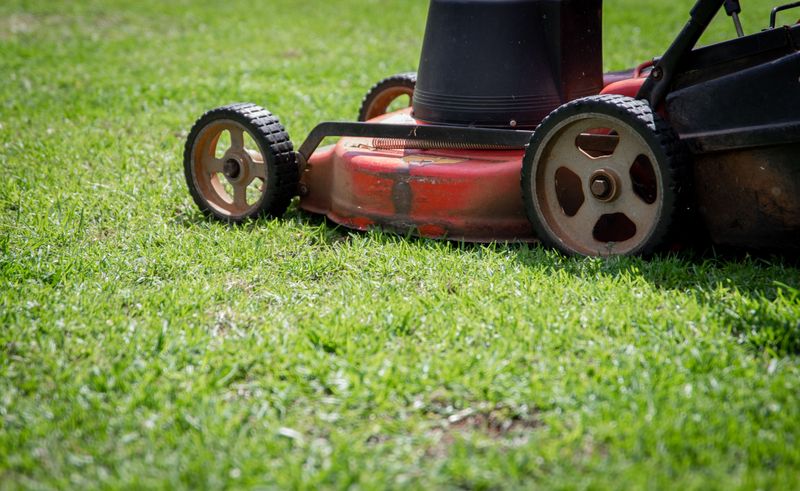
Dormancy calls for a lighter touch than most homeowners expect. The biggest mistake people make is treating a resting lawn like it needs intensive care.
Stop mowing as frequently once your grass goes dormant. If you do mow, keep the blade height at three to four inches. Cutting too short during heat stress removes the shade the grass blades create for the soil below.
Avoid applying any herbicides or pesticides to a dormant lawn. Chemicals are harder for stressed grass to process, and applications during this period can cause more harm than the weeds or bugs would on their own.
Aeration and dethatching should wait until fall. These are high-impact activities that tear up grass tissue, and a dormant lawn has no energy to recover from that kind of disruption.
Weed pressure can feel worse during dormancy because weeds like crabgrass and purslane love hot, dry conditions. Spot-pulling by hand is your safest option for keeping them in check without stressing your turf further.
One thing you absolutely should do is keep an eye on your lawn edges and shaded areas. These spots often stay greener longer and give you a clue about how the rest of the turf is holding up.
Summer lawn dormancy is a waiting game more than anything else. The homeowners who come out ahead are the ones who resist the urge to over-manage and trust the grass to do what it naturally knows how to do.
Watering A Dormant Lawn In Wisconsin
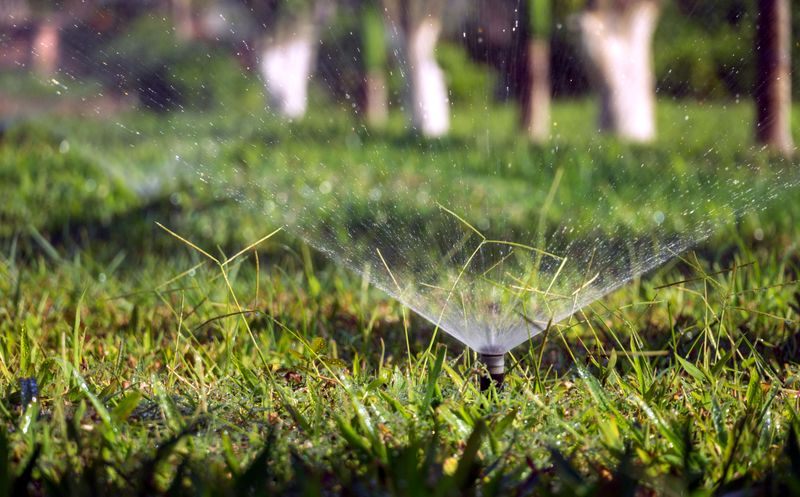
Water is the most debated topic when it comes to dormant lawns, and the answer is not as simple as yes or no. The goal during dormancy is not to green the grass back up, but to keep the crowns and roots from drying out completely.
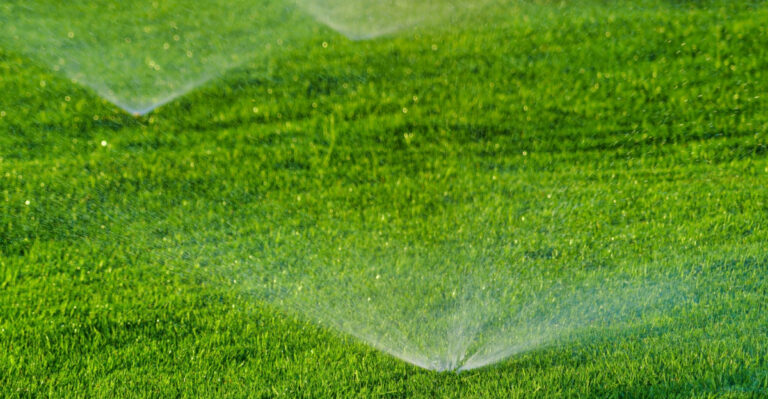
A light watering of about half an inch every two to three weeks is usually enough to sustain a dormant lawn. This keeps the critical crown tissue alive without pushing the grass out of its rest cycle prematurely.
Watering too much can actually wake the grass up during a heat wave. That sounds good, but the new green growth becomes vulnerable to scorching and disease when temperatures spike again.
Water early in the morning to reduce evaporation loss. Midday watering in full sun means a good portion of that moisture evaporates before it ever reaches the roots.
Wisconsin summers can be unpredictable, with stretches of rain followed by weeks of dry heat. Track your local rainfall using a simple rain gauge and only supplement when nature falls short.
City water restrictions are common in many municipalities during peak summer months. Check with your local utility before setting up an automatic watering schedule, since fines for overuse can add up fast.
Keeping dormant grass alive with minimal water is entirely achievable. A little strategic hydration goes a long way toward setting your lawn up for a strong and healthy fall recovery.
Why Foot Traffic And Fertilizing Can Set Your Lawn Back
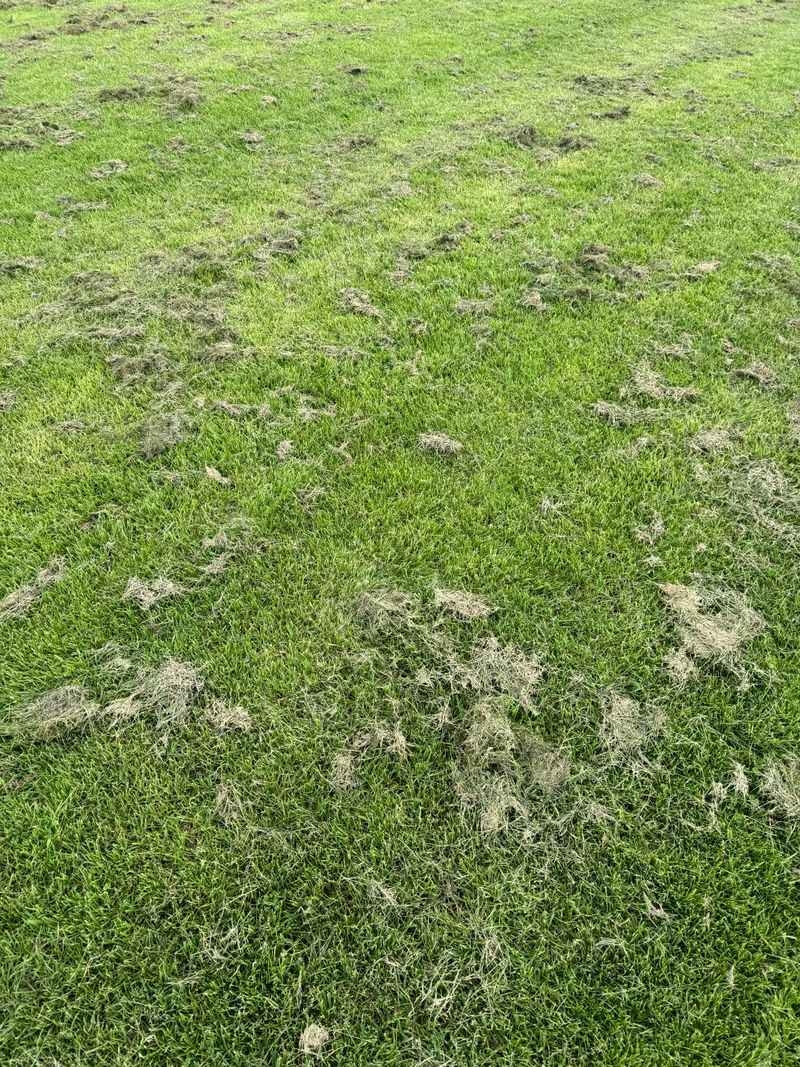
Your dormant lawn looks tough, but it is actually more fragile than it appears. Foot traffic during dormancy compresses the soil and breaks down grass crowns that are already running on low reserves.
Kids cutting through the yard, dogs running the same path, or lawn furniture sitting in one spot can all leave lasting marks. Those compressed areas are the last to recover when fall moisture returns.
Try to redirect traffic patterns during dormancy. A simple temporary rope border or garden stakes can guide foot traffic away from the most vulnerable sections of your turf.
Fertilizing a dormant lawn is one of the most common and damaging mistakes homeowners make. Nitrogen-heavy fertilizers push the grass to produce new leaf growth, which the plant simply cannot sustain in high heat.
That forced growth drains the energy reserves stored in the roots and crowns. When the stress continues, the grass has nothing left to draw from and recovery becomes much harder.
Fertilizer applied during drought conditions can also burn the grass if it is not watered in properly. Since you are already limiting water during dormancy, the risk of fertilizer burn goes up significantly.
Save your fall fertilizer application for September, when soil temperatures cool and grass begins actively growing again. That timing gives your lawn the nutrient boost it actually needs to thicken up before winter arrives in Wisconsin.
Signs Your Wisconsin Lawn Is Coming Out Of Summer Dormancy
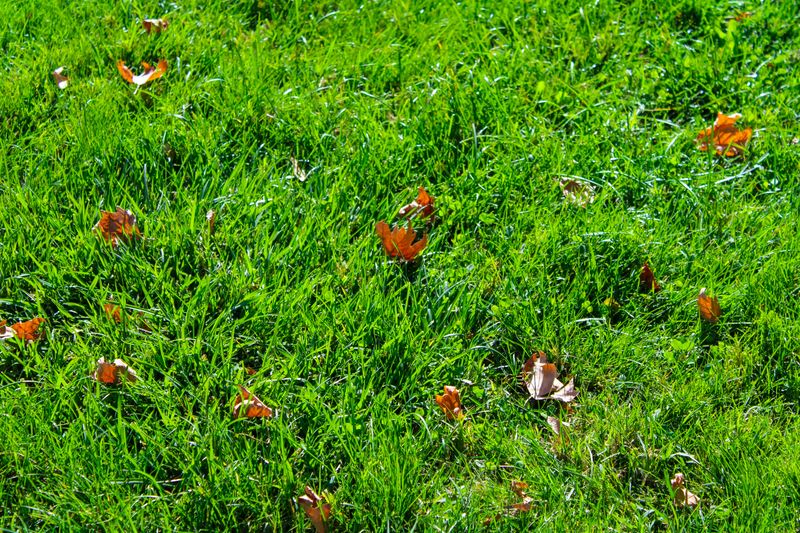
There is a moment in late August or early September when something shifts in the yard. You walk outside one morning and notice a faint green tinge returning to the turf, a reliable sign that the worst of summer is behind you.
The first sign of recovery is usually a softening of the grass blades. Dormant grass feels crispy and stiff underfoot, but emerging grass starts to feel slightly springy and pliable again.
New green shoots will appear first in shaded areas and along the edges of your lawn where soil moisture tends to stay higher. These early green patches are a reliable sign that the whole lawn is waking up.
Soil temperature dropping below 70 degrees is the main trigger for cool-season grasses to exit dormancy. You can track this with an inexpensive soil thermometer available at most garden centers.
Once recovery begins, slowly reintroduce your regular watering schedule. Deep, infrequent watering encourages roots to grow downward, which builds a stronger lawn before the cold season sets in.
Fall is the best time to overseed thin or bare spots left behind by summer stress. Grass seed germinates well in warm soil with cooling air temperatures, which is exactly what Wisconsin offers in early fall.
Watching your lawn recover from summer lawn dormancy feels rewarding because you helped it get there. Every smart decision you made during those dry weeks is showing up now as healthy, resilient turf.