Why More Georgia Gardeners Should Be Growing Buttonbush And What It Needs In Summer
Most shrubs take one look at a soggy low spot in a Georgia yard and want absolutely nothing to do with it.
If you’ve spent time trying to find something attractive that actually thrives in damp, wet areas near pond edges, streambanks, or spots that stay waterlogged after heavy rain, you already know how short that list can feel.
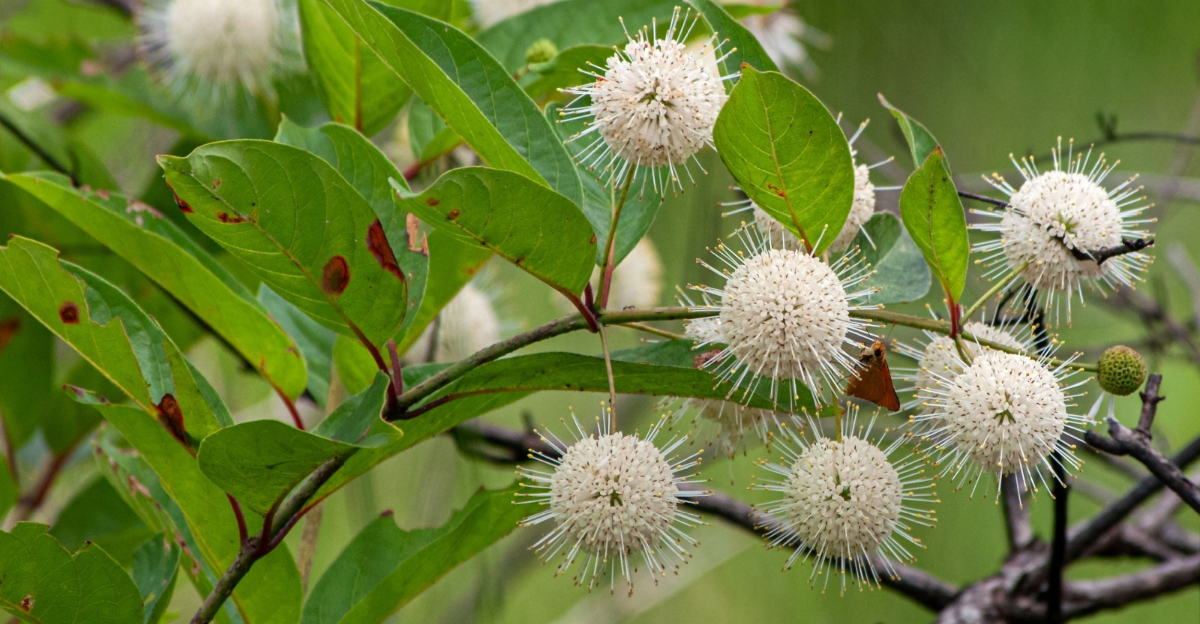
Buttonbush is one native shrub that genuinely belongs on that list, and it brings something most wet-area plants don’t: real visual appeal.
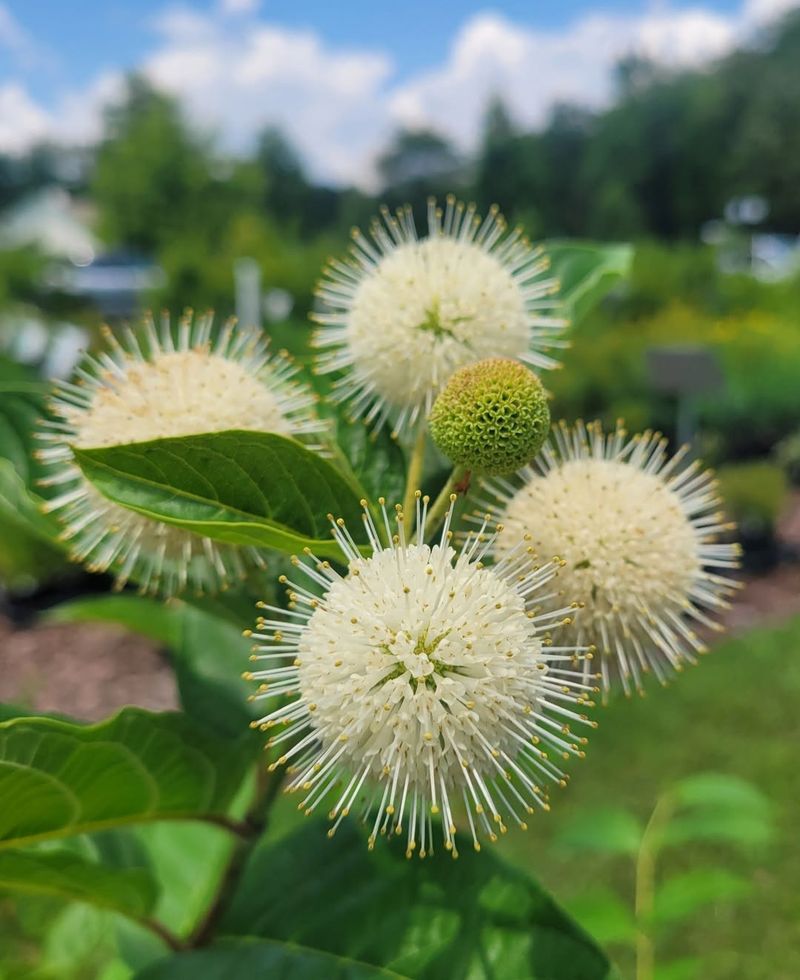
Those round white flowers that appear in summer are genuinely striking, and the pollinators that show up for them, bees, butterflies, and a surprising variety of others, make the whole planting feel alive in the best possible way.
For Georgia gardeners dealing with persistently wet spots, buttonbush is worth a serious look.
1. Buttonbush Thrives Where Soil Stays Moist
Low spots in Georgia yards that stay soggy after a rain are some of the trickiest places to plant anything useful. Most ornamental shrubs struggle in wet feet, slowly declining until they finally give out.
Buttonbush handles those conditions with ease, and that alone makes it worth knowing about.
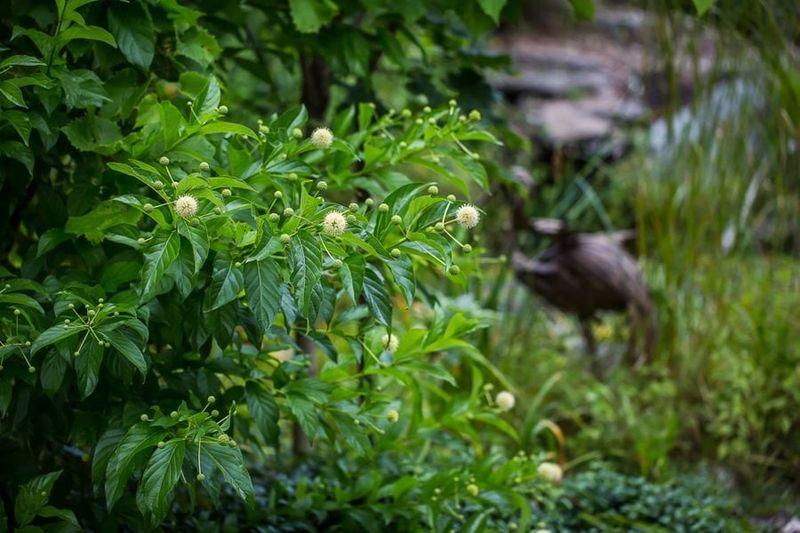
Native to much of the eastern United States, including Georgia, this shrub naturally grows along streambanks, pond margins, and wetland edges where the soil stays consistently moist or even temporarily flooded.
It has adapted over thousands of years to exactly the kind of conditions that trip up most garden-center shrubs.
In home landscapes, that means buttonbush is a strong choice for rain garden edges, drainage swales, low-lying borders near water features, and any spot where water collects after storms. Rather than fighting wet soil, it leans into it.
Homeowners who have struggled with standing water or chronically damp beds may find that buttonbush turns a problem area into a productive, attractive part of the yard.
Georgia summers bring plenty of rain, and this shrub is built to make the most of every drop.
2. Summer Blooms Feed Pollinators
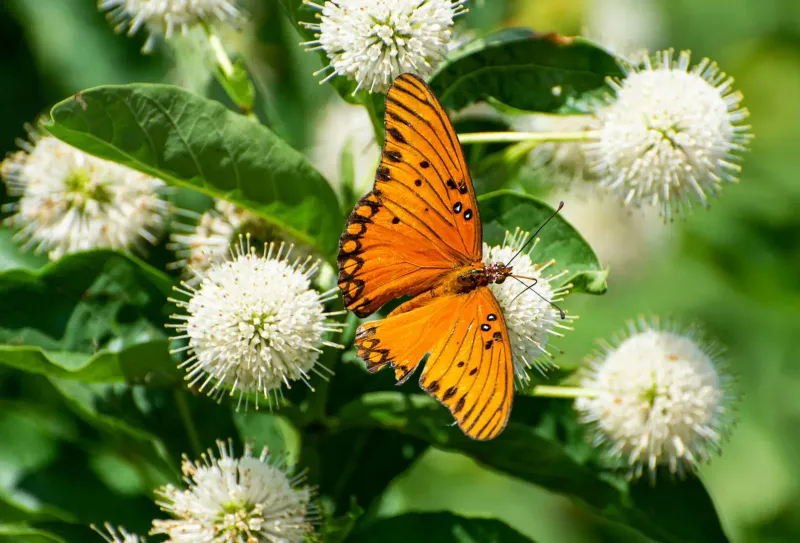
On a warm Georgia morning in midsummer, a buttonbush in full bloom can look almost electric with activity.
The round, spiky white flower heads attract bees, butterflies, hummingbirds, and other nectar-seeking insects in noticeable numbers, making it one of the more productive pollinator plants you can add to a wet-site garden.
Bloom time typically runs from late spring through summer, with peak flowering often landing in June and July across much of Georgia. The flowers have a honey-like fragrance that carries on the breeze, which helps explain why pollinators find them so quickly.
Native bees tend to be especially drawn to buttonbush blooms.
For gardeners building pollinator gardens or wildlife-friendly landscapes, buttonbush fills a gap that few other moisture-loving shrubs can cover. Many popular pollinator plants prefer drier conditions, so wet areas often get left out of pollinator planning.
Placing buttonbush along a pond edge, rain garden, or moist border brings those productive blooms to spots that might otherwise be empty or planted with something less useful to local wildlife.
Your Georgia Garden Changes Every Week. Your Plan Should Too.
Gardening in Georgia changes quickly throughout the season. Every Friday you’ll receive a simple weekly plan showing exactly what to plant, prune, fertilize, harvest, and protect so you never miss the right timing.
Summer in Georgia is long, and buttonbush keeps those flowers coming for several weeks.
3. Full Sun Brings Better Flowering
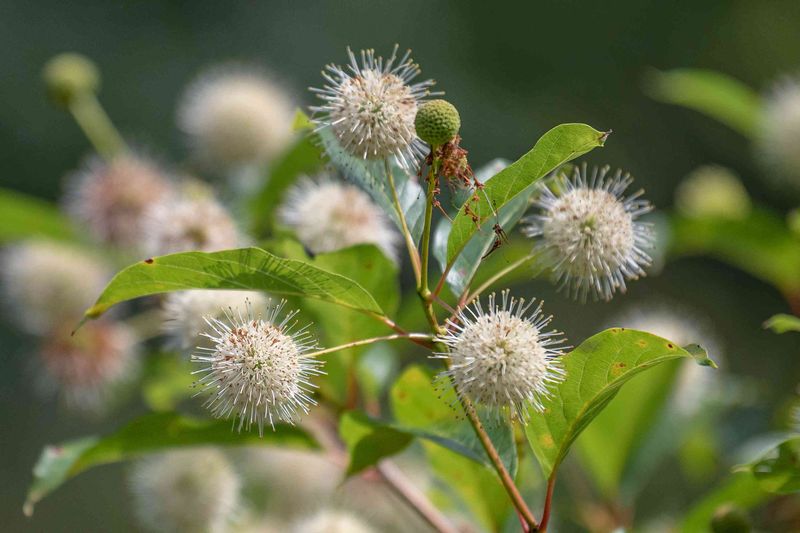
Shade can be a real bloom-killer for buttonbush, even though the plant tolerates it reasonably well in terms of survival.
Gardeners who plant it under a canopy or in a heavily shaded corner may end up with a leafy shrub that produces far fewer of those signature round white flowers.
Sun is where buttonbush really performs.
In Georgia, where summer sun is strong and days are long, a buttonbush planted in full sun near a moist or wet area tends to produce a much better floral display than one tucked into partial shade.
Six or more hours of direct sunlight encourages heavier bloom set and more vigorous overall growth.
The plant can handle the heat as long as moisture is available at the roots.
If a site gets morning sun and afternoon shade, buttonbush can still do reasonably well, but expect somewhat lighter flowering compared to a fully sunny spot.
When choosing where to plant it, prioritizing sun exposure over convenience often leads to a more rewarding result.
A sunny rain garden edge or an open pond bank in Georgia sun gives this shrub the light it needs to put on a proper summer show.
4. Dry Soil Is The Main Summer Problem
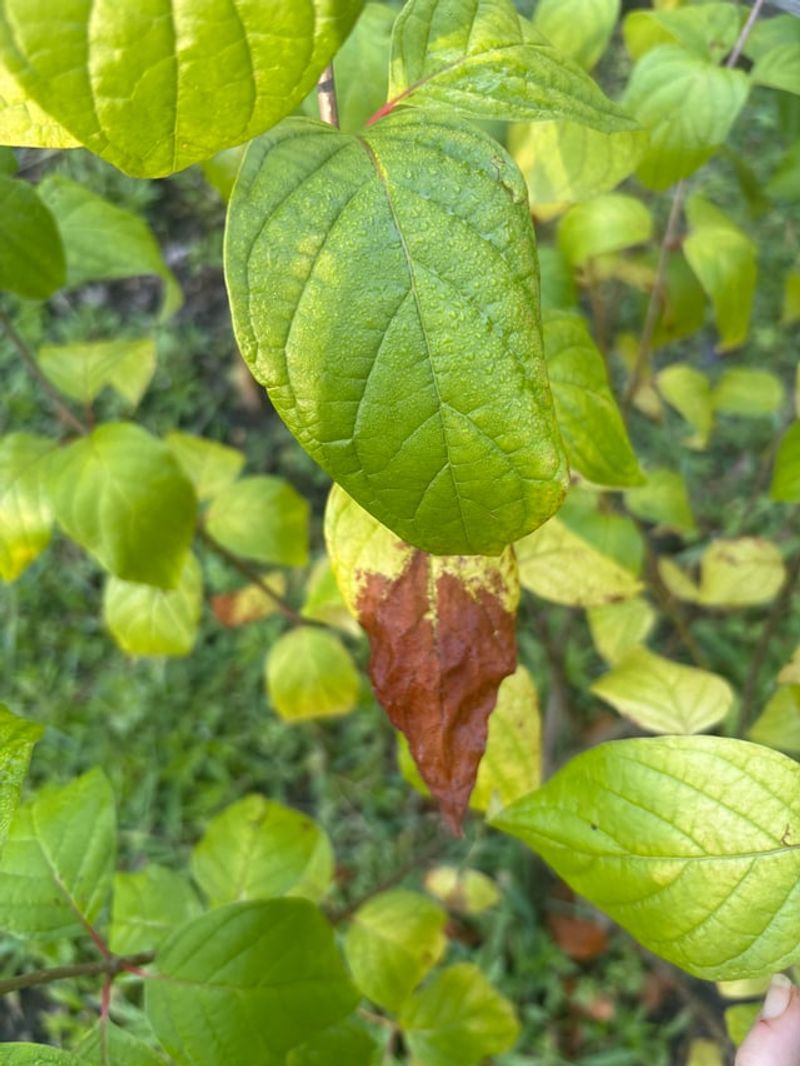
Planting buttonbush in the wrong spot is the most common reason it underperforms in Georgia gardens. When it ends up in a well-drained foundation bed or on a dry slope, it tends to look stressed through summer, dropping leaves or failing to bloom well.
It simply was not built for dry ground.
Unlike many native shrubs that tolerate a wide range of soil moisture, buttonbush is genuinely tied to wet or consistently moist conditions. During a dry Georgia summer, a plant in sandy or fast-draining soil can suffer noticeably without regular watering.
The leaves may wilt, and new growth slows. Even supplemental irrigation often cannot fully compensate for soil that drains too quickly.
The practical takeaway is straightforward: match the plant to a site that naturally holds moisture rather than trying to water a dry site into something it is not. Rain gardens, low spots, boggy borders, and pond edges are where buttonbush belongs.
Gardeners who respect that simple requirement tend to get a much healthier, more attractive shrub with far less effort.
Summer in Georgia can be brutally dry between storms, and a well-sited buttonbush handles those stretches far better than one planted in the wrong location.
5. Rain Gardens Are A Natural Fit
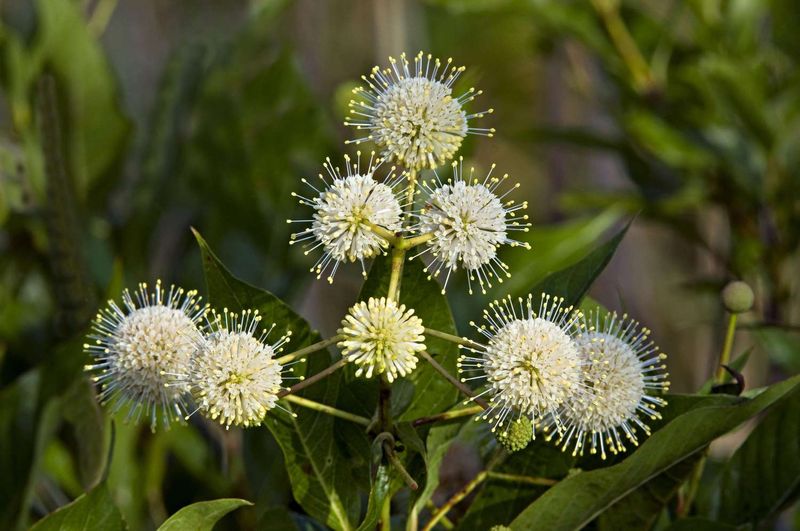
Rain gardens have become a popular solution for managing stormwater runoff in Georgia neighborhoods, and buttonbush is one of the best native shrubs to include in them.
The whole concept of a rain garden depends on plants that can handle temporary flooding followed by drier periods, and that is exactly the kind of variability buttonbush is adapted to handle.
A well-designed rain garden captures runoff from driveways, rooftops, and lawns, allowing water to soak in gradually rather than rushing into storm drains.
Buttonbush planted along the interior or lower edge of a rain garden can tolerate the wet phase after a heavy rain and then manage through drier stretches between storms.
Its root system helps water move into the soil more efficiently over time.
For Georgia homeowners dealing with runoff from sloped lots or impervious surfaces, incorporating buttonbush into a rain garden plan adds both function and visual appeal.
The white summer flowers draw pollinators even while the garden is doing its stormwater job quietly in the background.
Native plant gardeners and environmentally minded homeowners in Georgia often find that buttonbush earns its place quickly once they see how well it fits the rain garden role.
6. It Can Help Stabilize Wet Areas
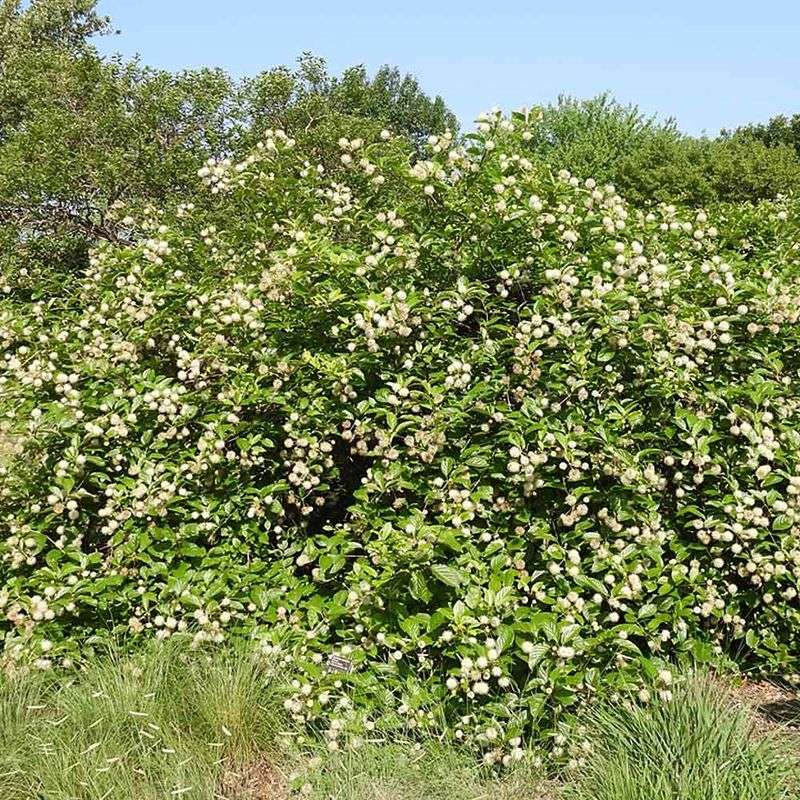
Streambanks and pond edges in Georgia are prone to erosion, especially after heavy summer rains push water levels up and then drop them quickly.
Bare or lightly vegetated banks tend to slump and wash away over time, which can be costly and frustrating for property owners trying to maintain a clean edge around water features or natural waterways.
Buttonbush has a dense, fibrous root system that grips moist soil and helps hold banks in place. When planted along a pond edge or streambank, it establishes a root network that resists the kind of soil movement that bare ground invites.
Over several seasons, a stand of buttonbush can meaningfully reduce erosion along a wet bank without requiring hard structures like riprap or retaining walls.
For Georgia homeowners with natural water features, drainage channels, or low-lying areas that flood seasonally, buttonbush offers a softer, plant-based approach to bank stabilization.
It works best when planted in combination with other native plants that also tolerate wet conditions, creating a layered edge that holds soil at multiple depths.
The shrub grows vigorously once established in a moist site, filling in gaps and anchoring the bank more effectively with each passing year.
7. Wildlife Gets More Than Flowers
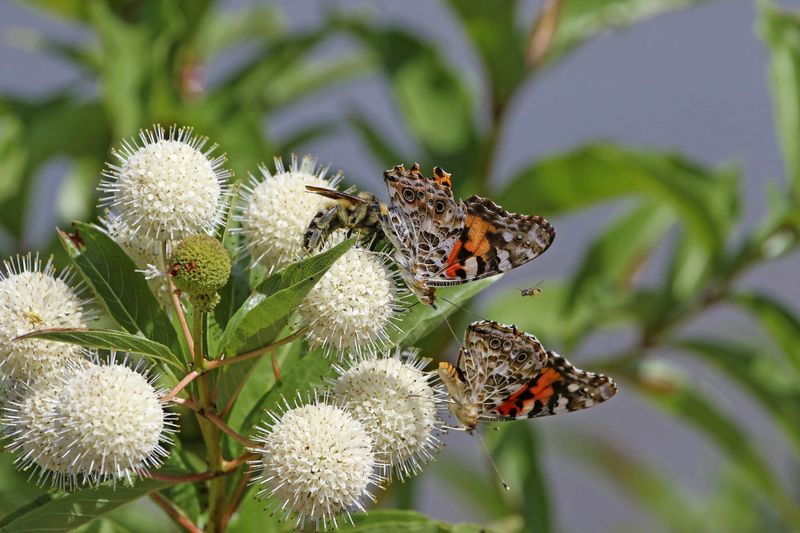
The pollinator activity around buttonbush flowers gets a lot of attention, but the plant’s value to wildlife extends well beyond the bloom period.
After flowering, buttonbush produces small, round seed heads that persist into fall and winter, providing food for waterfowl, songbirds, and other wildlife that forage along wet edges and pond margins.
Wood ducks are among the species known to feed on buttonbush seeds, and that connection alone makes it a standout choice for Georgia properties near ponds or natural water bodies.
Wading birds and other wetland-associated species also use buttonbush thickets for cover and foraging habitat.
The dense branching structure offers shelter and nesting opportunities that open, grassy areas simply cannot provide.
Georgia gardeners interested in building genuine wildlife habitat rather than just decorative plantings will find that buttonbush delivers across multiple seasons.
The flowers feed pollinators in summer, the seeds feed birds in fall and winter, and the structure of the shrub provides cover year-round.
Few native shrubs suited to wet conditions offer that kind of layered, multi-season wildlife value. Adding even a small grouping of buttonbush near a water feature or wet border can noticeably increase the variety of wildlife that visits a Georgia property.
8. It Needs Room To Grow
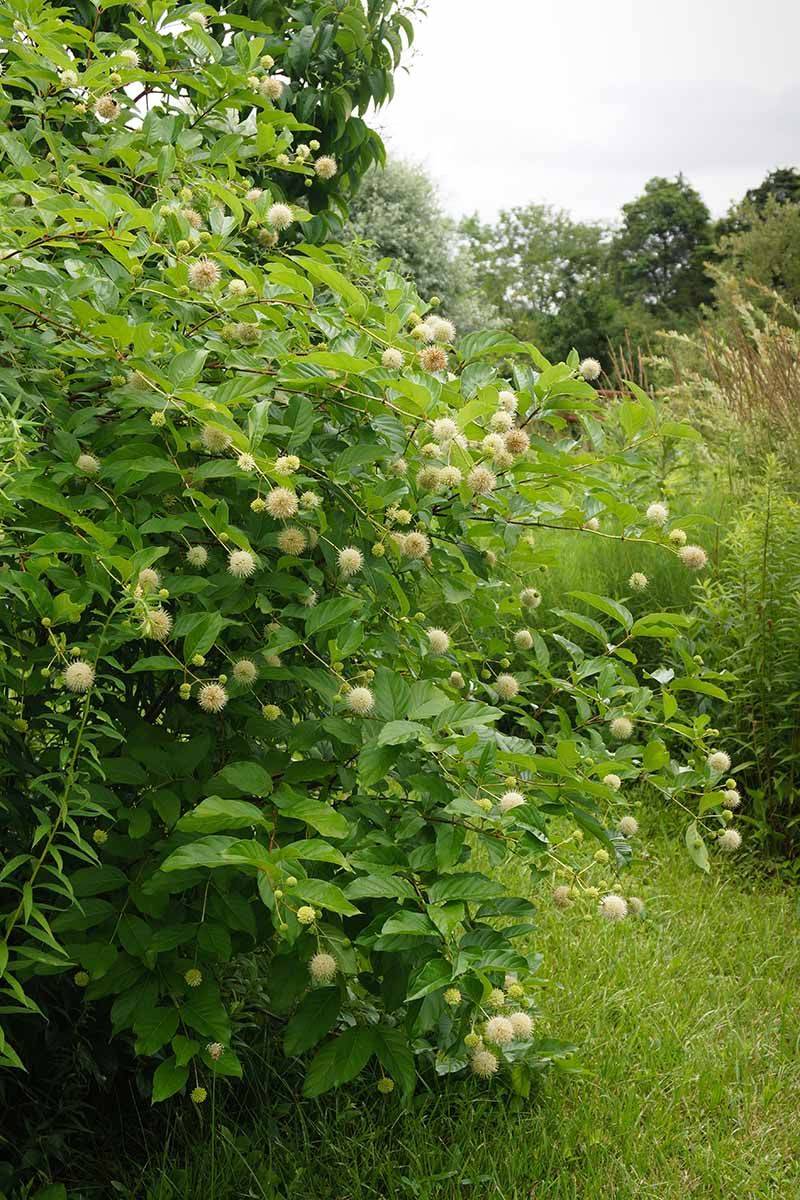
Tucking buttonbush into a tight foundation bed or a narrow border strip often leads to disappointment.
This is a shrub that spreads, suckers, and fills in over time, eventually forming a broad, multi-stemmed clump that can reach six to twelve feet tall and equally wide under good conditions in Georgia.
Giving it space upfront saves a lot of management work later.
In naturalized settings like pond edges, rain garden borders, or wet woodland margins, that spreading habit is actually an asset. The plant fills in bare areas, builds habitat structure, and creates a layered edge that looks more natural than a single trimmed specimen.
But in tighter landscape situations, the spreading can feel like it is getting out of hand if the site was not planned for it.
Before planting, consider how much horizontal space is available and whether the shrub will have room to expand without crowding paths, structures, or other plants.
A spacing of at least six to eight feet from other large shrubs or structures gives buttonbush reasonable room to develop naturally.
Georgia gardeners who plan for its mature size tend to end up with a healthier, better-looking plant that requires far less corrective pruning over the years.
9. Summer Watering Depends On The Site
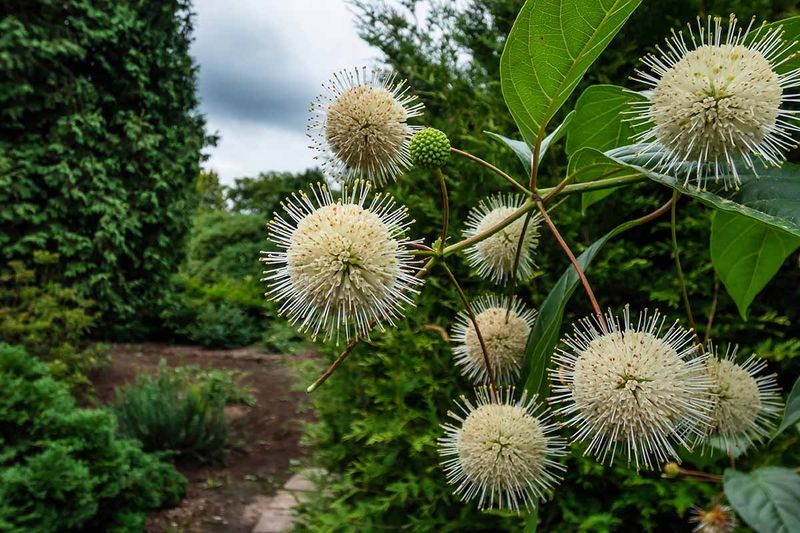
Not every buttonbush in Georgia needs the same amount of supplemental water in summer, and that distinction matters for how much effort a gardener puts into maintaining it.
A plant growing at the edge of a pond or in a consistently wet low spot may need little to no extra irrigation even during a dry stretch.
The site does the watering work naturally.
On the other hand, a buttonbush planted in a rain garden or moist border that dries out between storms may benefit from occasional deep watering during extended dry spells.
Newly planted shrubs in their first one to two summers need more attention regardless of site, since the root system has not yet spread far enough to access moisture from a wider area.
Consistent soil moisture during establishment makes a significant difference in how quickly the plant settles in.
Once established in the right spot, buttonbush generally becomes a low-maintenance plant in terms of irrigation.
Georgia summers can swing between heavy rain and dry spells within the same month, so checking the soil occasionally is more useful than following a fixed watering schedule.
If the soil around the roots feels dry several inches down during a hot stretch, a slow, deep watering helps the plant stay comfortable and continue blooming well.
10. Little Pruning Is Usually Needed
One of the quieter benefits of growing buttonbush in Georgia is that it does not demand a lot of shaping or cutting to look presentable in the right setting.
In a naturalized edge planting, rain garden, or along a pond, the informal, spreading habit fits the environment and looks intentional without much intervention from the gardener.
If pruning is needed, late winter or very early spring is the most practical time to do it, before new growth begins. Cutting back older stems at that point encourages fresh growth and can help keep a large clump from overwhelming a smaller space.
Light thinning can also improve air circulation and give the plant a cleaner look heading into the bloom season.
Avoid heavy pruning in summer, since that can remove developing flower buds and reduce the bloom display for that season.
If a branch is damaged or growing in an awkward direction, removing it is fine at almost any time, but major reshaping is better saved for the dormant season.
Georgia gardeners who choose the right site and allow buttonbush to grow in its natural form tend to find that the plant takes care of itself reasonably well, asking for very little in return for a lot of summer interest.