Signs Drought Stress Has Found Your Virginia Garden And How To Protect It Now
Healthy Virginia gardens do not struggle in silence, but yours just did. Now something feels off.
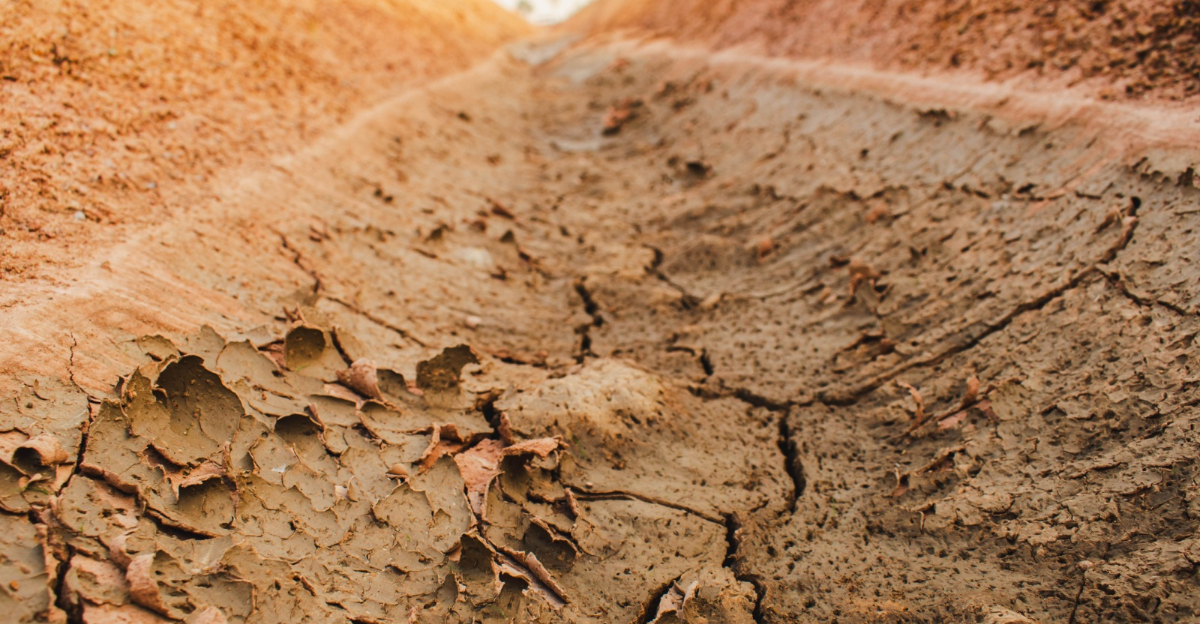
Leaves droop and edges brown without warning. Soil cracks like old pottery left in the sun. Virginia summers hit hard and they show no mercy at all. Something silent is stealing your garden’s strength.
It moves slowly, then takes hold fast. Can you spot it before it goes too far? Most gardeners miss the early warning signs. Recognizing them puts you ahead of the worst.
Your soil tells the story first. Watch it closely every single day. Watering at the wrong time makes things worse, not better. Acting early is the difference between a garden that recovers and one that does not.
Each dry spell tests what you planted. This decision you make right now counts. The state of your garden is shifting. Your garden has everything it needs to come back stronger.
Wilting Occurs Even After Watering Or In Early Morning

Your plants just got watered, but they still look like they gave up. That is one of the clearest signs drought stress has found your Virginia garden.
Wilting after watering is a red flag most gardeners miss at first. The plant is struggling to move water from roots to leaves fast enough.
A thorough soak will not help if roots cannot absorb what they receive. Morning wilt is especially telling. Healthy plants should stand tall and firm before the sun gets strong.
If they droop at dawn, something deeper is going on. When leaves stay droopy even in cool morning air, the root system is under serious pressure.
Soil may have become hydrophobic, meaning water runs off instead of soaking in. It looks wet on top but stays dry where roots need it most.
Try pressing your finger two inches into the soil. If it feels bone-dry below the surface, the plant is not getting what it needs.
That gap between surface moisture and root-level dryness is where gardens quietly suffer. Sandy or compacted soils across the state make this worse. Water passes through too fast or sits on top without penetrating.
Slow, deep watering helps roots access moisture lower in the ground. A drip system or soaker hose works far better than a quick sprinkle.
Consistency matters more than volume. Catching wilt early gives your garden a fighting chance. Act now before the stress becomes something harder to reverse.
Yellowing Or Browning At Leaf Edges And Tips
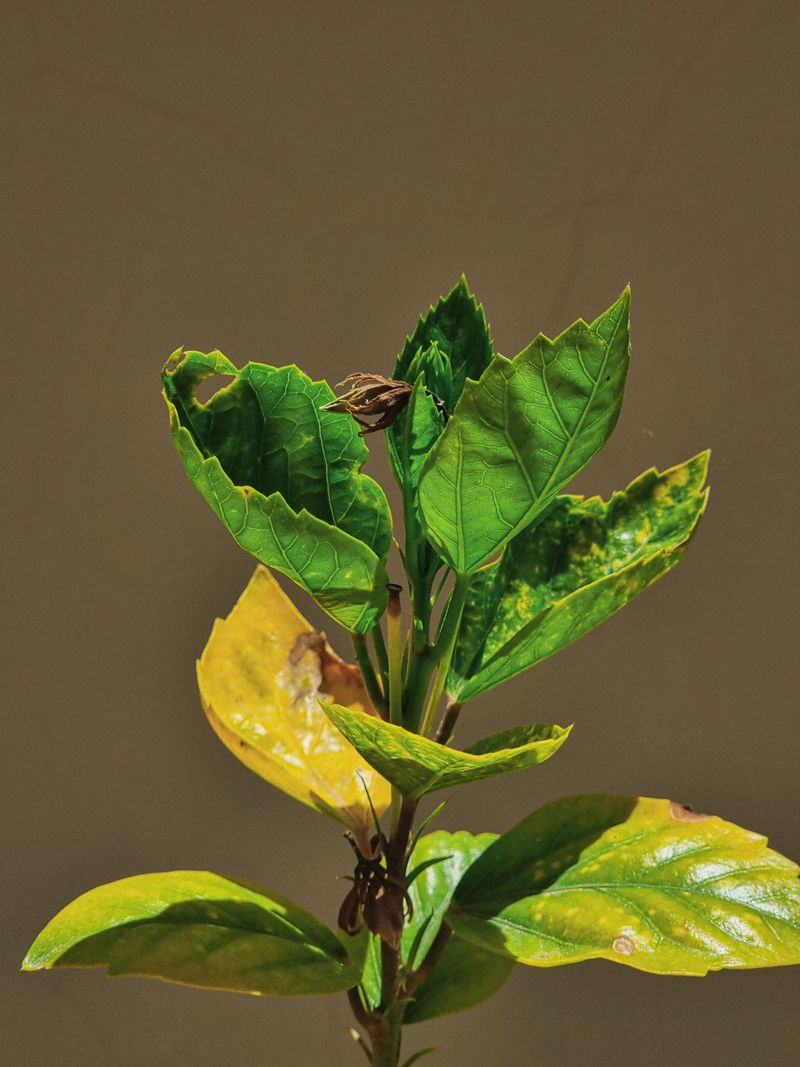
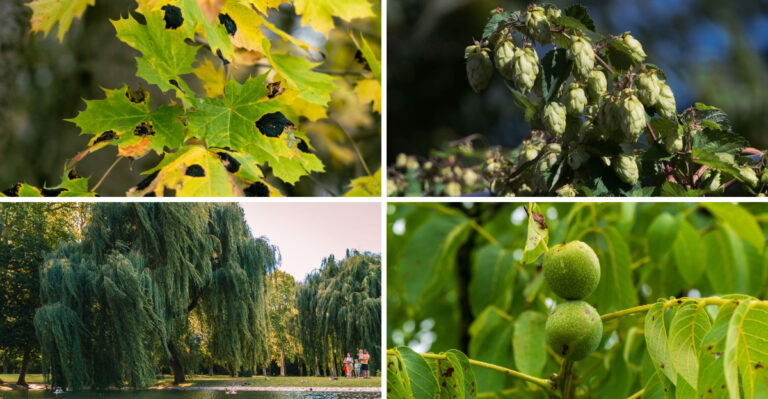
Crispy brown tips are your plants sending an SOS signal. Leaf scorch is one of the most visible symptoms of drought stress in a Virginia garden.
When moisture runs low, plants pull water from the outer leaf tissue first. That tissue dries out and turns brown or yellow at the edges.
The process happens faster than most gardeners expect. You might notice discoloration starting on the tips, then spreading inward toward the center vein.
That pattern usually points to water stress rather than a pest or disease. Knowing the difference saves you from treating the wrong problem entirely.
Your Virginia Garden Changes Every Week. Your Plan Should Too.
Gardening in Virginia changes quickly throughout the season. Every Friday you’ll receive a simple weekly plan showing exactly what to plant, prune, fertilize, harvest, and protect so you never miss the right timing.
Tomatoes, hydrangeas, and ornamental grasses are especially prone to this kind of scorching. Even shade plants can show leaf edge browning during extended dry periods.
Check the pattern carefully before reaching for a fertilizer or pesticide. Adding nutrients to a thirsty plant often makes the stress worse, not better.
The plant needs water first, everything else second. Browning on one side of the plant may also signal uneven watering. Rotating your watering focus helps balance moisture across the root zone.
Trim off the most affected leaves to reduce the plant’s overall water demand. This small step lets the plant focus energy on healthier growth.
It also improves airflow and reduces further stress. Leaf scorch does not always mean permanent harm.
With the right moisture and some patience, new growth can replace what was lost. Your garden is more resilient than it looks.
Cracked, Pale Soil Pulling Away From Beds
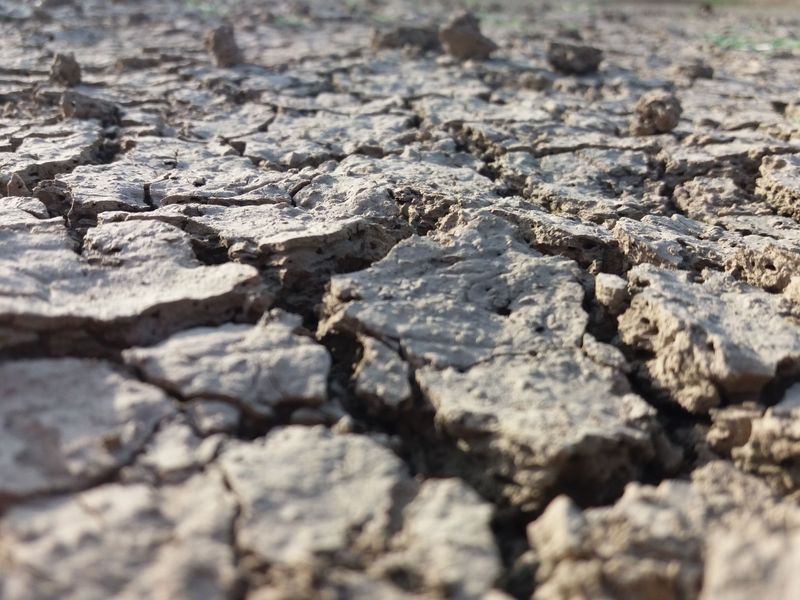
Soil that looks like a jigsaw puzzle is a clear warning sign. When the ground cracks and pulls away from bed edges, drought stress may already be present.
Pale, powdery soil means the top layer has completely lost its moisture. Water poured on top often runs straight into those cracks and bypasses plant roots entirely.
This is especially common in clay-heavy Virginia soils that shrink as they dry. The gaps created can expose and stress shallow feeder roots.
A good test is to pour a small amount of water onto the surface and watch what happens. If it puddles or runs sideways instead of soaking in, the soil has become water-repellent.
Breaking up the crust with a hand cultivator before watering can help. Loosening just the top inch allows moisture to penetrate more evenly.
Organic matter like compost mixed into the soil improves its ability to hold water over time. Even a thin top dressing now can start making a difference.
Cracked soil also heats up faster in the sun, stressing roots from below. Covering bare ground is one of the smartest moves you can make right now.
Healthy soil should feel slightly cool and hold its shape when squeezed. That texture is what your garden is craving.
Stunted New Growth And Dropping Blooms Or Buds
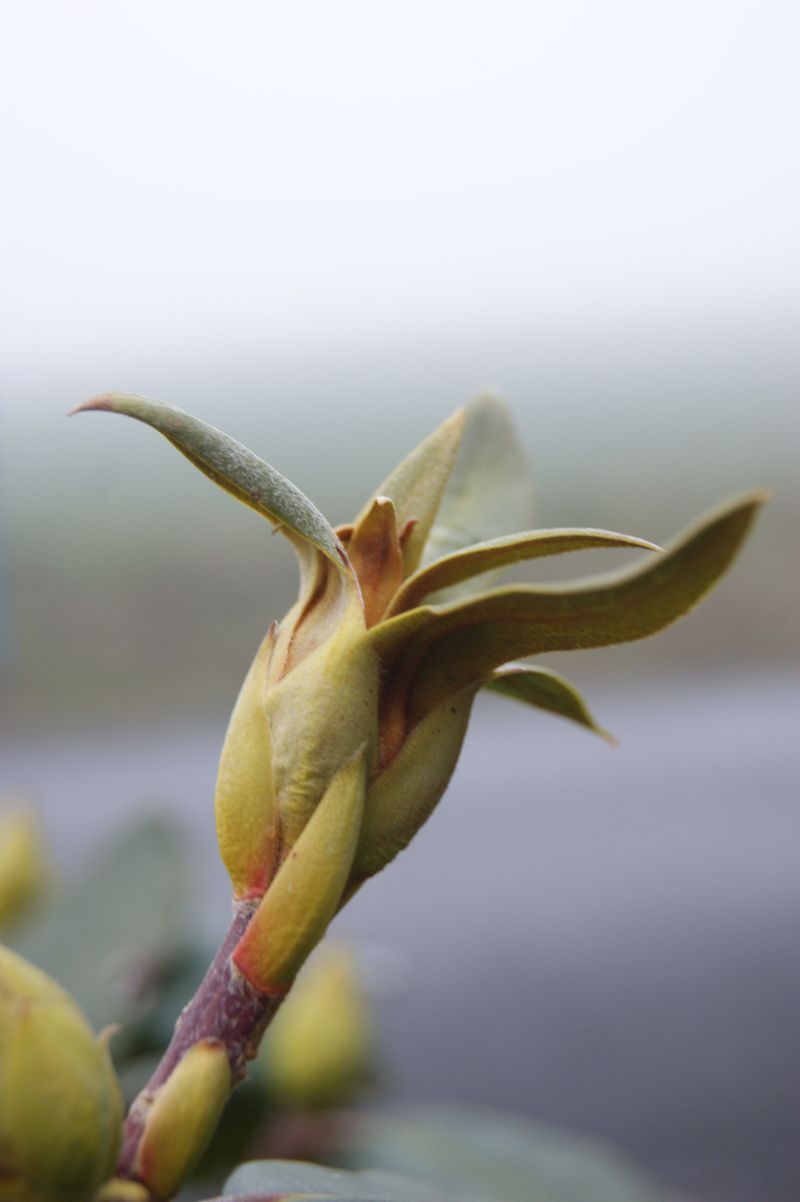
When your rose drops its buds before they open, your garden is telling you something urgent. Stunted growth and bud drop are classic signs that drought stress has disrupted your plant’s normal cycle.
Plants under water stress shift into survival mode fast. They sacrifice flowers and new shoots to protect the core stem and root system.
New leaves may emerge smaller than usual, sometimes half the size of healthy ones. They can also feel thin and papery rather than firm and glossy.
Annuals like impatiens and petunias are quick to show bud drop when soil moisture drops too low. Perennials may hold on longer, but they will eventually follow suit.
Gardeners sometimes mistake bud drop for a pest problem or nutrient deficiency. Before treating for anything else, check soil moisture at a depth of three to four inches.
If growth has slowed dramatically mid-season, the plant is rationing its energy. Consistent deep watering can often restart normal growth within a few weeks.
Avoid pushing heavy fertilizer on stressed plants during a dry stretch. Nutrients without water can burn roots and increase the plant’s overall stress load.
Patience paired with proper watering is the most powerful tool here. Give your garden steady moisture and watch it begin to recover with real momentum.
Water Deeply At The Base Early Morning, Not The Leaves
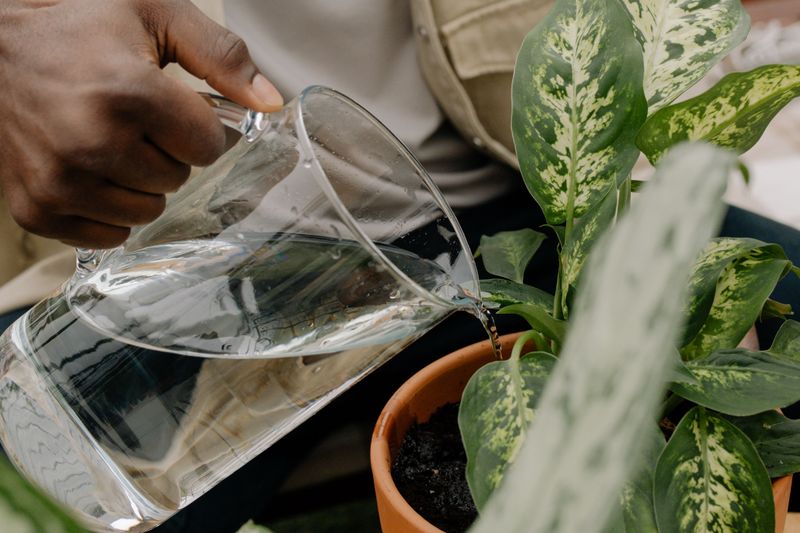
Early morning is the sweet spot for watering, and the base of the plant is the only target that matters. Wetting leaves in the heat of the day wastes water and invites disease.
That combination sets your garden back rather than helping it recover. Roots live underground, not on foliage.
Directing water to the soil gives roots direct access to what they need. Everything applied to leaves is largely wasted effort.
Watering in the morning means moisture soaks in before afternoon heat pulls it back into the air. Evening overhead watering leaves foliage damp overnight, which encourages fungal problems.
Watering at the base in the evening is far less risky. The real danger is wet leaves, not the time of day. Timing your sessions right costs nothing but makes a real difference.
Shallow, frequent watering trains roots to stay near the surface. Deep, infrequent watering pushes roots downward where soil stays cooler and holds moisture longer.
That depth is where resilience builds. Aim to water slowly enough that the soil absorbs it without runoff. A slow trickle for twenty minutes beats a hard blast for five.
Soaker hoses and drip irrigation are the gold standard for base watering. They deliver moisture exactly where it belongs with very little waste.
Both options pay for themselves quickly in water saved. Check soil moisture before every watering session.
Overwatering a stressed plant can be just as harmful as letting it go dry. Consistent, targeted watering is the simplest thing you can do for a struggling garden.
Mulch 2 To 3 Inches Around Plants To Lock In Soil Moisture
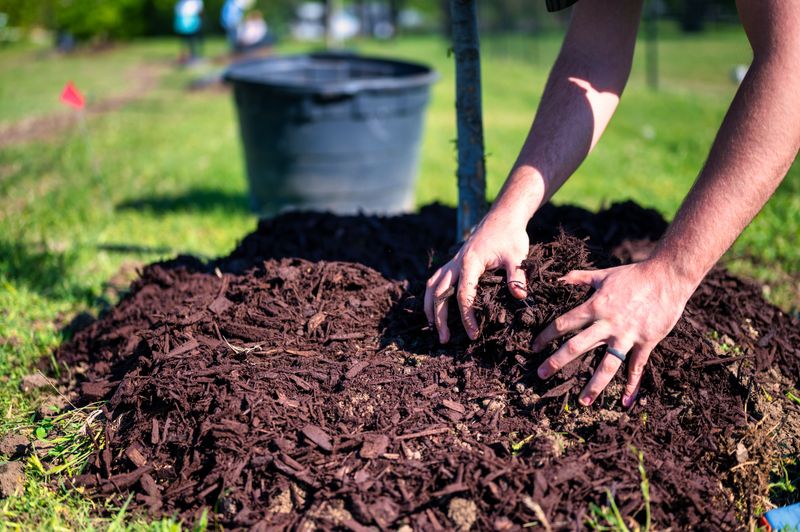
A thick layer of mulch is like a blanket for your soil, and right now your garden will benefit from one. Spreading two to three inches around your plants can significantly reduce moisture loss from the soil surface.
Mulch slows evaporation by shading the soil surface from direct sunlight. It also keeps soil temperatures cooler on scorching summer afternoons.
Wood chips, shredded bark, and straw all work well as mulch materials. Each breaks down over time and adds organic matter back into the soil.
Keep mulch pulled back 3–5 inches from plant stems and small shrubs, and 8–12 inches from mature tree trunks. Piling it directly against bark or stems traps moisture and can cause rot at the base.
A fresh layer applied now will protect roots through the hottest part of summer. It also suppresses weeds that compete with your plants for available moisture.
Many Virginia gardeners skip mulching because it feels like an extra step. But it is one of the highest-return moves you can make for a stressed garden.
Over time, decomposing mulch improves soil structure and water retention. You are solving a short-term problem and building long-term soil health at the same time.
One afternoon of mulching can protect your garden for weeks. That is a trade worth making every single time.
Prune Stressed Or Spent Foliage To Reduce Water Demand
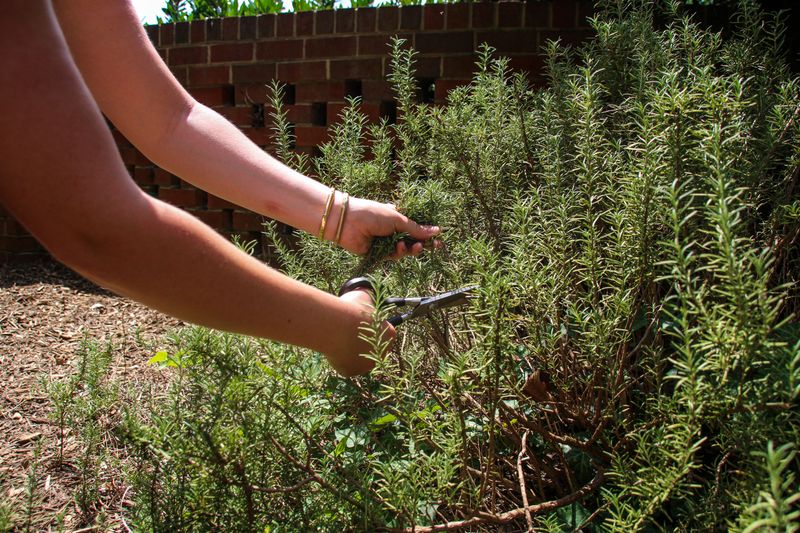
Grabbing your pruners might feel counterintuitive when your garden already looks rough. But removing stressed or affected foliage is one of the smartest things you can do during a dry stretch.
Every leaf on a plant requires water to stay alive. Removing struggling ones reduces the total demand on an already-strained root system.
Brown, curled, or papery leaves are no longer contributing to photosynthesis. They are just pulling resources without giving anything back.
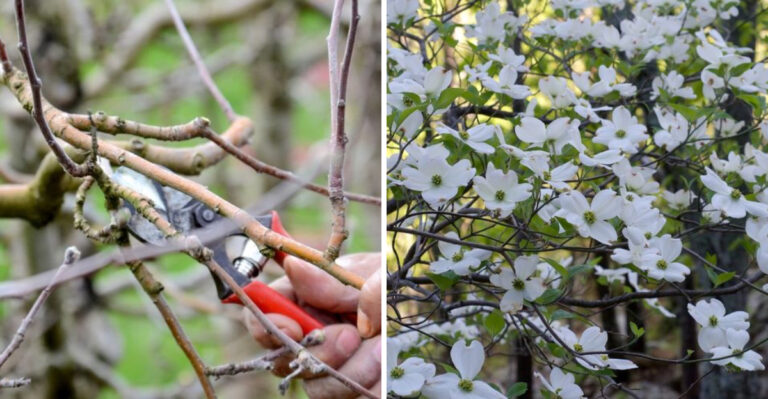
Focus on the most affected growth first, especially outer branches and tips. Make clean cuts with sharp pruners to avoid tearing tissue and introducing stress points.
Avoid heavy pruning during the hottest part of the day. Morning or late afternoon is gentler on both you and the plant.
After pruning, give the plant a slow, deep drink at the base. Removing foliage without watering afterward can leave the plant more vulnerable, not less.
Some gardeners worry that cutting back a stressed plant will set it behind for the season. In most cases, the opposite is true and new growth returns faster after a clean prune.
Signs drought stress has found your Virginia garden often ease up after a good pruning session. Less plant means less pressure, and that math always works in your favor.
Group Thirsty Plants Together And Prioritize Their Watering
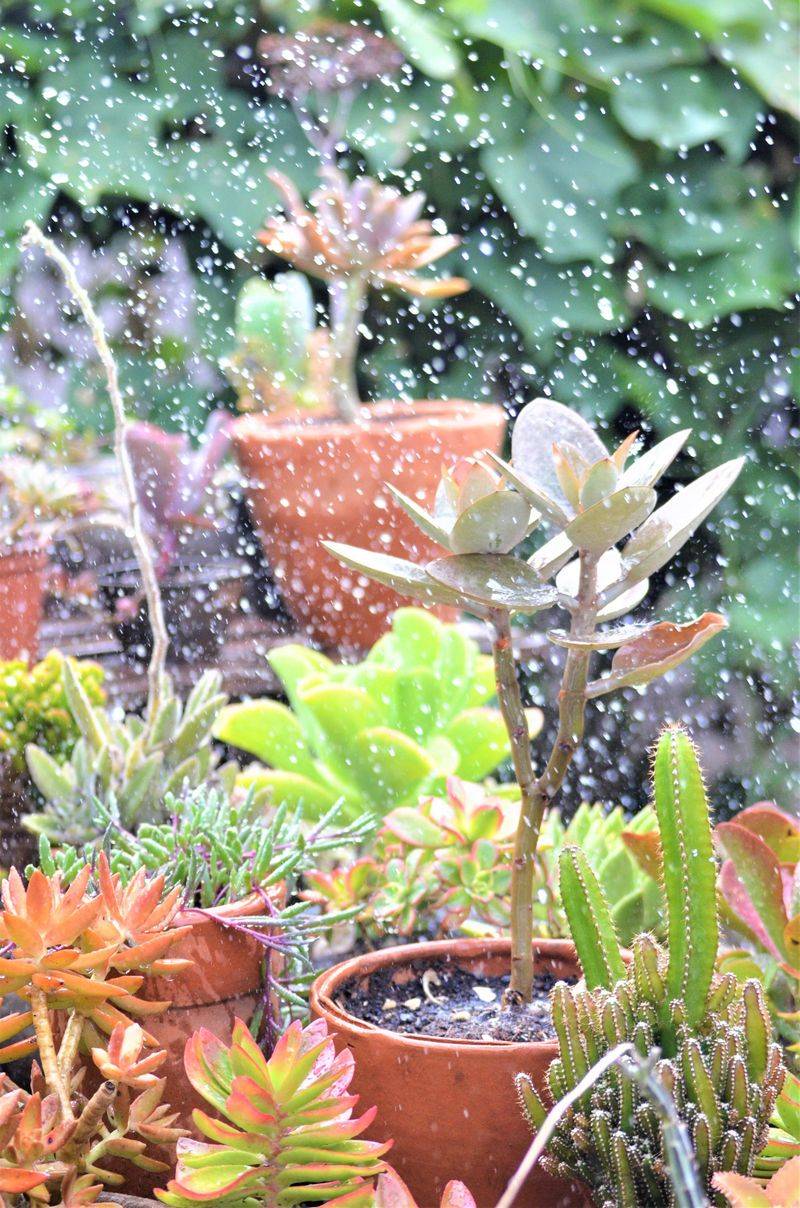
Smart garden layout is a form of drought-proofing that most people overlook entirely. Grouping water-hungry plants together makes your watering routine faster, more efficient, and far more effective.
When thirsty plants are scattered across the yard, no single zone gets the deep attention it needs. Clustering them lets you soak one area thoroughly instead of spreading effort thin.
Hostas, hydrangeas, astilbes, and ferns are all high-moisture plants that thrive when kept together. Placing them in a shadier part of the yard also reduces how fast soil dries out.
Drought-tolerant plants like lavender, black-eyed Susans, and ornamental grasses can form their own separate grouping. They need far less attention and can handle dry spells with minimal help.
This zoning approach also prevents you from overwatering drought-tolerant species while trying to rescue thirsty ones nearby. Each zone gets exactly what it requires, nothing more.
If you are replanting or expanding beds this season, plan with water zones in mind from the start. A little forethought now saves a lot of scrambling later.
During a dry period, prioritize the high-moisture zone first and let the tough plants wait. They are built for it.
Signs drought stress has found your Virginia garden often point to poor plant placement as the root cause. Regrouping your plants may be the most lasting fix of all.