How To Make Your Georgia Yard A Better Habitat For Fireflies This Summer
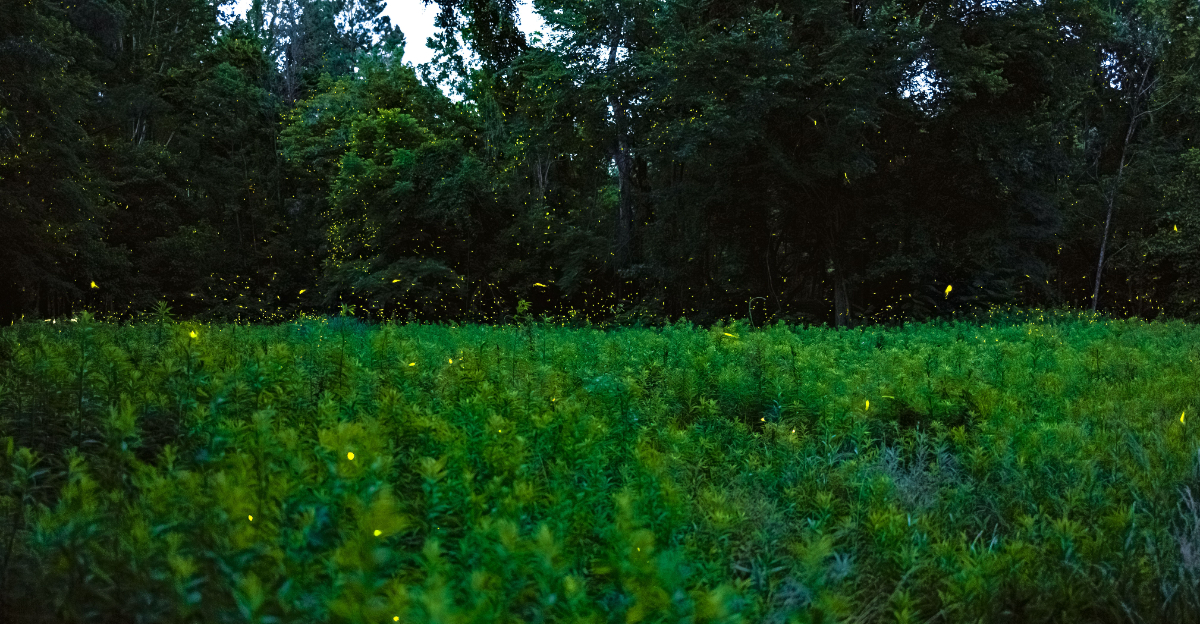
There is something special about being outside on a warm summer evening and spotting tiny flashes of light drifting across the yard. It is the kind of sight that makes people slow down for a moment and pay attention.
Yet many homeowners have noticed that fireflies do not seem to appear as often as they once did.
A yard does not need to be large or completely natural to attract more of these insects. Small changes can make a bigger difference than many people expect.
The challenge is that some common landscaping habits may be making a property less inviting without anyone realizing it.
In Georgia, summer is one of the best times to support fireflies and create conditions they are more likely to use. A few thoughtful adjustments can help turn an ordinary yard into a place where these glowing visitors feel more at home.
If you would like to see more fireflies after sunset, now is a good time to start.
1. Let Grass Grow Taller In Select Parts Of The Yard
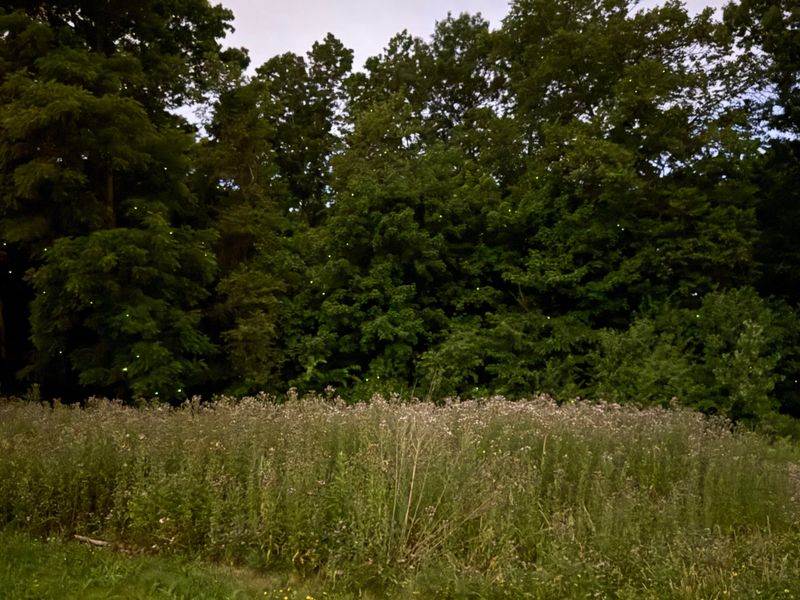
Mowing every inch of your lawn might feel tidy, but fireflies see it differently. Short grass offers almost no shelter for adults resting during the day or larvae moving through the soil at night.
Firefly larvae spend most of their lives underground or in leaf litter close to the soil surface. Tall grass keeps that ground layer cooler and more humid, which is exactly what young fireflies need to grow.
Pick one or two low-traffic corners of your yard and simply stop mowing them as frequently. You do not need to let the whole lawn go wild.
Even a narrow strip along a fence or the back edge of your property can help.
Aim for grass heights between four and eight inches in those spots. That range gives fireflies enough cover without making the area look completely abandoned.
Taller grass also supports other insects that fireflies feed on as larvae, so the benefits stack up quickly. Ground beetles, slugs, and small worms all become more common in areas where grass is left to grow a bit.
Let the area stay consistent all summer. Fireflies need stability.
Cutting it down mid-season disrupts any larvae already working through the soil below.
2. Leave Decaying Wood In Quiet Areas Of The Landscape
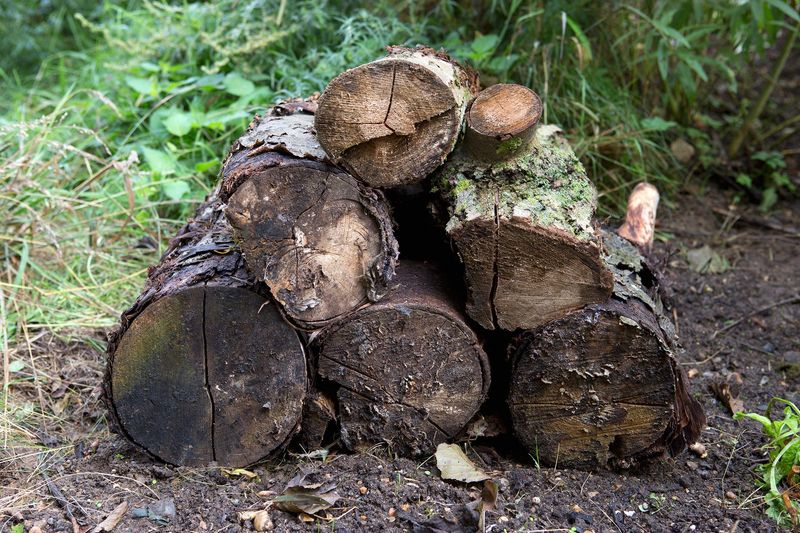
Rotting wood is not yard waste. For fireflies, it is prime real estate.
Logs, stumps, and fallen branches in various stages of decay create some of the best breeding and feeding habitat fireflies can find.
Firefly larvae are predators. Soft, decaying wood is full of the small creatures they hunt, including slugs, snails, and tiny worms.
Without that food source nearby, larvae struggle to reach adulthood.
You do not need a massive pile. A few small logs tucked into a shaded corner work well.
Stack them loosely so moisture can reach the interior and fungi can break the wood down naturally over time.
Shade matters here. Wood in full sun dries out too fast to support much life inside.
Your Georgia Garden Changes Every Week. Your Plan Should Too.
Gardening in Georgia changes quickly throughout the season. Every Friday you’ll receive a simple weekly plan showing exactly what to plant, prune, fertilize, harvest, and protect so you never miss the right timing.
Place your log pile under a tree or near a shrub where it stays cool and slightly damp through the summer months.
Avoid treated or painted wood entirely. Chemicals in treated lumber can harm the small organisms that make decaying wood useful in the first place.
If you have recently trimmed trees or cleared brush, save a portion of the larger pieces. Let them sit undisturbed rather than hauling everything to the curb.
3. Add Native Shrubs That Create Cool Shaded Cover
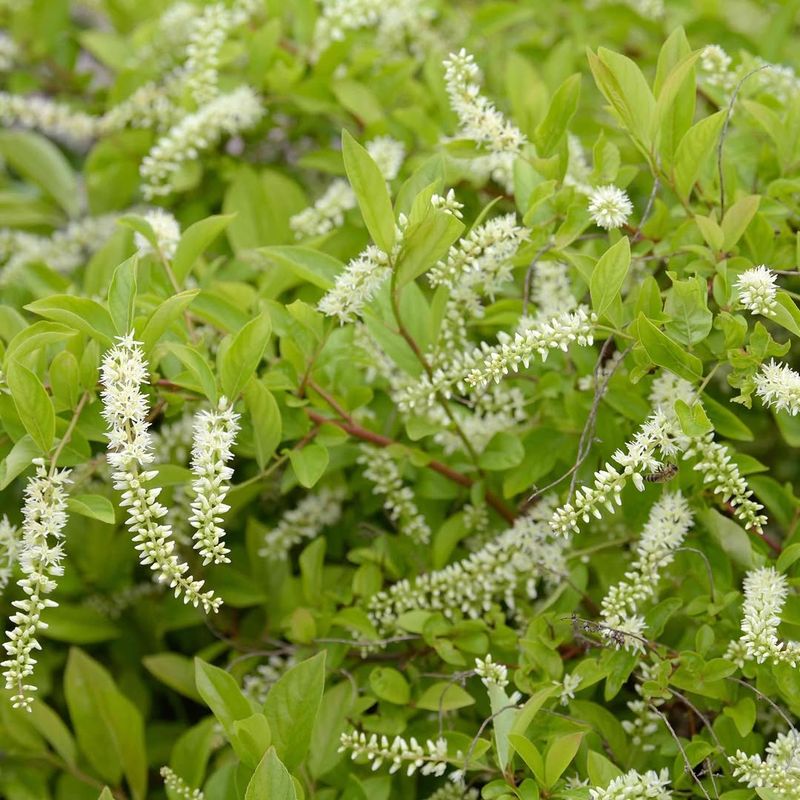
Shade is a survival tool for fireflies. Adult fireflies rest in cool, shaded spots during the day and only emerge once temperatures drop in the evening.
Without enough shade, your yard simply gets too hot and dry for them to stick around.
Native shrubs solve this problem naturally. Plants like American beautyberry, native blueberry, spicebush, and inkberry all grow well in the Southeast and create the kind of layered shade fireflies prefer.
Plant shrubs along the edges of your yard where they can create a shaded understory near the ground. Fireflies tend to rest low, so shrubs that branch close to the soil line are especially useful.
Native plants also support the broader food web. Shrubs that attract slugs, snails, and soft-bodied insects indirectly feed firefly larvae living in the soil below.
That connection matters more than most gardeners realize.
Avoid non-native ornamental shrubs with dense, waxy foliage. They rarely support the insect life that fireflies depend on and can actually reduce overall biodiversity in your garden.
Water newly planted shrubs regularly through their first summer. Once established, most native shrubs handle Georgia’s summer heat without much extra help.
Group shrubs in clusters rather than spacing them widely apart.
Clustered plantings create deeper shade and hold moisture better than isolated plants spread across an open area.
4. Water Dry Garden Beds During Extended Heat
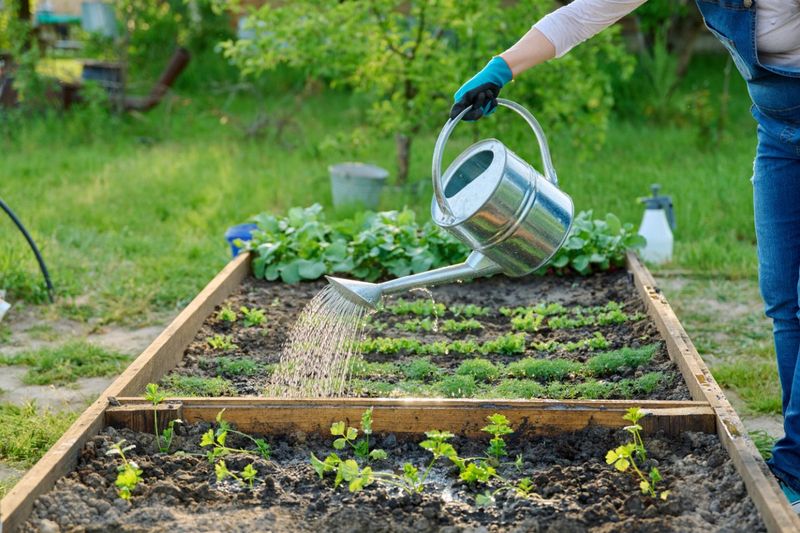
Fireflies need moisture to survive, and not just in the air. Soil moisture is critical for larvae developing underground and for adults staying active through the hottest parts of summer.
Extended dry spells hit garden beds hard. When soil dries out completely, the small organisms firefly larvae feed on retreat deeper underground or disappear entirely.
Larvae cannot follow them and often struggle as a result.
Watering your garden beds during dry stretches is one of the simplest ways to keep conditions stable. You do not need to flood the area.
Slow, deep watering a few times per week is enough to maintain the moisture level fireflies prefer.
Focus on shaded beds and areas near shrubs or tall grass first. Sunlit beds dry out faster and are less likely to be used by fireflies regardless of watering frequency.
Mulching garden beds helps retain moisture between watering sessions. A two to three inch layer of organic mulch like shredded leaves or wood chips slows evaporation and keeps soil cooler even on very hot days.
Avoid watering in the middle of the day. Evening or early morning watering reduces evaporation and gives moisture time to soak in before temperatures rise again.
Watch for signs of soil stress like cracking or dust-dry surface layers. When you see those signs, the bed needs water soon.
5. Replace Bright Lights With Softer Outdoor Options

Bright outdoor lights might make your patio feel safer, but they quietly push fireflies away. Fireflies communicate through bioluminescent flashes, and strong artificial light drowns out those signals completely.
When fireflies cannot see each other’s flashes, mating slows down. Populations in heavily lit yards tend to be sparse compared to darker areas nearby.
Light pollution is one of the most underappreciated threats to firefly activity.
Switching to softer, warmer-toned lights makes a real difference. Amber or warm white bulbs below 2700 Kelvin are far less disruptive than cool white or blue-toned LEDs.
Fireflies are most sensitive to green and blue wavelengths, so warmer tones cause less interference.
Motion-activated lights are a practical option. Lights that only switch on when needed reduce the total hours of brightness in your yard each night without sacrificing safety or convenience.
String lights work well for patios. Warm amber string lights provide enough visibility for outdoor gatherings while keeping the surrounding lawn and garden areas dark enough for fireflies to flash.
Turn off lights that face the yard when you are not actively using the space. Even a few extra hours of darkness each night can improve conditions for fireflies over the course of a full summer.
6. Leave Small Areas Of The Yard Undisturbed All Season
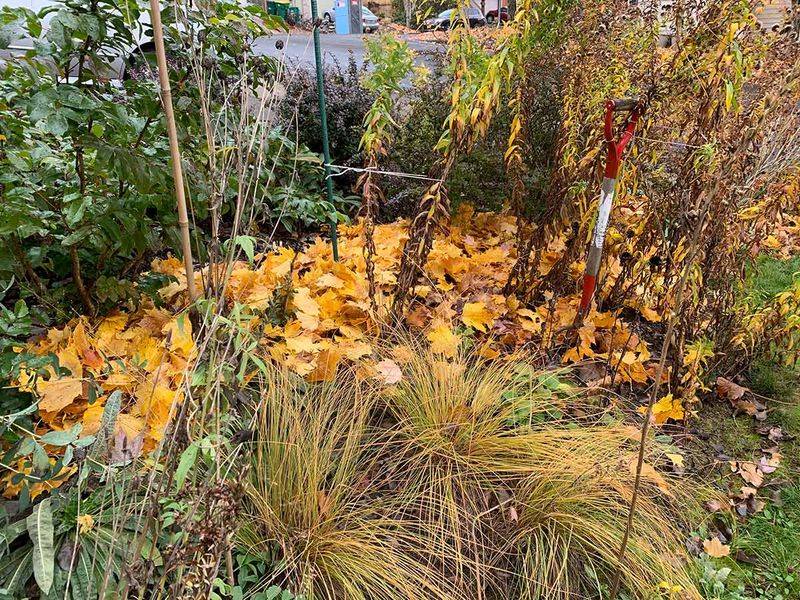
Constant yard activity disrupts more than it seems. Raking, digging, foot traffic, and repeated mowing all disturb the thin layer of soil and organic matter where firefly larvae spend most of their lives.
Choosing even one small corner to leave completely alone through summer gives larvae a stable place to develop without interruption. Stability matters more than size.
A two-foot patch left undisturbed beats a large area that gets worked over every few weeks.
Leaf litter is especially valuable in these undisturbed zones. Layers of decomposing leaves hold moisture, shelter larvae, and support the small prey insects fireflies feed on.
Resist the urge to clean these areas up mid-season.
Keep pets and foot traffic out of designated quiet zones if possible. Even gentle disturbance to the soil surface can expose larvae or disrupt the moisture balance they depend on.
Mark these spots early in spring before summer activity ramps up. A simple ring of stones or a small garden border is enough to signal that the area should be left alone.
Avoid applying any pesticides, fertilizers, or soil treatments near these zones. Chemical runoff from surrounding areas can reach the soil quickly and affect organisms living just below the surface.
Undisturbed ground builds its own ecosystem gradually over a full season.
7. Create Moist Sheltered Spaces Near Garden Beds
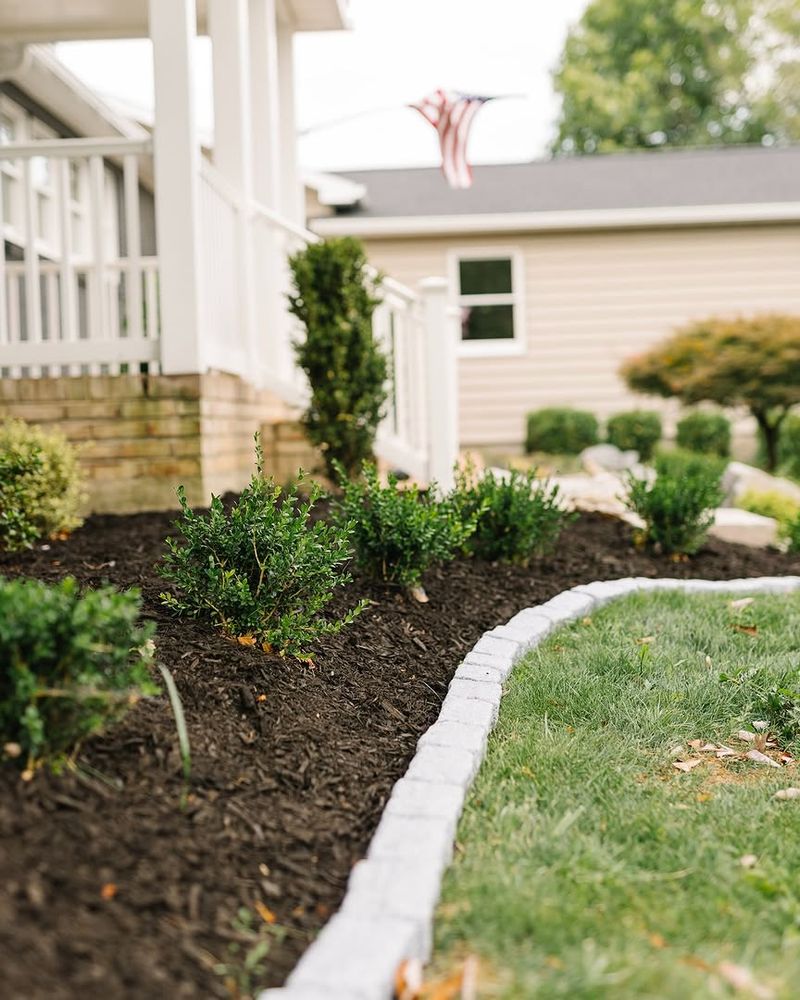
Fireflies are drawn to humidity. Creating small pockets of moist, sheltered ground near your garden beds gives adults a place to rest and gives larvae a stable zone to develop through the hottest weeks of summer.
Start by adding organic mulch along the edges of existing garden beds. Shredded bark, leaf mulch, or wood chips all trap moisture and create a cool microclimate just above the soil surface.
That narrow band of cooler, wetter ground is exactly what fireflies seek out.
Low-growing ground covers planted near bed edges add another layer of shelter. Plants like wild ginger, native violets, or creeping phlox stay close to the ground and hold moisture well without requiring much maintenance once established.
Small stones or flat rocks placed at the base of garden borders can also help. Rocks absorb heat during the day and release it slowly at night, while the shaded soil beneath stays cooler and holds moisture longer than exposed ground nearby.
Avoid gravel mulch in firefly zones. Gravel retains heat and dries out quickly, making the surrounding soil less hospitable for larvae and the small organisms they feed on.
Position these sheltered spots on the north or east-facing sides of garden beds when possible.