Tennessee Homeowners Should Complete These Tasks Before Summer Dormancy Hits

Heat builds in Tennessee’s soil weeks before your grass shows any visible stress. Grass reads soil temperature, not your intentions.
Before ground temps climb past a critical threshold, you need to act. Warm-season varieties like Bermuda and Zoysia demand specific preparation or they stall badly.
Dormancy is not surrender. It is a biological shutdown triggered by compounding stress. Tennessee homeowners who skip pre-summer prep watch fescue thin out and never bounce back.
Fertilize strategically, not reactively. High nitrogen during peak heat scorches roots and opens the door to fungal disease. Mow at the right height before temperatures lock in.
Cutting too short removes the canopy your grass uses to shade its own soil. Water deeply, not often, pushing roots downward before drought arrives.
Aerate compacted soil now while your lawn can still respond and recover. What you do in the next few weeks determines whether your lawn survives the summer.
1. Raise Mower Blades To The Right Height Before Dormancy
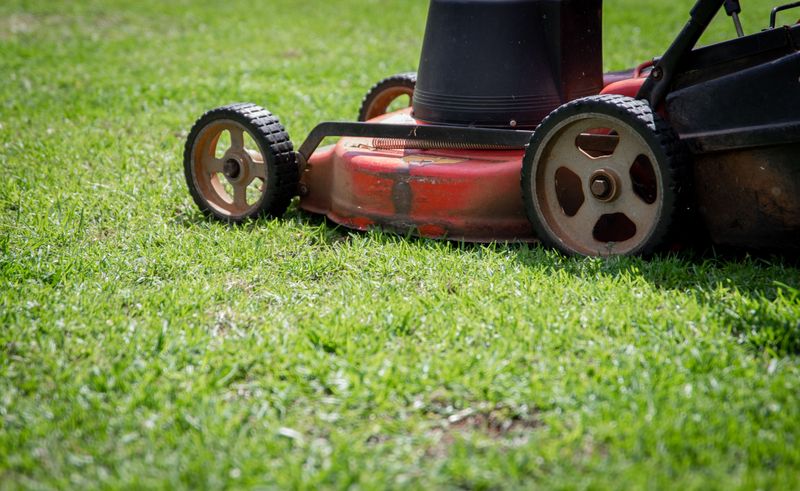
Most homeowners never think twice about mower blade height. That one setting can make or break your summer lawn.
Getting it wrong before dormancy is one of the most damaging mistakes Tennessee homeowners make.
The right height depends entirely on your grass type. Warm-season grasses like Bermuda and Zoysia perform best at 1 to 2 inches year-round.
These varieties are built for heat and do not benefit from extra blade length. Raising them too high encourages thatch buildup and weak, leggy growth.
Cool-season fescue is the opposite. Raise your mower to 3 to 4 inches before summer heat peaks. Taller blades shade the soil beneath them, keeping roots cooler and reducing moisture loss.
Regardless of grass type, never remove more than one-third of the blade in a single cut. That rule protects the plant from stress at any height.
Exposed soil dries out faster and can crack. Recovery becomes much harder when fall arrives. Taller blades on fescue also mean deeper roots pushing further into the ground.
Deeper roots access moisture that surface roots simply cannot reach during a dry spell. That underground reach is what keeps your lawn alive when rain disappears for weeks.
Adjust your deck height before your next cut and stick with it through summer. Check your mower manual if you are unsure how to change the setting.
Most modern mowers have simple lever adjustments near each wheel. This one change costs nothing and takes less than two minutes to do.
Before summer dormancy fully sets in, make blade height your first priority. Your lawn will recover more cleanly and quickly when September arrives.
2. Water Deeply Once A Week If Rainfall Is Low
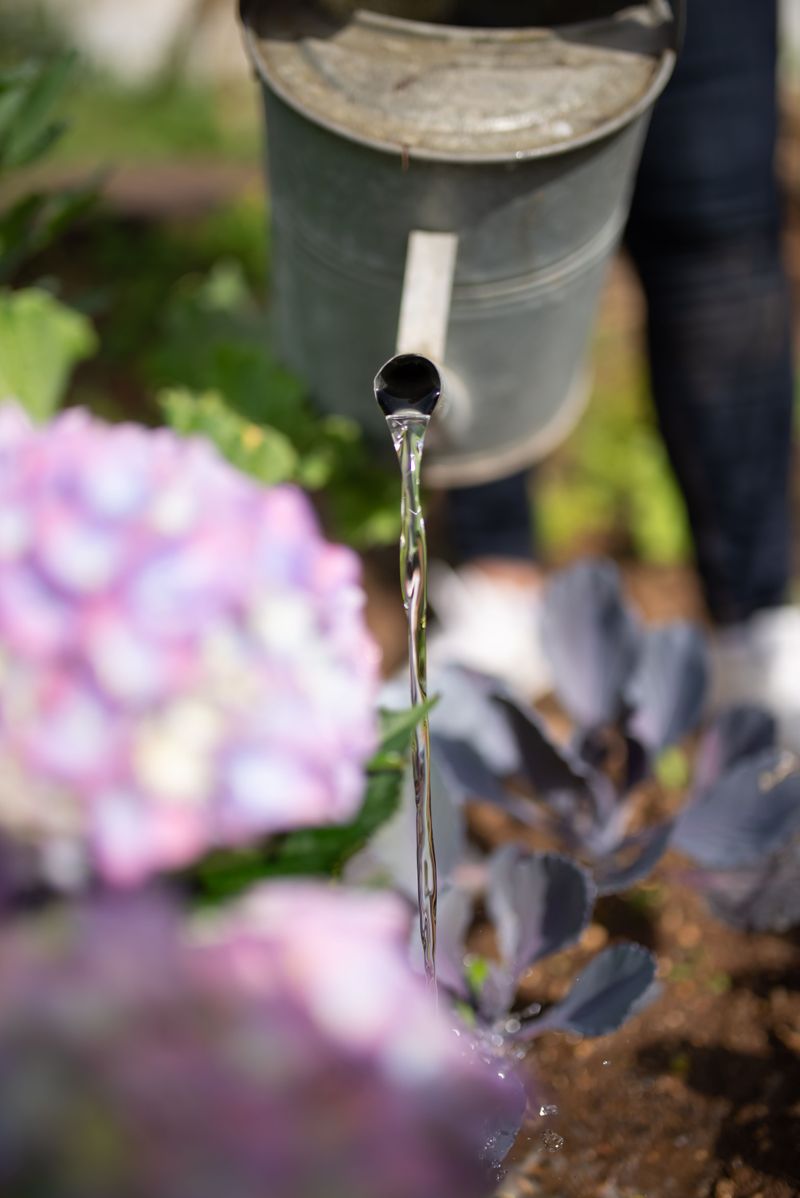
Watering your lawn every single day sounds responsible. It actually trains roots to stay shallow. Shallow roots are the first to suffer when summer dormancy hits hard across Tennessee.
Deep, infrequent watering pushes roots downward in search of moisture. That downward growth is exactly what your grass needs to survive weeks without rain.
Aim for about one inch of water per week when rainfall drops below average. A simple rain gauge from any hardware store tells you exactly what nature already delivered.
Your Tennessee Garden Changes Every Week. Your Plan Should Too.
Gardening in Tennessee changes quickly throughout the season. Every Friday you’ll receive a simple weekly plan showing exactly what to plant, prune, fertilize, harvest, and protect so you never miss the right timing.
Water early in the morning so the sun does not immediately evaporate your effort. Morning moisture also reduces the risk of fungal growth that thrives in warm, wet conditions overnight.
Evening watering leaves grass damp for hours. It invites disease and lawn fungus. Stick to early morning sessions and your grass will stay healthier longer.
A slow, steady soak is far better than a quick blast from the hose. Set your sprinkler to run longer rather than harder for the best results.
Sandy soils common in parts of western Tennessee drain faster and may need slightly more frequent attention. Clay-heavy soils hold moisture longer, so adjust based on what is actually under your feet.
Deep watering once a week before full dormancy gives roots the reserves they need. Consistent moisture now means your lawn bounces back faster once summer dormancy finally breaks.
3. Avoid Fertilizing Until Fall Recovery Begins
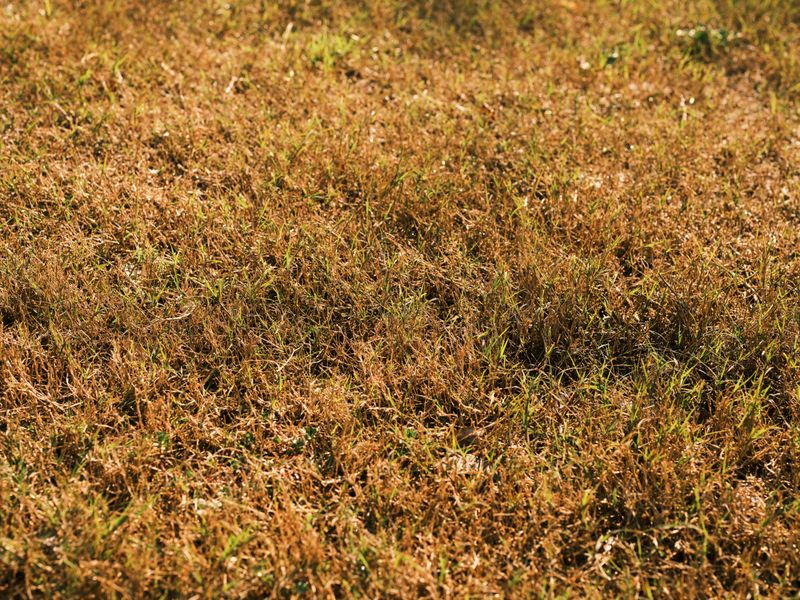
Grabbing the fertilizer bag in July feels productive. It can actually harm your grass more than help it.
Pushing nutrients into a lawn heading toward dormancy forces activity at exactly the wrong time.
Dormant grass cannot properly absorb fertilizer. Excess nitrogen sitting in the soil causes problems. It can burn roots, feed weeds, and leach into nearby waterways.
Tennessee summers are tough enough on turf without adding chemical stress to the mix. The grass is not being lazy during dormancy. It is conserving energy to survive.
Fertilizing too early in the season forces growth at the worst possible time. New tender growth is far more vulnerable to heat and drought than established blades.
Wait until you see consistent new growth returning in late summer or early fall. That visible green flush signals that your lawn is ready to accept nutrients again.
A slow-release fall fertilizer applied at the right moment does far more good than any summer feeding. Timing matters more than the product itself when it comes to lawn nutrition.
If you are unsure when to fertilize in your specific area, contact your local cooperative extension office. They offer free soil testing and region-specific advice for Tennessee homeowners.
Patience is genuinely the best tool you have during summer dormancy. Holding off on fertilizer now sets the stage for a strong fall rebound your neighbors will notice.
4. Keep Foot Traffic Off Dormant Areas

Dormant grass looks tough. It is actually in a fragile state beneath the surface. Every footstep on a dormant lawn compacts soil and crushes the crowns of resting grass plants.
The crown is the living heart of each grass plant. It sits right at soil level. Damage it repeatedly and the plant may not recover when growing conditions return.
Kids, pets, and weekend gatherings can unknowingly turn a recoverable lawn into a patchy mess. Setting up a simple path or barrier keeps traffic where the turf can handle it.
Compacted soil blocks water and air from reaching roots during a critical rest period. Roots need both oxygen and moisture to stay alive, even when the top of the plant looks brown.
Try placing stepping stones or mulch paths to redirect foot traffic naturally. People follow paths instinctively, so making the right route obvious protects the lawn without constant reminders.
If you have a dog that loves a specific route, redirect them consistently with temporary fencing. A few weeks of redirection can save months of patchy lawn recovery work.
Even lawn chairs and outdoor furniture left in one spot too long can damage dormant grass. Move furniture around every few days to spread any pressure evenly.
Protecting dormant areas now is one of the easiest wins in summer lawn care. A little prevention goes a long way before Tennessee homeowners need to worry about fall recovery.
5. Pull Weeds Before They Compete With Recovering Grass
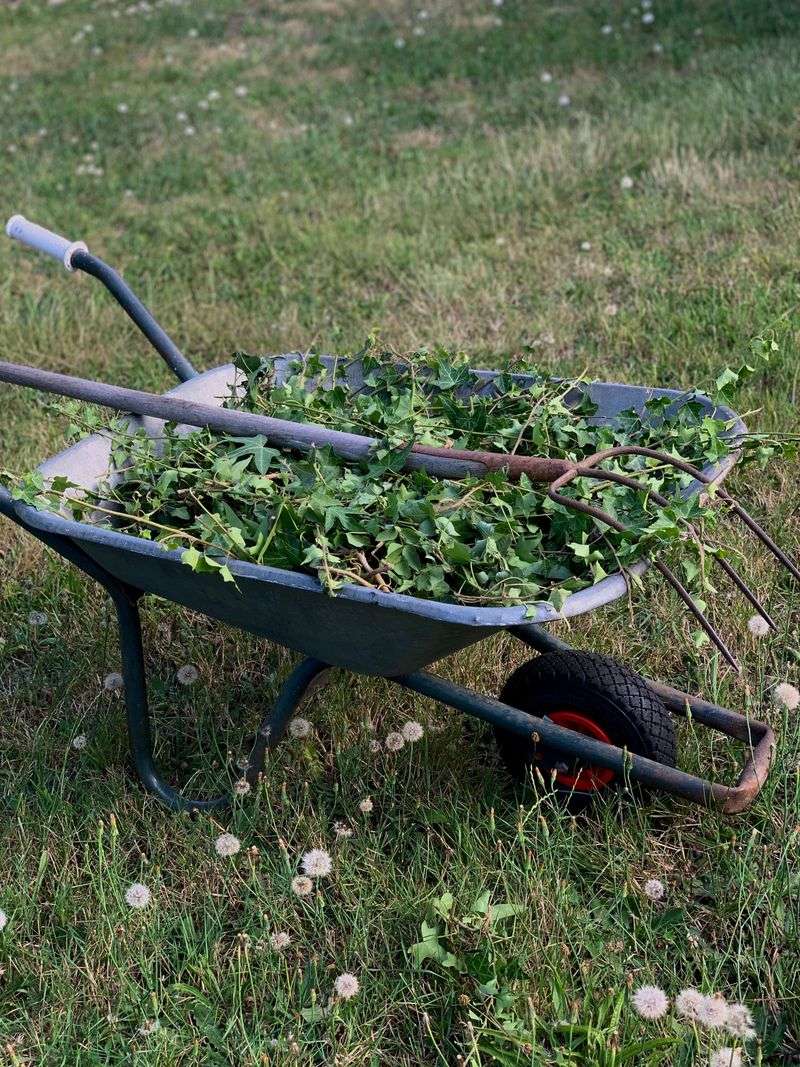
Weeds do not slow down in summer. That is exactly what makes them a problem during dormancy.
While your grass rests, opportunistic plants like crabgrass and clover continue to grow and spread.
A dormant lawn lacks the resources to compete with aggressive weeds for water, nutrients, or sunlight. By the time grass resumes growth in fall, weeds can have a significant advantage.
Pulling weeds by hand before they set seed is the most effective long-term strategy. One mature dandelion head can release over a hundred seeds in a single breeze. A single plant produces multiple heads per season.
Focus on removing the entire root system, not just the top of the plant. Broken roots left behind often sprout new growth within days, especially in moist soil.
A simple hand weeder tool makes the job much easier and protects your knees. Invest in one good tool and it will serve you for many summers ahead.
Spot-treating stubborn weeds with a targeted herbicide is an option when hand pulling is not enough. Always read the label carefully and choose a product safe for your specific grass type.
Fescue and zoysia lawns, both popular across Tennessee, react differently to various herbicides. Knowing your grass type before spraying prevents accidental damage to the turf you are trying to protect.
Staying ahead of weeds during summer gives your lawn a cleaner slate for fall growth. Clear the competition now and your grass comes back stronger, thicker, and far less patchy.
6. Mulch Beds To Retain Soil Moisture
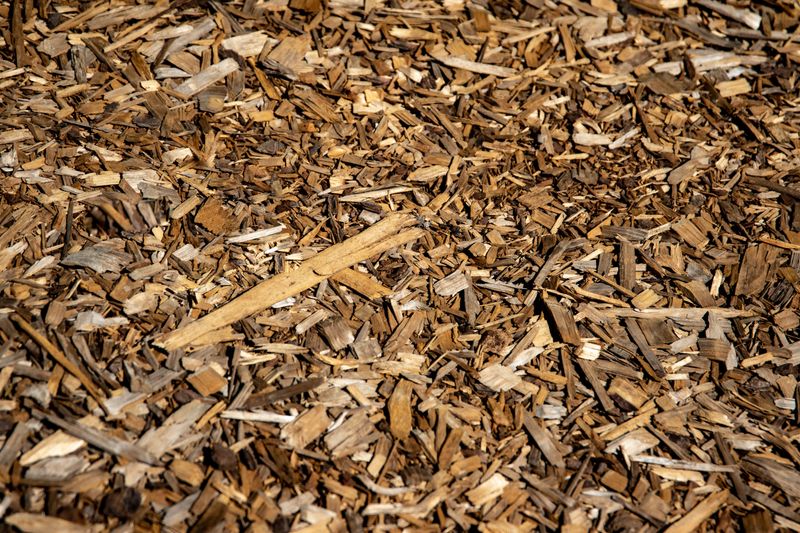
Picture a garden bed baking under a July sun with nothing but bare, cracked soil exposed. That image alone should be enough motivation to grab a bag of mulch this weekend.
Mulch acts as an insulating layer that moderates soil temperature and keeps moisture locked in longer. A 2 to 3 inch layer can significantly reduce soil water loss.
Research figures vary by mulch type and climate, but reductions of 25 to 50 percent are commonly reported.
Less evaporation means less watering. That saves both time and money during a long, hot Tennessee summer.
That combination of benefits makes mulching one of the highest-return tasks before summer heat peaks.
Organic mulches like shredded hardwood, pine straw, or wood chips also break down over time. As they decompose, they add nutrients back into the soil and improve its structure naturally.
Pine straw is particularly popular in Tennessee because it is affordable and widely available. It also stays in place well on slopes, making it a practical choice for hilly yards.
Apply mulch around trees, shrubs, and flower beds but keep it away from plant stems. Mulch piled against stems traps moisture and can cause rot or attract pests.
A gap of a few inches around each stem or trunk keeps air circulating properly. That small detail protects plants from hidden damage that often goes unnoticed until it is too late.
Mulching before peak summer heat is one of the most worthwhile tasks a homeowner can complete. You do the work once and the benefits stretch through the entire season.
7. Check Irrigation Systems For Leaks Or Uneven Coverage
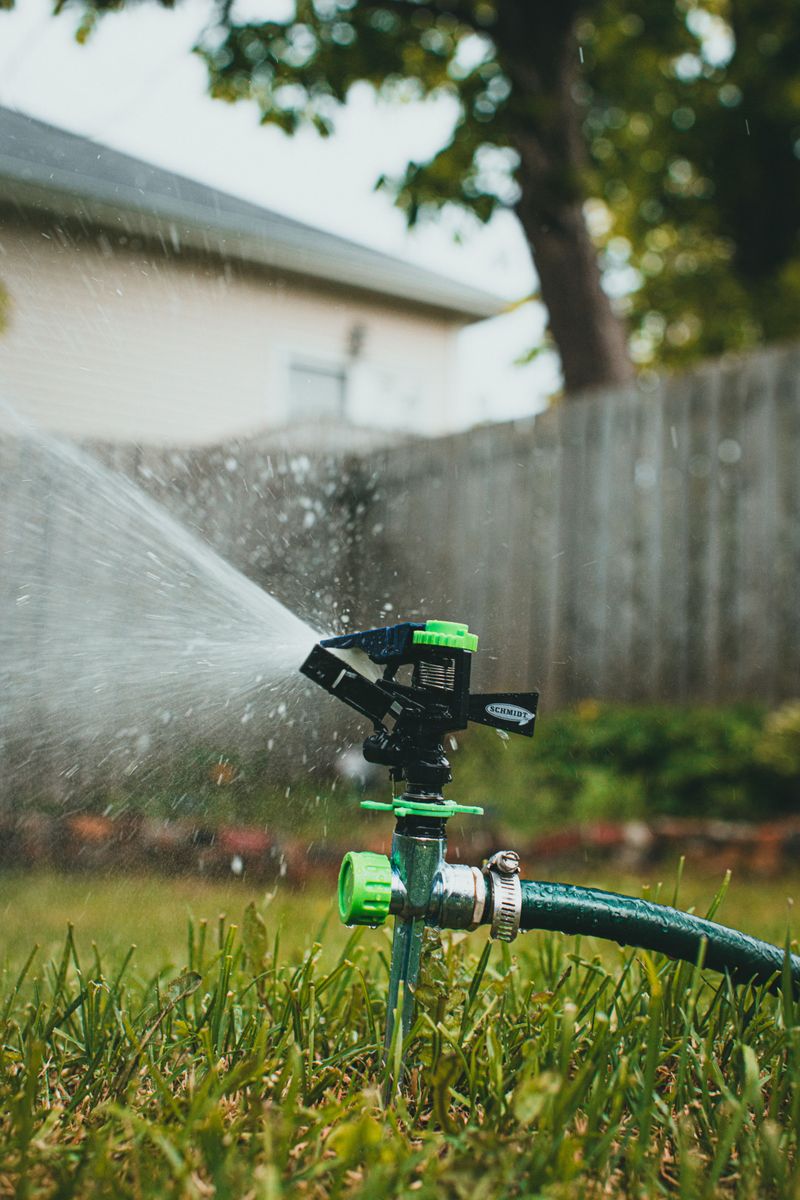
A broken sprinkler head quietly wasting water for weeks is a common and entirely avoidable problem. Catching it before summer heat peaks can save hundreds of gallons and a hefty water bill.
Walk your irrigation zones while the system runs and watch each head carefully. Look for heads that spray sideways, barely trickle, or shoot water onto pavement instead of grass.
Uneven coverage creates dry patches in some areas and oversaturated spots in others. Both extremes stress your lawn in different ways and show up as brown or yellow patches by midsummer.
Clogged nozzles are a common culprit and usually easy to fix with a quick cleaning. Remove the nozzle, rinse it under water, and reinstall it in about five minutes flat.
Sunken or tilted heads often spray in the wrong direction and are simple to realign. Dig around the base slightly, adjust the angle, and pack the soil back firmly.
Check your controller settings too, since many homeowners forget to update schedules after winter. A schedule set for March is not appropriate for the watering demands of late June.
Smart irrigation controllers adjust automatically based on local weather and soil moisture data. Upgrading to one can dramatically reduce water waste without any manual schedule adjustments from you.
A well-functioning irrigation system is a true asset before summer dormancy settles in across Tennessee. Fix the small problems now and your system will carry your lawn through the hottest months ahead.
8. Sharpen Mower Blades Before Growth Resumes

A dull mower blade does not cut grass. It tears it. That distinction matters more than most people realize.
Torn grass blades turn brown at the tips and become entry points for disease and stress. Sharp blades slice cleanly through each blade of grass.
They leave a smooth edge that heals quickly. That clean cut means less moisture loss and a much healthier-looking lawn overall.
Before growth picks back up after summer dormancy, pull the mower out and inspect the blade closely. A blade with visible nicks, chips, or a rolled edge needs sharpening before it touches your lawn again.
Sharpening a mower blade at home is easier than most people expect. Remove the blade, clamp it in a vise, and use a metal file or angle grinder to restore the edge.
Always disconnect the spark plug wire before removing the blade for safety. That one step prevents accidental engine starts while your hands are near moving parts.
If sharpening feels like too much to tackle, most small engine shops in Tennessee charge very little for the service. Dropping it off takes five minutes and the results are worth the cost.
Blades should be sharpened at least once per season, and twice if you mow frequently or have a large yard. A sharp blade also reduces strain on your mower engine, extending its overall lifespan.
Before summer dormancy ends and Tennessee homeowners scramble to get back outside, have your blade ready.
Starting the fall season with a sharp blade gives your lawn a clean, immediate advantage over the months of dormancy stress.