How To Prune Texas Sage In Arizona In June To Trigger More Blooms
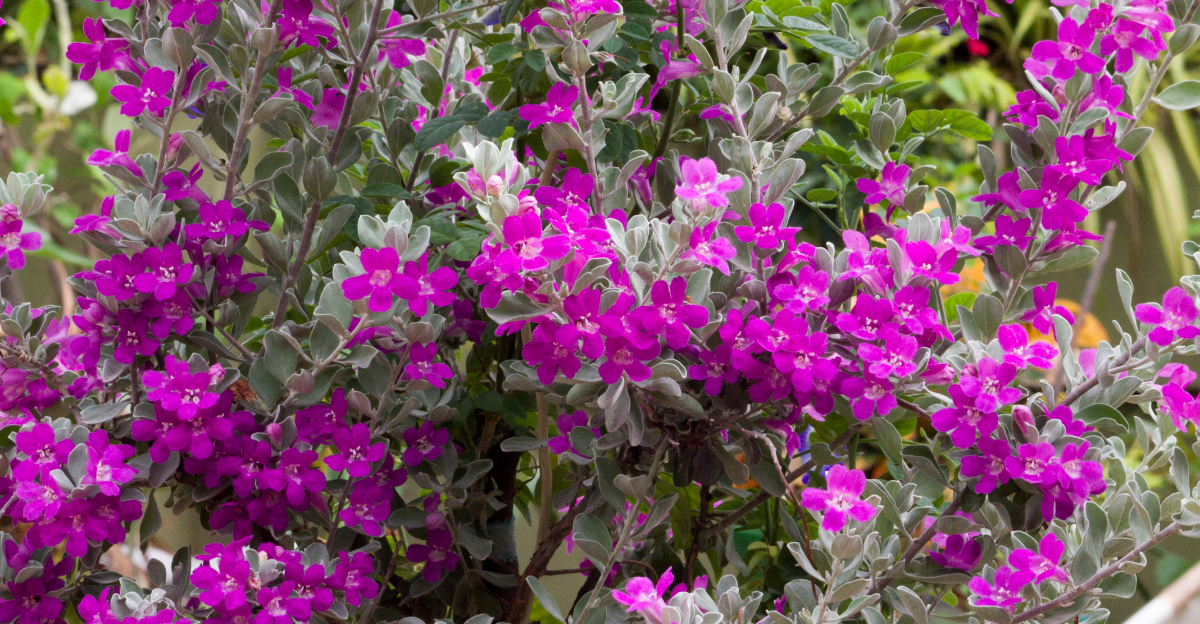
June can be a frustrating month for gardeners. A plant may be covered in blooms one week, then seem much less impressive a few weeks later.
When summer heat starts building, many flowering shrubs shift gears, leaving people wondering if there is anything they can do to keep the color going a little longer.
Texas sage is one of those plants that often surprises people. It has a reputation for handling harsh conditions with ease, yet the way it is cared for during early summer can influence how it performs later in the season.
Timing matters, and small maintenance decisions can have a noticeable impact on future flowering.
Across Arizona, Texas sage is a familiar sight in landscapes because it thrives where many other shrubs struggle. As June comes to a close, many gardeners are turning their attention to simple tasks that can encourage another round of blooms.
A few minutes of attention now may help this desert favorite put on a much stronger show during the weeks ahead.
1. Light June Trimming Can Encourage More Blooms
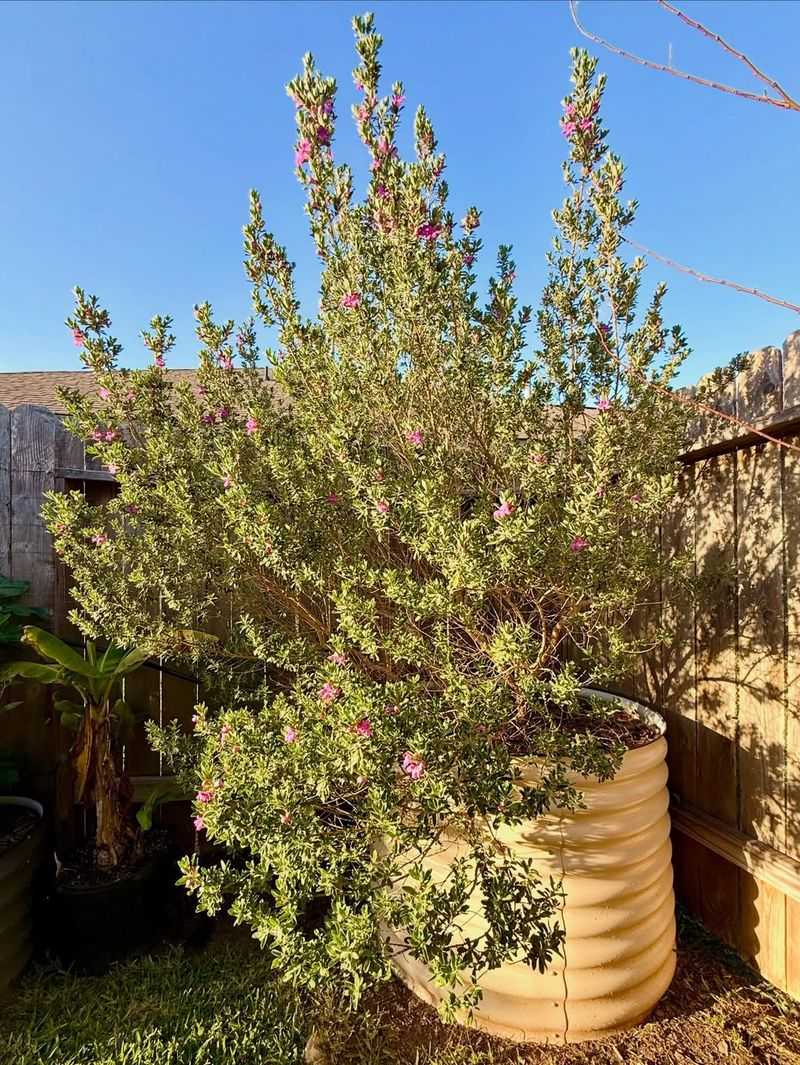
Timing a trim to early June is one of the smartest moves a desert gardener can make. Right before monsoon moisture arrives, Texas Sage responds well to a light haircut.
That small stress from pruning actually signals the plant to push out fresh growth and new flower buds.
Keep cuts light. Removing around 10 to 15 percent of the overall growth is usually enough to get results without shocking the shrub.
Heavy cuts in June can work against you, especially when temperatures are already climbing past 100 degrees.
Focus on the outer edges of the plant. Snipping back the newest, most flexible growth encourages branching lower on the stems.
More branching means more bloom sites when the monsoon rains finally arrive.
Sharp, clean pruners make a real difference. Ragged cuts heal slowly in the heat and can invite pests or fungal issues.
Clean your blades before starting to help prevent the spread of plant problems.
After trimming, skip the fertilizer. Texas Sage does not need it, and feeding it in June can push weak, leggy growth instead of compact, flower-ready stems.
Let the plant settle on its own terms.
Even a small June trim done correctly sets the stage for a spectacular bloom show.
2. Crossing Branches Can Restrict Air Movement
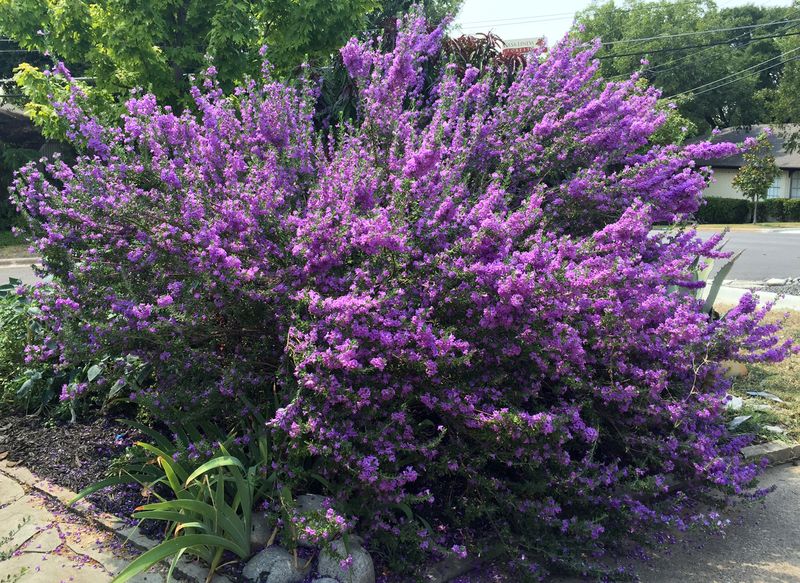
Branches rubbing against each other create more problems than most gardeners expect. Inside a Texas Sage, crossed stems trap humidity and restrict the airflow the plant genuinely needs, especially during Arizona’s humid monsoon months.
Poor airflow inside a dense shrub creates conditions where powdery mildew and fungal spots can develop. June is a smart time to open up that interior before monsoon moisture arrives and makes things worse.
Look carefully inside the canopy. Identify any branches that press against each other or grow inward toward the center of the plant.
Those are the ones worth removing first.
When two branches cross, remove the weaker or thinner one. Always cut back to a natural junction point rather than leaving a stub behind.
Your Arizona Garden Changes Every Week. Your Plan Should Too.
Gardening in Arizona changes quickly throughout the season. Every Friday you’ll receive a simple weekly plan showing exactly what to plant, prune, fertilize, harvest, and protect so you never miss the right timing.
Stubs rarely heal cleanly and often become entry points for insects.
Opening up the interior does not mean stripping the plant bare. Removing just a handful of crossing stems can dramatically improve airflow without changing the overall shape of the shrub.
Better air circulation also means the plant dries out faster after rain or irrigation. Texas Sage strongly prefers dry conditions between watering cycles, and good airflow helps maintain that balance.
Once the crossed branches are gone, step back and evaluate the shape. A well-aired shrub looks cleaner, grows more evenly, and produces blooms across a wider surface area when flowering season arrives.
3. Long Stems Can Leave The Shrub Unbalanced
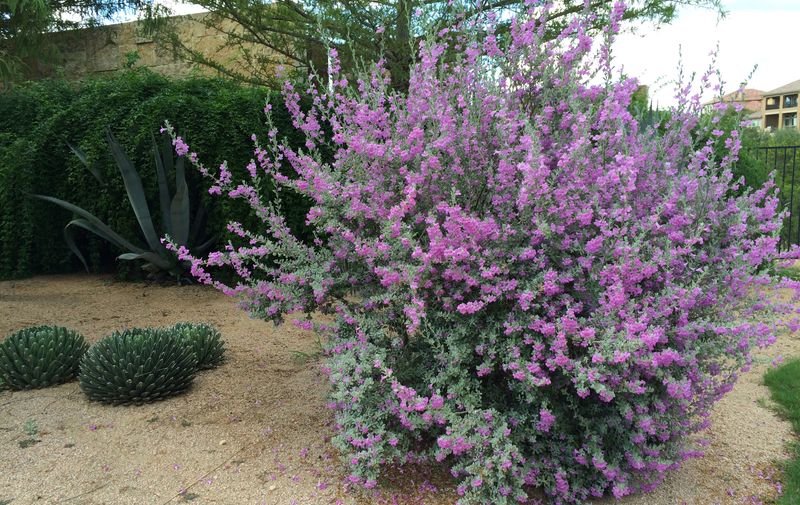
A few runaway stems can throw off the whole look of a Texas Sage almost overnight. When some branches grow much faster than others, the shrub starts to lean, sag, or look patchy from a distance.
June is a practical time to address those outliers. Cutting back the longest stems brings the plant back into proportion and encourages the slower sections to catch up with fresh growth.
Do not just cut to even things out visually. Follow each long stem back to a point where a side branch or leaf node exists.
Cutting there encourages the plant to branch out rather than just regrow one straight stem.
Unbalanced shrubs also put uneven stress on the root system. A heavy, lopsided canopy can strain one side of the plant more than the other, particularly during windy desert afternoons in late spring and summer.
After trimming the longest stems, rotate around the entire plant and check proportions from multiple angles. What looks balanced from the front may still be lopsided from the side.
Resist the urge to over-correct by cutting too much. Removing one-third or more of a stem’s length in June heat puts real stress on the plant.
Gradual reshaping over two or three light sessions works better.
A balanced shrub channels its energy more evenly.
4. Older Woody Growth Responds Poorly To Heavy Cuts
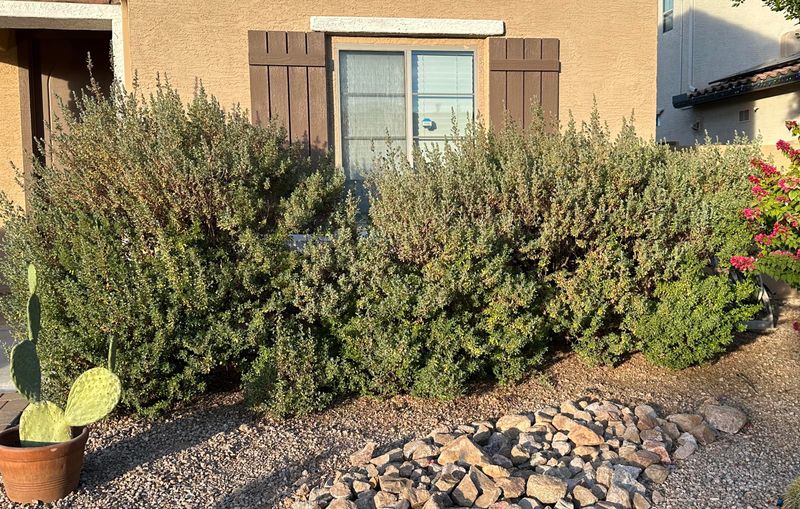
Grab a woody stem on an older Texas Sage and you will immediately notice the difference from the newer growth. Old wood is thick, gray, and stiff.
New growth is flexible, green, and full of potential.
Heavy cuts into old wood in June rarely produce the results gardeners hope for. Unlike younger stems, mature woody sections often struggle to push out new buds when temperatures are extreme.
If a Texas Sage has been left unpruned for several years, the woody base can become quite thick. Trying to rejuvenate the whole plant with one aggressive June session is risky and usually unnecessary.
A smarter approach is to work selectively. Lightly trim the green, flexible outer growth while leaving the older woody structure intact.
Let the plant use its established framework to support new flowering stems.
If you do need to address woody growth, wait until late winter or very early spring when temperatures are mild. Cooler conditions give the plant far more time and energy to recover properly.
In June, focus only on the growth that responds well to pruning. Green, leafy stems bounce back quickly in warm weather.
Woody sections cut in summer heat may simply stall without producing new growth.
5. Dry Conditions Can Reduce Stress After Trimming
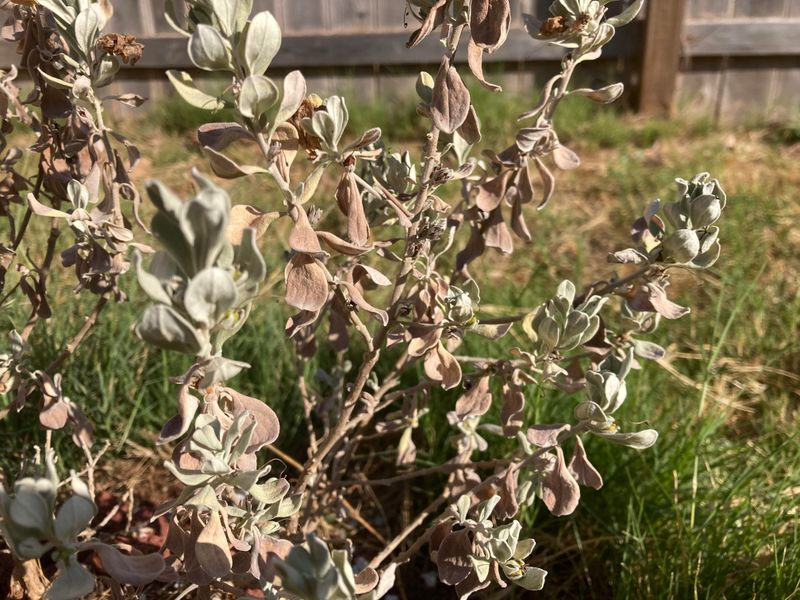
Right after pruning, what you do with water matters just as much as the cuts themselves.
Texas Sage is built for dry desert conditions, and fresh cuts actually heal faster when the surrounding soil is not waterlogged.
Avoid irrigating heavily immediately after a June trim. Wet soil combined with open cuts can create conditions that slow healing and encourage root stress in an already heat-pressed plant.
If your shrub is on a drip system, consider skipping an irrigation cycle right after pruning. Let the soil dry out naturally for a few days before resuming your regular schedule.
Texas Sage evolved in rocky, well-drained soils with long dry spells between rains. Mimicking those conditions after pruning supports the plant’s natural recovery process rather than working against it.
That said, do not let the plant go weeks without any water in June heat. A light, deep watering about three to four days after trimming is usually enough to support recovery without overdoing it.
Soil that drains quickly also reduces the risk of fungal issues at the soil line.
Good drainage around the base of a freshly pruned shrub keeps the root zone healthy through summer.
6. Damaged Branches Can Be Removed During Light Pruning
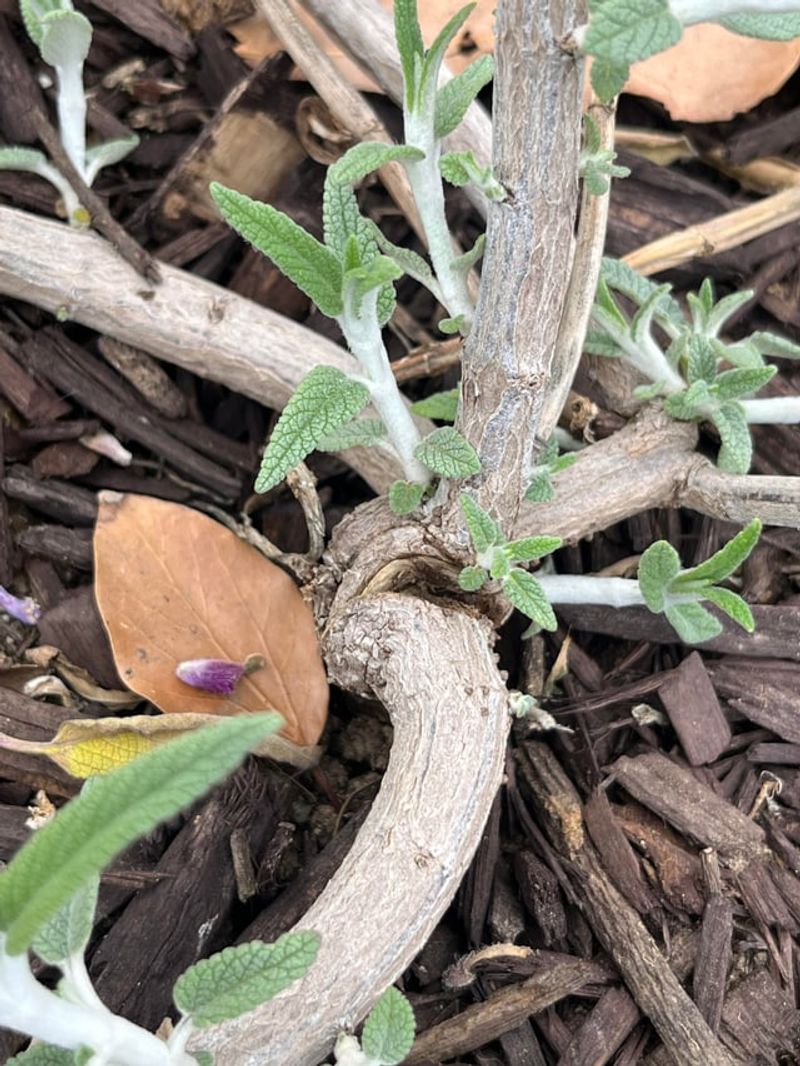
Spotting a cracked or sun-scorched branch is actually a helpful signal. It tells you exactly where to start when you pick up your pruners in June.
Damaged branches are the easiest and most justified cuts to make.
Broken stems rarely recover on their own. Left in place, they can become weak points that pests and fungal spores exploit, especially once monsoon humidity arrives in the desert Southwest.
Sun scorch on Texas Sage branches often appears as bleached, brittle sections with shriveled leaves. Cutting those sections back to healthy green tissue removes the problem before it spreads further into the plant.
When removing a damaged branch, make your cut just above a healthy node or side shoot. That clean junction point gives the plant a clear signal about where to push new growth next.
Check the entire shrub methodically. Walk around it slowly and look at all sides, including the interior.
Damage sometimes hides in the middle of the canopy where it is easy to miss from the outside.
Do not worry if removing all the damaged sections takes off more material than you planned. Damaged wood is not contributing to the plant’s health or bloom potential anyway.
Removing it is always the right call.
7. Gentle Shaping Works Better Than Heavy Shearing
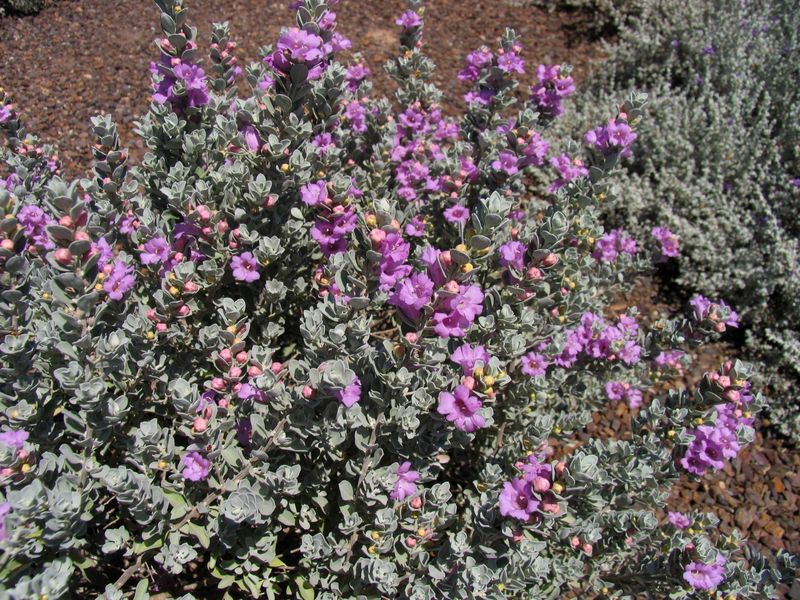
Electric hedge trimmers and Texas Sage are not a good match. Shearing a plant into a tight box or ball removes most of the soft, flowering tips and leaves behind a wall of stubby stems that bloom poorly.
Hand pruners give you control that power tools simply cannot match. Each cut is a decision, not a sweep.
That precision protects the bloom sites that make Texas Sage worth growing in the first place.
Gentle shaping means working with the plant’s natural form rather than forcing it into a geometric shape. Texas Sage grows in a soft, rounded mound naturally.
Encouraging that shape takes far less effort than fighting it.
Step back frequently while shaping. Look at the overall silhouette from a few feet away.
It is easy to over-cut one section when you are focused too closely on a small area.
Aim for a natural, slightly irregular outline rather than a perfectly uniform ball. Real plants have subtle variations in their shape, and that organic look suits a desert landscape far better than rigid geometric forms.
Heavy shearing also stresses the plant during June heat. Removing too many leaves at once reduces the shrub’s ability to manage sun and heat load on its own stems and branches.