These Are The Simple Steps Mississippi Homeowners Should Take Before Summer Storm Season Arrives

Mississippi summers shift fast, and you feel it before the radar confirms anything. One calm week folds into the next, then clouds stack up without warning.
Storms here don’t ease in gently. Heavy rain and fierce winds arrive together, and nothing outside is spared. Are you actually prepared? Smart choices made now protect what matters most.
Check trees before the season peaks, because weak limbs come down hard and fast. Gutters packed with debris overflow quickly, so clear them early.
Outdoor furniture left unsecured moves in gusts that surprise even experienced Mississippi homeowners. Anchoring everything takes under thirty minutes, yet most people skip it entirely.
Soil that drains poorly holds standing water, which invites rot, pests, and foundation stress over time.
Fencing with loose posts shifts in wind, so inspect each section now. This season, preparation is your only real advantage.
1. Clear Gutters And Downspouts Of Debris And Buildup
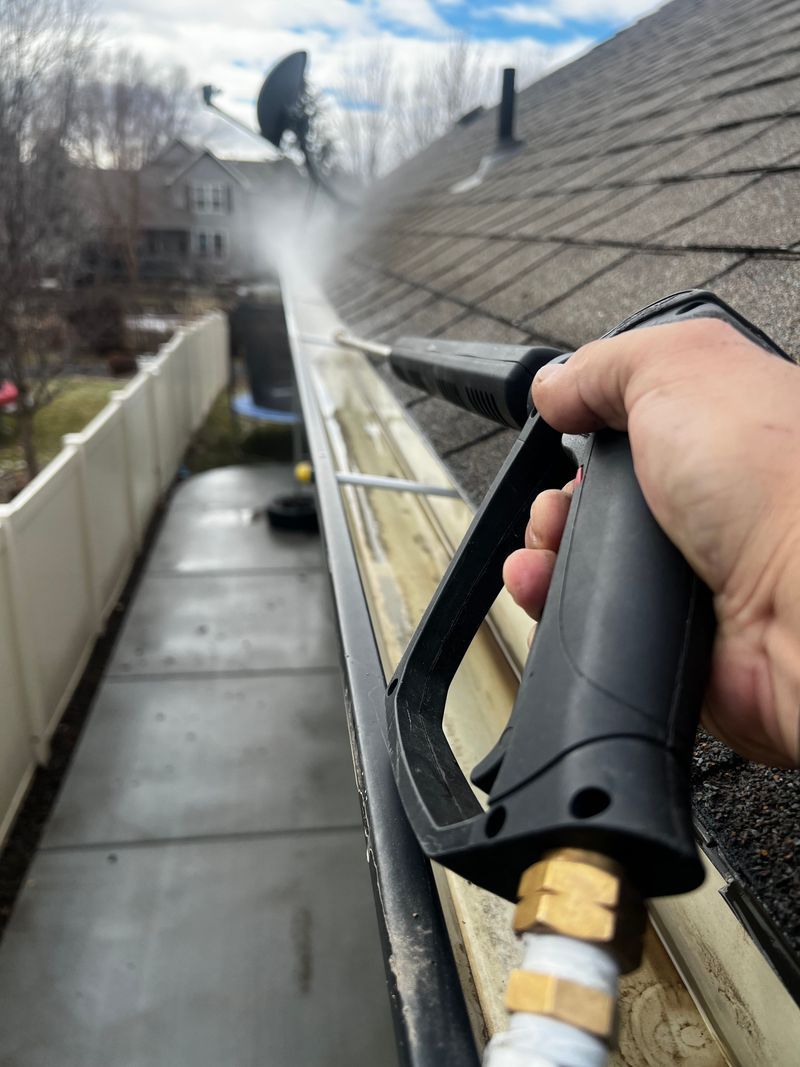
Clogged gutters are a leading cause of water intrusion around your home. When debris blocks the flow, rainwater backs up and spills right where you don’t want it.
Mississippi summers bring serious rainfall, and your gutters take the first hit. A blocked downspout can send water pouring down your siding or pooling near your foundation.
Start by scooping out leaves, twigs, and any packed gunk from the gutter troughs. A garden trowel or gutter scoop makes this job way less miserable.
After clearing the troughs, flush everything with a hose. Watch where the water exits at the downspout to make sure flow is strong and unobstructed.
Check that downspout extensions direct water at least four to six feet from your home, depending on your soil type and slope. Short extensions dump water too close to the house, which causes erosion and seepage.
Look for any sagging sections where gutters have pulled away from the fascia board. A loose gutter can’t channel water properly and may tear off in high winds.
Replace cracked or split sections before the first big storm rolls through. Patching tape is a short-term fix, but a proper replacement keeps you covered all season long.
This one chore takes maybe two hours on a weekend morning. Clean gutters are one of the simplest steps Mississippi homeowners can take before summer storm season arrives, and the payoff is massive.
2. Grade Soil Away From Your Foundation To Redirect Runoff
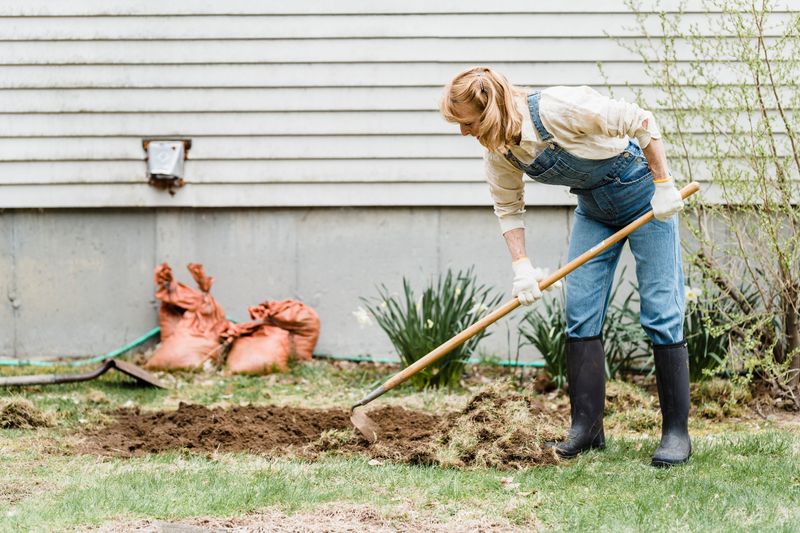
Water always finds the lowest point, and if that point is your foundation, you have a real problem. Proper soil grading pushes runoff away before it ever gets close to your home’s base.
The ground around your house should slope downward, away from the foundation. Experts recommend a drop of about six inches over the first ten feet from your home.
Over time, soil settles and compacts in ways that create flat or inward-sloping spots. Those low areas collect water and hold it right against your concrete or block foundation.
Check the grade after a heavy rain by watching where puddles form. Puddles near the foundation are a clear sign that the slope is working against you.
Your Mississippi Garden Changes Every Week. Your Plan Should Too.
Gardening in Mississippi changes quickly throughout the season. Every Friday you’ll receive a simple weekly plan showing exactly what to plant, prune, fertilize, harvest, and protect so you never miss the right timing.
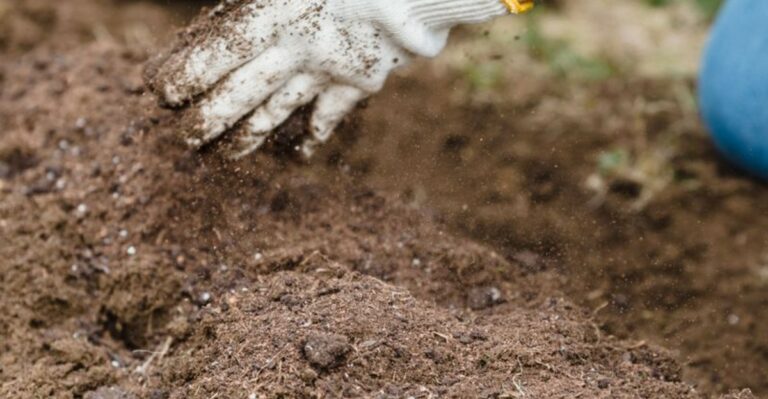
Adding topsoil and raking it outward is often all it takes to fix a mild grading issue. Pack it down lightly so it holds its shape through the first few storms.
Avoid piling soil directly against wood siding, which can cause rot over time. Keep a small gap between the soil line and any wood surfaces on your home’s exterior.
For more serious drainage concerns, a French drain or swale may be worth considering. A landscaping professional can assess whether simple regrading will do the job or if more is needed.
Taking these simple steps before summer storm season arrives protects your foundation from moisture intrusion. A dry foundation means fewer cracks, fewer repairs, and a much healthier home overall.
3. Trim Overhanging Branches Before Wind And Storms Arrive
That big oak branch hovering over your roof looks beautiful in spring. Come July, when a strong storm rolls through, it becomes a risk worth addressing before season starts.
Overhanging limbs are a common source of roof damage during summer storms in the South. Wind, rain, and lightning can snap even healthy-looking branches without warning.
Walk your property and look up. Identify any branches that hang directly over your roof, power lines, or fence line.
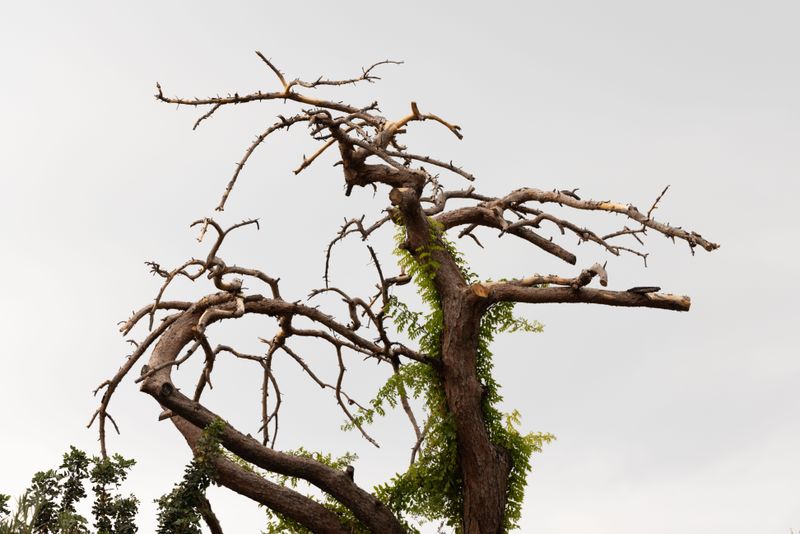
Compromised branches are the most urgent concern because they break much more easily than living ones. Look for limbs stripped of leaves or showing bark that has turned cracked and gray.
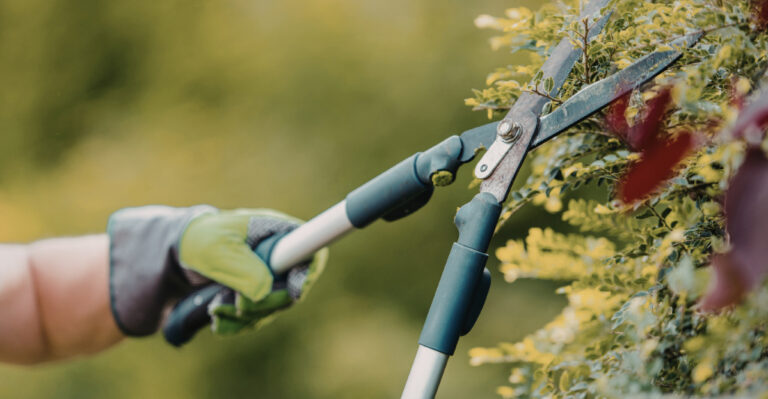
For branches you can safely reach with a pole saw, trim them back yourself on a calm, dry day. Always cut just outside the branch collar to help the tree heal properly.
Larger limbs near power lines should be handled by a certified arborist. It’s not worth the risk of cutting something that could fall onto a live wire or through your roof.
After trimming, clear all the cut branches and debris from your yard right away. Loose wood becomes dangerous projectile material in high winds if left on the ground.
Trimming trees before storm season is one of those simple steps Mississippi homeowners often skip until it’s too late. A few hours of work now can spare you a very expensive repair later.
4. Aerate Compacted Lawn Areas To Improve Water Absorption
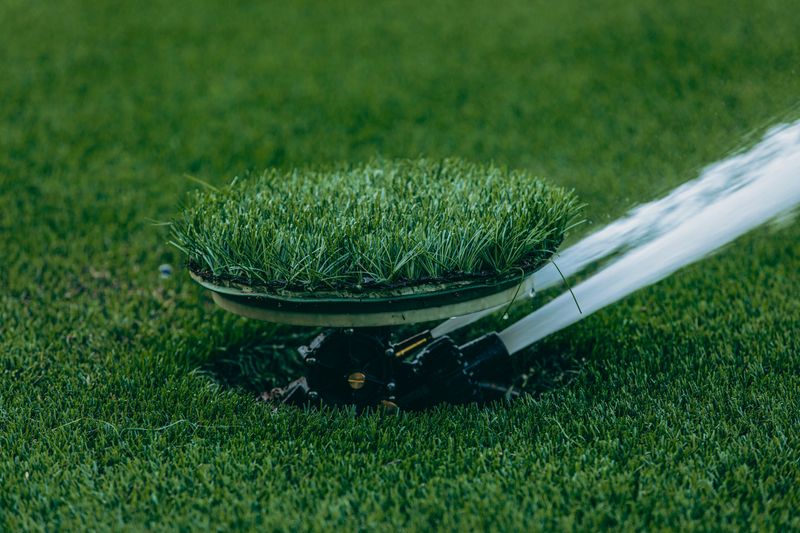
Hard, compacted soil acts like a parking lot during a heavy rainstorm. Water can’t soak in, so it runs off fast and takes your topsoil right along with it.
Aerating your lawn punches small holes into the ground, giving water a path to move downward instead of sideways. It’s one of the most underrated tasks in pre-storm yard prep.
Mississippi clay soil is especially prone to compaction, particularly in high-traffic areas. Backyards where kids play or where you park vehicles are usually the worst offenders.
You can rent a core aerator from most hardware stores for a half-day rate. This machine pulls out small plugs of soil, opening up the ground to air, water, and nutrients.
For smaller patches, a manual spike aerator or even a garden fork works fine. Push it into the soil every few inches across the affected area.
The best time to aerate warm-season grasses common in Mississippi is late spring, right before the heat peaks. That timing also lines up perfectly with pre-storm season preparation.
After aerating, consider overseeding bare or thin spots to help anchor the soil. Grass roots hold soil in place during heavy downpours, reducing erosion across your whole lawn.
Aeration doesn’t take long, but the results last the entire season. A lawn that absorbs water well handles summer storms with far less runoff and far less damage to your landscape.
5. Mulch Garden Beds To Reduce Erosion From Heavy Downpours
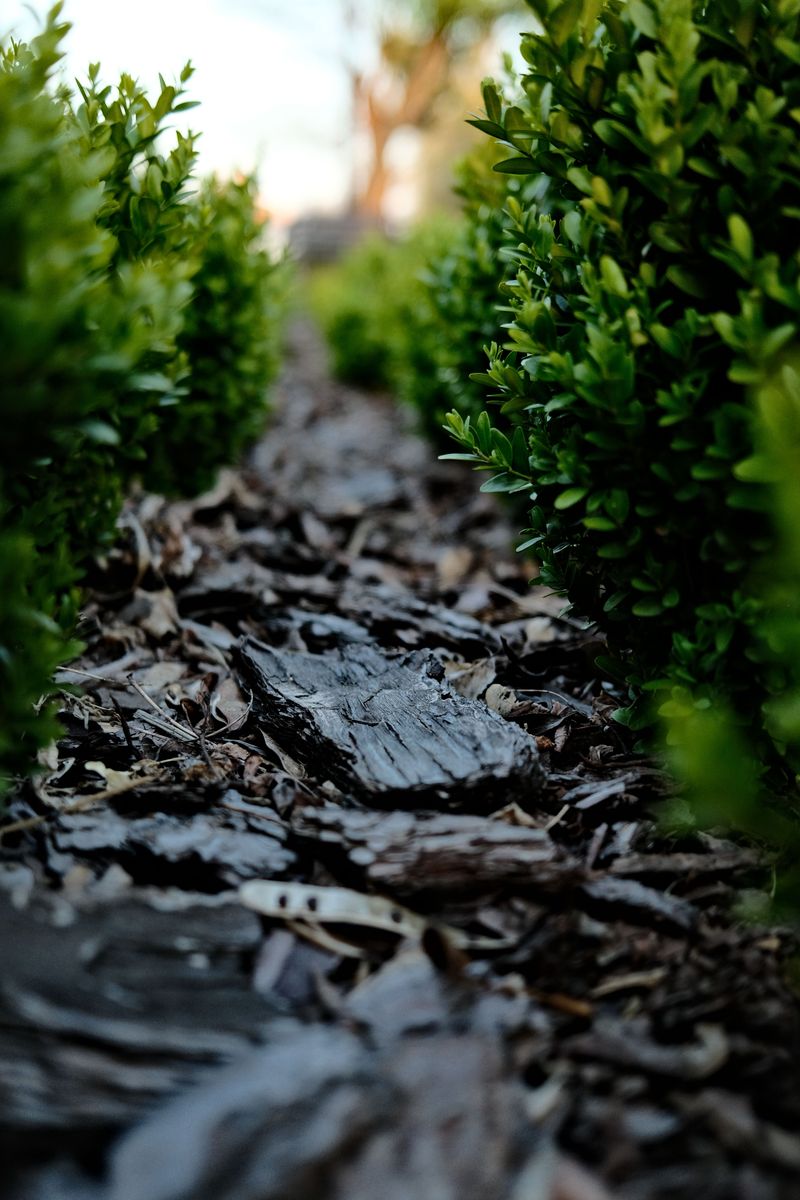
A bare garden bed during a rainstorm is vulnerable to erosion with every heavy drop. Heavy drops hit exposed soil hard and splash it in every direction.
A fresh layer of mulch acts like a cushion, absorbing the impact of rainfall before it can displace soil. It also slows water movement across the bed, giving it time to soak in.
Hardwood mulch, pine straw, and shredded bark are all solid choices for Southern garden beds. Pine straw is especially popular in Mississippi because it’s affordable, locally available, and stays put in wind.
Aim for a two-to-three inch layer of mulch across all your planting areas. Too thin and it won’t protect the soil effectively, but too thick and it can trap moisture against plant stems.
Pull mulch back slightly from the base of shrubs and perennials. Direct contact with plant stems can cause rot, especially in humid summer conditions.
Before applying fresh mulch, remove any old, matted layers that have broken down into a dense crust. That compacted layer can actually repel water rather than absorb it.
Mulching also suppresses weeds, which compete with your plants for nutrients and water. Fewer weeds mean less disruption to the soil structure when storms roll through.
This is one of the simplest steps you can take before summer storm season arrives in earnest. A well-mulched yard stays tidier, holds its shape better, and bounces back faster after a big rain event.
6. Inspect And Repair Any Drainage Ditches Along The Property Line

Most homeowners barely notice their drainage ditches until water starts backing up into the yard. By then, the storm has already done its damage.
Roadside swales and property-line ditches are designed to carry runoff away from your land. When they get clogged with sediment, grass clumps, or trash, that system breaks down fast.
Walk the full length of any ditch on or bordering your property before storm season starts. Look for spots where the channel has filled in or where water has carved new, unplanned paths.
Overgrown vegetation is one of the most common culprits behind blocked drainage channels. Tall grass and weeds can choke off flow surprisingly quickly during a heavy rain event.
Use a flat spade to reshape any areas where the ditch has silted in. The goal is a clean, consistent channel that moves water smoothly from one end to the other.
Check for any low spots where water pools and sits instead of moving through. Standing water in a ditch is a sign the channel needs regrading or that an outlet is blocked.
If your ditch connects to a culvert pipe under a driveway, make sure that pipe is clear. A blocked culvert can cause dramatic flooding on both sides of the road during storms.
Keeping drainage channels clear is one of the most practical steps Mississippi homeowners can take before the summer storm season arrives. A functioning ditch can handle inches of rain without breaking a sweat.
7. Remove Low-Lying Standing Water Sources Where Mosquitoes Breed
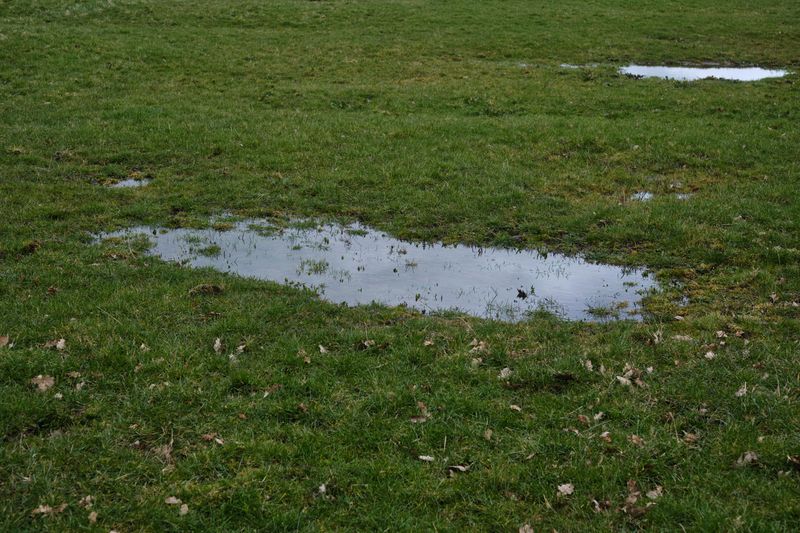
Standing water and Mississippi summers are a terrible combination. Even a bottle cap full of water is enough for mosquitoes to start a breeding operation.
After storms roll through, low spots in your yard collect water that can sit for days. That’s all the time mosquito larvae need to hatch and establish across your outdoor space.
Walk your property with fresh eyes and look for anything that holds water. Old tires, clogged gutters, upturned lids, plant saucers, and low depressions in the lawn are all common culprits.
Empty and flip over anything that isn’t meant to hold water long-term. Even decorative items like garden sculptures can trap moisture in hidden crevices.
For birdbaths and water features you want to keep, change the water at least once a week. Moving water is much less attractive to breeding mosquitoes than stagnant, still water.
Low spots in the lawn that collect water after rain can be filled with topsoil and reseeded. Fixing those depressions reduces both mosquito habitat and the risk of soggy turf damage.
Mosquito dunks are a great option for water features or rain barrels you can’t empty regularly. These small tablets release a natural bacteria that targets larvae without harming birds, fish, or pets.
Eliminating standing water before storm season is one of the smartest simple steps Mississippi homeowners can take. A proactive approach means fewer bites, fewer bugs, and a much more enjoyable summer outside.
8. Secure Or Store Outdoor Furniture, Pots, And Loose Yard Items
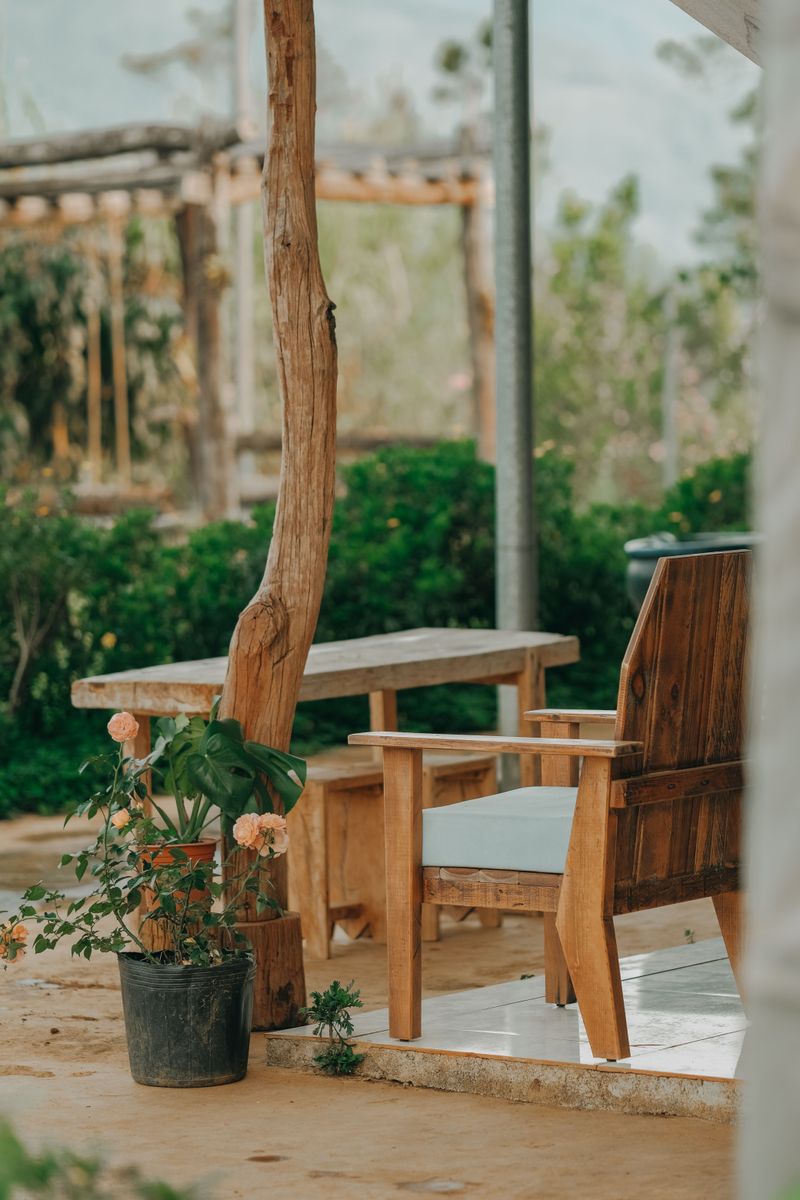
A lightweight patio chair in 60-mile-per-hour winds becomes a flying projectile in seconds. What feels like a casual outdoor item on a calm day turns dangerous fast during a storm.
Before summer storm season kicks in, take a full inventory of everything sitting in your yard. Furniture, planters, garden tools, decorative flags, and kids’ toys all need a plan.
Heavy items like cast iron furniture or large ceramic pots may be fine if moved to a sheltered corner. A fence line or covered porch offers some protection from direct wind exposure.
Lighter items like plastic chairs, cushions, and small planters should be stored indoors when storms approach. A garage or shed is ideal, but even a covered porch offers much better protection than open air.
Consider investing in furniture anchors or bungee straps for pieces too large to move easily. These straps secure chairs and tables to deck posts or railings during high-wind events.
Potted plants are especially tricky because they’re top-heavy and tip over easily. Group smaller pots together against a wall and lay very tall ones on their sides before a big storm.
Don’t forget about things like wind chimes, hanging baskets, and yard art. These lightweight items can snap off their hooks and travel a surprising distance in strong gusts.
Securing outdoor belongings is one of the final simple steps Mississippi homeowners should take before summer storm season arrives. A little prep work now means your yard stays intact and your neighbors stay safe.