7 Tricks To Get Hoya Blooming Indoors In Arizona
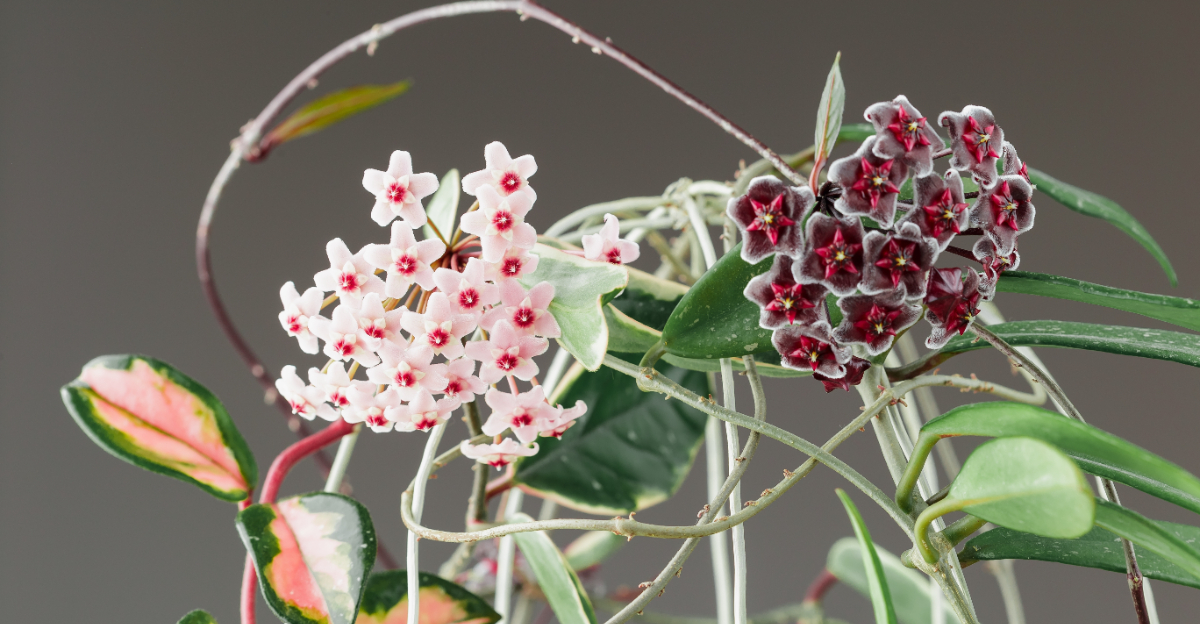
Arizona homes can feel dry and quiet, yet a Hoya sitting by a bright window can completely change that mood when it finally blooms. Thick leaves stay green all year, but those waxy clusters only show up when everything lines up just right.
Many people wait for months without seeing a single bud, even though the plant looks perfectly healthy.
That moment when blooms finally appear feels different, almost like the plant decided to reward patience. Small changes indoors often make the biggest difference in Arizona, where light and air behave differently than expected.
What looks like enough care is sometimes just slightly off. With a few adjustments, that same plant can shift from slow growth to steady blooming without needing anything complicated.
1. Bright Indirect Light Helps Trigger Blooms
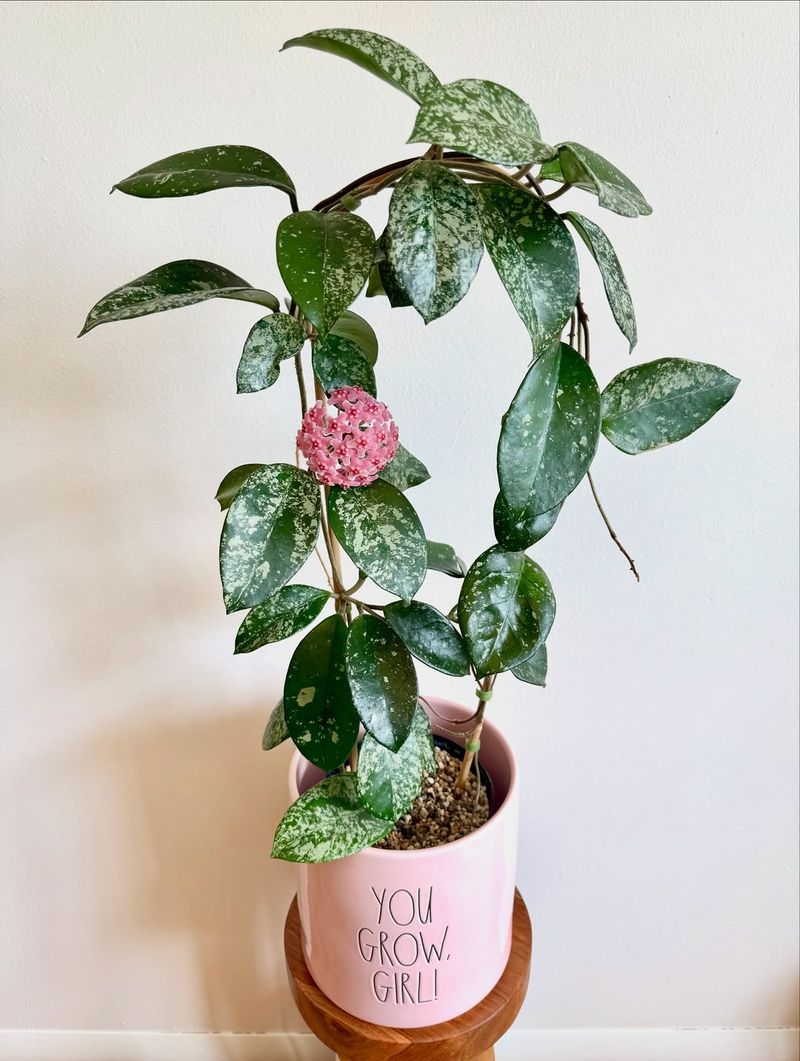
Sunlight in Arizona is intense, and that actually works in your favor — if you use it right. Hoyas need a lot of bright light to build the energy required for blooming, but direct afternoon sun through a south or west window can scorch the leaves fast.
An east-facing window is usually the sweet spot in most Arizona homes.
Filtered light through a sheer curtain on a west window also works well during the cooler months. During summer, pull the plant back a foot or two from the glass because even indirect rays can get brutal in Phoenix or Tucson by midday.
You want the light bright enough to read a book comfortably, but not so harsh that the leaves start yellowing or bleaching.
If your home does not have great natural light, a full-spectrum LED grow light set to run 12 to 14 hours a day can fill the gap. Position it roughly 12 inches above the plant.
Low light is one of the top reasons Hoyas in Arizona stay green but never bloom, so getting this right matters more than almost anything else on this list.
Hoyas that receive consistent, strong indirect light tend to develop more peduncles, which are the small woody spurs that flowers grow from. Once those spurs appear, keep the light source steady.
Rotating the pot or moving the plant around too much can confuse the growth cycle and delay flowering longer than you’d like.
2. Letting Soil Dry Slightly Encourages Flowering
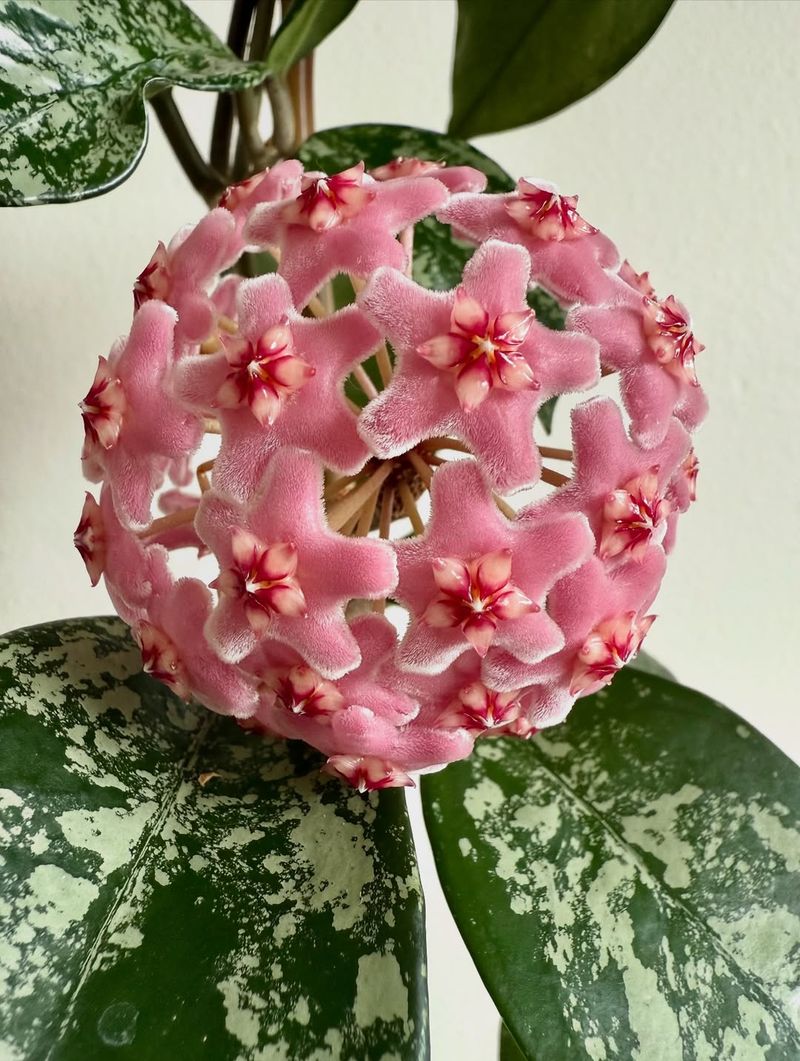
Overwatering is probably the single most common reason Hoyas never bloom indoors, especially in Arizona where people sometimes water more than needed to compensate for the dry air.
Ironically, keeping the soil a little on the dry side is what actually pushes a Hoya toward flowering.
When roots experience mild, brief dry periods, the plant shifts its energy toward reproduction rather than just growing more leaves.
Wait until the top two to three inches of soil feel dry before watering again. In a warm Arizona home during summer, that might mean watering every five to seven days.
During winter when growth slows, you can stretch it to every ten days or even two weeks without causing any real harm to the plant.
Always use a pot with drainage holes. Water sitting at the bottom of a pot in Arizona’s warm indoor temperatures creates conditions where root problems can develop quickly.
Your Arizona Garden Changes Every Week. Your Plan Should Too.
Gardening in Arizona changes quickly throughout the season. Every Friday you’ll receive a simple weekly plan showing exactly what to plant, prune, fertilize, harvest, and protect so you never miss the right timing.
Terra cotta pots are popular among Hoya growers here because they allow the soil to breathe and dry out more evenly.
A chunky mix of orchid bark, perlite, and coco coir drains fast and mimics the loose, airy growing conditions Hoyas prefer in the wild. Avoid heavy, moisture-retaining mixes meant for tropical plants that need constant moisture.
Getting the watering rhythm right is not complicated, but it does require you to check the soil rather than watering on a fixed schedule.
3. Keeping Roots Slightly Tight Promotes Buds
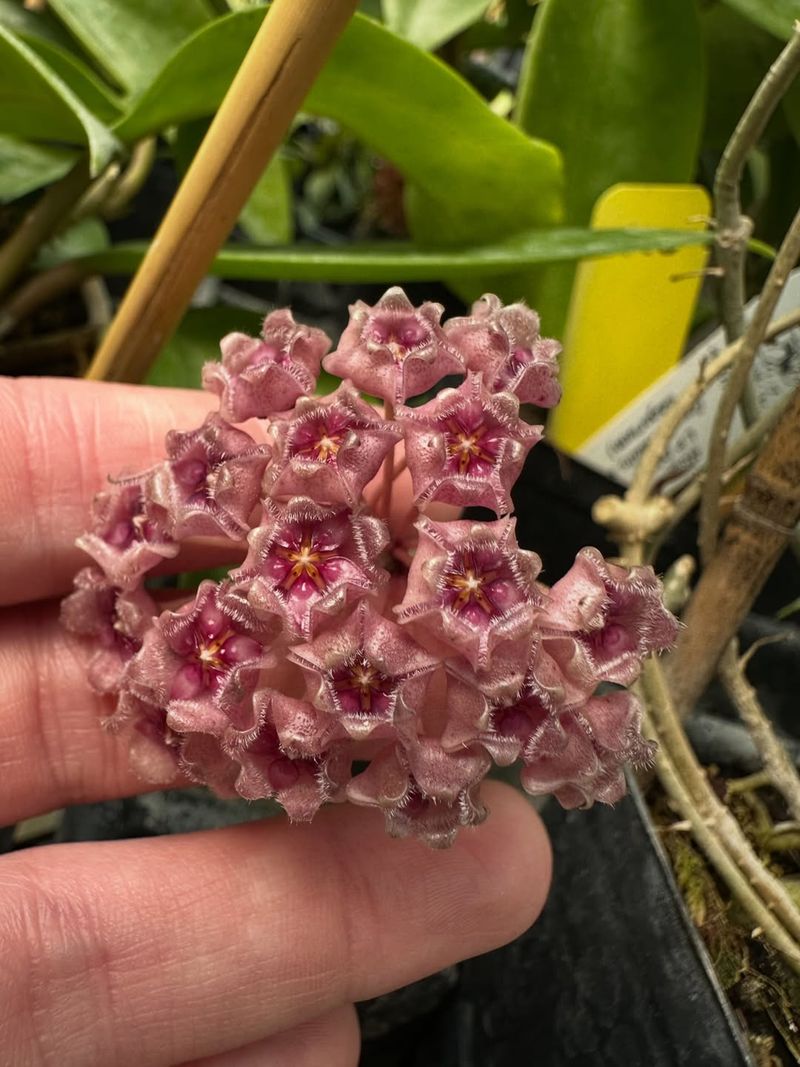
Repotting your Hoya into a much larger container might seem like a kind thing to do, but it can actually set back blooming by months or longer.
Hoyas tend to redirect their energy into root expansion when given too much soil space, and flowering takes a back seat until the roots have explored their new territory.
Keeping them just slightly snug in their pot is a reliable way to encourage bud development.
When you do repot, go up only one pot size at a time, meaning about one to two inches wider than the current container. A four-inch pot moves to a six-inch, not a ten-inch.
Skipping sizes gives the roots too much loose, moist soil to sit in, which can also contribute to moisture problems in Arizona’s warm indoor climate.
Signs that your Hoya actually needs a new pot include roots visibly circling the bottom, roots pushing out of the drainage holes, or the plant drying out extremely fast after watering. Those are real signals.
Repotting just because it looks crowded is usually unnecessary.
Spring is the best time to repot if you decide to do it, since the plant is entering its active growth phase and can recover quickly. After repotting, hold off on fertilizing for about a month to let the roots settle.
Most experienced Hoya growers in Arizona leave their plants in the same pot for two to three years at a time without any issues.
4. Warmer Temperatures Help Hoya Start Blooming
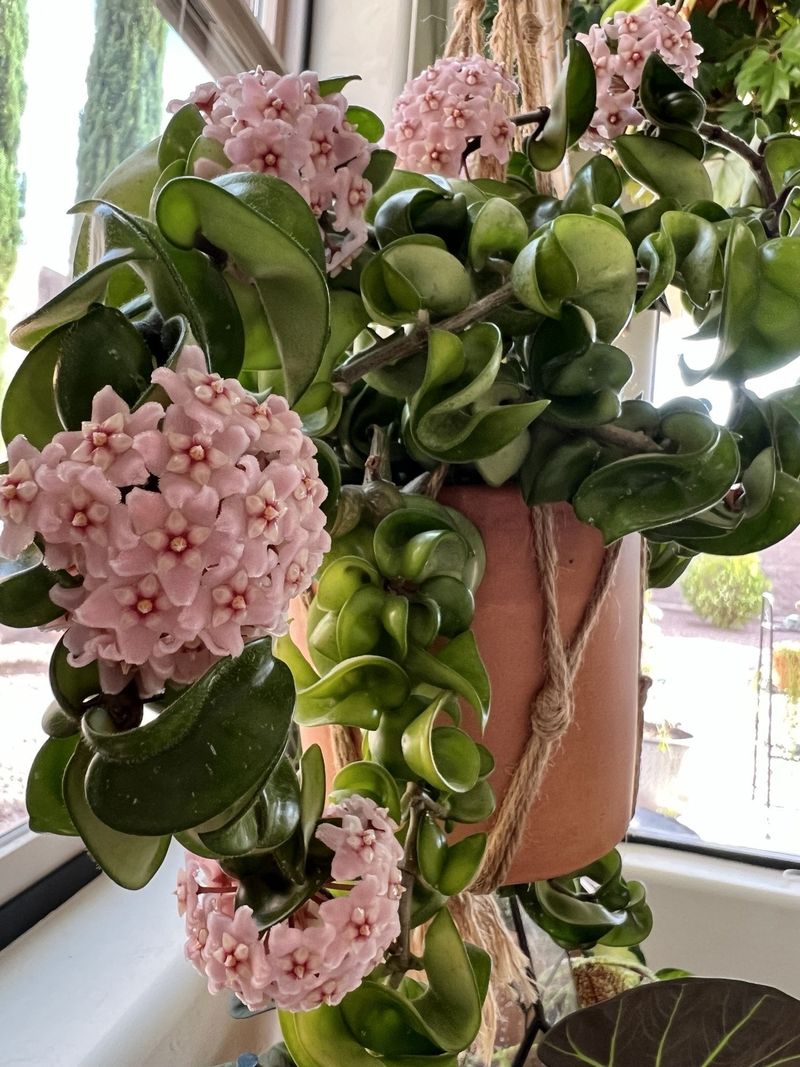
Arizona summers can feel relentless, but your Hoya actually appreciates the warmth. Most Hoya varieties do best between 65 and 85 degrees Fahrenheit, and that range lines up well with typical indoor temperatures across the state for much of the year.
Consistent warmth signals to the plant that conditions are right for flowering.
Cold drafts are the hidden problem in Arizona homes during winter. When temperatures outside drop in places like Flagstaff or even Phoenix on winter nights, air coming through poorly sealed windows or doors can stress the plant significantly.
Hoyas sitting close to a cold window in January may stop producing buds entirely until warmer conditions return.
Air conditioning is another factor worth thinking about. Placing a Hoya directly under an AC vent in summer can expose it to cold air blasts repeatedly throughout the day.
That kind of temperature fluctuation is harder on the plant than a consistently warm room. Move the pot away from vents and keep it somewhere the temperature stays relatively stable.
A small temperature drop at night, around five to ten degrees cooler than daytime, can actually help trigger blooming in some Hoya varieties. This mimics natural outdoor conditions.
If your home stays the same temperature day and night, cracking a window slightly on cool Arizona evenings during spring or fall can give the plant that mild fluctuation it sometimes needs to push buds. Keep it subtle though — sharp cold is not helpful.
5. Feeding Lightly Supports Healthy Flower Growth
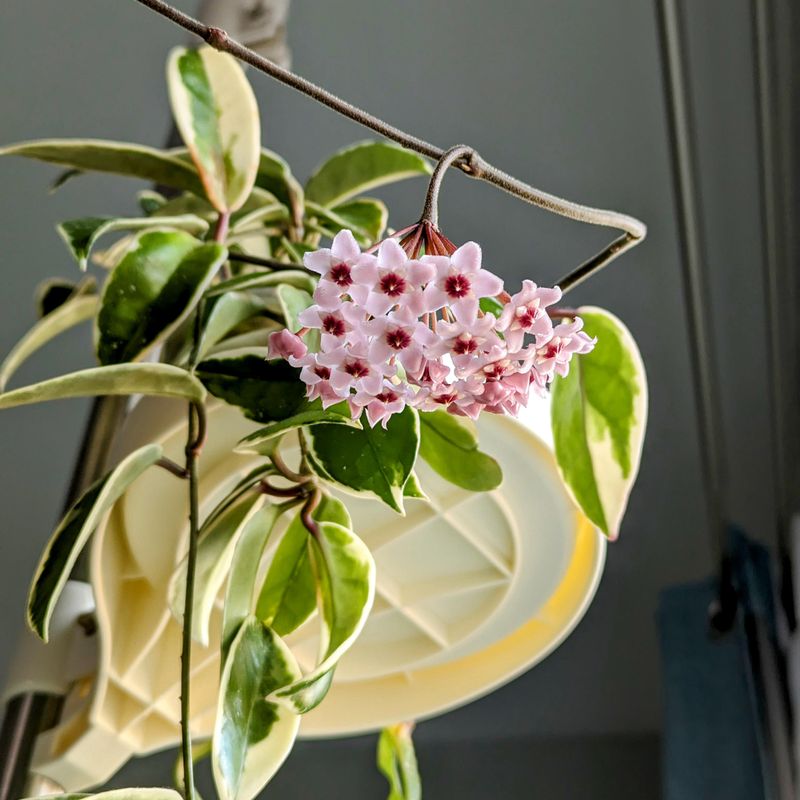
Fertilizing a Hoya feels straightforward until you overdo it and end up with a plant that pushes out leaf after leaf but never blooms. Too much nitrogen is usually the culprit.
Nitrogen feeds leafy green growth, which is great for a plant that needs to fill out, but once your Hoya is mature and well-established, heavy nitrogen feeding can actually work against flowering.
During spring and summer, a balanced liquid fertilizer diluted to half the recommended strength every two to three weeks is a reasonable approach.
Half strength matters because Hoyas are not heavy feeders, and Arizona’s warm indoor environment means the plant is already working efficiently without needing a heavy nutritional push.
Switching to a fertilizer with higher phosphorus content in late winter or early spring can help encourage bud formation. A formula like 10-30-20 gives the plant what it needs to put energy into flowering rather than just vegetative growth.
You do not need to use this year-round, just for a couple of months leading into the blooming season.
Stop fertilizing in fall and winter when the plant naturally slows down. Feeding a resting plant can build up salts in the soil, which stresses the roots over time.
Flushing the pot with plain water every couple of months helps clear any buildup. Consistent, light feeding during the active season is far more effective than occasional heavy doses, and your Hoya will respond better to that steady, moderate approach.
6. Avoid Moving The Plant Once Buds Appear
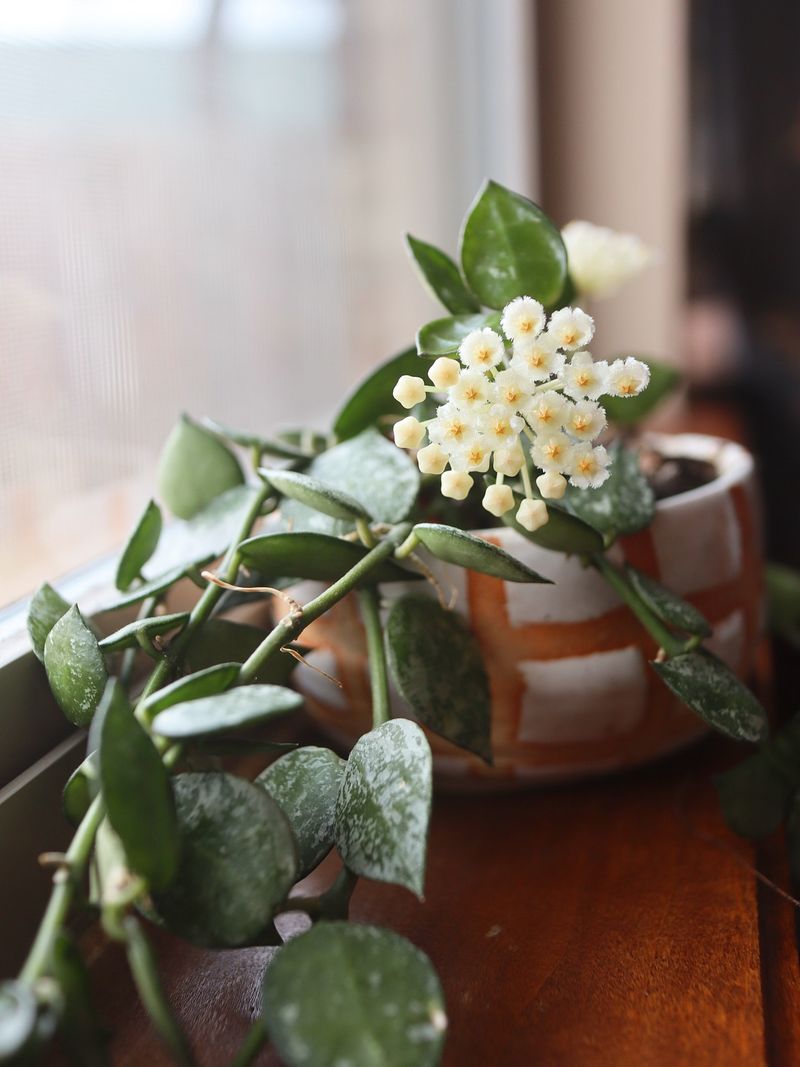
Spotting those first tiny buds on your Hoya is genuinely exciting, especially if you have been waiting a long time for them. Right at that moment, resist every urge to rotate the pot, move it to a better spot for photos, or shift it to a different room.
Hoyas are surprisingly sensitive to position changes once buds have formed, and moving the plant can cause those buds to drop before they ever open.
Buds develop with a specific orientation to their light source, and when you rotate or relocate the plant, the developing flowers get confused. They may abort entirely rather than adjusting to the new angle.
It sounds dramatic, but it happens regularly and is one of the most frustrating experiences for Hoya growers in Arizona who have done everything else right.
Mark the pot with a small piece of tape so you always put it back in the same position after watering. That way you are not accidentally rotating it without thinking.
Even small rotations repeated over a few weeks can add up to enough disruption to affect bud development on sensitive varieties.
Also avoid changing the light setup during this period. Swapping a grow light for natural light, or suddenly pulling the plant further from the window, counts as a disruption.
Keep everything as consistent as possible from the moment buds appear until the flowers are fully open. Once blooming, the flowers typically last one to three weeks depending on the variety and your indoor conditions in Arizona.
7. Patience Matters Since Hoyas Bloom On Mature Growth
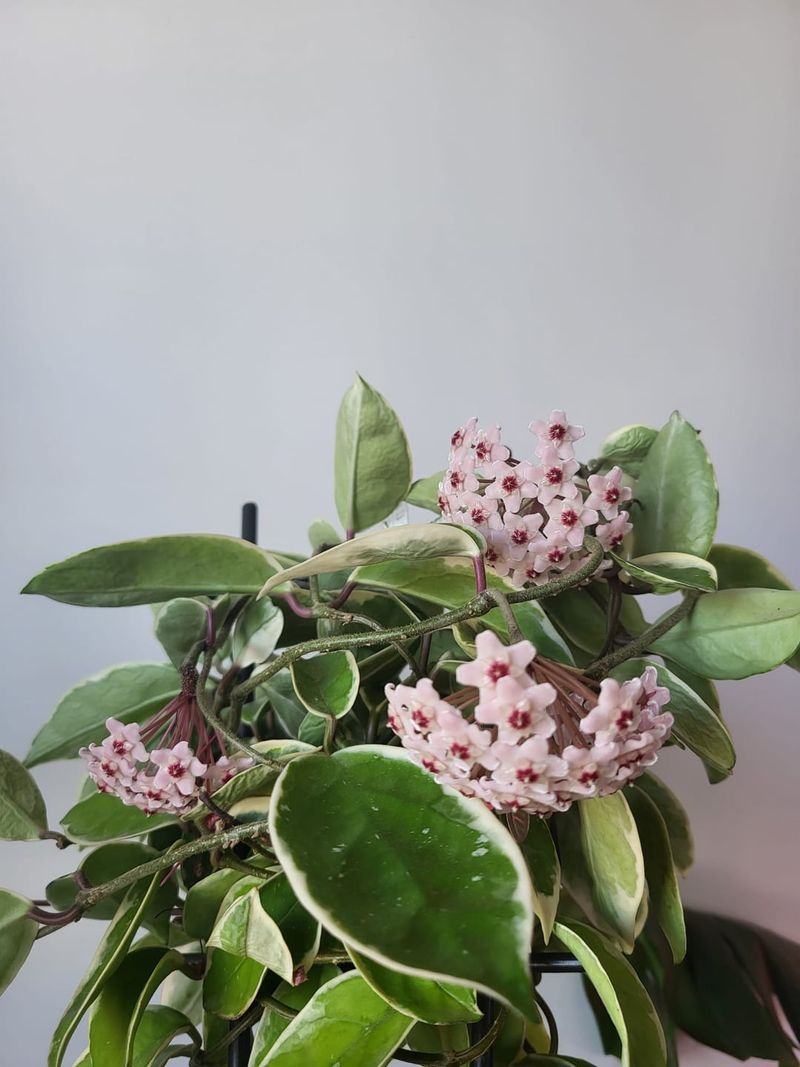
Nobody wants to hear this, but a young Hoya simply may not be ready to bloom no matter what you do. Hoyas typically need to reach a certain level of maturity before they produce flowers, and for many varieties, that means two to four years of steady growth.
Buying a small cutting or a young plant and expecting blooms within a few months usually leads to disappointment.
Mature growth means thick, established vines with woody sections and visible peduncles, those small stubby spurs where flowers emerge. Once peduncles develop, never cut them off even after the flowers fade.
New flower clusters grow from the same spur year after year. Removing them essentially resets the clock on that section of the plant and forces it to start over.
In Arizona, consistent care across all four seasons builds the kind of plant health that eventually leads to reliable blooming. Summers here can be tough on indoor plants with the dry heat and intense light, but Hoyas handle it reasonably well when placed correctly.
Staying consistent with light, water, and temperature through the full year matters more than any single trick.
Keeping a simple log of when you water, fertilize, and notice any growth changes can help you spot patterns over time. Some Arizona growers find their Hoyas bloom in spring, others in late summer.
Knowing your specific plant’s rhythm makes it easier to support it at the right moment. Patience combined with steady, attentive care is genuinely what gets results.