Why Georgia Persimmon Trees Deserve A Spot In More Home Landscapes
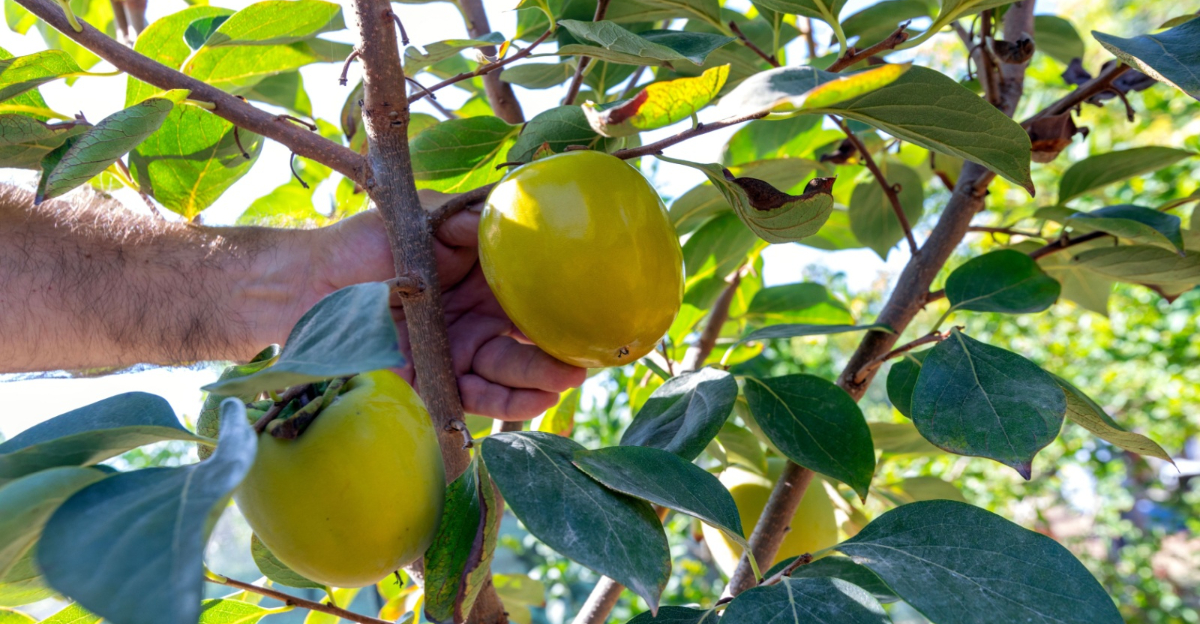
Georgia has some genuinely impressive native trees, and one of the most rewarding ones gets overlooked almost every single time someone heads to the nursery.
American persimmon grows naturally across Georgia’s woodlands and brings something most ornamental trees simply can’t offer: edible fall fruit, serious wildlife value, and the kind of long-term character that makes a yard look like it has real history.
Homeowners with larger properties spend years searching for the perfect tree while this one has been growing in Georgia woodlands the whole time, doing exactly what a great landscape tree should do.
If you’ve been looking for something that earns its place, feeds the birds, and gives you actual fruit in the fall, American persimmon deserves a much longer look than it usually gets.
1. American Persimmon Fits Georgia Landscapes Naturally
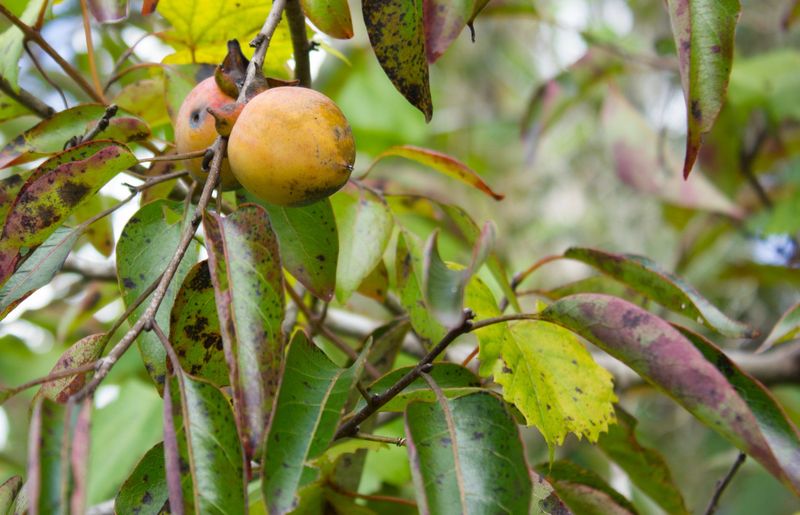
Walking through Georgia woodlands in fall, you might spot a small tree loaded with orange fruit clinging to bare branches long after the leaves have dropped.
That tree is American persimmon, a native species that has grown across Georgia for centuries and fits into home landscapes with far less fuss than many imported ornamentals.
Its deep roots mean it is already adapted to the heat, humidity, and occasional drought that challenge so many other trees homeowners try to grow.
American persimmon thrives in a wide range of soil types found across Georgia, from sandy coastal plain soils to the heavier clay soils of the Piedmont region.
It handles full sun well and can tolerate partial shade, though fruit production is better when the tree gets plenty of direct sunlight throughout the day.
Homeowners who plant it in an open, well-drained spot give it the best chance to develop into a strong, productive landscape tree.
The tree’s natural growth habit suits larger Georgia yards and naturalized edges rather than tight foundation beds or small ornamental gardens.
Its moderate size, typically reaching 35 to 60 feet at maturity in the wild but often staying smaller in cultivated settings, makes it manageable for many home properties.
For gardeners who want a low-maintenance native tree with genuine seasonal value, American persimmon is a smart and satisfying long-term choice.
2. Fall Fruit Feeds People And Wildlife
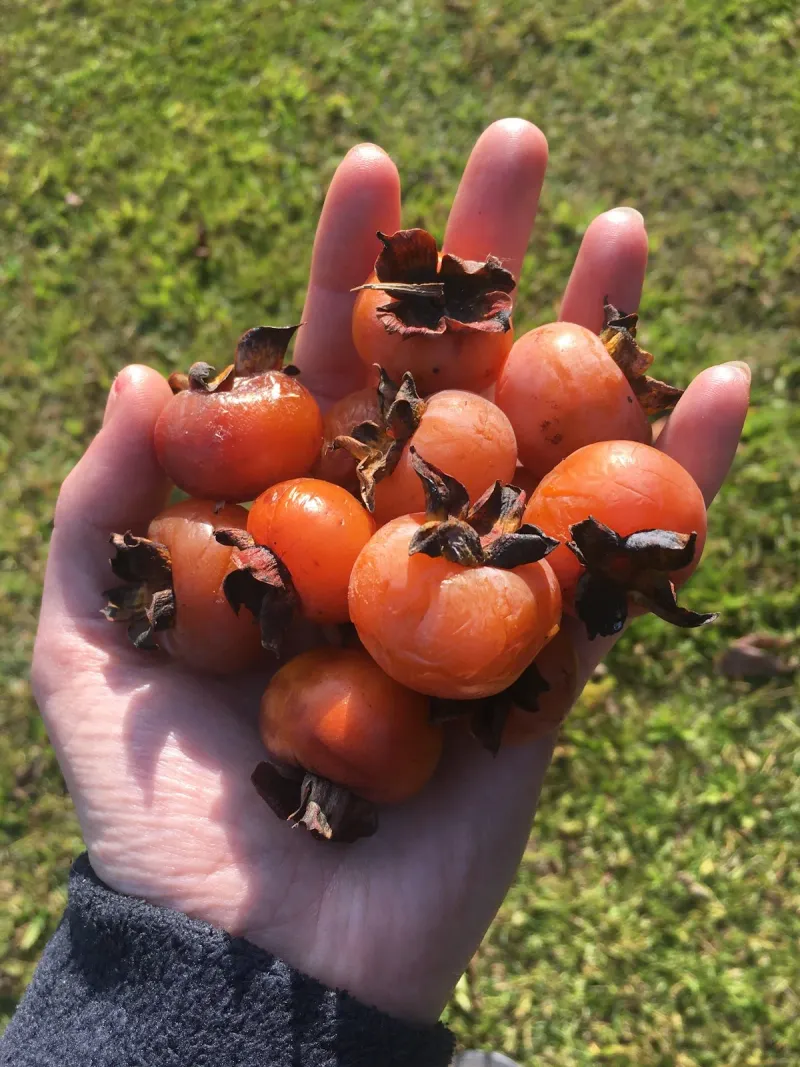
Few things in a Georgia fall garden are as striking as a persimmon tree covered in small, glowing orange fruit after the leaves have fallen.
The fruit of American persimmon ripens from late September through November across much of Georgia, turning soft and sweet only after it has been touched by cooler temperatures.
Picking fruit too early is a common mistake because unripe persimmons contain tannins that make them intensely astringent and mouth-puckering.
Once fully ripe, the fruit has a rich, honey-like sweetness that many people compare to a blend of apricot, brown sugar, and spice. Homeowners who learn to time the harvest right are often surprised by how flavorful the fruit can be fresh off the tree.
The small fruits can also be used in baked goods, puddings, jams, and dried snacks, making them a genuinely useful edible crop for families willing to experiment in the kitchen.
Your Georgia Garden Changes Every Week. Your Plan Should Too.
Gardening in Georgia changes quickly throughout the season. Every Friday you’ll receive a simple weekly plan showing exactly what to plant, prune, fertilize, harvest, and protect so you never miss the right timing.
Wildlife do not wait for an invitation. Deer, raccoons, opossums, foxes, and numerous bird species seek out persimmon fruit as a high-energy food source heading into winter.
For homeowners who enjoy watching wildlife activity in their Georgia yards, a persimmon tree can turn the back edge of a property into a lively seasonal gathering spot.
The fruit serves both the household and the local ecosystem, which is a rare and rewarding combination for any landscape tree to offer.
3. Birds Benefit From The Seasonal Fruit
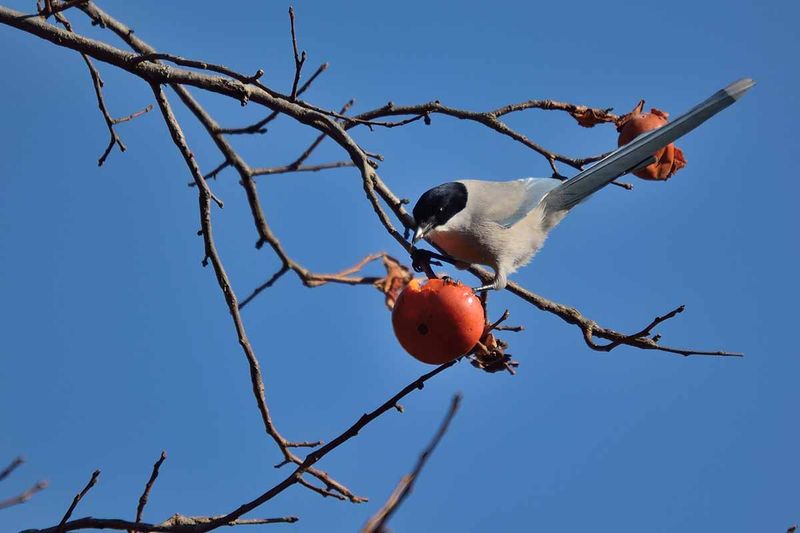
Bird watchers who plant American persimmon in their Georgia yards often find themselves reaching for binoculars more frequently come fall.
The ripe fruit attracts a wide variety of bird species that depend on high-calorie food sources as temperatures drop and migration season gets underway.
Cedar waxwings, American robins, eastern bluebirds, northern mockingbirds, and yellow-rumped warblers are among the species regularly observed feeding on persimmon fruit in Georgia landscapes.
Unlike many berry-producing shrubs that get stripped quickly, American persimmon fruit tends to linger on the branches into late fall and even early winter when some fruits remain.
This extended availability makes the tree especially valuable for birds that winter in Georgia rather than continuing south.
A single tree can support feeding activity for weeks, offering a reliable food source during a season when natural options become increasingly limited across the Georgia landscape.
Homeowners who want to attract a broader mix of bird species often find that pairing American persimmon with other native fruiting plants creates a more complete wildlife habitat.
The tree does not need to stand alone to be effective, but even a single well-placed persimmon can meaningfully increase bird activity on a property.
For gardeners interested in wildlife-friendly landscaping, adding a persimmon tree is one of the most direct ways to support local bird populations through the challenging transition from fall into winter.
4. Edible Landscaping Gets A Native Option
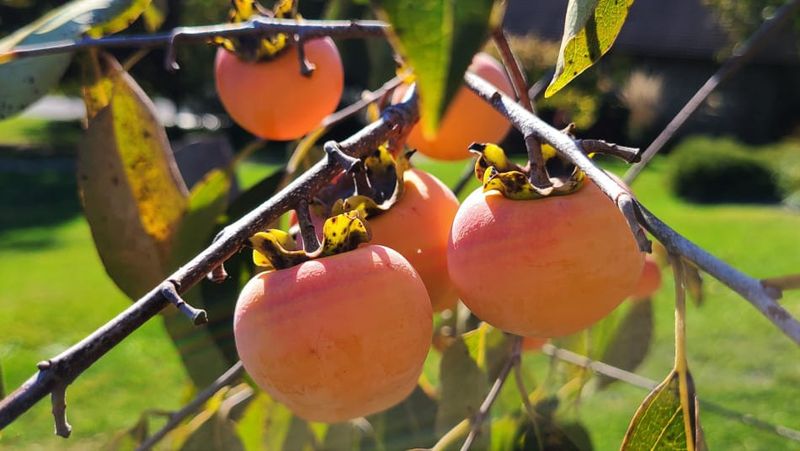
Edible landscaping has been gaining ground across Georgia as more homeowners look for ways to grow food while keeping their yards attractive and functional.
Most edible landscape plans lean heavily on familiar fruit trees like apples, pears, and figs, which are reliable but not native to North America.
Slipping an American persimmon into the mix gives homeowners a genuinely native edible option that requires far less coddling than many introduced fruit trees.
American persimmon does not demand the same intensive care routine that apple or peach trees often require in Georgia’s humid climate.
There is no complicated spray schedule needed to protect the fruit from the pests and diseases that plague many introduced orchard trees.
The tree is naturally resistant to most of the fungal and insect pressures that make fruit growing frustrating in the Southeast, which makes it a practical choice for homeowners who want edible plants without the high-maintenance commitment.
The tree also contributes seasonal visual interest beyond its fruit. Its deeply furrowed, blocky bark develops character over time and adds texture to the winter landscape after leaves have dropped.
In fall, the foliage turns attractive shades of yellow, orange, and red before the fruit takes center stage.
For homeowners building an edible landscape that looks good year-round while also producing food, American persimmon brings both beauty and productivity to the planting plan in a way that few other native trees can offer.
5. Larger Yards Give Persimmons Room
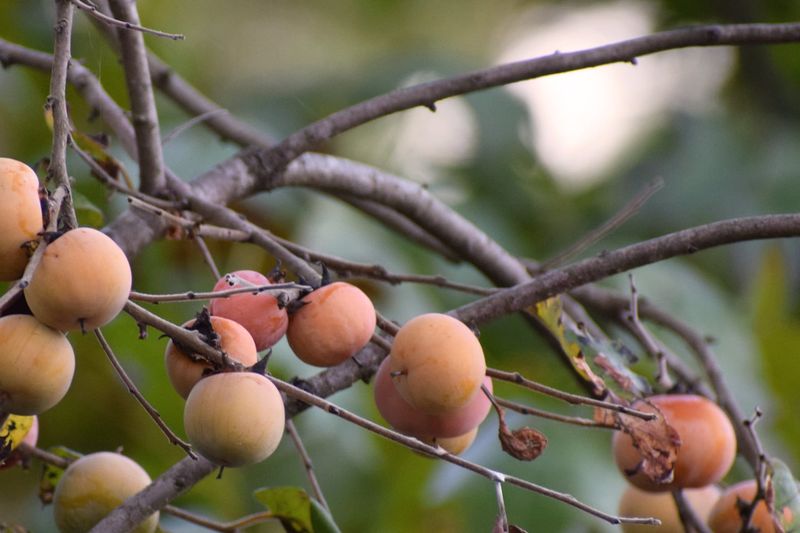
Not every tree suits every yard, and American persimmon is honest about what it needs to do well.
Open space, good sunlight, and room to develop a broad root system are the conditions where this tree truly settles in and becomes a productive part of the landscape.
Homeowners with larger Georgia properties, rural lots, or acreage with naturalized edges are in a strong position to take advantage of everything persimmon has to offer.
The tree tends to produce root sprouts over time, which can slowly create a small colony if left unmanaged.
In a large yard or along a property boundary, this spreading habit can actually be an asset, gradually filling in a naturalized buffer zone with wildlife-friendly plants.
On smaller urban lots where tidy edges matter more, the root sprout tendency requires a bit of monitoring to keep the tree contained to its intended planting area.
Planting persimmon near the back of a larger Georgia property, along a fence line, or at the edge where lawn meets a wooded area tends to work well in practice.
These locations give the tree room to mature without competing with structures or creating maintenance headaches closer to the house.
They also position the tree where wildlife activity is less disruptive and where fallen fruit can decompose naturally without becoming a nuisance on a manicured lawn.
Matching the tree’s natural preferences to the right spot on the property sets the stage for a genuinely rewarding long-term planting.
6. Fruit Production Needs Smart Planning
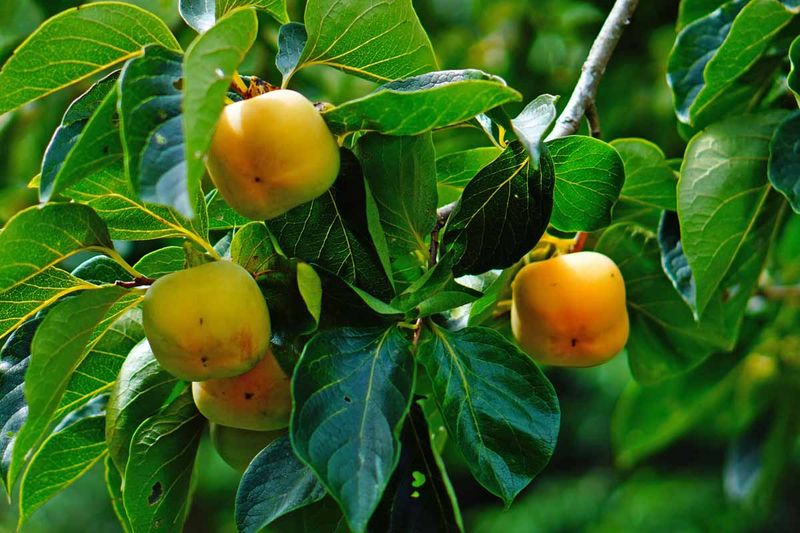
One of the most common surprises for homeowners new to American persimmon is learning that the tree does not fruit reliably from a single planting in most cases.
American persimmon is generally dioecious, meaning male and female flowers are produced on separate trees.
A homeowner who plants only one tree may wait years before realizing that the tree is male and will never produce fruit on its own, or that a female tree nearby has no male tree to provide pollen.
Planting at least one male tree for every few female trees in the landscape is the most straightforward way to set up reliable fruit production. Some nurseries sell named female cultivars selected for fruit quality, which takes some of the guesswork out of the process.
Checking with a reputable Georgia nursery or extension service before purchasing trees helps homeowners get the right combination for their goals and available space.
Patience is also part of the planning process. Young persimmon trees typically take several years to begin fruiting, and the first few crops may be modest before the tree matures into consistent production.
Homeowners who understand this from the start tend to be far more satisfied with the long-term outcome than those expecting fruit in the first season or two.
Building a productive persimmon planting in a Georgia yard is a multi-year investment, but the eventual reward of homegrown native fruit and abundant wildlife activity makes the wait genuinely worthwhile for those who plan ahead.
7. Subtle Spring Flowers Lead To Fall Interest
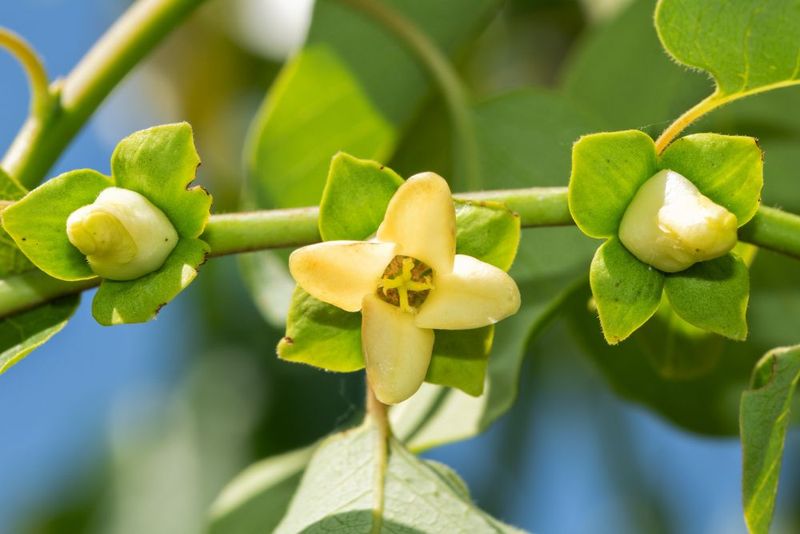
Spring in Georgia brings a wave of showy flowering trees that draw most of the attention in home landscapes. Dogwoods, redbuds, and cherries put on a bold display that is hard to miss.
American persimmon takes a quieter approach, producing small, creamy white, bell-shaped flowers in late spring that are easy to overlook but quietly important for setting up the fall fruit display that makes the tree worth growing in the first place.
The flowers are modest in size but appealing up close, with a faint fragrance that attracts native bees and other pollinators working the spring landscape.
Because the blooms are not the tree’s main visual feature, persimmon tends to blend into the background during spring while other ornamentals take the spotlight.
This understated quality can actually be an asset in a mixed planting, where a tree that holds back during spring and then delivers strong fall color and fruit adds a welcome seasonal rhythm to the yard.
As summer progresses, small green fruit develop and gradually swell through the warm months.
The transition from hard green fruit to soft, ripe orange persimmons happens slowly but becomes visually striking by October when the foliage begins to color up around the developing fruit.
Georgia homeowners who pay attention to the tree through the seasons often find themselves more invested in its progress each year, watching the quiet spring flowering eventually give way to one of the most satisfying fall moments in the entire landscape.
8. Patient Gardeners Get Long-Term Rewards
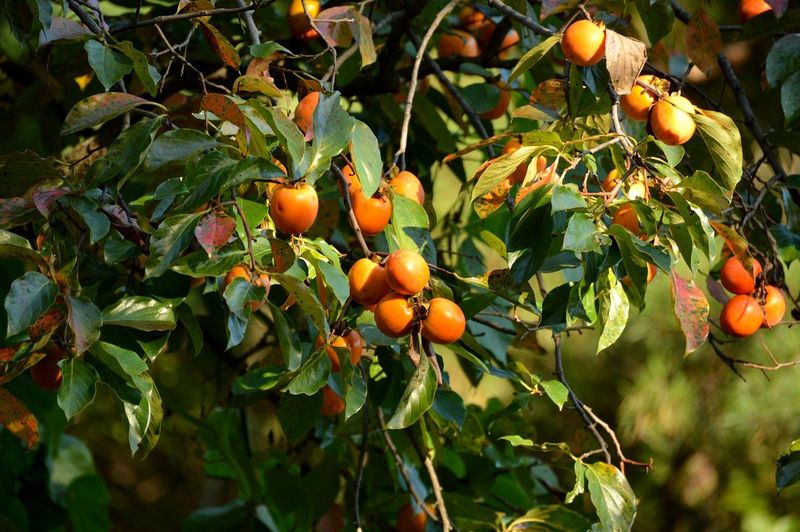
Some of the most rewarding trees in any Georgia landscape are the ones that take time to fully express themselves. American persimmon is that kind of tree.
Young trees can look unimpressive for the first few years, growing slowly and producing little to no fruit while they establish their root systems and build the energy reserves needed to support future growth and fruiting.
The deeply furrowed, blocky bark that develops on a mature persimmon trunk is one of the most distinctive and attractive features of the tree in winter.
It adds texture and visual interest to the landscape long after the fruit has been eaten and the leaves have fallen.
A well-established persimmon tree also develops a broad, somewhat irregular crown that gives it genuine character and makes it look like it belongs in the Georgia landscape rather than something recently planted from a container.
Homeowners who approach persimmon as a long-term landscape investment rather than a quick-fix fruit tree tend to be the most enthusiastic advocates for it over time.
The combination of native status, edible fruit, wildlife value, seasonal interest, and low-maintenance care adds up to a tree that delivers more per square foot of yard space than many flashier alternatives.
For gardeners who are willing to plant with the future in mind and let the tree develop at its own pace, American persimmon can become one of the most valued and talked-about plants on the entire property.