Why Indiana Lawns Go Dormant In Summer, And What To Do About It
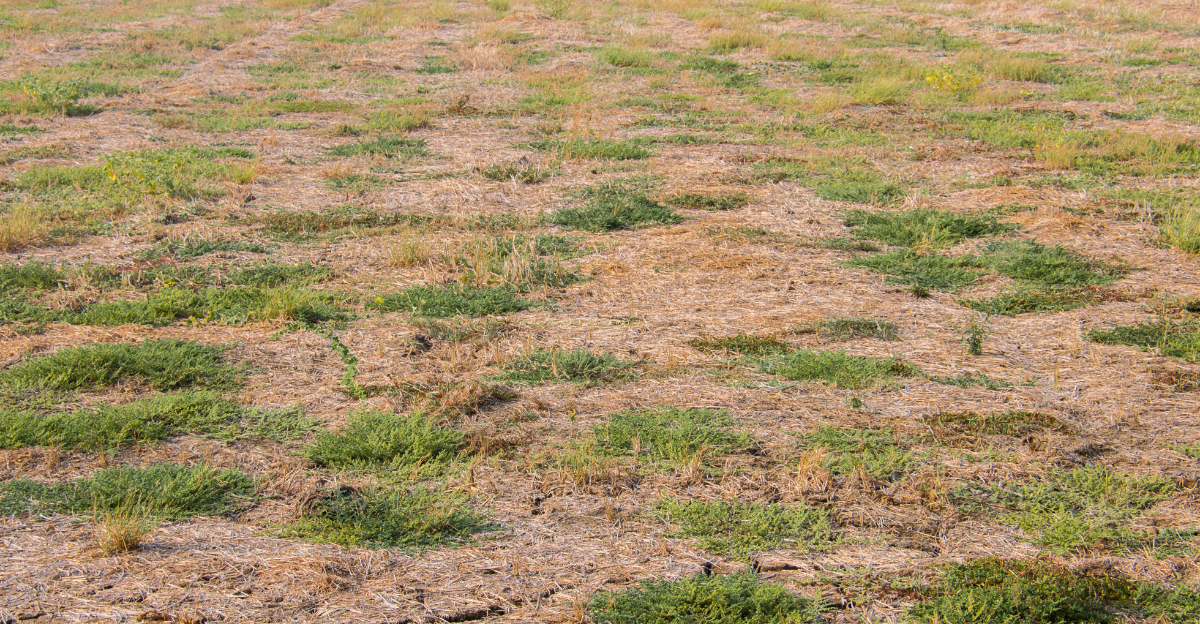
Your lawn was thriving in May. Now it looks like someone forgot to water a wheat field. Before you drag out the hose or call a landscaper, take a breath.
What you are looking at is most likely dormancy, not damage. Indiana summers are no joke. When temperatures climb and rain disappears for weeks, cool-season grasses like Kentucky bluegrass and tall fescue do something smart: they shut down.
Growth stops, color fades, and your lawn turns the color of dry hay. It is not giving up. It is surviving. Most Indiana homeowners still panic, overwater, and fertilize at the wrong time.
Your grass knows what it is doing. Now you will too.
The Science Behind Your Lawn Shutting Down
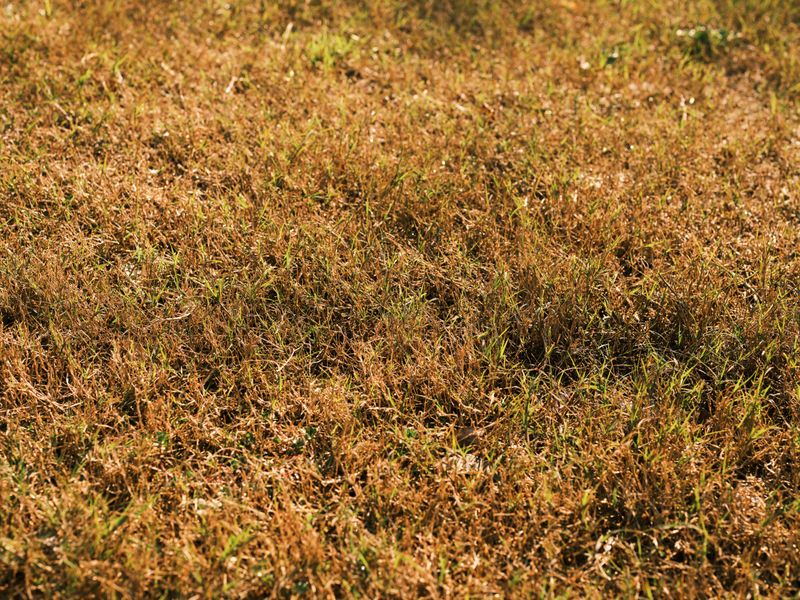
Your lawn is smarter than you think. When temperatures climb above 90 degrees and rain stops showing up, cool-season grasses trigger a survival switch deep inside their root systems.
The crown of the grass plant, that tiny zone just above the soil, stays alive even when everything above it turns brown. Blades stop growing to save energy for the roots.
This process is called dormancy, and it is completely natural. The plant is not failing. It is conserving resources the same way a cactus stores water in the desert.
Photosynthesis slows significantly during this shutdown phase. The grass redirects its remaining energy toward keeping its crown and roots alive underground.
Cool-season grasses evolved in climates with hot, dry summers. Dormancy is their built-in insurance policy against seasonal stress.
Soil temperature plays a huge role in triggering this response. Once soil temperatures climb into the upper range and air temps push past 90 degrees consistently, most cool-season varieties begin their slowdown.
The process can begin within just a few days of extreme heat. A stretch of 95-degree days with no rain can be enough to flip that switch.
Indiana summers are notorious for exactly this kind of weather pattern. Knowing that dormancy is science, not neglect, makes it a lot easier to stop panicking about your brown yard.
How Indiana Summers Push Cool-Season Grasses Over The Edge
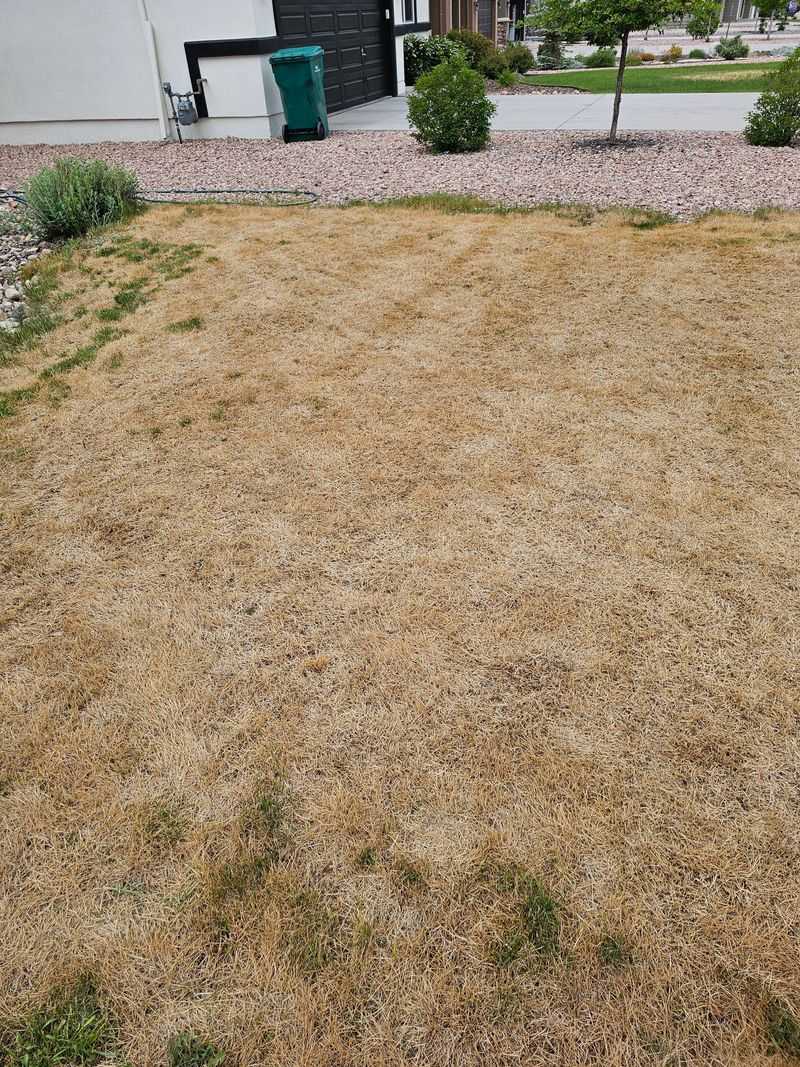
Indiana summers do not mess around. The combination of high humidity, intense heat, and unpredictable rainfall creates the perfect storm for cool-season grass stress.
Bluegrass and fescue thrive between 60 and 75 degrees. Once temps push past 85 consistently, these grasses begin struggling to keep up with basic functions.
The Midwest’s clay-heavy soils make things worse. Clay holds heat longer than sandy soils, meaning root zones stay hot even after the sun goes down.
Nighttime temperatures above 70 degrees can make it much harder for grasses to recover between hot days. The lawn never gets a break, so it stops trying to grow.
Indiana also experiences what weather experts call heat domes. These are periods of stagnant hot air that park over the region for days or even weeks.
During a heat dome, soil moisture evaporates faster than rain can replace it. Grass roots reach for water that simply is not there.
Compacted soil, common in older Indiana neighborhoods, blocks water from reaching roots at all. Even when rain does fall, it runs off instead of soaking in.
Your Indiana Garden Changes Every Week. Your Plan Should Too.
Gardening in Indiana changes quickly throughout the season. Every Friday you’ll receive a simple weekly plan showing exactly what to plant, prune, fertilize, harvest, and protect so you never miss the right timing.
All these factors stack up fast. By mid-July, many Indiana lawns go dormant even with regular watering, simply because the summer heat becomes too much for cool-season grass to handle.
Signs Your Lawn Is Dormant Vs. Struggling
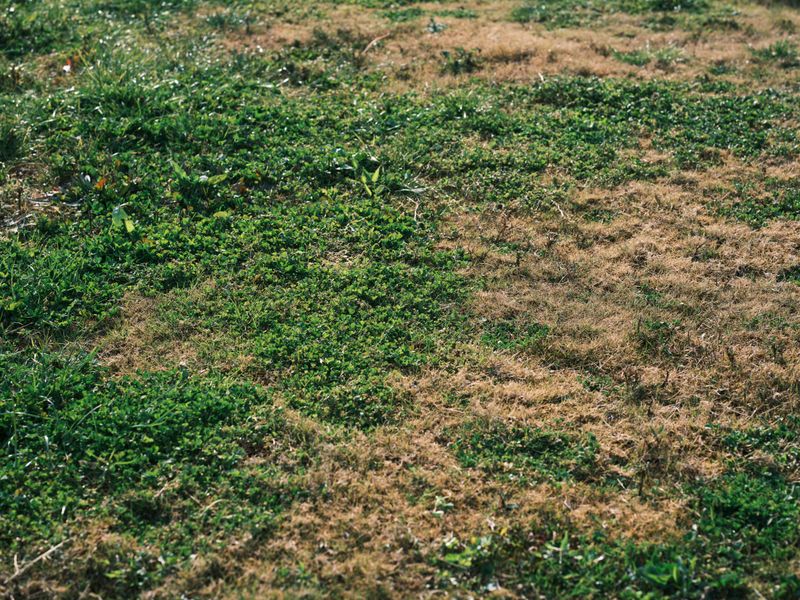
Brown grass is not always a bad sign. The tricky part is knowing whether your lawn is resting or actually in trouble, because the fixes are completely different.
A dormant lawn turns uniformly brown across the whole yard. The color change is even, and the grass blades still feel somewhat firm underfoot.
A struggling lawn looks patchy and uneven. You will notice bare spots, slimy or mushy areas, or grass that pulls up easily with no resistance.
Check the crown of a few grass plants near the soil line. If the crown looks white or cream-colored and feels slightly firm, the grass is dormant and alive.
If the crown looks gray, black, or mushy, that is a sign of disease or root damage. That requires a different approach entirely.
Dormant grass also tends to stay attached at the roots. Grab a handful and tug gently. If it holds, you are likely looking at dormancy, not permanent damage.
Fungal diseases like brown patch are common in humid Indiana summers. These create circular brown rings or blotches, which look very different from uniform dormancy browning.
Grub damage from Japanese beetles causes grass to peel back like a loose carpet. That is a pest problem, not a rest cycle.
Learning to read these clues helps you respond correctly. Treating dormancy like a disease can actually cause more harm than leaving the lawn alone through the season.
What To Do During Dormancy And What To Skip
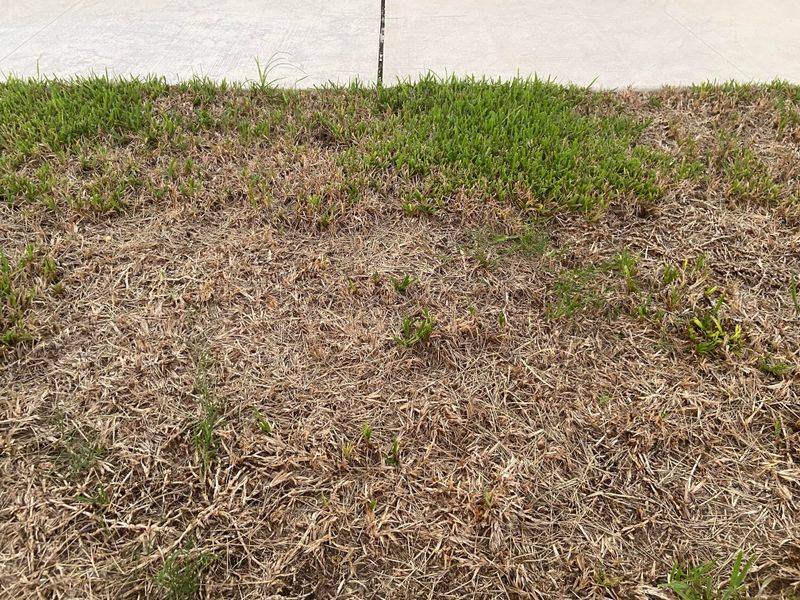
Dormancy season is not the time to go to war with your lawn. The worst thing you can do is treat a resting lawn like it needs intensive care.
Stop fertilizing immediately when dormancy sets in. Pushing nutrients into a stressed lawn forces growth the grass cannot support, weakening its root system further.
Skip the weed treatments too. Herbicides applied to dormant grass can cause serious damage because the plant cannot process or recover from chemical stress properly.
Mowing should slow way down or stop altogether. If you must mow, raise your blade height to at least three and a half inches to reduce heat stress on the crowns.
Foot traffic is surprisingly harmful during dormancy. Every step compacts soil and crushes crowns that are already working hard just to stay alive underground.
Keep kids and pets off the lawn as much as possible during peak dormancy weeks. Even light, repeated traffic creates thin or bare spots that take months to recover.
One thing you absolutely should do is keep an eye out for grubs and fungal patches. These problems do not pause for dormancy and can spread quickly in weakened turf.
Treat pest or disease issues promptly and specifically. A targeted grub treatment or fungicide application will not harm a dormant lawn the way broad fertilizing or weed control would.
Dormancy is a waiting game, and patience is genuinely your best tool right now.
When To Water And When To Leave It Alone

Watering a dormant lawn is one of those topics where homeowners get genuinely split. Some swear by keeping it moist, and others say leave it completely alone.
The honest answer depends on how long the heat will last. For short dry spells under three weeks, skipping irrigation is generally fine.
For extended droughts stretching past four or five weeks, a light drink of water every two to three weeks can keep the crown alive. You are not trying to green it up. You are just keeping the plant from crossing a point of no return.
Apply about half an inch to an inch of water during these maintenance sessions. That is enough to reach the crown without encouraging new growth that the heat will immediately damage.
Water in the early morning, ideally between 4 a.m. and 9 a.m. This timing reduces evaporation and limits the moisture that lingers on blades overnight, which feeds fungal growth.
Avoid watering in the evening at all costs during summer. Wet grass sitting through a warm, humid Indiana night is basically an invitation for brown patch to spread.
If your area gets even a half inch of rain, skip your supplemental watering that week. Overwatering a dormant lawn is just as harmful as ignoring it completely.
Consistency matters more than volume here. A steady, light schedule beats one heavy soaking followed by two weeks of nothing.
How To Set Your Lawn Up For A Strong Fall Recovery
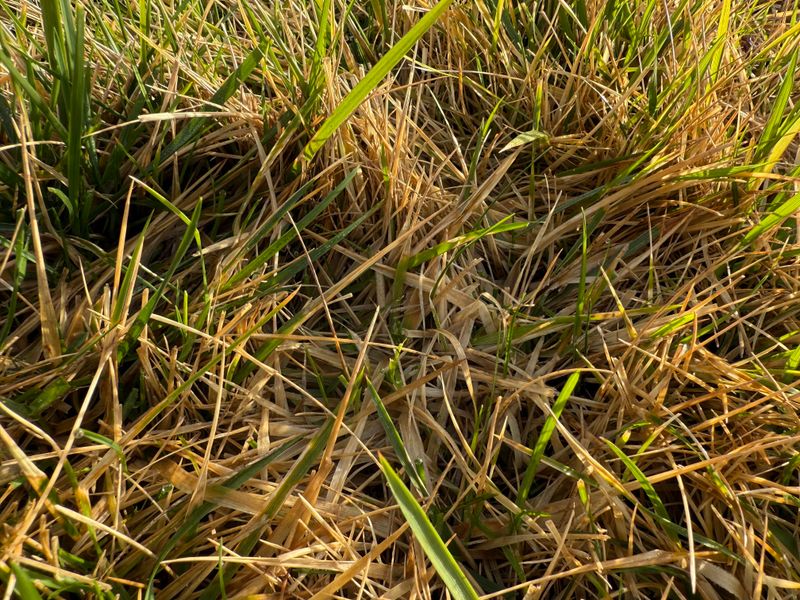
Fall is when Indiana lawns come roaring back to life, and the moves you make in late summer determine how strong that comeback will be. Think of September as your lawn’s second spring.
Cool-season grasses begin actively growing again as soil temperatures cool back down through late summer. In Indiana, that shift typically happens between late August and mid-September.
Aeration is one of the smartest things you can do heading into fall recovery. Core aeration breaks up compacted soil, improves drainage, and lets oxygen reach roots that have been baking all summer.
Schedule aeration for early September, just before the main growing window opens. Combining it with overseeding gives new grass seed direct contact with loosened soil for much better germination.
Choose a high-quality tall fescue or bluegrass blend suited for Indiana’s climate. Look for varieties labeled drought-tolerant or heat-resistant for better performance next summer.
After seeding, apply a starter fertilizer that is high in phosphorus. Phosphorus encourages root development, which is exactly what new seedlings need most in their first weeks.
Keep newly seeded areas consistently moist for the first three weeks. Light, frequent watering once or twice a day helps seeds germinate without washing them away.
Once the lawn greens up fully, shift back to a normal deep-watering schedule. A strong fall recovery from summer dormancy sets the stage for an even healthier lawn next spring.