Summer Heat Hacks To Keep North Carolina Gardens Vibrant Without Extra Watering
Water conservation during a North Carolina summer is not just about keeping the utility bill reasonable.
It is about working with the reality of a climate that delivers intense heat, unpredictable dry stretches, and occasional watering restrictions all at the same time that gardens need the most support.
The gardeners who maintain vibrant, healthy outdoor spaces through July and August without dramatically increasing their water use are not doing it through luck or particularly drought-tolerant plant collections.
They are applying a set of specific practices around soil management, mulching, planting arrangement, and timing that change how effectively their gardens hold and use whatever moisture is available.
Several of these strategies require almost no ongoing effort once they are properly set up at the beginning of the season.
1. Add A Two To Four Inch Mulch Layer
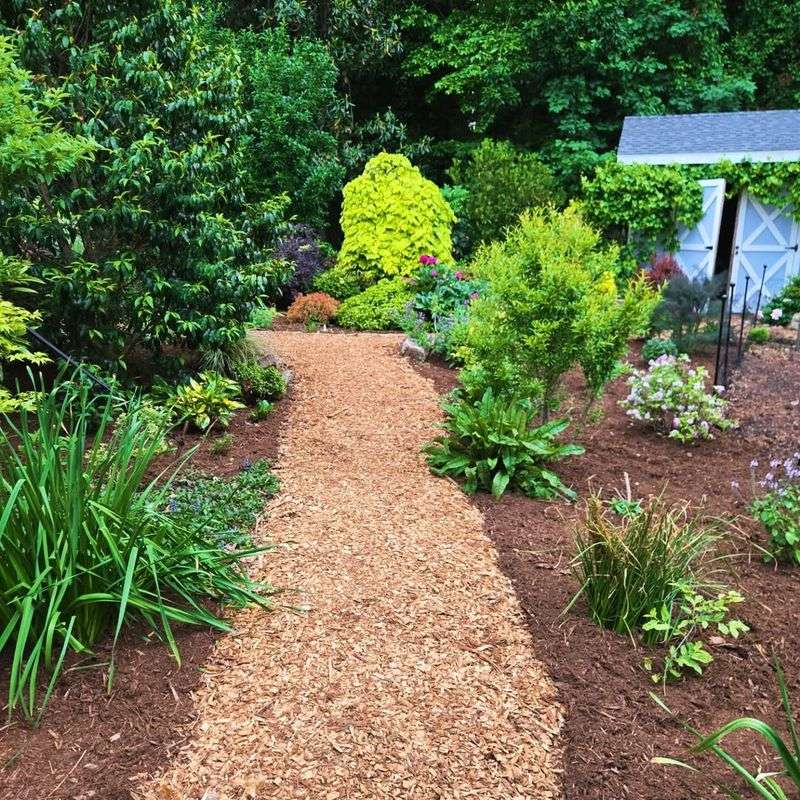
Mulch might just be the single most powerful tool in a North Carolina summer gardener’s toolbox.
Spread a two to four inch layer of pine straw, shredded leaves, wood chips, or clean straw over your garden beds and watch how much better your plants handle the heat.
That layer acts like a blanket in reverse, keeping the soil cool and holding moisture in so roots stay comfortable even on the hottest afternoons.
Shredded leaves work especially well in vegetable beds because they break down and feed the soil at the same time. Wood chips are a great choice for ornamental beds and around shrubs where you want longer-lasting coverage.
Untreated dry grass clippings can also work in a pinch, though they should be spread thinly to avoid matting.
One thing to always keep in mind is that mulch should never be piled up against plant stems or tree trunks. That kind of contact traps moisture and can cause rot or pest problems over time.
Pull the mulch back an inch or two from each stem and spread it outward in an even layer.
Done right, this simple habit reduces weeds, keeps soil temperatures steadier, and stretches whatever water your garden does receive much further into the dry weeks ahead.
2. Use Shade Cloth During The Harshest Heat
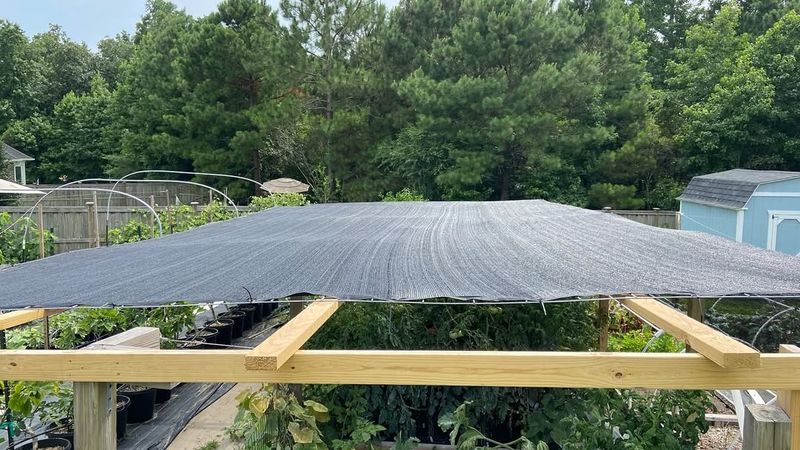
When the North Carolina sun feels more like a spotlight than a blessing, shade cloth can be a real game-changer for your garden.
A 30 percent shade cloth is a popular choice for heat-sensitive crops like tomatoes and peppers, especially during those brutal July and August stretches when afternoon temperatures climb into the upper nineties.
It cuts the intensity of direct sunlight without blocking enough light to slow plant growth significantly.
Setting up shade cloth is simpler than it sounds. Most gardeners drape it over PVC hoops, wooden stakes, or a simple wire frame above the bed, keeping it lifted off the plant leaves so air can still circulate freely.
Good airflow under the cloth matters because trapped heat without airflow can cause its own set of problems.
For leafy greens like spinach or arugula that truly struggle in heat, a denser shade cloth of 40 to 50 percent may be worth trying.
Your North Carolina Garden Changes Every Week. Your Plan Should Too.
Gardening in North Carolina changes quickly throughout the season. Every Friday you’ll receive a simple weekly plan showing exactly what to plant, prune, fertilize, harvest, and protect so you never miss the right timing.
Sun-loving crops such as squash, corn, and basil generally do not need shade cloth at all, so save it for the plants that are genuinely struggling.
Shade cloth is reusable season after season, which makes it a smart, low-cost investment. A little afternoon protection can mean the difference between a garden that limps through summer and one that keeps producing right through the hottest months.
3. Create Afternoon Shade With Taller Plants
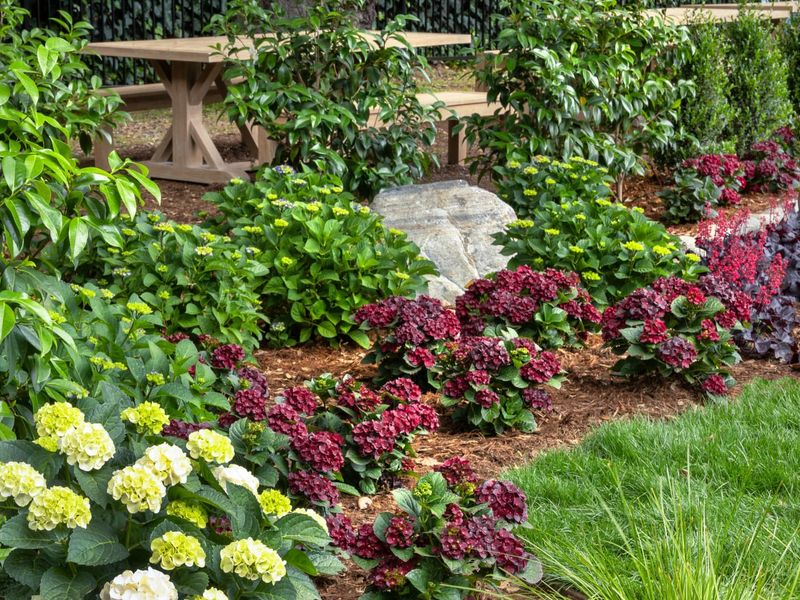
Nature already figured out the shade problem long before gardeners did. Tall crops, trellised vines, established shrubs, and even sturdy fences can cast useful afternoon shade that protects more tender plants from the worst of the day’s heat.
Positioning heat-sensitive herbs, young transplants, or cool-season flowers like pansies on the east or north side of taller plants puts them in a natural shelter without any extra equipment.
Morning sun is usually gentler and helps plants photosynthesize and dry off any overnight moisture. Afternoon sun in a North Carolina summer, on the other hand, is often the harshest and most drying stretch of the day.
Giving tender plants a break from that afternoon intensity can reduce wilting, slow moisture loss, and keep foliage looking fresher without turning up the hose.
Pole beans on a trellis, sunflowers along a border, or a row of basil behind shorter herbs are all practical ways to build this kind of living shade into your garden layout.
The trick is making sure your shade-providing plants are positioned so they do not block morning light from reaching the crops that need it most.
Sun-loving vegetables like peppers and tomatoes still need plenty of direct light to produce well, so this strategy works best when it targets the truly heat-sensitive spots in your garden plan.
4. Pull Weeds Before They Steal Moisture
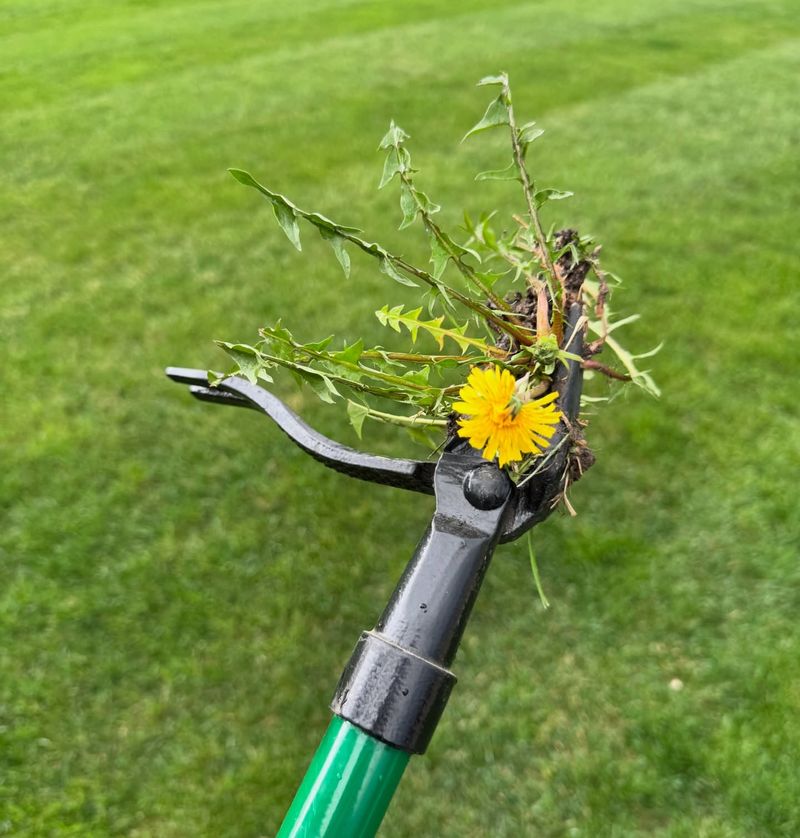
Weeds are sneaky competitors. While your tomatoes and zucchini are working hard to survive the summer heat, weeds are right there beside them pulling moisture, nutrients, and root space away from where you actually want them to go.
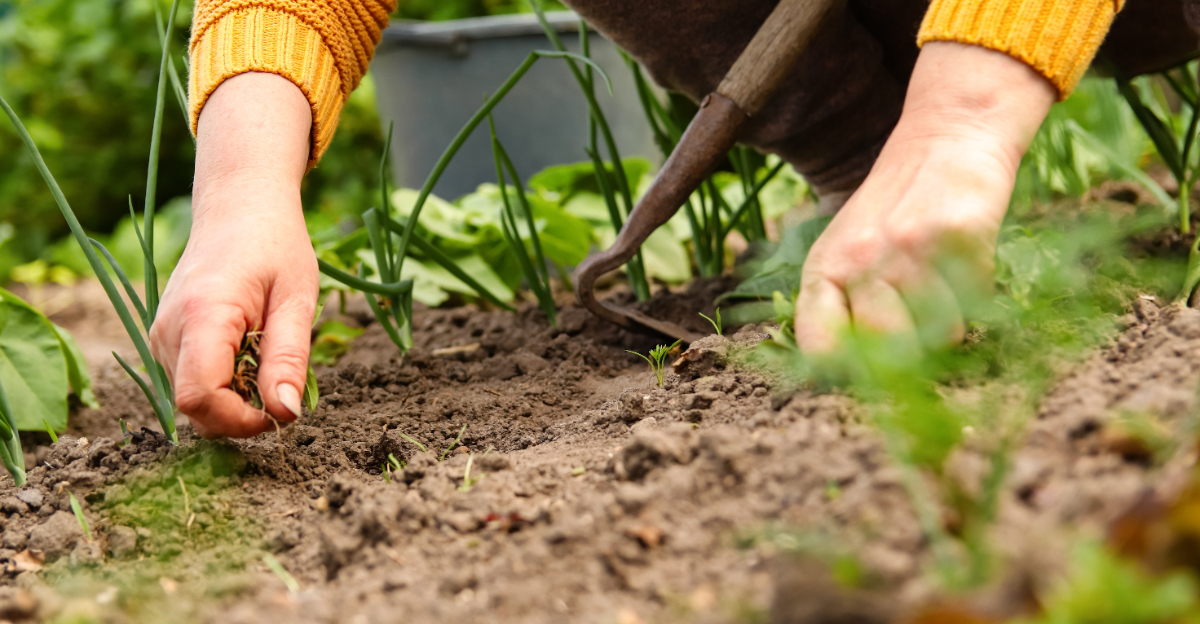
Getting ahead of weeds while they are still small makes the job much easier and keeps the impact on your garden minimal.
A quick pass through the garden every week or so, especially after any rain, can catch weeds before they establish deep root systems or set seed.
Small weeds pull out easily by hand or with a light hoe, while weeds that have been left to grow large take real effort to remove and may disturb nearby plant roots in the process. Timing really does matter here.
Keeping beds weed-free also makes mulch work more effectively. When weeds are not competing underneath the mulch layer, the mulch does a much better job of holding soil moisture and keeping temperatures steady.
Vegetables, annuals, young shrubs, and perennials all benefit from a clean bed during peak summer heat. Think of weeding as a way of protecting every drop of water already in your soil and making sure it goes to the plants you actually planted.
A tidy bed is not just about looks. It is a real moisture strategy that pays off all summer long.
5. Add Compost Before The Heat Gets Brutal
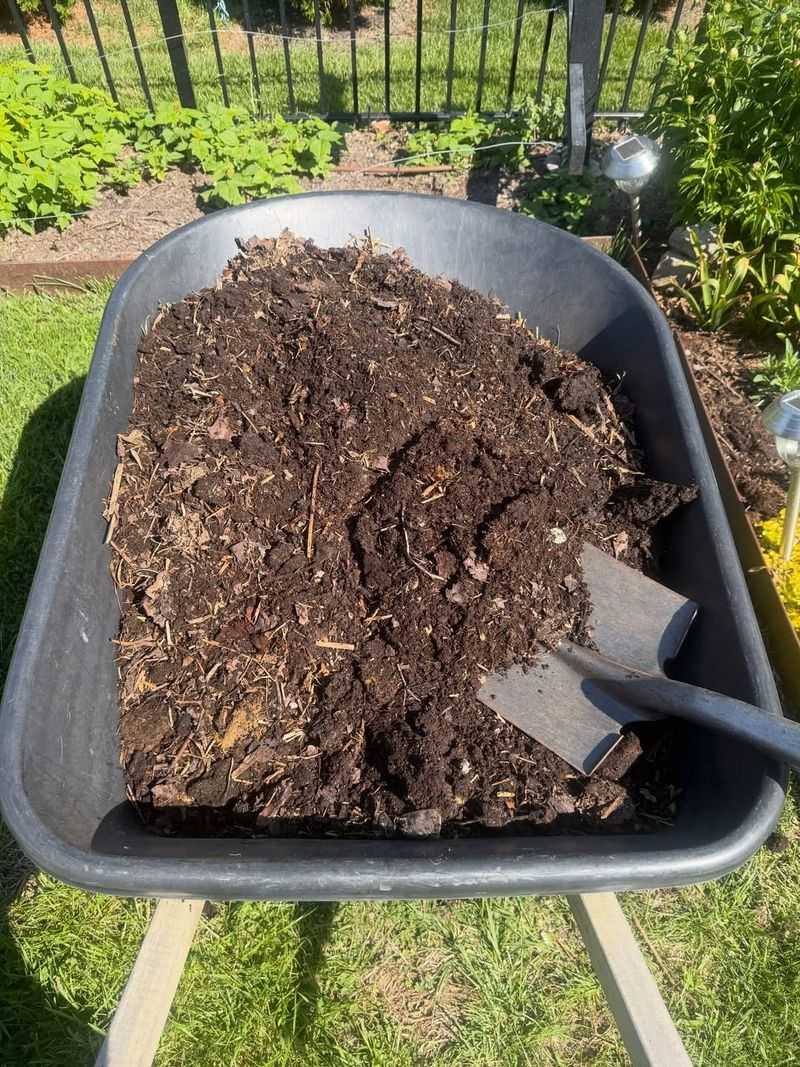
Compost is one of those things that works quietly in the background, making everything else in the garden perform better.
When worked into the soil before summer heat arrives, compost improves the soil’s ability to hold moisture more evenly, which means plant roots have access to water for longer stretches between rain events.
Sandy soils benefit because compost helps them hold water they would otherwise lose quickly. Clay soils benefit because compost opens up compacted structure and improves drainage.
One honest note worth sharing is that compost is not a quick rescue once plants are already struggling in peak heat. Adding it mid-crisis will not give you instant results.
The real payoff comes from building organic matter into beds before the hot months arrive, ideally in early spring or even the previous fall, so it has time to integrate into the soil structure.
Vegetable beds, ornamental beds, and raised beds all respond well to regular compost additions. Even a one to two inch layer worked into the top few inches of soil each season makes a noticeable long-term difference.
If your garden soil currently feels like concrete in summer or drains so fast that nothing stays moist, compost is the most reliable fix available.
It builds a garden that genuinely handles North Carolina heat better year after year, rather than one that just barely survives it.
6. Avoid Heavy Fertilizing During Extreme Heat
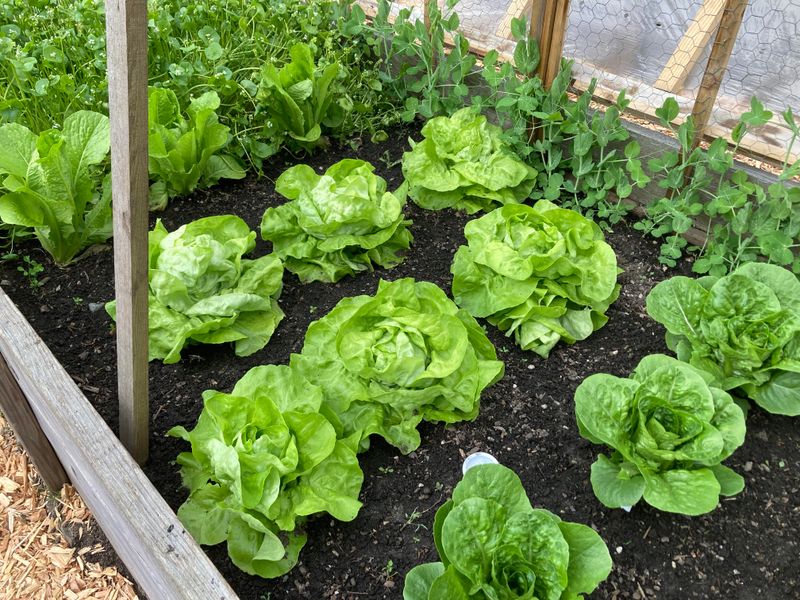
Fertilizer encourages plants to grow, which sounds like a good thing until you realize that fresh, tender new growth is exactly what suffers most during extreme heat.
Pushing a plant to produce new leaves and shoots during a heat wave means those soft new tissues need more water to stay healthy, and they are often more vulnerable to sun scorch and stress than the older, tougher growth already on the plant.
Heavy feeding during a North Carolina heat wave can backfire in ways that are frustrating to watch.
Leaves may look burned at the edges, new growth may wilt almost immediately, and the plant as a whole can end up more stressed than it was before you tried to help it.
Nitrogen-heavy fertilizers are especially risky during these periods because they push the most rapid and tender growth.
A smarter approach is to wait for a cooler stretch before fertilizing, and always water the soil thoroughly before applying any fertilizer to avoid root burn.
Follow plant-specific feeding schedules rather than feeding simply because the garden looks tired or pale.
Sometimes a struggling summer garden just needs water, shade, and time rather than a nutrient boost.
Slow-release fertilizers applied earlier in the season tend to be a better fit for summer gardens than liquid feeds applied at the wrong moment during a heat spike.
7. Use Groundcovers As Living Mulch
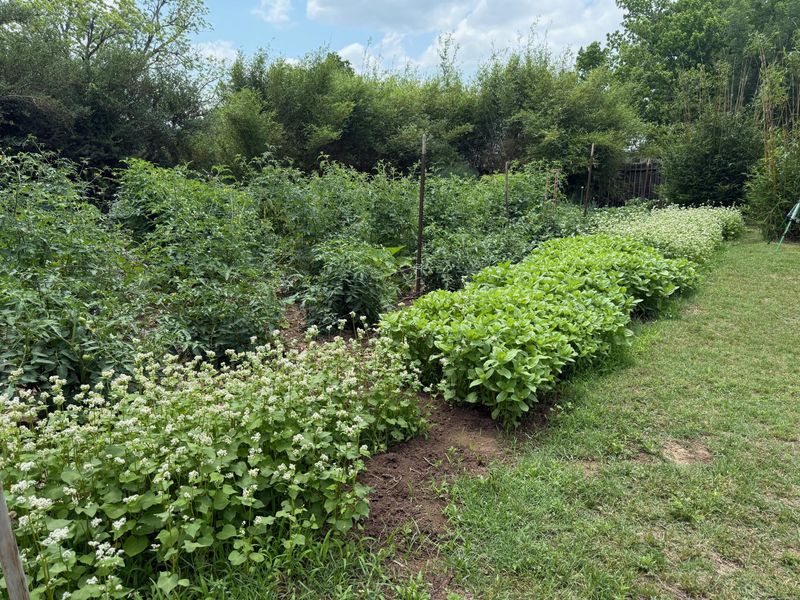
Bare soil in summer is an open invitation for moisture to evaporate fast.
Low-growing groundcovers solve that problem beautifully by shading the soil surface, slowing evaporation, and keeping root zones cooler without requiring you to constantly refresh a mulch layer.
Think of them as a living version of mulch that brings additional texture and color to the garden at the same time.
In North Carolina gardens, native or well-adapted groundcovers tend to work best because they are already built for the climate.
Creeping phlox, liriope, native ginger, and low-growing sedums are a few options worth considering depending on your sun and soil conditions.
Matching the groundcover to the site is the key step most gardeners skip, and mismatched plants end up struggling right alongside the main plants they were supposed to help.
Spacing matters too. Groundcovers planted too closely together can crowd out the shrubs and perennials they share the bed with, competing for water and nutrients rather than simply covering open ground.
Plant them with enough room to fill in naturally over a season or two without overrunning their neighbors.
Once established, a well-chosen groundcover reduces maintenance, keeps soil moisture steadier, and gives the entire bed a finished, intentional look that holds up even during the toughest North Carolina summers.
8. Group Plants By Water Needs
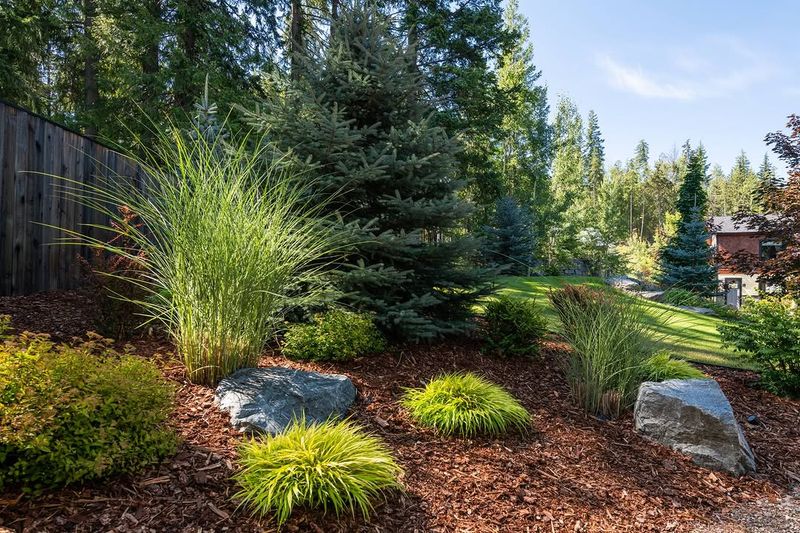
Mixing plants with very different water needs in the same bed is one of the most common reasons gardens struggle in summer heat. When a thirsty plant gets placed next to a drought-tolerant one, someone always loses.
Either the drought-tolerant plant gets overwatered trying to keep the thirsty neighbor happy, or the moisture-loving plant dries out because the gardener does not want to overwater the rest of the bed.
Grouping plants by their water requirements solves this problem at the planning stage.
Drought-tolerant plants like coneflowers, black-eyed Susans, ornamental grasses, and yarrow can share one zone where the soil is allowed to dry out between waterings.
Moisture-loving plants like astilbe, cardinal flower, and certain ferns belong together in a spot where consistent moisture is easier to maintain.
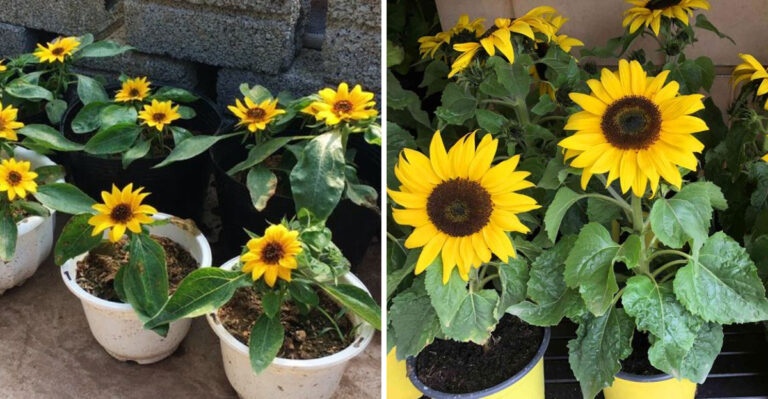
Containers deserve their own separate care zone too, because pots dry out much faster than in-ground beds and need more frequent attention during heat waves.
When plants with similar needs grow together, every drop of water you do apply goes exactly where it is needed most.
This kind of intentional layout also makes it easier to observe which areas of the garden are thriving and which ones need adjustment.
It is one of the smartest organizational habits a North Carolina gardener can build, and it pays off every single summer without adding a single extra gallon to your water bill.
9. Move Containers Out Of Afternoon Sun
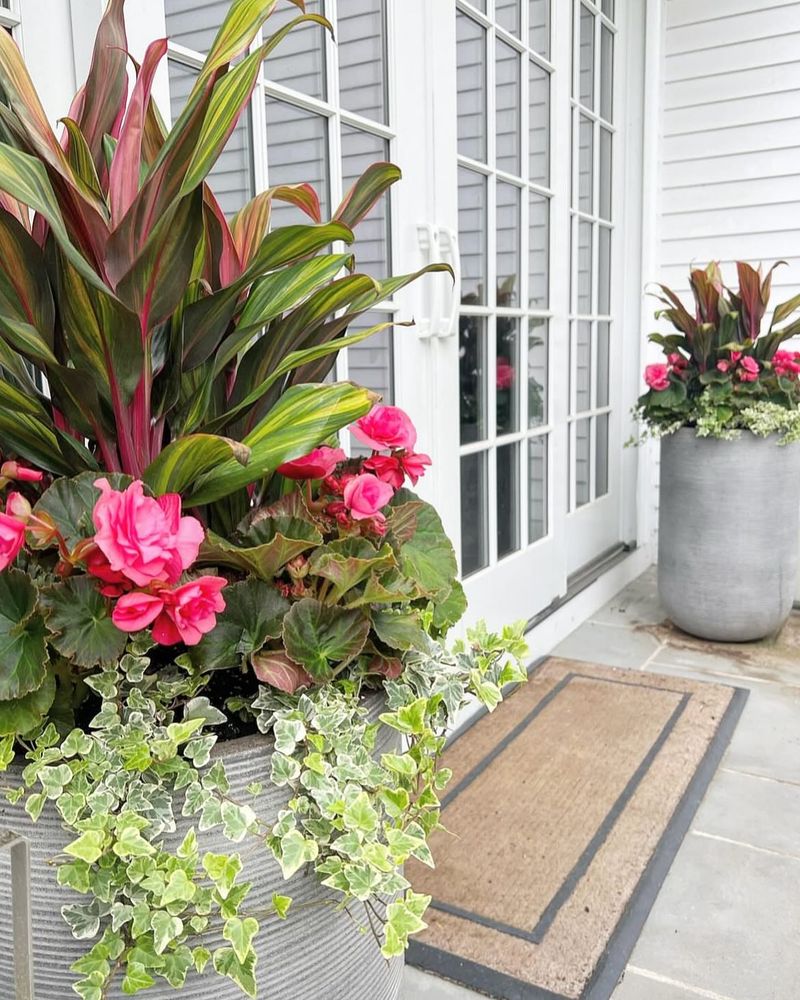
Container gardening comes with a unique summer challenge that in-ground gardeners rarely think about: pots heat up fast.
The walls of a container absorb heat from the sun and transfer it directly to the root zone, which can push soil temperatures to levels that stress or damage plant roots even when the air temperature seems manageable.
Dark-colored pots in full afternoon sun are especially intense, sometimes reaching temperatures that would surprise most gardeners.
Moving containers to a spot that gets morning sun and afternoon shade is one of the easiest ways to keep potted plants looking better without watering them more often.
Morning sun gives plants the light they need for growth and photosynthesis, while the afternoon shade takes pressure off the roots during the hottest part of the day.
Even moving a pot a few feet to the east side of a fence or wall can make a noticeable difference.
Grouping containers together also helps because plants naturally release some moisture through their leaves, and grouped pots create a slightly more humid microclimate around each other.
Larger pots hold more soil volume and dry out more slowly than small ones, so upgrading to a bigger container can stretch the time between waterings.
Avoiding small, dark, thin-walled containers in the hottest exposed spots is a simple swap that keeps plants healthier and reduces how often you need to reach for the watering can.
10. Keep Soil Covered Between Rows
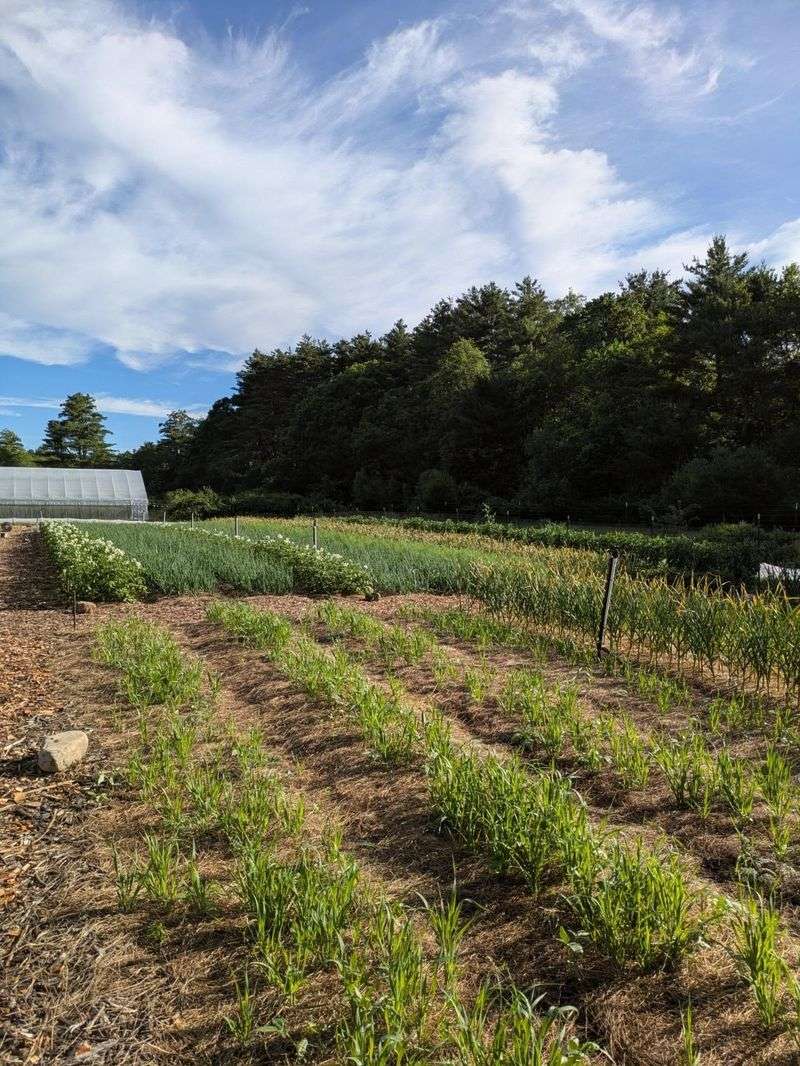
Bare soil bakes in the North Carolina summer sun faster than most gardeners expect.
When left uncovered, the top layer of soil can reach temperatures that slow root activity, speed up moisture evaporation, and create conditions that make it harder for plants to absorb the water that is already there.
Covering those open spaces between vegetable rows is a straightforward fix that pays off quickly.
Straw, shredded leaves, pine straw, and untreated dry grass clippings all work well as row cover materials. Even flattened cardboard placed under a layer of mulch can suppress weeds and insulate the soil in pathways where you walk between beds.
The goal is simply to eliminate bare ground wherever possible, because every uncovered patch is a place where moisture escapes and soil temperature climbs unnecessarily.
Covered soil stays several degrees cooler than bare soil, which matters a lot when air temperatures are already in the nineties.
Cooler soil retains moisture better, supports steadier root conditions, and gives plants a more stable foundation to work from during heat stretches.
Weeds also have a much harder time establishing in covered pathways, which reduces competition for the water your plants need most.
It is a low-effort change that makes the entire vegetable garden more resilient, and the materials needed are often things you already have on hand from yard cleanup or seasonal garden work.
11. Avoid Heavy Pruning In Peak Heat
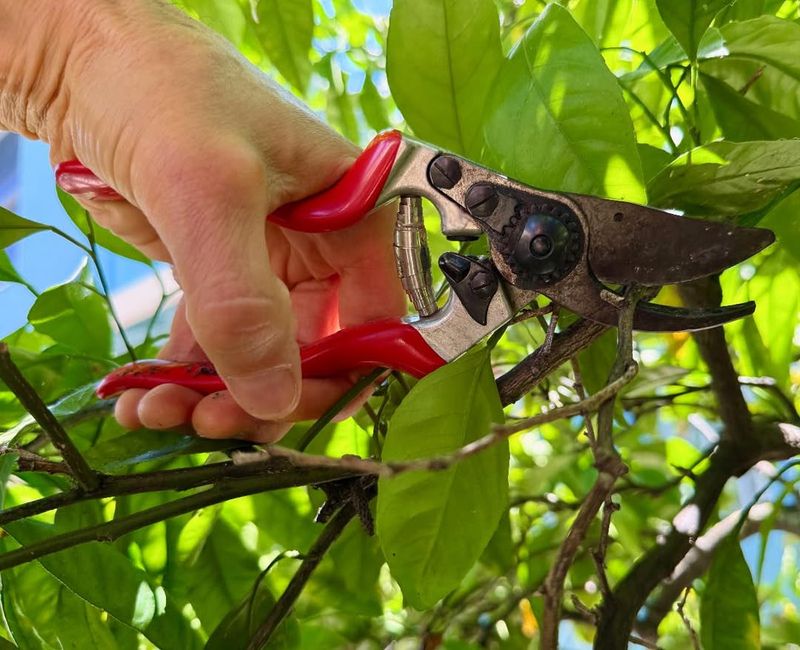
Grabbing the pruning shears on a hot July afternoon might feel productive, but heavy cutting during peak heat can actually set your plants back rather than help them.
When you remove a significant portion of a plant’s foliage, you expose the remaining leaves, stems, and even fruit to stronger direct sunlight than they were previously receiving.
That sudden exposure can cause sunscald, wilting, and stress that takes weeks to recover from.
Healthy foliage does more than just look good. Leaves shade the stems and soil below them, helping keep the plant’s own root zone a few degrees cooler during hot afternoons.
Removing too much of that canopy at the wrong time strips away a layer of natural protection the plant was using to manage heat on its own terms.
Saving major shaping, renovation pruning, or hard cutbacks for cooler seasons like early spring or fall is the smarter long-term approach.
During summer, stick to light cleanup work: removing spent flowers through deadheading, snipping off any broken or clearly diseased stems, and tidying up obvious stragglers.
These small tasks keep the garden looking cared for without adding stress to plants that are already working hard just to stay comfortable.
A little patience with the pruning schedule goes a long way toward keeping your North Carolina garden looking vibrant straight through the hottest stretch of the year.
12. Choose Heat-Tough Plants For The Next Round
Every summer teaches North Carolina gardeners something new about which plants genuinely love the heat and which ones just tolerate it.
The most effective long-term heat strategy is building your garden around plants that are already built for this climate, so the season feels less like a battle and more like a showcase.
Okra, sweet potatoes, and peppers thrive in summer heat and often produce their best results when temperatures climb. Basil loves warm soil and full sun, making it a reliable warm-season herb that fits right into any vegetable or kitchen garden.
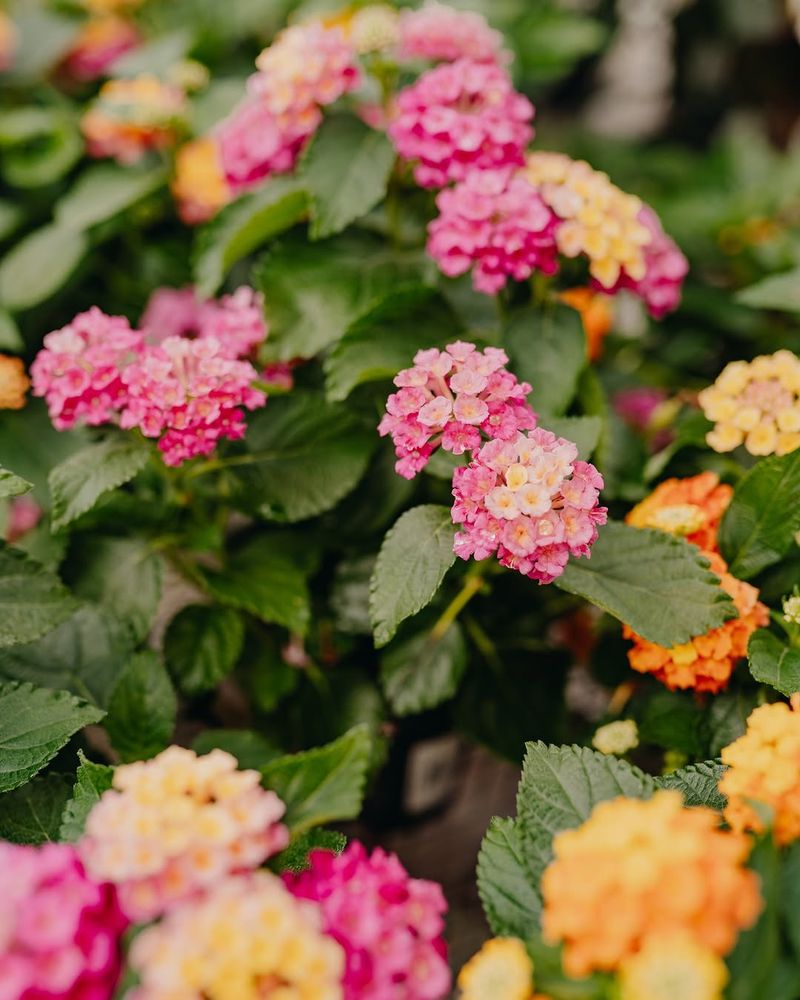
On the ornamental side, zinnias bring bold color through the hottest months without complaint. Heat-tolerant lantana cultivars attract pollinators while shrugging off drought and intense sun.
Native coneflowers, black-eyed Susans, and yarrow are built for North Carolina conditions and ask for very little once established. Ornamental grasses add movement and texture while handling summer heat with ease.
Mulch, shade cloth, soil cover, smart plant placement, water-wise grouping, and good plant selection all work together to create a garden that stays vibrant with far less extra watering.
None of these hacks require expensive equipment or complicated schedules. They are practical, proven habits that match the way North Carolina summers actually work. Start with one or two changes this season and build from there.
Your garden will reward you with color, productivity, and resilience even through the most demanding weeks of summer.