The One Herb Florida Gardeners Grow That Repels Mosquitoes Better Than “Citronella”
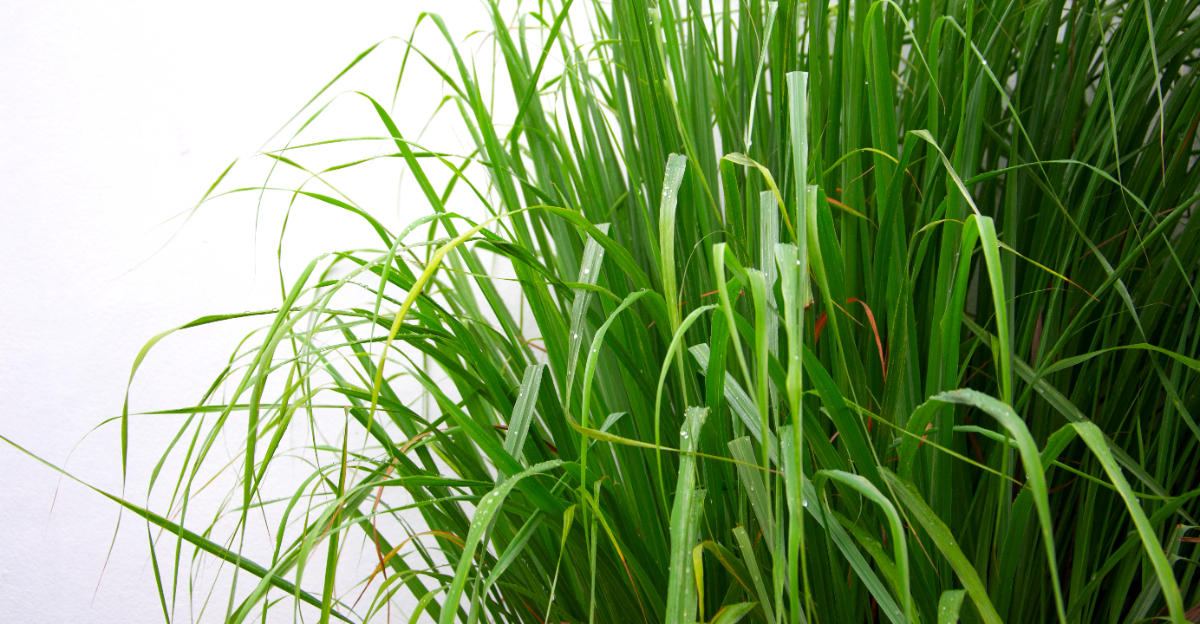
Walk through any Florida garden center in summer and it is hard to miss. A plant labeled “Citronella” or “Mosquito Plant” sitting near the checkout, positioned like a solution.
Florida homeowners grab it every season hoping for a natural fix to backyard mosquitoes. The results rarely match the expectation.
The confusion starts with the name. “Citronella” gets applied loosely to several different plants at the retail level, and most shoppers have no idea they are not all the same thing.
That mix-up matters, because the herb that actually earns consistent praise from experienced patio gardeners is something different entirely.
It grows fast in Florida heat, fills a container beautifully, and carries a bold fragrance that mosquitoes find hostile. It also pulls double duty in the kitchen on top of everything else.
A living plant is not a replacement for proven mosquito control. But this one makes a genuinely strong case for itself.
1. Lemongrass Is The Herb Behind The Stronger Patio Claim
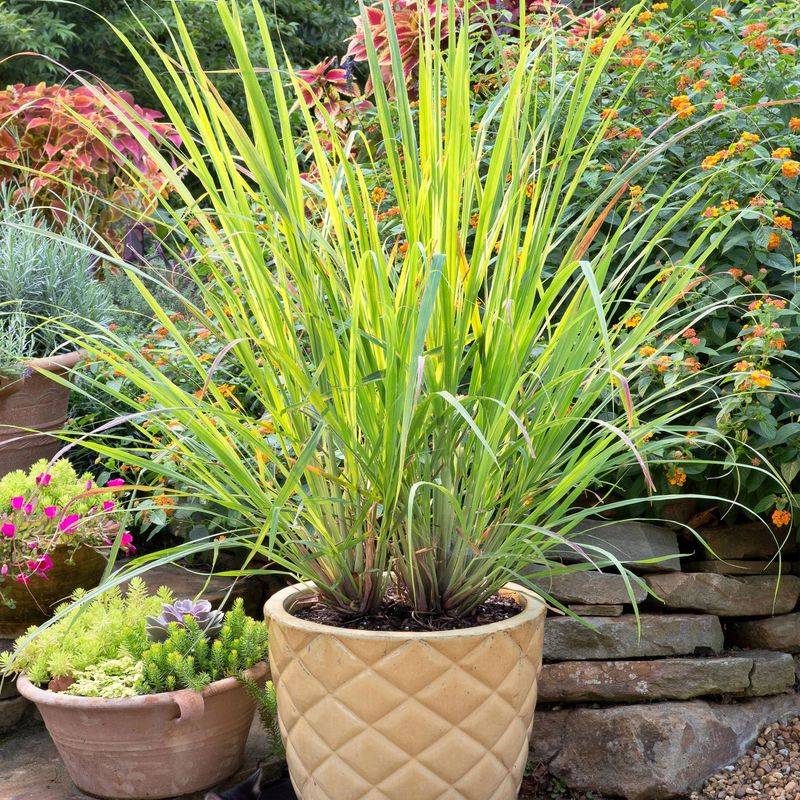
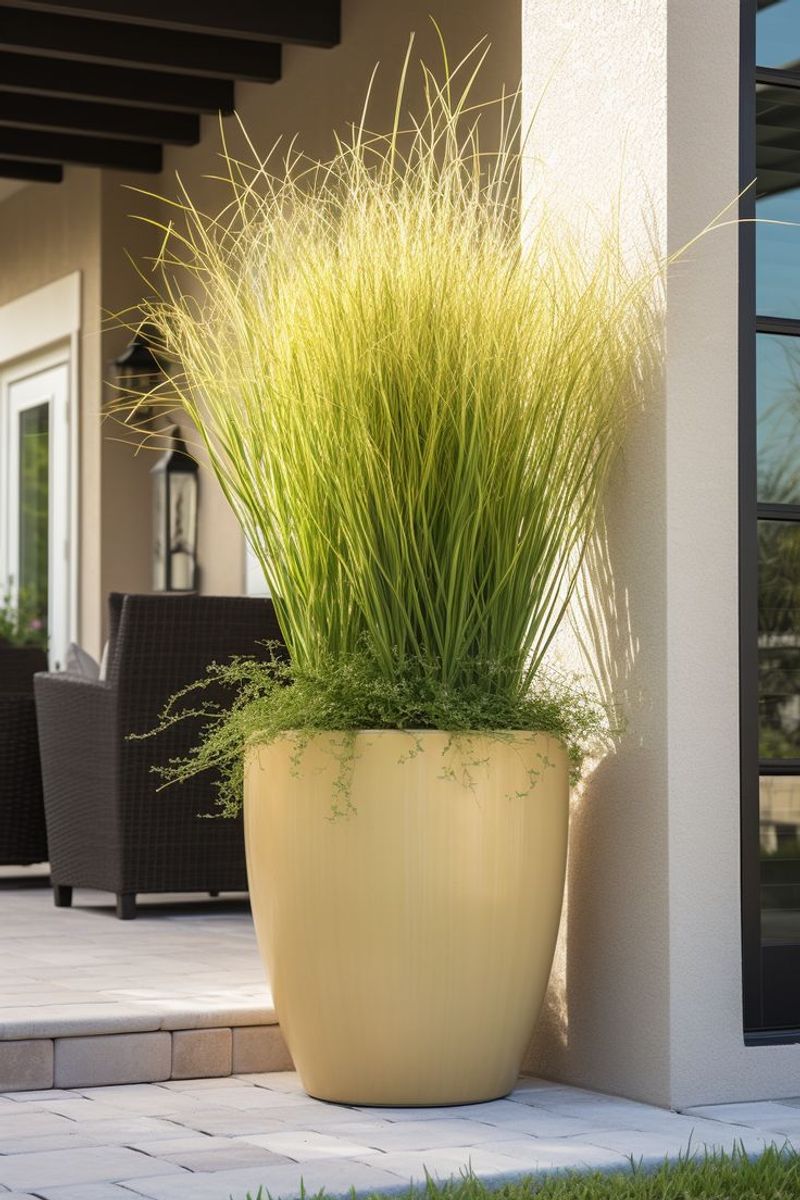
A tall lemongrass clump sitting beside a patio chair makes an immediate impression. Its upright, grassy texture and sharp lemony scent set it apart from almost any other herb you can grow in a container.
Cymbopogon citratus is a true culinary herb with edible stalks used in cooking across many Southeast Asian and Caribbean cuisines. That dual role, fragrant and edible, gives it a clear advantage over most ornamental patio plants.
The scented geranium commonly sold as “Citronella” or “Mosquito Plant” at garden centers is usually a Pelargonium species. It smells pleasant when leaves are brushed, and it looks attractive in a pot.
However, its reputation as a mosquito-fighting plant has been stretched far beyond what research supports. It is primarily ornamental, and its mosquito-repelling performance in real outdoor conditions is not well documented.
Lemongrass, by contrast, brings fragrance, structure, culinary value, and strong heat tolerance to a patio setup. It can grow several feet tall and wide in warm conditions, making it visually bold and practically useful.
Calling it the stronger patio choice is not an exaggeration, but it is also not a claim that lemongrass creates a mosquito-free zone. A fragrant herb and a tested repellent are two very different tools.
Choosing lemongrass over the garden-center geranium is a smart patio decision. Just keep expectations realistic and pair it with good mosquito habits.
2. Why The “Citronella Plant” Often Disappoints Florida Homeowners
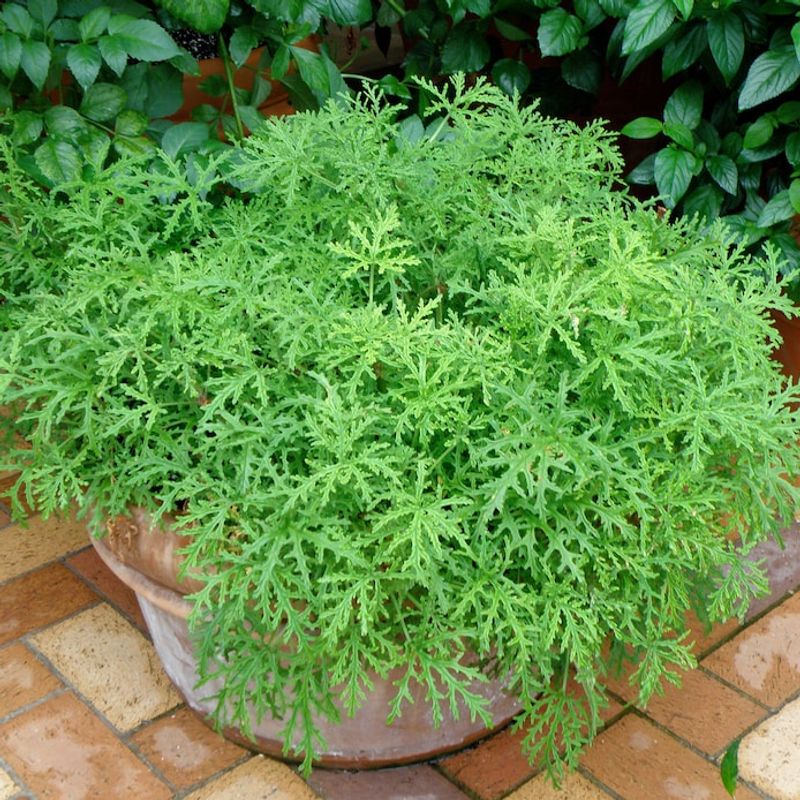
The problem is not that the common mosquito plant smells bad or looks unattractive. It is that many people buy it expecting it to work like a bottled repellent.
That is where expectations fall apart.
The scented geranium often sold as a citronella plant may release a lemony fragrance when the leaves are crushed or rubbed. Sitting untouched in a pot, though, it does not send out a protective shield around a porch, lanai, or backyard table.
Mosquitoes are aggressive in Florida because the climate gives them almost everything they need. Warm temperatures, humidity, afternoon rain, irrigation, birdbaths, clogged gutters, saucers under pots, and dense landscaping all help them breed and hide.
Your Florida Garden Changes Every Week. Your Plan Should Too.
Gardening in Florida changes quickly throughout the season. Every Friday you’ll receive a simple weekly plan showing exactly what to plant, prune, fertilize, harvest, and protect so you never miss the right timing.
One small ornamental plant near a patio door cannot compete with that kind of pressure.
Lemongrass is different because it has a stronger presence in the garden. The plant grows larger, produces a more noticeable lemon scent, and fits naturally into edible landscaping.
That does not make it magic, but it does make it a more convincing choice for gardeners who want a useful plant instead of a marketing gimmick.
3. Lemongrass Loves Florida Heat
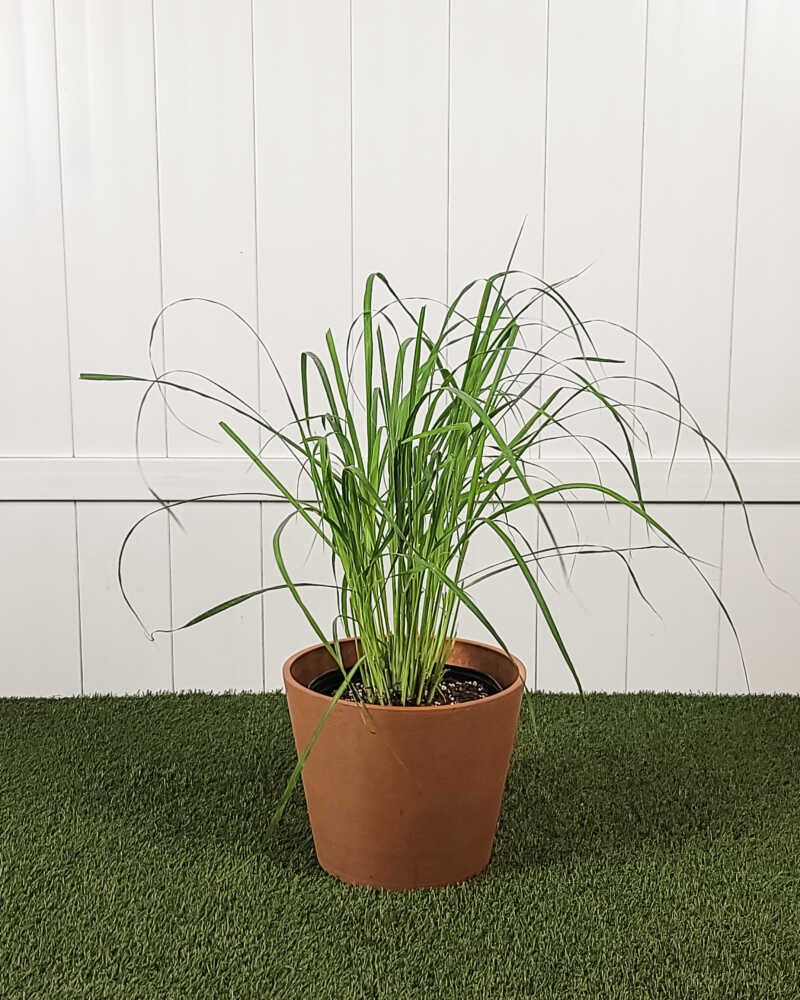
Florida summers can be brutal on delicate patio plants. The sun is intense, rainfall can swing from drought to downpour, and humidity makes some herbs weak or disease-prone.
Lemongrass handles heat better than many soft Mediterranean herbs and grows quickly when given enough light, water, and space.
In much of the state, lemongrass can be grown as a perennial in warm locations. In cooler northern parts of the state, it may slow down or suffer during cold snaps, especially if planted in the ground without protection.
That is why containers are such a smart option.
A large pot lets gardeners move lemongrass closer to seating areas during mosquito season and shift it to a protected spot during chilly weather. It also keeps the plant controlled, since mature clumps can become quite large when they are happy.
For best results, place lemongrass where it receives plenty of sun. A cramped, shaded corner will not give you the lush, fragrant growth that makes this herb so appealing.
4. How To Use Lemongrass Around A Patio
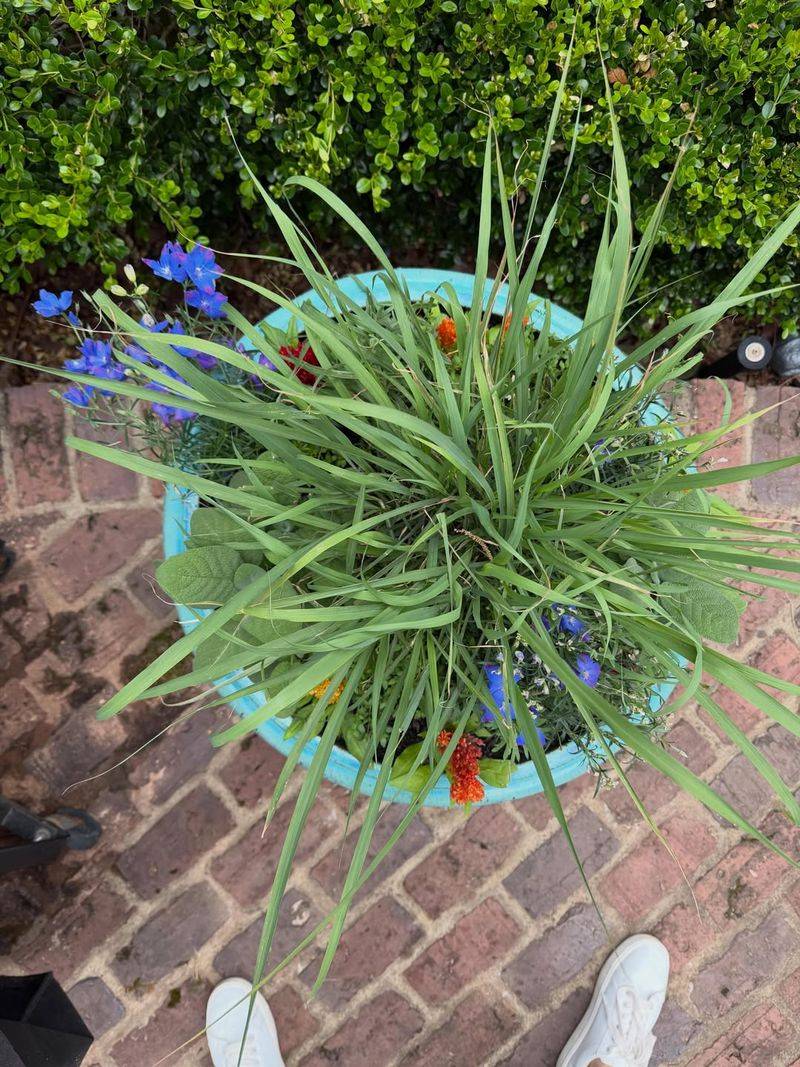
The best way to use lemongrass is as part of a layered patio setup, not as a single solution.
Place one or two large containers near the areas where people actually sit, such as beside outdoor chairs, near a grill station, or around the edge of a screened entry.
The plant’s tall, fountain-like shape adds movement and texture, so it looks intentional rather than purely functional.
Brushing the leaves gently can release more fragrance, but gardeners should handle the blades carefully because mature lemongrass leaves can have sharp edges.
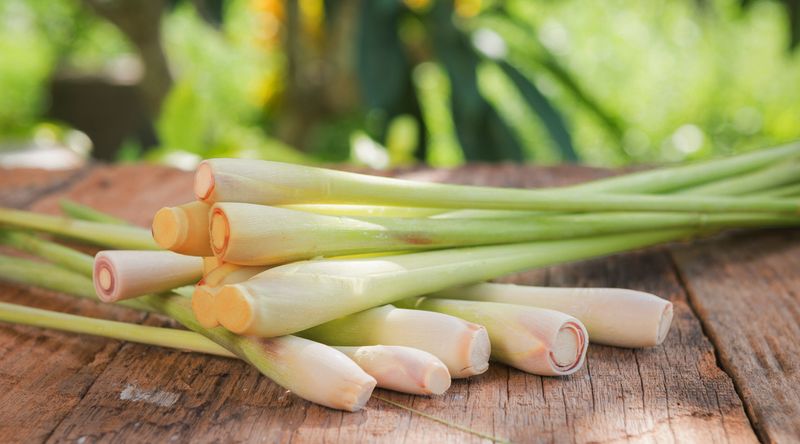
The most useful edible part is usually the lower stalk, which can be harvested for cooking once the plant is established.
Lemongrass pairs well with other sunny, heat-tolerant herbs such as rosemary, basil, mint in its own separate pot, and oregano. These plants will not eliminate mosquitoes either.
However, they create a fragrant, useful patio garden that feels much more rewarding than buying a single so-called mosquito plant and hoping for the best.
The real advantage is that lemongrass still earns its place even when mosquitoes are not the issue. You can cook with it, enjoy its scent, and use it as a bold container accent.
5. What Lemongrass Can And Cannot Do
This is where Florida gardeners need the honest answer.
A living lemongrass plant may help make a patio feel fresher and less inviting, especially when leaves are brushed or cut. Its scent is one reason people associate it with mosquito control.
But simply placing lemongrass in a pot will not protect exposed skin the way an approved mosquito repellent can. It will not stop mosquitoes from breeding nearby, and it will not make a yard mosquito-free after summer rain.
That does not make the plant useless. It just means it should be used correctly.
Think of lemongrass as a helpful patio herb, not a stand-alone pest control plan. It belongs alongside practical mosquito habits like dumping standing water, cleaning plant saucers, refreshing birdbaths, and keeping gutters clear.
Trimming overgrown vegetation and using fans around outdoor seating areas also help.
Mosquitoes are weak fliers, so airflow can make a real difference on patios and porches. Lemongrass adds beauty and fragrance, while fans, source control, and proven repellents handle the heavier work.
6. Growing Lemongrass In A Florida Container
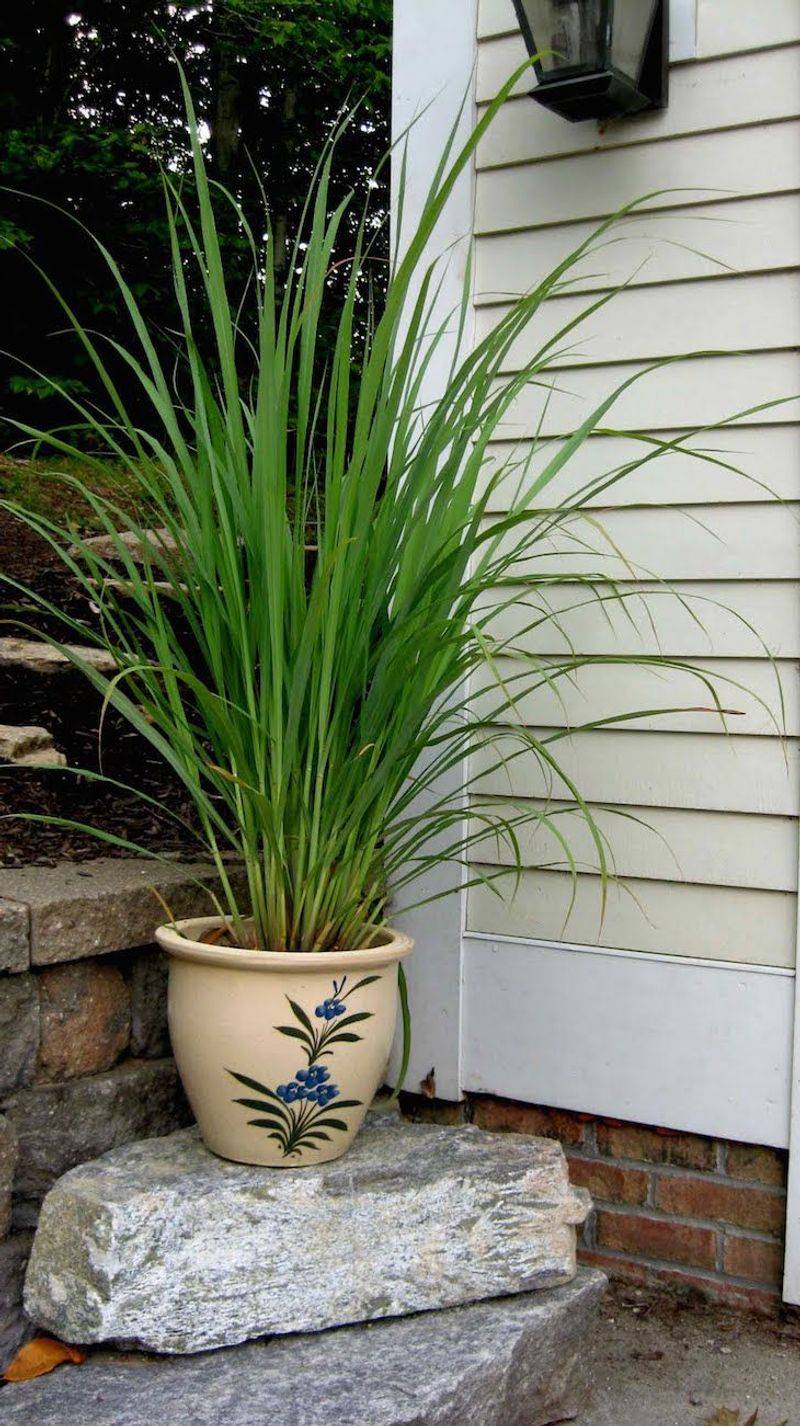
Lemongrass needs room. A tiny nursery pot will not support the kind of growth most gardeners want.
Start with a wide container that has excellent drainage. Use a quality potting mix rather than heavy garden soil, and place the pot in full sun or the brightest location available.
Water regularly while the plant is getting established, especially during hot, dry stretches.
Once it begins growing strongly, lemongrass is fairly forgiving. It appreciates moisture but does not want to sit in soggy soil.
If the tips turn brown, the plant may be too dry, root-bound, or stressed by wind or cold.
Fertilizer can help container-grown lemongrass stay lush through the growing season. A balanced, slow-release fertilizer or occasional liquid feeding is usually enough for patio use.
Harvesting is simple once the clump is large. Cut mature stalks near the base, peel away the tougher outer layers, and use the tender inner portion for cooking.
The leaves can also be cut and used to scent water, teas, or garden bundles, though the texture is usually too tough to eat directly.
7. A Note For Florida Gardeners
Lemongrass should not be treated like a miracle mosquito cure, and it should not be sold as one.
Still, it is one of the best herbs Florida gardeners can grow if they want a patio plant that looks good, carries a bold scent, and handles heat. It also offers more practical value than the typical “mosquito plant” near the checkout line.
The difference comes down to usefulness.
The citronella-scented geranium is attractive, but its mosquito-repelling reputation is often bigger than its real-world performance. Lemongrass brings a stronger garden presence, a fresher citrus fragrance, and edible stalks that can be used in the kitchen.
For homeowners who want a more functional container plant, lemongrass is the smarter buy.
Grow it in sun, give it room, and keep expectations realistic. In a Florida summer, no single potted herb can do all the work against mosquitoes, especially after rain, humidity, and standing water create ideal breeding conditions.
That is why lemongrass works best as one part of a broader patio routine. Pair it with fans, screens, emptied plant saucers, clean gutters, and proven repellents when needed.
Used that way, it becomes more than a plant with a pleasant smell. It becomes a practical, attractive herb that earns its place all season long without promising more than it can deliver.