7 Most Expensive Gardening Mistakes Michigan Homeowners Make, According To Landscape Designers
While gardening mistakes usually mean dead plants or poor harvests, landscape designers in Michigan repeatedly see design errors that carry much higher price tags.
Poor plant placement, inadequate soil prep, and choosing trees or shrubs that outgrow their space all lead to costly, long-term problems that eventually require professional correction.
Michigan’s specific climate adds layers to some of these mistakes that make them more costly here than they would be in more forgiving growing environments.
Understanding where experienced designers consistently see homeowners lose the most money is genuinely useful information before any significant investment in the landscape goes forward.
1. Starting Without A Full Budget
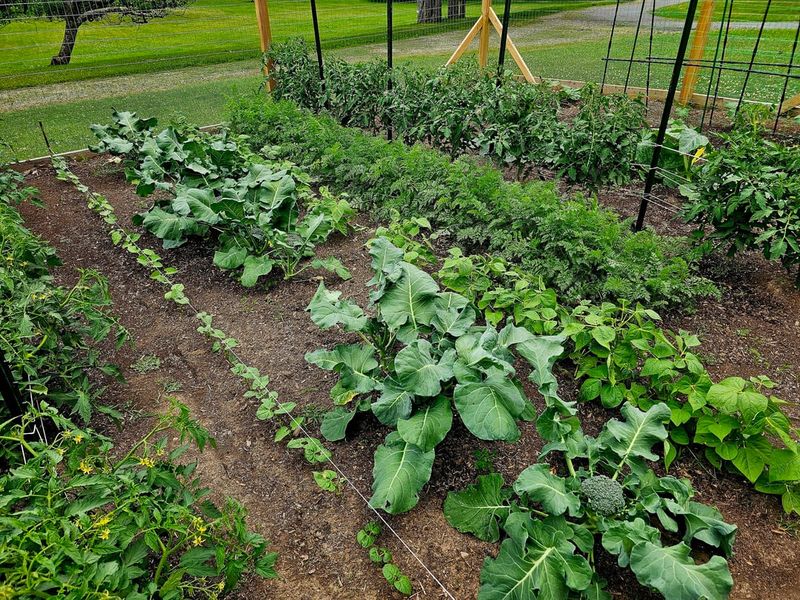
Picture this: you head to the nursery for a few perennials, and three hours later you are loading a truck full of plants, mulch, and edging materials you had not planned for.
It happens to almost every Michigan homeowner who starts a garden without mapping out the full cost first.
Landscape designers say this is one of the most expensive patterns they see, and it rarely ends with just one extra trip to the store.
A real garden budget covers far more than plants. Soil amendments, mulch, irrigation lines, lighting, edging, tools, delivery fees, and labor all add up fast.
Drainage fixes alone can run into the hundreds or even thousands of dollars if your yard has low spots or clay-heavy soil.
Pest management and seasonal pruning are ongoing costs that many first-time gardeners forget to factor in until the bills arrive.
Designers often recommend building out a complete project plan before purchasing anything, even if you plan to complete the work in phases over several years.
Knowing the full picture helps you set realistic expectations and avoid the frustration of half-finished beds when the budget runs dry.
Phasing is smart, but phasing without a master plan almost always leads to design inconsistencies and wasted spending.
A landscape professional or even a free MSU Extension consultation can help you sketch out costs before you commit to anything, saving you real money in the long run.
2. Planting Before Understanding The Yard
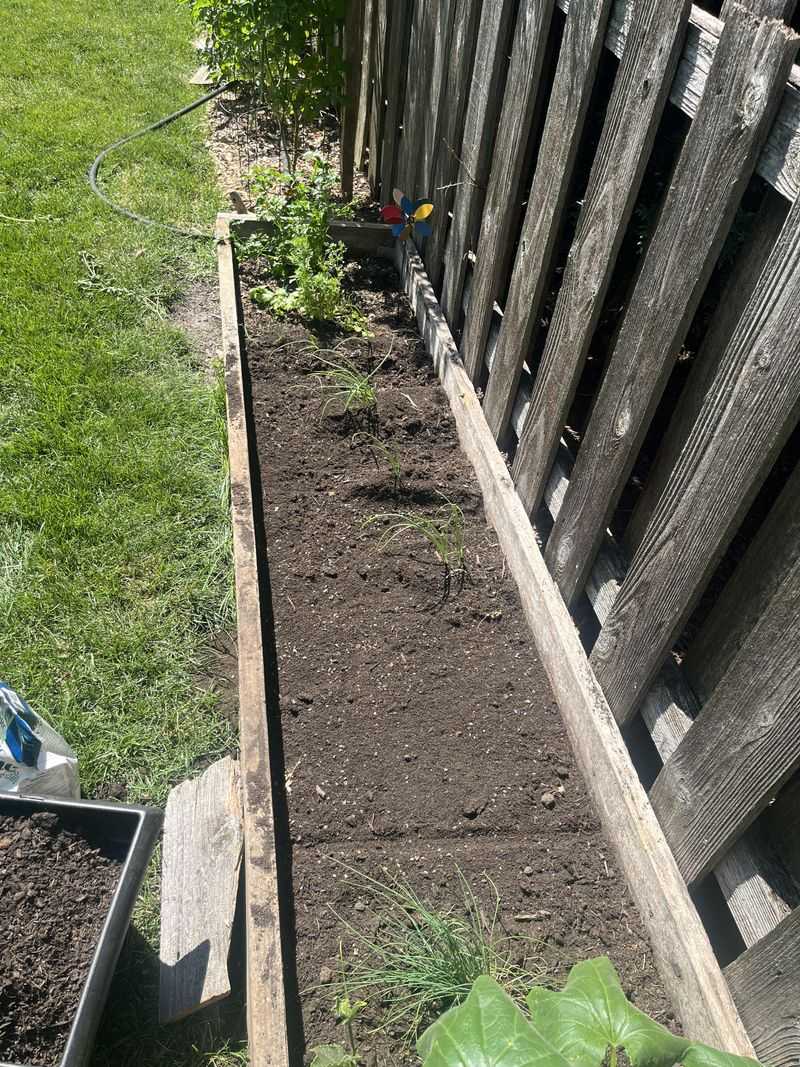
Before a single plant goes in the ground, your yard is already telling you exactly what it needs.
Most Michigan homeowners skip this conversation entirely, heading straight from the nursery to the garden bed with beautiful plants that are completely wrong for the spot.
Landscape designers call this one of the fastest ways to watch your landscaping budget shrink.
Michigan yards can have wildly different growing conditions from one side of the house to the other.
The south-facing front bed might bake in full sun all afternoon while the north side of the house stays cool and shaded most of the day.
Wind patterns, soil moisture, drainage, winter exposure, deer pressure, and foot traffic all shape what will actually thrive in a specific spot.
A plant that looks perfect at the nursery can struggle or fail completely if it ends up in the wrong microclimate.
Spending a few weeks observing your yard before planting pays off enormously. Track where the sun hits in the morning versus the afternoon.
Your Michigan Garden Changes Every Week. Your Plan Should Too.
Gardening in Michigan changes quickly throughout the season. Every Friday you’ll receive a simple weekly plan showing exactly what to plant, prune, fertilize, harvest, and protect so you never miss the right timing.
Notice which areas stay wet after a rainstorm and which dry out quickly. Watch for spots where deer wander through or where foot traffic wears the grass thin.
Taking notes or even simple photos helps you build a clear picture of your yard’s personality.
When you finally match the right plant to the right place, you spend far less money replacing struggling plants and far more time actually enjoying your garden.
3. Skipping A Soil Test
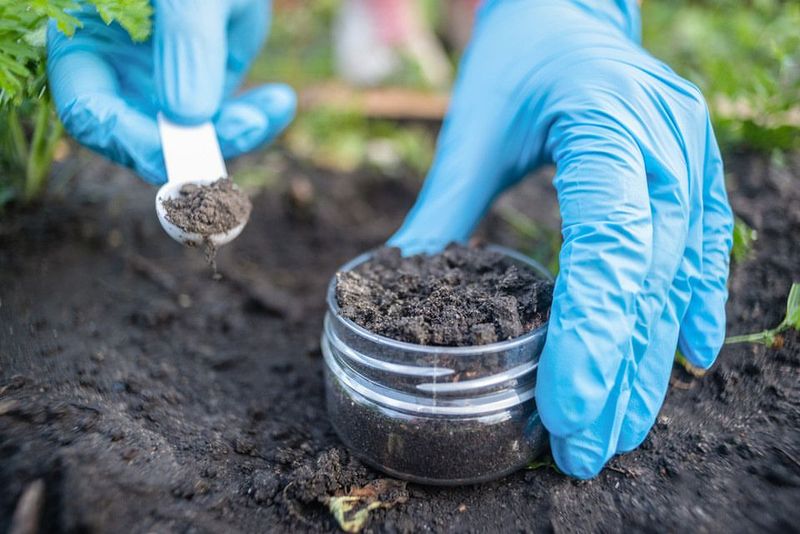
Guessing about your soil is basically the same as throwing money into the garden bed and hoping something grows.
Michigan soils vary dramatically across the state, from sandy loam in the west to heavy clay in many suburban areas, and what works in your neighbor’s yard might do almost nothing in yours.
An MSU Extension soil test changes that guessing game into a clear, affordable action plan. For just a small fee, an MSU soil test tells you your soil’s pH level, nutrient content, organic matter percentage, and specific recommendations for whatever you plan to grow.
That information is genuinely powerful. If your soil is too acidic, lime will fix it.
If it is low in phosphorus, targeted fertilizer addresses the problem without overloading other nutrients.
Without that data, many homeowners apply products they simply do not need, spending money on fertilizers and amendments that sit unused or even cause harm to plants.
Over-fertilizing is a real problem that many gardeners do not realize they are doing.
Too much nitrogen can push leafy growth at the expense of flowers and fruit, and excess fertilizer can run off into waterways, which is both wasteful and harmful to the environment.
Weak, pale, or slow-growing plants are often blamed on the wrong cause, leading to more purchases that miss the actual issue entirely.
A soil test removes that uncertainty and gives you a straightforward path forward. MSU makes the process simple, and the small upfront cost saves far more than it costs over a full growing season.
4. Buying Plants Without Checking Mature Size
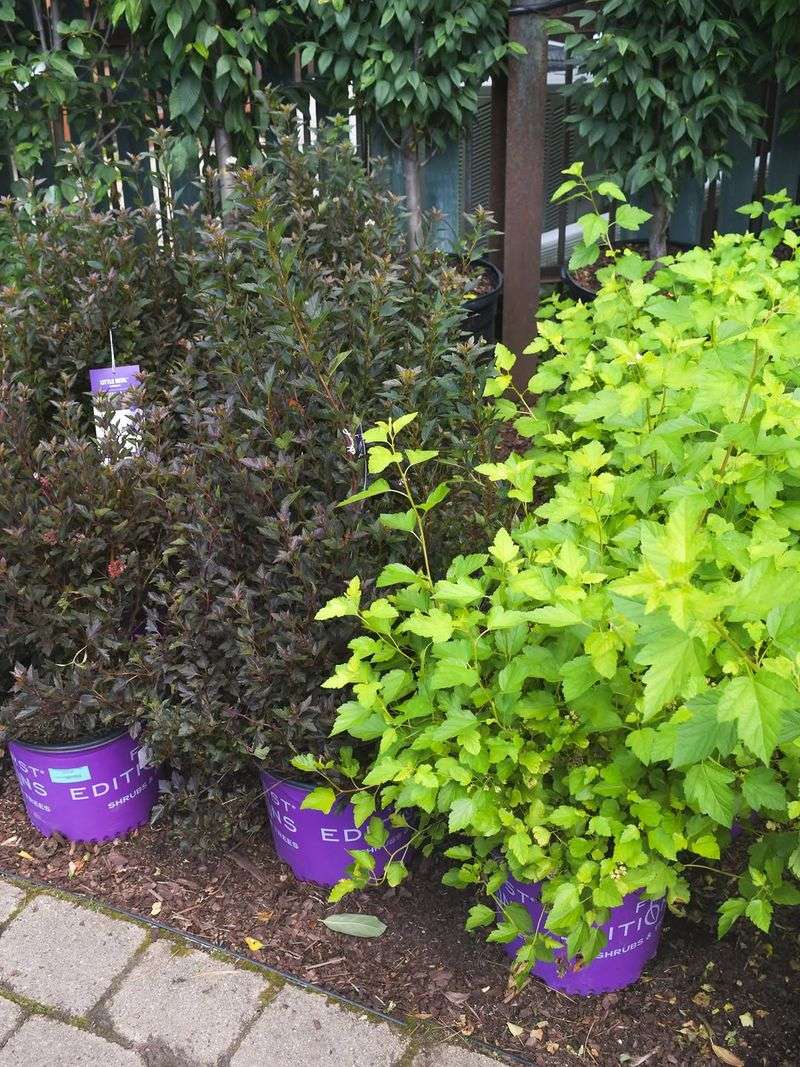
That adorable little shrub at the nursery, sitting neatly in a one-gallon pot with a cheerful tag, has a secret. In five to ten years, it might be four feet wide and blocking your front window entirely.
Buying plants based on how they look at the nursery without checking their mature size is one of the most common and costly landscaping mistakes Michigan homeowners make.
Foundation plantings are where this mistake shows up most often. A small arborvitae planted near a front door can eventually tower over the roofline.
Spreading junipers that seem perfect along a walkway can eventually swallow the path. Shrubs planted too close to air-conditioning units can block airflow and reduce efficiency.
Trees placed under utility lines require expensive annual trimming. These are not rare situations, and landscape designers across Michigan see them constantly.
Before you plant anything near a window, door, driveway, patio, fence, or utility line, look up the mature height and spread.
Most nursery tags include this information, and the MSU Extension plant database is a reliable free resource for double-checking.
A plant that matures at six feet wide needs at least three feet of clearance from any structure, and more is usually better.
Thinking about the plant at full size rather than its current nursery size saves you from years of aggressive pruning, costly removal, and replanting expenses.
A little research at the start keeps your landscape looking intentional and well-proportioned for decades.
5. Planting Too Much Of One Thing
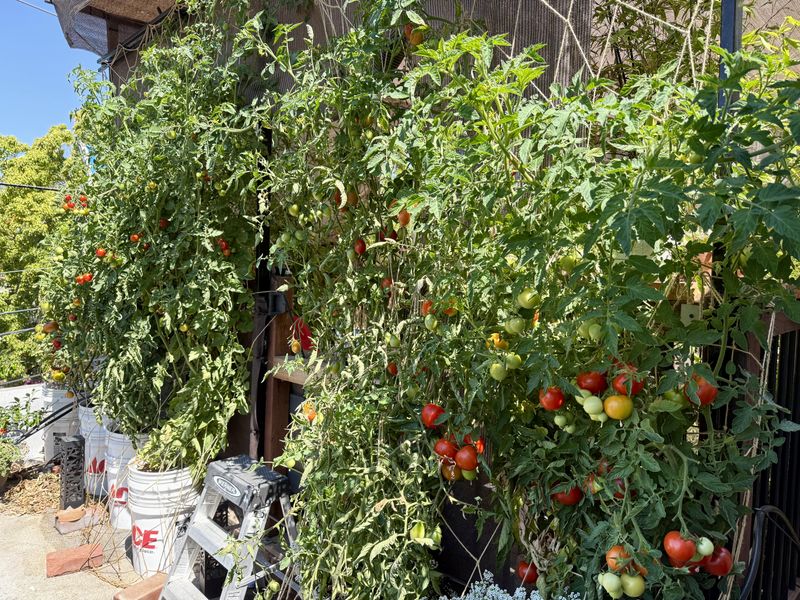
There is something satisfying about finding a plant you love and wanting to use it everywhere.
Burning bush along every border, arborvitae lining every fence, hostas filling every shady corner.
It feels cohesive in the moment, but landscape designers and MSU Extension specialists will tell you that this approach creates a yard that is quietly setting itself up for expensive problems.
MSU follows a well-known diversity guideline in landscape management: no single species should make up more than ten percent of the total planting in a landscape. The reasoning is straightforward.
When one plant type dominates a yard, any pest, disease, or weather event that targets that species can wipe out a huge portion of your landscaping at once.
The emerald ash borer already stripped millions of ash trees from Michigan neighborhoods, and homeowners who had planted ash trees heavily paid enormous removal costs as a result.
A diverse planting palette spreads the risk across many species. If one plant struggles during a dry summer or develops a fungal issue, the rest of the landscape keeps looking great.
Diversity also supports pollinators, birds, and beneficial insects that help your garden stay healthy naturally.
Mixing trees, shrubs, perennials, ornamental grasses, and groundcovers of different species creates a yard that is visually interesting through every season and far more resilient over the long term.
Choosing variety from the start is not just about aesthetics. It is genuinely one of the smartest financial decisions a Michigan gardener can make for the health of their landscape.
6. Making Mulch Volcanoes Around Trees
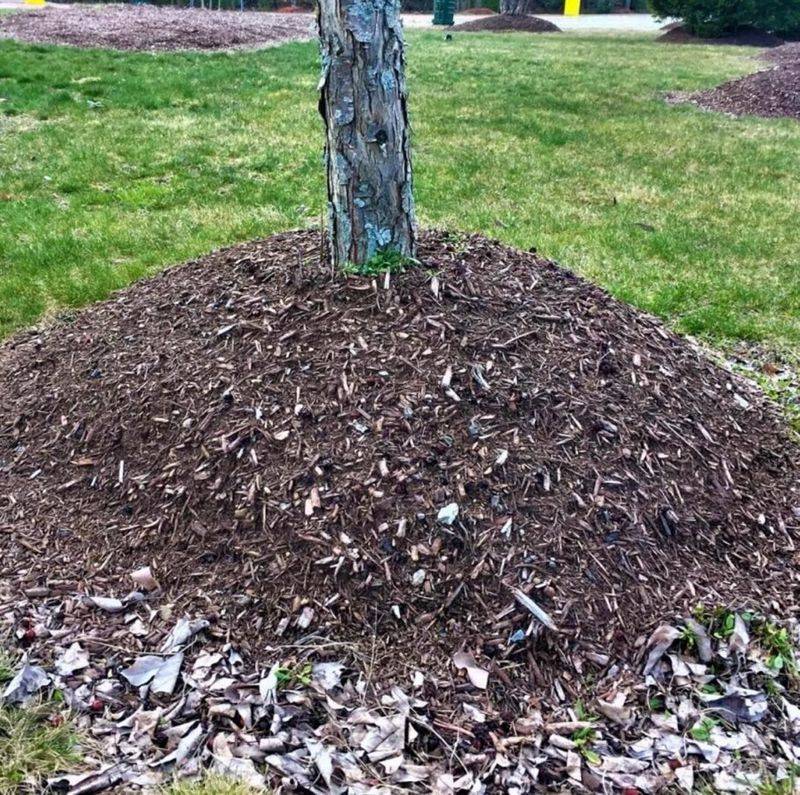
Walk through almost any Michigan neighborhood and you will spot them: trees surrounded by steep mounds of mulch piled right up against the bark, sometimes six or eight inches high.
Landscapers and homeowners often think this looks tidy and professional, but it is one of the most widespread and damaging tree care mistakes in the state.
MSU Extension has been warning about mulch volcanoes for years, and the problem is still everywhere. Bark is not designed to stay constantly moist.
When mulch presses against the base of a tree trunk, it traps moisture against the bark and creates a warm, dark environment where fungal disease and rot can take hold over time.
It also encourages the tree to grow roots upward into the mulch pile rather than outward and downward into the soil.
Those circling roots can eventually wrap around the base of the trunk and restrict the tree’s ability to move water and nutrients properly.
The correct approach is simple and easy to remember.
MSU recommends spreading two to three inches of mulch in a wide, flat ring around the tree, keeping a clear gap of several inches between the mulch and the actual trunk.
Think of it as a wide, flat doughnut shape rather than a mound. The ring can extend out to the drip line of the tree for maximum benefit.
Proper mulching holds moisture in the soil, moderates soil temperature, and reduces competition from grass and weeds, all without putting the tree at risk.
Getting this right costs nothing extra and can add years of healthy growth to your trees.
7. Putting Sun-Loving Gardens In Shade
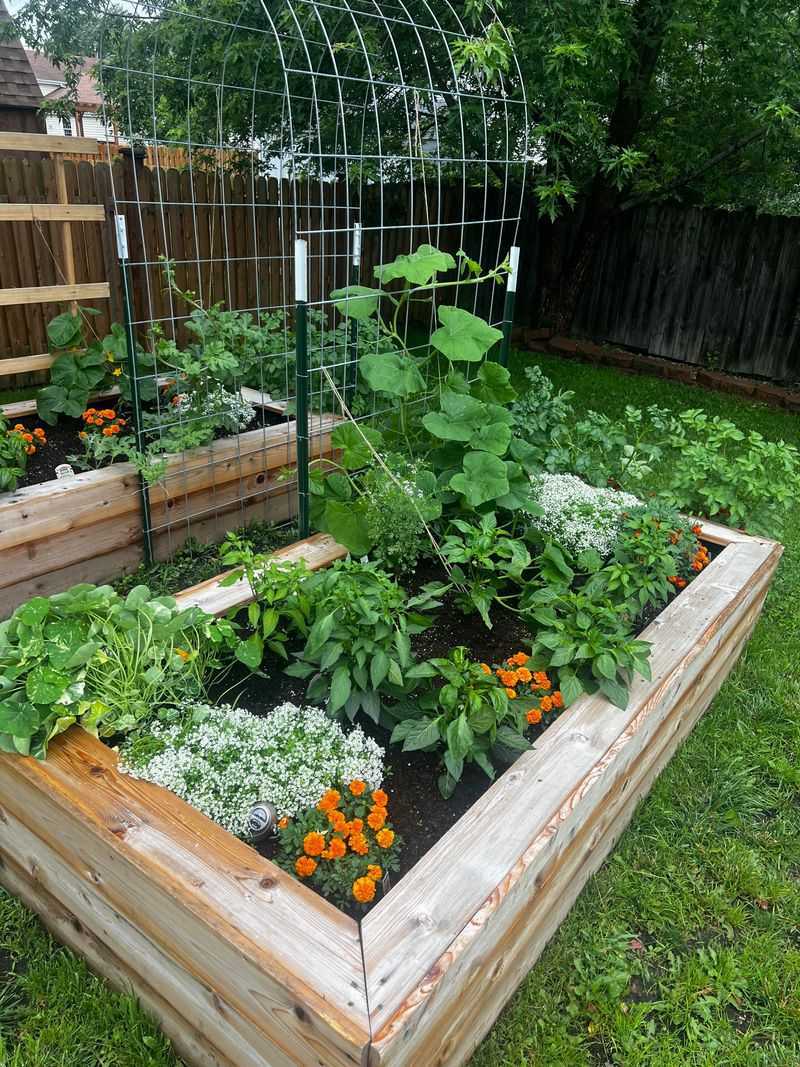
Every summer, Michigan homeowners plant tomatoes, peppers, roses, or strawberries in spots that simply do not get enough sun, and then spend the whole season wondering why nothing is thriving.
The plants look pale, grow slowly, produce very little fruit or almost no flowers, and seem to attract every fungal disease in the county.
The frustrating part is that the problem usually has nothing to do with fertilizer, watering habits, or plant quality.
It comes down to light. Most vegetables need a minimum of six to eight hours of direct sunlight each day to produce well. Roses and many popular flowering perennials have similar requirements.
When those plants end up in spots shaded by mature trees, house overhangs, fences, or neighboring structures, they spend their energy just trying to survive rather than producing the blooms and harvests you are hoping for.
Repeated plant replacement in a shady spot adds up quickly, and many homeowners cycle through plants for years before realizing the location itself is the issue.
The fix starts before you plant anything. Spend a day tracking sunlight across your yard at two-hour intervals and take notes on which areas get full, partial, or deep shade.
Reserve the sunniest spots for vegetables, fruits, and sun-loving flowers. Shady areas are not wasted space at all.
Ferns, astilbe, hostas, coral bells, and native woodland plants can turn a dim corner into a lush, low-maintenance garden that looks intentional and thrives with very little effort.
Matching plants to the actual light conditions in your yard is the single most reliable way to get consistent, satisfying results every growing season.