Why Ruby-Throated Hummingbirds Pass Through Connecticut Without Stopping
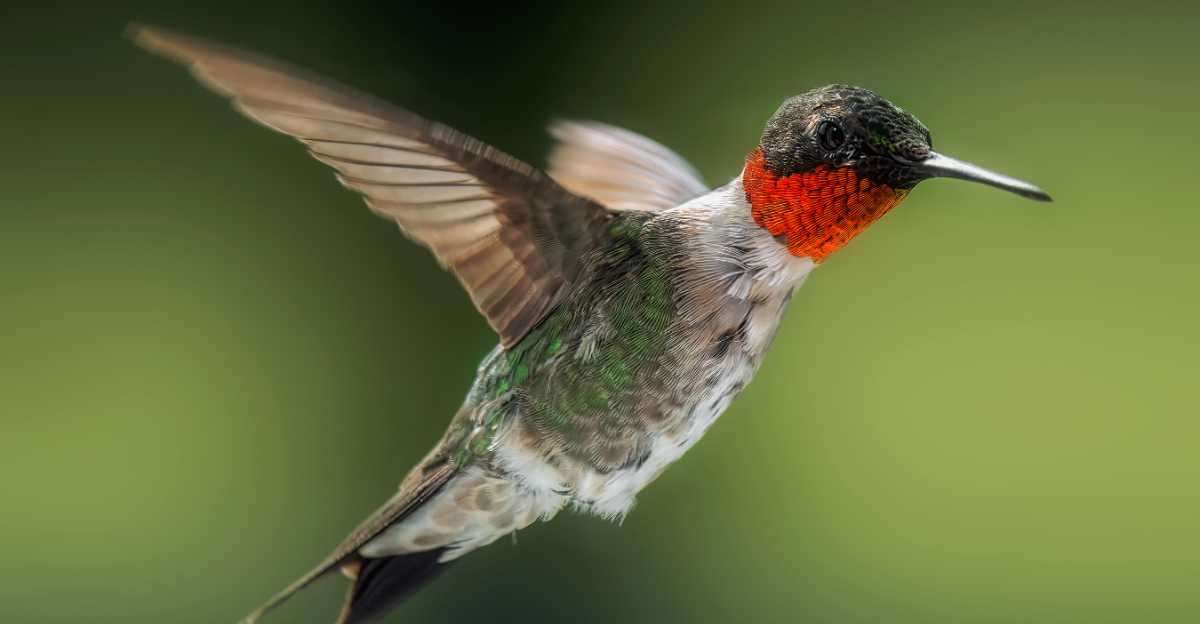
Every fall, Connecticut gardeners do the same thing. They glance out the window, spot a flash of green at the feeder, and by the time they grab their phone, it is gone.
Ruby-throated hummingbirds treat Connecticut like a highway rest stop. They touch down, fuel up, and disappear before most people even realize what just flew through.
The truth is, these birds are not being rude. They are on a mission, and Connecticut is just one small chapter in a much bigger journey. Some years they linger. Most years they do not.
What makes the difference often comes down to what your yard is or is not offering them. If you have ever wondered why your hummingbirds never seem to stay long enough, the answer is part biology, part timing, and part backyard setup.
Connecticut Is A Pit Stop, Not A Destination
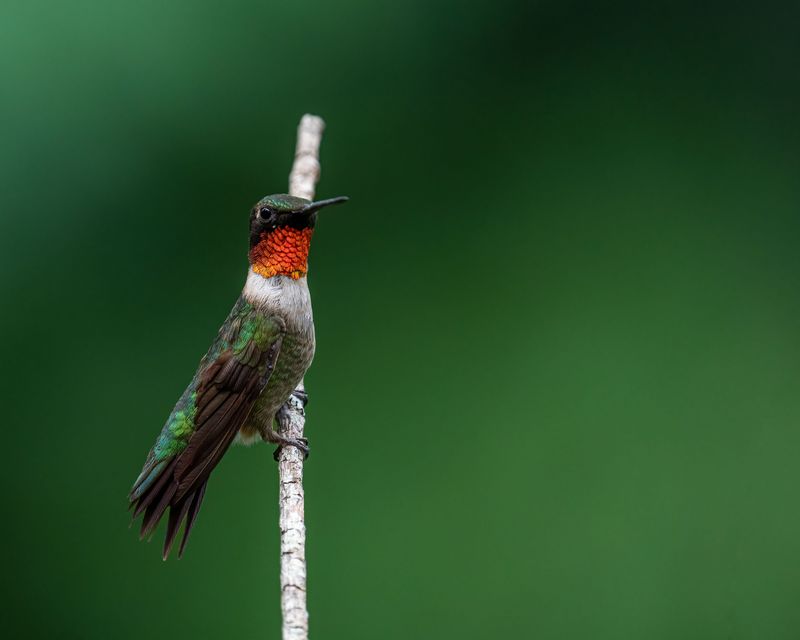
Blink and you might miss them. Ruby-throated hummingbirds treat Connecticut like a highway rest stop on a very long road trip.
These birds breed across the northeastern United States and Canada during summer. When the days shorten, an ancient instinct kicks in and sends them southward toward warmer climates.
Connecticut sits right in the middle of their migration corridor. For most ruby-throated hummingbirds, Connecticut is a brief checkpoint rather than a place to settle.
Most hummingbirds spend only a few days in any one location. They need just enough fuel to push forward, not enough reason to settle down.
Think of it like a road tripper grabbing coffee and a snack before jumping back on the highway. The stop is purposeful but short.
The geography of Connecticut also plays a role. The state is relatively narrow from north to south, meaning birds can cross it quickly without needing an extended break.
Coastal areas sometimes see slightly longer stopovers. Wind patterns near Long Island Sound can encourage birds to rest a bit before crossing open water.
But for most gardens inland, the visit is fleeting. You might see a ruby-throated hummingbird for two or three days before it disappears entirely.
Knowing this pattern changes everything about how you watch for them. Every sighting is worth paying attention to, these birds are not sticking around.
What Ruby-Throated Hummingbirds Need Before Moving On
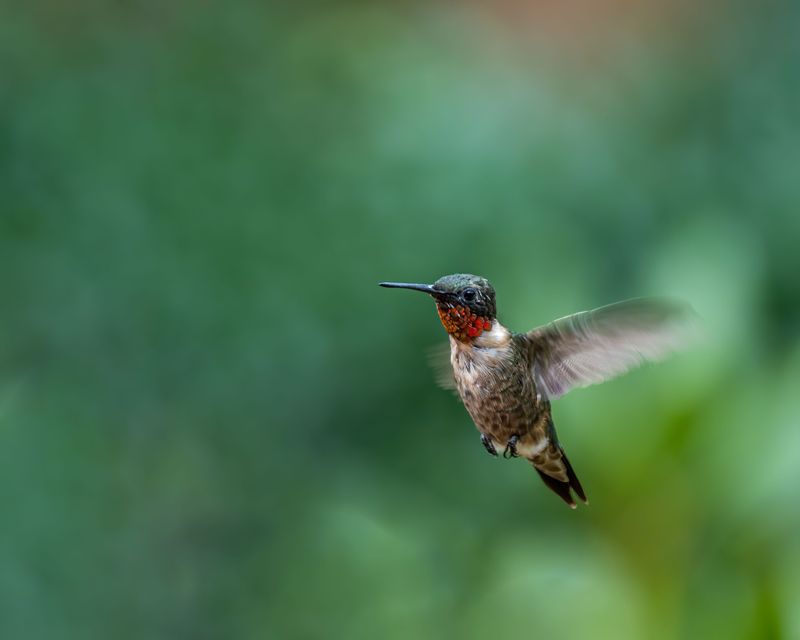
Fuel is everything to a migrating hummingbird. These birds burn energy at an almost unbelievable rate during long flights.
Ruby-throated hummingbirds need to nearly double their body weight before completing their full migration south. That means eating constantly and choosing food sources wisely.
Nectar is their primary fuel source, but not just any flower will do. They prefer tubular blooms with high sugar content, especially red and orange varieties.
Insects are equally important and often overlooked. Protein from tiny bugs helps birds maintain muscle mass during grueling flights.
A garden that offers both nectar and insects is far more attractive to a passing hummingbird. Native plants tend to host more insects than ornamental varieties.
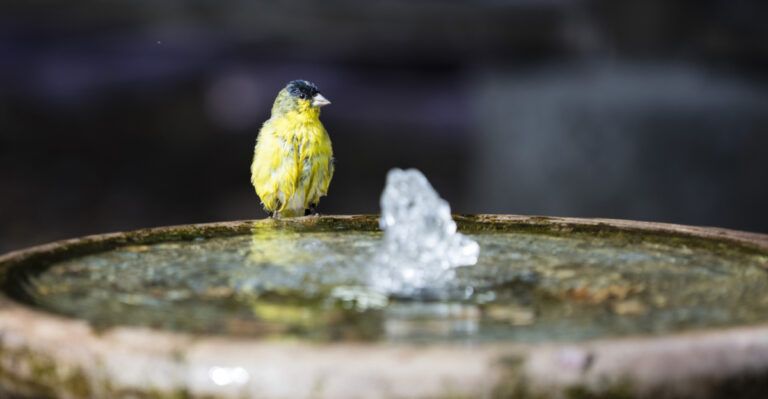
Water also matters more than most people realize. A shallow mister or dripping fountain can catch a migrating bird’s attention from a surprising distance.
Your Connecticut Garden Changes Every Week. Your Plan Should Too.
Gardening in Connecticut changes quickly throughout the season. Every Friday you’ll receive a simple weekly plan showing exactly what to plant, prune, fertilize, harvest, and protect so you never miss the right timing.
Rest is another critical need. Dense shrubs and small trees give hummingbirds a safe place to perch and conserve energy between feeding sessions.
If your yard lacks these resources, a hummingbird may fly straight through without pausing. The decision to stop comes down largely to what a bird can spot from above.
Meeting all these needs at once is what separates a yard that gets a quick glance from one that earns a two-day visit. Small upgrades can make a genuinely big difference.
Migration Timing Affects How Long They Linger
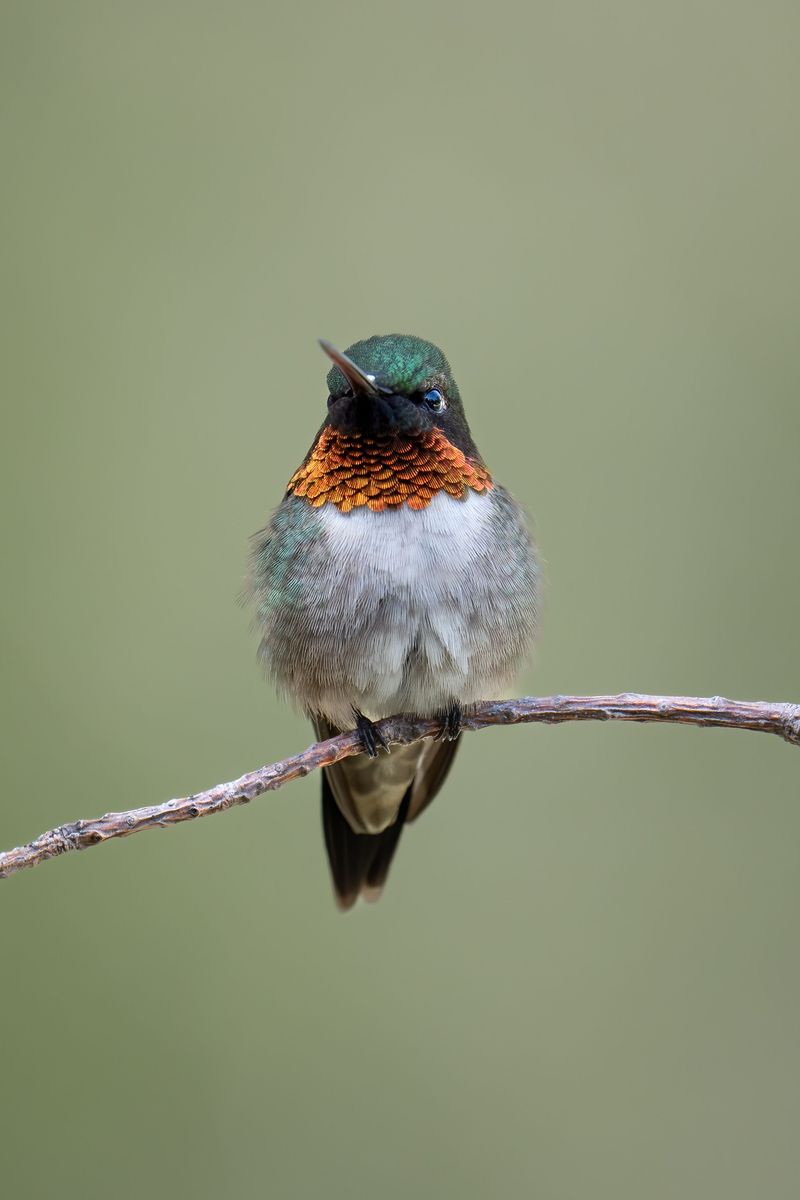
The window when ruby-throated hummingbirds pass through Connecticut is surprisingly narrow.
Adult males tend to start moving south as early as late July, with the broader adult population following through August. Juveniles follow a few weeks later, typically peaking in early September.
The entire migration window for Connecticut spans roughly six to eight weeks. After that, sightings become rare, with only occasional stragglers appearing through October.
Birds that arrive early in the season have more time to rest and refuel. Those moving through in late September are often racing against dropping temperatures and shortening days.
Weather plays a massive role in how long any individual bird lingers. A cold front pushing down from Canada can trigger a sudden surge of southward movement.
On calm, warm days, hummingbirds may take their time. On blustery days with north winds, they move fast and stop less.
Gardeners who pay attention to weather patterns often predict hummingbird activity better than any calendar can. A warm stretch in late August is almost always a good sign.
Interestingly, leaving feeders up through early October does not encourage birds to stay too long. Their departure is driven by daylight, not food supply.
Watching migration timing closely turns a casual hobby into a genuinely exciting seasonal event. Each sighting carries a sense of urgency that makes it feel rare and precious.
Native Plants That Slow Them Down In Connecticut Gardens
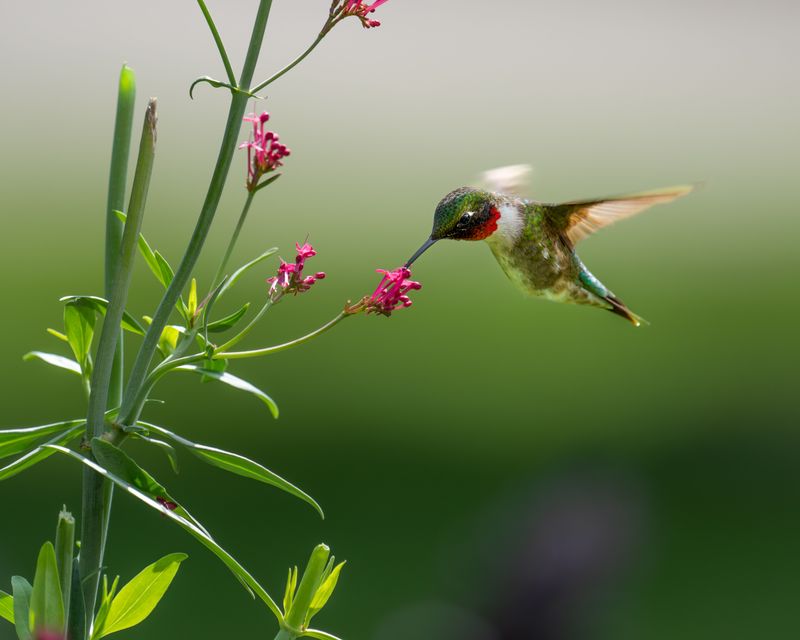
Cardinal flower is one of the most reliable ways to pull a migrating hummingbird’s attention in a Connecticut garden. Its blazing red spikes are practically a neon sign for migrating birds.
Native plants are the single best investment a Connecticut gardener can make for hummingbird attraction. They evolved alongside local wildlife and deliver exactly what migrants need.
Trumpet vine produces nectar-rich orange blooms that hummingbirds visit readily. It grows aggressively in Connecticut and may need regular pruning to keep it from taking over a garden bed.
Bee balm, also called Monarda, blooms earlier in summer but can extend into August with the right cultivar. Pairing it with later-blooming natives creates a longer feeding season.
Jewelweed grows wild along Connecticut stream banks and is a favorite of passing hummingbirds. Letting it naturalize along a fence line costs nothing and pays off every fall.
Wild columbine blooms in spring and attracts early migrants returning north. Having it in your yard establishes your garden as a known resource on the migration map.
Coral honeysuckle is a well-behaved native alternative to invasive Japanese honeysuckle. It climbs trellises beautifully and produces nectar-rich flowers through late summer.
Planting in clusters rather than single specimens makes your garden easier for birds to spot. A mass of red blooms reads like a landing signal from above.
The right native plant combination can turn a brief pit stop into a two-day layover. That extra day of watching is absolutely worth every hour of planting.
What Feeder Placement Can Do For Migrating Hummingbirds
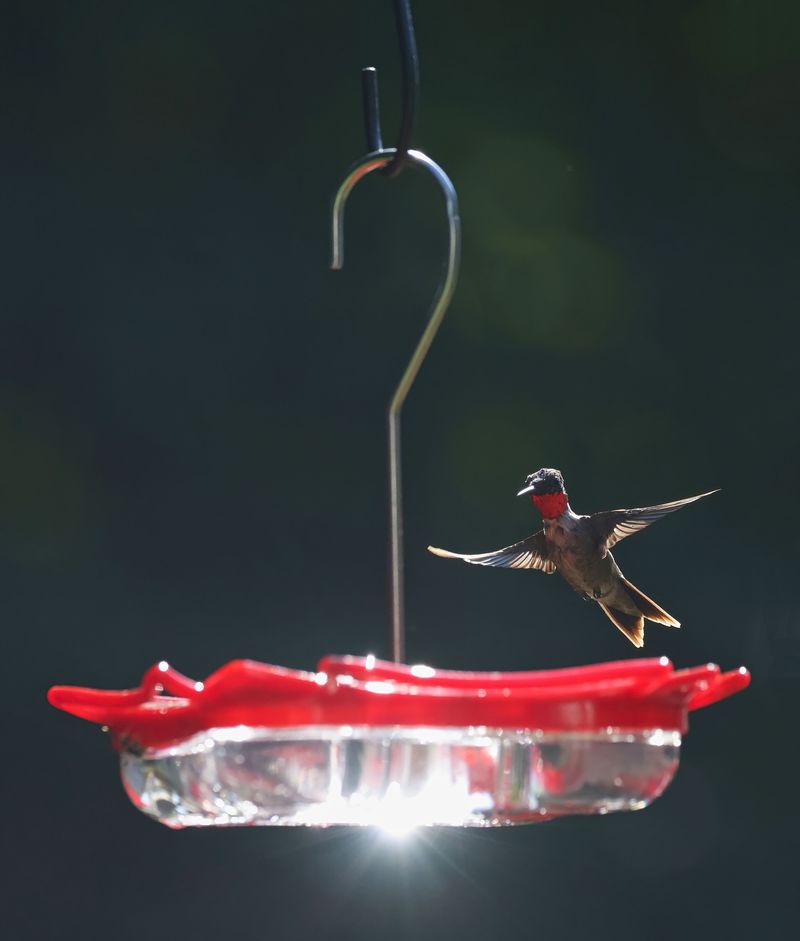
Location changes everything when it comes to feeders. A feeder tucked behind a fence or under a porch roof is practically invisible to a passing hummingbird.
Migrating birds scout from above, scanning for red and movement. Placing your feeder in an open, sunny spot gives it the best chance of catching a tired traveler’s eye.
Height matters too. Feeders hung between four and six feet off the ground sit in the sweet spot where hummingbirds naturally forage.
Position feeders either within three feet of a window or more than thirty feet away. Anything in between gives birds enough speed to cause a serious collision.
Spacing multiple feeders around your yard reduces competition. A dominant bird cannot guard two feeders on opposite sides of the garden at the same time.
Fresh nectar is non-negotiable. A simple mix of one part white sugar to four parts water, changed every two to three days, keeps the feeder safe and appealing.
Red dye is unnecessary and potentially harmful. Plain sugar water in a red feeder is all a hummingbird needs to feel welcome.
Positioning a feeder near native plantings creates a one-two punch of attraction. Birds discover the flowers and spot the feeder, extending their stay naturally.
A well-placed feeder signals that your yard is worth a second look. That small decision can be the difference between a flyover and a bird that actually stays.
When To Expect Them And When To Say Goodbye
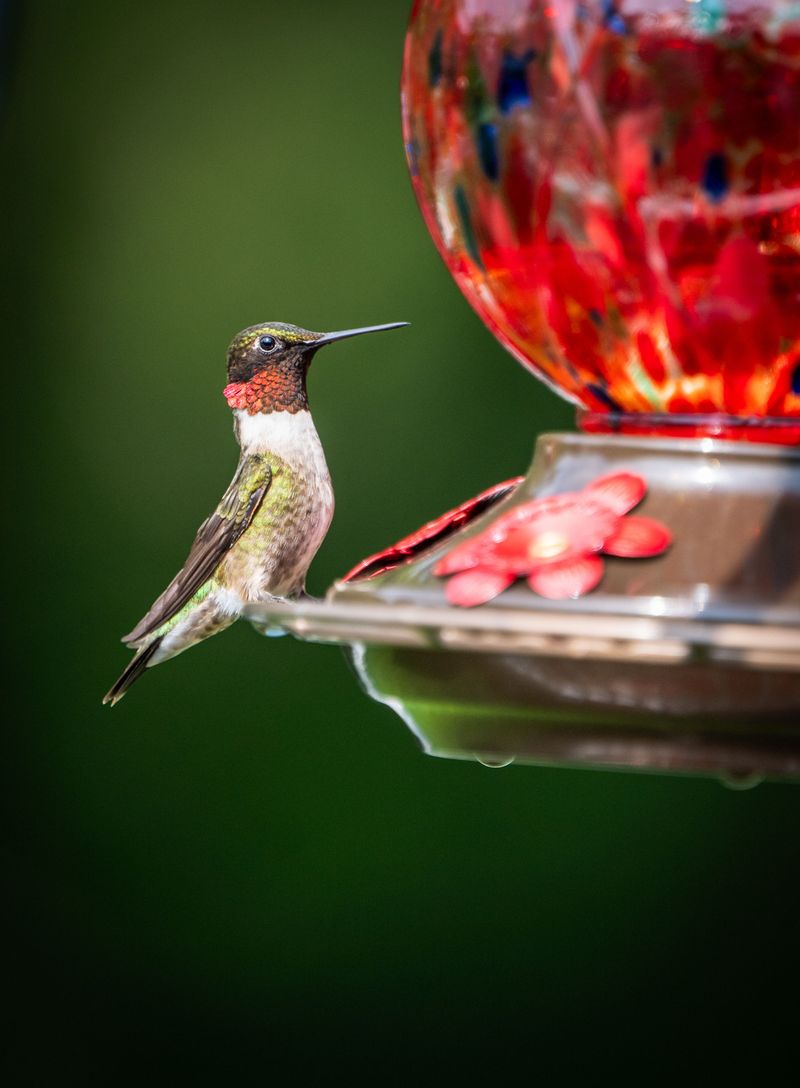
Keep an eye out from late July onward, when the earliest adult males begin moving through.
Adult males leave first, often departing breeding grounds before their young are fully independent. Females and juveniles follow through August and into September.
Peak migration in Connecticut usually falls between August 20th and September 15th. This two-week window is when gardens see the most consistent activity.
After mid-September, sightings become sporadic. Stragglers may appear through early October, but the main wave has passed by then.
Keeping feeders up through October 15th is a widely recommended practice. Late migrants and off-course birds occasionally show up and need a reliable food source.
Taking feeders down too early will not cause birds to stay. But leaving them up ensures any late arrivals have support during a tough journey.
Spring arrival in Connecticut typically runs from late April through mid-May. Males arrive first to establish territories before females appear.
Saying goodbye each fall gets a little easier when you know the ruby-throated hummingbirds will return. Until then, the empty feeder is a good reminder to note what worked this season and adjust before the next one.