How To Make A California Garden Look Good Even Between Bloom Cycles
Your California garden just did something embarrassing.
The big bloomers clocked out, the petals packed up, and now you are standing outside wondering why the whole yard looks like it forgot its purpose.
Almost every gardener hits this wall. But here is the part many garden guides skip entirely: the best California gardens do not actually depend on flowers to look good.
There is a whole strategy behind why some yards look rich and intentional in February while others look like a waiting room.
Color, structure, movement, texture, timing. None of it requires a single open bloom. You just have to know what you are building when the flowers are not around to carry the design.
Eight strategies separate a garden that only works at peak bloom from one that looks great every single week of the year. California gives you every tool you need to pull this off.
So the real question is: are you using them?
1. Build Structure With Evergreen Bones
Flowers get all the credit, but they are honestly the least reliable members of your garden team. They show up, they look great, they leave.
What holds everything together when they are gone? That is your evergreen structure, and most gardens do not have nearly enough of it.
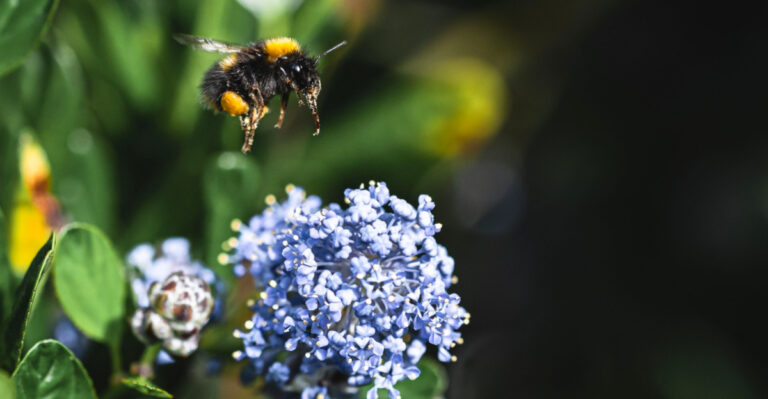
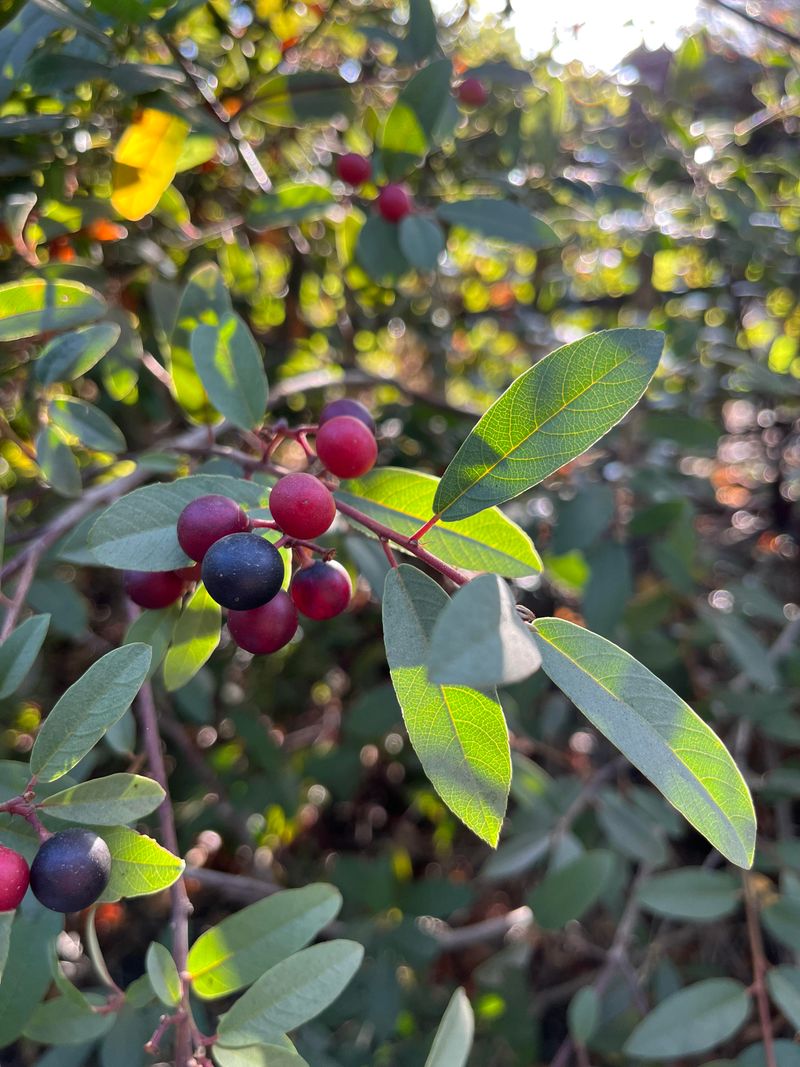
Evergreen shrubs are the backbone of a garden that works year-round. Ceanothus, Salvia leucantha, and Myoporum give you reliable form and mass no matter what month it is.
California natives like Toyon and Coffeeberry are especially smart choices because they hold their shape beautifully and laugh at drought.
Anchoring your beds with at least three to five evergreen plants before layering in seasonal color is the move that separates a thoughtful garden from a hopeful one.
Placement matters as much as plant selection. Taller shrubs belong at the back or center of a bed, shorter ones at the edges. That tiered effect reads as full and intentional even when zero flowers are open. The eye still has somewhere to travel.
Ornamental grasses like deergrass or California fescue add soft vertical interest that honestly competes with any flowering plant.
Their upright form and fine texture create contrast against broader-leaved shrubs in a way that feels effortless. Once you build your evergreen bones first, everything else in the garden gets easier.
The structure does the heavy lifting, and your seasonal color just gets to be the fun bonus instead of the only thing keeping the yard alive.
Evergreens are not boring. They are just loyal, and loyalty counts for a lot in July.
2. Use Foliage Color Like Flowers
Many gardeners treat leaves like background noise. That is a missed opportunity the size of a Salvia bush. Foliage color works every single day of the year, no bloom cycle required, and the range available in California gardens is genuinely impressive.
Silver-leaved plants like Artemisia ‘Powis Castle’ and lamb’s ears catch light in a way that makes a bed feel luminous even on an overcast morning.
Your California Garden Changes Every Week. Your Plan Should Too.
Gardening in California changes quickly throughout the season. Every Friday you’ll receive a simple weekly plan showing exactly what to plant, prune, fertilize, harvest, and protect so you never miss the right timing.
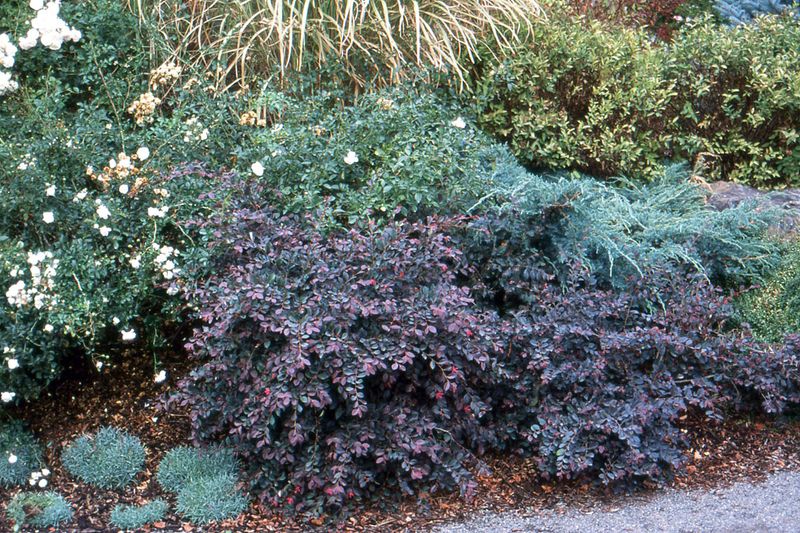
They brighten the space without doing anything except existing, which is honestly the dream. Burgundy-toned plants like Loropetalum ‘Plum Delight’ or dark-leafed Phormium add depth and drama that no amount of colorful mulch can replicate.
Chartreuse foliage acts like a spotlight. Plants like golden hakone grass or Spiraea ‘Goldmound’ draw the eye immediately and brighten shady corners without a single bloom in sight.
Blue-green tones from Agave species or Euphorbia rigida add a cool, sculptural quality that feels completely at home in a California landscape.
Variegated foliage takes this even further. Pittosporum tobira ‘Variegata’ or golden sedge give the eye something genuinely interesting to explore.
Two colors in one leaf is a design feature, not a compromise. The best part is that foliage color compounds. A silver plant next to a burgundy plant next to a chartreuse plant creates contrast that holds up in every season.
Treat foliage as your permanent palette. Let flowers be the seasonal bonus rather than the main attraction. Your neighbors will wonder what you are doing differently, and you can decide whether to tell them.
3. Repeat Shapes Across The Bed
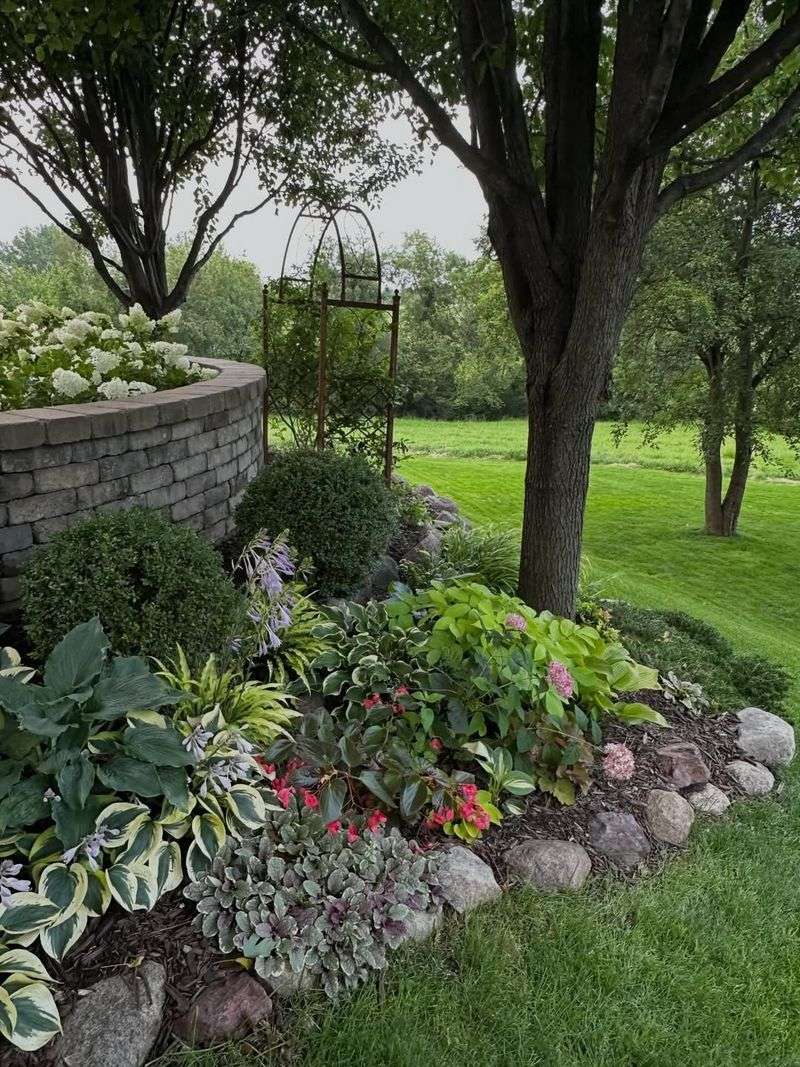
A random collection of plants is not a garden. It is inventory. The difference between a bed that looks designed and one that looks like a plant sale aftermath is usually one thing: repetition.
When the same shape appears two, three, or four times across a bed, the eye moves smoothly from one point to the next. That movement feels satisfying.
Repeat a rounded mounding shrub every few feet and pair it with occasional vertical accents like Hesperoyucca or upright Salvia varieties, and you get a rhythm that plays all year, flowers or no flowers.
You do not need straight rows to make this work. Repeating a shape in a loose, staggered pattern across a curved bed looks natural and deliberate at the same time.
The triangle trick is a classic for a reason: place three plants of the same species in a triangle formation within a bed and watch how the whole thing snaps into focus. Balance without symmetry is the sweet spot.
Shapes to work with include mounds, spires, fans, and low spreaders. Mix two or three contrasting shapes, then repeat that combination across the bed.
A mound next to a spire, repeated three times, is a simple but powerful visual beat. When blooms are absent, that rhythm carries the entire design.
The garden looks planned because it actually is, and that confidence is visible from the street. Repetition sounds boring until you see what it does to a bed that had none. Then it sounds like the best advice you never took.
4. Layer Grasses For Soft Movement
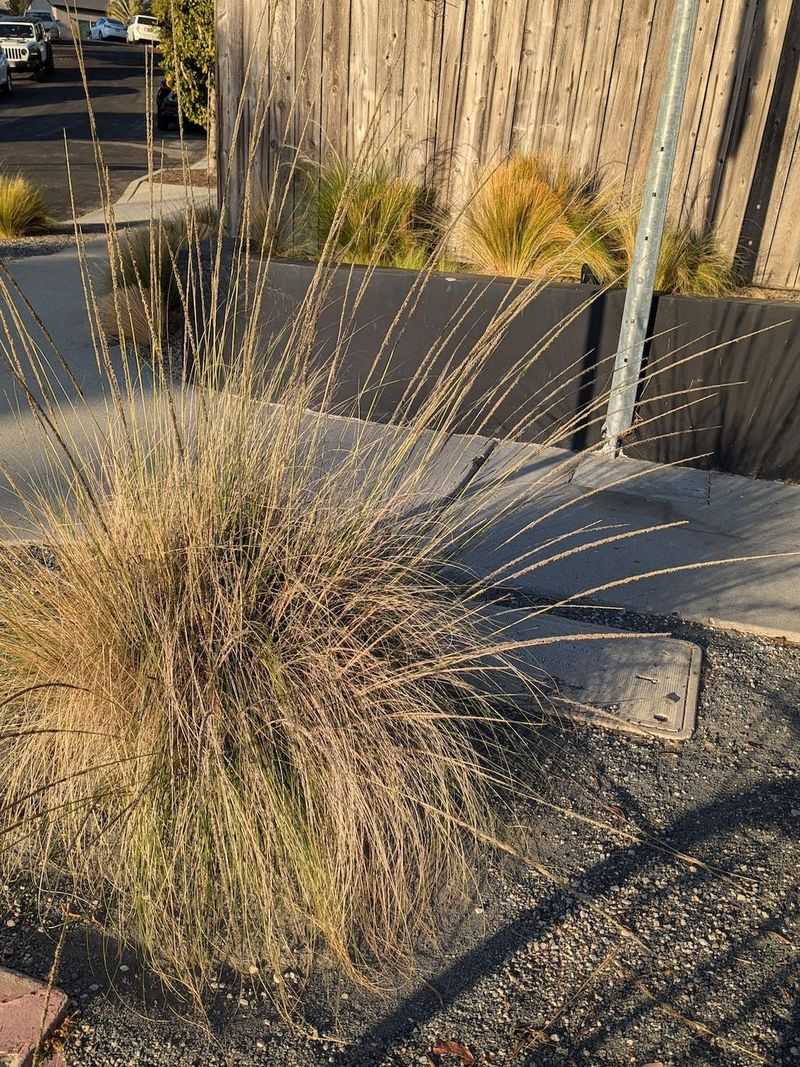
A garden that cannot move is a garden that feels flat.
On any breezy California afternoon, a well-placed clump of ornamental grass turns a static scene into something that actually feels alive.
That gentle sway adds energy to a garden that has nothing in bloom, and it costs almost nothing once the plants are established.
California native grasses are the smart first pick. Deergrass forms graceful arching clumps that look stunning backlit by morning or evening sun.
Purple needlegrass, the state grass of California, brings fine texture and a warm golden hue as it matures. Both are drought-tolerant and low-maintenance, which in California is basically a requirement for a long-term relationship with a plant.
Layering grasses means placing taller varieties at the back and shorter ones toward the front, exactly like layering any other plant group.
Try pairing tall purple fountain grass behind a low spreading blue fescue. The contrast in height, color, and texture creates a mini-landscape all on its own, with zero flowers required.
Feathery seed heads that arrive in late summer and fall add yet another layer of seasonal interest.
They catch the light beautifully and give the garden a soft, painterly quality that photographs extremely well if you are into that sort of thing.
Ornamental grasses earn their keep in water-wise California gardens because they deliver year-round appeal while using minimal irrigation. For a garden that moves and breathes between bloom cycles, grasses are quietly doing the most.
5. Add Bark Texture For Quiet Interest
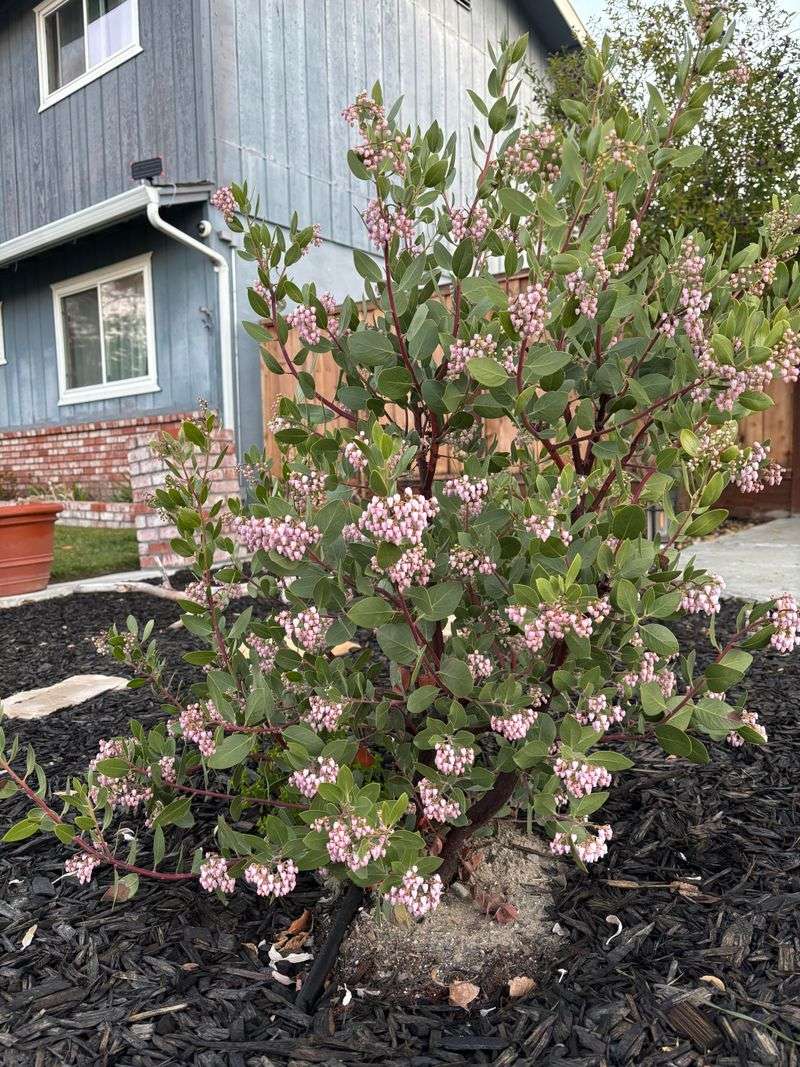
Some of the best design moments in a garden happen when you stop looking at the flowers and start noticing the architecture underneath.
Bark, stems, and woody structure are what hold the whole thing together, and a garden that celebrates them never looks empty, even in the quietest weeks.
Manzanita is one of California’s most celebrated native plants, and the smooth mahogany-red bark is a big reason why.
Even a single well-placed manzanita can anchor a bed with its sculptural branching and warm, polished stem color. It is the kind of plant that looks interesting every day of the year, which puts it in a very small club.
Other trees and shrubs with notable bark include Palo verde, which has green photosynthetic bark and earns points for being genuinely weird in the best way.
Crape myrtle, whose peeling bark reveals layers of cream, tan, and soft pink beneath. Birch trees bring white papery bark that glows in low light. Each of these plants earns its place in the garden even on the quietest day of the year.
Woody stems of plants like Cornus ‘Midwinter Fire’ or red-twig dogwood shift from green to orange to bright red as temperatures cool.
Positioning these near a path or patio means visitors see the detail up close where it actually lands. Bark is not a backup plan for when nothing else is happening.
It is a design feature worth choosing deliberately from the very beginning of your planting plan. The garden has texture all year. You just have to look for it.
6. Mix Bloom Times Instead Of Chasing Peaks
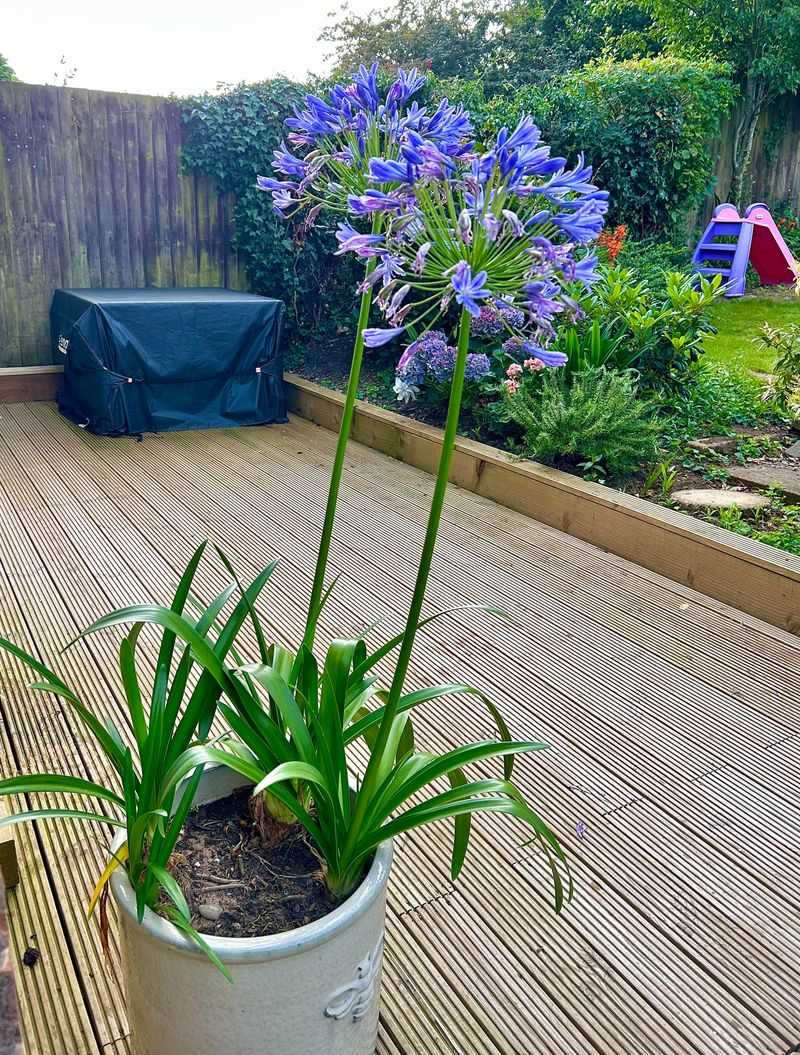
Planting everything that looks incredible in spring is a trap with a very predictable outcome.
By July, the garden looks like it forgot what it was supposed to be doing, and you are standing outside feeling personally betrayed by your own plant choices.
Staggered bloom times are the smarter approach, and California’s mild climate makes this easier here than almost anywhere else.
Start by mapping out when each plant in your garden actually blooms. Then look for the gaps. If June through August is quiet, that is your cue to add summer performers:
Agapanthus, Echinacea, Rudbeckia, or California native Monardella all deliver when the spring crowd has gone home. If fall feels flat, Salvia greggii, Lantana, and Helenium autumnale all perform well into autumn in most California climates.
A useful framework is to divide the year into three bloom windows: cool season from November through April, warm season from May through August, and transitional from September through October.
Aiming for at least two strong performers in each window means something is always contributing color or interest. You stop chasing the perfect peak and start enjoying a steady, rolling display instead.
Bulbs are a great gap-filler because they appear, bloom, and then step back without drama. Allium, Crocosmia, and Freesia can be tucked between shrubs to pop up exactly when you need them.
Mixing bloom times is less about having everything flower at once and more about making sure the garden never runs out of something interesting to say. It is basically the garden equivalent of good conversation.
7. Use Containers For Quick Color
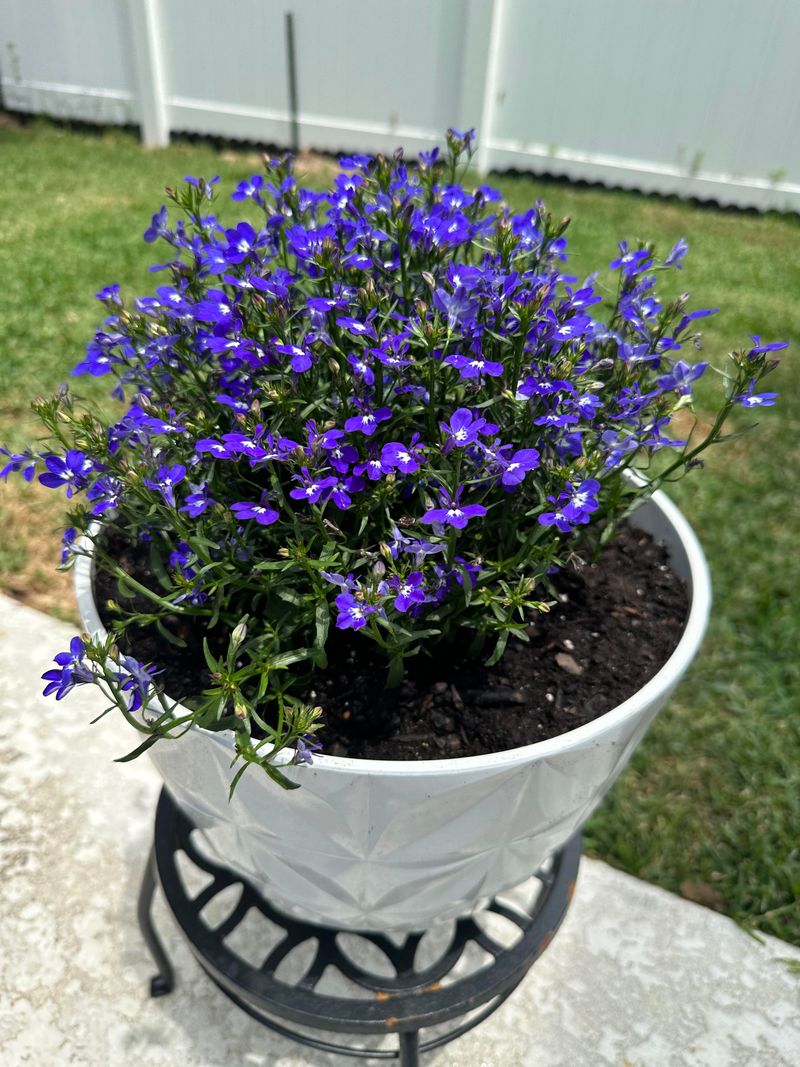
Containers are the garden equivalent of a quick outfit change, and they deserve far more credit than they get.
When a section of the garden looks flat, a well-placed pot with something bold and blooming can shift the entire mood of the space in about ten minutes. That turnaround time is unmatched by anything else in the gardening toolkit.
The key is treating containers as a rotating display rather than a permanent commitment.
Keep a small staging area, even a side yard corner or a tucked-away garage spot, where backup plants grow in pots and wait their turn.
When one container’s season ends, swap it out for the next one that is ready. This keeps the garden looking intentional without requiring a complete replant of the beds.
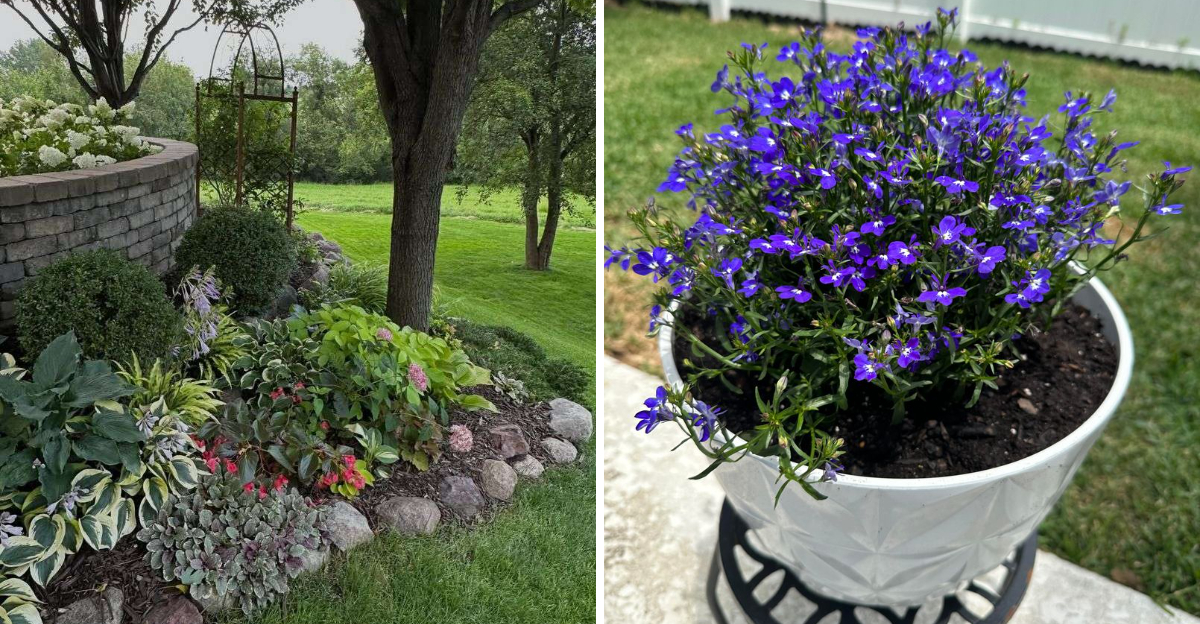
For California gardens, container-friendly plants that bridge between bloom cycles include Calibrachoa, Osteospermum, Diascia, and trailing Lobelia.
Succulents in pots provide structure and subtle color year-round with almost no irrigation. A tall statement pot with a single bold plant, like a standard-form Fuchsia or a spiky Cordyline, creates a focal point that commands attention even in a quiet garden.
Grouping containers in odd numbers, threes or fives, creates a more natural and visually pleasing cluster than a single pot sitting alone.
Vary the heights by using plant stands or stacked bricks under some pots. Containers also let you try plants you would never commit to in the ground. Low stakes, high reward.
If a plant is underperforming in the pot, out it goes. The garden does not have to be sentimental.