Tennessee Opossums May Be The Best Natural Tick Control In Your Yard
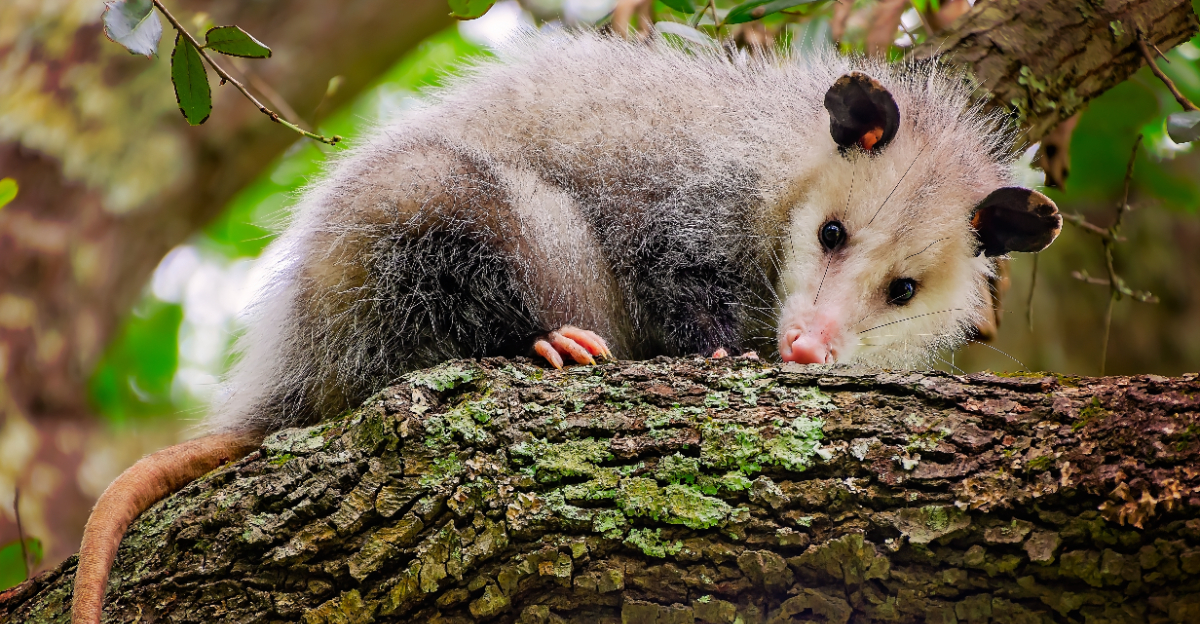
Ticks are small, but the diseases they carry are not. Lyme disease, Rocky Mountain spotted fever, ehrlichiosis, Tennessee yards can harbor all of them, and the tick season here is no joke.
Most homeowners reach for sprays without realizing a better solution is already in their yard. The Virginia opossum, North America’s only native marsupial, has a grooming habit that works relentlessly against tick populations.
Researchers have found that a single opossum can intercept thousands of ticks in one season, most of which never get the chance to find a human or pet host. That is not a minor contribution.
If you have ever dismissed opossums as just another nuisance animal, this article will change your mind.
Opossums Are Surprisingly Effective At Reducing Tick Populations
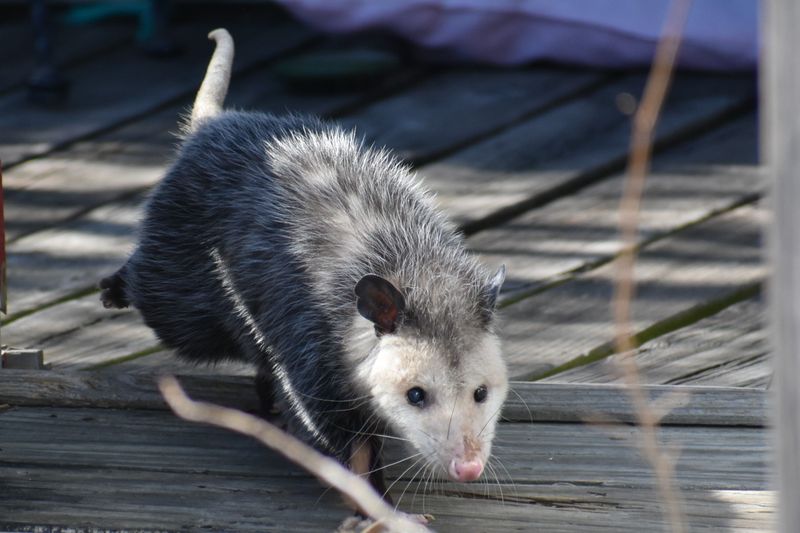
Forget everything you think you know about opossums. These slow-moving, wide-eyed marsupials are quietly crushing tick populations across the American Southeast, one grooming session at a time.
Research from the Cary Institute of Ecosystem Studies suggests that a single opossum can consume thousands of ticks in one season through grooming alone, and that number adds up fast.
That is not a minor footnote, it is a meaningful, measurable contribution to keeping tick populations in check. Opossums are meticulous groomers, and when ticks latch onto their fur, the opossum finds them, pulls them off, and swallows them whole.
Unlike deer or rodents, opossums are not good hosts for ticks. Their relatively low body temperature is one reason ticks struggle to complete their life cycle on opossums, making them a poor host overall.
So instead of ticks completing their life cycle on an opossum, they just get eaten. That breaks the tick life cycle before it ever gets started.
Natural tick control does not get more efficient than that. Just a scraggly marsupial doing what it does naturally, free of charge and without a single chemical involved.
Tennessee opossums are especially valuable in suburban and rural yards where tick exposure is high. Wooded edges, tall grass, and leaf piles are prime tick territory.
Having even one opossum patrolling your property can make a measurable difference in the number of ticks your family encounters. That quiet, waddling visitor in your yard might just be your best outdoor ally.
How Opossums Hunt And Consume Ticks During Grooming
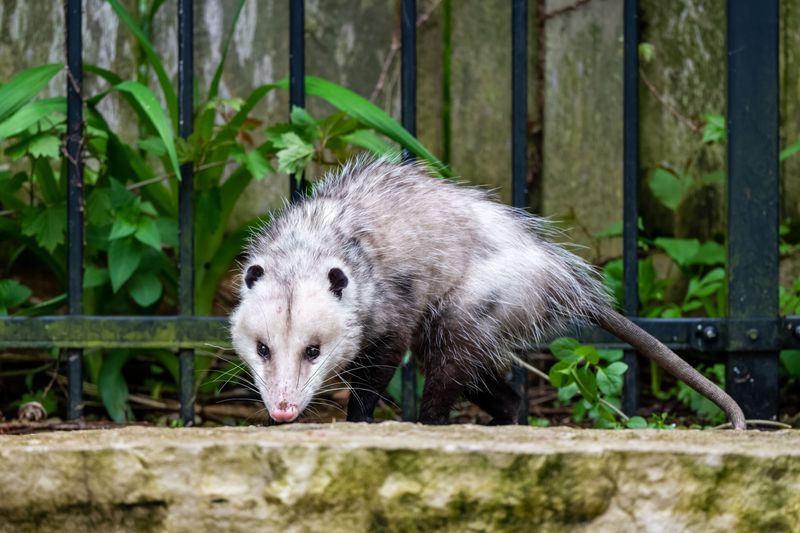
Picture this: it is 2 a.m., your yard is quiet, and a opossum is doing the most thorough self-cleaning routine you have ever seen. That grooming session is also a tick massacre.
Opossums groom themselves constantly, much like cats do. As they move through brush, leaves, and tall grass, ticks latch onto their fur hoping for a blood meal.
But the opossum does not cooperate. It methodically combs through its coat with its teeth and claws, pulling off every tick it finds.
Here is the key part: those ticks do not get dropped back onto the ground. The opossum eats them, removing them from the environment entirely.
This behavior is instinctive and relentless. Opossums do not groom occasionally, they do it all night as they forage, making every patrol through your yard a tick-sweeping mission.
Your Tennessee Garden Changes Every Week. Your Plan Should Too.
Gardening in Tennessee changes quickly throughout the season. Every Friday you’ll receive a simple weekly plan showing exactly what to plant, prune, fertilize, harvest, and protect so you never miss the right timing.
Ticks that survive on most wildlife get a free ride and a breeding opportunity. On an opossum, they get swallowed before they can reproduce.
Studies on opossum grooming behavior suggest that most ticks that latch onto them never survive the encounter. Compared to deer or mice, opossums are one of the least hospitable hosts a tick can land on.
What makes this even more impressive is that opossums do not try to control ticks, it just happens naturally. Their grooming instinct works as a powerful, built-in pest management system that benefits every yard they wander through.
The Role Opossums Play In Tennessee’s Natural Ecosystem
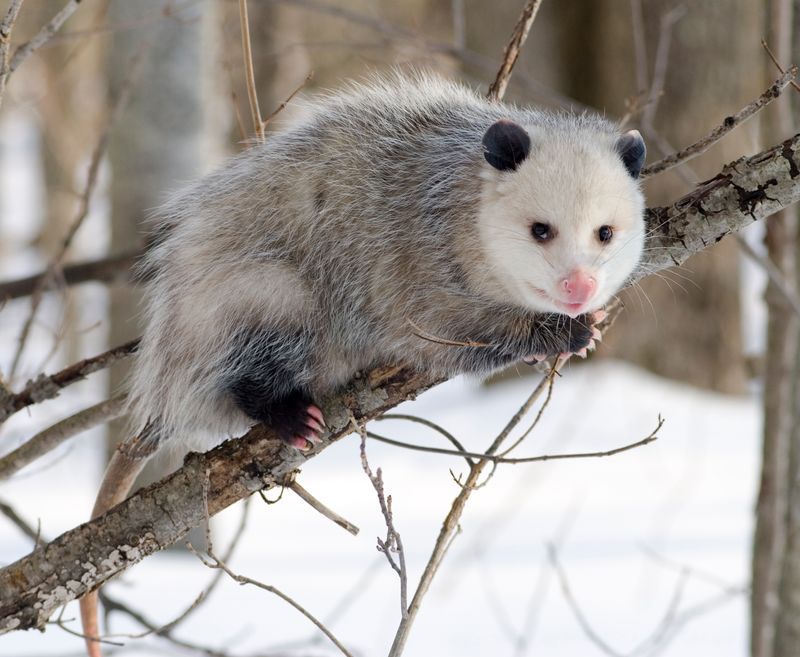
Opossums are North America’s only native marsupial, with a fossil record stretching back tens of millions of years, long before most of the animals we recognize today. They are not newcomers, they are ecological veterans.
In Tennessee’s mixed forests and suburban green spaces, opossums fill a unique niche. They are opportunistic omnivores that clean up carrion, eat overripe fruit, and consume insects by the thousands.
That broad diet makes them one of the most efficient natural cleanup crews around. They reduce food sources for other pests while keeping tick numbers down at the same time.
Opossums also eat snails, slugs, beetles, and small rodents. Each of those prey items is either a garden pest or a potential disease carrier in its own right.
Their presence signals a healthy, balanced ecosystem. When opossums are active in an area, it usually means there is enough biodiversity to support them and the prey they depend on.
They rarely carry rabies, which surprises most people. Their low body temperature makes it nearly impossible for the rabies virus to survive inside them.
That fact alone should shift the public perception of opossums from nuisance to neighbor. They are one of the safest wild mammals you could have passing through your property.
Tennessee’s rich landscape of hardwood forests, creek bottoms, and suburban edges gives opossums plenty of room to roam and thrive. Supporting their presence is one of the easiest ways to invest in your local ecosystem’s long-term health.
Signs That Opossums Are Active In Your Yard
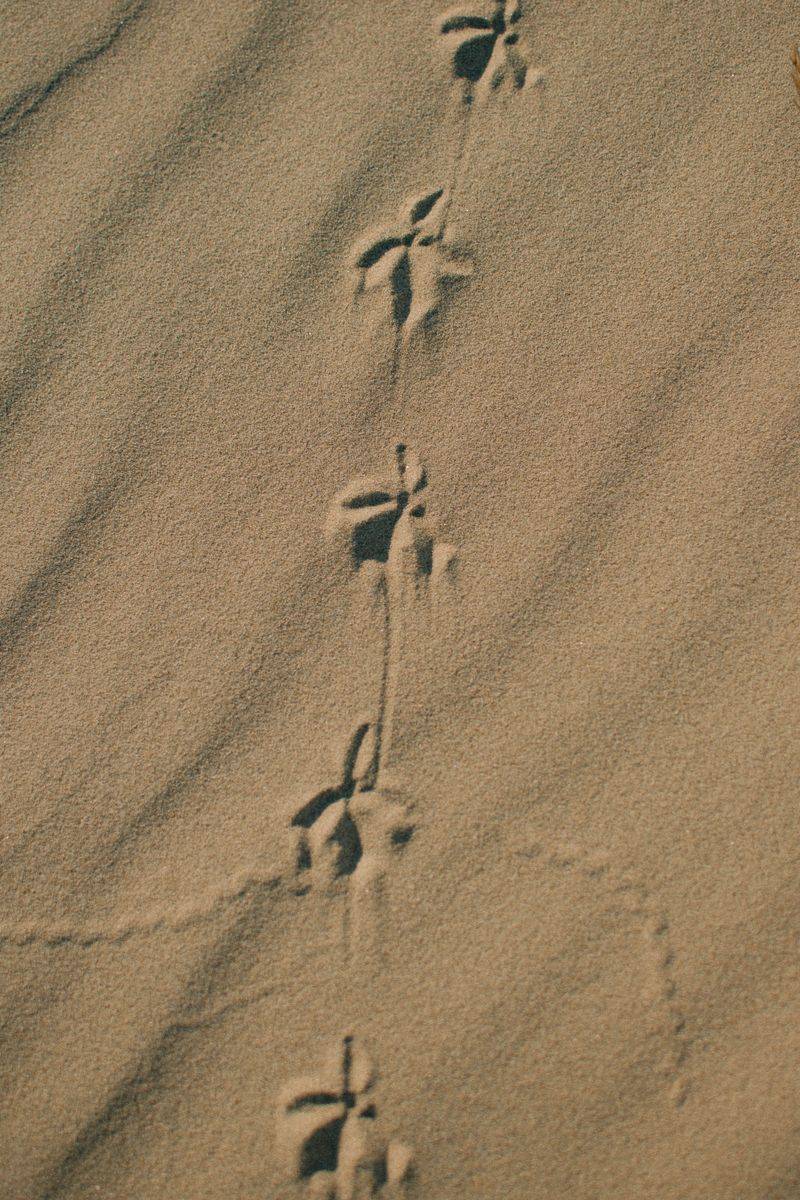
You might already have a regular opossum visitor and not even know it. These creatures are nocturnal and cautious, which means most homeowners never actually see them.
One of the clearest signs is finding small, star-shaped tracks in soft mud or dirt. Opossum feet have five toes, and their back feet have an opposable thumb that leaves a distinctive print.
Knocked-over compost bins or disturbed fruit near trees are also telltale clues. Opossums love fallen fruit and will clean up dropped produce faster than you can collect it.
You might also notice small, dark droppings near garden edges or under decks. Their scat is similar in size to a cat’s but tends to be more tapered at the ends.
A trail camera is the best way to confirm opossum activity. Set one near your compost pile, garden, or a wooded fence line and check the footage in the morning.
If you have chickens, you may find opossum evidence near the coop. They are attracted to spilled feed and eggs, so securing your coop is always a smart move.
Hearing shuffling or rustling sounds under your deck or porch at night is another strong indicator. Opossums often shelter in dark, protected spaces during daylight hours.
Knowing an opossum is nearby is genuinely good news for your yard. Every night it spends foraging on your property is another round of free, natural tick management you did not have to pay for.
How To Make Your Yard More Welcoming To Opossums
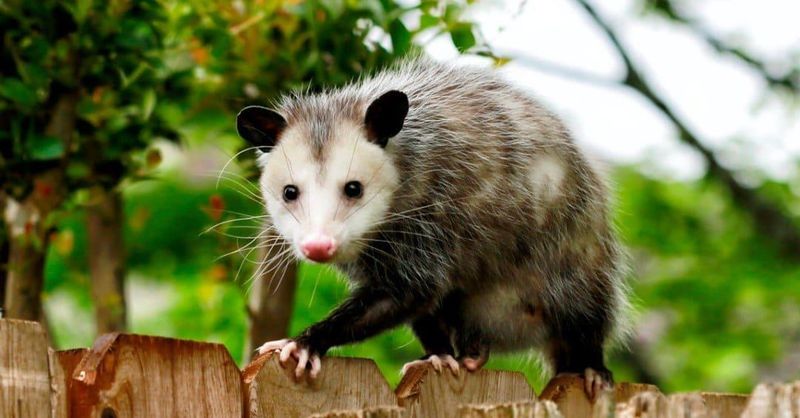
You do not need a wildlife degree to attract opossums, you just need to stop making your yard so tidy. Opossums love messy, layered landscapes with plenty of cover.
Leave leaf piles in corners of your yard during fall and winter. Opossums use them for shelter, warmth, and foraging, and the leaf litter also harbors the insects they eat.
Fallen logs are another magnet for these marsupials. Logs host beetles, grubs, and other invertebrates that opossums snack on during their nightly rounds.
Provide a shallow dish of fresh water near your garden or fence line. Like most wildlife, opossums are drawn to reliable water sources, especially during dry summer months.
Avoid using broad-spectrum pesticides in your yard. Chemicals that wipe out insects also eliminate the opossum’s food supply, making your property far less appealing to them.
Consider building or buying a simple opossum shelter box. These are low to the ground, dark inside, and placed near shrubs or brush piles for added security.
Plant native shrubs and groundcovers along your fence lines or property edges. Dense native vegetation gives opossums the cover they need to feel safe moving through your space.
Do not leave pet food outside overnight, as it can attract less desirable wildlife. Keep attractants intentional and targeted so you are rolling out the welcome mat specifically for your new tick-eating neighbors.
Other Wildlife That Supports Tick Control In Tennessee
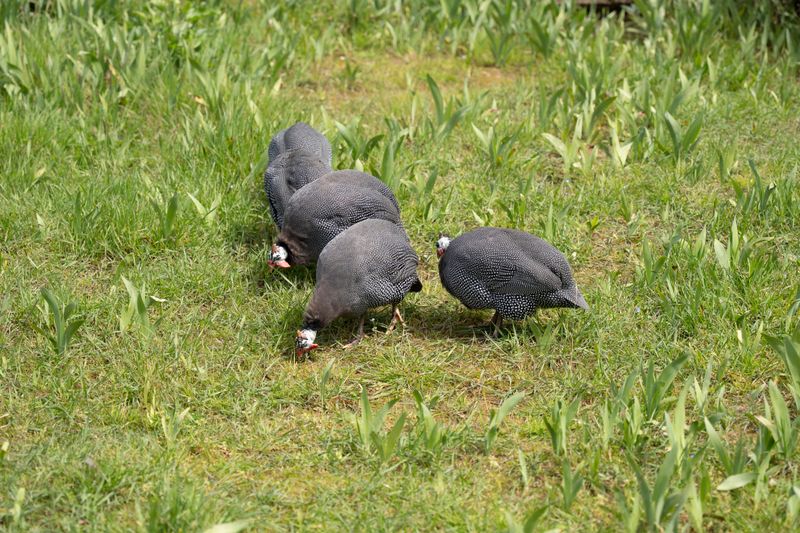
Opossums are the MVPs of tick control, but they are not playing solo. Tennessee is home to several other animals that help keep tick numbers manageable throughout the year.
Wild turkeys are powerful tick hunters. A flock of turkeys moving through a field can consume thousands of ticks in a single day, scratching and pecking through leaf litter with impressive efficiency.
Guinea fowl are even more aggressive tick eaters than turkeys. Many rural Tennessee homeowners keep small flocks specifically to manage tick and insect populations around their property.
Ground-feeding birds like robins and thrushes also pick off ticks as they forage through grass and soil. Their constant scratching and probing disturbs tick hiding spots and brings them to the surface.
Box turtles have been observed eating ticks on occasion, and their slow foraging through leaf litter can disturb tick hiding spots in the process.
Red foxes and coyotes help indirectly by controlling rodent populations. Mice and chipmunks are primary tick hosts, so reducing rodent numbers cuts off a major tick breeding ground.
Bats are underrated allies in any yard. They consume enormous numbers of flying insects overnight, helping keep the broader insect population, and the conditions that support it, in better balance.
Building a yard that welcomes a variety of native wildlife creates a layered, self-regulating system. The more biodiversity you support, the more natural tick control your property enjoys year after year.