7 Florida Native Plants That Bring Cardinals To Your Yard All Summer
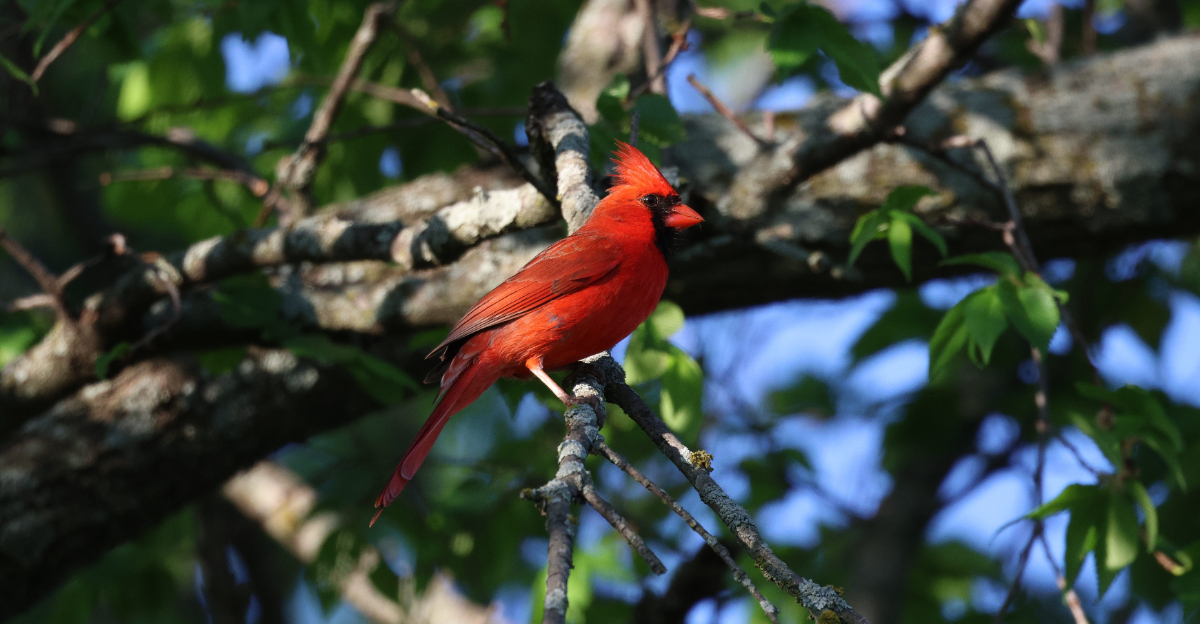
Florida yards can look busy and still feel strangely quiet. The lawn is neat. The porch is swept. The bird feeder has snacks.
Yet that bright red flash everyone hopes for may treat the whole place like a drive-through with bad service. Cardinals are not hard to love, but they can be picky about a yard.
They want more than seed in a tube. They look for cover, shade, food, and a place that feels worth a second visit. That part is where things get fun.
A yard can send the right signal without a jungle vibe or a weekend chore trap. The secret sits in plants that already know Florida’s heat, rain, soil, and wildlife rhythm.
Some hide more than they show at first. Some look polite until birds find the buffet. Which ones make the red guests pause, hop closer, and act like regulars?
That is the little mystery worth a closer look. Your garden may already be one plant away from a better red-carpet moment this season.
1. Wax Myrtle
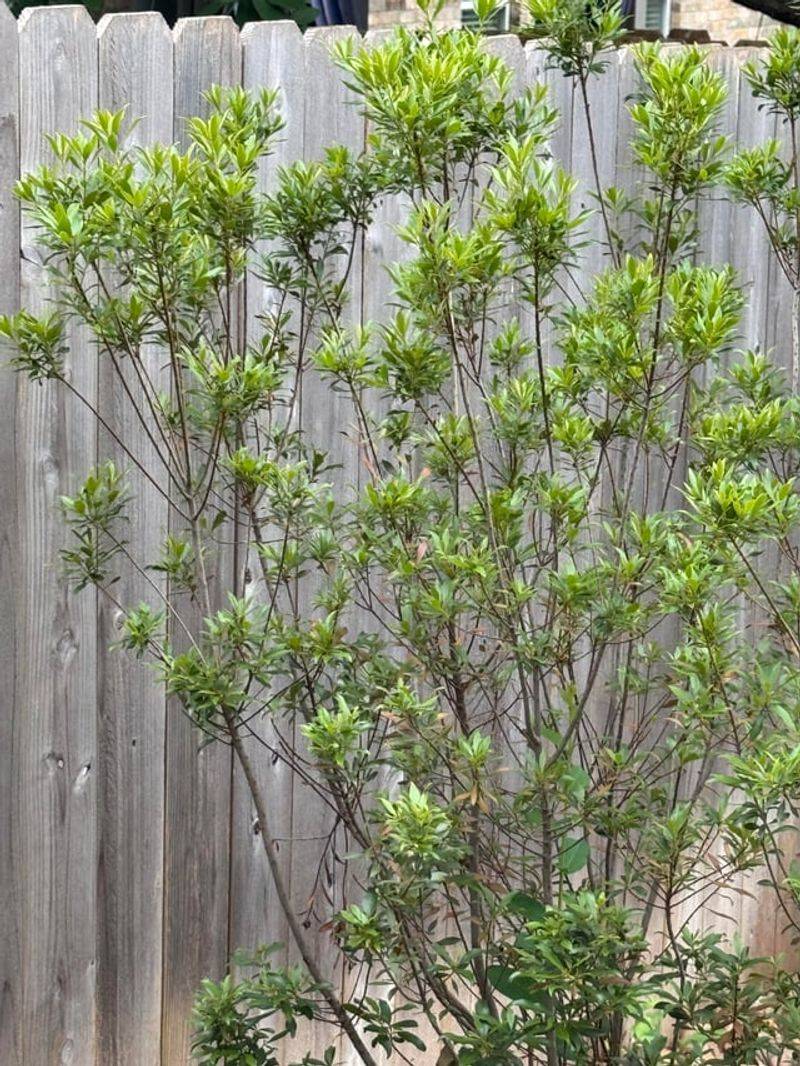
Wax Myrtle is the yard version of a secret clubhouse. From the outside, it looks like a glossy green shrub. Inside, it becomes a maze of branches where cardinals can duck in, perch, and keep tabs on the whole neighborhood.
This Florida native can reach about ten to fifteen feet with room and time. Its dense form gives birds the cover they crave in warm months, especially near fences, side yards, and open lawn edges.
Cardinals like a place with escape routes. Wax Myrtle gives them several, plus a shady place to pause between food runs.
The small blue-gray berries add another perk. Cardinals may not treat them like the main dessert tray, but they can still forage on them. The bigger draw is the shelter.
That thick structure helps cardinals feel less exposed, which can make your yard more useful than a bare lawn with a feeder stuck in the middle.
Plant Wax Myrtle where it can spread without constant trims. A row along a property line can become a leafy screen, and yes, it does a better job than a fence with zero personality.
Give it sun or part shade, then let it settle into its role.
Over time, this shrub turns the edge of the yard into a bird hallway. Cardinals get cover, you get privacy, and the whole setup feels like a leafy win-win.
2. American Holly
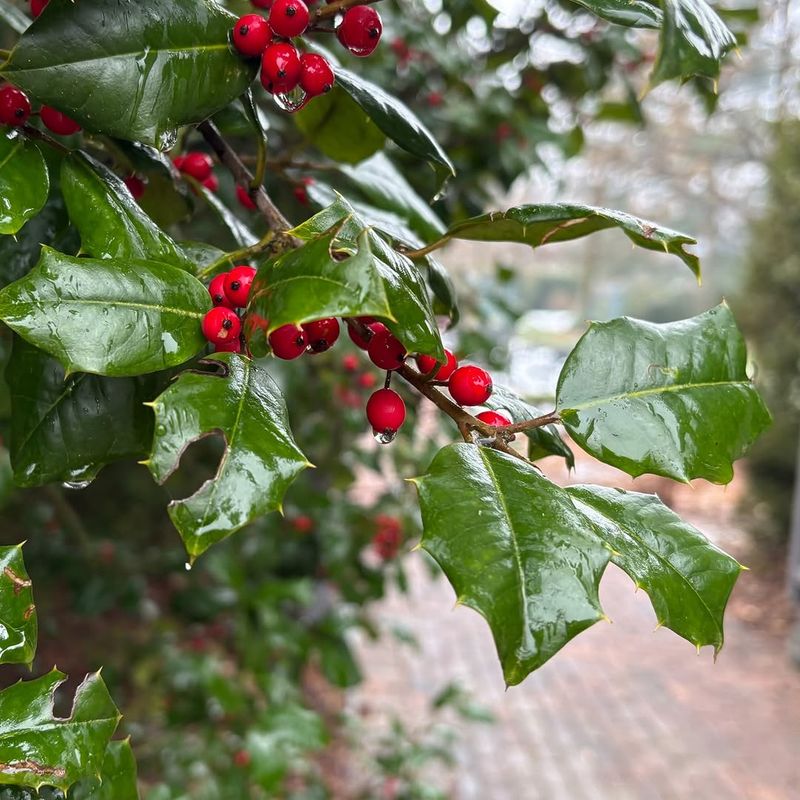
American Holly brings the red-berry drama without a yard full of fuss. Deep green leaves, bright fruit, and a sturdy shape make it feel classic, but cardinals see a better prize. They see cover with snacks attached.
This native tree keeps its leaves through the year, which gives birds shade, rest spots, and a place to tuck away from busy yard traffic.
Cardinals often favor dense branches for nest sites, and holly offers that layered structure in a clean, upright form. It can grow tall with a pyramidal shape, so it suits a spot with room above and space around the base.
Your Florida Garden Changes Every Week. Your Plan Should Too.
Gardening in Florida changes quickly throughout the season. Every Friday you’ll receive a simple weekly plan showing exactly what to plant, prune, fertilize, harvest, and protect so you never miss the right timing.
The berries usually ripen later in the year, but they can stay on the tree for months. That gives birds food in slower periods, while the flowers can draw insects earlier in the season.
A cardinal menu with fruit and tiny protein bites is a pretty solid deal.
You get bonus garden points for the look. American Holly feels polished, not wild. It can anchor a corner, frame a view, or add year-round green near a patio.
Very dignified. Very bird-approved. Slightly overdressed for a backyard, in the best way.
For better fruit, place a male and female tree near each other. Give it sun or part shade and decent space. Once it settles in, American Holly turns into a long-term bird shelter with holiday-card energy.
3. Yaupon Holly
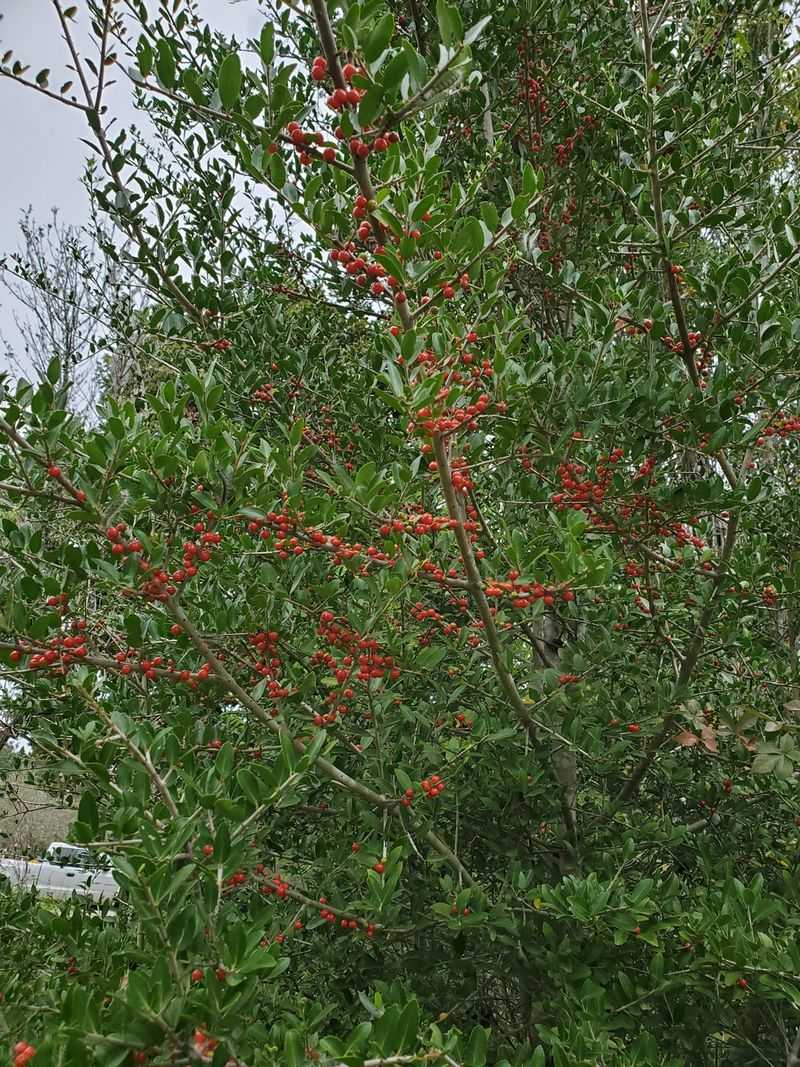
This one is the compact overachiever of a Florida bird yard. It stays neat with trims, handles tough sites, and still manages to put out clusters of small red berries that birds treat like yard currency.
Cardinals may arrive for the fruit, then linger for the cover.
This evergreen native can serve as a shrub, hedge, or small multi-stem tree. The leaves stay glossy and tight on the branches, which gives cardinals a sheltered perch even on hot afternoons.
The twiggy structure works like a little bird balcony system. One hop, one pause, one snack, repeat.
Place Yaupon Holly near a feeder zone or along a garden border. That gives cardinals a quick path between food and shelter. A bird feeder in the open can feel exposed.
Add Yaupon nearby, and the whole setup feels more secure, like the snack table finally got a VIP lounge.
Female plants produce the berries, while a male nearby helps with fruit set. A small group of three to five plants can make a lively thicket, and the yard can still feel open.
It also tolerates sun, part shade, salt spray, and dry spells once established, which makes it very Florida in the best sense.
This shrub does not need to act dramatic to do a lot. It feeds, shelters, and fills space with style. Your cardinals get a hangout spot, and your yard gets berry good service.
4. Beautyberry
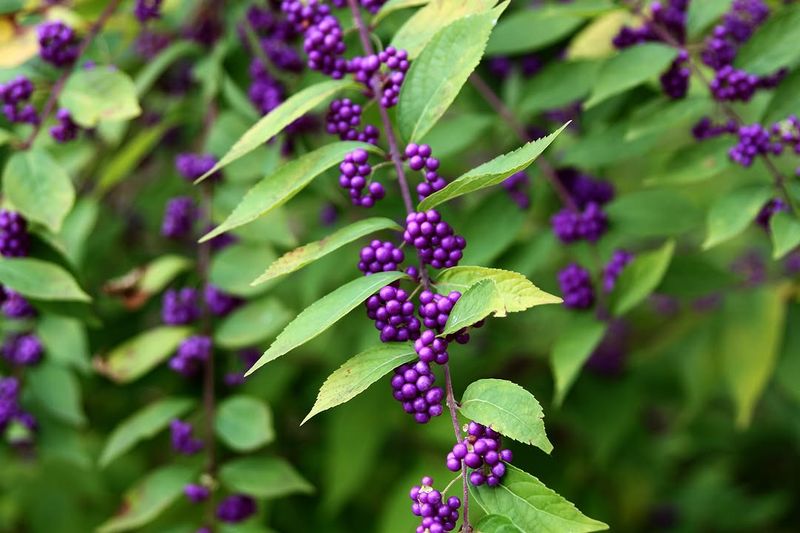
Beautyberry sounds delicate, then shows up with purple fruit that looks almost fake.
The clusters wrap around the stems like garden jewelry, and cardinals notice the display once the fruit ripens. People stop for the color. Birds stop for the buffet.
This native shrub usually reaches about four to eight feet, with a loose, graceful shape that fits well under taller trees or along a softer garden edge.
It prefers part shade in many yards, which makes it useful in spots where full-sun shrubs sulk. The leaves keep the plant lush through warm months, while the berries add that surprise pop later in the season.
The fun part is how fast the fruit can vanish after birds discover it. One day the stems look loaded. Soon after, the local feathered crowd starts to hold very serious snack meetings.
Cardinals may share the harvest with mockingbirds and other fruit fans, so several shrubs can stretch the show a bit longer.
Cut Beautyberry back in late winter to help fresh stems form for the next crop. That trim can look bold at first, but the plant usually responds with renewed growth and better fruit. Place it where you can see it from a window or chair.
Beautyberry earns the name, then adds bird value for dessert. Purple fruit, red birds, green leaves, no dull corner left behind.
5. Simpson’s Stopper
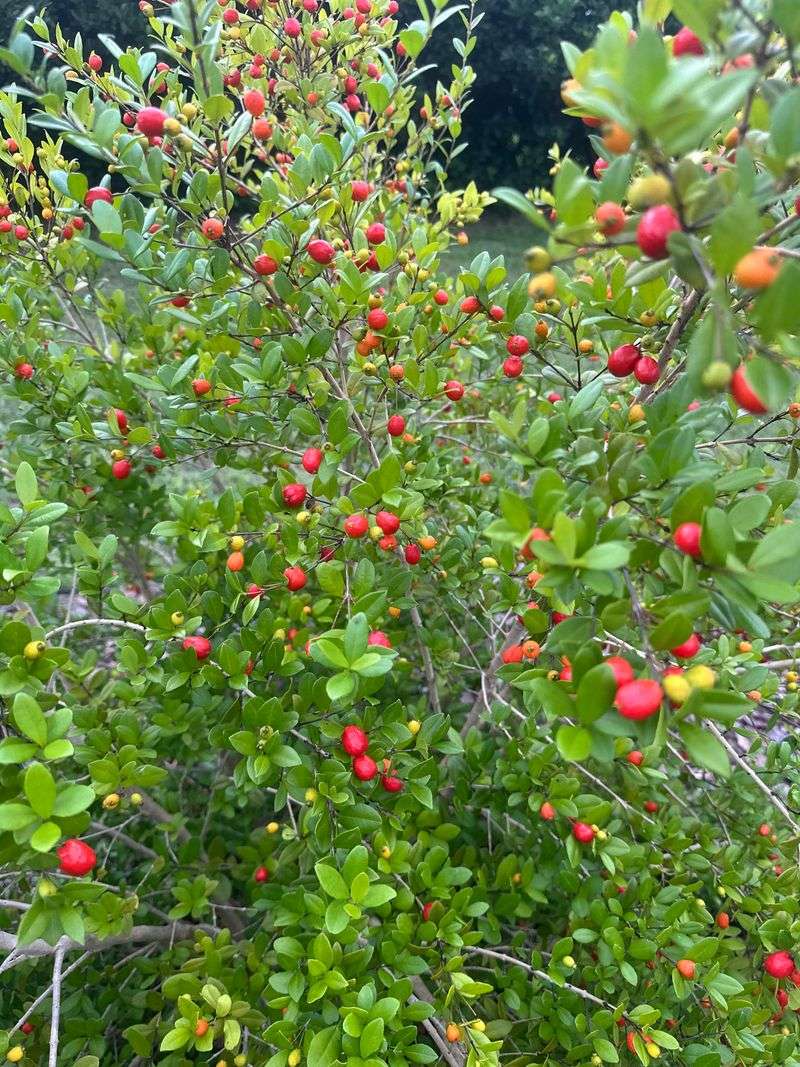
It has a rare tidy look while the wildlife party goes on. It offers glossy leaves, white flowers, and red-orange berries, often with more than one feature on display at once.
Cardinals come for the fruit, while pollinators add the side buzz.
This Florida native works as a shrub or small tree, especially in Central and South Florida. It stays polished enough for a front yard, yet still pulls its weight in a habitat garden.
The dense leaves create cover, and the gradual berry crop keeps birds curious over a longer stretch.
That is where this plant earns its place. Some berry shrubs give one short feast, then the show fades. Simpson’s Stopper feels more like a slow snack bar.
A few fruits ripen, birds visit, more fruit follows, and the plant stays attractive through it all.
Place it near a patio, window, or path so the action does not hide at the back of the yard. It suits sun or part shade and prefers well-drained soil.
Once established, it can handle a bit of dry weather with less drama than many ornamental shrubs.
The fragrant flowers add one more reason to keep it close. You get scent, shine, berries, and birds in one neat plant. Simpson’s Stopper sounds like a stage name, and honestly, it performs like one.
6. Wild Coffee Works In Shady Beds
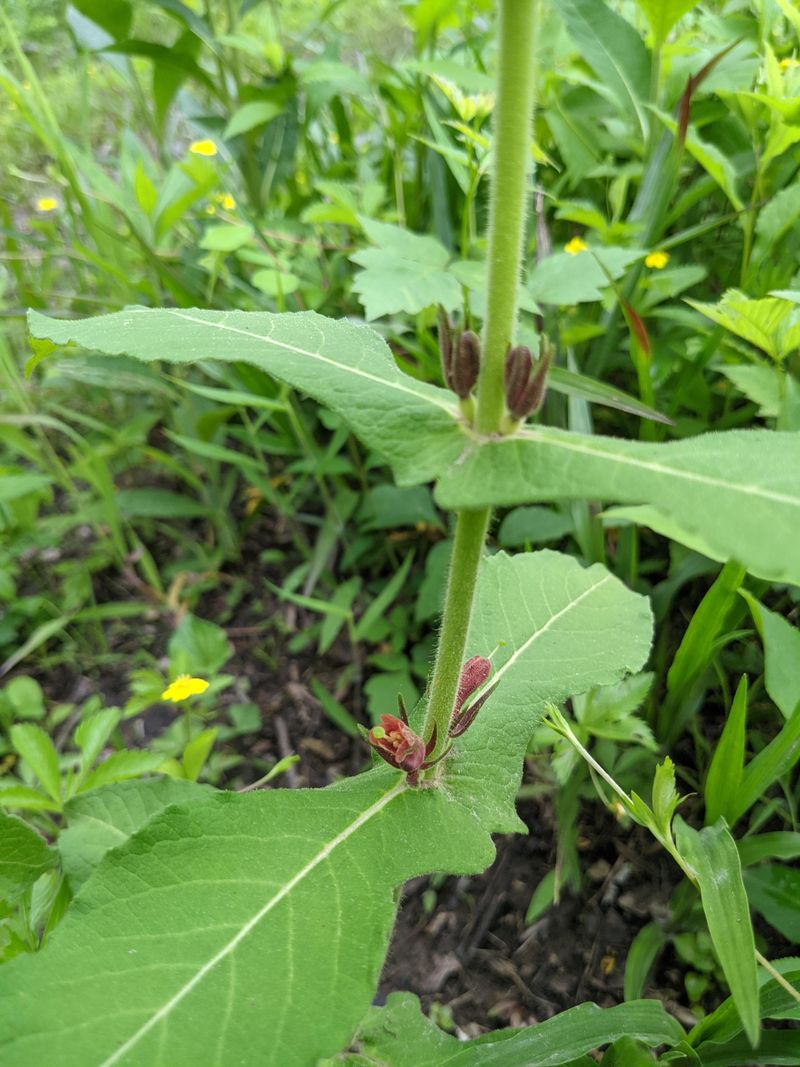
Wild Coffee is the shady-yard problem solver with a name that sounds more caffeinated than it is. No, it will not replace your daily cup. It will, however, make those dim corners under oaks and palms feel useful for birds.
This native shrub prefers shade or part shade, which gives it an edge in Florida yards with mature trees. Many wildlife plants want sun.
Wild Coffee is happy below the canopy, where its glossy leaves create low cover and its red berries add a food source close to the ground.
Cardinals use yards in layers. They may perch high, forage low, then dart into cover between stops. Wild Coffee helps fill that lower layer, which can make the garden feel more complete from a bird’s point of view.
It pairs well with taller shrubs and small trees because it does not need to be the star.
The berries are for birds, not for your mug. That little detail saves everyone from a very odd breakfast. Plant Wild Coffee in groups for a fuller look and better fruit display.
Three plants can make a shaded bed feel intentional instead of forgotten.
Give it space to reach roughly four to eight feet wide and tall, based on site conditions. Once it settles in, it asks for little. Your shady corner gets texture, cardinals get cover, and your coffee can stay safely in the kitchen.
7. Red Mulberry
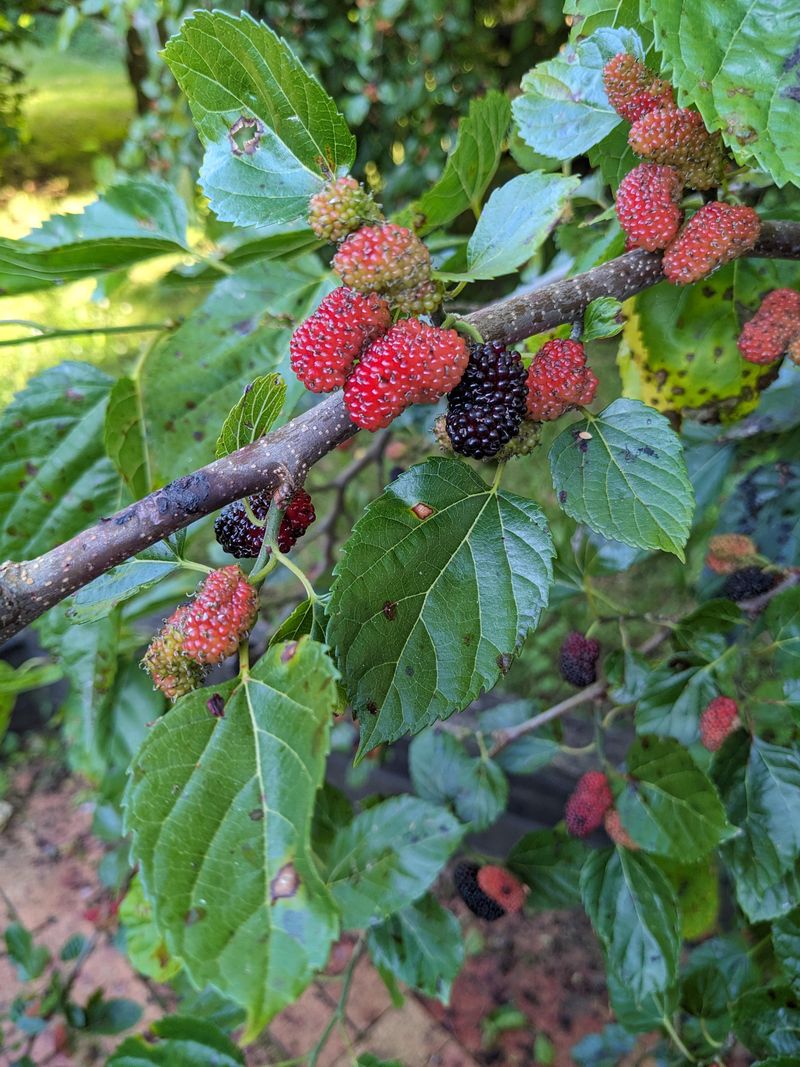
Red Mulberry is not a dainty patio shrub. It is the yard’s fruit truck, and cardinals know when it pulls up.
When the dark red to purple berries ripen, birds may arrive in waves, with cardinals right in the mix beside mockingbirds, catbirds, and other fruit fans.
This native tree can reach about thirty to forty feet, so placement matters. Give it room away from pavement, patios, and places where berry stains would become a household debate.
A grassy edge, natural area, or back corner suits it better. There, fallen fruit becomes part of the habitat instead of a cleanup project with dramatic sighs.
Red Mulberry offers fruit from late cool season to early summer in much of Florida. That fruit window can help cardinals in a busy part of the year, when adults need energy and young birds add extra demand.
The berries are juicy, sweet, and easy for birds to find.
This tree asks for patience and space, but it pays back with serious wildlife value. Full sun to part shade works well, and moist, fertile soil can help it thrive.
It often establishes faster than some native trees, which is good news for gardeners who dislike suspense.
Plant Red Mulberry where it can be itself. Not near the white walkway. Not beside the fancy patio rug. Give it a natural zone, then enjoy the berry parade from a safe distance.