7 Arizona Trees That Shed Bark In Summer (And What It Means)
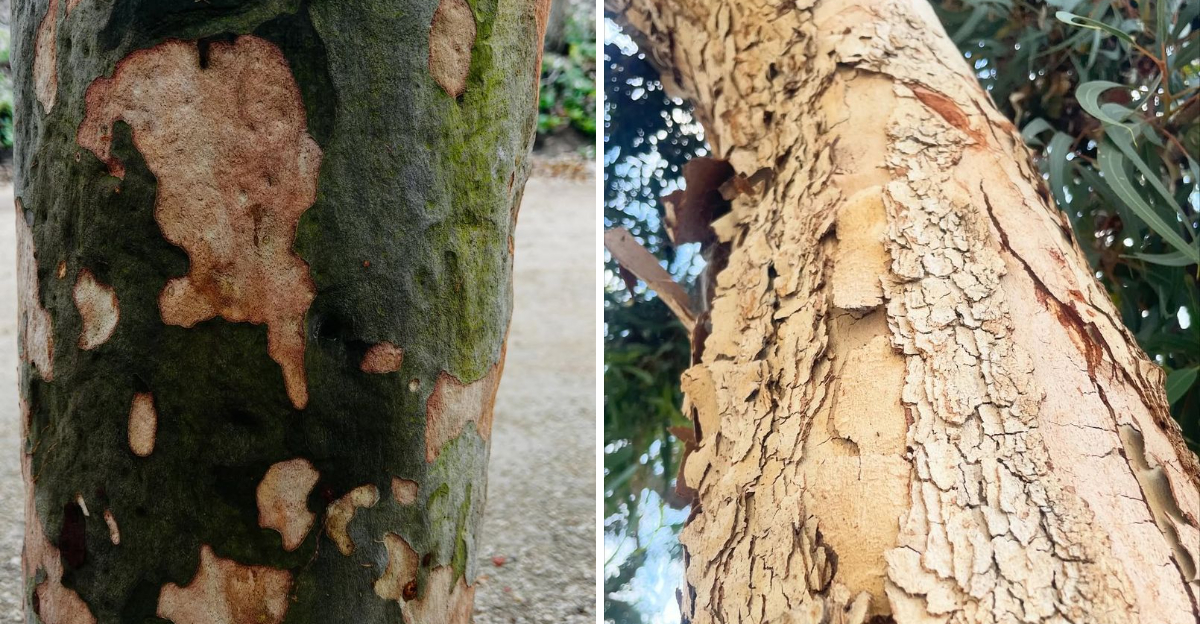
Arizona trees have a sneaky summer habit. One week the trunk looks normal. The next, bark sits on the ground like the tree changed outfits and forgot to clean up.
Weird? Yes. A little dramatic? Also yes.
The tricky part is that bark loss can mean two very different things. Sometimes the tree has outgrown an old coat. Sometimes it offers a heat signal that deserves attention.
That difference matters in a desert yard, where sun, wind, and dry soil can turn small clues into real care decisions. Before you panic or grab a rake with detective energy, look closer.
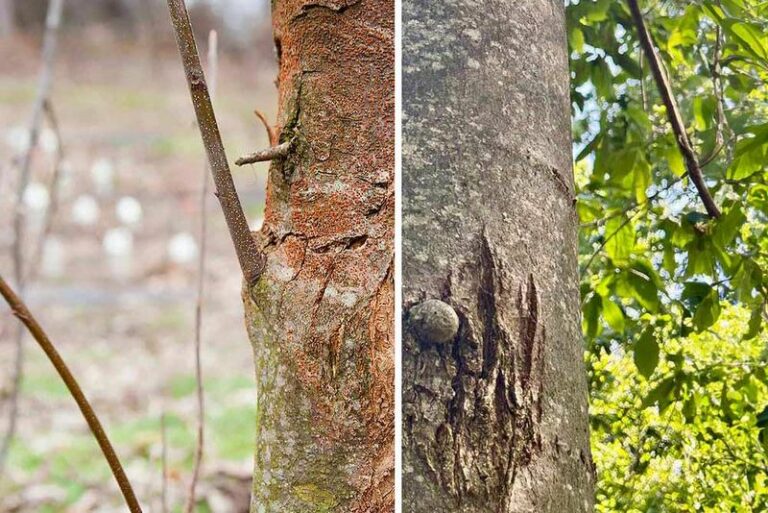
The color under the bark matters. So does the pattern, the side of the trunk, and the overall tree.
Some Arizona trees treat bark drop like a seasonal wardrobe refresh. Others need better shade, water, or trim choices.
Which tree is just there for the drama, and which one needs help? The answer sits in the bark, and summer makes the clues much easier to spot in plain sight.
1. Arizona Sycamore Sheds Patchy Bark Naturally
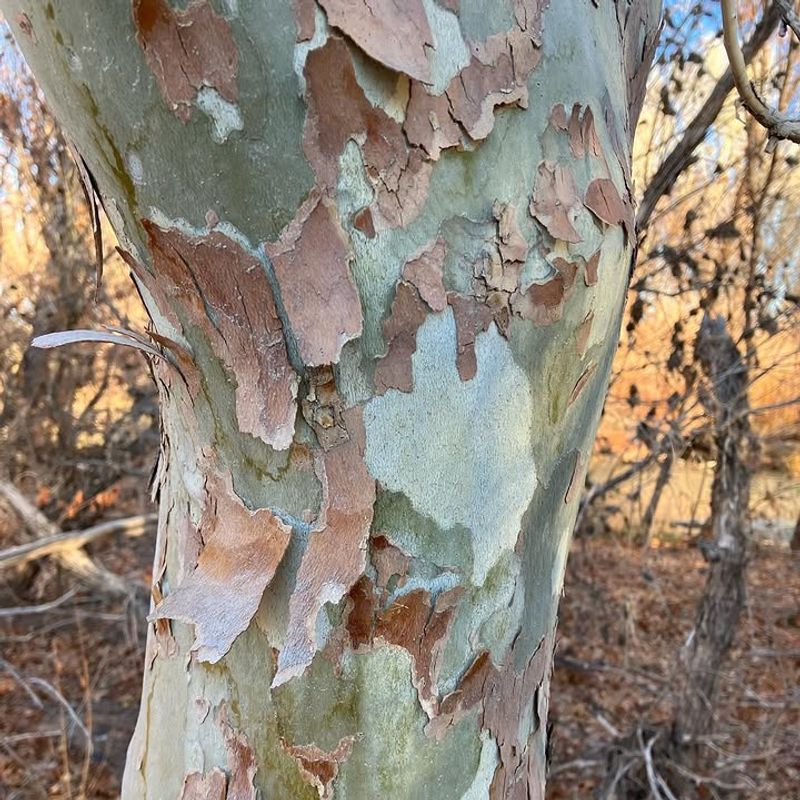
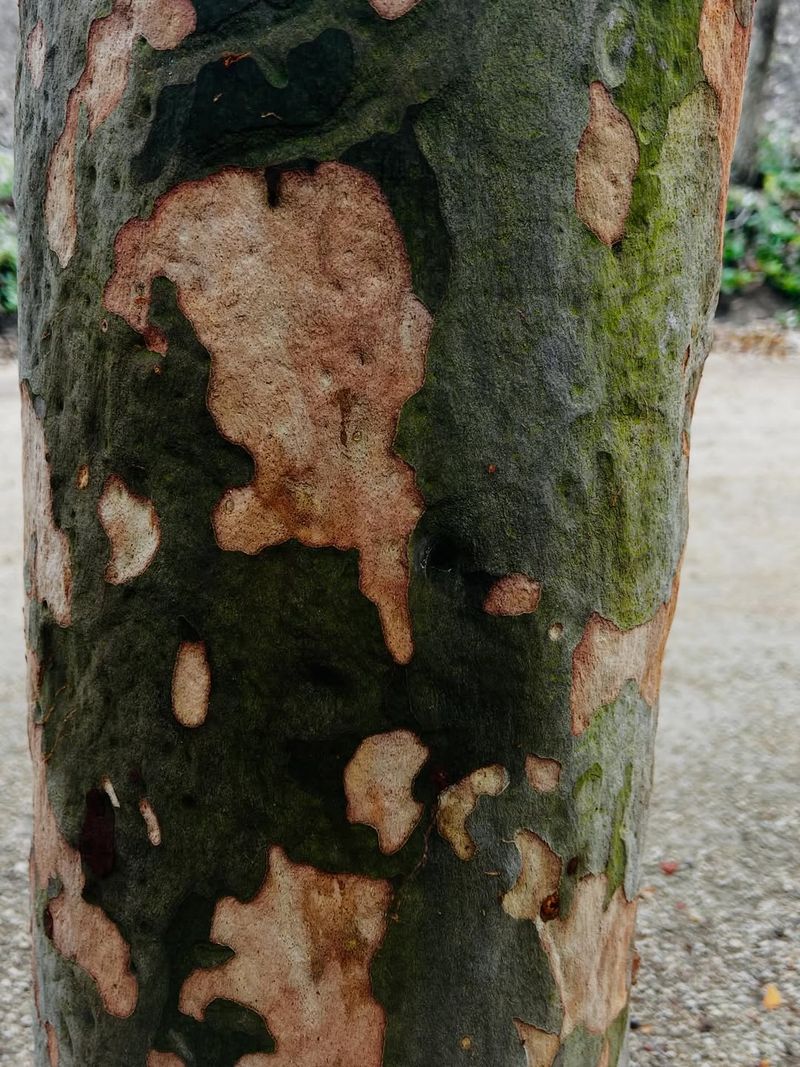
Arizona Sycamore likes to make an entrance in July. Its trunk can look patched with cream, tan, olive, and brown, almost like desert camouflage with extra confidence.
That look may seem odd at first, but for this tree, it is usually part of normal growth.
As the trunk adds width, the older outer bark cannot stretch enough. It cracks, loosens, and drops away in patches. Fresh inner bark appears underneath with lighter color and a smoother surface.
The tree repeats this cycle over time, which is why older sycamores can look especially dramatic.
This is the tree version of a summer outfit change. No closet, no mirror, just bark on the ground and a trunk that looks ready for an art gallery. In Arizona, that lighter exposed bark can also help reflect sunlight on hot surfaces.
Arizona Sycamores often grow near streams, washes, and canyon bottoms because they appreciate water. In yards, they usually do better with deep, regular summer water than with quick shallow drinks.
A leafy canopy, firm branches, and clean pale bark under the old patches are good signs.
Bark pieces under the tree do not need a panic moment. Rake them up for neatness, then check the leaves. A full, green canopy usually means the tree is not in trouble. It is just syca-more than a little stylish.
2. Mexican Sycamore Peels For A Mottled Look
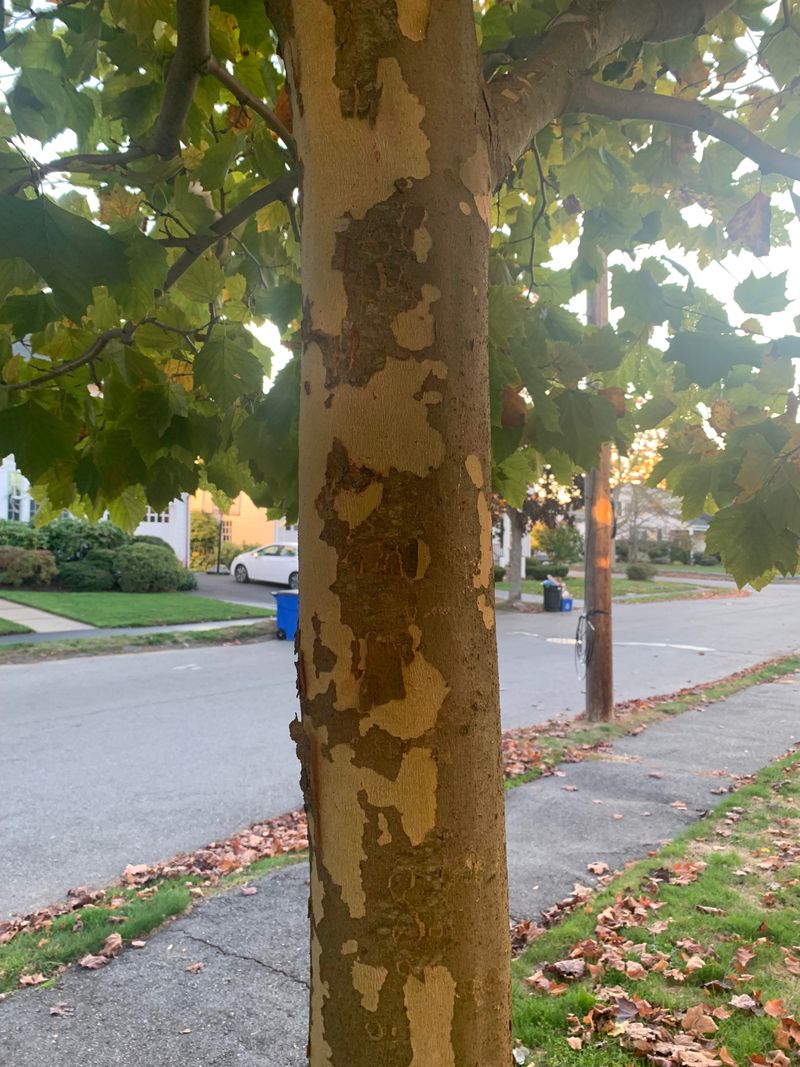
Some trees treat summer like reveal season, and this one really commits. Large, papery flakes lift from the trunk and leave behind pale cream, white, and tan surfaces that look almost brushed on by hand. Very fancy. Very tree-on-vacation.
On Mexican Sycamore, this bark change is usually normal. The trunk expands, the older bark loses its grip, and pieces curl away.
Summer heat can make the show look more dramatic, especially from June through August, but the process comes from growth rather than trouble.
This tree has become a popular choice in warm Arizona landscapes because it brings shade, bold texture, and a cleaner pale trunk than many yard trees.
Your Arizona Garden Changes Every Week. Your Plan Should Too.
Gardening in Arizona changes quickly throughout the season. Every Friday you’ll receive a simple weekly plan showing exactly what to plant, prune, fertilize, harvest, and protect so you never miss the right timing.
Once established, it can handle dry spells better than some other sycamores, though deep water still helps in long hot stretches.
The easy check is the surface below the loose bark. Fresh inner bark should look smooth, firm, and light in color. That is the tree’s message: “Relax, this is new shirt day.” A little bark confetti on the ground fits the act.
Dark stains, soft areas, sap flow, or deep open cracks deserve a closer look from a qualified tree pro. Those clues tell a different story.
Most of the time, though, Mexican Sycamore just offers its best desert runway walk, and honestly, the bark has range.
3. Screwbean Mesquite Flakes As Branches Age
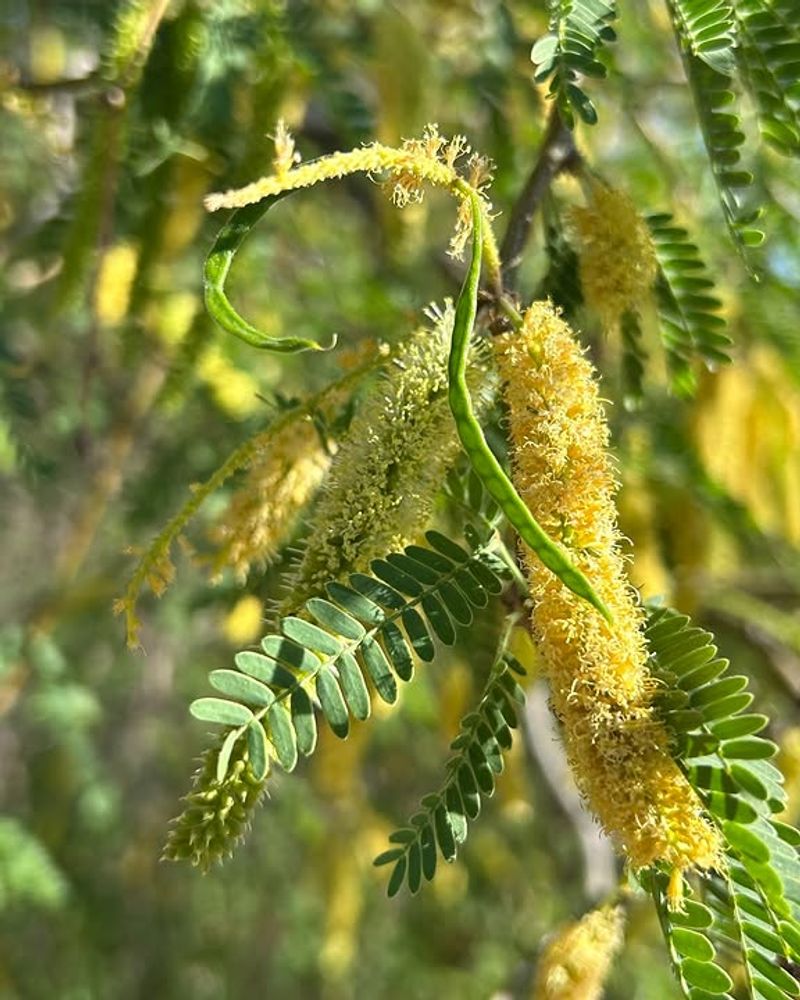
The first clue may sit above your head, not under your feet. Before the bark gets attention, the seed pods steal the scene.
Those tight little corkscrews give Screwbean Mesquite its name, and the trunk adds its own rugged detail as the tree matures.
For older Screwbean Mesquite, flaky bark is usually normal. Young branches often look smoother and gray-green. With age, the bark darkens, roughens, and separates in small pieces.
On a mature trunk, furrows and loose strips can appear side by side, like the tree hired two texture designers.
Summer does not have to be the cause. Dry desert air can make loose bark curl faster, so the change becomes easier to spot in hot months.
This tree is native to washes, river edges, and places where seasonal water gathers, so it knows Arizona’s mood swings pretty well.
In a yard, the best care is deep water at wider intervals rather than quick surface splashes. That supports stronger roots without a soggy mess at the surface.
Keep cuts modest, too. Big prune cuts can invite pests and other issues, and mesquite does not need a dramatic haircut to look handsome.
Firm bark, healthy leaves, and steady branch growth point to normal age texture. Soft bark or a sponge-like feel deserves pro attention. Otherwise, this tree is just mesquite of the moment, minus the drama.
4. Velvet Mesquite Shows Rough Seasonal Texture
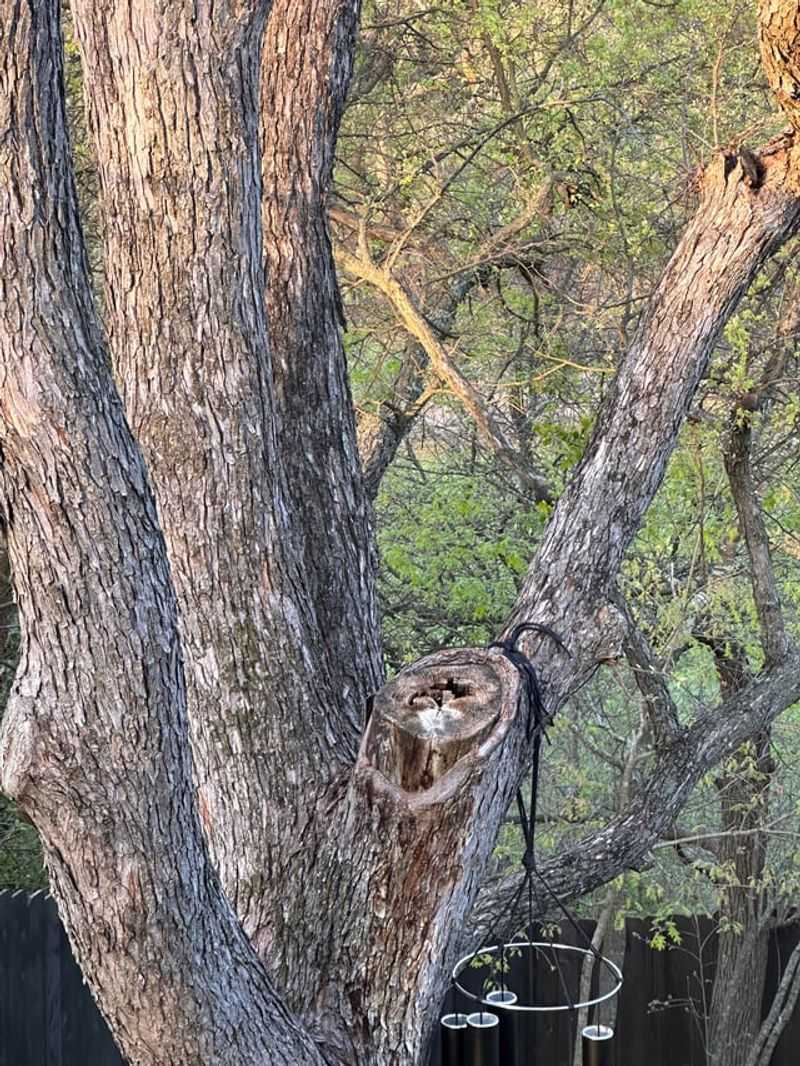
Older desert trees often wear their history right on the trunk.
Smooth young bark gives way to darker, thicker texture, and deep vertical furrows can make the whole tree look tougher with age. On Velvet Mesquite, that rugged surface is usually part of the charm.
Young trees start with smoother gray bark. Mature trees develop thick bark that can look extra rough around the edges in summer.
Loose outer pieces may curl or lift as the dry air pulls moisture from the surface. The tree can look a little shaggy, like it spent all afternoon in a hot wind tunnel and refused to apologize.
This bark serves a purpose. Thick furrows help buffer the inner tissue from sharp heat shifts. The grooves can also shelter insects and tiny desert creatures, which turns an older mesquite into a small habitat hub.
A tree with texture has stories, and Velvet Mesquite has plenty.
For homeowners, the main trick is restraint. Mature mesquites do not want constant water. Deep, less frequent water usually suits them better than a regular shallow soak.
Too much water can upset the balance and lead to weak growth or leaf trouble.
Rough bark paired with a full canopy often points to normal maturity. Rough bark plus yellow leaves, sparse branch tips, or sudden canopy loss deserves a closer check.
The bark alone does not need alarm. It may just be the tree’s desert beard, and frankly, it wears it well.
5. Desert Willow Develops Shaggy Older Bark
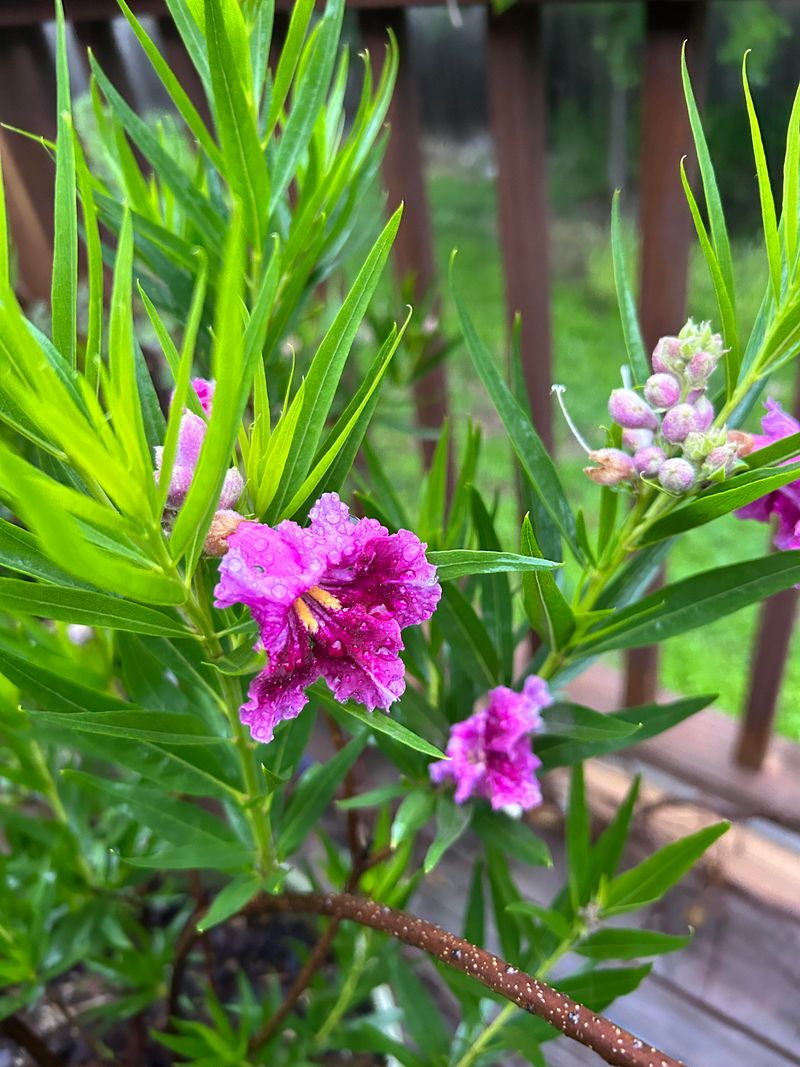
A tree with flowers and fringe already has a flair for drama. The blooms add the color, while the older bark adds texture that feels straight out of a desert costume closet.
Desert Willow may sound soft and watery, but it handles Arizona heat with far more grit.
This tree is not a true willow. It is a tough desert bloomer with trumpet-shaped flowers and bark that can turn shaggy with age. Young bark often looks smoother and reddish brown.
As the tree matures, the trunk and older branches form fibrous layers. Long strips can loosen and lift, especially in dry air.
By midsummer, a mature tree may look like it borrowed a fringed jacket from a very stylish cowboy. That shaggy bark is usually a natural age feature, not a heat crisis. Summer air can make loose strips stand out more, but the tree develops that texture over time.
Desert Willow works well in low-water Arizona landscapes once established. Full sun suits it, and deep water at wider intervals helps roots stay strong without extra fuss.
It does not need special bark treatment. Let the loose outer strips fall on their own, then rake the area for neatness.
Healthy leaves, flowers, and firm bark point to a normal tree. The look may be wild, but that is part of the charm. Desert Willow proves a tree can be drought smart, floral, and a little fringe-forward all at once.
6. Eucalyptus Drops Bark In Long Ribbons
Long bark ribbons on the ground can make any homeowner pause. The trunk may look like it lost a layer in one dramatic scene, and the yard may look like the tree left laundry everywhere.
With many Eucalyptus trees, though, that show is part of the routine.
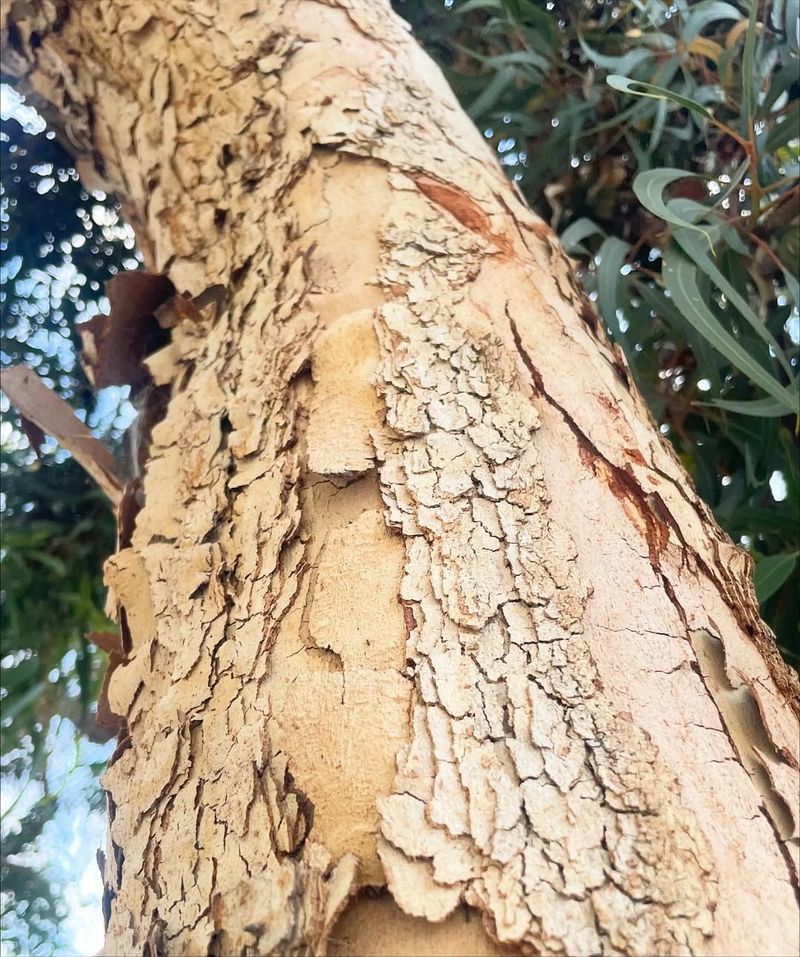
Blue Gum and Silver Dollar types often drop outer bark as part of a renewal cycle. Old bark dries, loosens, and falls away in strips.
New inner bark shows cream, green, tan, or pale orange tones underneath. The contrast can look intense, but the tree often just has a fresher outer surface.
This process can help the trunk shed old surface material, debris, and pests that gather on the bark. The tree gets a fresher surface, and you get confetti with chores attached. Very festive. Slightly rude. Still normal in many cases.
Summer often lines up with this bark drop, so homeowners may see piles appear fast in the hottest months. Rake bark away from structures, patios, and dry plant debris. Dry Eucalyptus bark can add fuel risk, so neat cleanup matters more than usual.
Check the exposed surface after the strips fall. Smooth, firm, clean inner bark points to routine renewal. Dark patches, soft spots, sap flow, or a sour smell deserve a professional look.
Most Eucalyptus trees simply claim a ribbon moment, and the yard gets the receipt.
7. Palo Verde Bark Changes Can Signal Sunscald
The tricky one wears green. That is what makes this bark change so different from the others.
Palo Verde bark is not just a surface feature. It helps the tree make food, so cracks, pale patches, or loose sections deserve more attention.
A healthy trunk should look firm, smooth, and green. Cracks, pale sunken areas, or bark that separates on one side can point to sunscald, especially on young trees or trees with recent heavy trim.
The south or west side of the trunk often gets the hardest afternoon sun, so clues may show up there first.
This is where the tree asks for smart care, not panic. Heavy canopy cuts in late warm season can expose bark that had shade before.
That sudden sun blast may overheat the surface and cause cracks or loose patches. A little shade from its own canopy matters more than people realize.
Do not pull loose bark away by hand. That can expose tender tissue and make the problem worse. Let the area stay in place as a natural cover while the tree tries to seal around it.
Deep, steady water through hot spells can also support recovery.
For young Palo Verde, protect the trunk from harsh afternoon exposure and avoid aggressive trim jobs. A certified arborist can help with serious cases. This tree is Arizona royalty, but even royalty needs a parasol now and then.