These Native Arizona Plants Turned My Thirsty Yard Into A Low-Water Garden
Watching the water bill climb every summer gets old fast. So does dragging hoses around, adjusting sprinklers, and trying to keep thirsty plants alive through long stretches of heat.
The good news is that not every yard has to be a constant battle against dry conditions.
Some native plants are built for exactly this kind of climate. They handle intense sun, limited rainfall, and tough growing conditions without demanding constant attention.
Once established, many need far less water than popular landscape plants that struggle through the same season.
That is why more gardeners across Arizona are making the switch. A few smart plant choices can transform a yard from a high-maintenance headache into a landscape that stays attractive with much less effort.
These native plants prove that cutting back on water does not mean giving up color, texture, or year-round interest.
1. Desert Marigold Thrives With Very Little Water
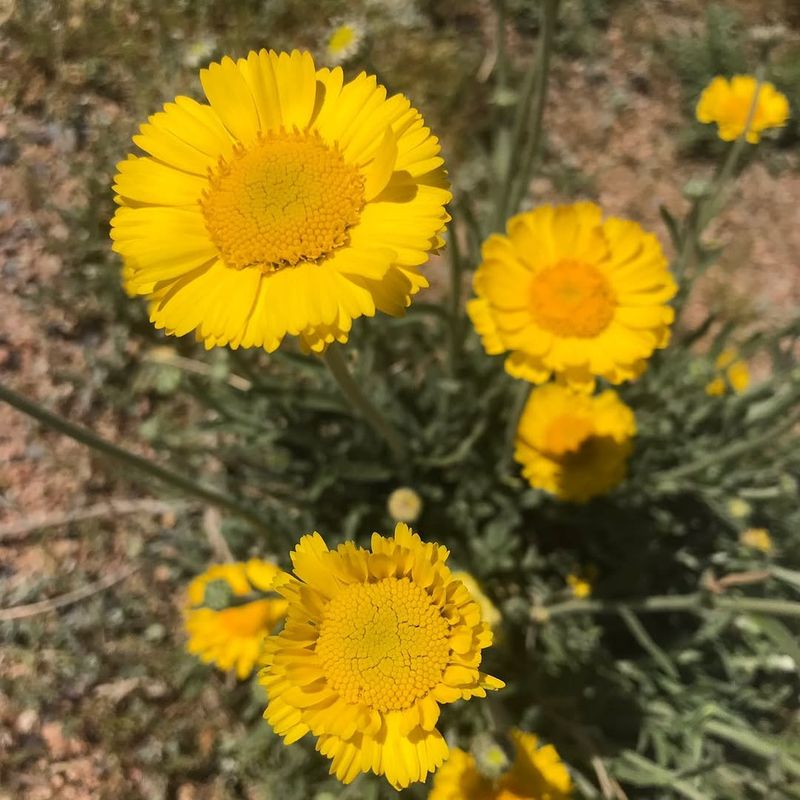
Bright yellow blooms pop up fast when Desert Marigold settles into your yard. This tough little perennial flowers nearly year-round in mild winters and bounces back quickly after summer heat.
Expect cheerful color from spring through fall without babying it along.
Water needs drop dramatically once roots take hold. A deep soak every two weeks during hot months keeps plants happy.
Skip watering entirely during cooler seasons unless conditions turn unusually dry. Overwatering causes more problems than neglect with this species.
Plant in full sun where drainage stays sharp. Clay soil needs amending with sand or gravel to prevent root issues.
Space plants about twelve inches apart for a natural look that fills in over time. Trim back spent flowers to encourage fresh blooms and maintain compact growth.
Height stays under one foot in most yards. Spread reaches similar width without sprawling out of control.
Pair with purple or red blooms for contrast that catches attention from the street. Butterflies and native bees visit constantly during peak flowering periods.
Germination from seed happens quickly in warm soil. Direct sowing after last frost works better than transplanting in many cases.
Established plants self-seed lightly without becoming invasive or taking over nearby beds. Perfect for filling gaps between larger shrubs or edging pathways with reliable color.
You can also leave a few flower heads in place at the end of the season if you want seedlings to appear naturally in nearby open soil.
2. Chuparosa Handles Long Dry Periods With Ease
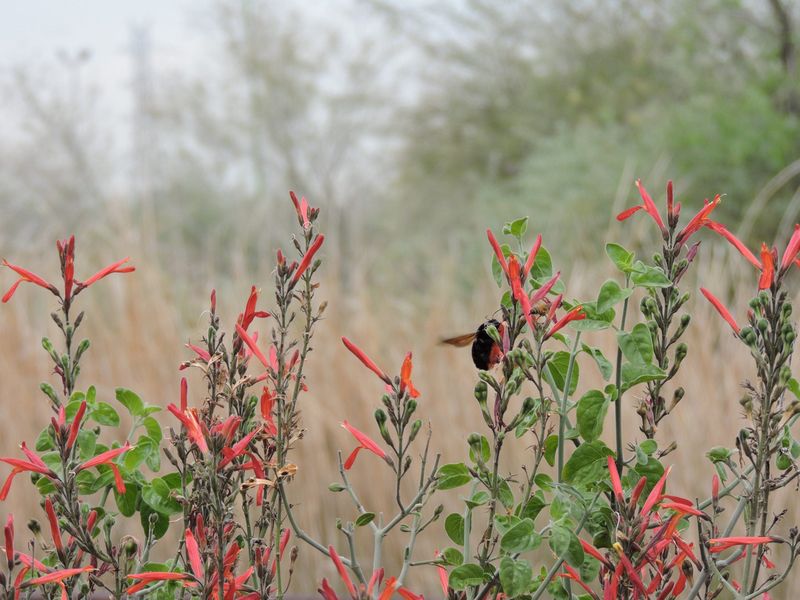
Hummingbirds mob this shrub the moment tubular red blooms appear. Chuparosa flowers heavily from late winter into spring when few other plants offer nectar.
Birds return daily once they find it growing in your yard.
Drought tolerance ranks among the best for Arizona natives. Roots reach deep into soil and tap moisture other plants miss entirely.
Established shrubs survive months without supplemental water during typical years. A monthly soak during extreme heat keeps foliage looking fresh but isn’t strictly necessary.
Growth habit stays open and airy rather than dense. Branches arch gracefully and create interesting shadows on walls or ground.
Your Arizona Garden Changes Every Week. Your Plan Should Too.
Gardening in Arizona changes quickly throughout the season. Every Friday you’ll receive a simple weekly plan showing exactly what to plant, prune, fertilize, harvest, and protect so you never miss the right timing.
Mature size reaches four feet tall and equally wide in average conditions. Prune lightly after flowering to shape plants or control spread.
Full sun produces the most blooms. Partial shade works but reduces flower production noticeably.
Soil type matters less than drainage. Rocky or sandy ground suits this species perfectly without amendments.
Avoid planting in low spots where water pools after storms.
Freezing temperatures damage tender growth in colder zones. Plants resprout from roots when temperatures warm again.
Protect young specimens during their first winter with frost cloth if hard freezes threaten. Mature plants handle occasional cold snaps better than newly planted ones.
Pair with yellow or purple flowers for bold color combinations that last for weeks.
3. Globe Mallow Keeps Blooming In Tough Conditions
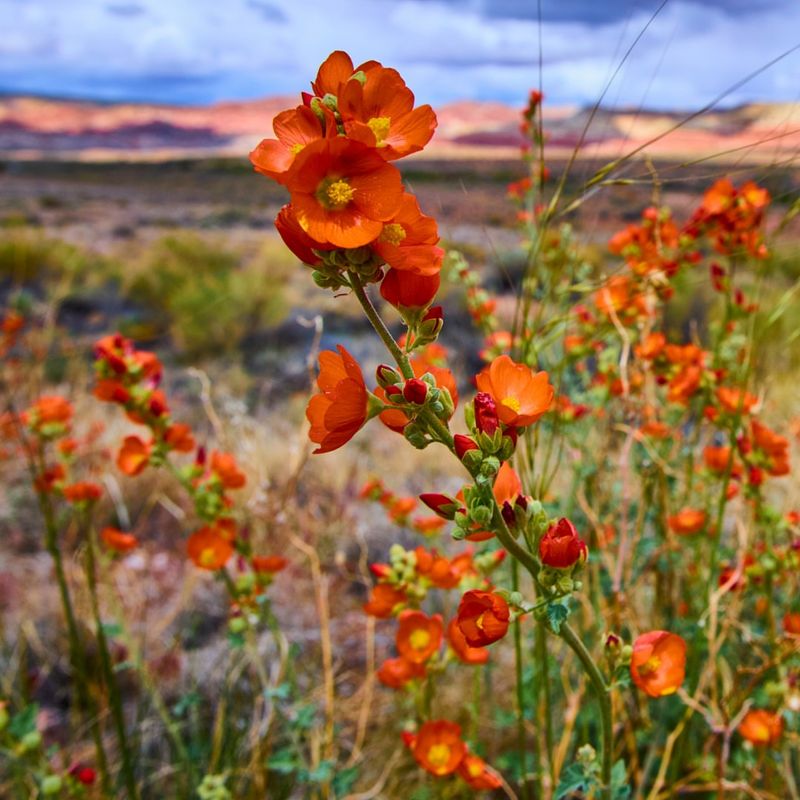
Orange blooms cover this plant from spring through fall without stopping. Globe Mallow shrugs off heat that wilts most garden favorites.
Flowers keep coming even when temperatures climb past one hundred degrees for weeks straight.
Water requirements stay minimal after the first growing season. One deep watering every three weeks during summer maintains steady growth.
Cut back to monthly watering in spring and fall. Winter moisture from rain usually provides enough without supplemental irrigation.
Roots spread wide rather than deep and grab moisture efficiently from light rainfall.
Height varies from two to three feet depending on water availability. Plants grow taller with regular irrigation but stay compact under drier conditions.
Spread reaches similar dimensions and fills space quickly once established. Cut back hard in late winter to remove old growth and encourage fresh stems.
Full sun brings out the best performance. Soil doesn’t need special preparation beyond ensuring good drainage.
Clay ground benefits from adding coarse sand before planting. Space plants eighteen inches apart for a continuous display that weaves together naturally.
Foliage feels slightly fuzzy and catches light beautifully in morning sun. Bees and butterflies visit constantly throughout the blooming season.
Self-seeding happens freely but seedlings pull easily if they sprout where you don’t want them. Combine with silver-leafed plants for striking contrasts that highlight the bright orange petals.
4. Fairy Duster Fits Naturally Into Water-Wise Yards
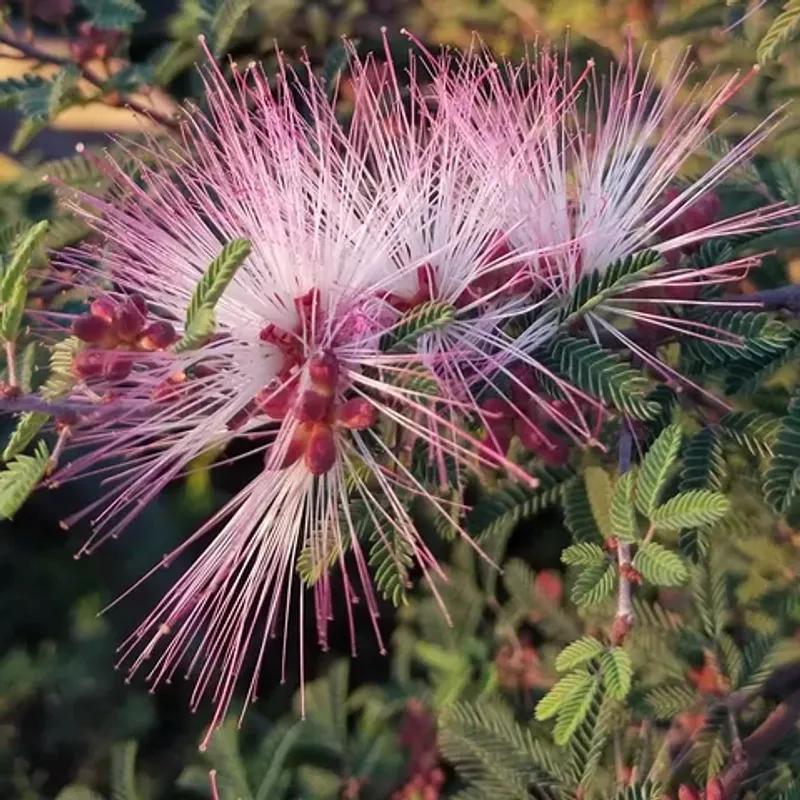
Fluffy pink blooms look like tiny powder puffs scattered across fine-textured foliage. Fairy Duster flowers appear heaviest in spring but continue sporadically through warmer months.
Each bloom attracts attention from both people and pollinators passing by.
Established plants handle extended dry spells without complaint. Water deeply every two to three weeks during peak summer heat.
Reduce frequency to monthly during spring and fall when temperatures moderate. Winter watering becomes unnecessary in most years unless conditions turn unusually dry for extended periods.
Compact growth habit keeps this shrub under three feet tall and wide. Branches stay dense and create a rounded shape without heavy pruning.
Light trimming after main bloom period maintains tidy appearance and encourages additional flowers. Avoid cutting back into old wood which recovers slowly.
Plant in full sun for maximum flowering. Partial shade reduces bloom production significantly.
Soil adaptability ranks high but drainage must stay sharp. Rocky or gravelly ground works perfectly without amendments.
Space plants three feet apart to allow room for mature spread.
Foliage stays semi-evergreen through mild winters. Hard freezes may damage leaves but plants rebound quickly when warmth returns.
Hummingbirds and butterflies visit frequently during flowering periods. Combine with yellow or orange blooms nearby for color combinations that feel natural rather than forced.
Deer usually leave this species alone even when other plants get browsed heavily.
5. Desert Zinnia Stays Colorful Without Frequent Irrigation
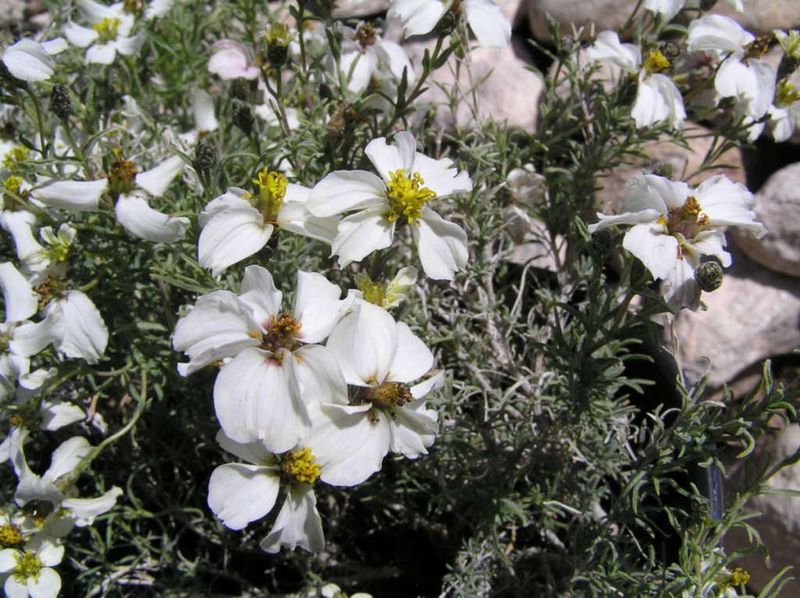
White petals with yellow centers create a daisy-like appearance that brightens any planting bed. Desert Zinnia blooms prolifically from spring through fall when conditions suit it.
Flowers keep opening even during hot stretches that shut down less adapted species.
Water needs remain low once roots establish themselves. One deep soaking every two weeks during summer keeps plants flowering steadily.
Spring and fall watering can stretch to three weeks between applications. Winter moisture usually comes from natural rainfall without needing supplemental irrigation.
Plants tolerate drought well but bloom production slows without occasional watering.
Low-growing habit keeps plants under one foot tall. Spread reaches twelve to eighteen inches and creates a mat-like ground cover over time.
Trim back spent flowers regularly to maintain continuous blooming and prevent plants from looking ragged. Cut back hard in late winter to remove old growth completely.
Full sun produces the most vigorous growth and heaviest flowering. Partial shade works but reduces bloom quantity noticeably.
Soil type matters less than drainage quality. Sandy or gravelly ground suits this species perfectly.
Avoid heavy clay unless amended thoroughly with coarse material.
Reseeding happens readily in favorable spots. Seedlings appear easily recognizable and transplant well when small.
This trait helps fill gaps naturally without becoming problematic. Butterflies and small native bees visit flowers constantly.
Pair with taller plants behind for layered interest that adds depth to border plantings.
6. Arizona Milkweed Grows Well In Dry Locations
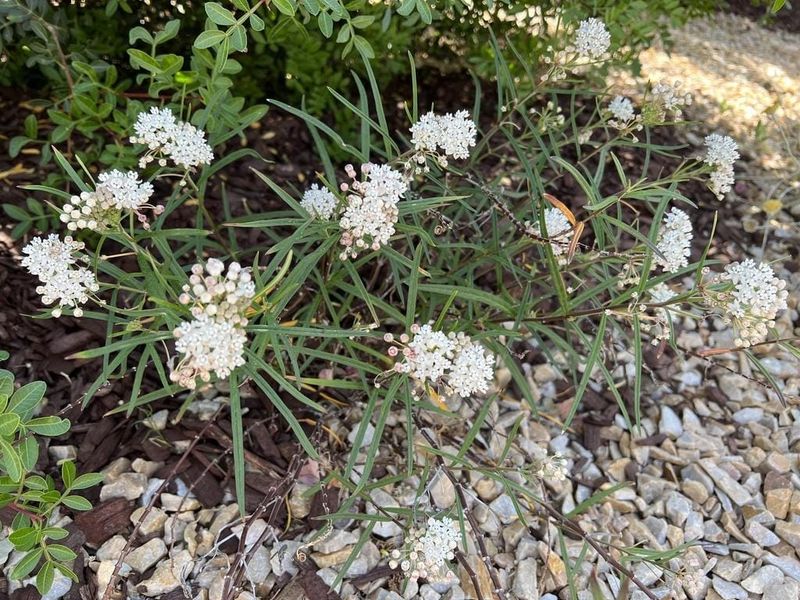
Monarch butterflies depend on milkweed species for survival. Arizona Milkweed provides crucial habitat while thriving in conditions that challenge most garden plants.
Clusters of cream-colored flowers appear in spring and attract monarchs along with other butterflies.
Drought tolerance improves dramatically after the first year. Water deeply every two weeks during hot months to maintain healthy foliage.
Reduce frequency to three weeks during cooler seasons. Winter watering becomes unnecessary in typical years.
Plants may go dormant during extreme drought but resprout quickly when moisture returns.
Upright growth reaches two to three feet tall. Spread stays relatively narrow at one to two feet wide.
Stems grow stiffly vertical and create interesting vertical accents among lower plants. Foliage stays narrow and gray-green throughout the growing season.
Full sun suits this species best. Partial shade reduces flowering and weakens stem strength noticeably.
Soil adaptability ranks high across various types. Rocky or sandy ground works well without amendments.
Space plants two feet apart for natural groupings that support butterfly populations effectively.
Seed pods develop after flowering and split open to release silky seeds. This natural reseeding helps establish new plants in favorable locations.
Caterpillars feed on leaves and may strip foliage temporarily but plants recover quickly. Avoid pesticides entirely to protect butterfly larvae.
Combine with other native species to create habitat corridors that support migrating monarchs and local pollinators throughout the season.
7. Creosote Bush Flourishes Where Water Is Limited
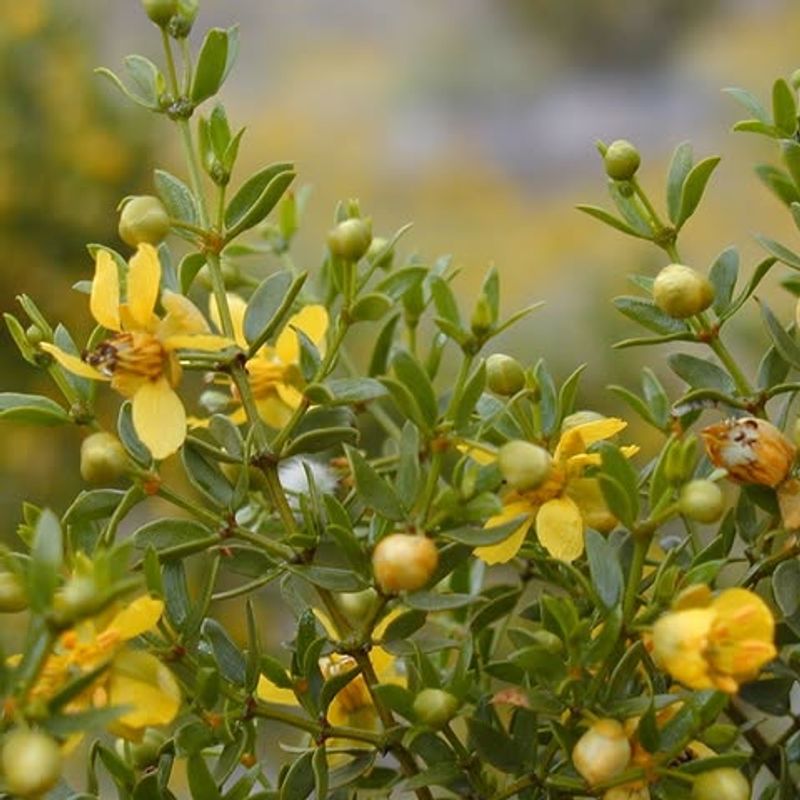
That distinctive desert smell after rain comes from Creosote Bush. This iconic shrub dominates natural landscapes across lower elevations.
Small yellow flowers appear after winter rains and continue sporadically through spring months.
Water requirements stay extremely low even for desert plants. Established specimens survive entirely on natural rainfall in most years.
Supplemental watering every four to six weeks during severe drought maintains better appearance but isn’t essential for survival. Roots spread wide and shallow to capture light moisture from brief showers.
Mature size reaches six to ten feet tall and equally wide. Growth rate stays moderate and plants take several years to fill their space.
Prune selectively to shape plants or control size but avoid heavy cutting which stresses specimens unnecessarily. Natural form creates interesting sculptural quality without intervention.
Full sun brings out the best growth and flowering. This species evolved in open desert conditions and struggles in shade.
Soil type barely matters as long as drainage stays adequate. Even caliche layers don’t stop established plants from thriving.
Space shrubs six feet apart minimum to allow mature spread.
Evergreen foliage stays olive-green year-round. Resinous coating on leaves helps reduce water loss during extreme heat.
Wildlife value ranks lower than flowering species but plants provide shelter for small birds and lizards. Combine with colorful bloomers planted in front to soften the utilitarian appearance while maintaining authentic desert character.
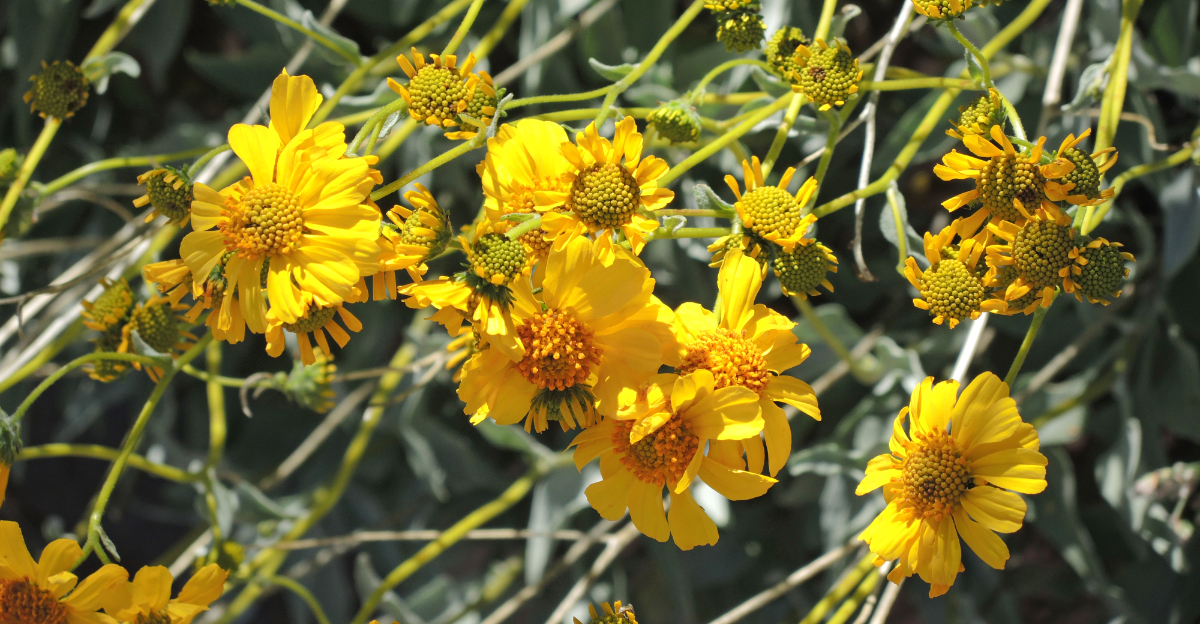
8. Brittlebush Brings Seasonal Color With Minimal Moisture
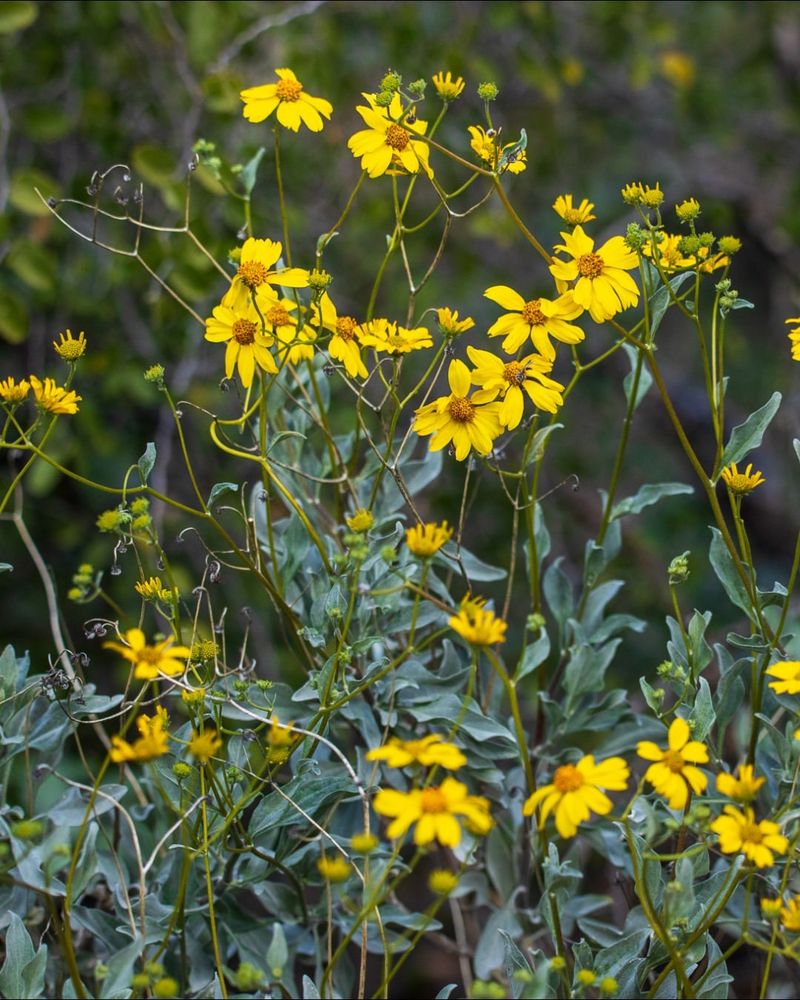
Masses of bright yellow daisies transform this shrub into a showstopper every spring. Brittlebush blooms heavily from late winter through early summer depending on rainfall timing.
Silvery gray foliage provides year-round interest even when flowers finish.
Water needs stay low throughout the year. One deep soaking every three weeks during summer maintains fresh foliage.
Spring watering can stretch to monthly applications without problems. Winter moisture from natural rainfall usually suffices without supplemental irrigation.
Plants may drop some leaves during extreme drought but rebound quickly when conditions improve.
Rounded growth habit reaches two to three feet tall and wide. Plants grow quickly and fill space within two growing seasons.
Prune after flowering ends to remove spent stems and maintain compact shape. Avoid cutting into old wood which recovers slowly or not at all.
Full sun produces the most vigorous growth and heaviest flowering. Reflective foliage stays attractive even in partial shade but bloom production drops noticeably.
Soil adaptability ranks high across various types. Rocky slopes and gravelly flats suit this species perfectly.
Space plants three feet apart for massed displays that create dramatic impact.
Foliage reflects intense sunlight and helps cool surrounding areas slightly. Resin from stems was historically used for various purposes by indigenous peoples.
Bees visit flowers enthusiastically during peak bloom periods. Combine with purple or red flowers for bold contrasts that highlight the brilliant yellow petals throughout the extended blooming season.