8 Things A Texas Roadrunner Eats In Your Garden Every Single Day
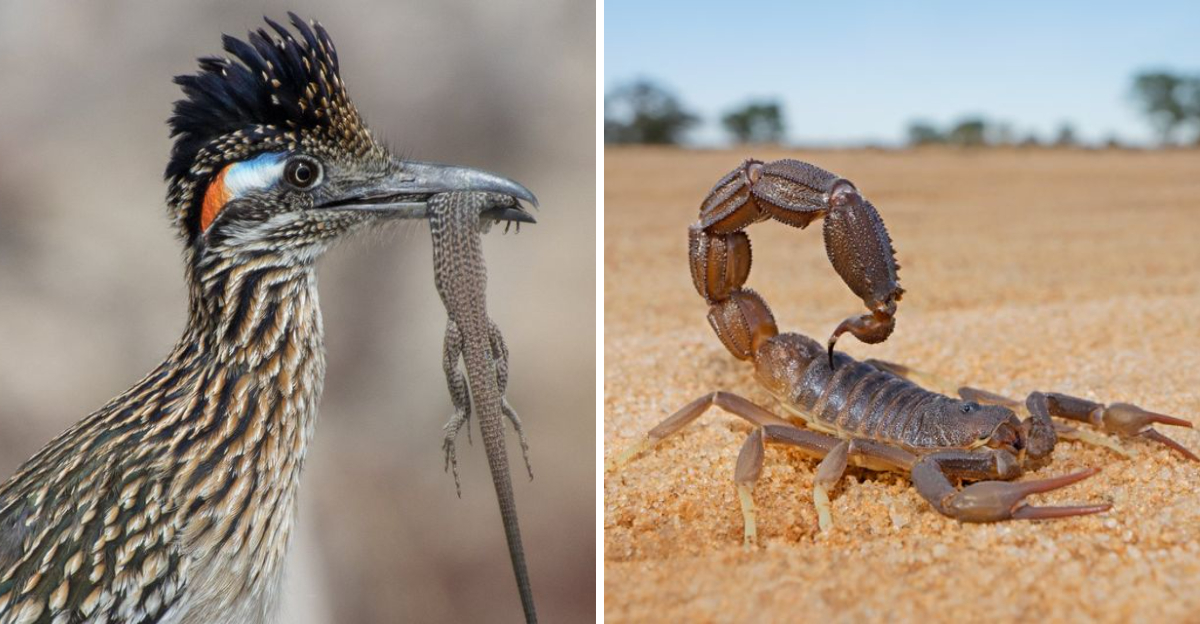
If you’ve ever spotted a roadrunner darting through your yard, you already know there’s something special about these birds. They’re fast, fearless, and honestly a little comical to watch.
But here’s what most Texas gardeners don’t realize: that roadrunner isn’t just passing through. It’s hunting.
Roadrunners are some of the most active and ambitious eaters in the bird world. Every single day, they’re on the move, scanning your garden for their next meal.
And their menu? It’s a lot more surprising than most people expect. We’re not just talking about seeds or berries here. These birds go after things that most gardeners would love to get rid of.
Pests, critters, and creatures that can do real damage to your plants and yard. In a way, having a roadrunner visit your garden regularly is like having a free, feathered pest control service on call.
So what exactly is your roadrunner eating out there every day? The answer might just change the way you see these incredible birds forever.
1. Grasshoppers
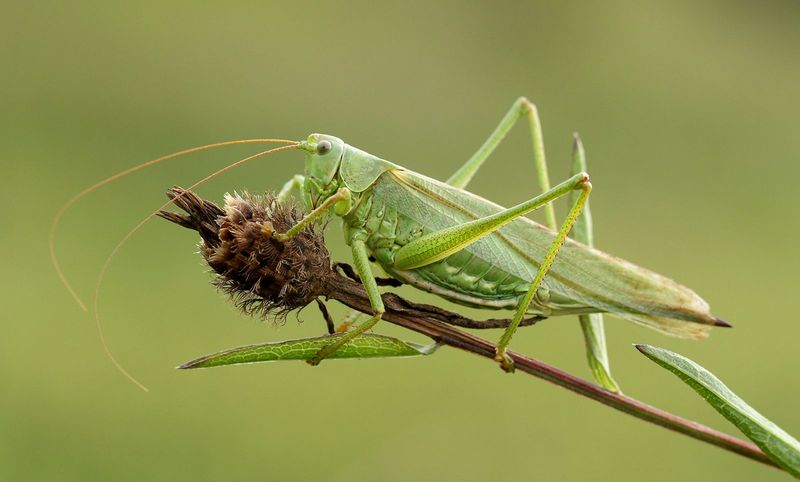
Few insects stand a chance when a roadrunner is on patrol. Grasshoppers are one of the roadrunner’s all-time favorite snacks, and for good reason.
These jumpy insects are packed with protein and show up in gardens all across Texas throughout the warmer months.
Roadrunners are incredibly fast on their feet, which makes catching grasshoppers look almost effortless. The bird will spot one from a distance, sprint toward it at full speed, and snatch it up with its sharp beak before the insect even has a chance to hop away.
It is honestly impressive to watch. Grasshoppers can cause real damage to your garden plants. They chew through leaves, stems, and flowers at a surprising rate.
Having a roadrunner nearby means you have a natural pest controller working around the clock without any sprays or chemicals needed.
Gardeners in Texas often notice fewer grasshopper problems in yards where roadrunners regularly visit. That is not a coincidence.
A single roadrunner can consume dozens of insects in one day. They are highly efficient hunters who rarely miss a meal when one is available.
Roadrunners do not just eat grasshoppers whole right away. Sometimes they will beat the insect against a rock or hard surface first.
This helps break it down and makes swallowing easier. It might look a little rough, but that is just their natural feeding behavior at work.
2. Crickets
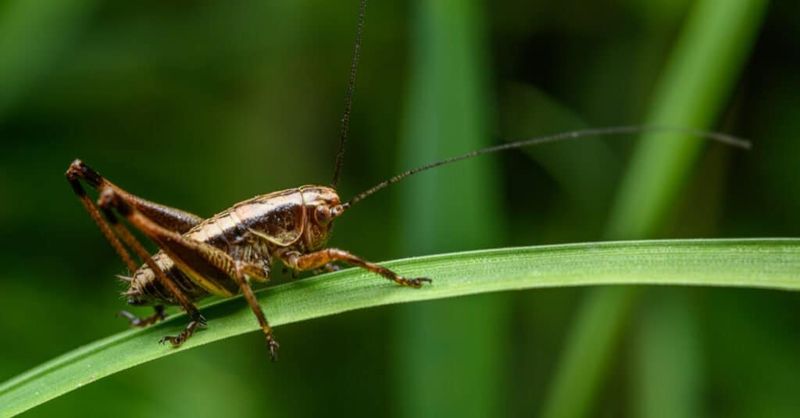
Crickets might be known for their nighttime chirping, but they do not always stay hidden when a roadrunner is around. These birds are sharp-eyed hunters who can spot a cricket moving through leaf litter or along the base of a fence faster than you might expect.
In Texas gardens, crickets tend to gather near mulch, rocks, and garden beds where moisture collects. Roadrunners know exactly where to look.
They will poke around in debris, flip small objects with their beaks, and flush crickets out into the open before pouncing on them with speed and precision.
Your Texas Garden Changes Every Week. Your Plan Should Too.
Gardening in Texas changes quickly throughout the season. Every Friday you’ll receive a simple weekly plan showing exactly what to plant, prune, fertilize, harvest, and protect so you never miss the right timing.
Crickets are a solid source of nutrition for roadrunners. They contain fat, protein, and moisture, which helps keep the bird energized during long days of hunting.
When cricket populations spike in late summer and fall, roadrunners take full advantage of the easy meal.
One interesting thing about roadrunners is that they do not rely on just one type of food. They mix up their diet depending on what is available, and crickets often fill in the gaps between larger prey.
This flexibility is part of what makes them such successful survivors in the Texas heat. If your garden has a cricket problem, a visiting roadrunner might be exactly what you need.
Rather than setting traps or using pesticides, letting nature handle the situation is often the simplest and most effective approach. Roadrunners take their job seriously, and crickets rarely escape their attention for long.
3. Beetles And Other Large Insects
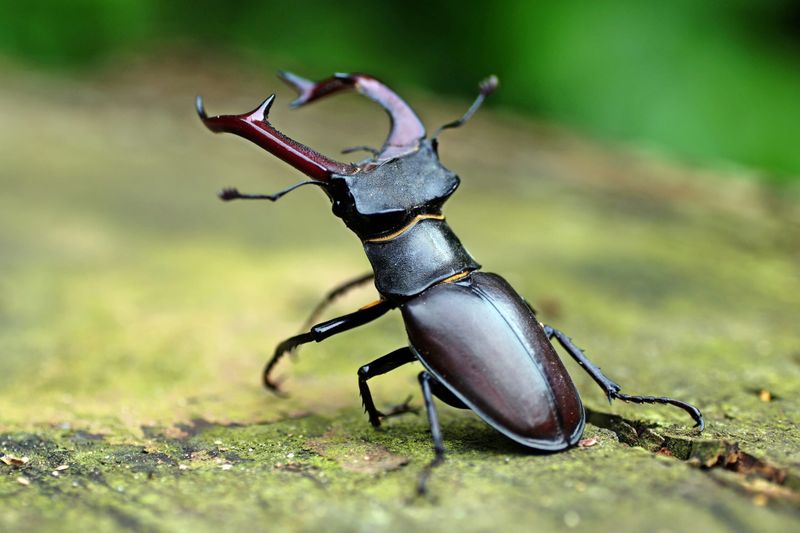
Beetles are everywhere in a Texas garden, and roadrunners treat them like a reliable daily meal.
From ground beetles to large June bugs, these birds are not picky when it comes to the insect world. If it moves and fits in their beak, it is fair game.
What makes roadrunners so good at finding beetles is their habit of constantly moving and scanning the ground. They walk quickly, tilt their heads, and investigate anything that catches their eye.
Beetles that hide under logs, rocks, or garden debris do not stay hidden for long once a roadrunner starts poking around.
Large insects like walking sticks, cicadas, and even giant water bugs have all been spotted in a roadrunner’s beak. These birds are not afraid of size.
They will take on insects that most other birds would avoid entirely. That boldness is one of the things that sets roadrunners apart from other backyard birds. For gardeners, this is fantastic news. Many beetles feed on plant roots, fruits, and foliage.
Having a natural predator that actively hunts them down helps keep garden damage to a minimum without reaching for any chemical solutions.
Fun fact: roadrunners have been observed stamping their feet on the ground to mimic rain, which can trick insects into coming to the surface.
Whether or not this works every time, it shows just how clever these birds really are. They use every trick available to secure their next meal throughout the day.
4. Scorpions
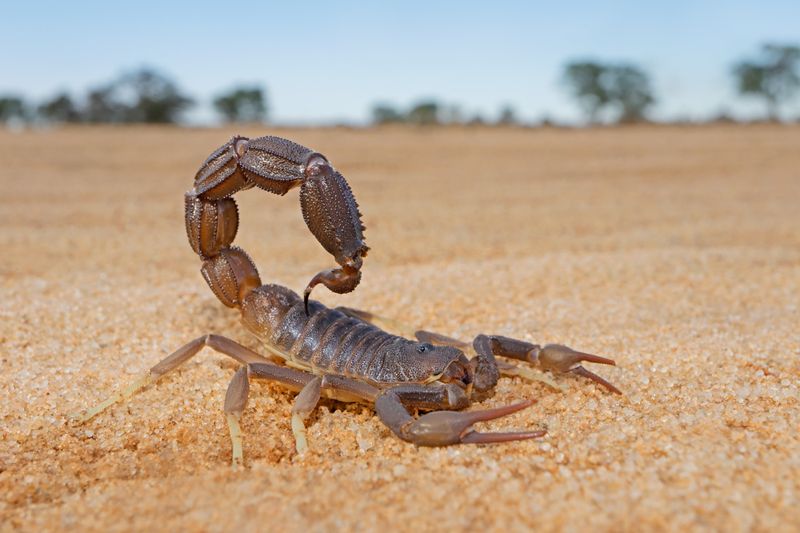
Most people run the other way when they spot a scorpion. A roadrunner runs straight toward one.
These fearless birds are well-known for their ability to tackle scorpions, including some of the more dangerous species found across Texas.
Roadrunners have developed a smart technique for handling scorpions safely. Instead of grabbing the venomous tail end first, they pin the scorpion down and strike its body with precise, powerful jabs.
By disabling the tail quickly, they reduce the risk of getting stung before swallowing their meal.
Scorpions are most active at night, but they do wander during daylight hours, especially in warm weather. Roadrunners patrol gardens, rocky edges, and dry soil areas where scorpions like to shelter.
Under garden stones, wood piles, and dense ground cover are all prime hunting spots for a motivated roadrunner.
For homeowners in Texas, this is genuinely reassuring. Scorpions in and around the home can be a real concern, especially for families with young children or pets.
A roadrunner regularly visiting your yard acts like a natural security system, reducing the scorpion population without any human effort required.
The roadrunner’s resistance to venom is another remarkable trait. While they are not completely immune, they handle stings far better than most other animals their size.
Their thick skin and quick reflexes give them a real advantage in these encounters. Watching one take down a scorpion is a reminder of just how tough and capable these birds truly are in the wild.
5. Spiders And Tarantulas
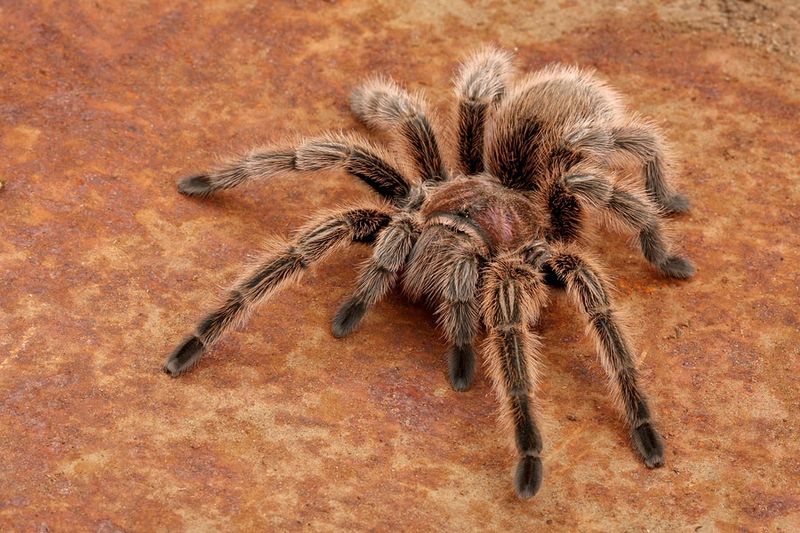
Tarantulas might be the stuff of nightmares for some people, but for a roadrunner, they are just another item on the daily menu.
These birds have no hesitation when it comes to taking on large, hairy spiders, and their hunting technique is both quick and effective.
When a roadrunner encounters a tarantula, it uses its beak like a weapon. It strikes fast and repeatedly at the spider’s body, targeting the head area to subdue it quickly.
The whole encounter can be over in seconds. Once the spider stops moving, the roadrunner tosses it back and swallows it whole.
Smaller garden spiders are also a regular part of the roadrunner’s diet. Web-building spiders, wolf spiders, and other common yard species all end up on the menu.
Roadrunners are not selective about spider size. They will eat whatever they come across during their daily patrols through the garden.
Spiders play a role in garden ecosystems too, but their populations can get out of hand in certain conditions. A roadrunner helps maintain that balance naturally.
Rather than reaching for a can of bug spray, having one of these birds nearby keeps spider numbers in a healthy range without disrupting the rest of the garden’s ecosystem.
Did you know tarantulas are actually more common in Texas than most people realize? They roam open ground, especially in fall when males search for mates.
That seasonal movement puts them right in the path of a hungry roadrunner, making autumn a particularly active feeding season for these remarkable birds.
6. Lizards
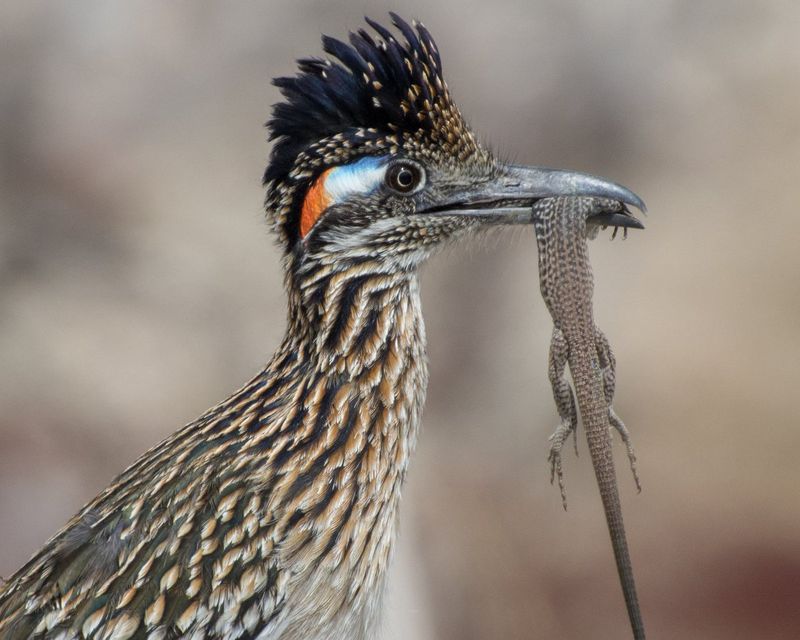
Speed meets speed when a roadrunner goes after a lizard. Both animals are built for quick movement, which makes these chases some of the most exciting wildlife moments you can witness right in your own backyard. Spoiler: the roadrunner almost always wins.
Texas is home to a wide variety of lizard species, and roadrunners are familiar with all of them. Fence lizards, skinks, and Texas spiny lizards are all common targets.
The roadrunner uses its sharp eyesight to detect even the slightest movement in the grass or along garden walls, then launches into a full sprint to close the gap.
Once it catches a lizard, the roadrunner pins it down with its foot and delivers strong blows with its beak to subdue it.
Larger lizards may be slammed against a hard surface before being swallowed headfirst. It is a no-nonsense approach to mealtime that gets results every time.
Lizards are a rich source of calories and nutrients for roadrunners. They contain more energy than most insects, which makes them especially valuable during breeding season when parent birds need to stay strong and feed their young.
A lizard catch is a big win for any roadrunner on the hunt. Having lizards in your garden is generally a good thing since they eat insects too. But roadrunners help keep lizard numbers from getting too high.
The result is a naturally balanced garden ecosystem where no single species takes over. It is nature’s version of checks and balances, playing out right outside your window every day.
7. Small Snakes, Including Young Rattlesnakes
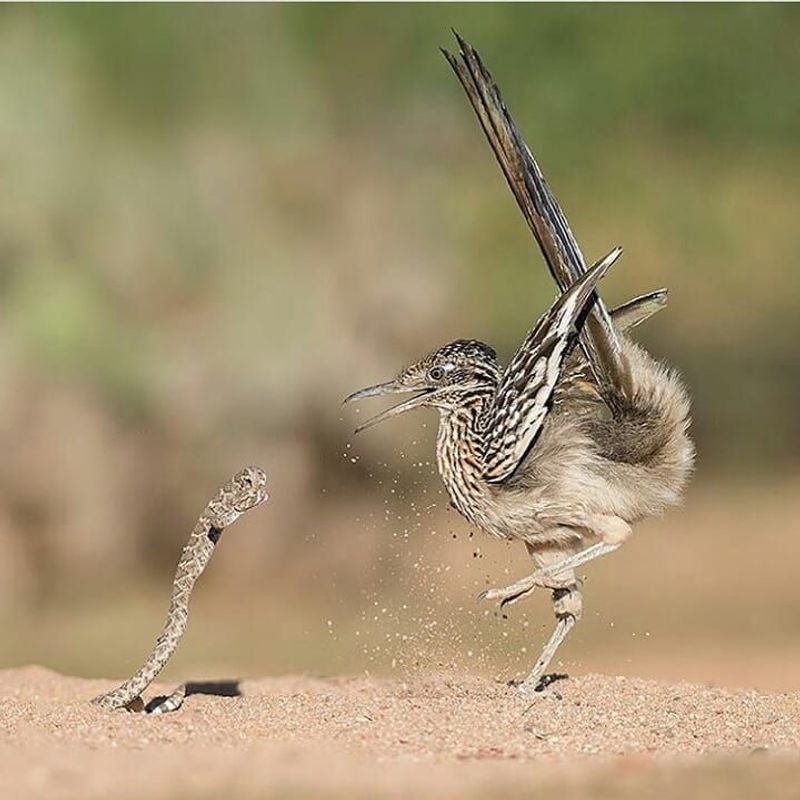
Of all the things a roadrunner eats, snakes might be the most jaw-dropping. These birds are famous for taking on snakes, and they do it with a confidence that seems almost unreal for an animal their size.
Even young rattlesnakes are not off-limits for a determined roadrunner. The hunting strategy for snakes is clever and calculated. Roadrunners will circle a snake repeatedly, darting in to deliver sharp jabs to the head while using their wings as a shield.
They are patient and precise. They wait for the right moment to strike rather than rushing in recklessly, which is what keeps them safe during these encounters.
Once a snake is subdued, the roadrunner grabs it behind the head and beats it against a hard surface. This helps ensure the snake is no longer a threat before the bird attempts to swallow it.
Swallowing a snake can take a while, and it is not unusual to see a roadrunner walking around with a snake tail still hanging from its beak.
For Texas homeowners, this behavior is incredibly valuable. Venomous snakes near the home are a serious safety concern.
While roadrunners focus mainly on smaller and younger snakes, their presence in the yard can help reduce encounters with these reptiles over time.
Roadrunners are one of only a handful of animals known to regularly take on venomous snakes and come out on top.
Their speed, agility, and thick feathers around the neck area give them natural protection that most birds simply do not have. They are truly built for this kind of challenge.
8. Mice And Other Small Rodents
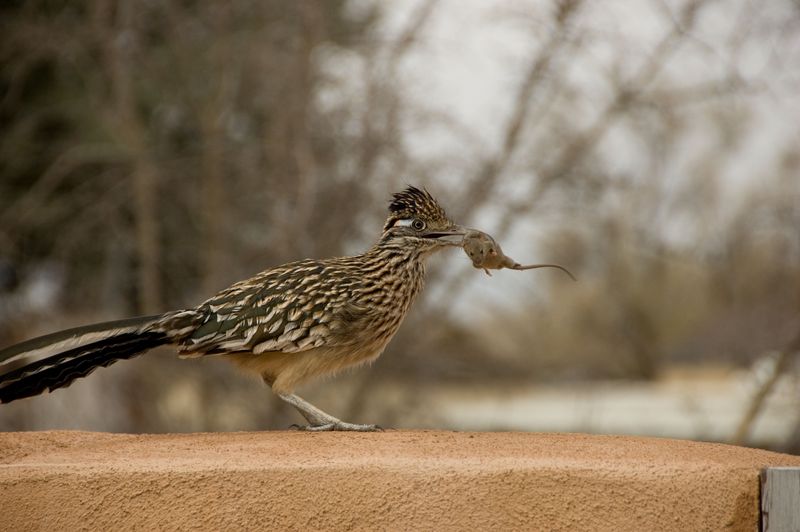
A roadrunner spotting a mouse in your garden is basically the end of the road for that mouse. These birds are surprisingly effective at catching small rodents, and they bring the same fearless energy to this task as they do with snakes and scorpions.
Mice, voles, and other small rodents tend to move along garden edges, under dense ground cover, and near compost bins. Roadrunners know these habits well.
They patrol the same areas regularly, keeping a sharp eye on any movement near the soil or low vegetation. Once a rodent is spotted, the chase is fast and usually short.
Roadrunners use their powerful beaks to strike rodents with force, targeting the head and neck area. They may also pin the animal under their feet before delivering the final blow.
It is efficient, effective, and over quickly. The bird then tosses the rodent back and swallows it whole or in large pieces.
Rodents can cause significant damage in a garden. They chew through irrigation lines, eat plant bulbs, gnaw on fruit, and dig up seedlings.
A roadrunner that regularly visits your yard provides ongoing protection against these garden pests without any traps or bait stations required.
Beyond the garden benefits, having fewer rodents around also lowers the chances of attracting larger predators like hawks or coyotes to your property. Roadrunners quietly handle the problem at the source.
They are one of the most hardworking and underappreciated natural pest controllers in the entire Texas ecosystem, and your garden is better off with them around.