Signs Your Michigan Roses Have Black Spot And What To Do Before It Spreads
Michigan roses can look perfect on Monday and suspicious by Friday.
One leaf shows a dark mark. Another turns yellow. Then the plant drops hints all over the bed, and none of them feel polite. The tricky part is that rose problems love to dress alike.
A hungry plant, wet weather, crowded canes, and one very sneaky fungus can all make leaves look stressed. So how do you know when those spots are a small annoyance and when they are the first act?
That answer matters in Michigan, where warm rain and humid air can turn a few leaf clues into a garden-wide headache.
The good news is not dramatic. It is practical. Look low. Watch the color. Check the pattern. Notice what happens after rain. Your roses usually tell the story before the whole plant looks tired.
Ready to read the leaves like a garden detective with pruners and a trash bag? The first clue may be much lower than you expect, right where damp air hangs longest too.
1. Round Black Spots Start Low
A rose’s lowest leaves usually tattle first. That is where damp air sits longer, mulch stays moist, and splash from rain or a hose can lift spores back onto foliage.
By the time upper leaves look suspicious, the base may have offered clues for days.
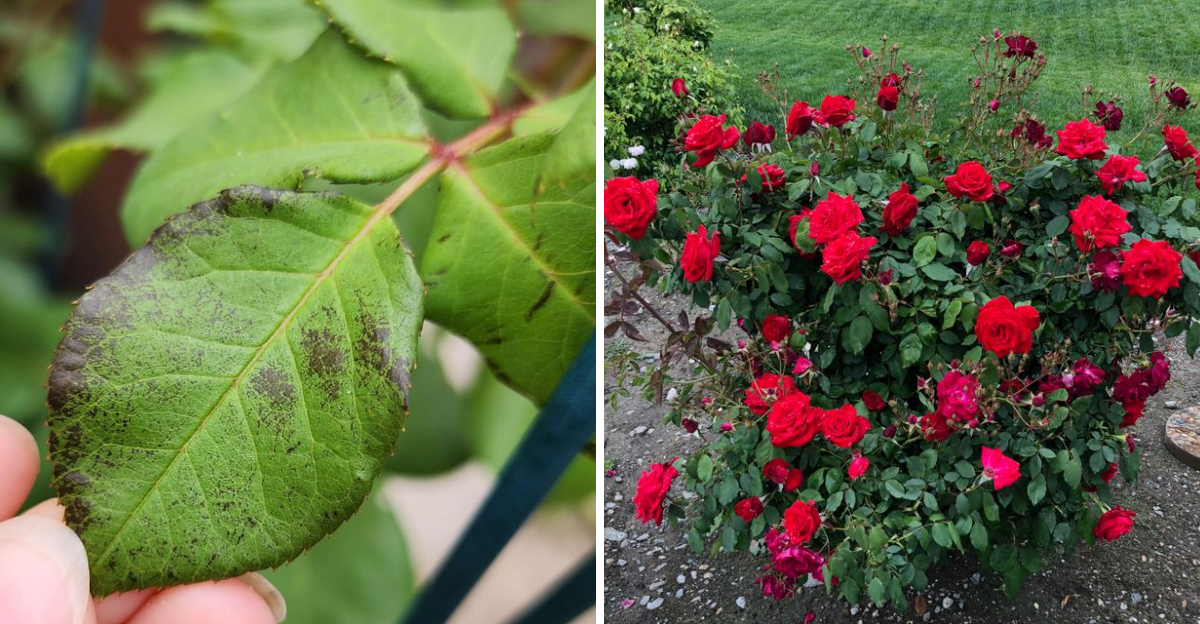
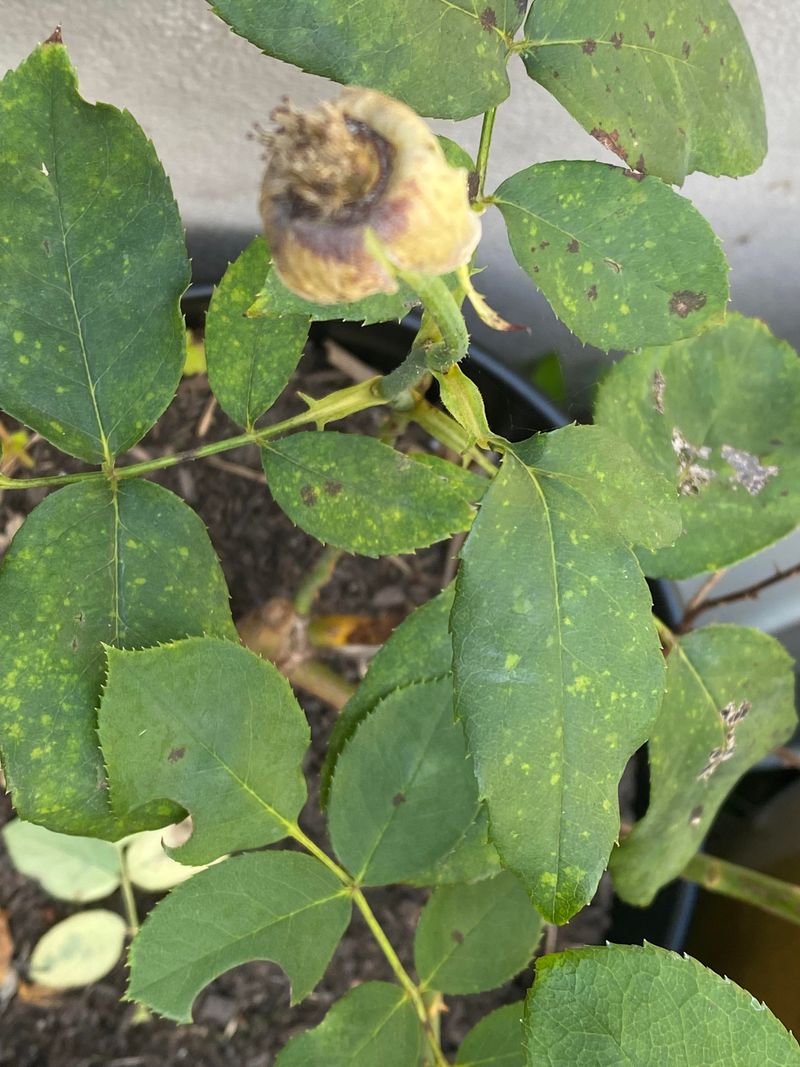
The first marks are often small, round, and dark brown to black. They may look like ink dots at first. The edge is the giveaway.
Black spot often has a soft, feathery border instead of a clean circle, almost like the spot forgot how to color inside the lines.
Each mark can grow from a tiny dot to about a quarter inch or more across. A yellow halo may form around it as the leaf tissue reacts. That halo makes the spot easier to notice, but it also means the problem has had time to settle in.
Start low in humid stretches in Michigan. Lift the lower leaves gently and check both sides. A hand lens can help with tiny early spots, though careful eyes do plenty.
This is not glamorous garden work. It is more like rose CSI, minus the dramatic music.
Early removal helps. Snip or pluck spotted leaves, place them in a bag, and keep them out of compost. Catch the first spots low, and you may spare the rest of the plant a much bigger leaf drama.
2. Yellow Leaves Give An Early Warning
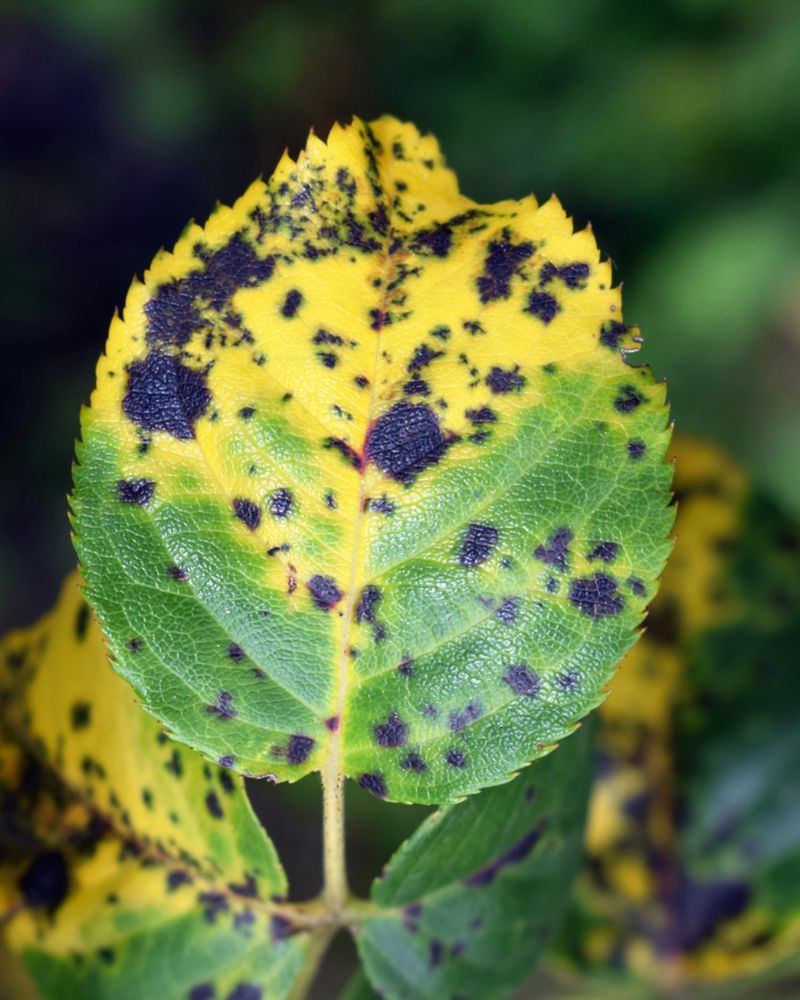
A yellow leaf is not always a fertilizer complaint. Roses can turn pale for several reasons, but black spot has a telltale habit. The yellow usually gathers around a dark mark instead of across the whole leaf.
That yellow halo shows the leaf tissue has started to lose function near the spot. The plant is not just moody. The fungus has affected tissue inside the leaf.
Once several leaves turn yellow, they may drop fast and leave canes bare from the bottom up.
Michigan gardeners can get tricked here because nutrient issues also show up in rose leaves. The pattern helps sort the mess.
Your Michigan Garden Changes Every Week. Your Plan Should Too.
Gardening in Michigan changes quickly throughout the season. Every Friday you’ll receive a simple weekly plan showing exactly what to plant, prune, fertilize, harvest, and protect so you never miss the right timing.
A nutrient problem often looks more even or follows the veins. Black spot pairs yellow patches with round dark spots. The leaf practically points to the culprit.
Do not wait for the whole plant to look tired. Remove yellow leaves with spots as soon as you see them. Place them straight into a bag. Keep those leaves away from compost, because spores can ride back into the garden later.
This task feels picky, but it matters. A rose needs leaves to feed itself through the season. Less leaf loss means more energy for flowers, stronger canes, and a plant that does not look like it had a rough week at summer camp.
3. Spots Move Up The Plant
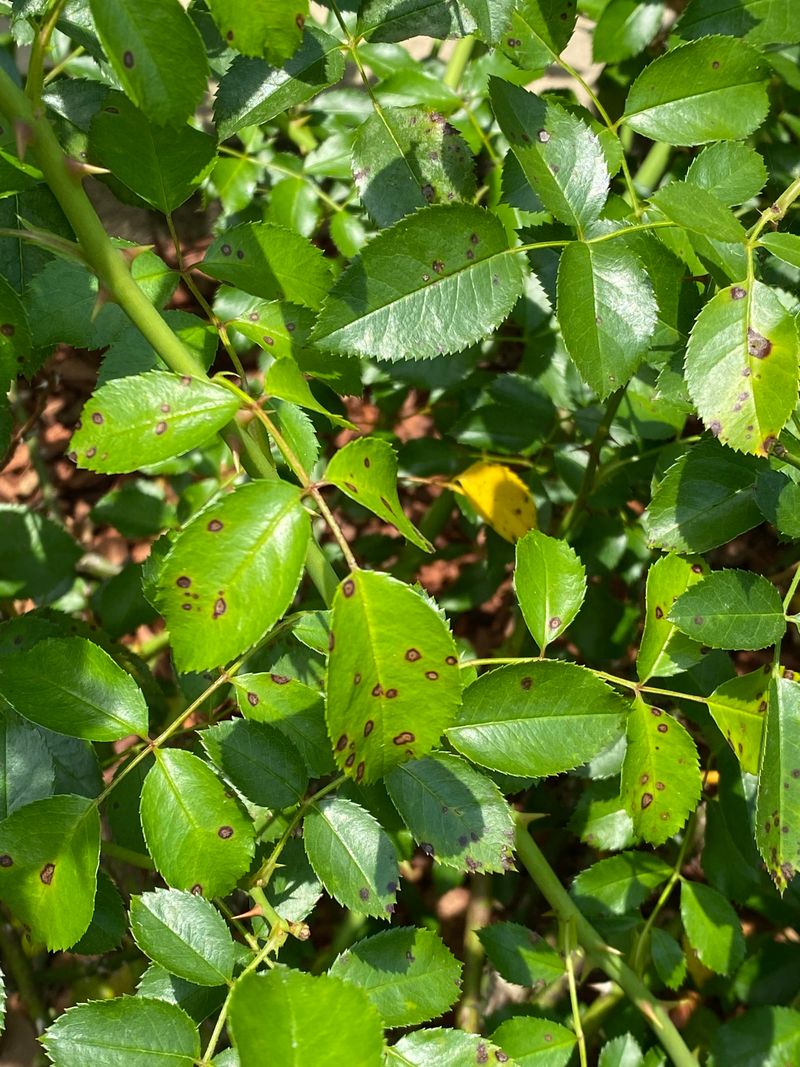
One wet week can rewrite the rose bed. A few spots near the base can turn into marks across the middle of the plant after repeated rain or splash from a hose. Black spot moves with water, so the pattern often climbs.
This upward move tells you how far the problem has advanced. Spots only on the lowest leaves suggest an early stage.
Spots on midlevel leaves mean the spores have had help from moisture and time. Marks near the top show the fungus has traveled beyond its first arrival zone.
The plant may also drop leaves from the bottom first. That leaves bare lower canes while the upper part still looks green. It is a classic black spot pattern, and once you have seen it in a Michigan summer, you tend to remember it.
Not fondly, but very clearly.
Act fast once the spots move higher. Remove every spotted or yellow leaf you can reach with care around healthy growth. Bag the leaves right away. Then clean up any fallen leaves around the base so the ground does not become a spore snack drawer.
A fungicide labeled for black spot on roses can help protect healthy leaves, especially before long wet stretches. Follow the label closely.
The goal is to slow the climb before the rose loses too many leaves. This works like a stair block for the fungus.
4. Wet Leaves Make The Problem Worse
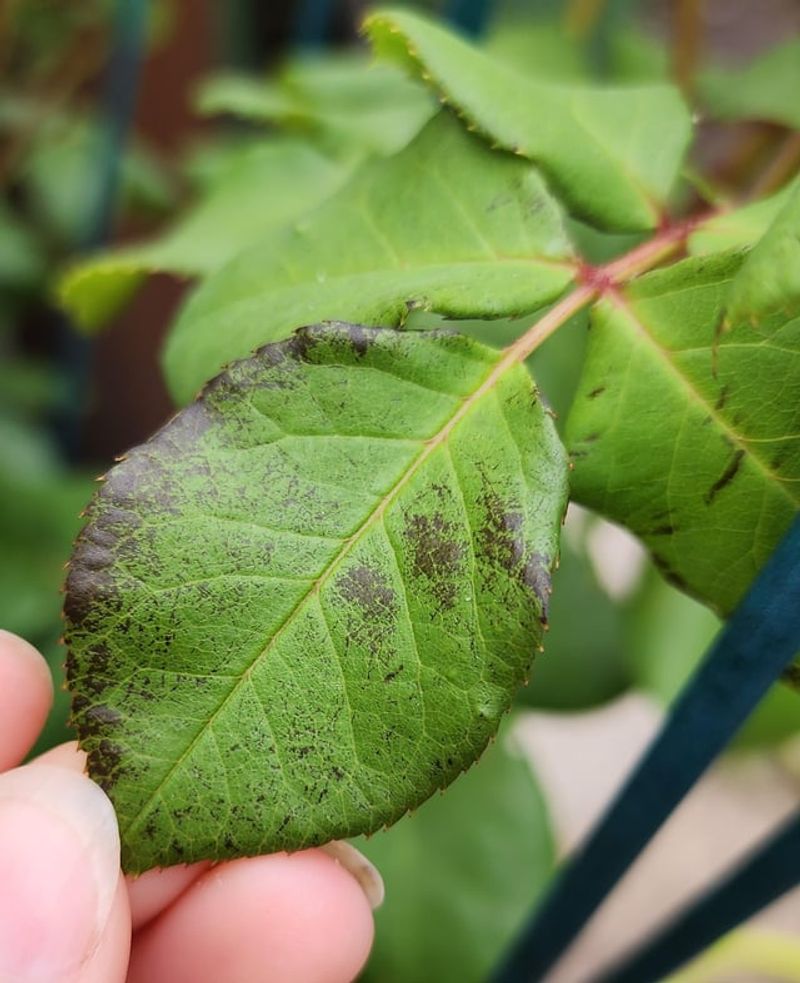
Water on rose leaves is not innocent for long. Black spot spores need a wet leaf surface before they can start new trouble, and Michigan weather gives them plenty of chances.
Warm rain, dew, and humid air can turn a rose canopy into a fungus-friendly lounge.
A hose can make that worse. Sprinklers and overhead spray leave foliage wet far longer than the roots require. Late-day water is especially unhelpful because leaves may stay damp into night, right when air flow drops and moisture lingers.
Use early-day water at soil level instead. The roots get what they need, and leaves have time to dry. A hose wand aimed at the base works better than a shower over the whole plant. The rose does not need a spa rinse. It needs a drink without leaf drama.
Rain still happens, because Michigan likes to keep gardeners humble. Mulch helps limit splash from soil and fallen leaves back onto clean foliage.
A fresh layer around the base can act like a tiny splash guard, which is less glamorous than a trellis but often more useful.
After several wet days, inspect roses closely. New spots often show up soon after long leaf-wet periods. Dry leaves are not a full shield, but they remove one major advantage black spot needs.
Less leaf moisture means fewer chances for the fungus to start another round.
5. Fallen Leaves Need Quick Cleanup
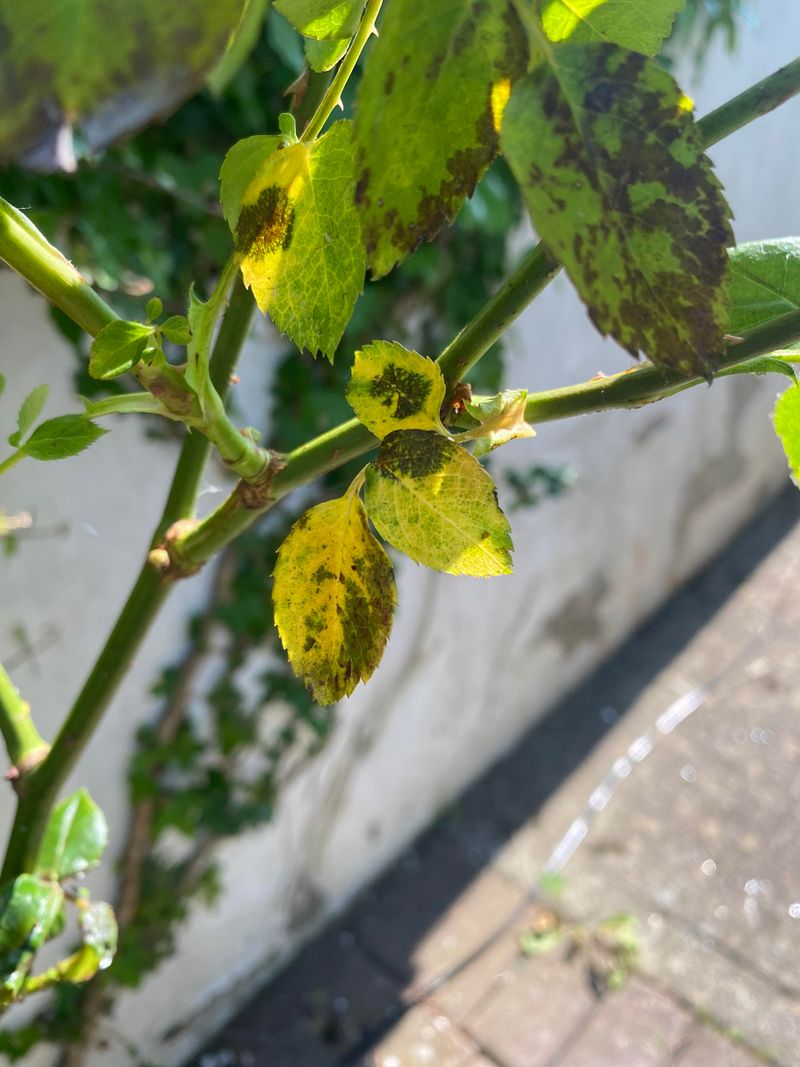
The mess under a rose bush is not just mess. Fallen spotted leaves can hold spores that wait for the next round of warm, wet weather. Leave them in place, and the garden floor becomes a very bad storage unit.
Cleanup works best as a regular habit, not a once-a-season rescue mission. Pick up spotted or yellow leaves soon after they drop.
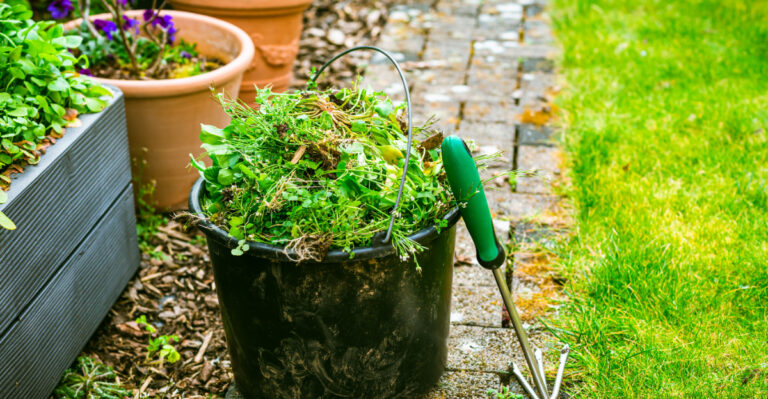
A small bucket or bag beside the rose bed makes the job easier. Very glamorous? No. Very useful? Very much.
Do not add those leaves to backyard compost. Home piles may not stay hot enough for long enough to deal with the spores well.
Bag the leaves and send them out with trash instead. It feels less poetic than compost, but roses prefer practical choices over garden romance.
Midseason cleanup matters, and fall cleanup matters too. Before cold weather settles in, remove problem leaves still on canes, rake the bed clean, and refresh mulch as needed.
Some gardeners also replace the top layer of old mulch where spotted leaves sat all season.
Fresh mulch at season start gives the bed a cleaner start and helps reduce splash from soil. That means fewer spores can leap back up toward fresh leaves when rain hits. It is garden cleanup with thorns, and the roses notice.
6. Open Spacing Helps Air Move
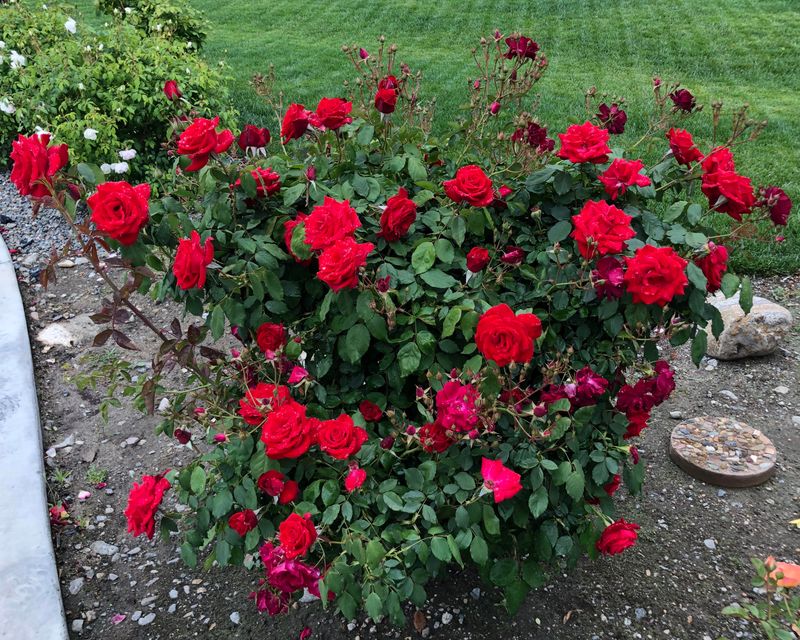
Roses need room to breathe, especially in a Michigan summer that already feels like a warm towel. Dense canes and close neighbors trap humid air inside the plant. That damp pocket gives black spot a comfortable place to start.
Space helps leaves dry faster after rain or dew. Hybrid teas and grandifloras often need about three to four feet between plants.
Shrub roses may need more, based on mature size. The goal is not a lonely rose island. The goal is enough air to move through the bed.
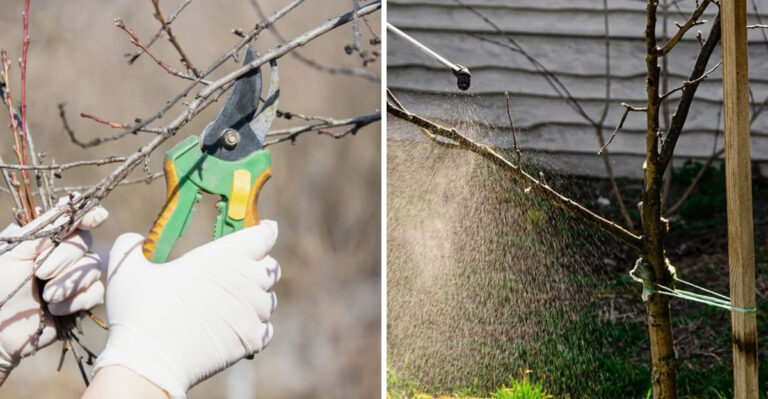
This is where a little tough love helps. Remove crossed canes, weak stems, and branches that aim into the center.
Open the middle so wind can pass through instead of a thorny wall. Your rose should not look like it stores snacks in a tangled closet.
Early season trim sets the tone. Shape the plant before humid weather becomes a daily guest. A clean structure makes spray coverage easier too, because leaves and canes are not packed into one dense ball.
Crowded beds can still improve without a full redesign. Remove a few problem canes and clear extra foliage near the center. Better air flow lowers leaf wetness time and gives black spot fewer cozy corners.
The rose gets air space, and you get fewer mystery spots with attitude.
7. Drip Watering Keeps Leaves Drier
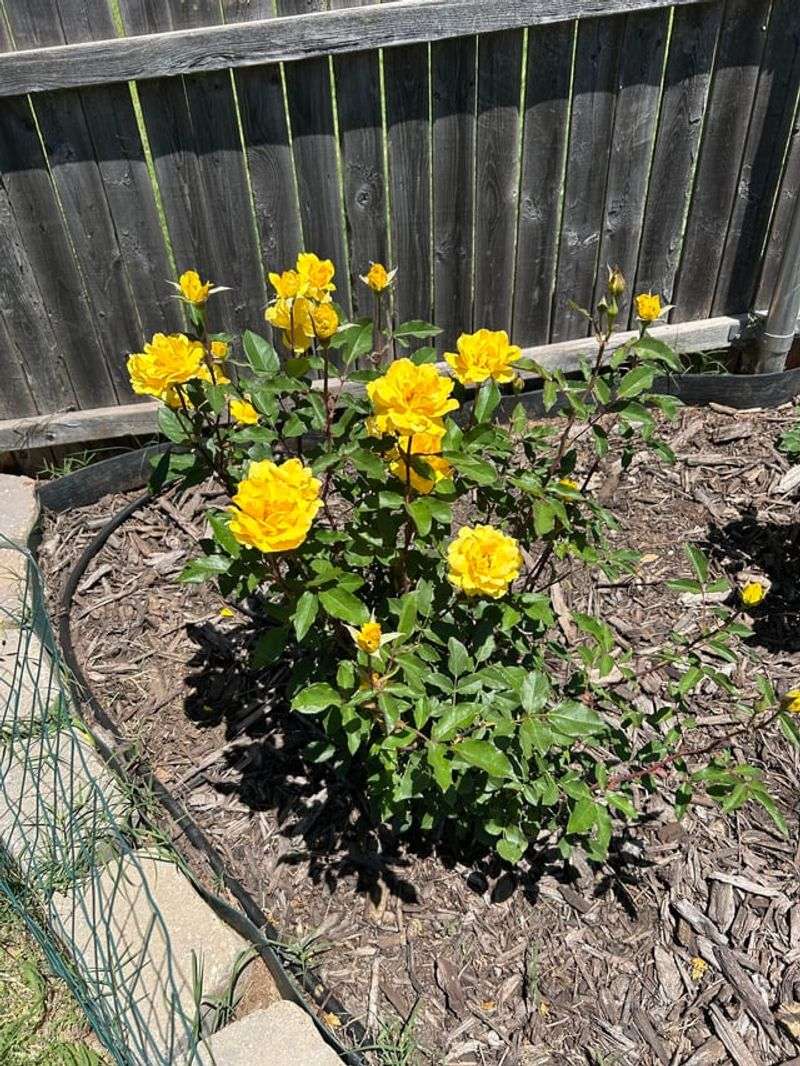
The cleanest drink never touches the leaves. Drip lines and soaker hoses deliver water at soil level, right where rose roots can use it. That keeps foliage drier, which removes one of black spot’s favorite tools.
A soaker hose can work well in an established rose bed. Lay it near the base of the plants, cover it lightly with mulch, and let the water seep slowly into the soil.
The slow pace reduces runoff and limits splash that can move spores from soil or fallen leaves back onto fresh foliage.
This is the quiet upgrade that makes a loud difference. No sprinkler mist. No leaf shower. No roses that look like they just came through a car wash. The roots get water, and the leaves stay out of the splash zone.
Time still matters. Run drip or soaker systems early in the day so the soil surface has time to dry a bit before night. Roots need moisture, but soggy soil can cause its own set of problems.
Let the top inch of soil approach dryness before the next deep drink.
Gardeners used to overhead hoses can start with one rose bed first. The change is easy to compare by midseason.
Drier foliage often means fewer new spots, less cleanup, and a plant that can spend more energy on flowers instead of fungal drama.