Michigan Residents Are Embracing Gardening More Than Ever And Here’s Why
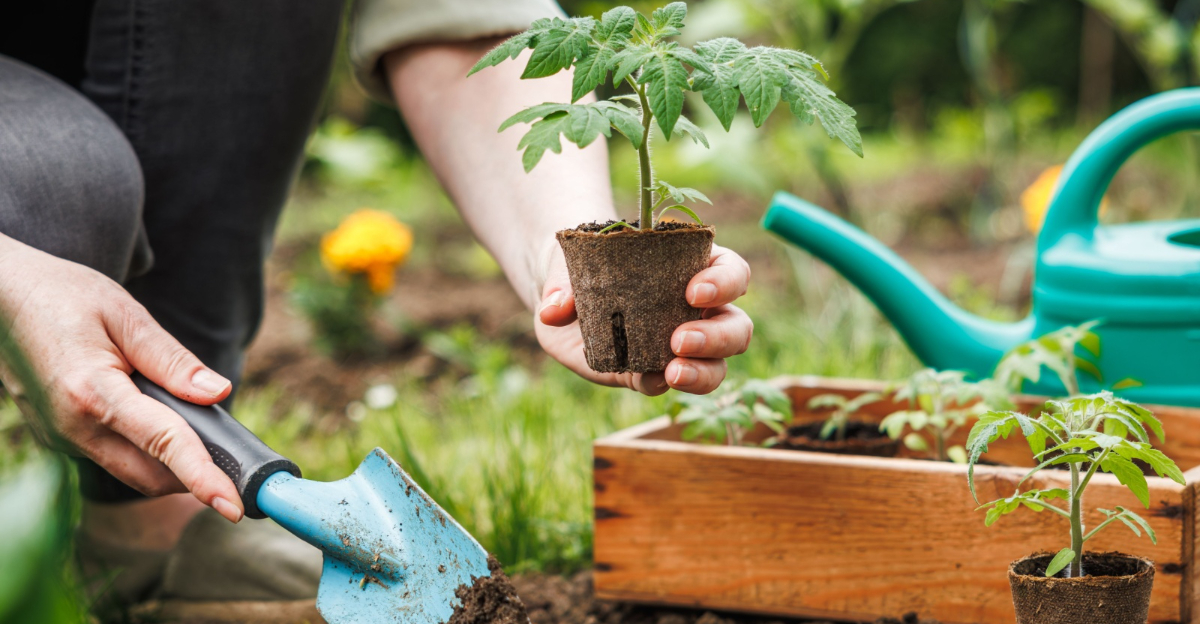
Michigan has always been a state that knows how to grow things. Lately though, a lot more people are getting personally involved in that process, and honestly, good for them.
Raised beds are going up in Detroit backyards. Containers are crowding apartment balconies in Grand Rapids.
Community garden plots are filling up faster than anyone expected.
People who swore they had no patience for gardening are discovering that watching something actually grow out of the ground is one of the more quietly satisfying experiences available at absolutely no cost.
Grocery prices helped nudge some of them in that direction. Nature connection brought others.
Some people just needed a windowsill and a houseplant to realize they had been a gardener all along without knowing it yet.
1. Food Gardens Feel Useful
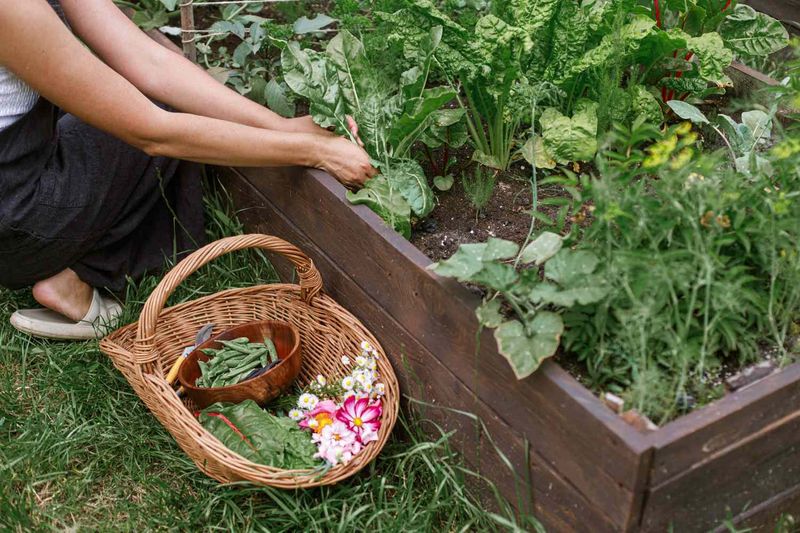
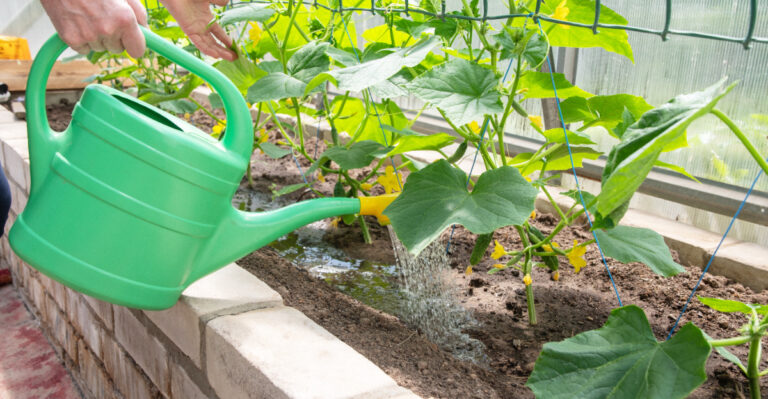
Backyard vegetable beds have become a familiar sight in Michigan neighborhoods over the past few years. Neighbors who once grew only flowers are now carving out space for tomatoes, cucumbers, green beans, and leafy greens.
The shift toward food gardening feels practical in a way that purely decorative landscaping sometimes does not.
Growing your own vegetables connects you directly to what ends up on your plate. For many households, that connection feels meaningful, especially when you can walk outside and harvest something fresh for dinner.
Beginners often start with just a few easy crops like lettuce or zucchini and expand from there as their confidence grows.
Michigan’s growing season runs roughly from late May through early October in most parts of the state, which gives home gardeners a solid window for producing food.
Raised beds have become especially popular because they warm up faster in spring and allow more control over soil quality.
Starting small, even with just one or two raised beds or a few containers, can make the whole experience feel manageable and genuinely rewarding rather than overwhelming.
2. Native Plants Are In Demand
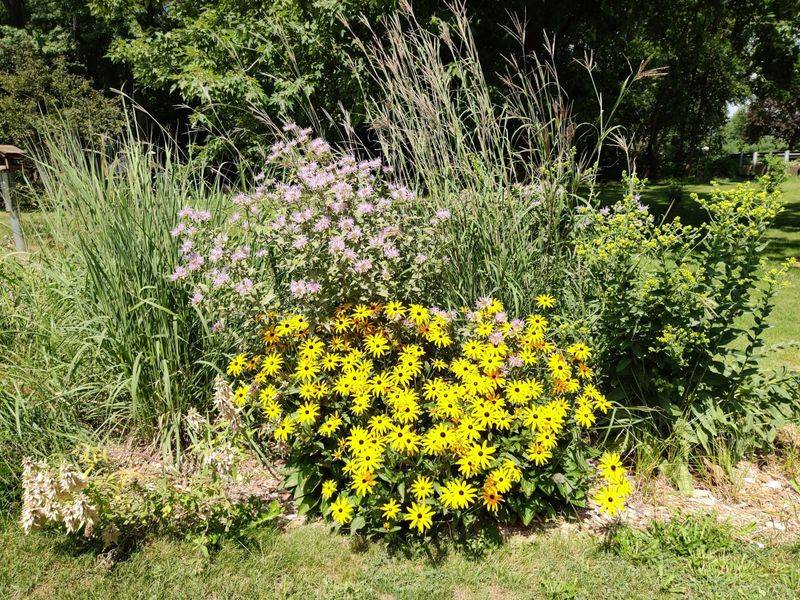
Walk through almost any Michigan garden center in spring and you will notice that native plant sections are growing larger every year.
Homeowners are asking for coneflowers, wild bergamot, black-eyed Susans, and native grasses in a way that feels noticeably different from even a decade ago.
The interest is not just a trend, it reflects a genuine shift in how gardeners think about their yards.
Native plants are species that naturally occur in Michigan and have adapted over time to local soils, rainfall patterns, and seasonal temperatures.
Because they evolved here, they tend to need less watering once established and are generally more tolerant of Michigan’s unpredictable weather swings.
That makes them appealing to gardeners who want a beautiful landscape without committing to heavy maintenance.
For beginners, native plants can feel like a forgiving starting point. Many are hardy, spread naturally over time, and attract birds and insects without any extra effort.
Planting even a small border of native species along a fence or driveway can transform a plain yard into something that feels alive and connected to the natural character of Michigan’s landscape.
Your Michigan Garden Changes Every Week. Your Plan Should Too.
Gardening in Michigan changes quickly throughout the season. Every Friday you’ll receive a simple weekly plan showing exactly what to plant, prune, fertilize, harvest, and protect so you never miss the right timing.
3. Small Spaces Make It Easier
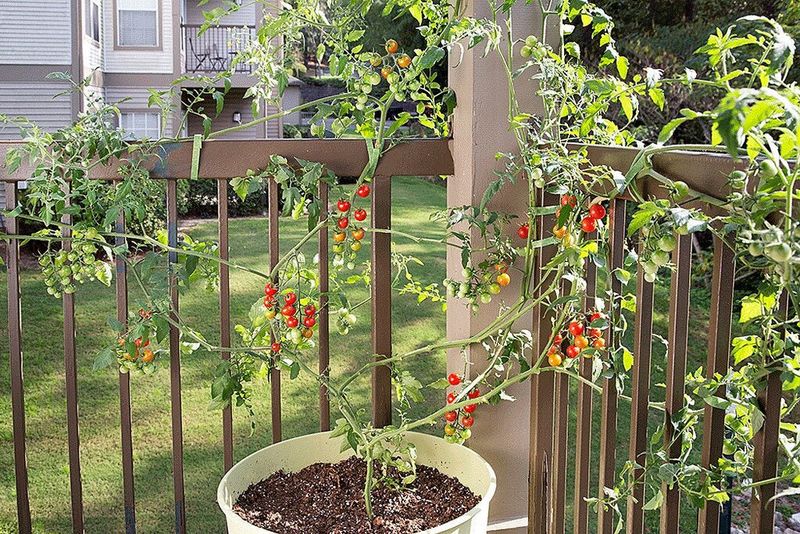
Not everyone in Michigan has a sprawling backyard, and that is perfectly fine.
Apartment renters, condo owners, and homeowners with tiny yards have discovered that containers, window boxes, and vertical planters can turn even a small balcony or patio into a productive growing space.
The idea that gardening requires a large plot of land has quietly faded away.
Container gardening has opened up the hobby to people who never thought it was available to them. A few large pots filled with cherry tomatoes, basil, and a pepper plant can produce a surprising amount of food over a Michigan summer.
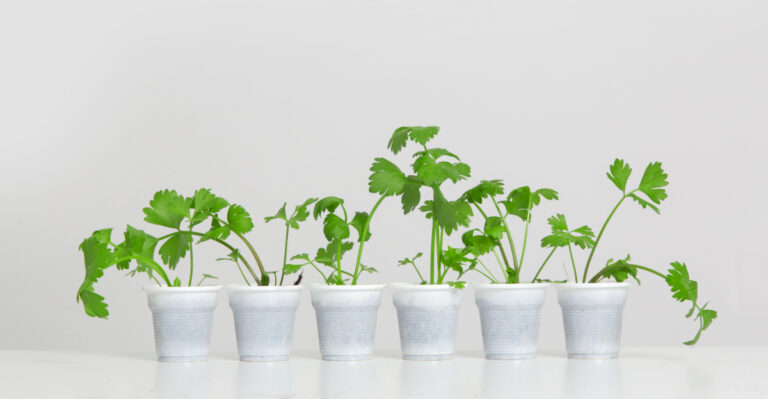
Herbs like parsley, chives, and mint grow easily in small containers and can be harvested regularly throughout the season.
Vertical gardening is another approach that works well in tight spaces. Trellises, wall-mounted planters, and tiered shelving units allow gardeners to grow upward rather than outward.
For renters who cannot dig into the ground, these flexible options make it possible to garden without permanently altering a space.
The low startup cost of container gardening also means that beginners can experiment without a big financial commitment, which lowers the barrier to getting started.
4. Food Costs Add Motivation

Grocery store prices have climbed noticeably in recent years, and that reality has nudged many Michigan households toward growing at least some of their own food.
When a small packet of seeds costs a couple of dollars and can produce dozens of plants over a season, the math starts to feel appealing.
Food gardening does not eliminate grocery bills, but it can reduce how often you need to buy certain items.
Vegetables like tomatoes, peppers, zucchini, and salad greens tend to offer good returns for the space and effort they require. A single healthy tomato plant can produce a generous amount of fruit over a Michigan summer, which adds up over weeks of harvesting.
Herbs are another area where home growing can make a noticeable difference, since fresh herbs at grocery stores can be surprisingly expensive for small quantities.
The motivation to save money often helps new gardeners stick with the hobby long enough to develop real skill. Once someone experiences their first successful harvest, the desire to expand and improve tends to grow naturally.
Food costs may have been the initial push, but the satisfaction of growing something edible often becomes the reason people keep returning to the garden each spring.
5. Gardening Feels Calming
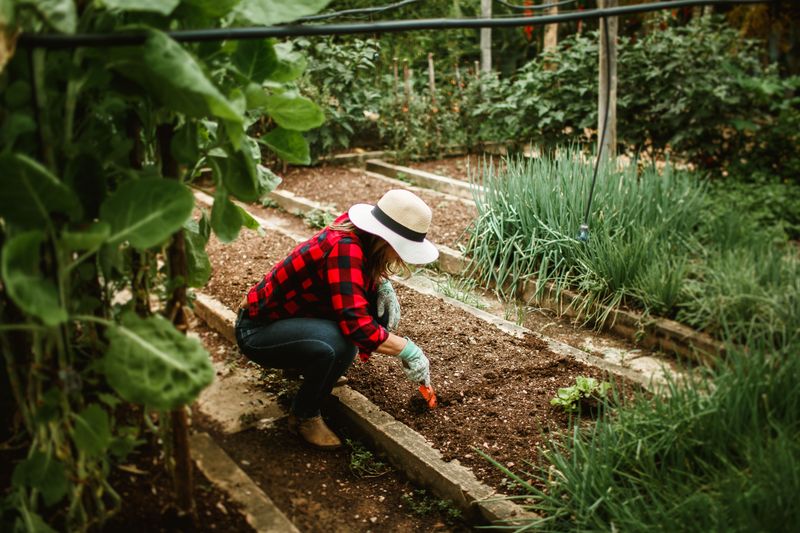
Spending time outdoors with your hands in the soil has a way of slowing everything down.
Many Michigan gardeners describe their time in the garden as one of the few parts of the day when the noise of screens, schedules, and responsibilities fades into the background.
The repetitive, grounding nature of tasks like weeding, watering, and pruning seems to offer a mental reset that is hard to find elsewhere.
Gardening encourages a kind of focused attention that feels different from scrolling or multitasking. When you are transplanting seedlings or checking a plant for pests, you are fully present in that moment.
That quality of attention, sometimes called mindfulness, tends to come naturally in a garden setting without requiring any special effort or training.
Michigan’s distinct seasons add another layer to the experience. Watching a garden wake up in May, thrive through July, and wind down in October gives the year a satisfying rhythm.
Gardeners often find that the anticipation of spring planting, the busy energy of summer harvests, and the quieter work of fall cleanup each carry their own kind of pleasure. Over time, that seasonal routine can become something genuinely comforting.
6. Pollinator Gardens Feel Alive
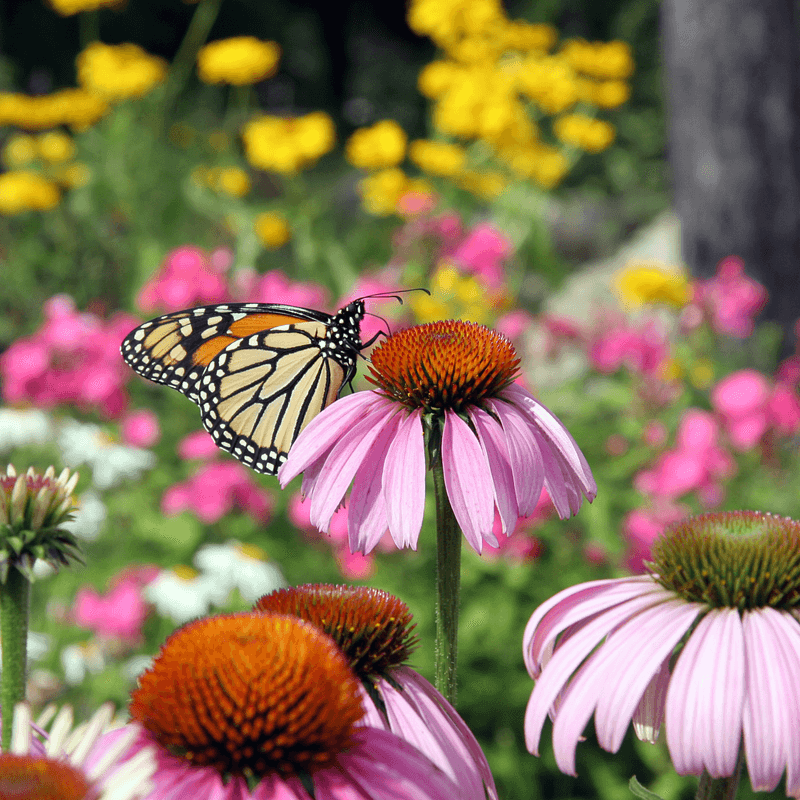
Few gardening experiences match the feeling of watching a bee move from flower to flower on a warm Michigan afternoon.
Pollinator gardens, which are planted specifically to support bees, butterflies, and other beneficial insects, have become a popular choice for homeowners who want their yard to feel purposeful as well as beautiful.
The buzzing, fluttering energy of a well-planted pollinator patch is genuinely hard to ignore.
Plants like milkweed, native coneflowers, bee balm, and goldenrod are commonly recommended for Michigan pollinator gardens because they provide nectar and habitat throughout the growing season.
Monarch butterflies in particular are associated with milkweed, which is their primary host plant.
Planting even a small cluster of pollinator-friendly species can attract a variety of insects to a yard over the course of a summer.
Pollinator gardening also tends to spark curiosity. Once you start noticing which insects visit which flowers, it becomes easy to get interested in learning more about local species and ecosystems.
Many gardeners who started with a small pollinator patch have gradually expanded their native plantings as their interest deepened. The garden becomes a kind of living classroom that rewards attention and patience in equal measure.
7. Extension Resources Build Confidence
One of the most common reasons new gardeners give up early is not knowing where to turn when something goes wrong.
Michigan is fortunate to have a well-established network of resources through Michigan State University Extension, which provides gardening guidance tailored specifically to the state’s soils, climate zones, and growing conditions.
That locally relevant information makes a real difference for beginners who might otherwise feel lost.
Extension resources cover a wide range of topics, from soil testing and composting to pest management and seed starting.
Many county offices offer workshops, plant clinics, and Master Gardener programs where residents can ask questions and get hands-on guidance.
For gardeners who prefer to learn online, MSU Extension publishes articles and guides that are regularly updated and written in plain, accessible language.
Having access to reliable, Michigan-specific advice helps gardeners make better decisions about what to plant, when to plant it, and how to address common challenges like late frosts, clay soil, or pest pressure.
Confidence tends to build quickly once a gardener has a trusted source of information to consult.
Many residents who started gardening with no experience have developed strong skills simply by taking advantage of the educational resources available to them through Extension programs.
8. Community Gardens Bring People Together
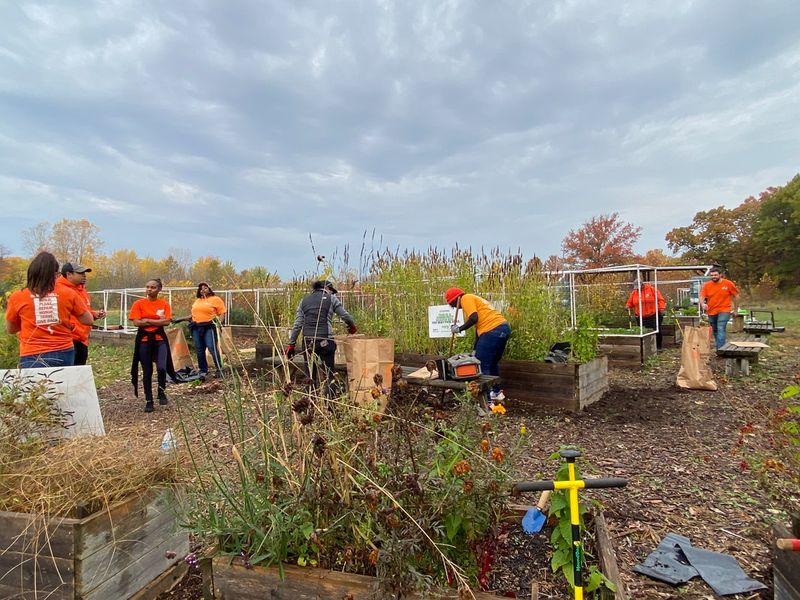
Scattered across Michigan cities, towns, and neighborhoods, community gardens have become gathering places that offer more than just growing space. For residents without yards, a community garden plot can be the only opportunity to grow food outdoors.
But even for those who do have yard space, the social side of a shared garden often turns out to be as valuable as the produce itself.
Community gardens tend to attract people from all walks of life, which makes them naturally diverse spaces. Longtime gardeners share tips with beginners.
Neighbors who might never otherwise meet find themselves chatting over a fence row of tomatoes. That kind of casual, low-pressure interaction can build a sense of connection that is sometimes hard to find in busy modern life.
Many Michigan community gardens also offer educational programming, tool lending, and organized workdays that help members learn from one another.
Some gardens partner with local food banks or community organizations to donate surplus produce, which adds a layer of purpose beyond personal gardening goals.
Joining a community garden can be a low-cost way to start gardening, build relationships, and feel more connected to the neighborhood. For many participants, the plot itself becomes secondary to the community that forms around it.
9. Houseplants Make Gardening Accessible
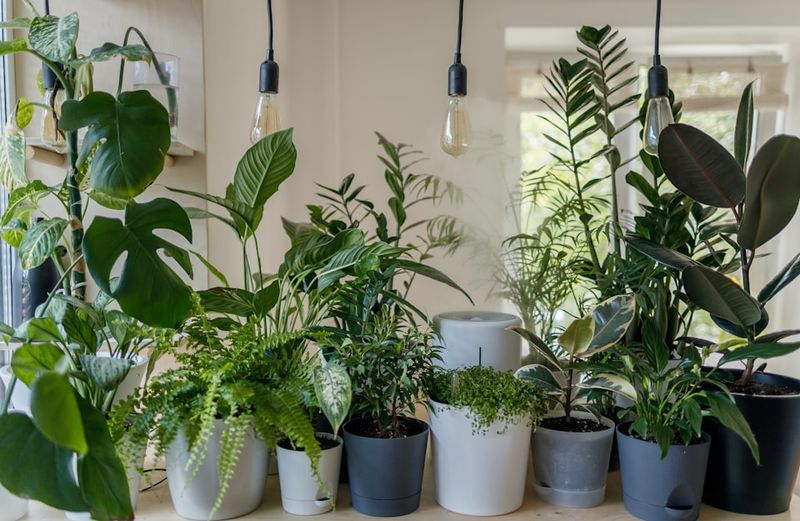
For Michigan residents who are not ready to tackle an outdoor garden, houseplants offer a gentle, low-commitment entry point into the world of growing things.
A pothos on a bookshelf, a snake plant in the corner of a bedroom, or a collection of succulents on a sunny kitchen windowsill can spark the same curiosity and satisfaction that outdoor gardening provides, just on a much smaller scale.
Houseplants have gained serious popularity in recent years, partly because they work in any living situation.
Renters, apartment dwellers, and people in northern Michigan with limited outdoor growing days can all enjoy the experience of caring for a living plant without needing soil beds or growing seasons.
The care routines are simple enough for beginners but engaging enough to hold interest over time.
Many outdoor gardeners trace their interest back to a single houseplant that sparked something in them.
Learning to read a plant’s needs, noticing new growth, and figuring out the right amount of light and water are skills that transfer naturally to outdoor gardening.
Houseplants also bring a small but meaningful sense of life and greenery into Michigan homes during the long winter months when outdoor gardens are dormant, which keeps the gardening mindset alive all year long.