Michigan Plants That Cause Problems Beyond Your Yard And Should Be Avoided
A plant can look perfectly harmless at the nursery, then turn into the neighborhood troublemaker nobody asked for. That is part of what makes certain problem plants so frustrating in Michigan.
They are not always ugly, obvious, or easy to spot at first. Some spread beyond property lines, creep into natural areas, crowd out better plants, or create headaches that stretch well past your own flower beds.
That means the wrong choice in one corner of the yard can have bigger consequences than many homeowners expect.
It is a little like inviting one messy guest over and finding out they brought ten more with them.
Michigan gardeners who know what to avoid from the start can save themselves a lot of work and regret later. A few plants stand out for all the wrong reasons, and some are still more common in yards than they should be.
1. Callery Pear That Spreads Far Beyond Your Yard
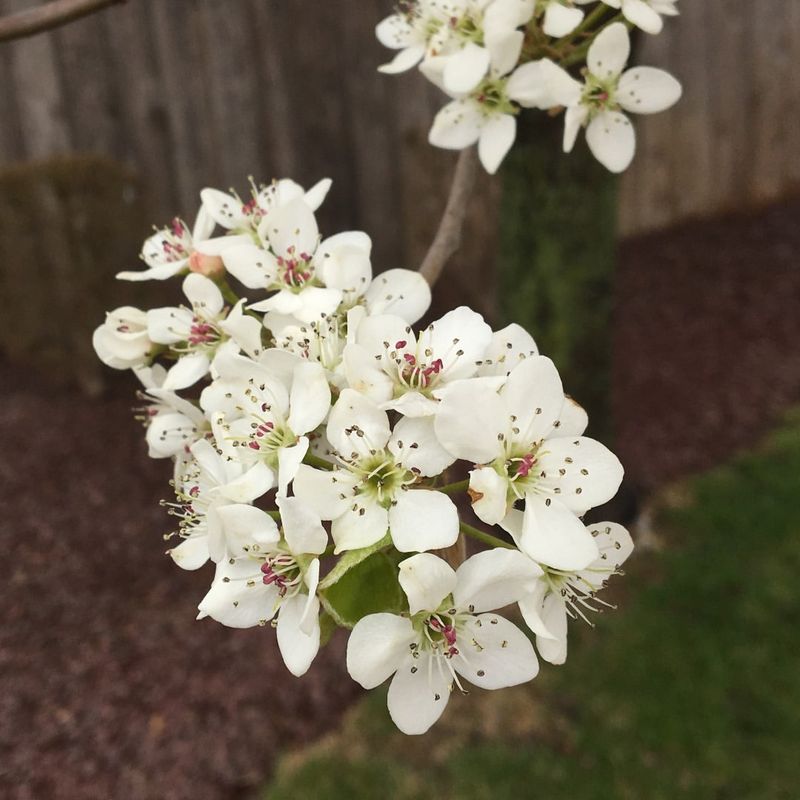
You might have seen this tree planted along streets or in front yards across Michigan, and at first glance, it seems like a lovely choice. The Callery Pear bursts into white blossoms every spring, making it look like something out of a fairy tale.
But looks can be seriously misleading with this one.
Originally brought over from Asia for landscaping purposes, the Callery Pear has since proven itself to be a real troublemaker in Michigan’s natural spaces. Its seeds get carried off by birds and other wildlife, allowing it to sprout up in fields, forest edges, and roadsides far from where it was originally planted.
Once it takes hold in wild areas, it pushes out native plants that local wildlife depend on for food and shelter.
Another problem is the smell. When the tree blooms, it releases a strong, unpleasant odor that many people find offensive.
Beyond the smell, the branches are also prone to splitting in storms, making it a safety hazard near homes. Michigan officials have been working to raise awareness about this species, and some states have already banned its sale entirely.
If you have one in your yard, consider replacing it with a native flowering tree like serviceberry or redbud, which offer beautiful blooms without the ecological baggage. Choosing native plants helps Michigan’s birds, bees, and butterflies thrive naturally.
2. Japanese Barberry Creating Dense, Hard-To-Control Thickets
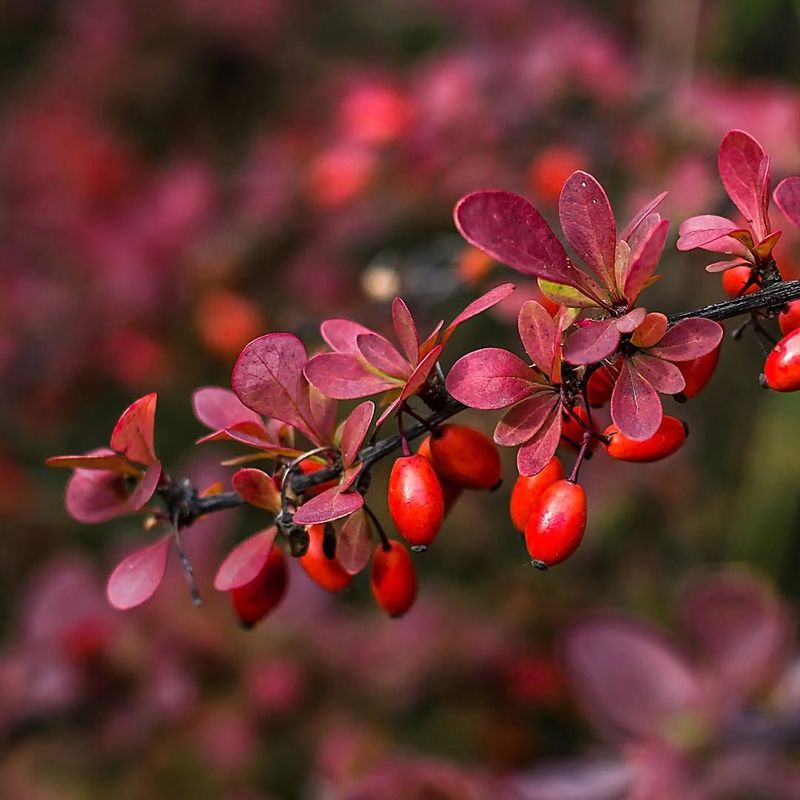
In many Michigan woodlands, a low, thorny shrub stands out with clusters of small red berries and striking fall color. That is likely Japanese Barberry, and while it may catch your eye, it is one of the most problematic invasive shrubs in the state.
Landscapers have used it for decades because of its toughness and vibrant color, but its negative impact on Michigan’s wild spaces has become impossible to ignore.
One of the biggest concerns with Japanese Barberry is its connection to ticks. Research has shown that the dense, humid thickets it creates provide the perfect hiding spot for black-legged ticks, which can carry Lyme disease.
That alone makes it a plant worth avoiding, especially if you spend time hiking or playing outdoors in Michigan.
Your Michigan Garden Changes Every Week. Your Plan Should Too.
Gardening in Michigan changes quickly throughout the season. Every Friday you’ll receive a simple weekly plan showing exactly what to plant, prune, fertilize, harvest, and protect so you never miss the right timing.
Beyond the tick issue, Japanese Barberry outcompetes native understory plants by forming thick clumps that block sunlight and change the soil chemistry around it. Birds spread its seeds widely, helping it colonize new areas quickly.
Michigan has been considering legislation to restrict the sale of this plant, recognizing the harm it causes to forests and natural areas across the state. If you currently have Japanese Barberry in your garden, swapping it out for native shrubs like spicebush or native viburnums is a smarter, safer choice that supports local wildlife without introducing new problems to the landscape.
3. Autumn Olive Taking Over Open Spaces Fast
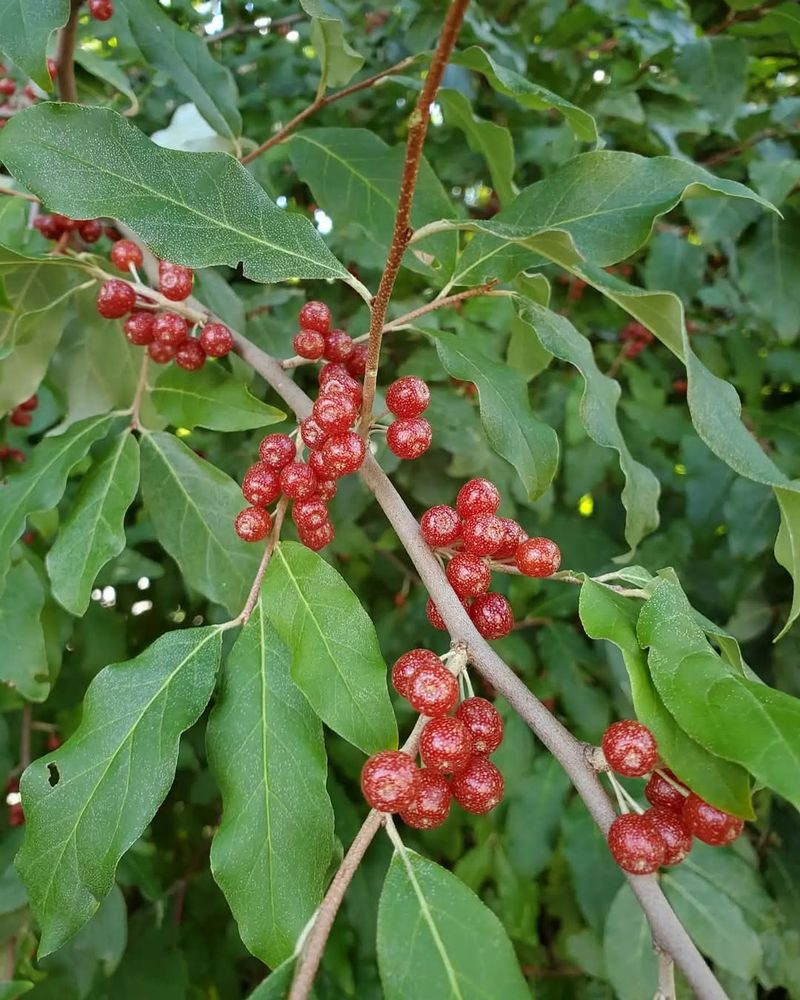
Back in the mid-1900s, Autumn Olive was actually promoted as a helpful plant. Conservationists encouraged landowners to plant it for erosion control and to provide food for wildlife.
Sounds great, right? Unfortunately, the plan backfired in a big way, and today Autumn Olive is considered one of the most widespread invasive shrubs across Michigan and much of the eastern United States.
Growing up to 20 feet tall, this shrub produces massive quantities of small red berries that birds absolutely love. The problem is that birds carry those seeds everywhere, spreading the plant far beyond any yard or farm where it was originally planted.
Autumn Olive spreads so quickly that it can transform open fields and forest edges into dense, impenetrable thickets within just a few years.
What makes it especially hard to manage is its ability to fix nitrogen in the soil, which actually changes the soil chemistry and makes the environment less suitable for native plants that evolved in lower-nitrogen conditions. Over time, this shifts the entire plant community in an area, reducing biodiversity and making it harder for native species to survive.
Michigan’s natural areas have suffered significant losses because of this plant. If you spot Autumn Olive on your property, reaching out to your local Michigan cooperative extension office can help you find the safest and most effective removal strategies to restore native plant communities.
4. Mile-A-Minute Weed Growing At Alarming Speed
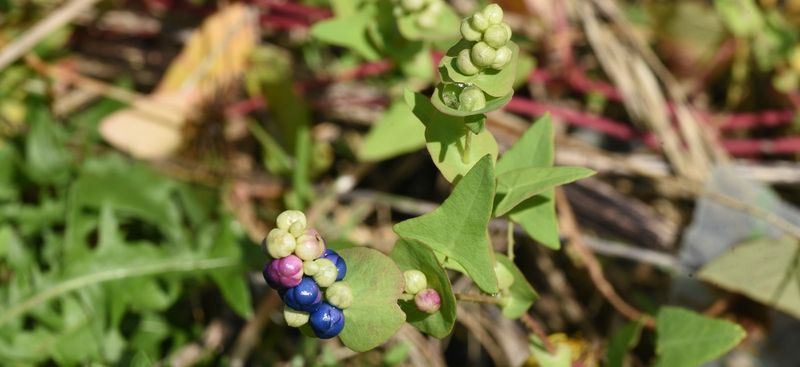
The name says it all. Mile-A-Minute Weed is one of the fastest-growing invasive plants found creeping into Michigan, and once it gets going, it can smother everything in its path with shocking speed.
This vine can grow up to six inches per day under the right conditions, which makes it a serious threat to native plants, young trees, and shrubs that simply cannot compete with such rapid coverage.
Originally from Asia, Mile-A-Minute Weed has barbed stems that cling to other plants and structures as it climbs. Those tiny barbs also make it painful to remove by hand without thick gloves.
It thrives in disturbed areas like roadsides, forest edges, and stream banks, which are unfortunately some of the most ecologically sensitive zones in Michigan.
The plant produces small blue-purple berries that birds and other animals eat and spread, helping it colonize new areas far from its original location. It tends to form dense mats that block sunlight from reaching the plants underneath, effectively smothering native vegetation.
Young trees and native wildflowers are especially vulnerable. Early detection is key with this one.
If you spot Mile-A-Minute Weed in Michigan, reporting it to the Michigan Invasive Species Program is a smart move. Catching new infestations early gives land managers a much better chance of stopping it before it takes over entire natural areas across the state.
5. Burning Bush Escaping And Crowding Native Plants
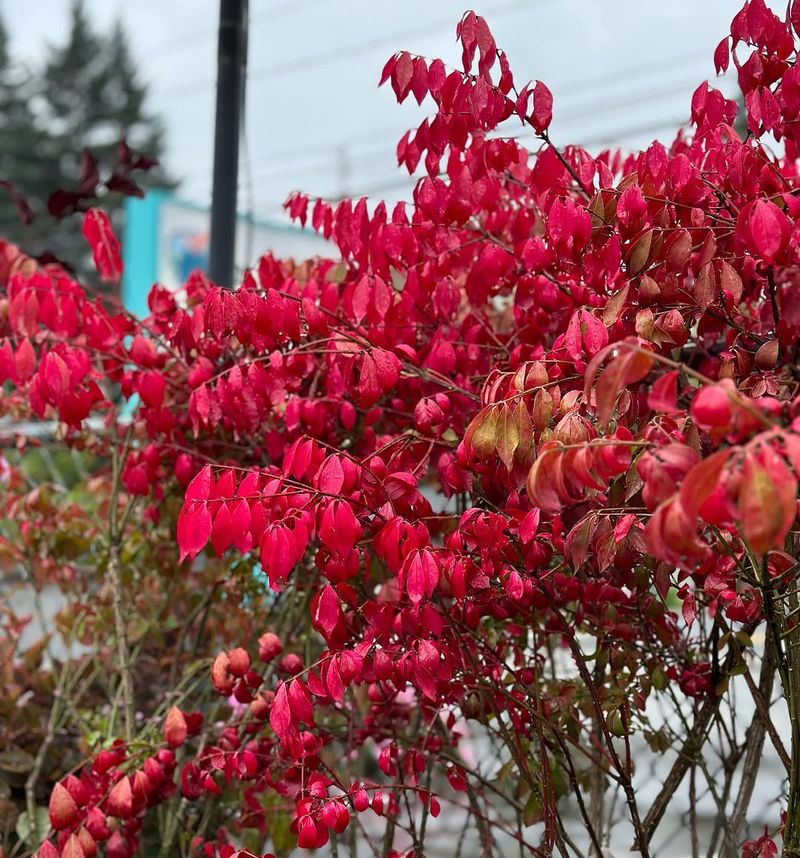
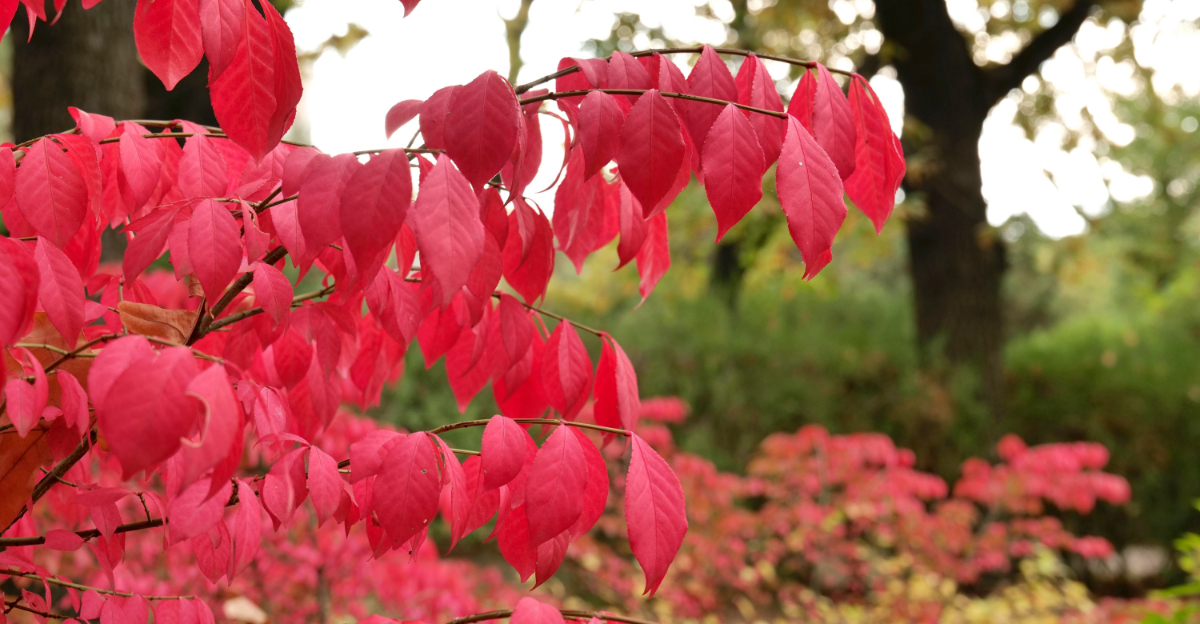
Every autumn, Burning Bush lights up yards across Michigan with an almost electric shade of red that stops people in their tracks. It is easy to understand why this shrub became such a popular landscaping choice.
The problem is that its stunning fall color comes with a hidden cost that extends well beyond any backyard fence.
Burning Bush, native to Asia and parts of Europe, produces small red berries that birds eagerly consume. Those birds then fly off into Michigan’s forests and natural areas, depositing seeds wherever they land.
The shrub establishes easily in woodland edges, forest understories, and open fields, where it gradually crowds out native plants that local insects and animals depend on. Studies have shown that native plants support far more wildlife than invasive species, so every acre taken over by Burning Bush is an acre of lost habitat.
What makes Burning Bush particularly tricky is that it has been so widely sold and planted across Michigan for so many years. Many homeowners do not realize it poses any environmental risk at all.
Fortunately, there are native alternatives that offer equally stunning fall color without the ecological problems. Michigan native shrubs like highbush blueberry, native viburnums, and chokeberry all turn brilliant shades of red and orange in fall.
Making the switch supports Michigan’s birds, butterflies, and native plant communities while still giving your yard that gorgeous seasonal color you love.
6. Common Buckthorn Choking Out Native Growth
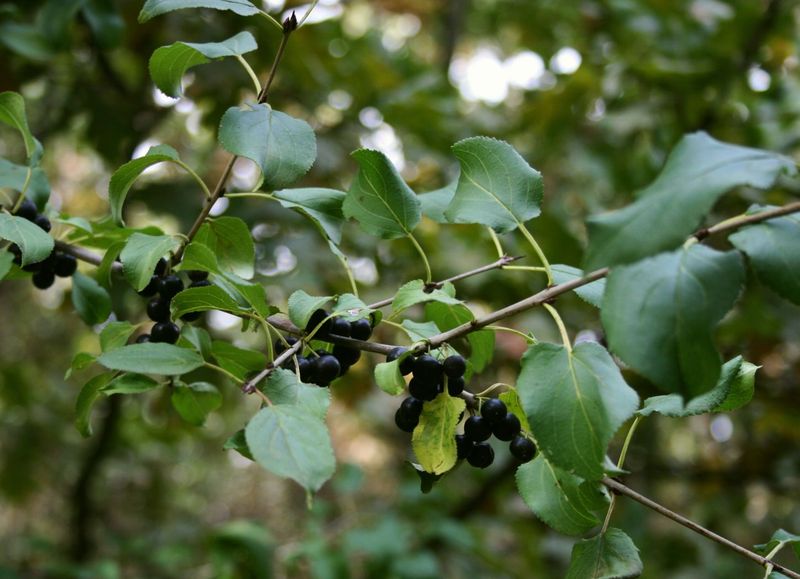
Forests across Michigan have a quiet but persistent enemy lurking in the understory, and it goes by the name Common Buckthorn. This shrub or small tree originally came from Europe and parts of Asia, and it has been causing problems in Michigan’s woodlands for well over a century.
What makes it so effective as an invader is a combination of traits that native plants simply cannot match.
Common Buckthorn leafs out earlier in spring and holds its leaves later into fall than most native plants. That extended growing season gives it a huge competitive advantage, allowing it to capture sunlight while native plants are still dormant.
It also releases a chemical into the surrounding soil that actually suppresses the growth of nearby plants, giving it even more of an edge in the competition for space and resources.
The small black berries it produces are eaten by birds, which spread the seeds across Michigan’s forests, roadsides, and natural areas. Once established, Common Buckthorn is notoriously difficult to manage because it resprouts aggressively after being cut back.
Dense stands can completely transform a forest floor, eliminating the native wildflowers, ferns, and tree seedlings that should be thriving there. Michigan land managers spend significant time and resources trying to control this species in natural areas.
Avoiding planting it and removing any existing plants from your property is one of the most helpful things you can do to protect Michigan’s woodlands.
7. Glossy Buckthorn Thriving In Wet And Wild Areas
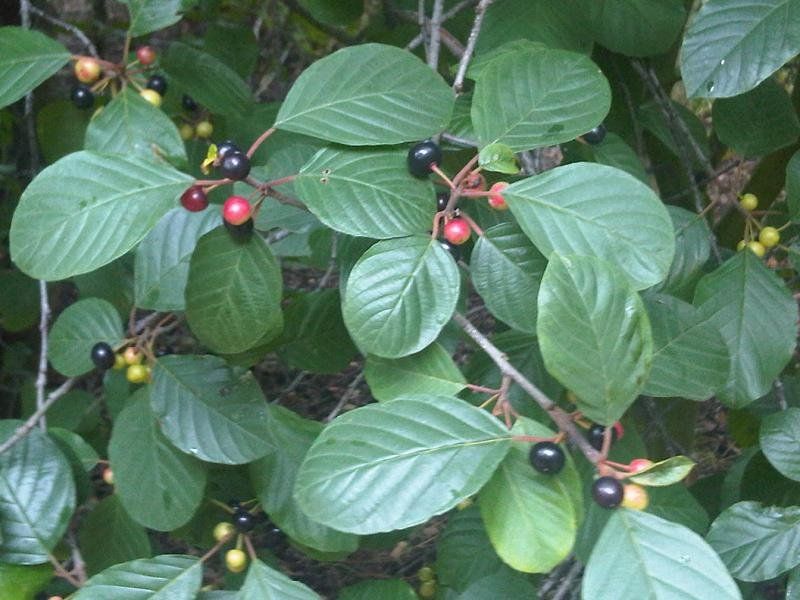
Closely related to Common Buckthorn but with a particular fondness for wet areas, Glossy Buckthorn is a serious invasive concern in Michigan’s wetlands, stream banks, and forest edges near water. Its shiny, oval leaves are actually quite attractive, which is part of why it was once planted as an ornamental and used in hedgerows.
That history of deliberate planting helped spread it across a wide range of habitats throughout the state.
Glossy Buckthorn can grow into a large shrub or small tree reaching up to 20 feet in height. Like its relative, it leafs out early and keeps its leaves late, giving it a competitive edge over native species that follow more typical seasonal patterns.
It thrives in disturbed areas but is also quite capable of invading intact natural communities, including Michigan’s precious wetland habitats.
The berries ripen from red to black and are consumed by birds, which spread seeds into new areas with impressive efficiency. Dense stands of Glossy Buckthorn in wetlands can displace native sedges, wildflowers, and shrubs that waterfowl and other wildlife depend on for food and nesting.
Michigan’s wetlands are already under pressure from development and climate change, so adding an aggressive invasive plant to the mix makes conservation even harder. Reporting sightings and removing plants from private property whenever possible helps protect these sensitive ecosystems.
Native alternatives like buttonbush or native willows are excellent choices for wet areas in Michigan landscapes.
8. Japanese Knotweed Nearly Impossible To Remove
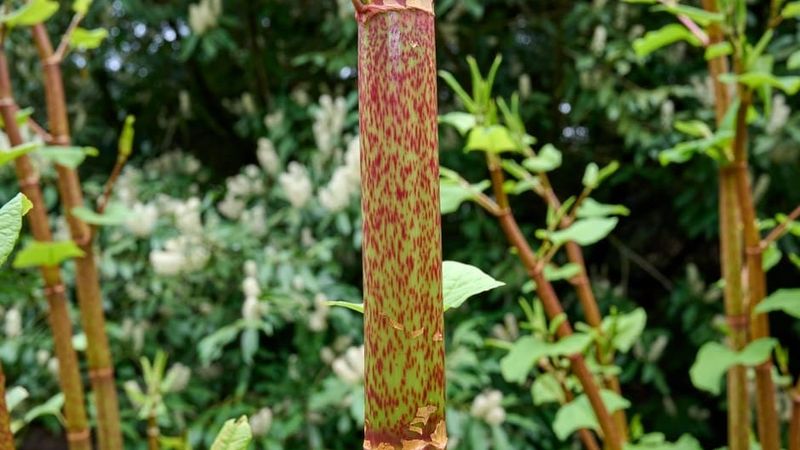
Few invasive plants inspire as much frustration among Michigan landowners and land managers as Japanese Knotweed. Growing up to 14 feet tall with thick, hollow stems that resemble bamboo, this plant creates massive, impenetrable thickets that crowd out everything else around it.
Once it gets established on your property or in a natural area nearby, removing it becomes a long, difficult battle that can take years.
Japanese Knotweed spreads both by seed and by underground stems called rhizomes, which can extend many feet in every direction. Even a tiny fragment of root left in the soil can sprout into a new plant.
This makes it incredibly hard to manage, and any soil disturbance, like construction or flooding, can actually help it spread by moving root fragments to new locations along Michigan’s rivers and streams.
The plant is especially damaging near waterways, where its root systems can destabilize banks and its dense growth shades out native streamside vegetation. It has been documented damaging foundations, driveways, and even building structures in some cases, which makes it a problem not just for the environment but for property owners too.
Michigan residents who spot Japanese Knotweed should contact their local conservation district for guidance before attempting removal. Cutting alone rarely works and can make the problem worse.
A coordinated, multi-year management approach is usually necessary to get this aggressive plant under control and give native species a chance to recover.
9. Japanese Spirea Quietly Spreading Into Natural Areas
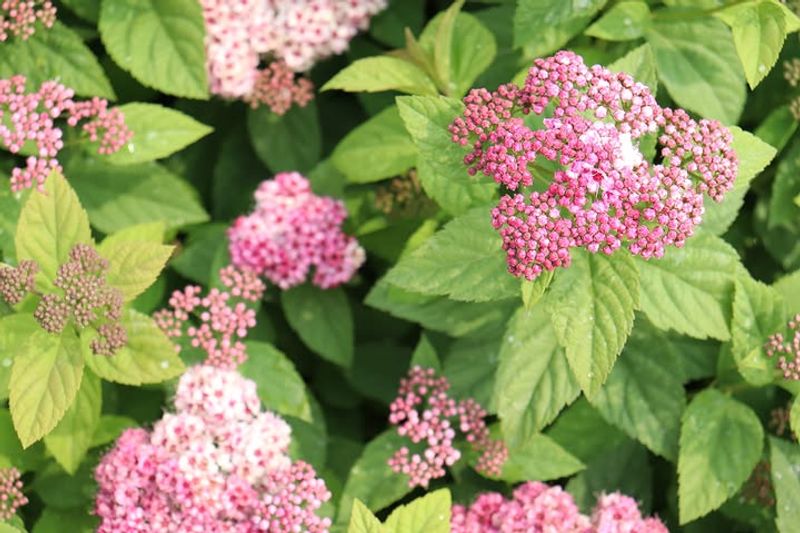
Pretty pink flower clusters and a compact, tidy shape have made Japanese Spirea a favorite in Michigan gardens for a long time. Garden centers across the state have stocked it for years, and it is easy to see why homeowners love it.
But beneath that well-behaved garden exterior is a plant with the potential to cause real problems in Michigan’s wild spaces when given the chance to escape cultivation.
Japanese Spirea produces large quantities of tiny seeds that are light enough to travel on the wind and in water. Those seeds can establish in disturbed areas, roadsides, stream banks, and woodland edges throughout Michigan.
Once it moves out of the garden, it can form dense colonies that outcompete native wildflowers and shrubs, reducing the diversity of plant communities that local insects and animals need to survive.
Pollinators like native bees do visit Japanese Spirea, but research consistently shows that native flowering plants support a much wider variety of native insects than exotic species do. Swapping out Japanese Spirea for native alternatives like meadowsweet, native spireas such as steeplebush, or other Michigan native flowering shrubs provides far better habitat value while still giving your garden beautiful seasonal blooms.
Michigan’s native plant nurseries are great resources for finding locally appropriate alternatives. Small choices made in individual yards across Michigan can add up to a meaningful positive impact on the health of the broader ecosystem when enough people make the switch together.