Why New Jersey Tomatoes Drop Blossoms When Summer Heat Peaks, And How To Stop It
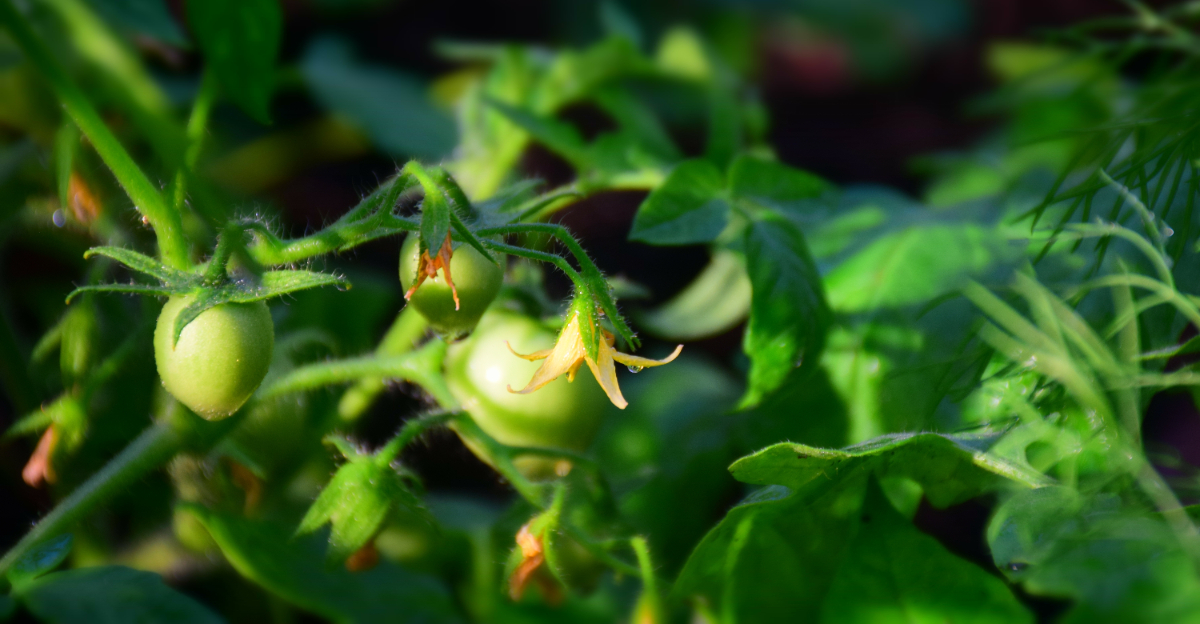
You checked your tomato plants this morning, and the stems were bare. Yesterday those same stems held a dozen small yellow blooms.
Now there is nothing but a handful of petals on the soil and a sinking feeling in your chest. Sound familiar? New Jersey gardeners deal with this every single summer, usually right around the time the forecast stops showing anything below 90 degrees.
The damage looks like failure, but the cause is something most gardeners never think to check. New Jersey summers are long, humid, and punishing in ways that go far beyond what you feel standing in your garden.
Your tomatoes are feeling it too, just differently than you are.
The Real Reason Tomato Blossoms Fall Off The Vine
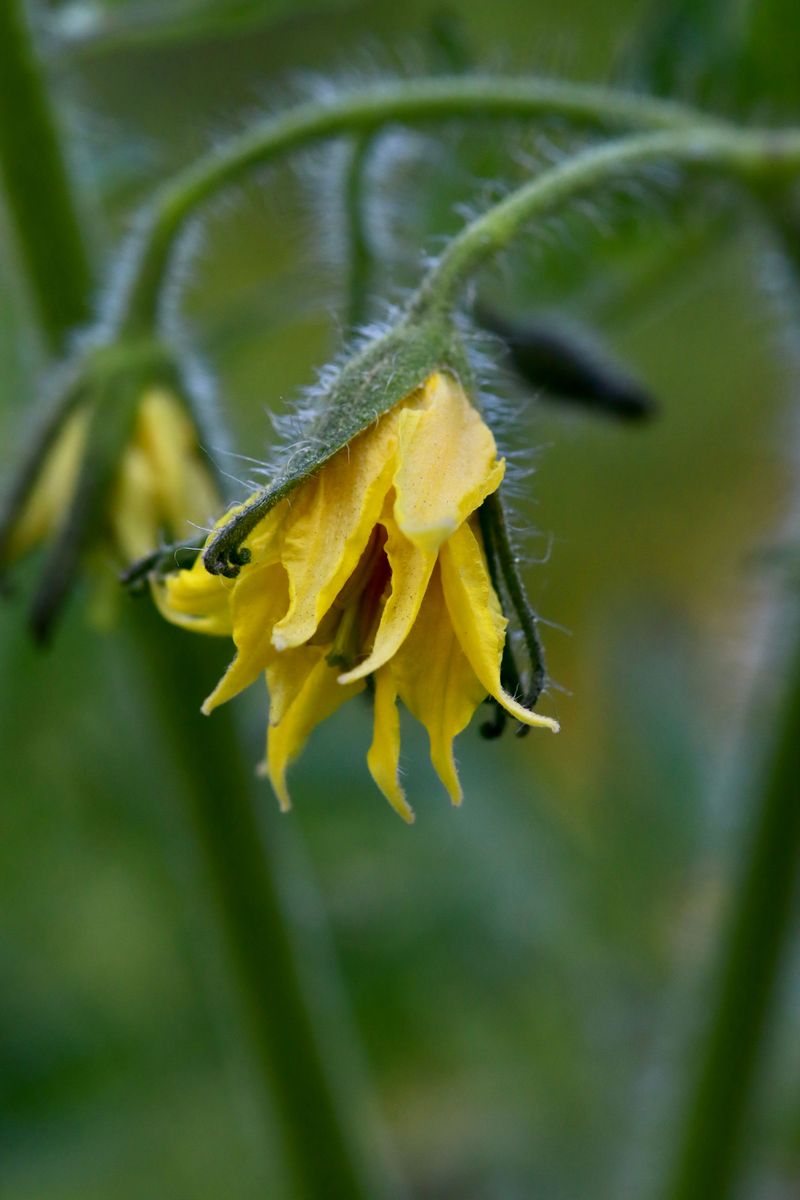
Your tomato plant is not being dramatic. When blossoms fall, the plant is actually making a survival decision based on stress.
Tomatoes are self-pollinating plants, which means each flower carries both male and female parts. For a blossom to set fruit, pollen must transfer successfully inside that flower.
Heat disrupts this process at the cellular level. When temperatures climb too high, pollen becomes sticky, clumpy, or significantly less viable.
A flower that cannot be pollinated is useless to the plant. So the tomato drops it and conserves energy for survival instead.
This is not a disease or pest problem. It is a biological response built into the plant as a natural stress response.
The plant essentially says, “Conditions are bad right now, so I will wait.” It stops investing in fruit production until the environment feels safer.
Gardeners often blame themselves when they see blossoms on the ground. They wonder if they watered wrong or used bad fertilizer.
In most cases, neither is the primary cause. The blossom drop you see in New Jersey summers is almost always triggered by temperature extremes.
Understanding that this is a plant response, not a plant failure, changes how you approach the problem. You stop panicking and start problem-solving instead.
The blossom drop cycle can repeat all summer if conditions stay hot. Knowing the root cause is the first step toward getting your tomatoes back on track.
The Temperature Range That Triggers Blossom Drop In Tomatoes
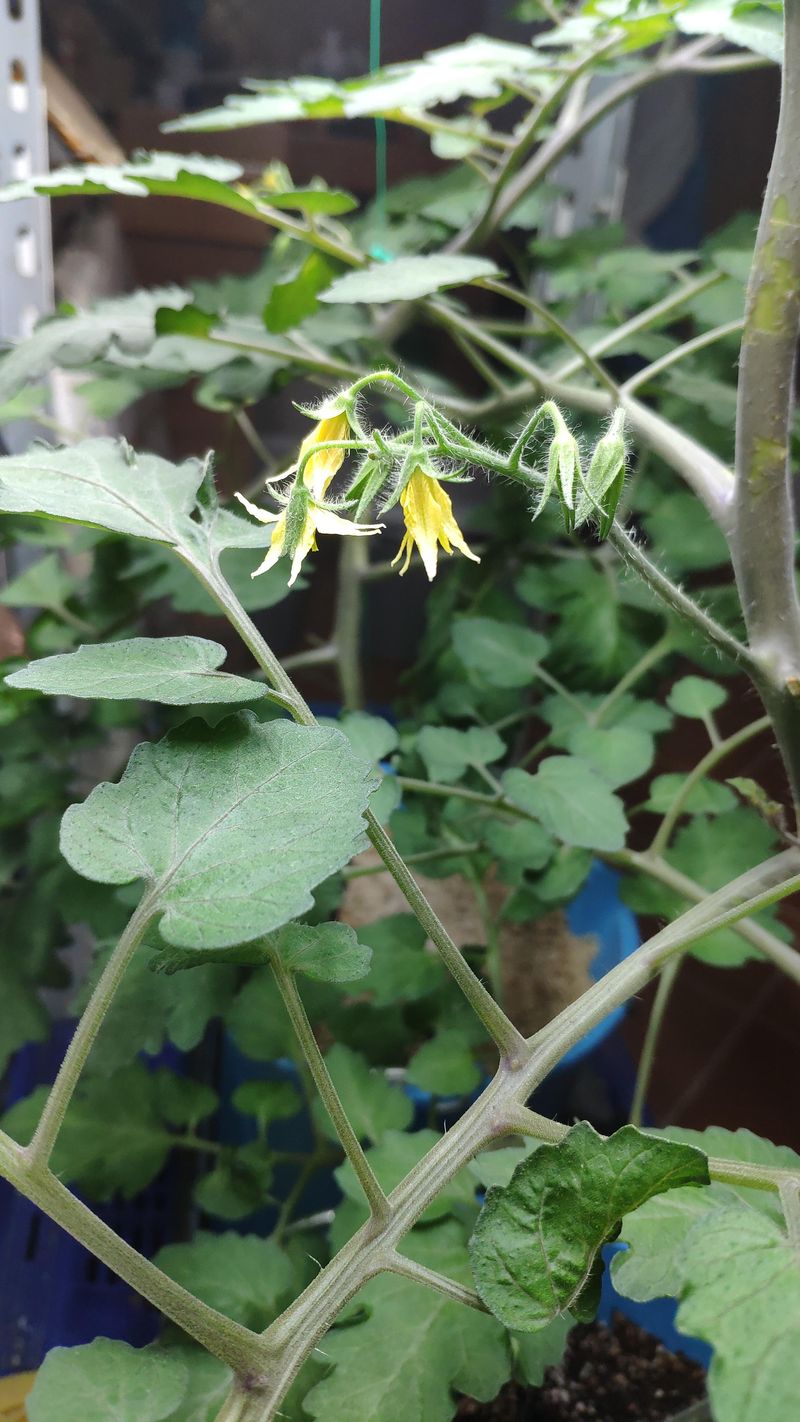
Numbers matter here, and these specific numbers could save your harvest. Tomatoes have a very narrow comfort zone for pollination to succeed.
Daytime temperatures above 85 degrees Fahrenheit start to cause problems. Once temps push past 90 degrees, pollen viability declines significantly.
Nighttime temperatures matter just as much as daytime highs. When nights stay above 70 degrees, the plant struggles to recover from the heat stress of the day.
Below 55 degrees at night is also a trigger for blossom drop. But in a New Jersey summer, cold nights are rarely the issue in July.
The sweet spot for tomato pollination sits between 70 and 85 degrees during the day. Nights between 55 and 70 degrees allow the plant to reset and thrive.
Outside of that range, the flower’s reproductive system starts to break down. Pollen tubes fail to grow properly, and fertilization never happens.
Your New York Garden Changes Every Week. Your Plan Should Too.
Gardening in New York changes quickly throughout the season. Every Friday you’ll receive a simple weekly plan showing exactly what to plant, prune, fertilize, harvest, and protect so you never miss the right timing.
Some tomato varieties tolerate heat better than others. Heat-set types like Solar Fire or Heatmaster are bred to maintain better pollination rates when temperatures climb.
Knowing your local forecast becomes a gardening tool. When a heat wave is coming, you can act before the blossoms even open.
Most standard tomato varieties were not built for extreme summer heat. They were developed in Mediterranean climates with cooler nights and drier air.
Matching the right variety to your climate is one of the smartest moves a gardener can make. Your zip code should influence your seed choices every single spring.
How New Jersey Summers Push Tomatoes Past Their Comfort Zone
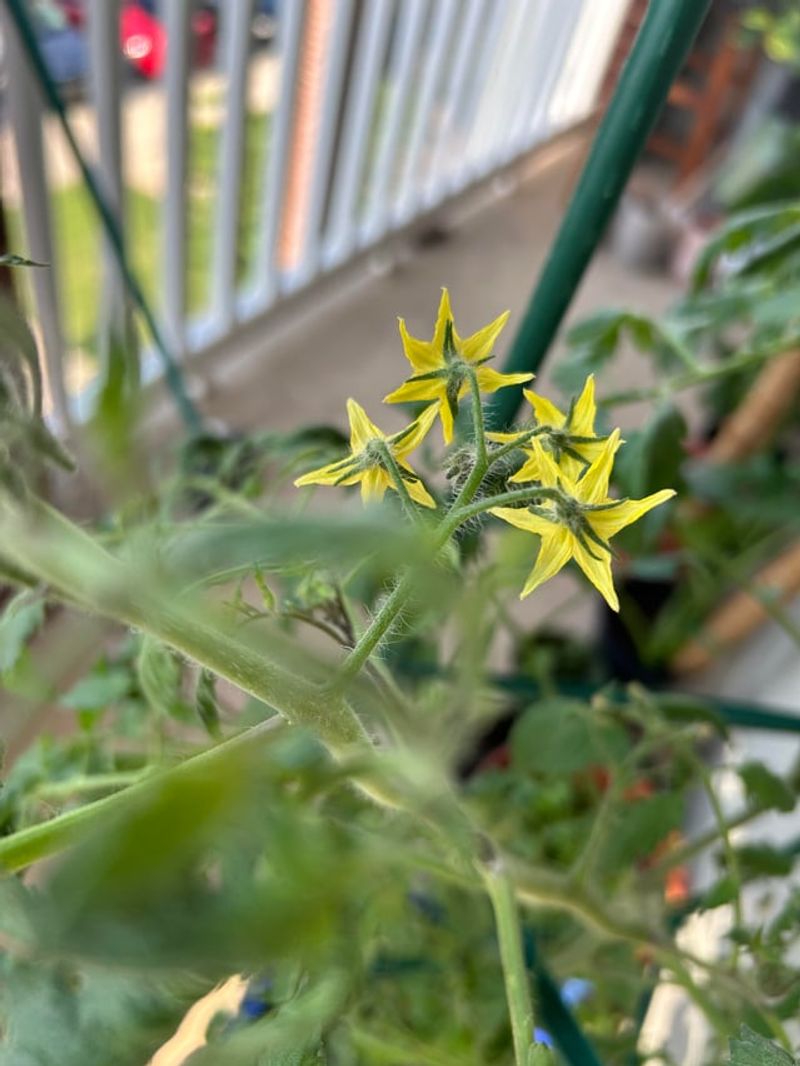
New Jersey summers are not gentle. The combination of heat, humidity, and stagnant air creates a tough environment for fruiting vegetables.
Average July highs across the state frequently reach the upper 80s, with inland areas regularly climbing into the low 90s. Humidity makes the heat feel worse and also interferes with pollen movement.
When air is thick with moisture, dry pollen cannot release from the anthers as easily. Pollination rates drop even on days that do not feel extreme.
Heat also radiates upward from pavement, fences, and raised beds made of dark materials. A plant sitting near a brick wall can experience temperatures noticeably higher than the surrounding air.
The Garden State’s coastal areas get sea breezes that offer some relief. But inland gardens in counties like Mercer, Hunterdon, and Warren often bake without any airflow.
Urban gardens face the heat island effect, where concrete and asphalt store heat overnight. This prevents nighttime temperatures from dropping into the safe range for tomatoes.
Afternoon thunderstorms are common in summer but do not always cool things down. They often add humidity without providing meaningful temperature relief.
Soil temperature also climbs during heat waves. Roots stressed by hot soil cannot absorb water efficiently, which compounds the plant’s overall stress load.
Tomato plants in New Jersey face a gauntlet every summer. But the state’s gardeners are resourceful, and there are real strategies that work in this specific climate.
Recognizing your local conditions is not complaining about the weather. It is gathering the information you need to outsmart the season.
Other Factors That Make Blossom Drop Worse In The Garden
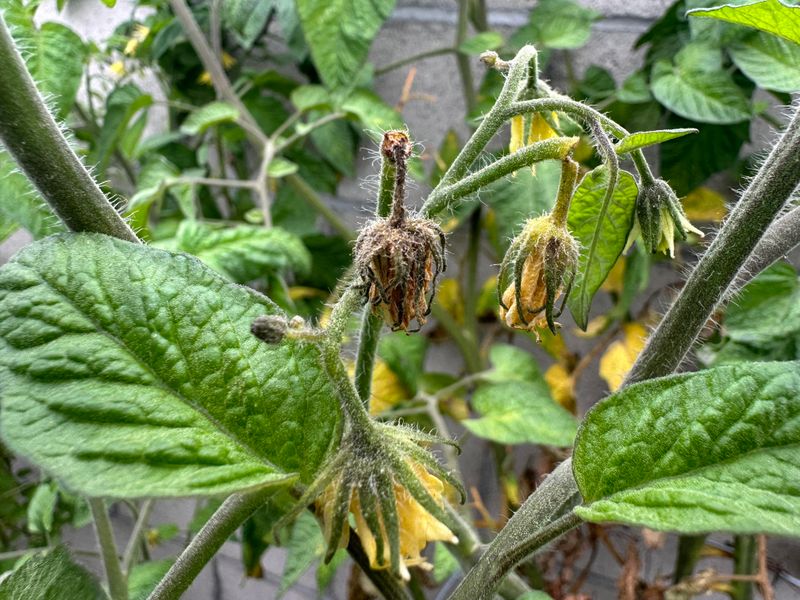
Heat is the main villain, but it rarely works alone. Several other garden conditions team up with high temperatures to accelerate blossom loss.
Inconsistent watering is one of the biggest accomplices. When soil swings between bone dry and soaking wet, the plant experiences stress spikes that trigger flower drop.
Too much nitrogen fertilizer pushes the plant into aggressive leafy growth. When a tomato is busy producing foliage, it pulls energy away from flowering and fruit development.
Low humidity can dry out pollen before it transfers. High humidity, on the other hand, causes pollen to clump and stick instead of moving freely.
Poor air circulation around dense plants traps heat and moisture. Tomatoes that are not pruned or spaced properly create their own mini heat zones inside the canopy.
Pest pressure adds another layer of stress. Spider mites thrive in hot, dry conditions and weaken plants at the worst possible time.
Planting too early in spring can set up problems that show up in summer. Plants that experienced cold stress early in the season may have weaker root systems later.
Soil compaction limits oxygen and water movement to the roots. A stressed root system means a stressed plant, and stressed plants shed blossoms faster.
Transplant shock from moving seedlings in hot weather is another overlooked factor. Plants need two to three weeks to fully establish before they can handle summer heat well.
Fixing one factor helps, but addressing all of them together is what keeps blossoms on the vine through the toughest stretch of summer.
What To Look For Before Assuming Heat Is The Cause
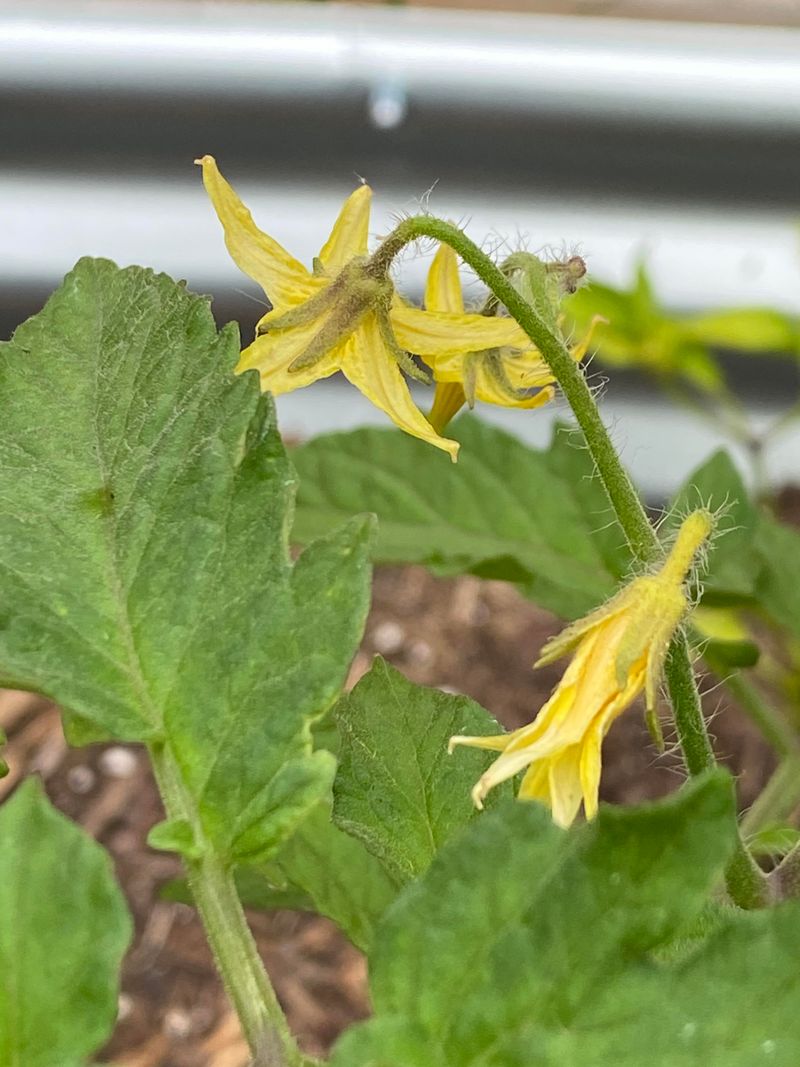
Not every case of blossom drop comes down to temperature. Before you haul out shade cloth, take a closer look at what is actually happening on your plants.
Check whether the blossoms are falling before or after they open. Buds that drop while still closed often point to a different problem than open flowers falling.
Look at the remaining leaves for color and texture clues. Yellow leaves with dark spots suggest a fungal issue, not a heat problem.
Inspect the undersides of leaves for tiny moving dots. Spider mites are nearly invisible but leave a telltale dusty webbing and cause rapid plant decline.
Check the soil moisture level a few inches down, not just at the surface. Dry soil beneath a moist top layer means your watering is not reaching the roots.
Look at when the drop is happening during the day. Blossoms falling in the morning may indicate nighttime temperature problems rather than afternoon heat peaks.
Examine the stem where the blossom connects to the plant. A clean break suggests the plant made an active decision to shed the flower.
Check for signs of over-fertilizing, like extremely dark green leaves and thick stems. A plant pumped full of nitrogen often refuses to fruit regardless of temperature.
Notice whether all plants in your garden are dropping blossoms or just one or two. Isolated cases point to localized stress rather than a weather-wide event.
Accurate diagnosis saves time, money, and effort. Treating the wrong problem while the real one continues is a frustrating cycle that ruins whole seasons.
How To Keep Tomato Blossoms From Dropping In The Heat
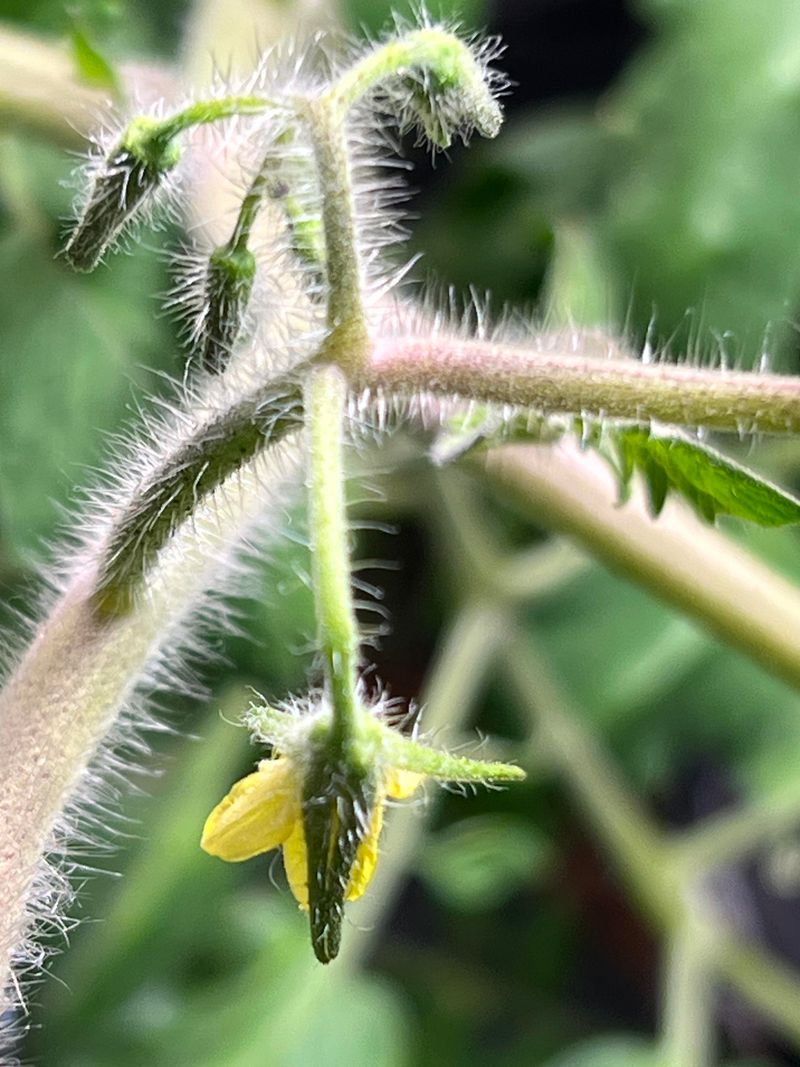
There are real, practical steps you can take, and some of them work faster than you might expect. There are real, practical steps you can take to protect your tomatoes from blossom drop when summer heat peaks.
Shade cloth rated at 30 to 40 percent light reduction can lower plant temperature by several degrees during peak afternoon hours. Set it up on the south and west sides of your plants.
Water deeply and consistently, aiming for one to two inches per week. Drip irrigation delivers moisture directly to the root zone without wetting the foliage.
Mulch thickly around the base of each plant with straw or wood chips. A three-inch layer keeps soil cooler and holds moisture between watering sessions.
Gently shake your tomato cages or stakes in the morning when flowers are open. This mimics wind and helps release pollen for better pollination rates.
Switch to heat-tolerant tomato varieties next season if summer drop is a recurring issue. Heatmaster and Solar Fire are bred specifically for high-heat performance, and cherry tomato varieties generally handle heat better than larger slicing types.
Avoid fertilizing with high-nitrogen products once plants begin flowering. Switch to a low-nitrogen, phosphorus-rich formula to encourage fruit set over leaf growth.
Plant tomatoes near taller crops or structures that provide afternoon shade naturally. Even one to two hours of shade during the hottest part of the day makes a real difference.
Spray plants with a diluted seaweed extract solution during heat waves. This acts as a natural biostimulant that can help plants handle stress and support overall health.
Blossom drop in New Jersey tomatoes is beatable with the right plan. Armed with these strategies, you can stop the drop and still enjoy a full harvest before fall arrives.