The Rare Native Berries Growing In North Carolina Mountains That Gardeners Should Know About
The mountain regions of North Carolina support a remarkable range of native berry-producing plants that most gardeners have never encountered at a nursery or seen mentioned in mainstream growing guides.
These are not obscure botanical curiosities known only to researchers.
Several of them produce fruit that is genuinely exceptional in flavor, nutritionally dense, and historically significant to the communities that have harvested them in this region for generations.
What keeps them off most gardeners’ radar is a combination of limited commercial availability and the tendency of popular gardening media to focus on the same familiar small fruit options regardless of regional context.
For anyone gardening in or near the North Carolina mountains, knowing these plants exist and understanding how to grow them opens up possibilities that go well beyond what standard fruit gardening guides ever suggest.
1. Southern Mountain Cranberry
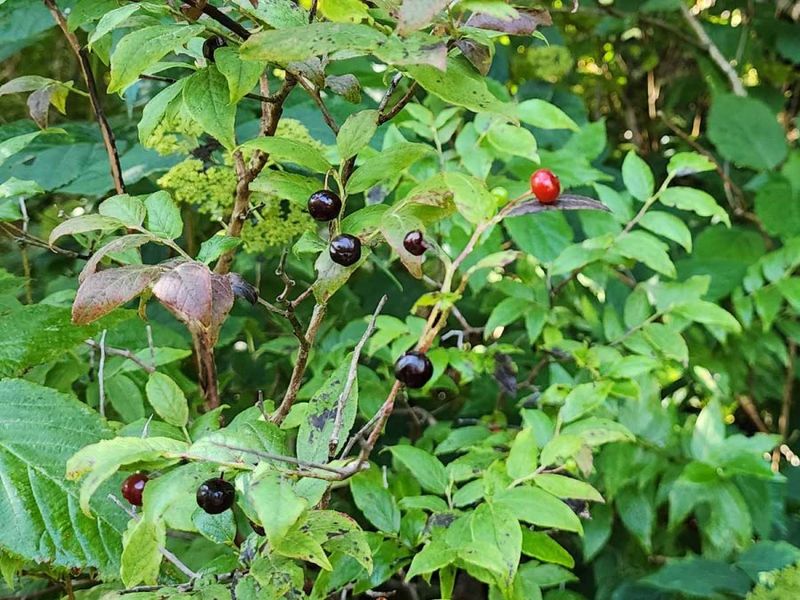
High up in the Southern Appalachians, where the air is cool and the soil is always acidic, the Southern Mountain Cranberry quietly holds its ground.
This plant is a true Southern and Central Appalachian endemic, meaning it exists naturally in only a narrow band of high-elevation habitats.
Rocky ridges, grassy balds, sphagnum bogs, and spruce-fir forests are the places it calls home.
You will not find it growing just anywhere, and that rarity is exactly what makes it so fascinating to native plant enthusiasts.
Growing this plant is not like picking up a tomato seedling at your local garden center. It needs specific conditions including extremely acidic, moisture-retentive, nutrient-poor soil at higher elevations.
Attempting to grow it in a typical backyard setting without the right environment will almost certainly fail.
Gardeners who are serious about trying it should only source plants from ethical native plant nurseries that propagate them responsibly, never from wild collection.
The berries themselves are small and tart, similar in flavor to the commercial cranberries you find in grocery stores.
They ripen in late summer and are a valuable food source for birds and mammals in high-elevation ecosystems.
Even if you never grow one yourself, knowing this plant exists helps you appreciate how rich and layered the native flora of North Carolina truly is.
Protecting its habitat matters enormously, and supporting conservation organizations focused on Appalachian ecosystems is one of the best things any plant lover can do.
2. Black Huckleberry
There is something deeply satisfying about a plant that feeds birds, lights up in fall color, and produces edible berries all at once.
Black Huckleberry does exactly that, and yet most gardeners still walk right past it at native plant sales.
Native to acidic forests and open woodland areas throughout the mountains of North Carolina, this shrub deserves a much bigger spotlight than it currently gets.
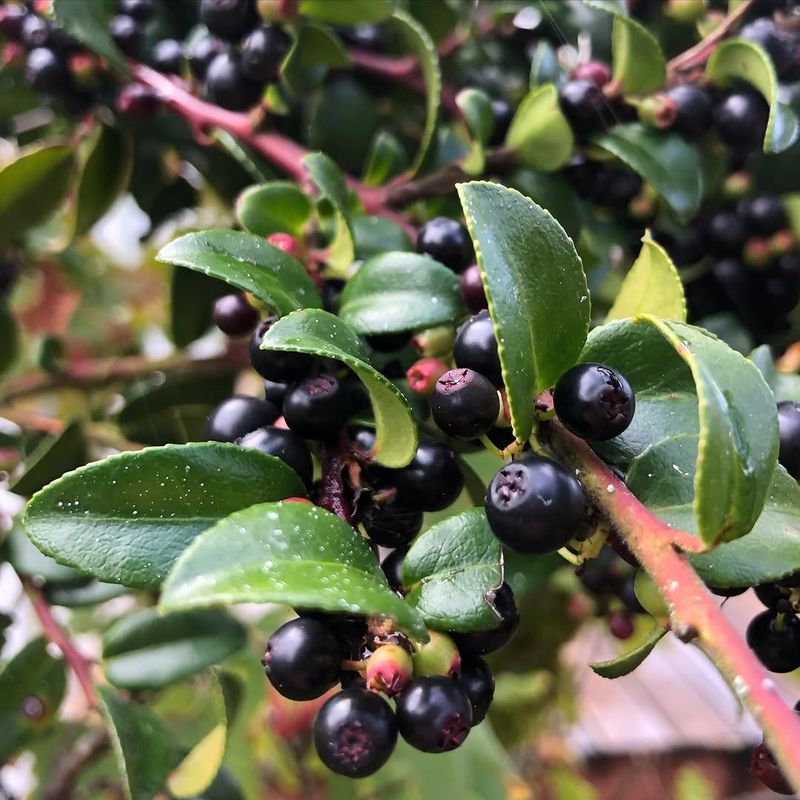
Its blue-black berries ripen in midsummer and have a rich, earthy flavor that wildlife absolutely cannot resist.
In spring, the plant produces small, bell-shaped pinkish flowers that attract early pollinators searching for a meal after a long winter.
By the time summer arrives, clusters of glossy dark berries appear, drawing in songbirds, wild turkeys, and black bears.
Your North Carolina Garden Changes Every Week. Your Plan Should Too.
Gardening in North Carolina changes quickly throughout the season. Every Friday you’ll receive a simple weekly plan showing exactly what to plant, prune, fertilize, harvest, and protect so you never miss the right timing.
Then autumn arrives and the shrub transforms again, turning brilliant shades of crimson and orange that rival any ornamental plant you could plant in its place. It is genuinely a four-season performer in the landscape.
Black Huckleberry thrives in lean, acidic soil and does not appreciate being pampered with heavy amendments or rich compost.
It fits naturalized garden edges, open woodland settings, and slopes where the soil tends to stay on the dry to moderately moist side.
Planting it alongside other native acid-lovers like wild azaleas or lowbush blueberry creates a habitat-rich planting that looks effortlessly natural.
Give it room to spread slowly, enjoy the show it puts on each season, and let the birds do the harvesting.
3. Hillside Blueberry
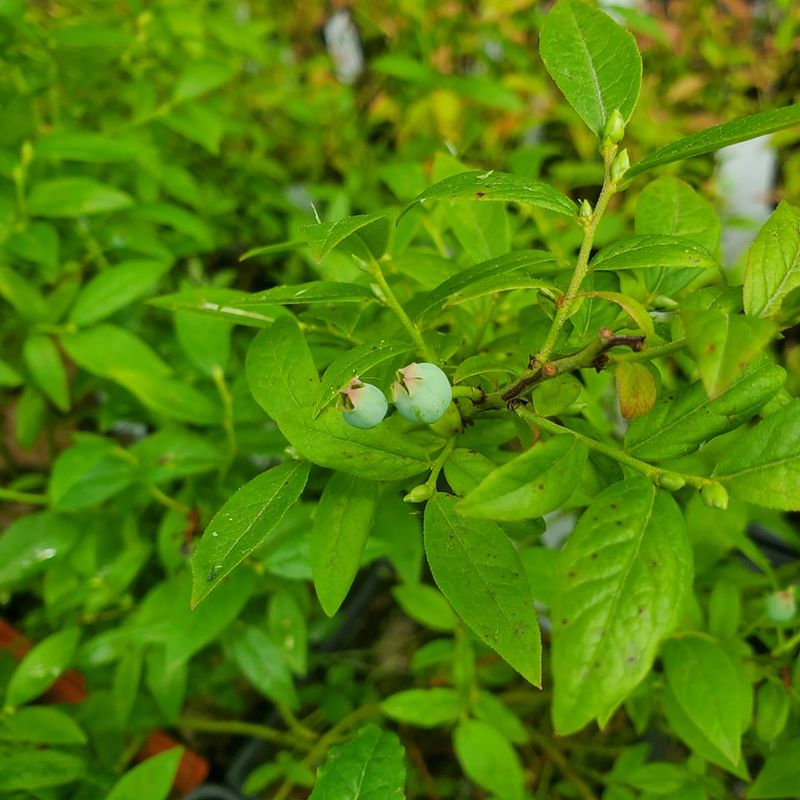
Not every blueberry wants rich, well-watered garden soil, and Hillside Blueberry is living proof of that.
This understated native shrub grows naturally on dry woodland slopes, forest clearings, and brushy thickets throughout the mountains of North Carolina.
It stays relatively compact compared to highbush varieties, usually reaching two to four feet in height, which makes it a practical choice for smaller native gardens or slopes where you want something low-maintenance and wildlife-friendly.
The berries are small but genuinely tasty, ripening from late June into July depending on elevation and weather.
Birds especially love them, and you may find yourself competing with robins and thrushes for the harvest.
Beyond the fruit, Hillside Blueberry earns its place in the garden through sheer seasonal beauty.
Spring brings delicate white to pinkish flowers, summer offers the berry display, and by October the foliage shifts into gorgeous shades of red and orange that glow on a sunny fall afternoon.
Gardeners who have a sloped section with acidic, well-drained soil and at least partial sun will find this shrub slides right into that spot with minimal fuss.
It does not need irrigation once established and actually prefers not to be over-fertilized.
Planting several together along a natural slope or forest edge creates a layered native planting that supports pollinators, feeds birds, and prevents erosion all at the same time.
If you have been searching for a native edible shrub that genuinely thrives on neglect, Hillside Blueberry might be exactly what your garden has been missing.
4. Lowbush Blueberry
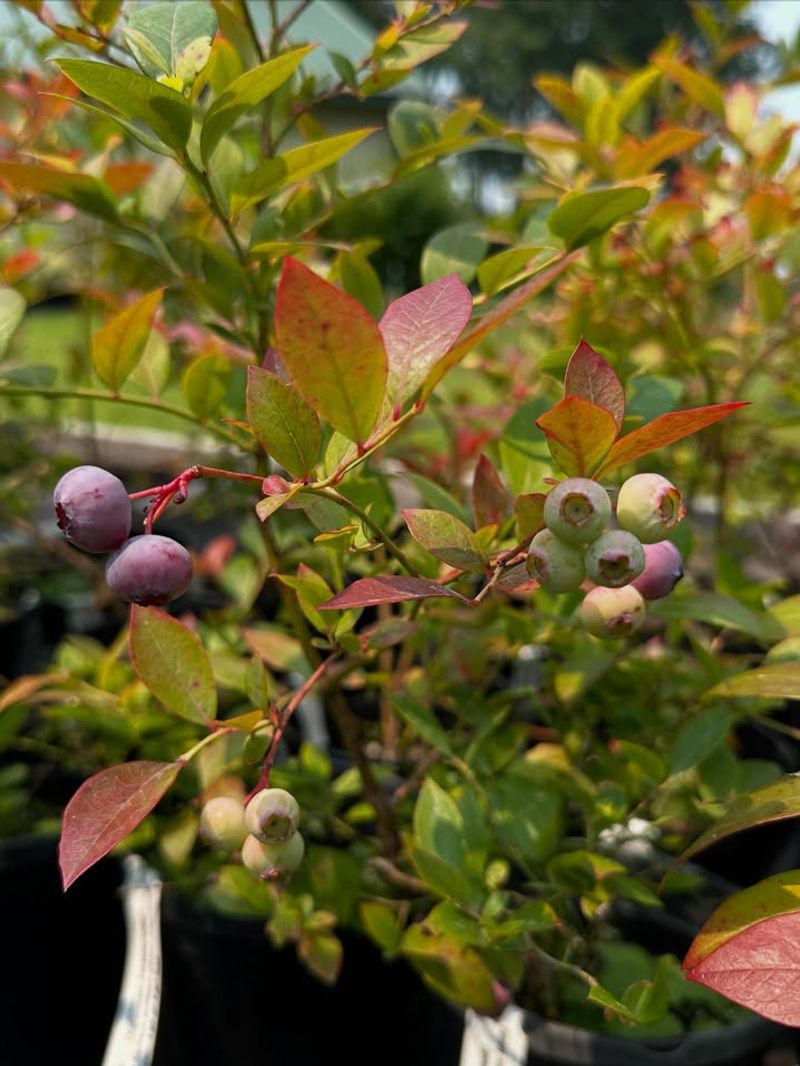
Barely knee-high and absolutely loaded with flavor, Lowbush Blueberry punches well above its size.
This low-growing native shrub spreads slowly across open conifer woods, rocky balds, and old fields throughout the North Carolina mountains, forming dense mats of wiry stems that burst into tiny white flowers each spring.
The berries it produces are small but intensely sweet, often more flavorful than anything you find at the grocery store, and they ripen in mid to late summer depending on sun exposure and elevation.
One of the most important things to know before planting Lowbush Blueberry is that it needs company.
A single plant will produce very little fruit because cross-pollination between multiple plants dramatically improves berry set.
Planting at least three to five individuals of slightly different genetic origins gives the bees something to work with and rewards you with a much better harvest.
Space them about two to three feet apart and let them slowly fill in over time. Soil requirements are straightforward but non-negotiable.
Lowbush Blueberry demands acidic conditions, ideally a soil pH between 4.5 and 5.5, along with good drainage and at least half a day of direct sun.
Sandy or rocky soils that would frustrate most garden plants actually suit this species perfectly.
It is a wonderful choice for sunny rock gardens, open slopes, or the edges of pine plantings where the soil tends to stay lean and acidic naturally. Once established, it asks for very little and gives back quite generously in fruit and fall color.
5. Deerberry
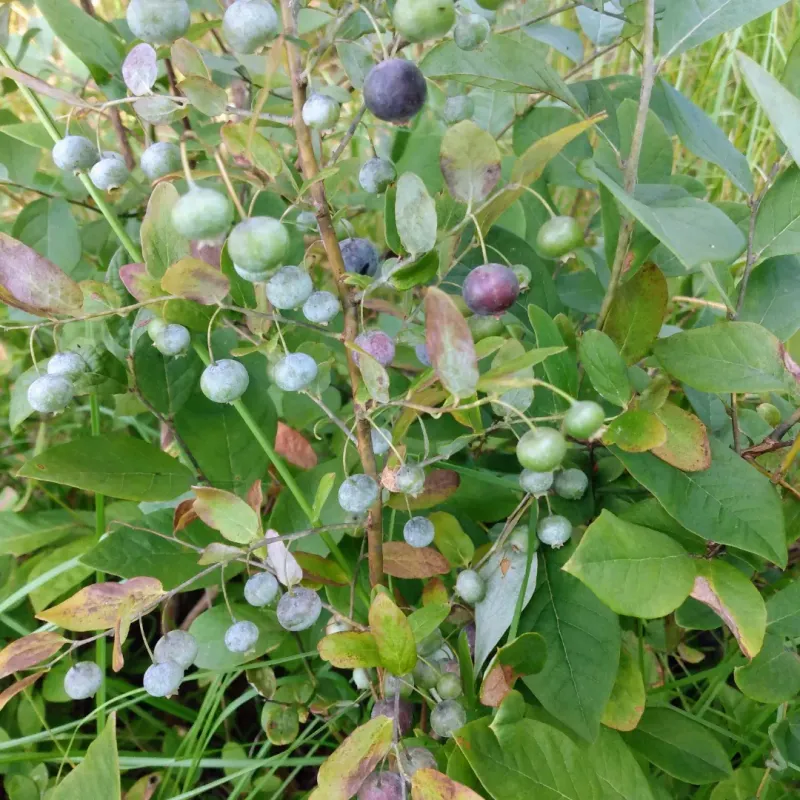
Deerberry is the kind of native plant that often gets passed over at nurseries simply because most people have never heard of it.
That is a real shame, because this underappreciated member of the Vaccinium family brings genuine ecological value and understated beauty to North Carolina mountain gardens.
It grows comfortably in acidic, well-drained soil across a range of light conditions from full sun to part shade, making it more adaptable than many of its blueberry relatives.
Open woodland settings, naturalized garden edges, and native plant gardens are all fair game. The berries are where things get interesting.
Deerberry produces clusters of pale greenish to bluish fruit that ripen in late summer, and the flavor can vary quite a bit from one plant to the next.
Some individuals produce berries with a pleasant, mildly sweet taste, while others lean toward bitter or bland.
For birds and wildlife, none of that matters at all. Deer, wild turkeys, foxes, and dozens of songbird species eagerly consume the fruit regardless of how it tastes to us.
Gardeners who want to attract wildlife to their property will find Deerberry an excellent addition to a layered native planting.
It grows as an upright to slightly arching shrub, typically reaching three to nine feet in height, and produces lovely white bell-shaped flowers in late spring that attract native bees.
If you are building a habitat garden focused on supporting local wildlife rather than harvesting fruit for yourself, Deerberry earns a spot without question. It is reliable, native, and genuinely useful to the ecosystem around it.
6. Allegheny Serviceberry
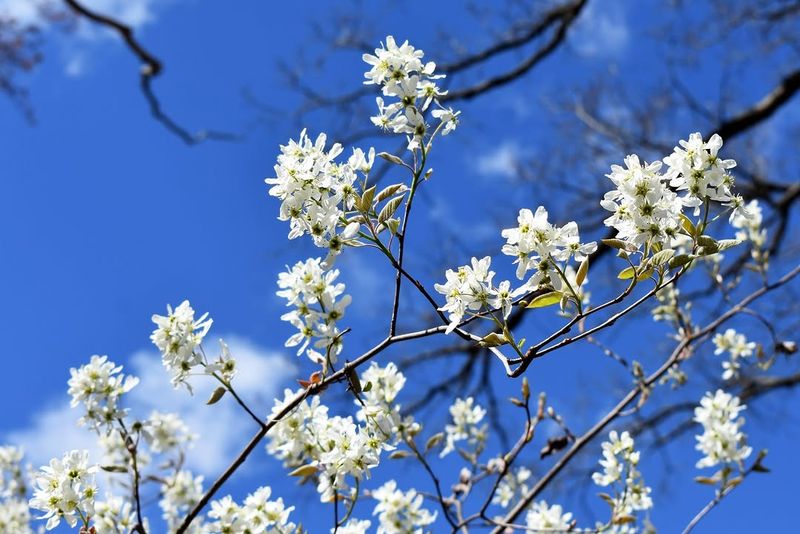
Few native mountain plants can claim the kind of all-season appeal that Allegheny Serviceberry brings to a garden.
In early spring, often before most other plants have even thought about leafing out, this stunning native explodes into clouds of white flowers that cover every branch.
It is one of the earliest blooms in the mountain landscape and an absolute lifeline for early-season pollinators like native bees and butterflies that emerge hungry after winter.
The floral display alone is worth planting it. By June, those flowers give way to clusters of small purple berries that taste remarkably similar to blueberries, with a hint of almond flavor from the seeds.
Native people across the Appalachians prized these berries for food, and birds know exactly when they ripen.
Gardeners who want to enjoy the harvest themselves should plan to act quickly, because robins, cedar waxwings, and catbirds will clean a shrub out in just a few days. The berries can be eaten fresh, baked into muffins, or made into jam.
Allegheny Serviceberry is native to the mountains of North Carolina and grows naturally along stream banks, forest edges, and rocky slopes.
In the garden, it can develop as a large multi-stemmed shrub or a small graceful tree reaching fifteen to twenty-five feet at maturity.
It prefers moist, well-drained acidic soil and tolerates both sun and partial shade. Fall color is another bonus, typically shifting to warm shades of orange and red.
For gardeners who want beauty, edible fruit, and wildlife value all wrapped into one plant, this one truly delivers.
7. American Wintergreen
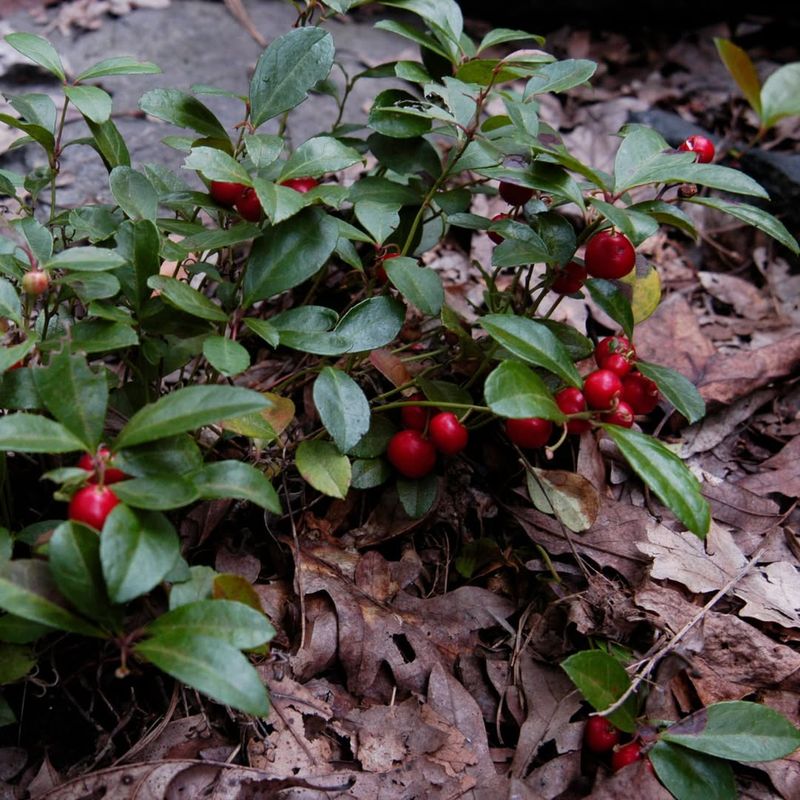
Tucked beneath towering hemlocks and along mossy woodland paths, American Wintergreen grows so quietly that most hikers step right over it without a second glance.
Also called Teaberry, this tiny native evergreen groundcover stays low to the forest floor, rarely exceeding six inches in height, but it makes up for its small stature with year-round charm.
The glossy, dark green leaves smell unmistakably of wintergreen when crushed, the same scent used in old-fashioned candies and chewing gum, which makes stumbling across a patch of it in the woods a genuinely delightful surprise.
In late summer and fall, the plant produces round, bright scarlet berries that persist well into winter and sometimes all the way to the following spring.
These cheerful red capsules are a valuable food source for ruffed grouse, white-tailed deer, wild turkeys, and various small woodland animals during the lean winter months when other food sources are scarce.
The berries are technically edible for people too, with a mild wintergreen flavor, though they are quite small and better appreciated visually than as a major food crop.
American Wintergreen thrives in acidic, humus-rich, consistently moist soil under the shade of conifers or mixed hardwoods.
It spreads slowly by underground rhizomes to form a dense, low carpet that works beautifully along shaded woodland paths, under native azaleas, or woven through mossy native plantings.
Gardeners building a shade-heavy mountain garden with acid soil will find it fills in gaps elegantly over time.
It requires almost no maintenance once established and rewards patience with one of the most charming groundcovers the native plant world has to offer.