Why Smart Connecticut Gardeners Are Using Less Water This Summer And Growing Better Plants Than Ever
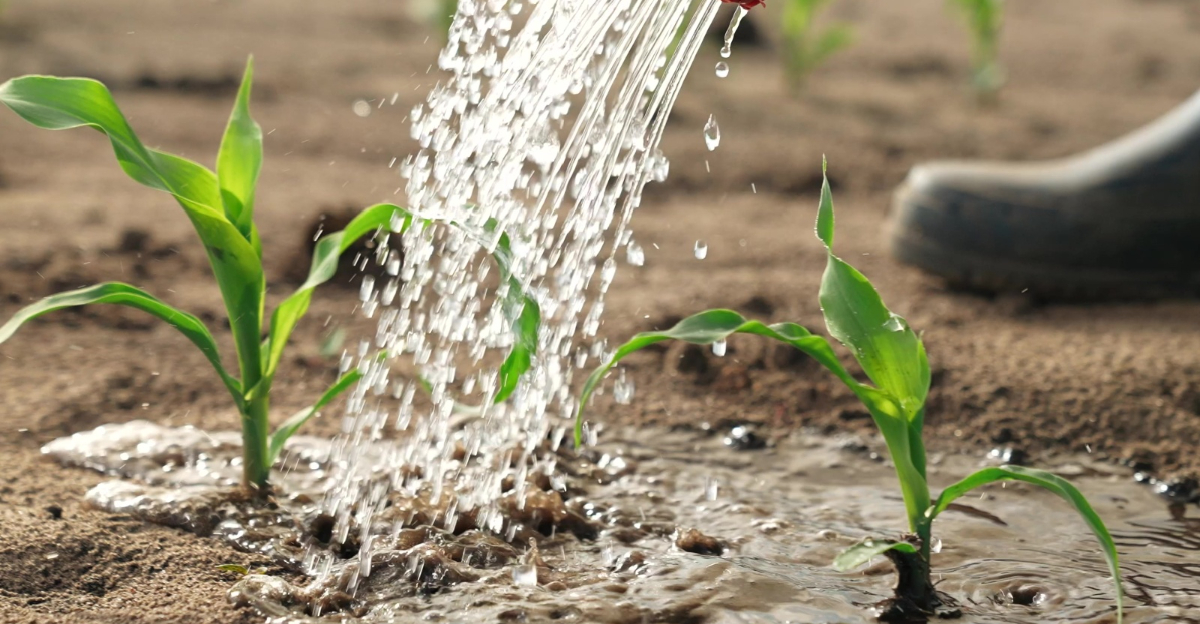
Last summer, a gardener in New Haven quietly stopped dragging the hose out every morning. No new equipment.
No expensive irrigation system. Just small shifts in how she treated her soil, and by August her tomatoes were the talk of the block.
Her neighbor, who watered religiously every single day, could not figure out what she was doing differently. The answer was almost insulting in its simplicity: less.
Most Connecticut gardeners are fighting their plants without realizing it. Overwatering does not feel like a mistake because it feels like care.
But soil that learns to hold moisture is worth more than a hose running for an hour. A plant forced to reach deeper for water builds roots that laugh at drought.
The strategies ahead are not gardening hacks. They are quiet principles working underground while Connecticut summers do their worst, and you leave the hose exactly where it is.
Mulching Retains Soil Moisture For Longer Periods
Bare soil is basically a sponge left out in the sun. Water evaporates from unprotected ground shockingly fast, especially during hot Connecticut summers.
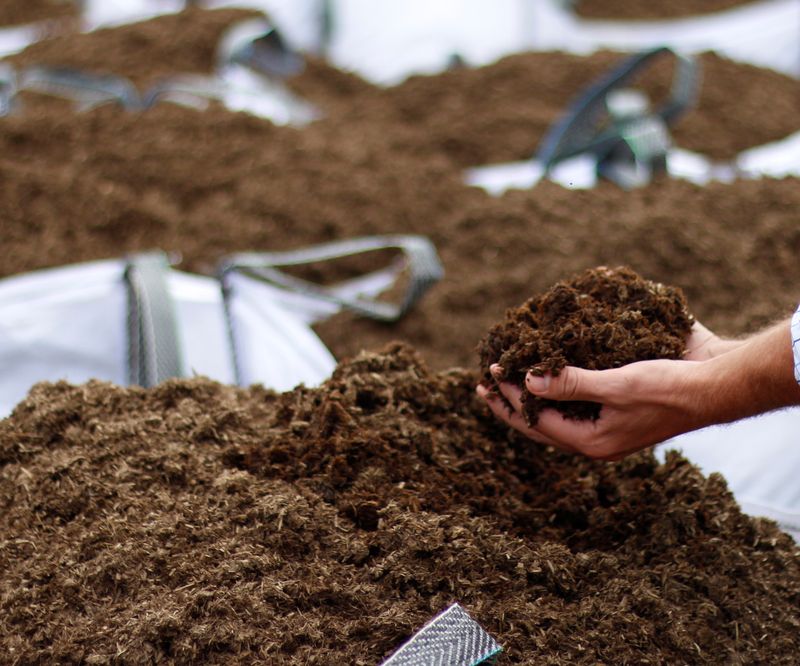
Mulching changes that game completely. A two-to-three inch layer of wood chips, straw, or shredded leaves acts like a blanket over your soil.
That blanket traps moisture underneath, keeping roots cool and hydrated for days longer than exposed ground ever could.
Many Connecticut gardeners who mulch their beds report a significant reduction in how often they need to water throughout the season.
Organic mulches also break down slowly over time, feeding your soil with nutrients as they decompose. That means your garden gets a bonus fertilizer treatment without any extra effort from you.
You can find bagged mulch at any local garden center, or shred fallen leaves right from your own yard. Either way, the savings in water, time, and effort add up fast.
Aim to keep mulch a few inches away from plant stems to prevent rot. Piled too close, it can trap unwanted moisture against delicate stalks and invite disease.
One afternoon spreading mulch can protect your garden for an entire growing season. That is one of the best returns on effort any gardener can find.
Native Plants Require Significantly Less Water Overall
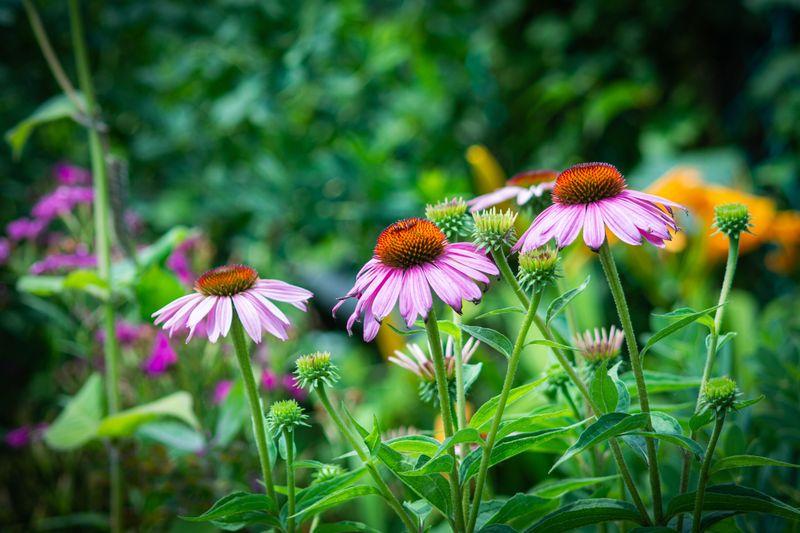
Plants that evolved right here do not need your help surviving here. Native Connecticut species like black-eyed Susans, wild bergamot, and switchgrass have spent thousands of years adapting to local rainfall patterns.
Once established, these plants basically take care of themselves. Their root systems grow deep, reaching moisture stored far below the surface that shallow-rooted imports simply cannot access.
Swapping even a portion of your garden to native species can slash your outdoor water use dramatically. Once established, native plants typically require little to no supplemental watering beyond their first growing season.
After that first year, nature handles most of the work. Connecticut gets enough seasonal rainfall to keep established native plants healthy without much human intervention at all.
Beyond saving water, native plants attract pollinators like bees, butterflies, and hummingbirds. Your garden becomes a buzzing, colorful habitat that supports the local ecosystem without extra chemicals or fertilizers.
Your Connecticut Garden Changes Every Week. Your Plan Should Too.
Gardening in Connecticut changes quickly throughout the season. Every Friday you’ll receive a simple weekly plan showing exactly what to plant, prune, fertilize, harvest, and protect so you never miss the right timing.
Nurseries across the state now carry impressive selections of native perennials and shrubs. Look for plants tagged with labels indicating Connecticut or New England origin for the best results.
Replacing thirsty annuals with tough native perennials is one of the smartest long-term investments a gardener can make. Your future self will thank you every dry August.
Drip Irrigation Delivers Water Directly To Roots
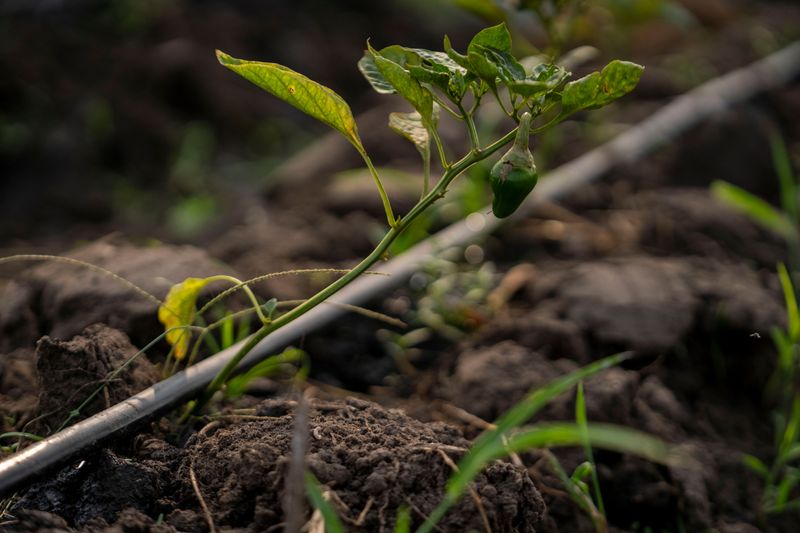
Overhead sprinklers are basically water cannons aimed at the wrong target. Most of that spray lands on leaves, pathways, and air before it ever reaches a single root.
Drip irrigation fixes that waste with elegant simplicity. Thin tubes deliver slow, steady moisture right at the base of each plant, exactly where thirsty roots are waiting.
Systems like these can reduce water consumption by up to fifty percent compared to traditional sprinklers. Many Connecticut gardeners who have reduced their water use significantly credit drip irrigation as their single biggest upgrade.
Installation is easier than most people expect. Basic drip kits come with everything you need and connect directly to a standard outdoor faucet in under an hour.
Timer attachments make the system even more efficient. Set it once, and your garden gets a perfect drink every morning without you lifting a finger.
Drip lines also keep foliage dry, which reduces fungal diseases like powdery mildew that thrive in wet, humid conditions. Healthier leaves mean stronger plants producing more flowers and fruit.
Starter kits are widely available online and at hardware stores for under fifty dollars. For a small garden, that one-time investment pays off through an entire season of lower water bills and bigger harvests.
Rain Barrels Collect And Store Free Rainwater
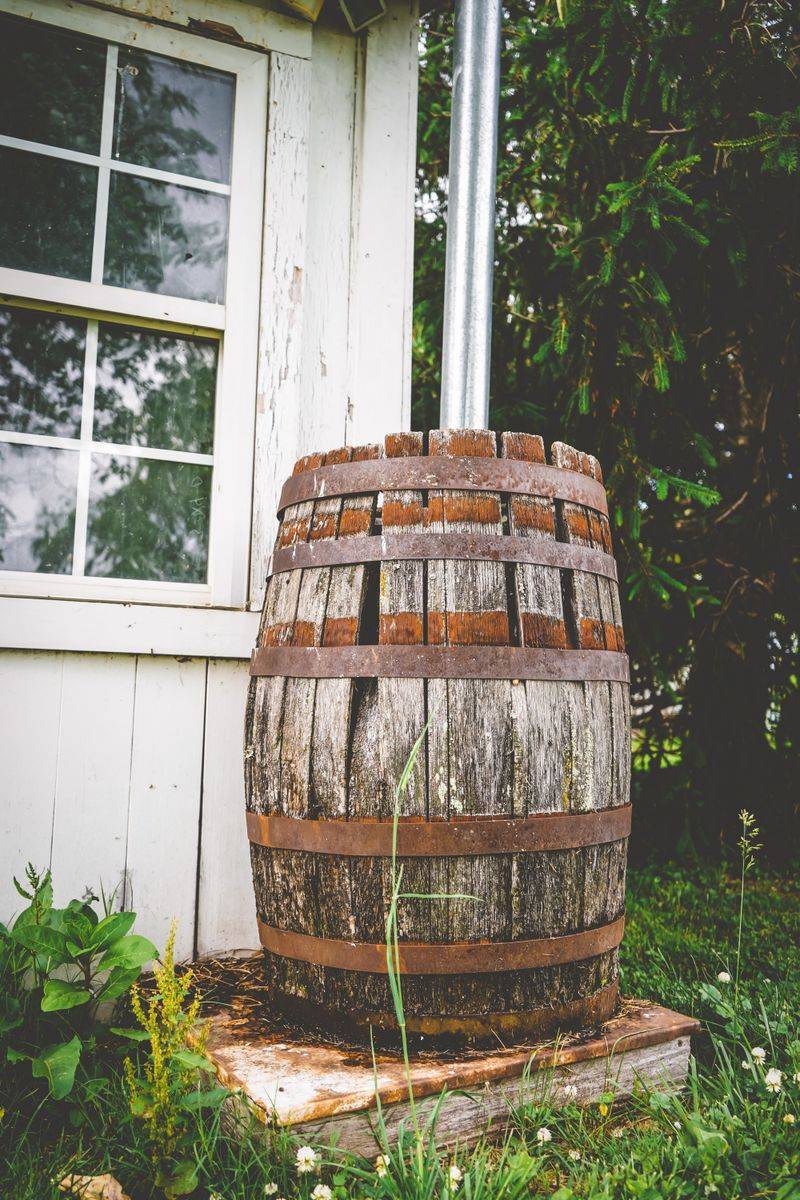
Every time it rains, free water is literally falling on your house. Without a rain barrel, all of that precious resource flows straight into storm drains and disappears.
A single barrel connected to your downspout can collect up to fifty-five gallons from one decent rainstorm.
Connecticut averages about forty-four inches of precipitation annually, which means collection opportunities are plentiful throughout the growing season.
Rainwater lacks the chlorine and fluoride found in most municipal supplies, which many gardeners and horticultural experts consider beneficial for plant health.
Barrels sit quietly beside your house until you need them, then release water through a simple spigot at the base. Attach a garden hose and gravity does the rest, no pump required.
Many Connecticut towns and environmental organizations offer rain barrels at discounted rates to encourage conservation. Check your local water authority website for rebate programs that can cut purchase costs significantly.
Screens on the barrel top keep out mosquitoes and debris, making maintenance almost effortless. A quick check every few weeks is all the upkeep most systems ever need.
Collecting rain is one of those rare gardening habits that saves money, helps the environment, and improves plant health all at once. Few gardening habits save money, support the environment, and improve plant health at the same time.
Morning Watering Reduces Evaporation Throughout The Day
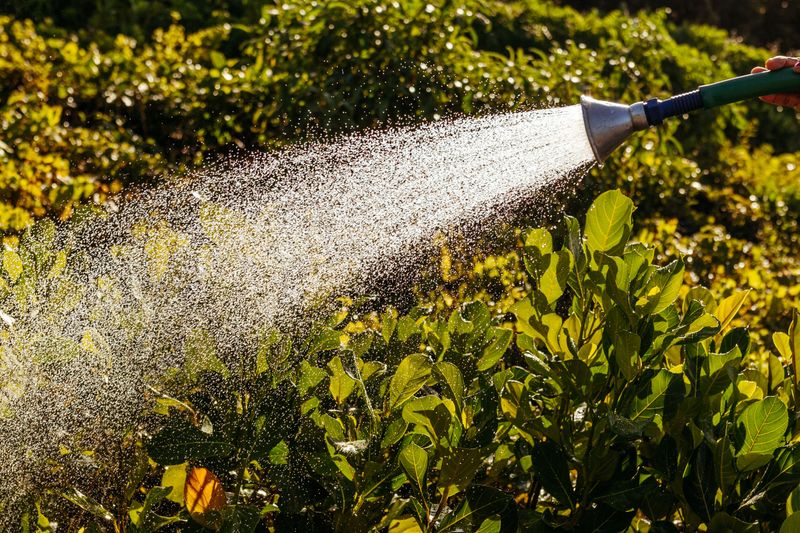
Timing is everything, and most gardeners water at the worst possible moment. Midday watering under a blazing summer sun loses a huge portion of moisture to evaporation before roots ever absorb it.
Morning watering solves that problem beautifully. Cooler temperatures and calmer air in the early hours mean water soaks into soil instead of vanishing into the sky.
Cooler morning temperatures mean water soaks into soil before the heat of the day drives evaporation, giving roots more time to absorb moisture efficiently.
An added bonus is that foliage has the entire day to dry out after morning watering. Wet leaves sitting through a humid Connecticut night are an open invitation for fungal problems.
Shifting your routine from evening to morning can feel like a big adjustment at first. But most gardeners find they actually enjoy the quiet, peaceful ritual of early garden time before the day heats up.
Pairing morning watering with a drip system or soaker hose makes the habit even more efficient. The combination targets roots precisely while the cool air minimizes any surface evaporation.
Small timing shifts like this one cost nothing and demand no new equipment. Just set your alarm thirty minutes earlier and watch your garden respond with visible gratitude.
Soil Amendments Improve Water Retention Naturally
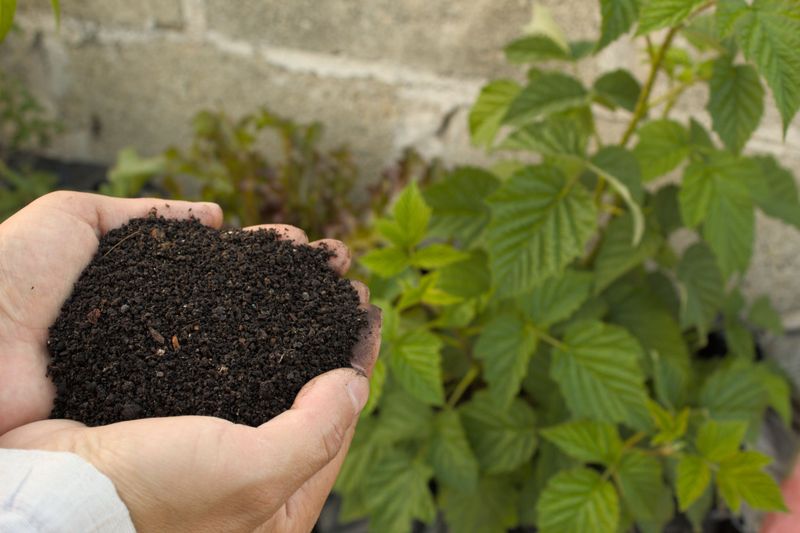
Not all soil is created equal, and Connecticut gardeners know this better than most. Heavy clay soil drains poorly while sandy soil drains too fast, leaving roots either drowning or parched.
Soil amendments fix both problems from the inside out. Mixing in compost, aged manure, or coconut coir changes the physical structure of your soil so it holds moisture longer and drains better simultaneously.
Compost is the gold standard of amendments for good reason. Its spongy texture absorbs water like a reservoir and releases it slowly to roots over days, not hours.
Adding just two inches of compost worked into your top twelve inches of soil can dramatically improve how long your garden stays moist between waterings. Many gardeners see immediate results after a single season of amendment.
Biochar is another powerful option gaining popularity among eco-conscious growers. This carbon-rich material holds water at a cellular level and also feeds beneficial soil microbes that support plant health.
You can make your own compost from kitchen scraps and yard waste with minimal effort. A basic compost bin costs almost nothing and transforms garbage into gardening gold within a few months.
Healthy, amended soil is the foundation every thriving garden stands on. Improving your soil structure is one of the most reliable investments a gardener can make, with benefits that show up visibly in plant health season after season.
Grouping Thirsty Plants Together Maximizes Watering Efficiency
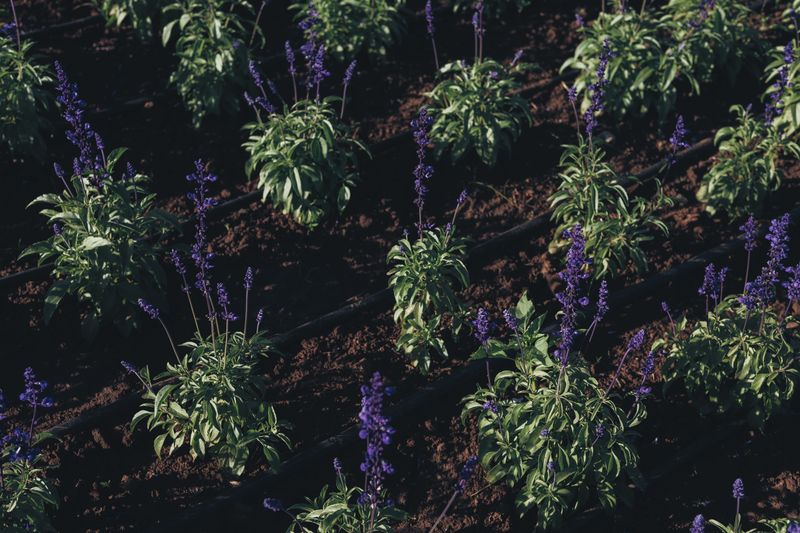
Watering a whole garden the same way is like giving everyone the same prescription. Some plants need a lot, some need almost none, and mixing them together wastes both water and effort.
Strategic grouping, sometimes called hydrozoning, solves this by clustering plants with similar water needs in the same space.
Thirsty tomatoes and cucumbers stay together in one zone while drought-tolerant herbs like rosemary and thyme share another.
This approach lets you water each zone precisely without over-soaking plants that prefer drier conditions. Your basil gets what it craves without accidentally rotting your lavender in the process.
Smart Connecticut gardeners who cut their watering in half often point to hydrozoning as the strategy that made everything click. Once the layout is planned, maintaining the garden becomes dramatically simpler.
Grouping also makes drip irrigation and soaker hoses far more effective. You can run one line through a thirsty zone and a separate, less frequent line through a drought-tolerant section.
Planning your garden layout before planting season takes maybe an hour of thought. That single planning session can save dozens of hours of watering over the entire summer ahead.
Efficiency is not just about working harder in the garden. Sometimes the smartest move is simply placing the right plants next to the right neighbors from the very start.